Why a Vacuum Beats Any Amount of Foam
Heat moves three ways: conduction, convection and radiation. A foam-insulated bottle slows conduction and convection down but cannot stop them, because there is still material between the cold drink and the warm room. A vacuum flask does something categorically different — it removes the material. Between the two stainless steel walls is a near-vacuum, and with almost no matter in the gap, conduction and convection have nothing to travel through. Only radiation is left, which the reflective inner surface handles. That is why a vacuum bottle holds ice for the better part of a day while a foam one sweats through in an afternoon.
Key Benefits
- Double-wall vacuum construction, not foam. The gap between the walls does the work by containing almost nothing at all. It is the single reason this outperforms cheaper insulated bottles, and it is not a marginal difference.
- No condensation on the outside. Because the outer wall never gets cold, it never drops below the dew point, so it does not sweat onto your desk, your bag or your car seat.
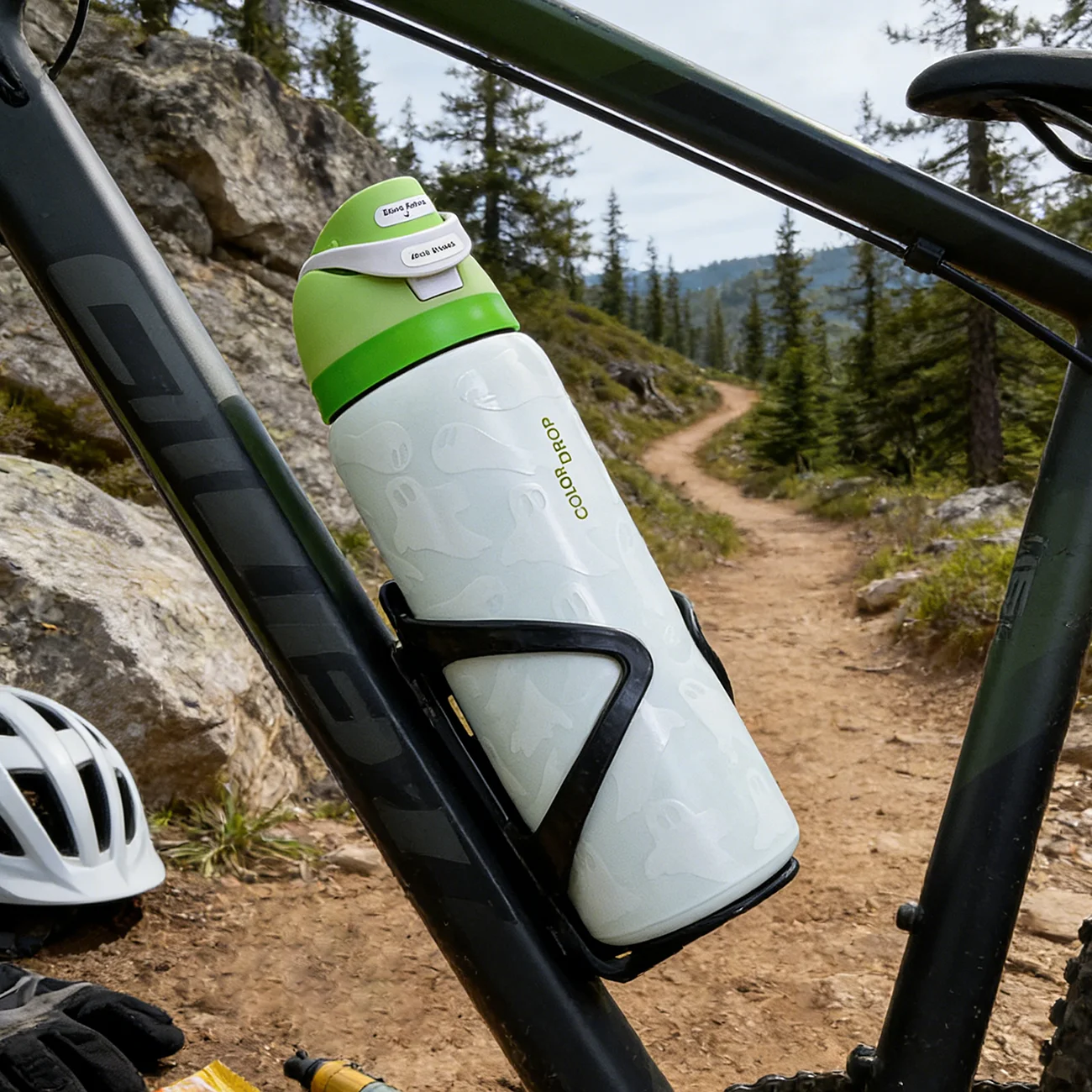
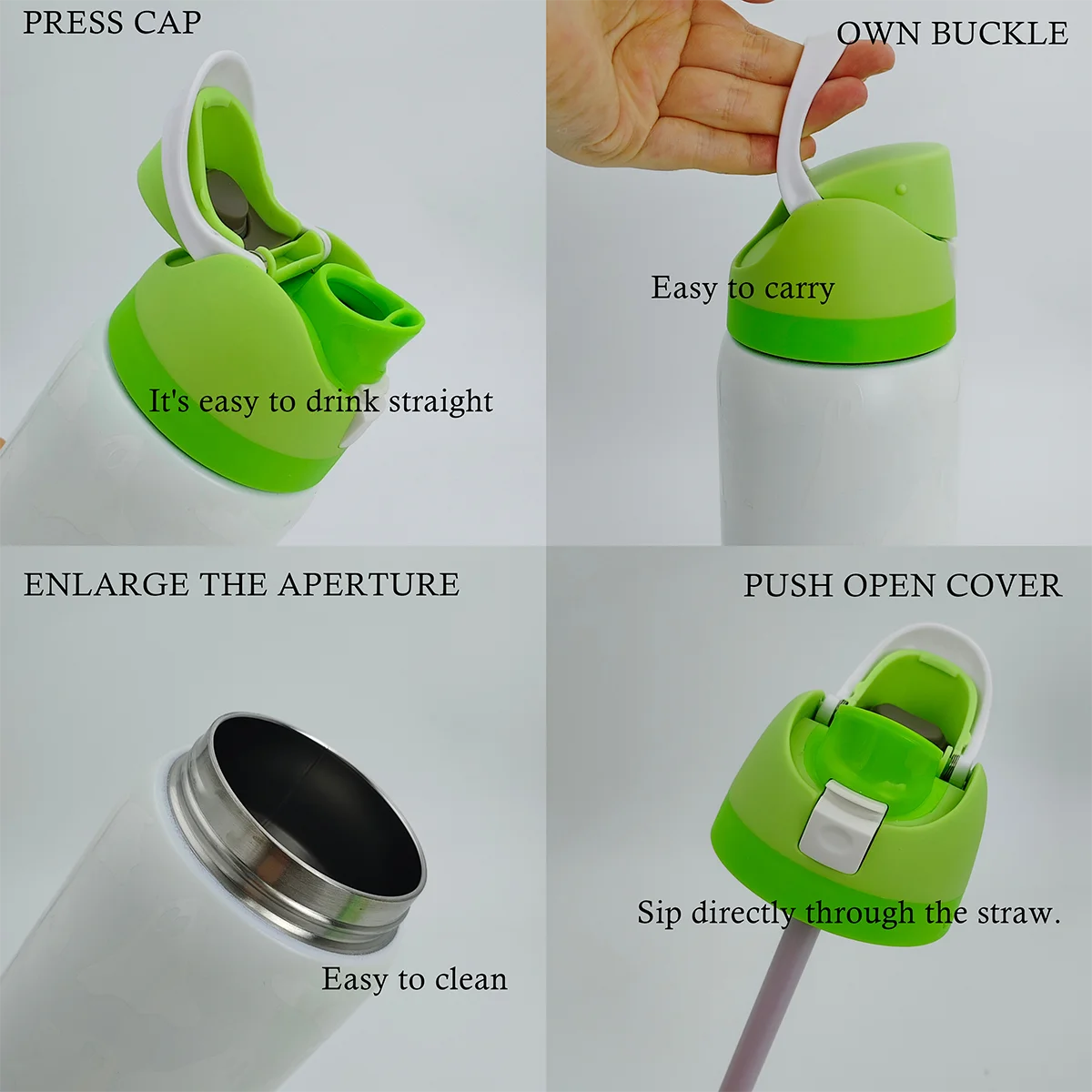
- A straw lid means you drink more, and that is the actual mechanism. No unscrewing, no tipping your head back, no putting the laptop down. Removing friction from a habit is a far more reliable way to increase water intake than resolving to drink more.
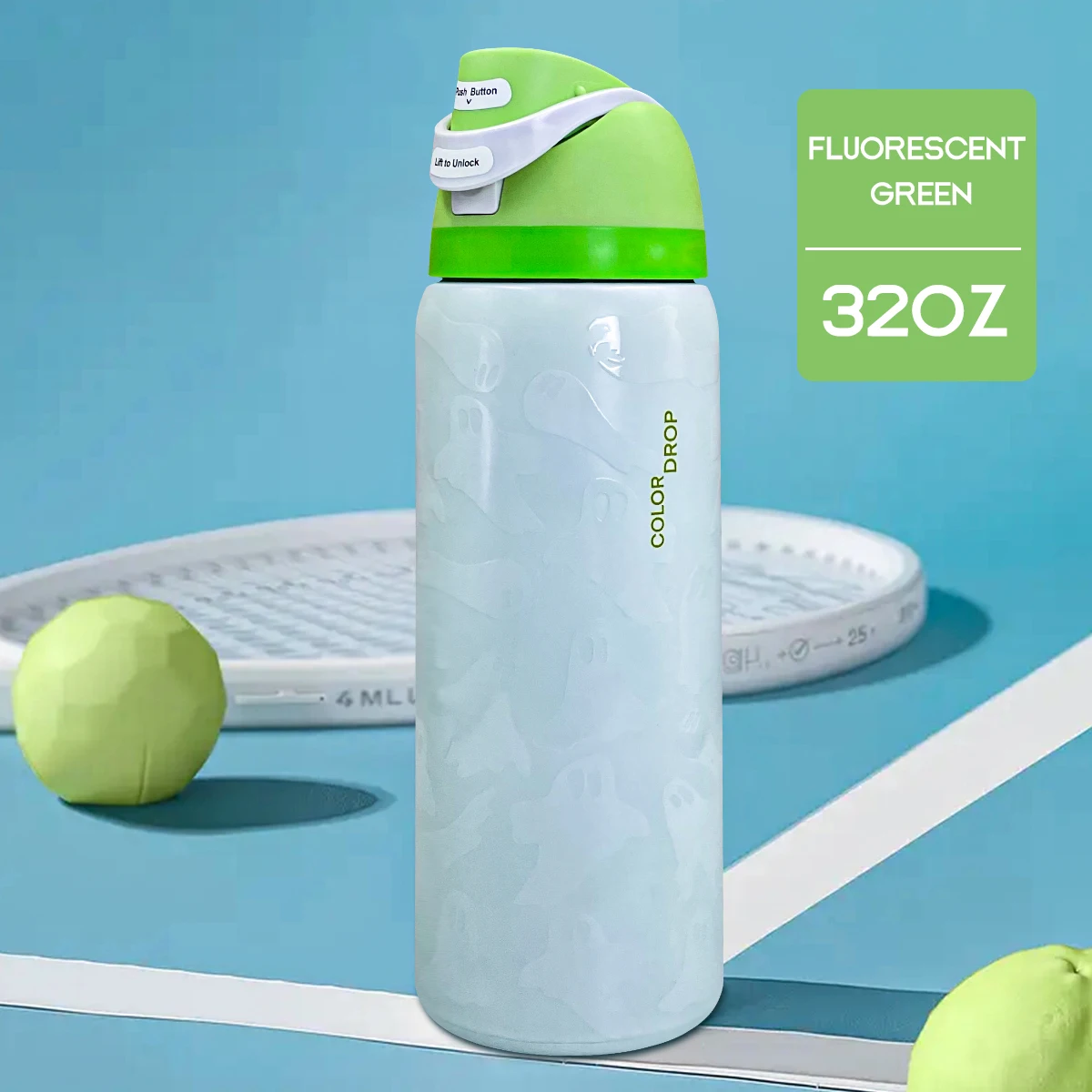
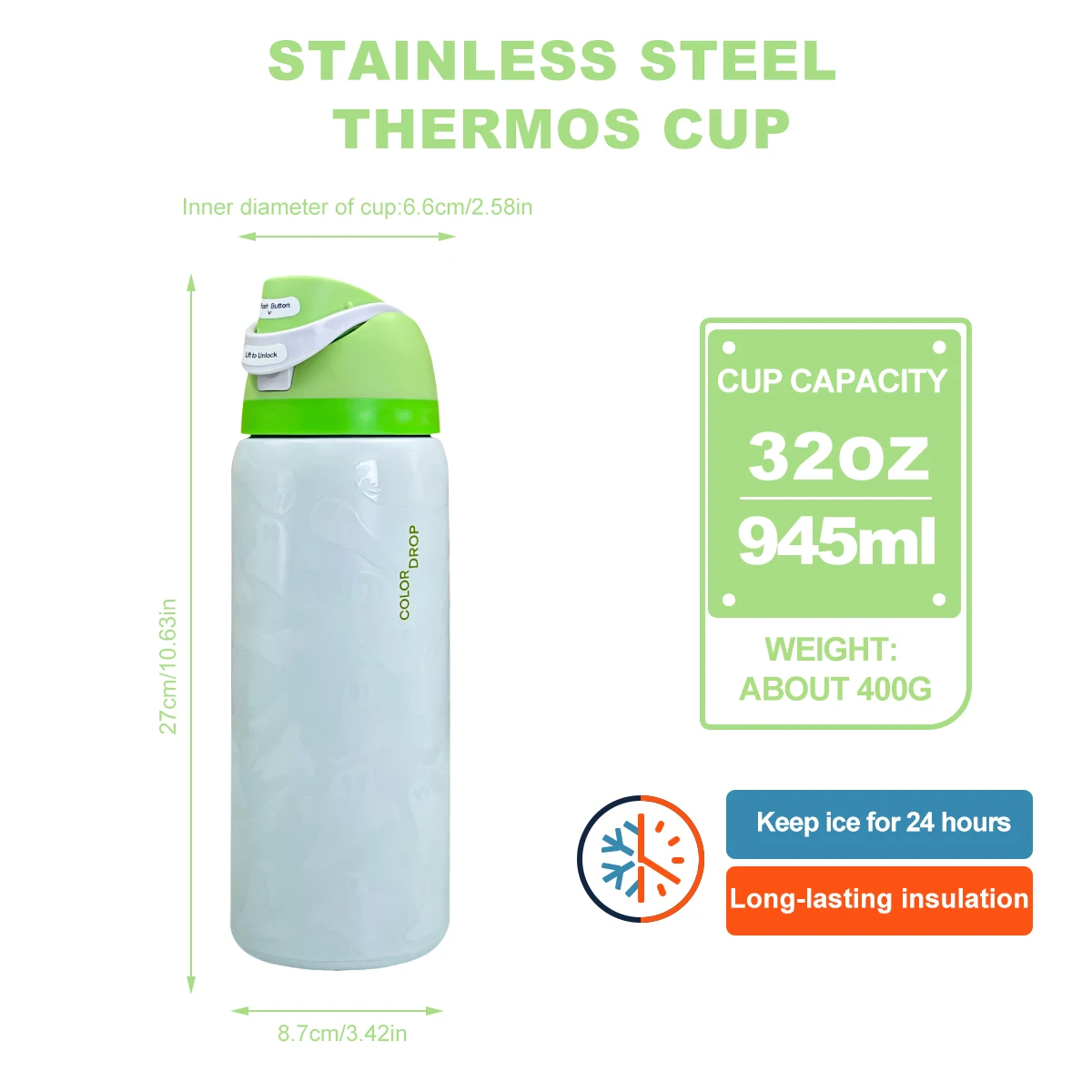
- 945ml is enough to stop refilling. A full 32oz covers most of a working day or a long session in the gym without a trip to the tap.
- Stainless steel holds no flavour. Unlike plastic, steel does not absorb coffee, squash or last week’s electrolyte tabs and quietly release them into tomorrow’s water.
- On hydration, honestly: there is no evidence for a magic daily litre count. Thirst and pale-straw-coloured urine are perfectly good guides. A bottle you enjoy carrying is useful because it makes drinking easy, not because it hits a number.
How to Use
Rinse it before first use. For cold drinks, pre-chill the bottle by filling it with cold water for a few minutes, tipping it out, then adding ice and your drink — starting with a cold steel wall gains you meaningful extra hours. Screw the lid down until it seats, then check the straw seal is fully home before putting it in a bag. Safety and use notes: do not put hot liquids in a straw lid, because a straw provides a direct, unregulated path to your mouth and there is no way to sip cautiously at scalding coffee through one. Never fill it with carbonated drinks — pressure builds in a sealed vacuum bottle and the lid can release with real force. Do not put it in a freezer, a microwave or a dishwasher unless the manufacturer explicitly says otherwise: freezing water expands and can rupture the inner wall, and the resulting loss of vacuum permanently kills the insulation. Do not leave milk, juice or protein shakes sitting in it — a sealed, insulated container is an excellent incubator.
Specifications
| Capacity | 32oz / 945ml |
|---|---|
| Construction | Double-wall vacuum-insulated stainless steel |
| Lid | Straw lid |
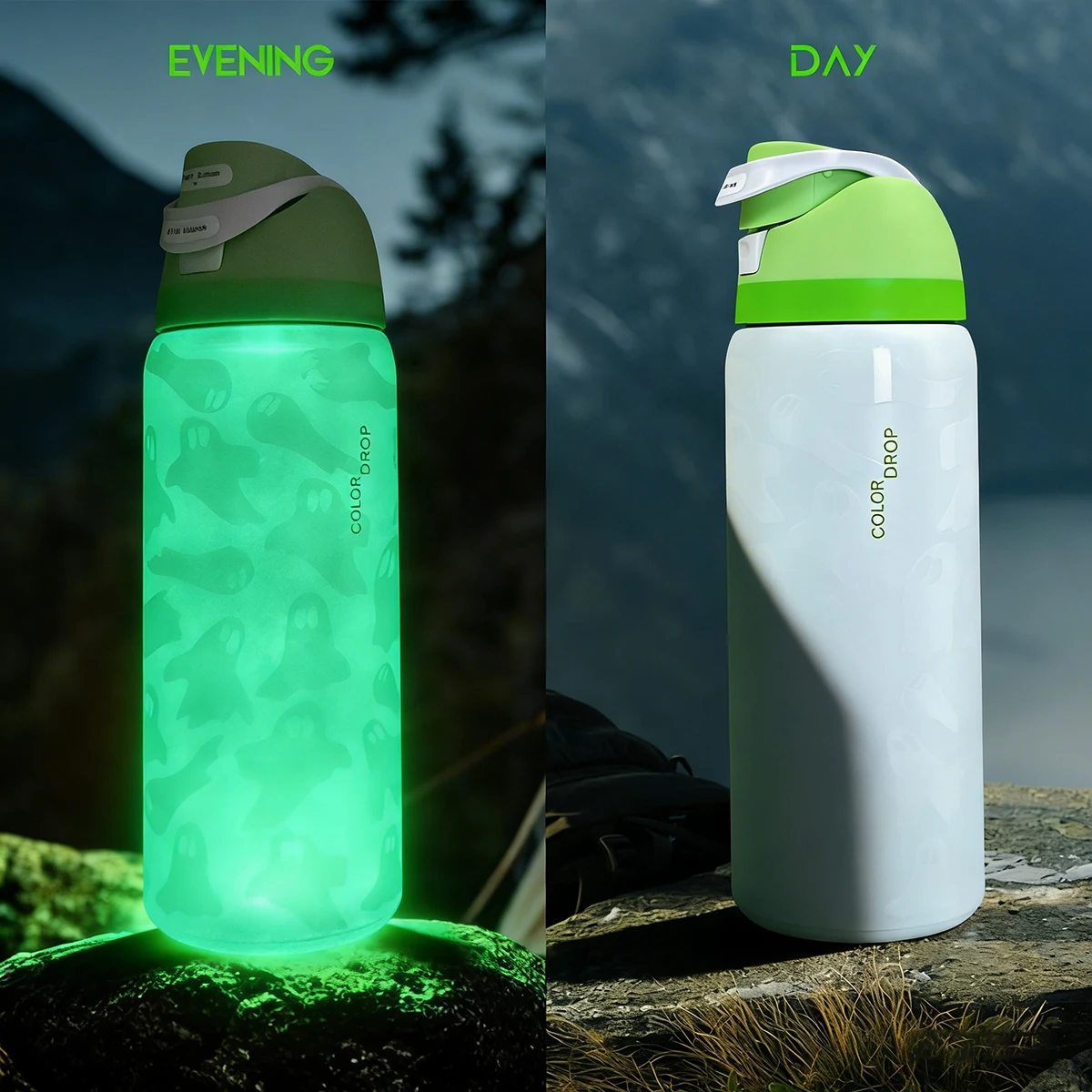
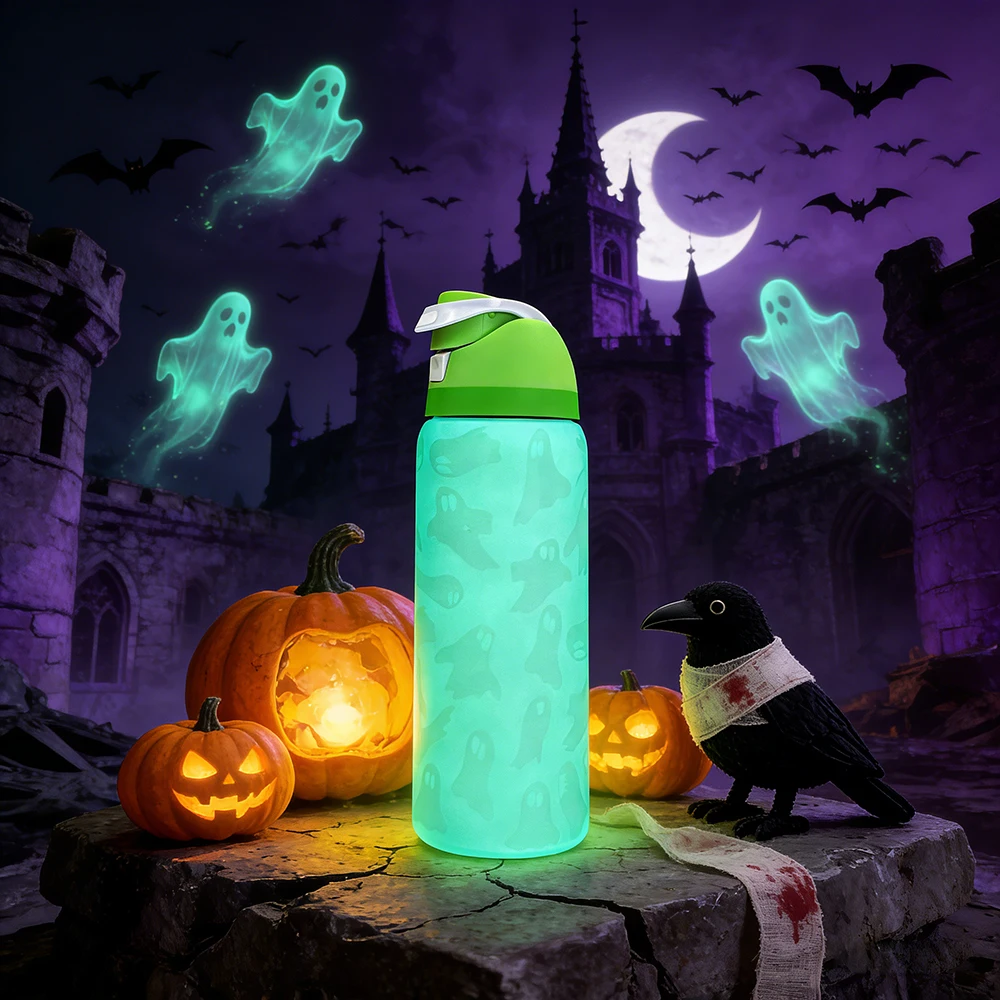
| Feature | Glow / nightlight cap detail |
| Cold retention | Manufacturer claim — verify against listing; do not rely on exact hours |
| Condensation | None on outer wall |
| Carbonated drinks | Not suitable — pressure risk |
| Hot liquids | Not suitable with a straw lid |
| Dishwasher | Hand wash recommended |
| Colour / design | Variant dependent — see options above |
Care & Maintenance
Hand wash with warm soapy water and a bottle brush — dishwasher heat and detergent can dull the exterior finish and, on some bottles, damage the seal on the vacuum gap. The straw and the lid gasket are where mould actually grows, so take the lid apart, pull the gasket out and clean both properly at least weekly; a straw brush is worth the pound it costs. Dry everything fully with the lid off before storing, since a sealed damp bottle smells within days. If the outside of the bottle ever starts to feel cold or sweat, the vacuum has failed and the insulation is gone for good.
What’s in the Box
One 32oz insulated stainless steel bottle with straw lid. Straw and any additional lids or brushes are variant dependent — see the listing options above.

Reviews
There are no reviews yet.