Massage & Recovery
Massage and recovery tools work by applying pressure or temperature to muscle and fascia so blood flow increases and tension releases — which is why a foam roller, a massage gun or a simple trigger point ball can undo in five minutes what a hard session left behind. This collection holds 254 recovery products across nine sub-collections, from $10 gua sha stones to percussion devices.
If you only ever buy one recovery tool, buy a foam roller. If you buy two, add a massage ball for the spots a roller cannot reach — the glutes, the soles of the feet, the space between the shoulder blades.
How to choose a muscle recovery tool
Choose by the size of the area you need to treat and how much pressure that tissue tolerates. Large muscle groups like quads, hamstrings and lats respond to a foam roller; small dense knots in the glutes, calves or feet need the concentrated pressure of a ball; joints and superficial tissue do better with heat or cold than with pressure at all.
By body area
- Quads, hamstrings, calves, IT band — a 12–18in foam roller. Smooth for beginners, grid or textured once you can tolerate it.
- Glutes, feet, shoulder blades — a lacrosse-size massage ball or peanut roller.
- Neck and traps — a shiatsu neck massager or a handheld roller; avoid deep percussion directly on the cervical spine.
- Whole body, post-session — a percussion massage gun with interchangeable heads.
- Acute swelling, sprains, tendon pain — ice packs and cold therapy before any pressure tool.
By pressure tolerance
Foam density is the variable most people get wrong. Soft EVA rollers compress under bodyweight and feel gentle; high-density EPP and hollow-core rollers with a rigid tube deliver far more pressure at the same bodyweight. If you are new to rolling, or coming back from injury, start soft and move up. Pain that makes you hold your breath is too much pressure, not a sign it is working.
By how much time you will actually spend
A massage gun delivers more pressure per minute than a roller, which matters if you have five minutes rather than fifteen. A roller costs less, never needs charging and works on the floor of a hotel room. Buy for the routine you will genuinely keep.
Foam roller vs massage gun vs massage ball
| Foam roller | Massage gun | Massage ball | |
|---|---|---|---|
| Best for | Large muscle groups, general post-workout | Fast targeted relief, deep tissue | Small knots, feet, glutes |
| Time per session | 10–15 min | 3–5 min | 5–10 min |
| Pressure control | Bodyweight, gradual | High, adjustable speeds | Very high, pinpoint |
| Portability | Bulky, travel sizes exist | Case-sized, needs charging | Pocket-sized |
| Typical price | $15–$40 | $40–$150 | $8–$20 |
How often should you use recovery tools?
Daily is fine for most tools, and short and frequent beats long and occasional. Sixty to ninety seconds per muscle group, once or twice a day, is enough to keep tissue quality good. Percussion devices are the exception — keep to two minutes per muscle group and stay off bone, joints and the front of the neck.
Frequently asked questions
Do massage tools actually help muscle recovery?
They reliably reduce the sensation of muscle soreness and improve short-term range of motion. Claims that they flush lactic acid or speed tissue repair are not supported — lactic acid clears on its own within an hour of exercise. Buy them because they make you feel and move better the next day, which is a real benefit.
Is it normal for foam rolling to hurt?
Mild discomfort in a tight muscle is normal. Sharp pain, numbness, or pain over a bone or joint is not — move off that spot. Never roll directly over the lower back, the front of the neck, or an area that is bruised, swollen or recently injured.
Can I use a massage gun every day?
Yes, within limits. Two minutes per muscle group, on muscle only, avoiding the spine, joints, kidneys and the front of the neck. If an area is still sore from the gun the next day, you used too much pressure for too long.
Should I use heat or ice?
Ice for a fresh injury with swelling, in the first 48 hours. Heat for stiffness, chronic tightness and warming up before activity. For general post-training soreness with no swelling, heat is usually more comfortable and just as effective. See our hot and cold therapy collection.
What is the best recovery tool for beginners?
A medium-density foam roller and one massage ball, for under $35 together. That pair covers most of what most people need. Add a massage gun later if you find you are short on time rather than short on options.
Showing 1–12 of 251 results
-
Back Massagers
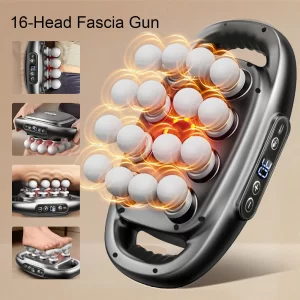
16-Head Electric Kneading Body Massager – Back, Shoulders, Legs & Feet
$74.99 Select options This product has multiple variants. The options may be chosen on the product page -
Massage & Recovery
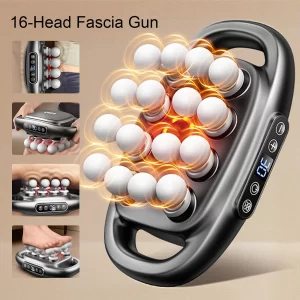
16-Head Fascia Massage Gun – Percussion Therapy for Back, Neck & Shoulders
Price range: $69.99 through $77.99 Select options This product has multiple variants. The options may be chosen on the product page -
Massage & Recovery
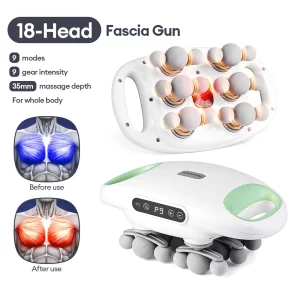
18-Head Fascia Gun – High-Frequency Deep Tissue Massager
$31.99 Select options This product has multiple variants. The options may be chosen on the product page -
Hot & Cold Therapy
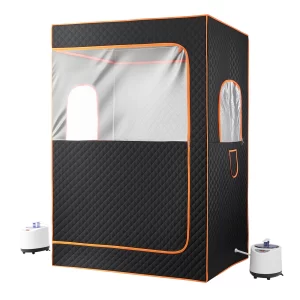
2-Person Portable Steam Sauna Tent – Home Heat Therapy & Recovery Cabin
$398.99 Add to cart -
Back Massagers
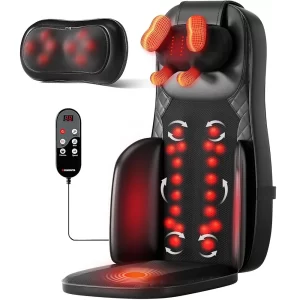
3-in-1 Shiatsu Neck & Back Massage Cushion with Heat – 4D Kneading Chair Pad
$234.99 Select options This product has multiple variants. The options may be chosen on the product page -
Foam Rollers & Massage Balls
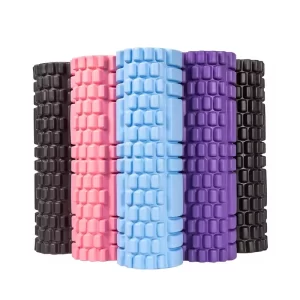
30cm Foam Roller – Yoga & Pilates Back Massage Column
Price range: $24.99 through $25.99 Select options This product has multiple variants. The options may be chosen on the product page -
Massage & Recovery
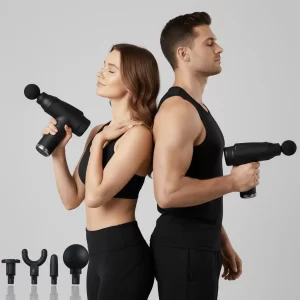
32-Speed Massage Gun – Deep Tissue Percussion Muscle Massager
Price range: $41.99 through $115.99 Select options This product has multiple variants. The options may be chosen on the product page -
Foam Rollers & Massage Balls
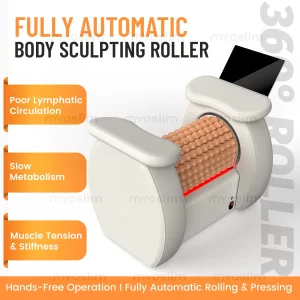
360° Roller Body Massager with Infrared Heat – Professional Muscle Relief Machine
$3,778.99 Select options This product has multiple variants. The options may be chosen on the product page -
Back Massagers
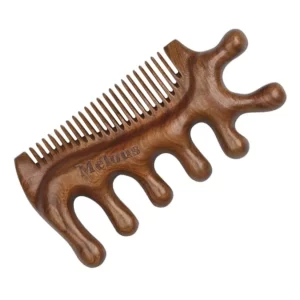
4-in-1 Sandalwood Gua Sha Set – Face, Neck, Body & Scalp Comb
$18.99 Select options This product has multiple variants. The options may be chosen on the product page -
Massage & Recovery
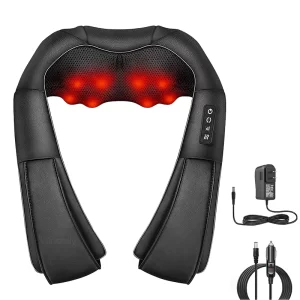
4D Shiatsu Neck & Shoulder Massager with Heat – Kneading Massage Pillow
Price range: $59.99 through $74.99 Select options This product has multiple variants. The options may be chosen on the product page -
Hot & Cold Therapy
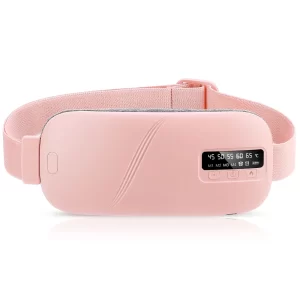
5-Mode Heated Vibration Waist Massager – Lumbar Support Belt
$44.99 Select options This product has multiple variants. The options may be chosen on the product page -
Hot & Cold Therapy
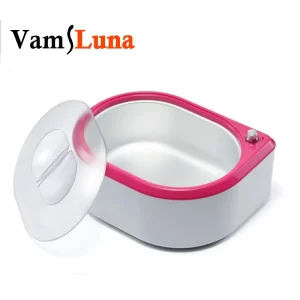
5L Paraffin Wax Heater – Hand, Foot & Body Warm Wax Therapy Bath
$96.99 Select options This product has multiple variants. The options may be chosen on the product page