Why Physiotherapists Still Use Warm Paraffin on Stiff Hands
Paraffin wax holds a large amount of heat but conducts it slowly, so it transfers thermal energy into skin and superficial tissue steadily rather than scalding it. As the wax hardens around the hand it also seals the area, keeping heat in and moisture against the skin. The therapeutic effect comes from raising tissue temperature: warm connective tissue is more extensible, joint viscosity drops, and stiff arthritic hands become measurably easier to move. Paraffin baths are a long-standing modality in rheumatology and hand therapy for exactly this reason. It relieves stiffness and improves short-term range of motion; it does not treat the underlying arthritis.
Key Benefits
- Even, deep heat that dry heat can’t match — wax wraps around every knuckle and web space, contacting far more surface area than a heat pad ever will.
- Real clinical pedigree for arthritic stiffness — paraffin baths are a recognised hand-therapy modality, not a spa gimmick, and they’re most useful first thing in the morning.
- Excellent before hand or foot mobility work — warm tissue moves more easily, so a paraffin dip immediately before exercises makes those exercises more productive.
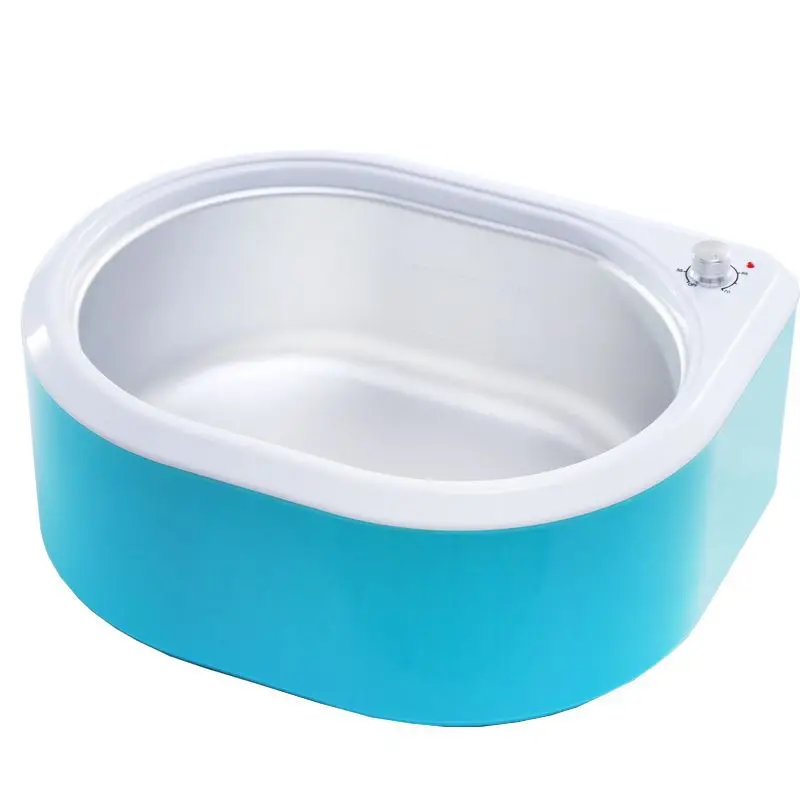
- 5L capacity handles feet, not just hands — smaller units force you to spoon wax onto a foot; this one lets you dip properly.
- Leaves skin genuinely softer — the occlusive layer traps moisture, which is why cracked heels and dry hands improve. That effect is real and not the main point.
- Relief, not repair — paraffin eases stiffness and pain for a period afterwards. It does not slow, reverse, or cure arthritis, and no one should tell you it does.
How to Use
Melt the wax fully and check the temperature with the built-in thermostat before your skin goes anywhere near it — paraffin therapy typically runs around 50–55°C, and you must confirm your unit has stabilised. Test with a fingertip dip first. Dip the hand or foot in, lift out, let the layer set for a few seconds, and repeat six to ten times to build a thick glove. Wrap in a plastic liner and a towel, sit for 15–20 minutes, then peel the wax off. Follow immediately with gentle range-of-motion exercises while the tissue is still warm — that’s where the benefit actually lands. Safety: do not use paraffin on numb or insensate skin, broken skin, open wounds, rashes, or infections. Do not use on an acute injury within 48 hours (use cold). Do not use if you have peripheral neuropathy, poor circulation, or diabetes with reduced sensation without a clinician’s approval — you can be burned without feeling it. Never leave the unit unattended while heating and never fall asleep with wax on. Not for use on inflamed, hot, or swollen joints during a flare.
Specifications
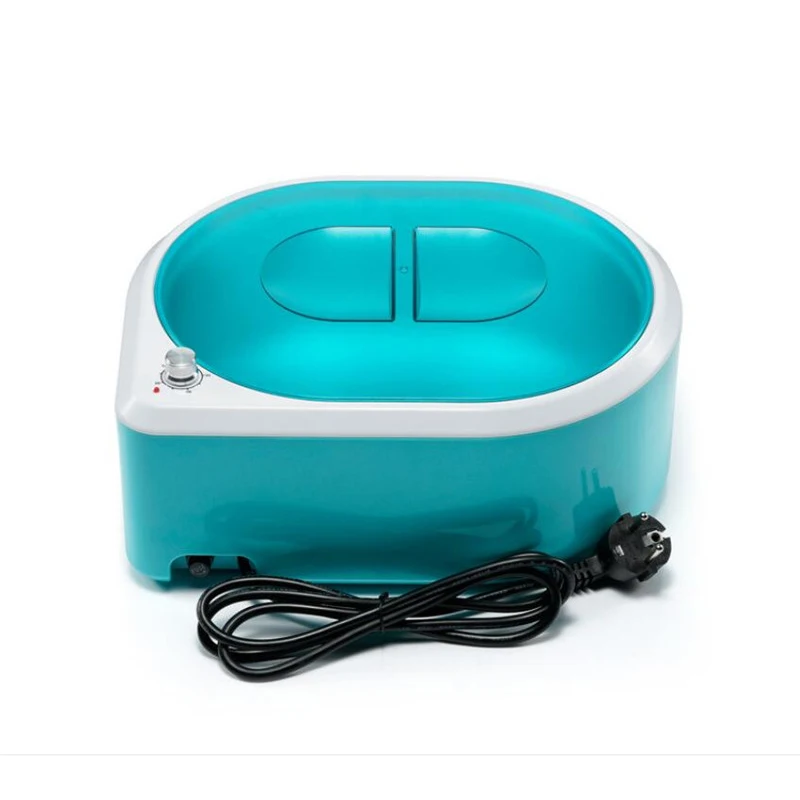
| Type | Paraffin wax therapy bath / heater |
|---|---|
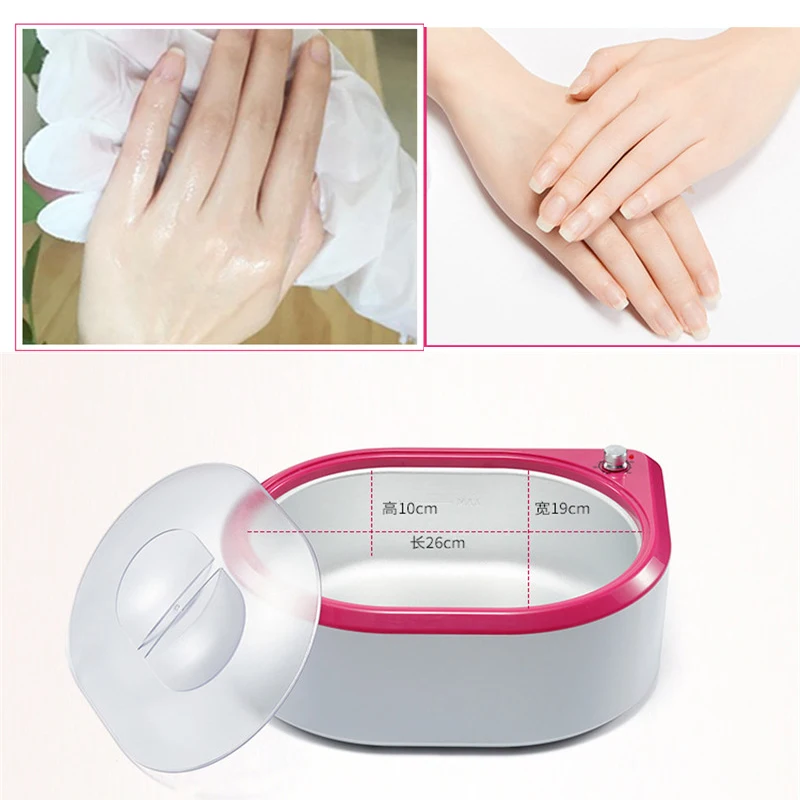
| Capacity | 5 litres |
| Areas | Hands, feet, elbows, and other small joints |
| Temperature control | Thermostat-regulated with melt and hold settings |
| Typical working temp | Approx. 50–55°C (verify with your unit) |
| Power | Mains |
| Wax included | Variant dependent |
| Liners / mitts | Variant dependent |
Care & Maintenance
Let the wax cool and solidify before cleaning; never pour molten paraffin down a drain. Skim out debris and skin flakes periodically and replace the entire batch of wax when it becomes cloudy, gritty, or discoloured — old wax carries bacteria. Wipe the tank interior with a dry cloth once the wax is removed, and never immerse the heating base in water. Keep the lid on when not in use, and unplug it whenever it isn’t heating. Never re-melt wax that has been contaminated by broken skin contact.
What’s in the Box
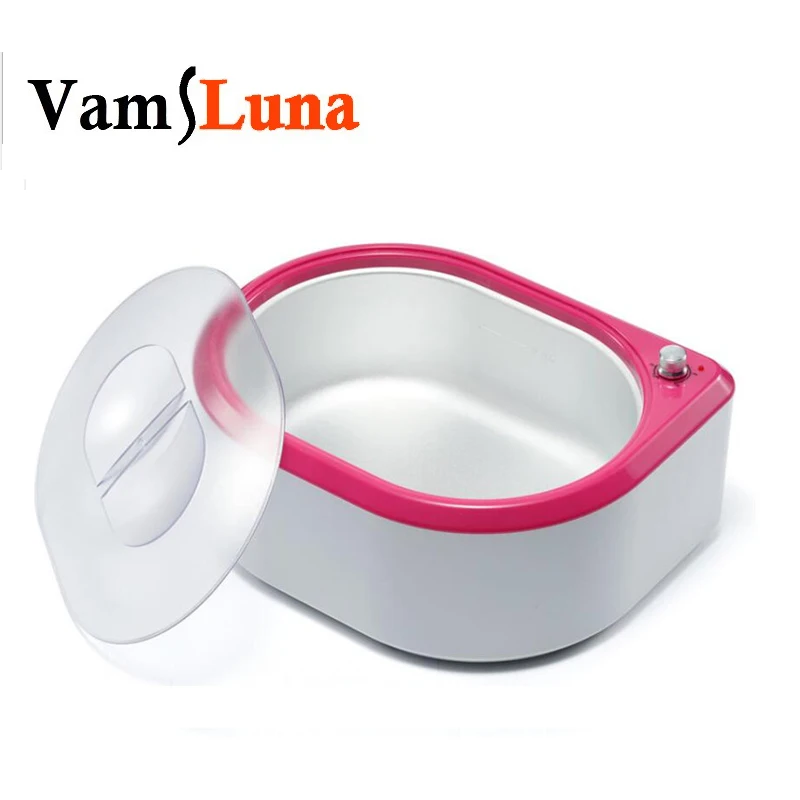
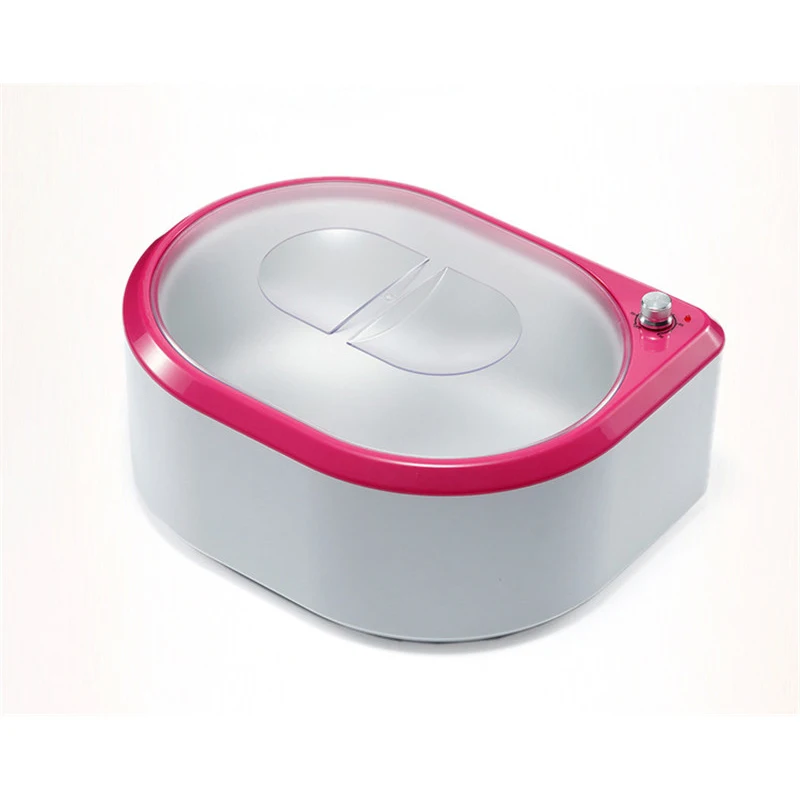
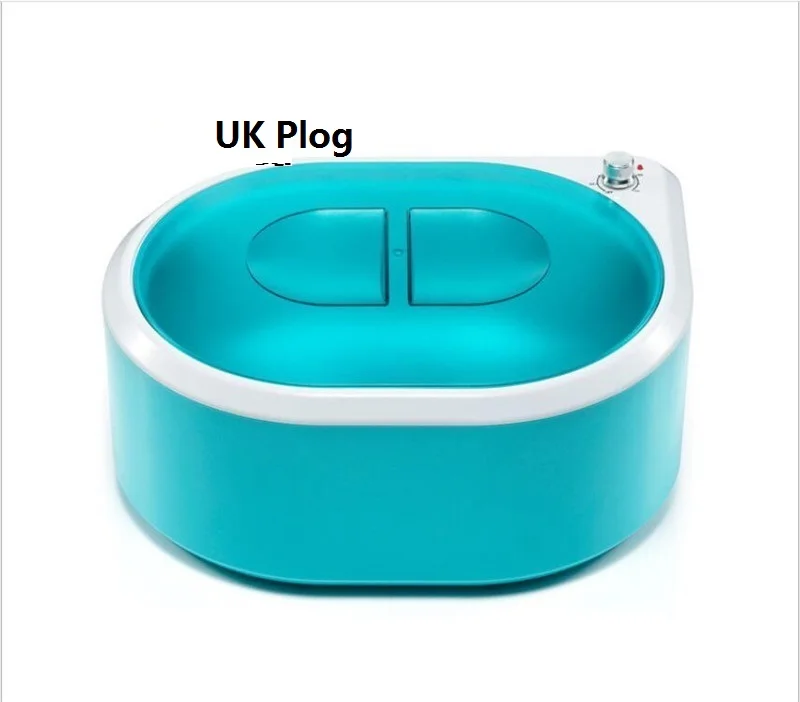
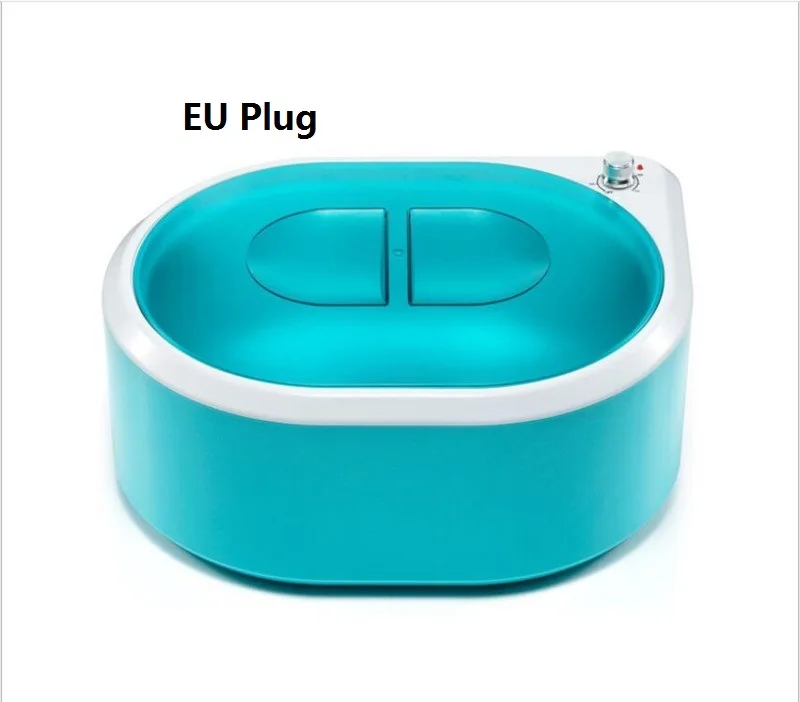
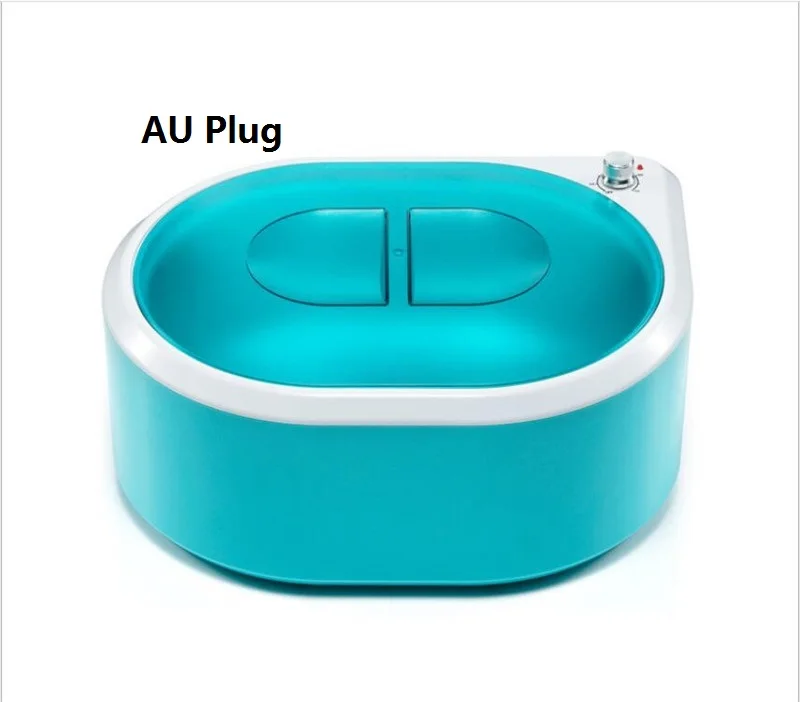
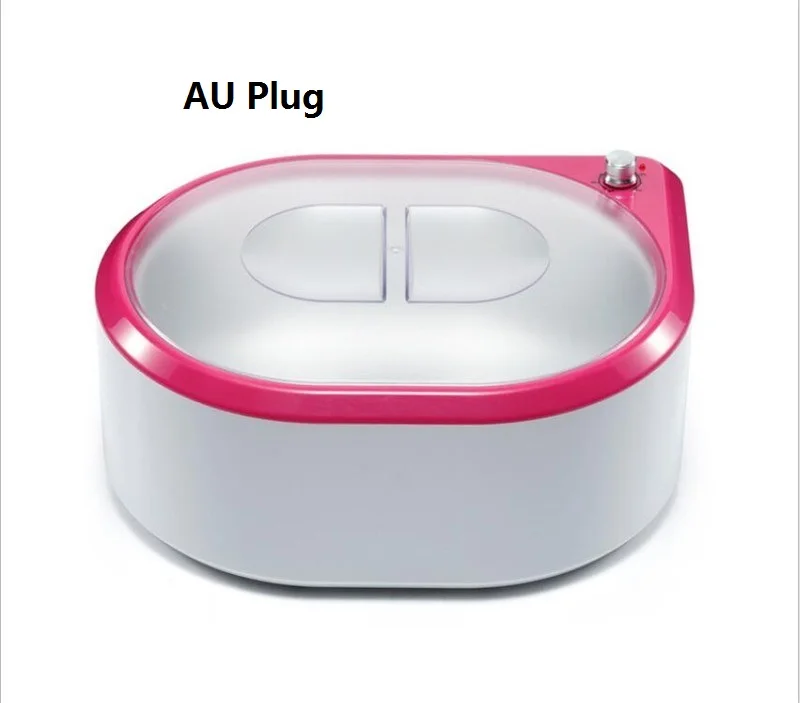
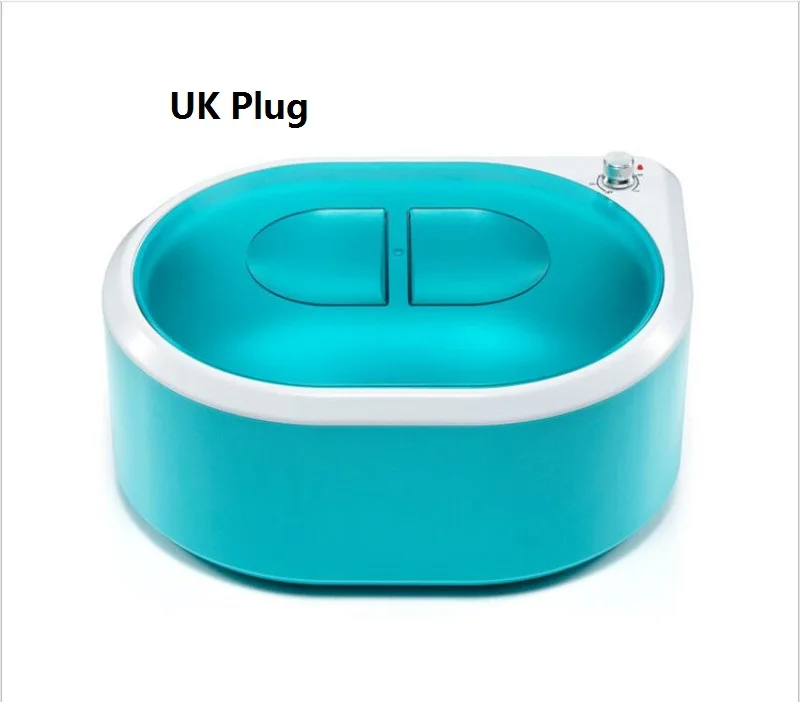
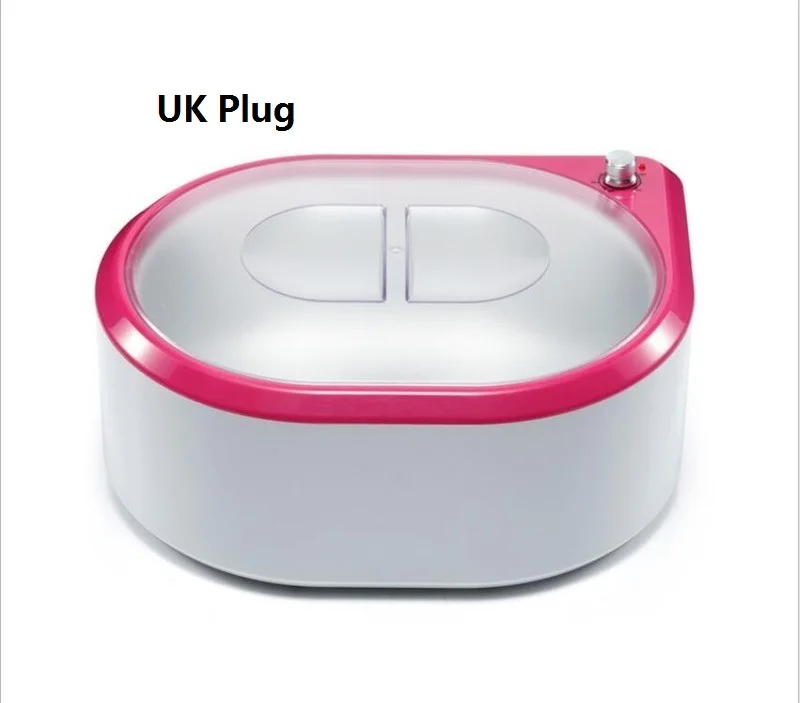
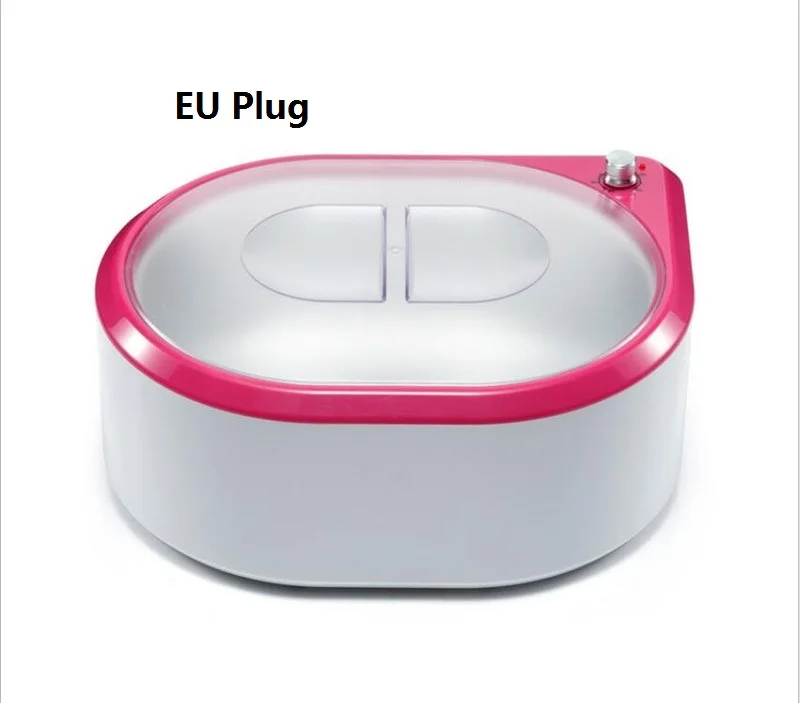
1 × 5L paraffin wax heater with lid and thermostat control. Wax blocks, plastic liners, and mitts or booties are variant dependent — check the product options before ordering.




Reviews
There are no reviews yet.