Wellness & Self-Care
Wellness and self-care equipment covers the parts of recovery that happen away from training — how well you sleep, how you sit at a desk, how you look after skin and circulation. This collection holds 101 products across sleep aids, posture and ergonomics, skin and facial tools, personal care and everyday self-care essentials.
The highest-return items here are usually the cheapest: an eye mask that actually blocks light, a lumbar cushion that fits your chair, a scalp massager for tension headaches.
How to choose self-care equipment that you will actually use
Buy for a problem you have this week, not the routine you hope to build. The self-care products that get used every day are the ones that sit in the path of an existing habit — a mask by the pillow, a cushion already on the chair, a roller in the bathroom drawer next to the moisturiser.
Sleep
- Light — a contoured eye mask blocks more light than a flat one and does not press on the eyelids.
- Noise — foam earplugs for occasional use, silicone or wax for side sleepers.
- Temperature — cooling pillow covers and gel inserts help far more than most people expect.
- Wind-down — a scalp massager or an acupressure mat gives the body a physical cue that the day is finished.
Desk and posture
Posture problems at a desk are usually a setup problem, not a discipline problem. Get the screen to eye height, the elbows to roughly 90 degrees, and the lower back supported — then a posture corrector becomes a short-term reminder rather than a permanent brace.
A realistic self-care stack
| Problem | What helps | Typical cost |
|---|---|---|
| Tension headaches | Scalp massager, gua sha, neck massager | $9–$40 |
| Poor sleep | Eye mask, earplugs, cooling cover | $10–$35 |
| Desk back pain | Lumbar cushion, footrest, posture strap | $15–$45 |
| Puffy face, dull skin | Jade roller, gua sha stone, cold globes | $8–$25 |
| Tired, heavy legs | Compression socks, foot massager | $15–$60 |
Frequently asked questions
Do posture correctors work?
They work as a reminder, not as a fix. Wearing one for 20–30 minutes a day cues you to sit and stand differently; wearing one all day lets the muscles that should hold that position switch off. Pair one with desk changes and some upper-back strengthening.
Are jade rollers and gua sha stones worth it?
For reducing morning puffiness and for the ten minutes of calm they create, yes. They move fluid and feel good. They do not change skin structure, remove wrinkles or replace skincare, and any product claiming that is overselling.
Do acupressure mats actually do anything?
They produce a strong sensation that most people find relaxing after the first two minutes, and many use them to wind down before sleep. Treat them as a relaxation tool. Avoid them if you have fragile skin, are pregnant, or take blood thinners.
How do I choose compression socks?
15–20 mmHg is the everyday range for tired legs, travel and standing all day. 20–30 mmHg is firmer and generally used on clinical advice. Measure your calf circumference and ankle, not just your shoe size.
Is any of this medical treatment?
No. Everything in this collection is general wellness equipment, not a medical device, and nothing on this page is medical advice. If you have a diagnosed condition, are pregnant, or have persistent pain, speak to a qualified clinician first.
Showing 1–12 of 101 results
-
Posture & Ergonomics
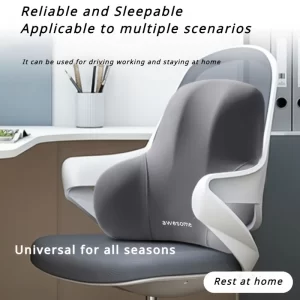
2-in-1 Memory Foam Seat & Lumbar Cushion Set – Office and Car Back Support
Price range: $28.99 through $29.99 Select options This product has multiple variants. The options may be chosen on the product page -
Skin & Facial Care
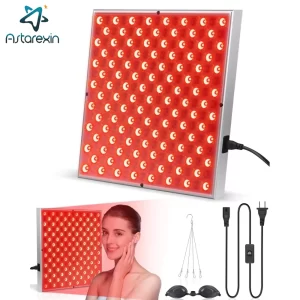
225 LED Red Light Therapy Panel – Red & Near-Infrared Recovery Lamp
Price range: $76.99 through $79.99 Select options This product has multiple variants. The options may be chosen on the product page -
Weight Loss & Slimming
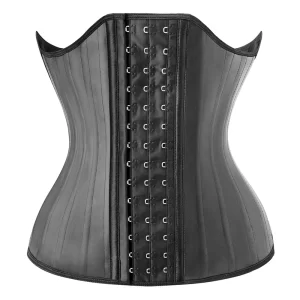
25 Steel Bone Latex Waist Trainer Corset – Firm Control Shapewear for Women
Price range: $33.99 through $42.99 Select options This product has multiple variants. The options may be chosen on the product page -
Personal Care Tools
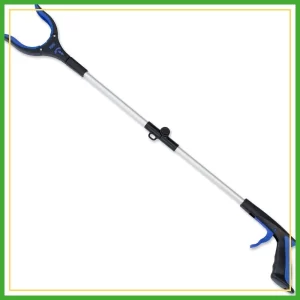
34″ Extra Long Reacher Grabber – Foldable Rotating Jaw Reaching Aid
$14.99 Add to cart -
Sleep & Relaxation
55-Card Affirmation Deck – Woodland Mindfulness & Self-Care Prompts
$11.99 Select options This product has multiple variants. The options may be chosen on the product page -
Personal Care Tools
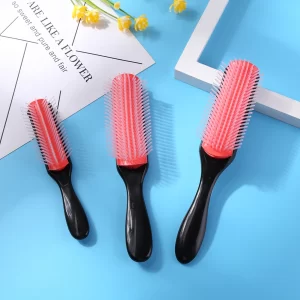
9-Row Detangling Hair Brush – Scalp Massager for Wet, Curly & Straight Hair
$11.46 Select options This product has multiple variants. The options may be chosen on the product page -
Sleep & Relaxation
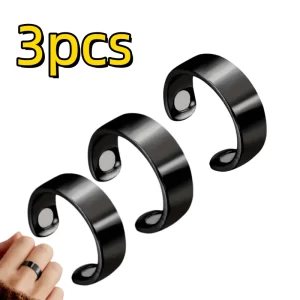
Acupressure Anti-Snoring Rings 3-Pack – Battery-Free Bedtime Ritual for Better Sleep
$10.99 Select options This product has multiple variants. The options may be chosen on the product page -
Personal Care Tools
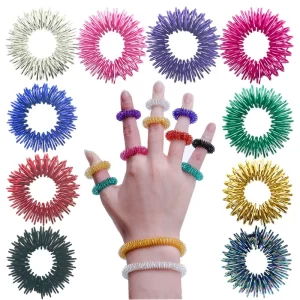
Acupressure Spiky Finger Rings (10 Pack) – Hand Massage & Stress Relief Fidget
$9.99 Select options This product has multiple variants. The options may be chosen on the product page -
Sleep & Relaxation
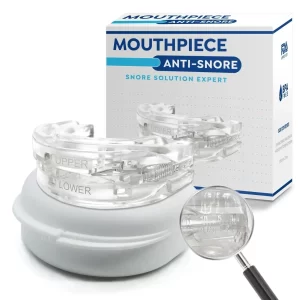
Adjustable Anti-Snoring Mouthguard – Night Bite Guard for Snoring & Bruxism
$17.99 Select options This product has multiple variants. The options may be chosen on the product page -
Posture & Ergonomics
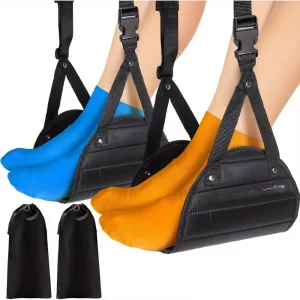
Adjustable Foot Hammock – Under-Desk Footrest for Office, Travel & Flights
Price range: $25.99 through $27.99 Select options This product has multiple variants. The options may be chosen on the product page -
Posture & Ergonomics
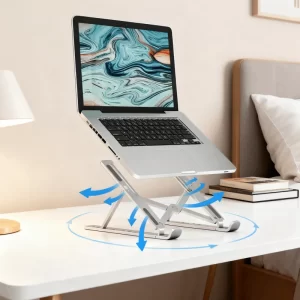
Adjustable Laptop Stand – Foldable, 10 Height Settings for Neck & Posture
$13.99 Select options This product has multiple variants. The options may be chosen on the product page -
Posture & Ergonomics
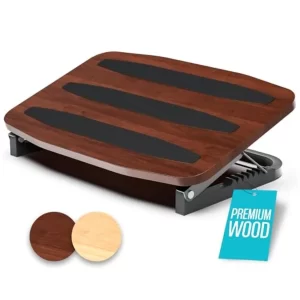
Adjustable Under-Desk Footrest – 7 Angles, Walnut Ergonomic Foot Stool
$98.99 Add to cart