A Cushion Cannot Correct Your Posture. Here Is What It Actually Does.
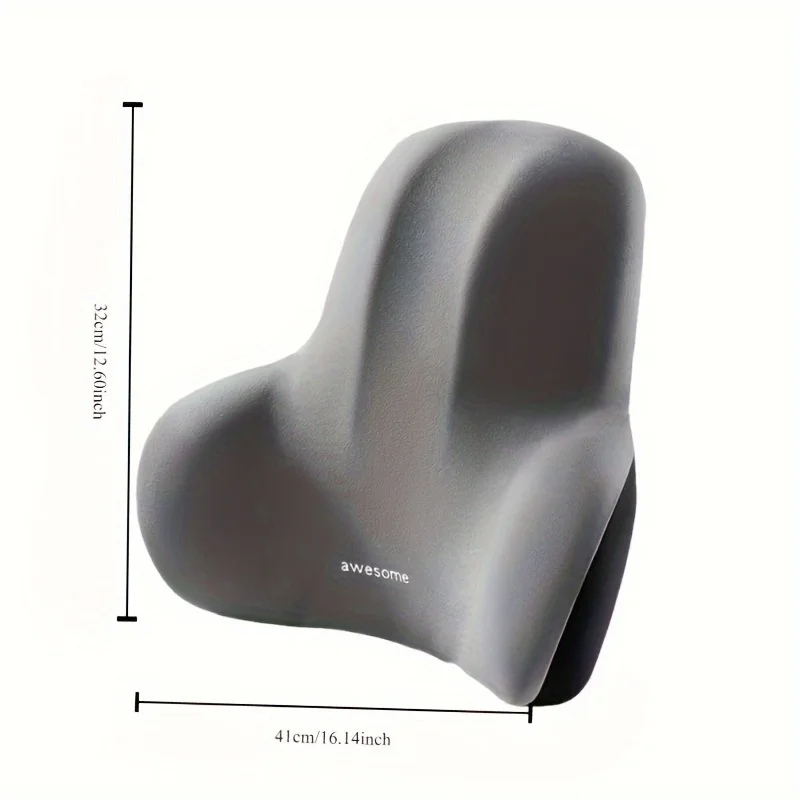
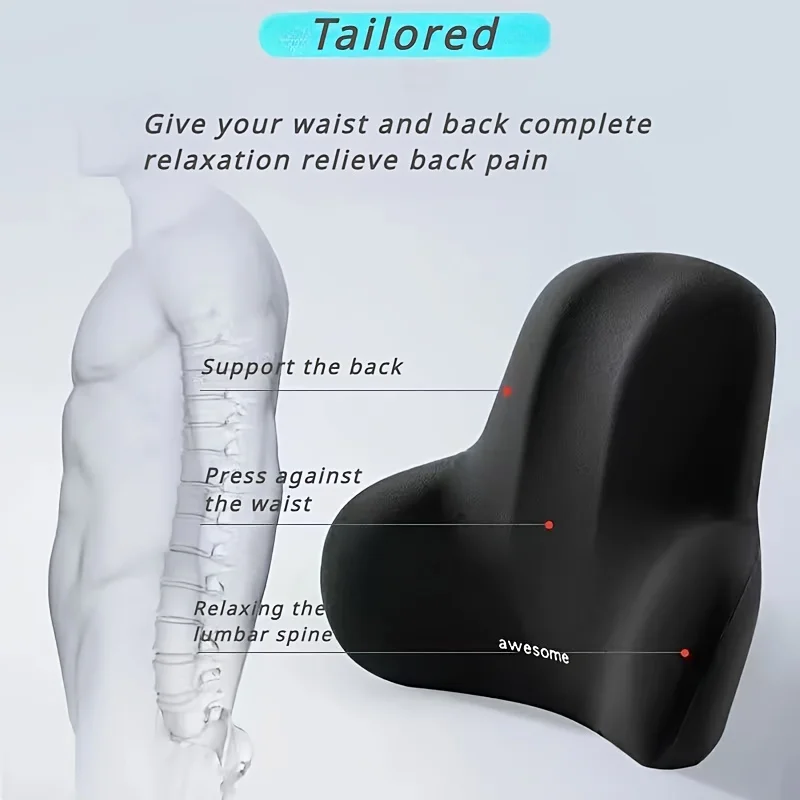
Sit in a standard chair and your pelvis rotates backward, flattening the natural inward curve of the lumbar spine and shifting load onto the posterior discs and the surrounding soft tissue. Holding that flexed position for hours is what makes your back ache — not weakness, not a lack of willpower. A lumbar cushion fills the gap between the chair back and your lower spine so the curve is physically supported rather than actively held. A contoured seat cushion redistributes pressure away from the coccyx and sit bones. Neither corrects posture; both remove the mechanical reason your body keeps abandoning it.
Key Benefits
- Lumbar cushion supports the curve the chair removed. It occupies the space behind your lower back so your spine can rest in its neutral curve instead of your muscles fighting to hold it there.
- Contoured seat cushion offloads the tailbone. Redistributing pressure away from the coccyx and sit bones is the difference between a tolerable three-hour drive and an unbearable one, particularly if you have coccyx sensitivity.
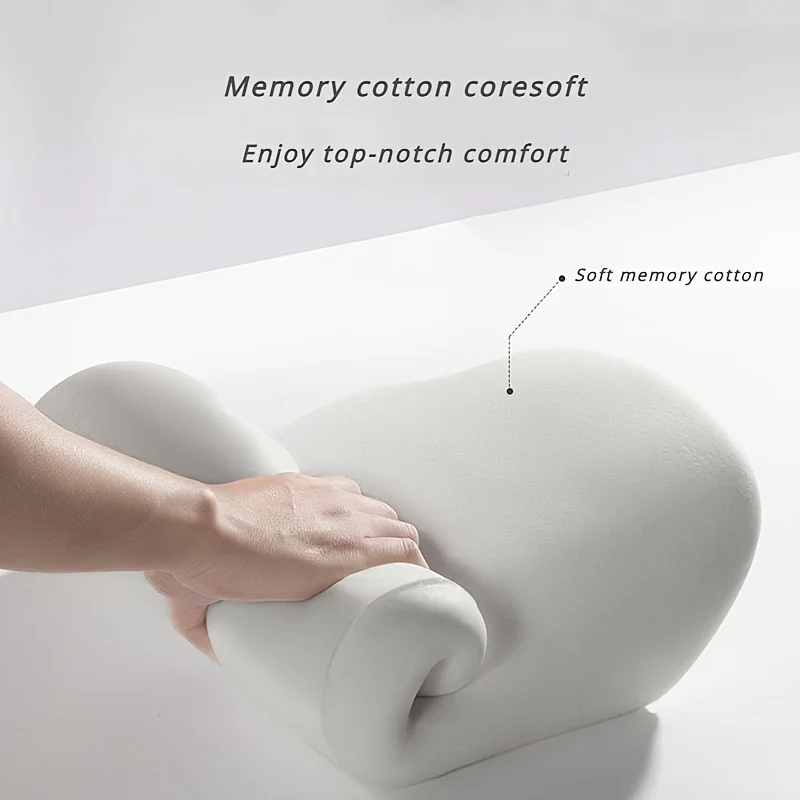
- Memory foam contours to you, not to an average. It responds to body heat and weight, spreading load across a wider contact area rather than concentrating it on two bony points.
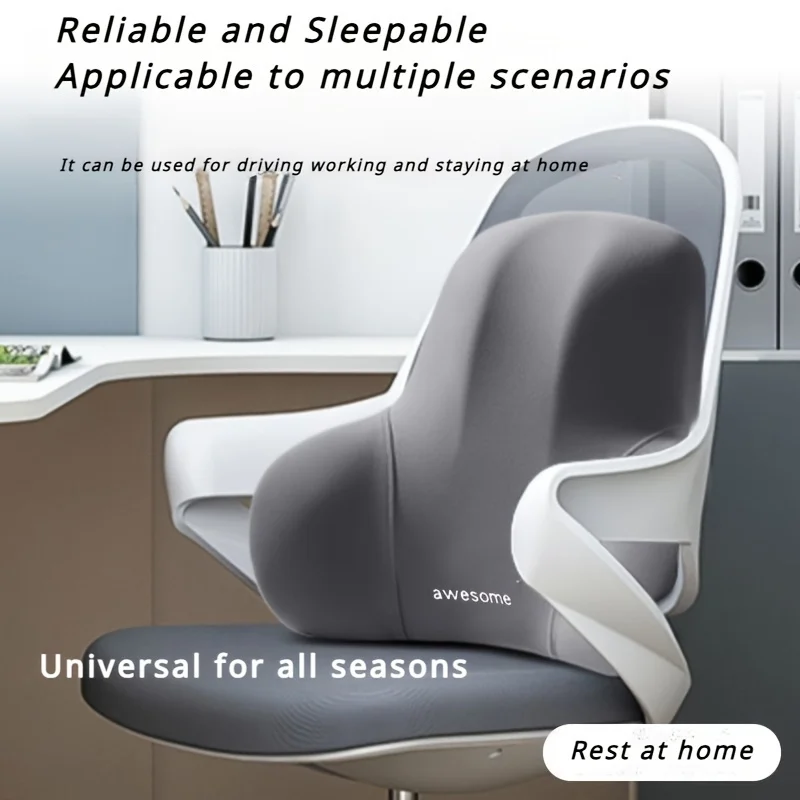
- Two-piece set works in the office and the car. Both are environments where you are trapped in a seat you did not design and cannot adjust.
- Honest claim, plainly stated. A cushion is a positioning aid. It will not lengthen a shortened hip flexor, strengthen a weak core, or cure chronic back pain. Evidence for lumbar supports reducing back pain is modest, and mostly limited to comfort during prolonged sitting. That is a real benefit — it is just not a medical one.
- The real fix is still movement. The best posture is the next posture. This cushion makes sitting less punishing; getting up every 30–45 minutes is what actually protects your back.
How to Use
Place the lumbar cushion so it sits in the hollow of your lower back — at roughly belt height, not up between your shoulder blades, which is the most common mistake and which pushes your ribs forward and your head back. Sit fully back in the chair so your pelvis is in contact with the seat back; a lumbar cushion does nothing if you perch on the front edge. Put the contoured seat cushion under you with the cutout or lower profile at the rear, under the tailbone. Adjust your chair height so your hips are level with or slightly above your knees and your feet are flat. Then, critically, get up: set a timer and stand every 30–45 minutes. If back pain is severe, radiates down a leg, follows an injury, or comes with numbness, tingling or weakness, stop self-treating and see a clinician — those are symptoms a cushion is not equipped to address.
Specifications
| Product type | 2-in-1 memory foam lumbar and seat cushion set |
|---|---|
| Pieces | 2 (lumbar back cushion + contoured seat cushion) |
| Fill | Memory foam |
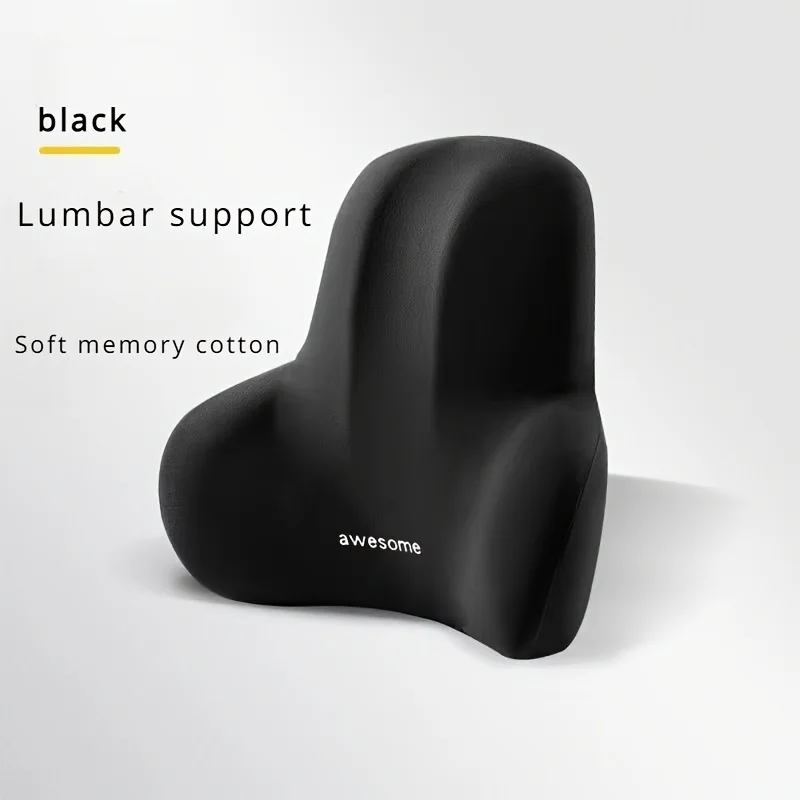
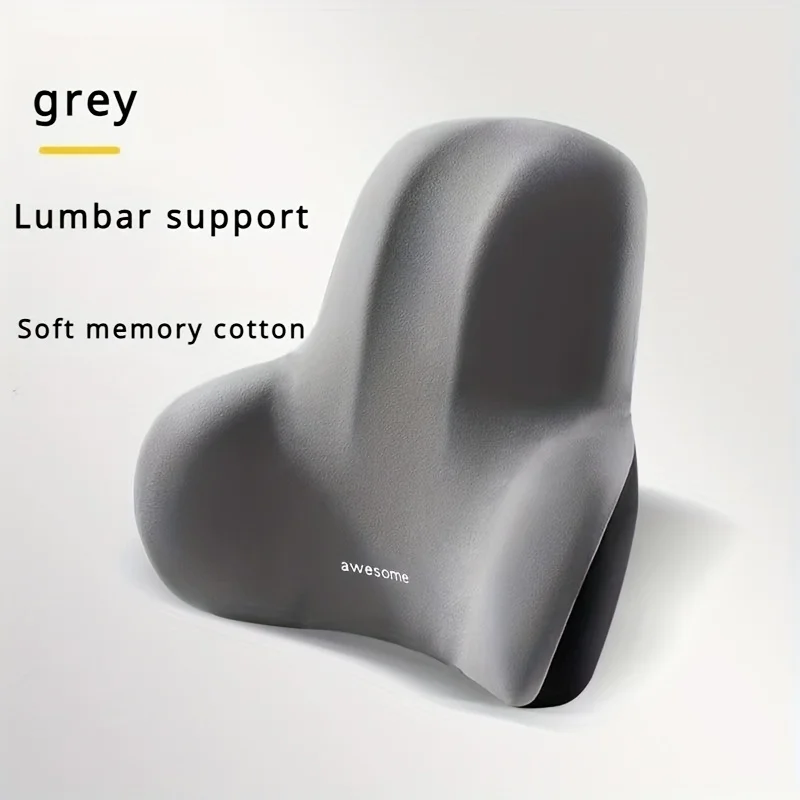
| Colour options | Light grey, black |
| Cover | Removable (variant dependent) |
| Use | Office chair, desk chair, car seat, gaming chair |
| Fastening | Strap to secure the lumbar cushion to a chair back (variant dependent) |
| Dimensions | Variant dependent — see product options |
Care & Maintenance
Remove the cover and machine wash it cool where the cover is removable; check the label before washing. Never machine wash or soak the memory foam core — water breaks down the foam cell structure permanently and it will never recover its support. Spot clean the foam with a barely damp cloth and let it air-dry completely, away from direct heat and sunlight, both of which make foam brittle and yellow. If the foam feels stiff on arrival in cold weather, it will soften with body heat within a few minutes; that is normal for memory foam. Replace the cushion when the foam stops rebounding, since flattened foam provides bulk without support.
What’s in the Box
1 x memory foam lumbar back cushion and 1 x contoured memory foam seat cushion, in your selected colour.
Reviews
There are no reviews yet.