Photobiomodulation, Explained Without the Hype
Red and near-infrared light in roughly the 600–850nm range penetrates skin and is absorbed by cytochrome c oxidase, an enzyme in the mitochondrial electron transport chain. The leading hypothesis is that this absorption displaces inhibitory nitric oxide, transiently improving mitochondrial respiration and ATP output, with downstream effects on local blood flow, inflammatory signalling and collagen synthesis. That mechanism is well described. What it produces in practice is modest, cumulative and dose-dependent – not dramatic, and not immediate.
Key Benefits
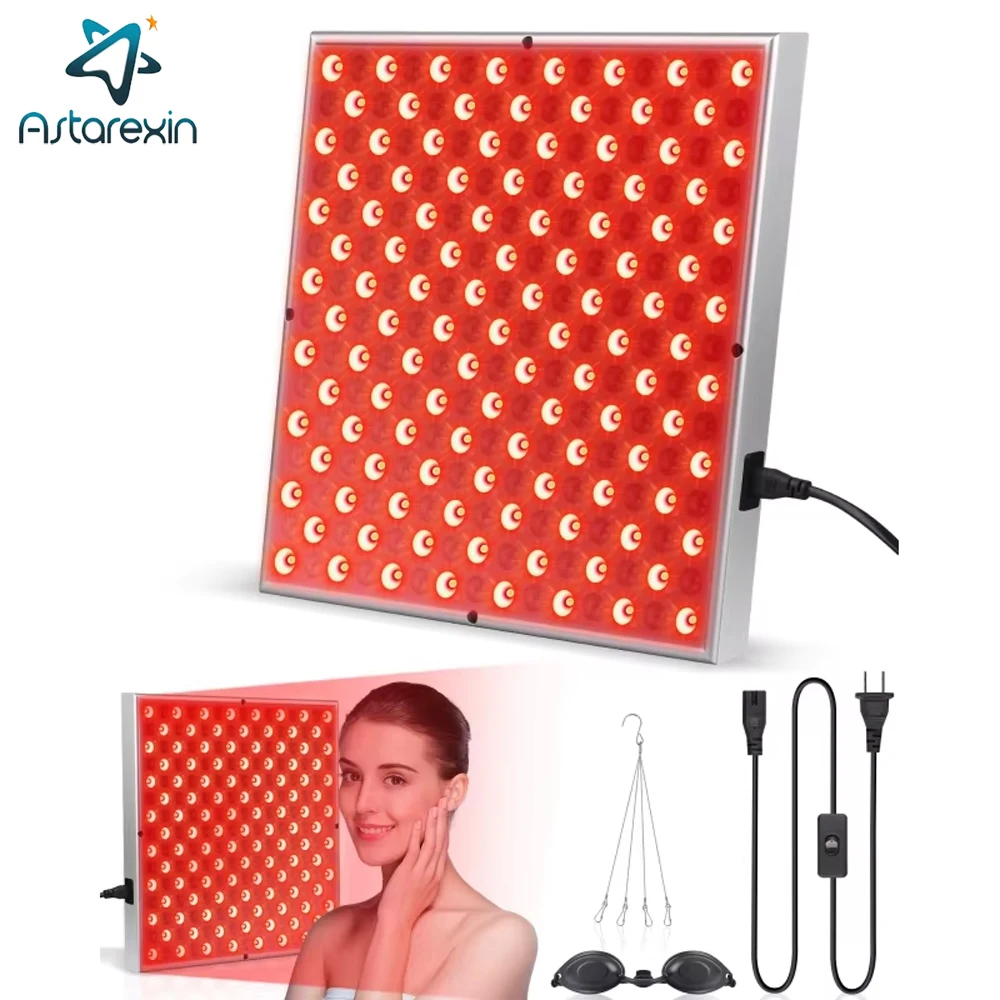
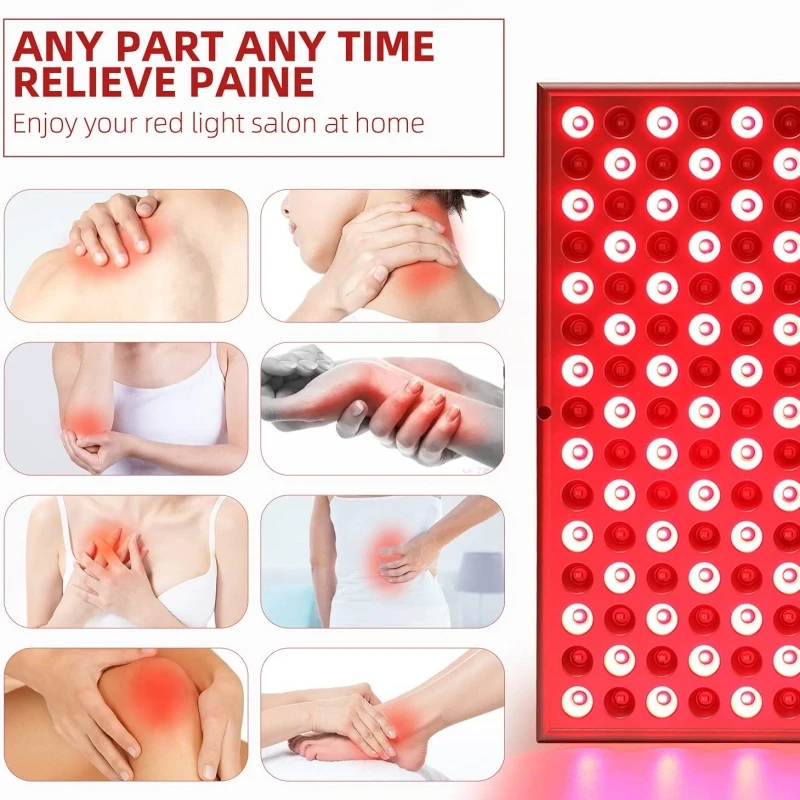
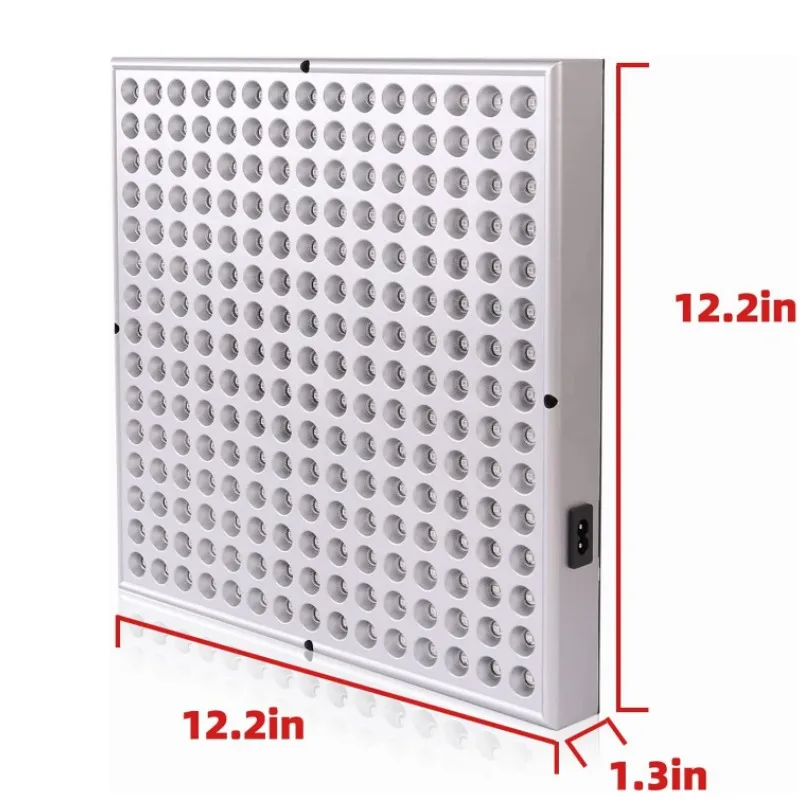
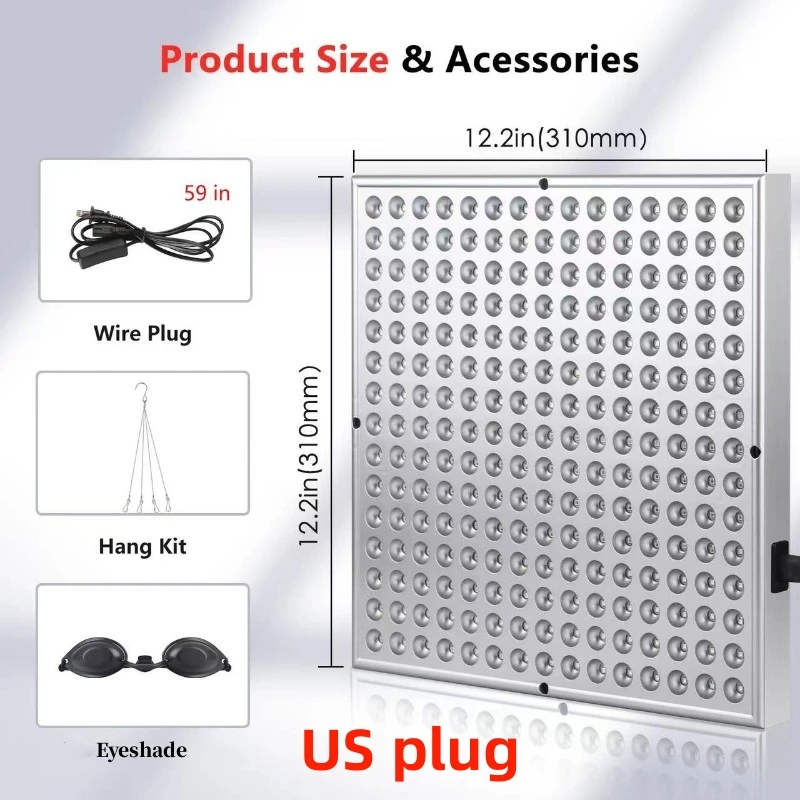
- 225 LEDs means an actual treatment area – the single biggest failure of cheap red light gadgets is that the emitting surface is too small to dose anything larger than a patch of cheek. A panel treats a shoulder, a knee or a whole face at once.
- Best evidence is in skin and wound healing – the strongest published support for photobiomodulation is for collagen density, fine lines and wound repair. Expect gradual change over 8–12 weeks, not a transformation in a fortnight.
- Reasonable, moderate evidence for muscle recovery – studies suggest red/NIR exposure around training can reduce markers of muscle damage and perceived soreness. The effect is real but modest; it will not replace sleep, protein or sensible programming.
- Consistency beats intensity – this is a device that works if you use it 4–5 times a week for months. Ten-minute sessions done regularly outperform hour-long sessions done occasionally, and longer exposure is not linearly better.
- What it will not do – it does not burn fat, it does not treat disease, it does not regrow hair reliably, and it is not a substitute for medical care. Anyone selling it that way is selling you something else. We would rather you buy it for the things it actually does.
- Passive, drug-free and stackable with everything else – you can sit in front of it while you read, and it interferes with nothing else in your recovery routine.
How to Use
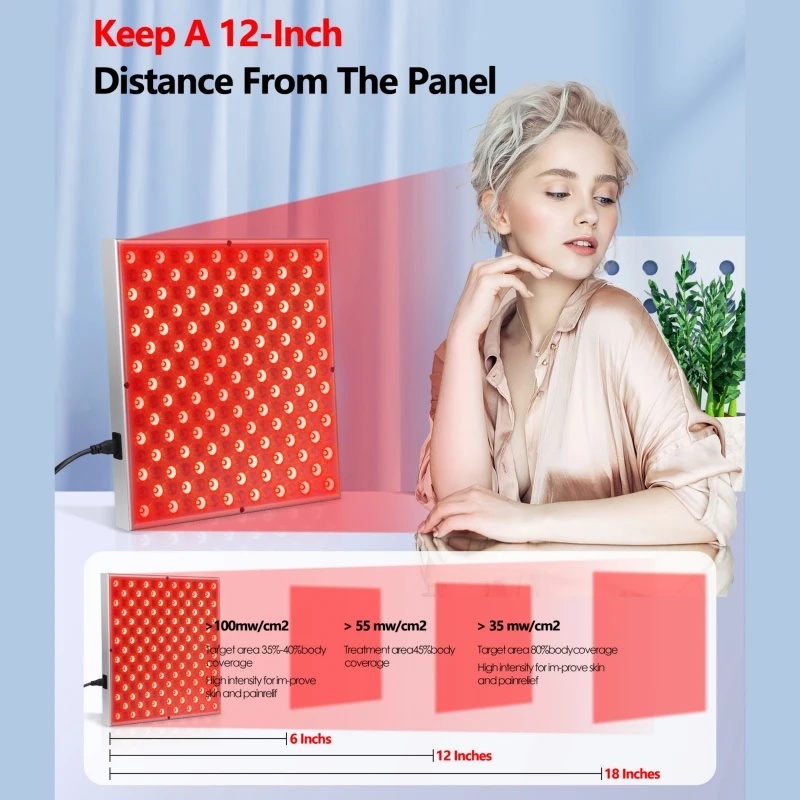
Position the panel roughly 15–30cm from the target area with the skin bare – light does not meaningfully penetrate clothing. Start with short exposures of five to ten minutes per area and build up; more is not better, and photobiomodulation shows a biphasic dose response where excessive exposure can reduce the benefit. Use it four to five times a week, and give it two to three months before judging results. For training recovery, exposure shortly before or soon after a session is the most commonly studied timing. Safety: do not stare directly into the LEDs – high-intensity red and near-infrared light can damage the retina, and near-infrared is invisible so your blink reflex will not protect you. Wear the supplied eye protection or keep your eyes closed and averted. Avoid use over active skin cancers or undiagnosed lesions. If you take photosensitising medication (some antibiotics, retinoids, St John’s wort, certain diuretics) or have a photosensitive condition such as lupus, ask your doctor first. Do not use it on the eyes or over a pregnant abdomen.
Specifications
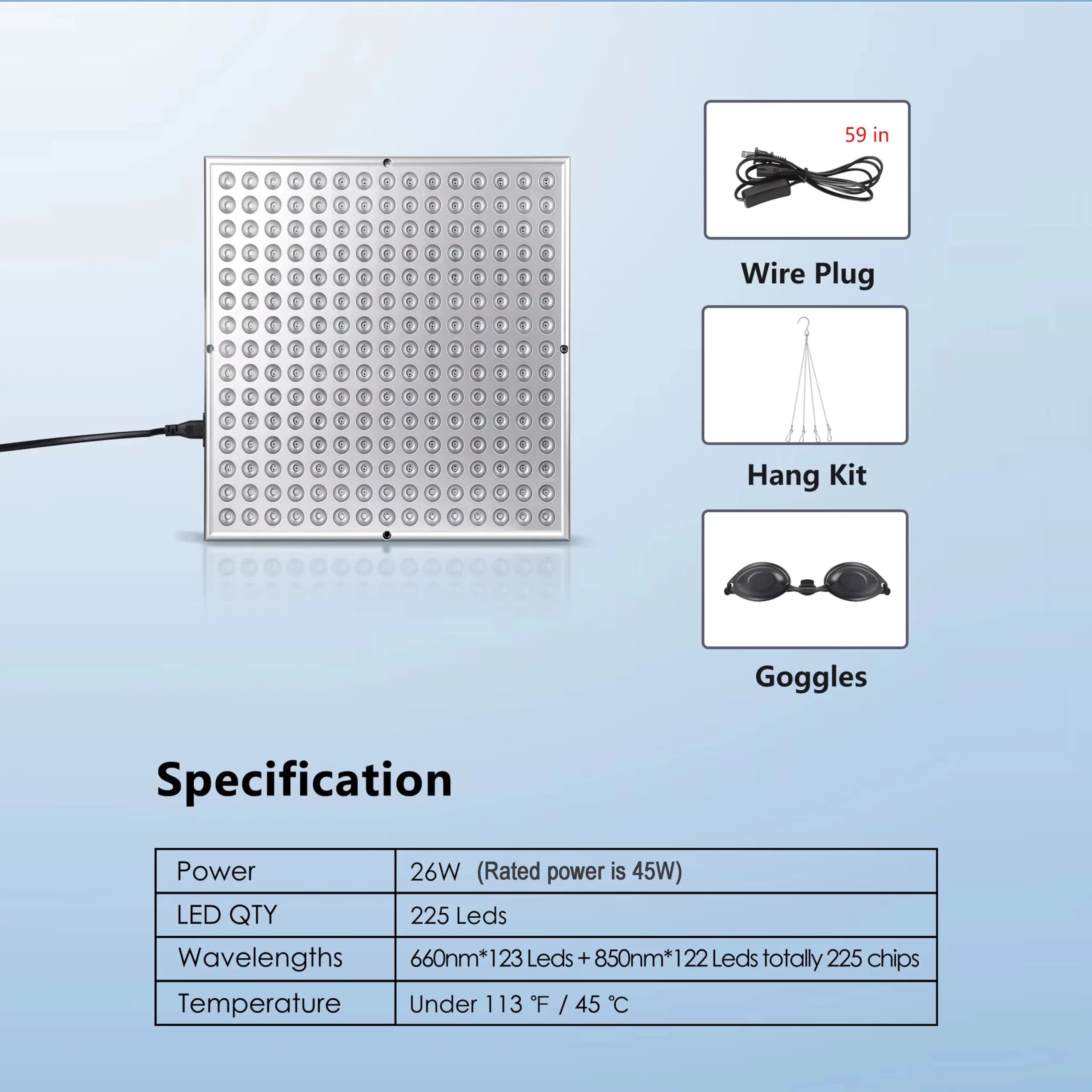
| LED count | 225 LEDs |
|---|---|
| Light type | Red and near-infrared (specific wavelengths variant dependent – see listing) |
| Typical distance | 15–30cm from skin |
| Suggested session | 5–10 minutes per area, 4–5x per week |
| Applications | Skin appearance, localised muscle and joint recovery |
| Mounting | Panel format – bench, stand or hang |
| Eye protection | Required – do not look into the LEDs |
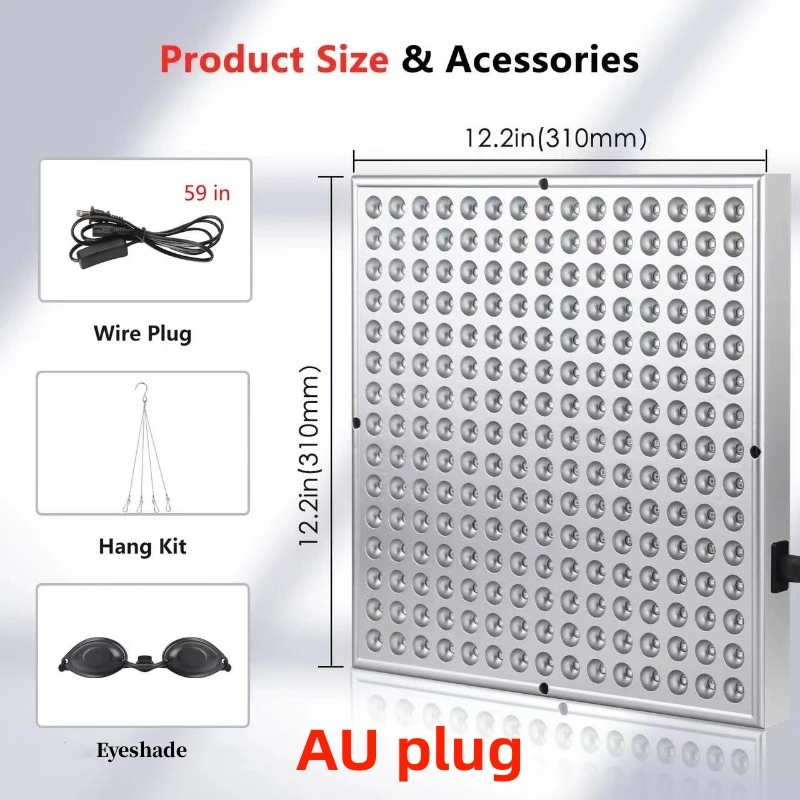
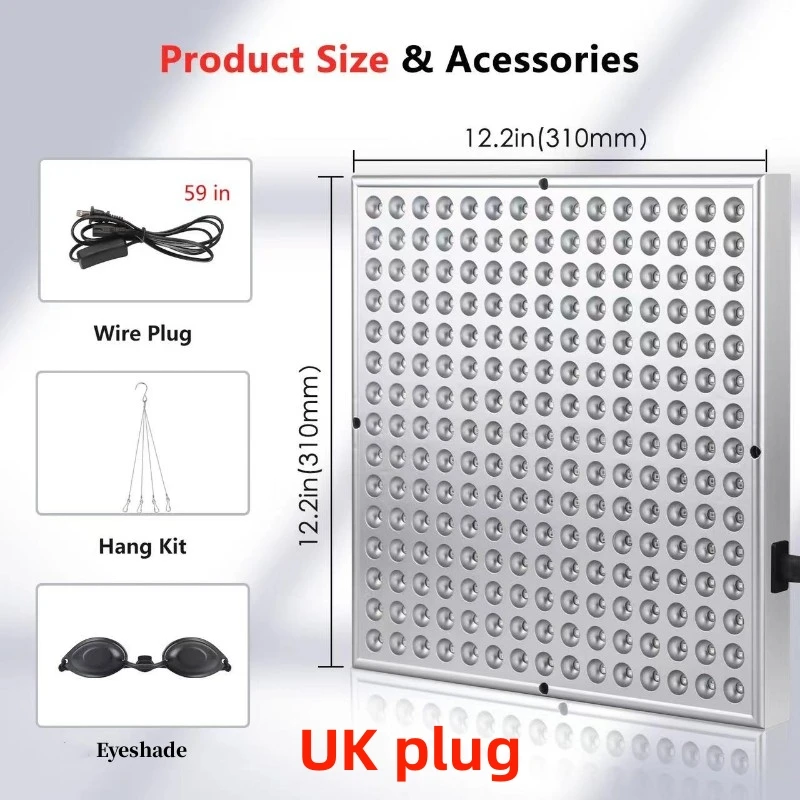
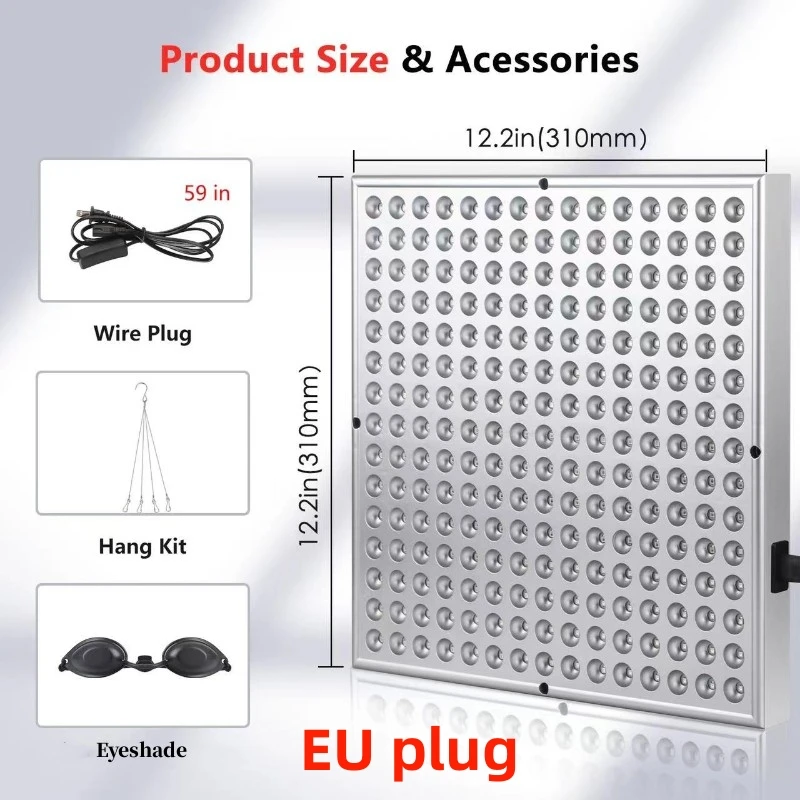
| Power supply / plug type | Variant dependent – see options |
Care & Maintenance
Wipe the LED face with a dry microfibre cloth only – never spray liquid onto the panel, and never clean it while it is plugged in. Dust on the emitters reduces output over time, so a monthly wipe is worthwhile. Keep the vents clear and do not run the panel enclosed in a cupboard or under fabric; LED arrays shed a surprising amount of heat and need airflow. Do not use it in a bathroom or any humid environment, and inspect the cable for damage before each use.
What’s in the Box
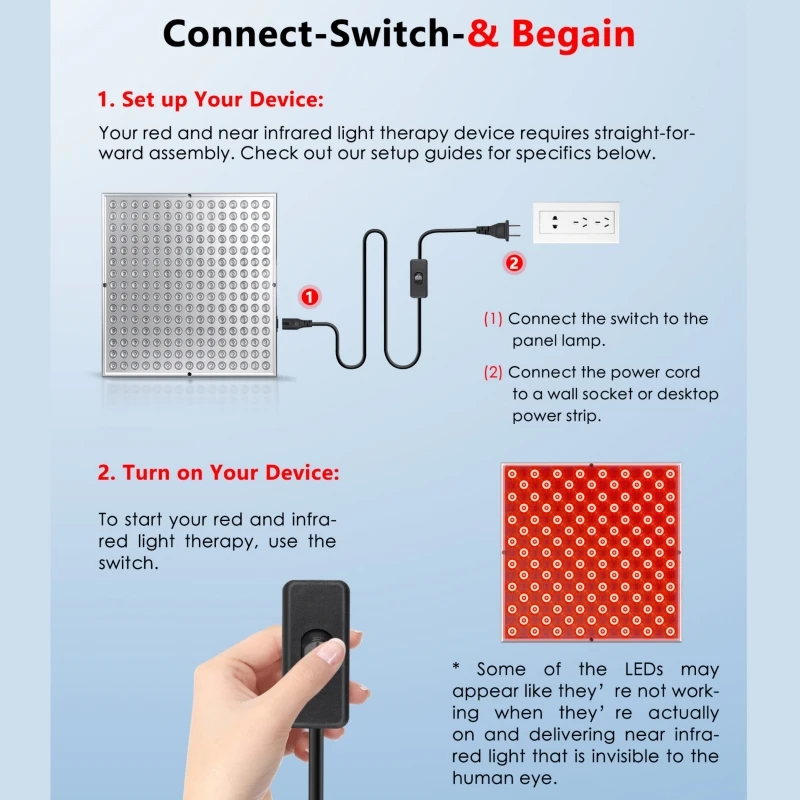
1 x 225-LED red light therapy panel, power adapter, and eye protection. Exact accessories are variant dependent – check the listing options.

Reviews
There are no reviews yet.