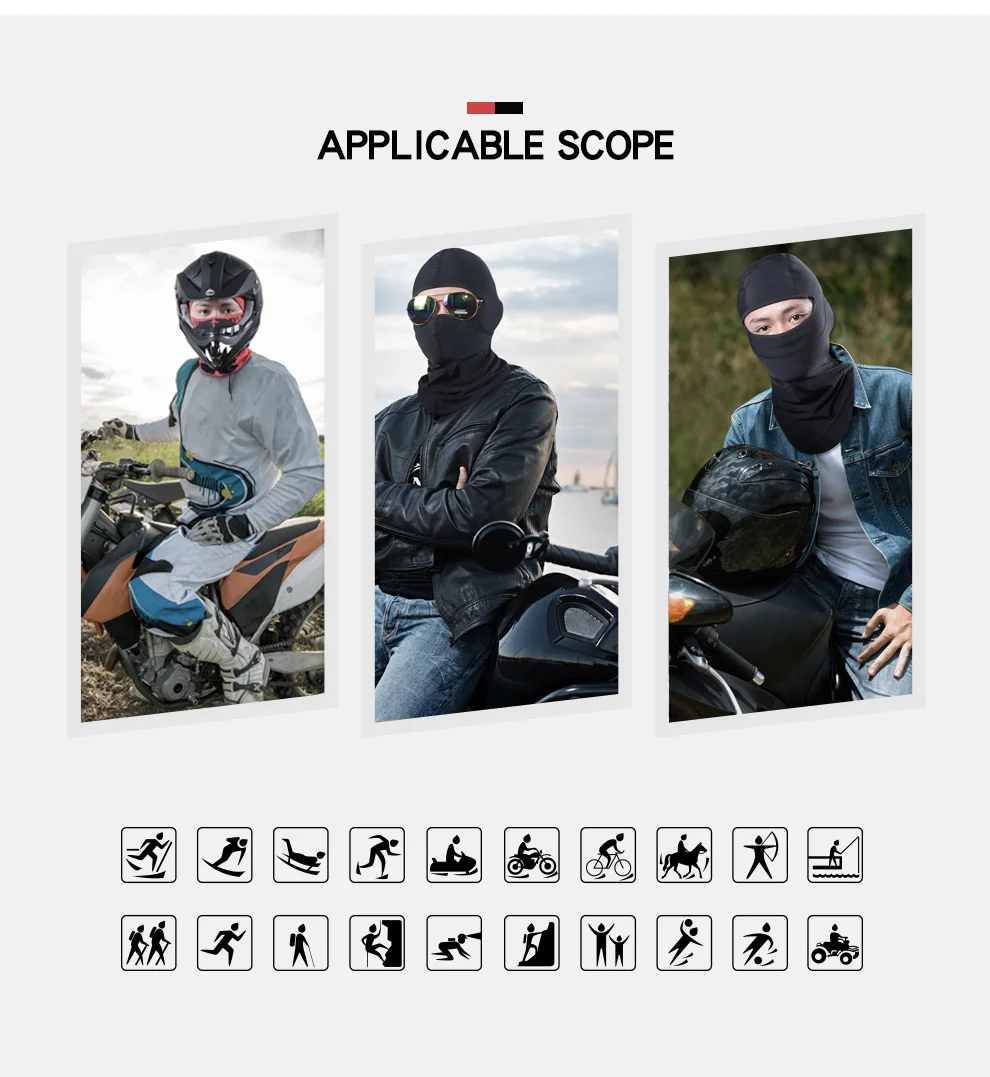
Why Riders Cover Up Instead of Reapplying: Fabric Beats Sunscreen on Long Days
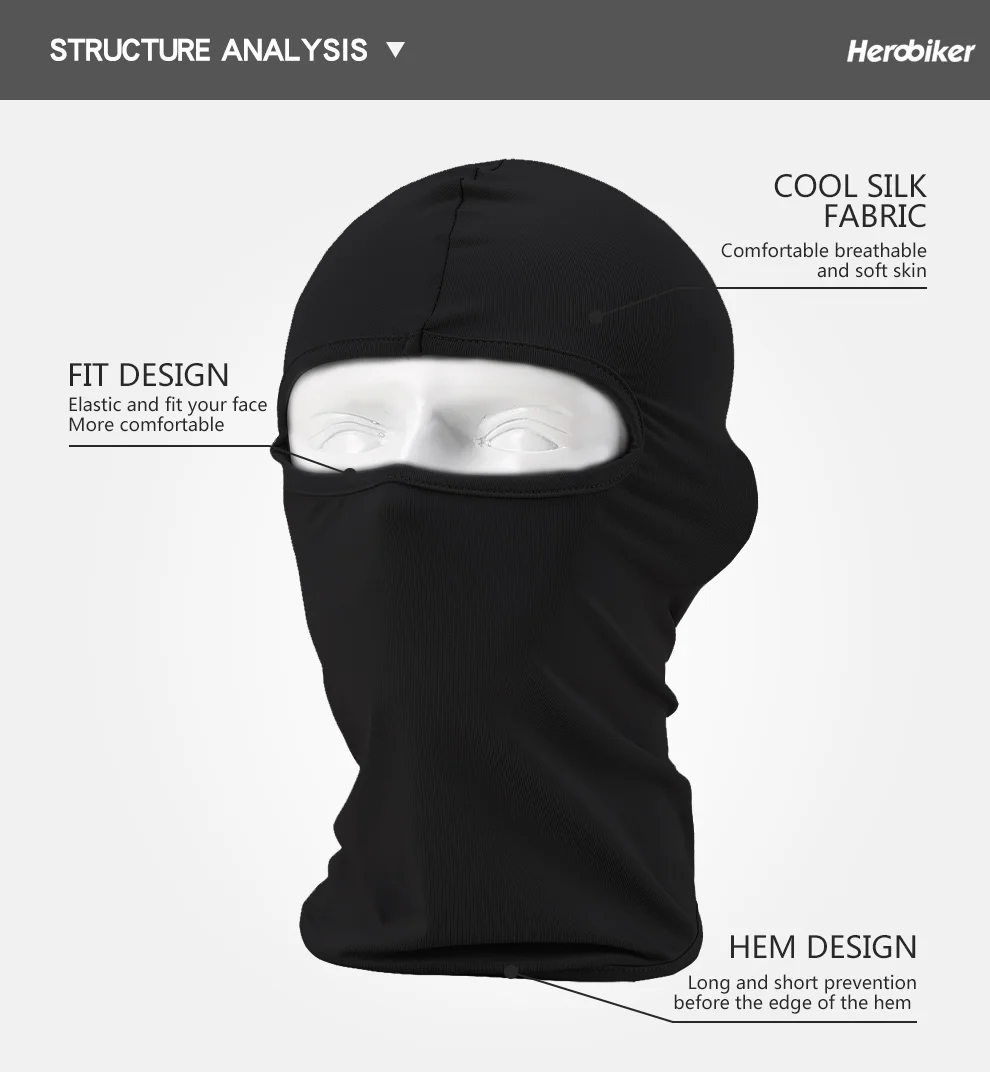
UPF is a fabric rating: UPF 50+ means the weave transmits less than 1/50th of incident UV to the skin. Unlike sunscreen, it does not degrade with sweat, time or friction from a helmet strap — a physical barrier’s protection factor is the same in hour five as in minute one. The ‘ice silk’ effect is evaporative, not refrigerative: the fine synthetic knit spreads sweat across a wide surface area so it evaporates faster, and that phase change pulls heat from your skin. The fabric isn’t cold; it just makes your own cooling system work more efficiently.
Key Benefits
- UPF 50+ blocks over 98% of UV: and it keeps doing it after four hours of sweating, which is more than can be said for the sunscreen you applied at the trailhead. Cumulative UV exposure is the primary driver of photoaging and skin cancer risk, and cyclists collect a lot of it.
- Evaporative cooling, honestly described: the knit wicks sweat outward and speeds evaporation. In dry heat this feels genuinely cool. In high humidity, evaporation is slower and so is the effect — no fabric can beat physics.
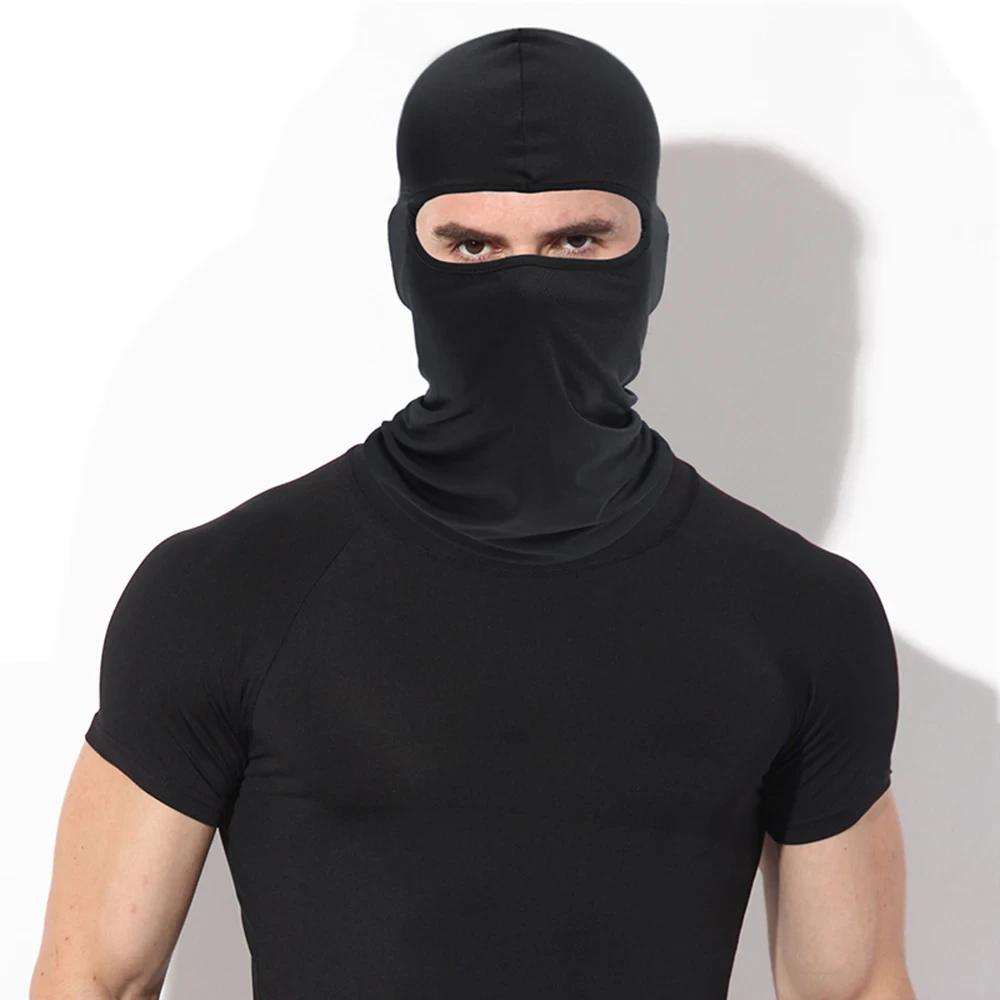
- Flat seams under a helmet: a balaclava that ridges up under a helmet shell becomes a pressure point by mile 20. This one is cut to sit flat as a liner.
- Breathable enough to actually ride in: the open knit moves air, which matters — a mask that traps CO2 and heat gets pulled down within minutes and then protects nothing.
- Dust, wind and insect barrier: useful well beyond sun. It keeps grit out of your mouth on gravel and takes the sting out of cold headwind on descents.
- Quick-dry, packs to nothing: stuffs into a jersey pocket and dries between rides, so it can live in your kit bag permanently.
How to Use
Pull it on before you put the helmet on so the fabric sits smooth against your scalp and ears — bunching under a helmet strap is the main cause of hotspots. Position the nose panel so it sits below the eye line and doesn’t fog eyewear; if you’re fogging, drop it slightly and let more air escape upward. On very hot days, wetting the fabric before you set off amplifies the evaporative cooling for the first stretch. Do not rely on it alone for full protection: your ears, the back of your neck and any exposed skin at the collar still need sunscreen, and no fabric protects your eyes — wear UV-rated glasses. If you feel breathless or dizzy in the heat, take it off and cool down rather than pushing on.
Specifications
| Sun protection | UPF 50+ (blocks >98% of UV radiation) |
|---|---|
| Fabric | Ice silk / fine-knit synthetic (typically polyester-spandex blend) |
| Function | Balaclava, neck gaiter, helmet liner |
| Stretch | Four-way stretch, one size fits most adults |
| Drying | Quick-dry, moisture-wicking |
| Use cases | Cycling, motorcycling, running, hiking, fishing |
| Seasonality | Sun and wind protection; thin — not a cold-weather thermal layer |
| Colour | Variant dependent |
Care & Maintenance
Machine wash cold on a gentle cycle or hand-wash, then air-dry. Do not tumble-dry on heat, iron, bleach or use fabric softener — heat damages elastane and softener coats the fibres, which is precisely what kills the wicking behaviour you bought it for. Wash after sweaty rides rather than letting salt dry into the weave.
What’s in the Box
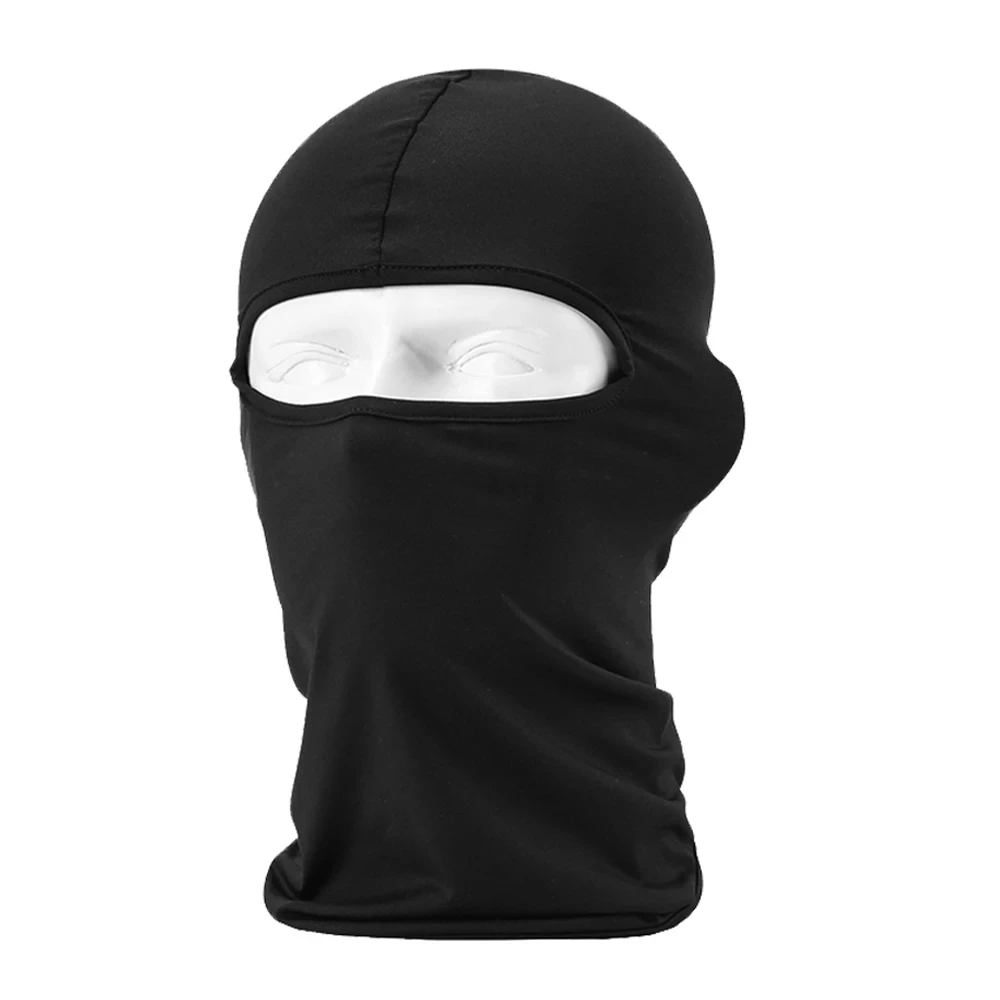
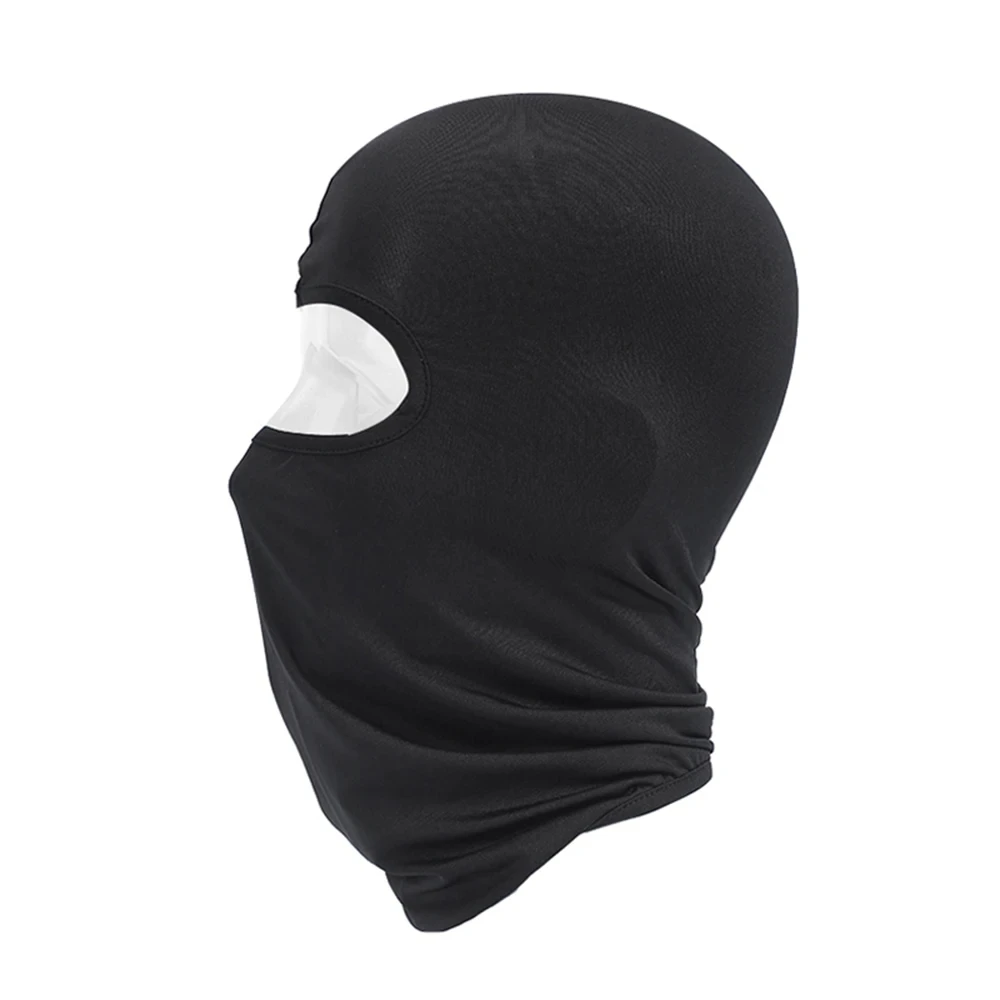
1 × UPF 50+ ice silk balaclava / face mask. Colour and pattern variant dependent.

Reviews
There are no reviews yet.