

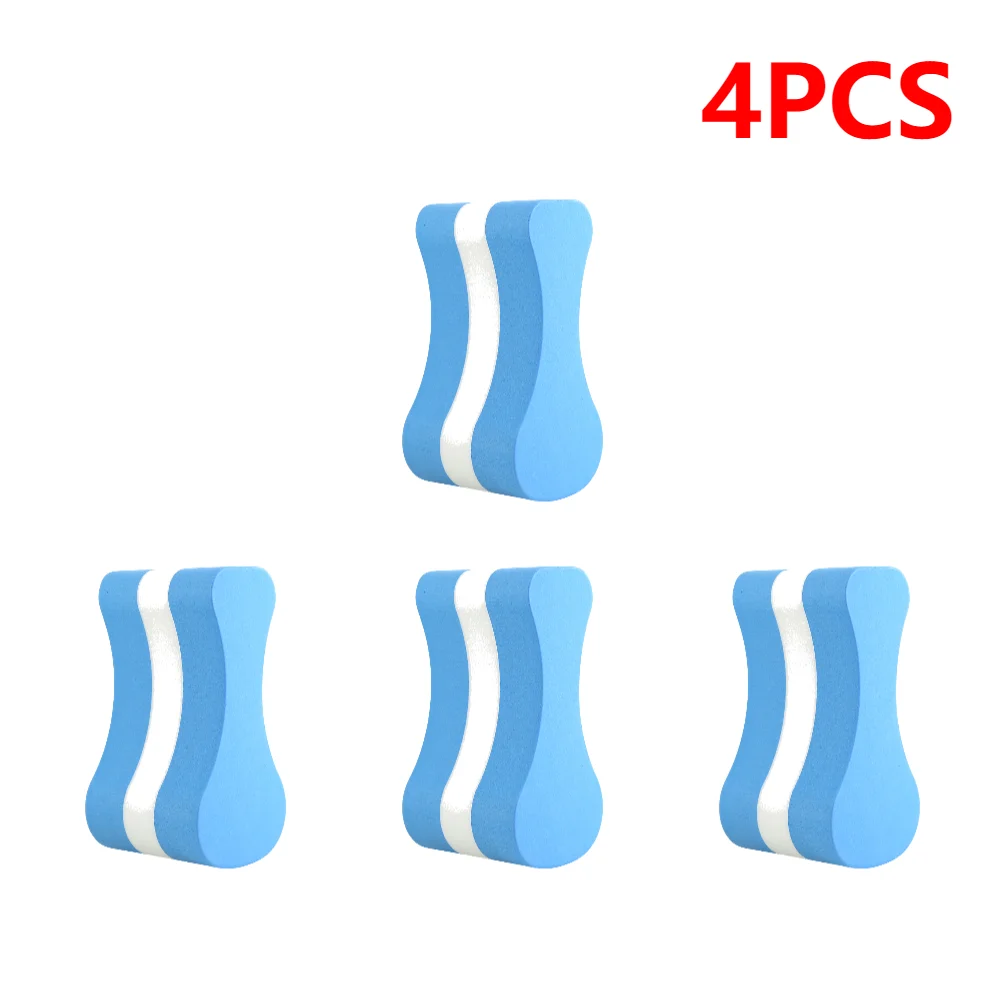

Take Your Legs Out of the Water and Your Stroke Has Nowhere to Hide
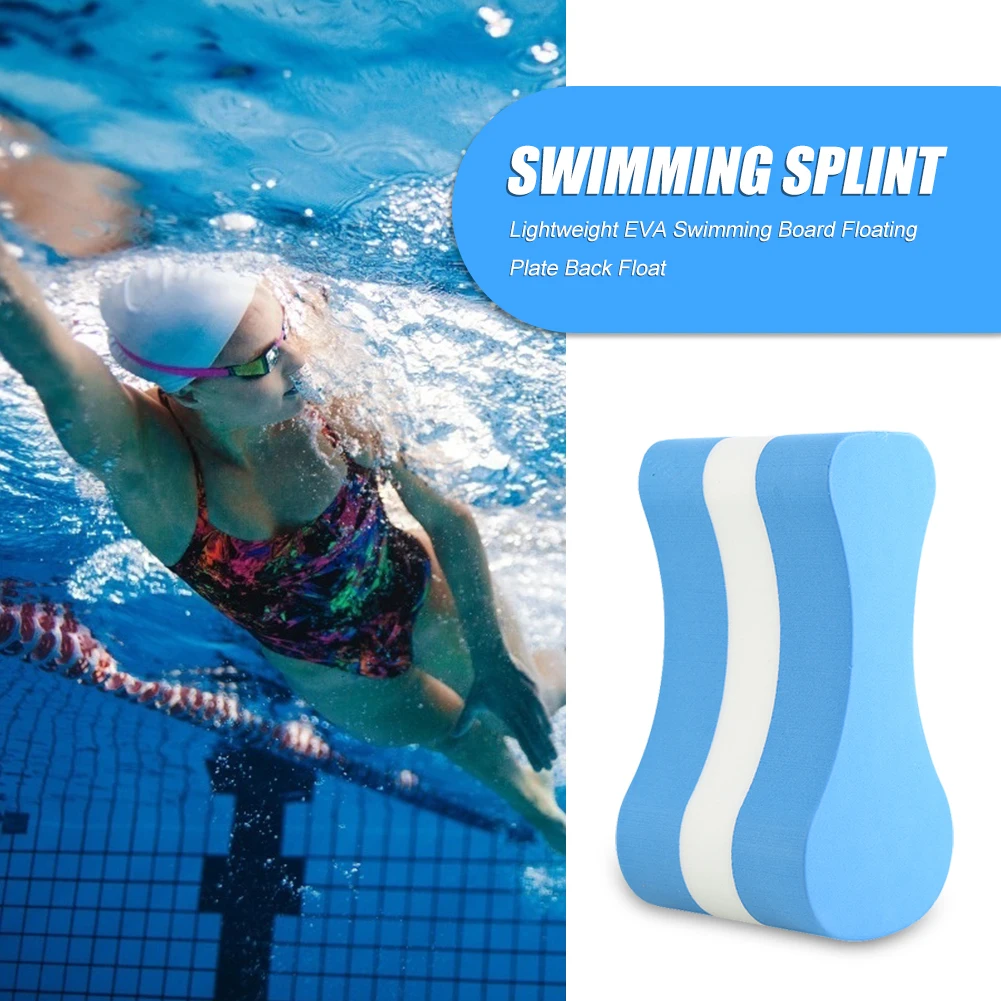
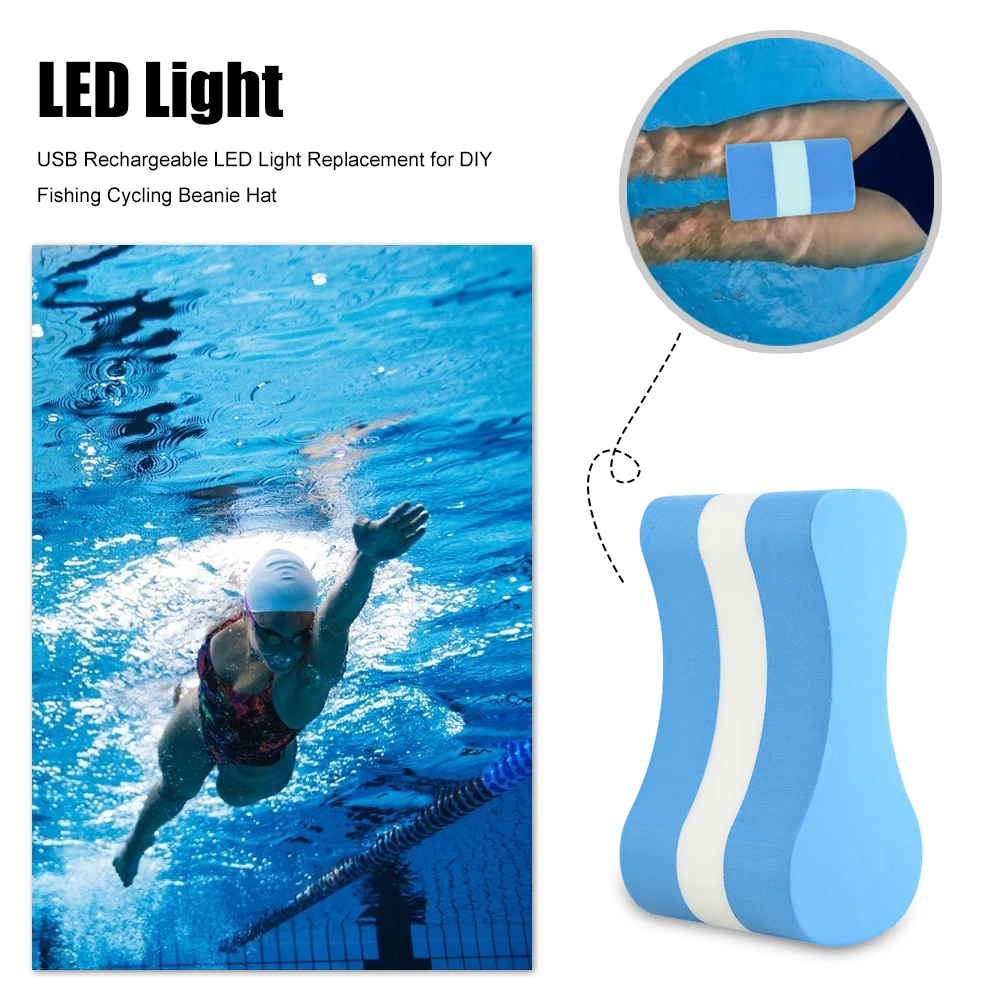
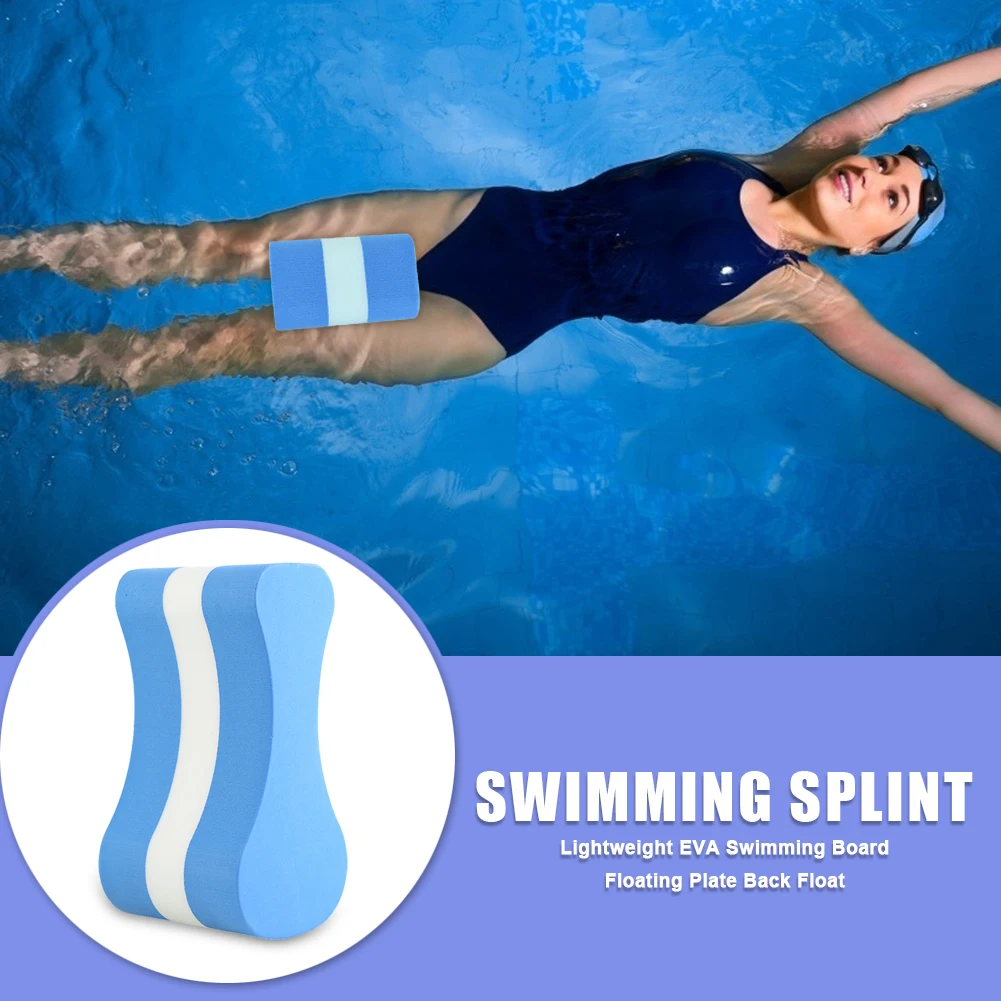
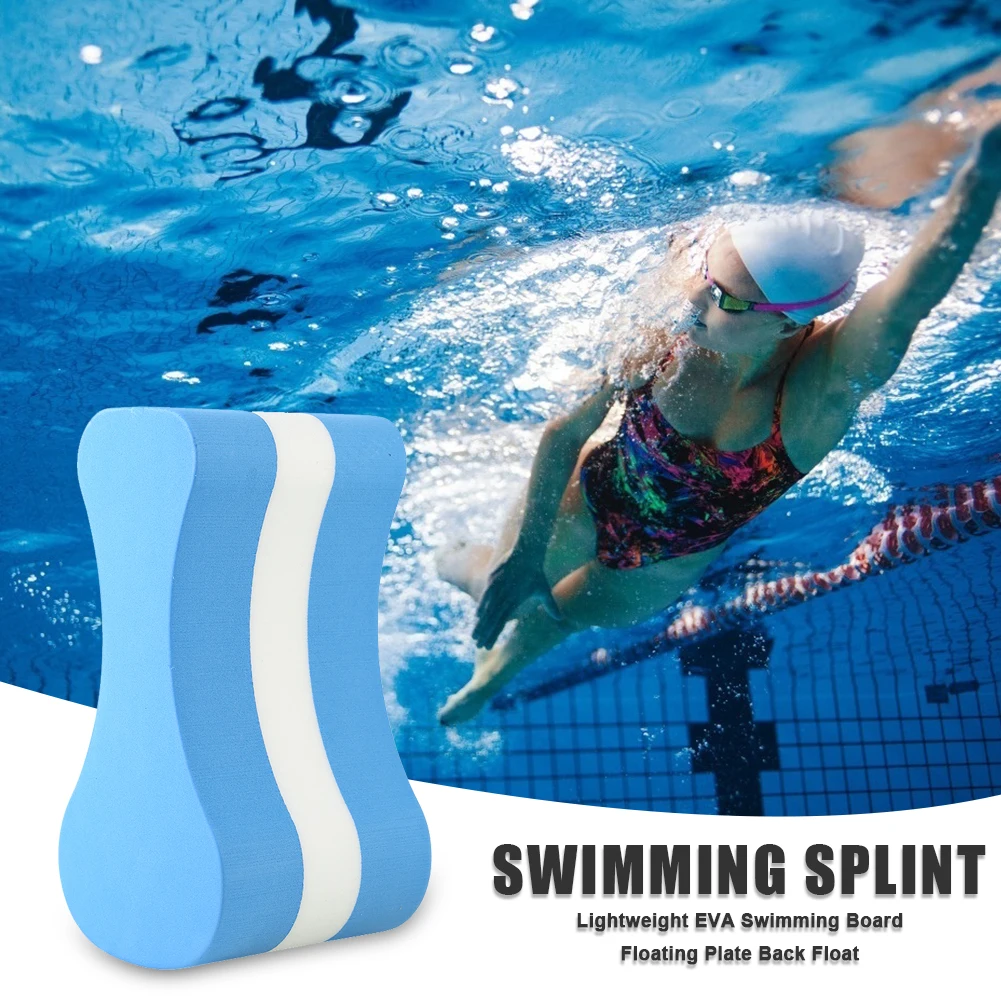
Most amateur swimmers kick to stay afloat rather than to move forward, which masks a weak or dropped catch. A pull buoy wedged between the thighs provides artificial buoyancy exactly where legs tend to sink, holding the hips high and the body flat. With the legs neutralised, all propulsion must come from the arms — so an early hand drop, a crossing-over entry, or a rushed catch immediately shows up as lost speed. It is a diagnostic tool first and an upper-body conditioning tool second.
Key Benefits
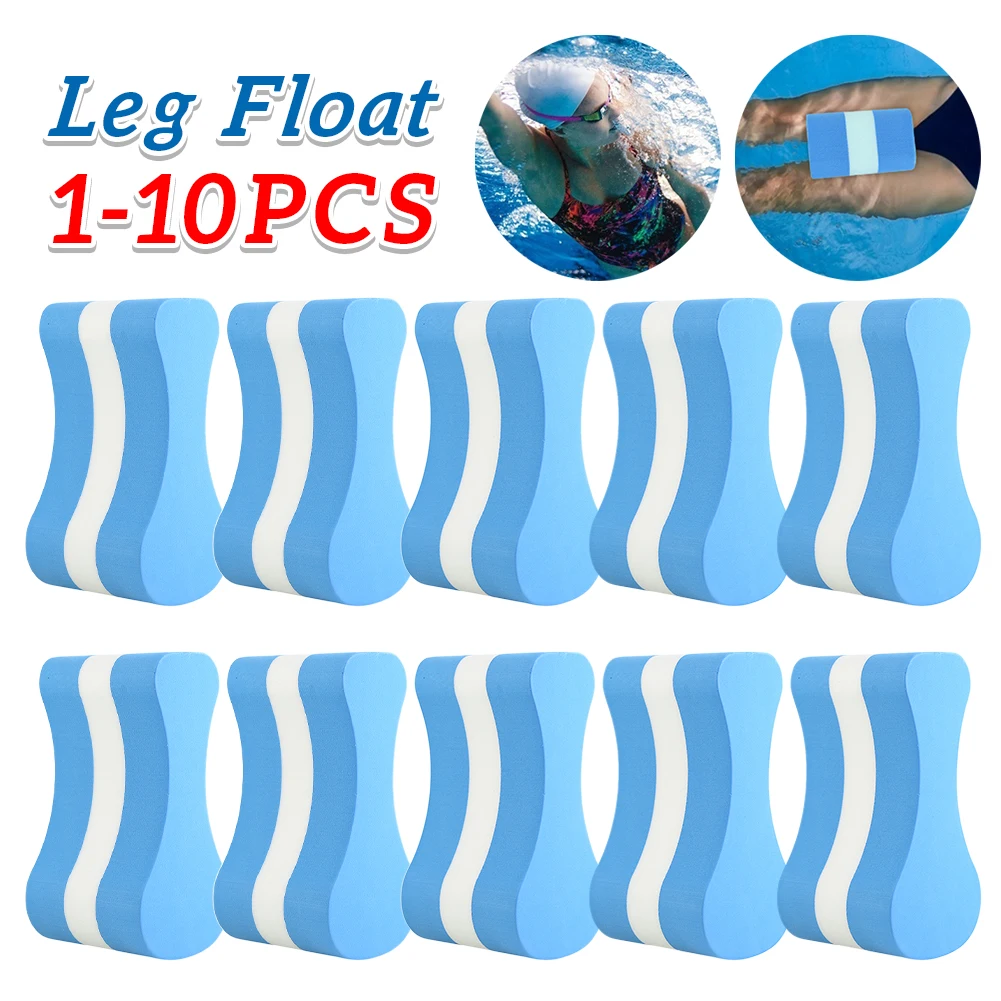
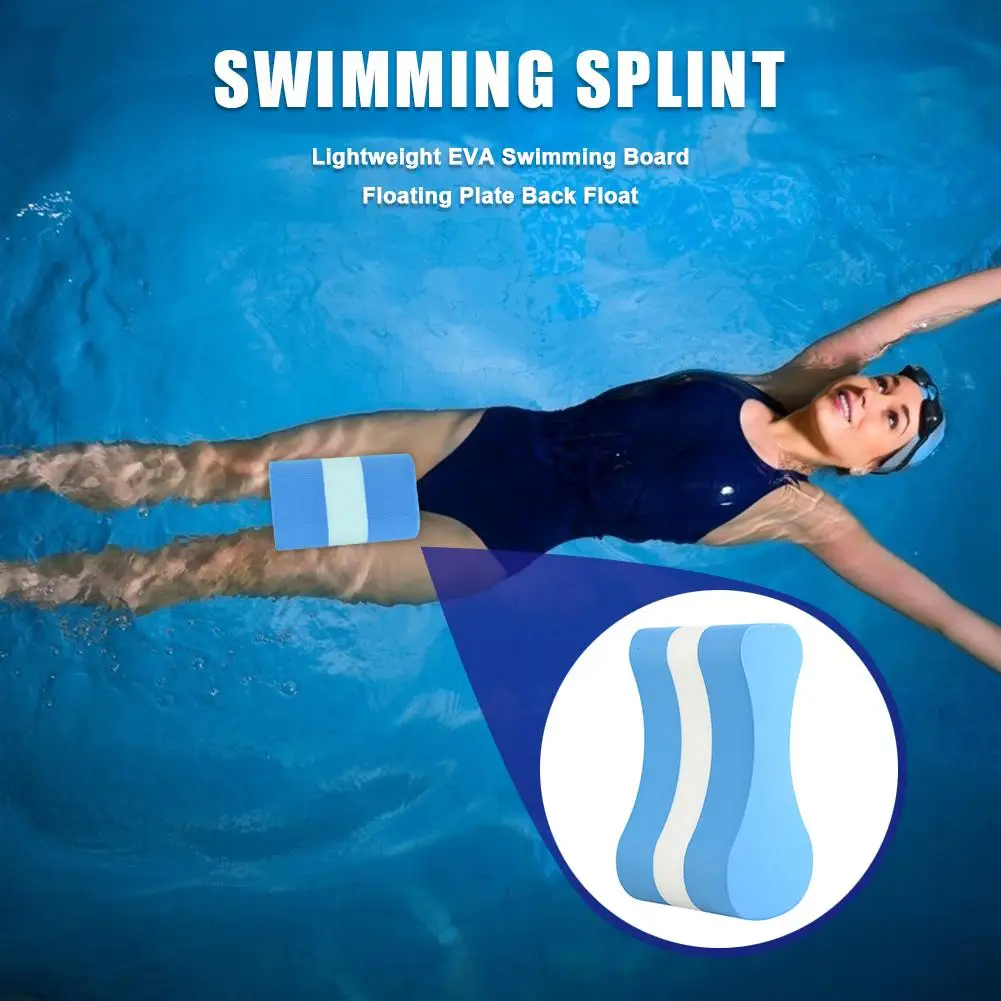
- Locks in the body position you’re chasing. Holds the hips at the surface so you can feel what a flat, streamlined line actually feels like — then reproduce it without the buoy.
- Isolates the pull. No kick means the lats, shoulders, and forearms do 100% of the work. This is how swimmers build pulling endurance in a controlled way.
- Exposes catch flaws instantly. If you slow down dramatically the moment the kick is removed, your arms were never really pulling. That’s useful information.
- Kind to sore or injured legs. Runners and cyclists with lower-limb niggles can keep aerobic training going with pull sets while the legs recover.
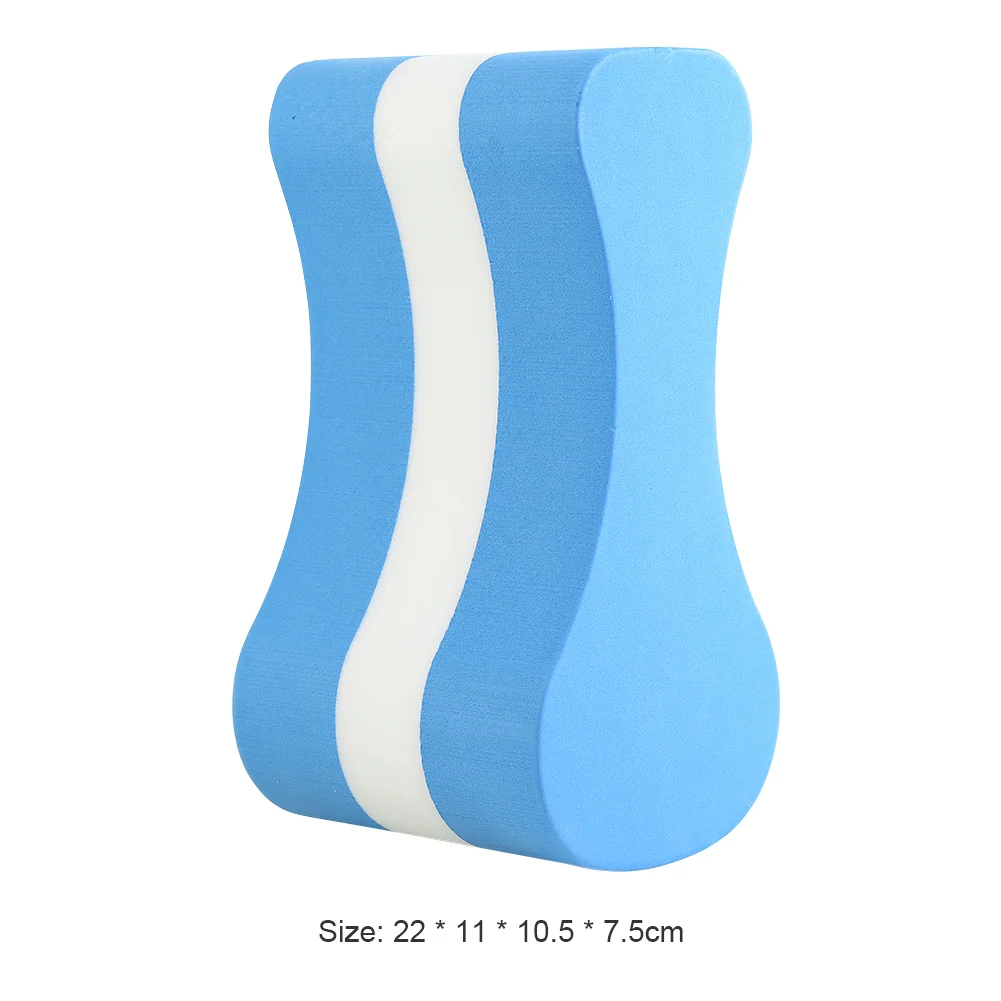
- Closed-cell EVA foam. Doesn’t waterlog, doesn’t go soggy over a season, and floats indefinitely.
- Honest limitation: a pull buoy can hide a weak kick rather than fix it, and over-using it builds a body position you can’t hold unaided. It’s a drill tool — not a substitute for full-stroke swimming.
How to Use
Squeeze the buoy between your upper thighs (higher up gives more lift and a flatter body line; lower down, closer to the knees, is harder and more honest). Keep the legs still and together — no kicking, and no scissoring to cheat. Start with short pull sets, roughly 100-200m at a time, inside a normal session rather than swimming a whole workout with it. A good rule is no more than about a quarter of your total volume on the buoy. Alternate a buoy length with a normal length and try to carry the same high-hip feeling into the unaided one; that transfer is the actual goal. If your shoulders start to ache, stop — pull sets load the shoulder far more than normal swimming, and shoulder overuse is the single most common swimming injury. Always swim within your depth and ability; a pull buoy is a training aid, not a life-saving flotation device, and it should never be used as a swimming aid by a non-swimmer or a child in unsupervised water.
Specifications
| Product type | Pull buoy / leg float swim training aid |
|---|---|
| Material | Closed-cell EVA foam |
| Use | Between-the-thighs leg float for pull sets and technique drills |
| Suitable for | Adults; competent swimmers and squad training |
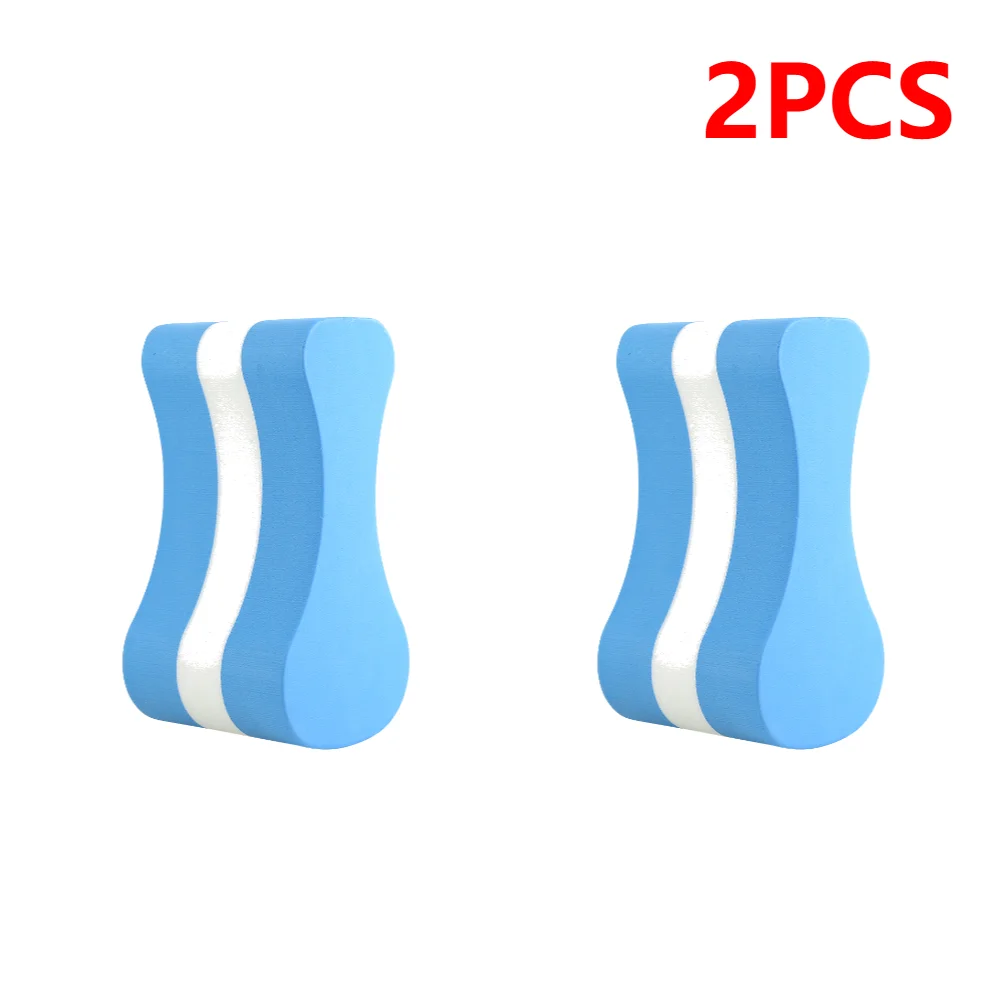
| Quantity | Variant dependent — sold in 1, 2, 3, 4, 5 or 10-piece packs |
| Colour | Variant dependent |
| Pool safe | Yes — chlorine-resistant foam |
| Safety classification | Training aid only — NOT a lifesaving or flotation safety device |
Care & Maintenance
Rinse thoroughly in fresh water after every swim — chlorine and salt left to dry on EVA foam will make it brittle and yellow over a season. Air dry fully in the shade before storing; prolonged direct sunlight degrades the foam. Do not leave it compressed under heavy kit in a bag, as the foam can take a permanent set. Replace it if the foam starts crumbling or cracking.
What’s in the Box
Pull buoy(s) in the quantity selected (1-10 pieces, variant dependent). No accessories included.
Reviews
There are no reviews yet.