Why Your Goggles Fog Up — and What a Good Seal Actually Does
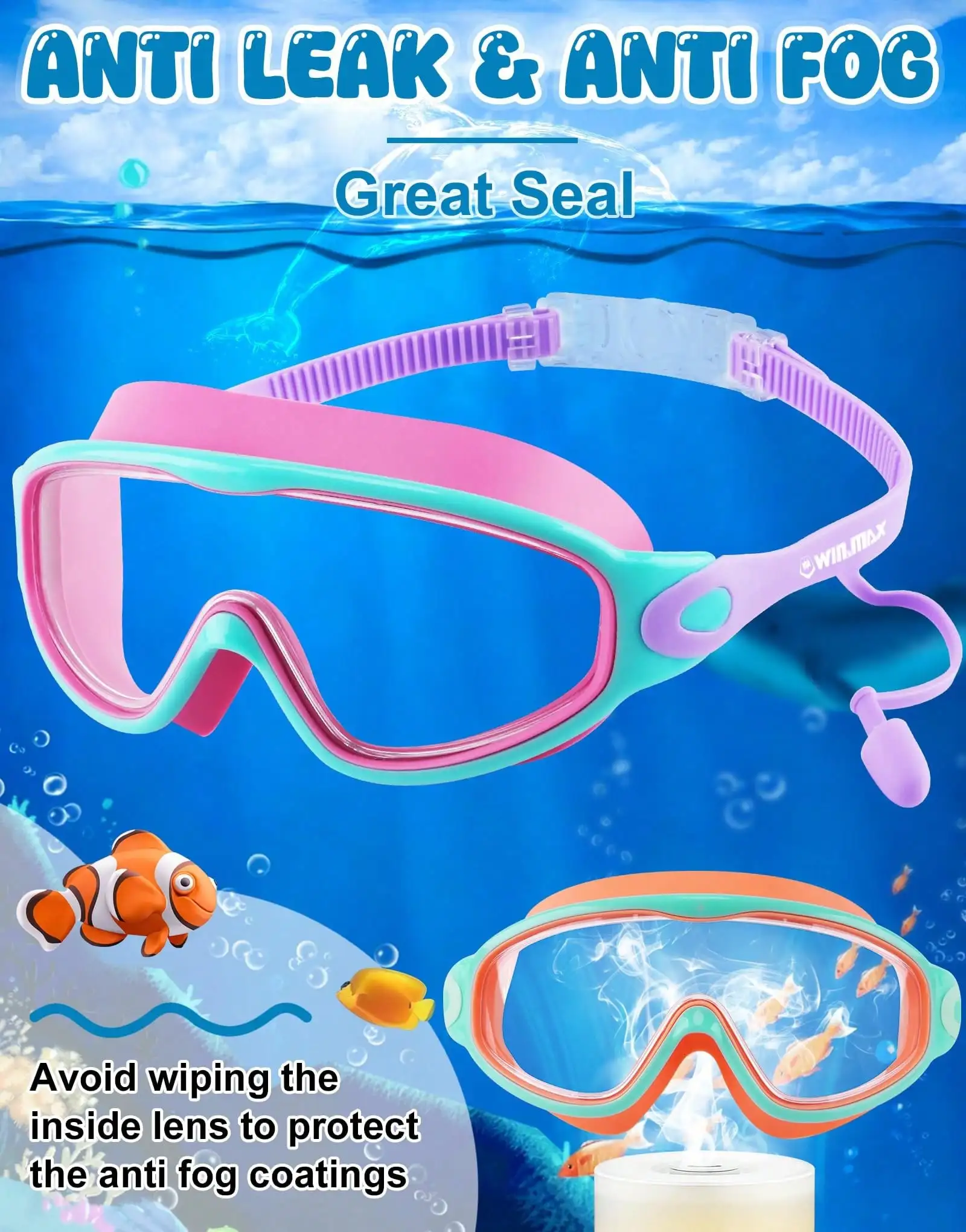
Goggles fog for a simple thermodynamic reason: warm, humid air trapped against your skin meets a lens chilled by the water, and the moisture condenses into thousands of tiny droplets that scatter light. Anti-fog treatment does not stop condensation — it changes the surface energy of the lens so the water spreads into a continuous transparent film instead of beading up. This is why the coating is a consumable: it is a microscopically thin layer on the inner lens, and rubbing that surface with a finger or towel physically scrapes it off. Sealing works differently, through pressure rather than suction: a soft silicone gasket conforms to the eye socket, and water pressure pushes it tighter as you swim.
Key Benefits
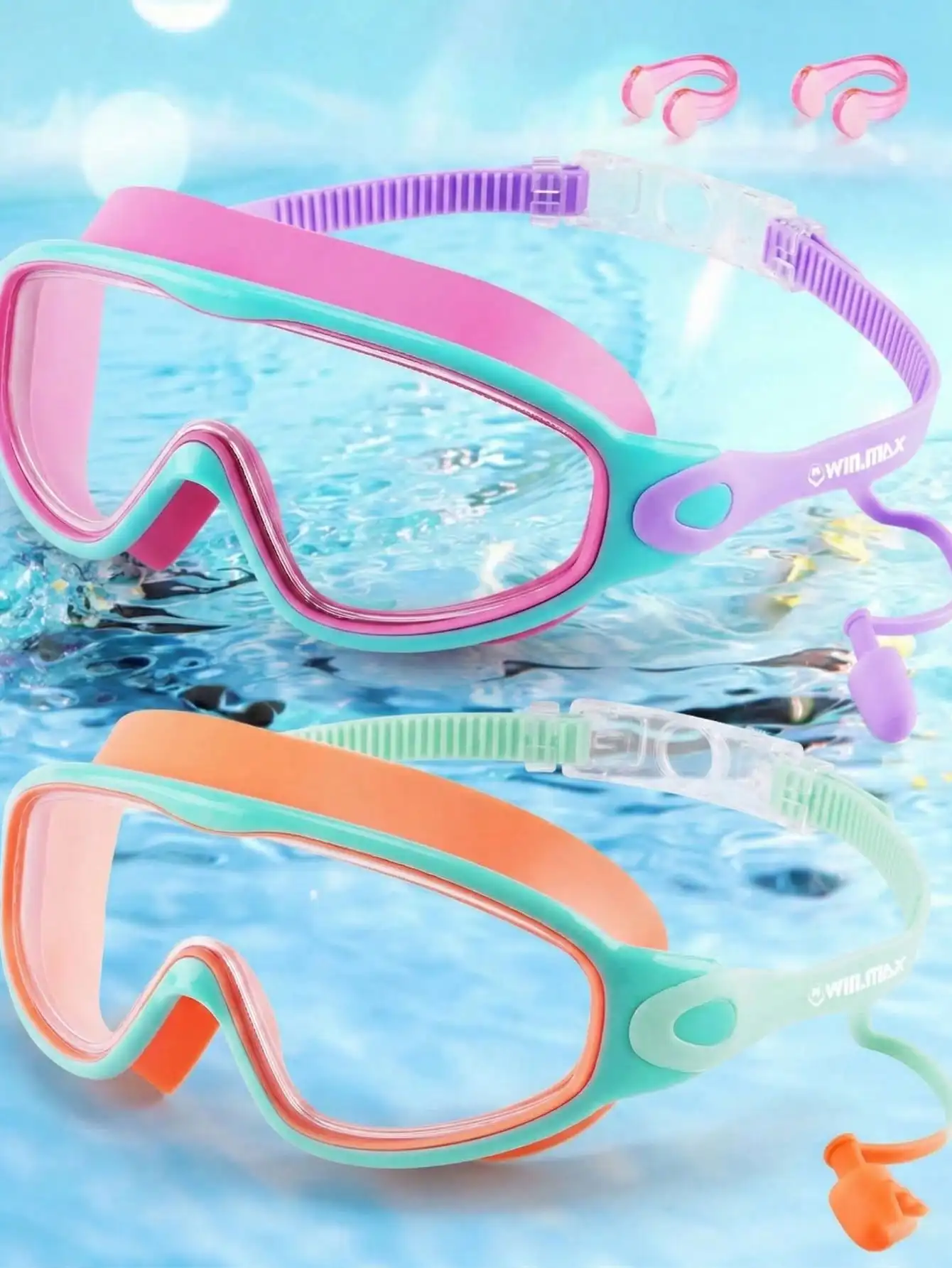
- Two pairs, one lifespan problem solved. Anti-fog coatings wear out with use no matter how carefully you treat them. A spare pair means a fogged lens does not end a session, and rotating pairs extends the life of both.
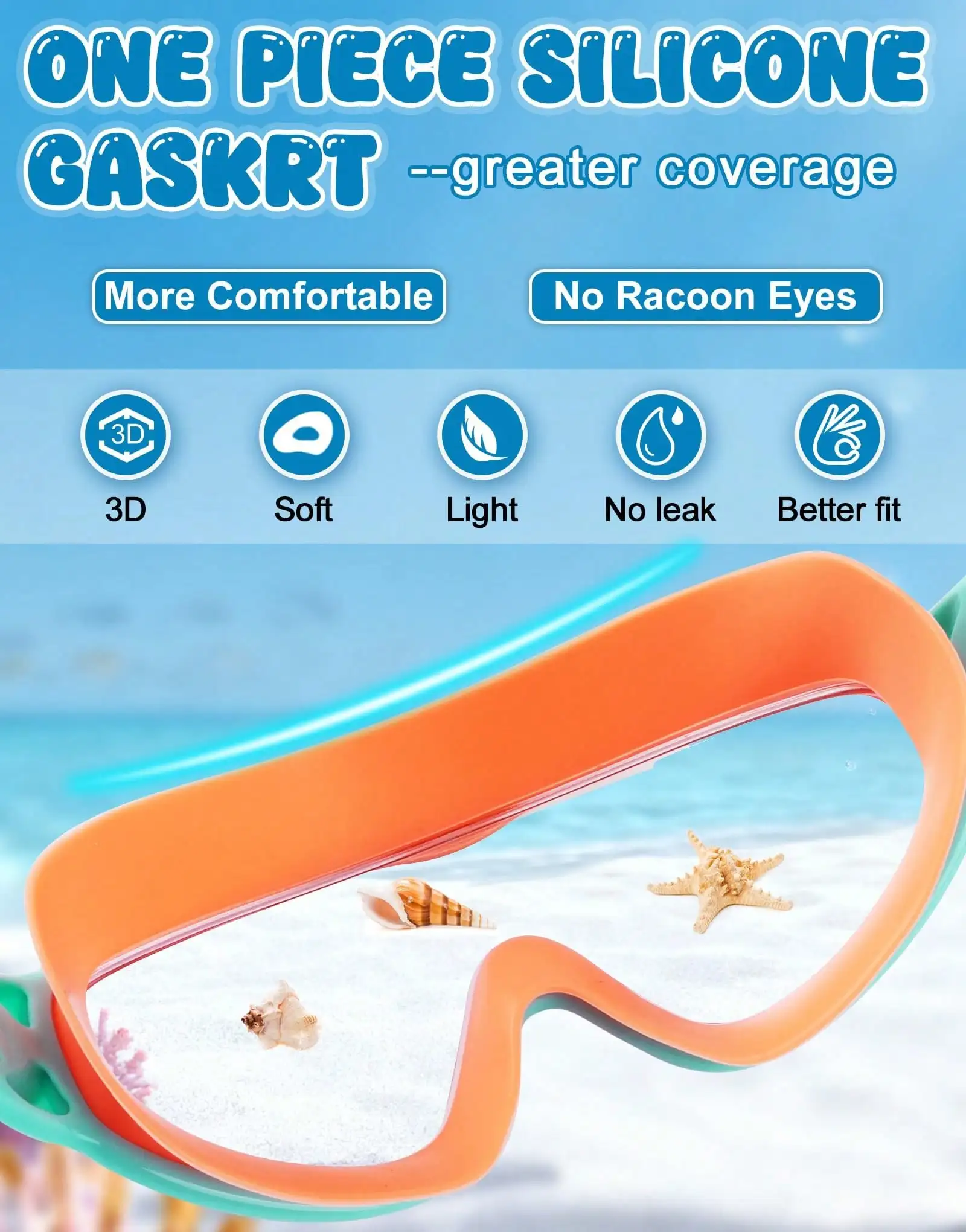
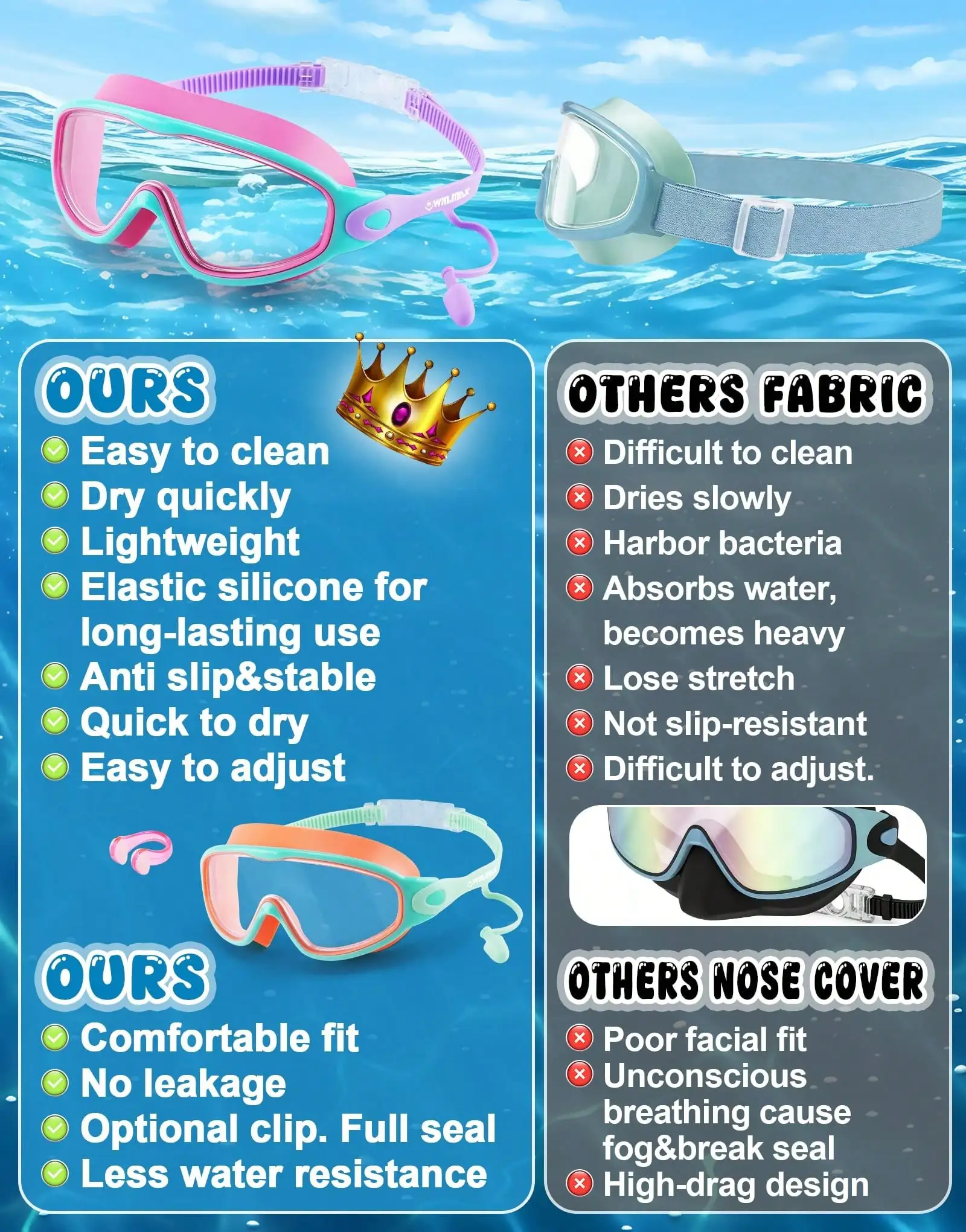
- Silicone gasket seals by conforming, not clamping. A soft seal that moulds to the orbital bone is what keeps water out. Cranking the strap tighter is what most swimmers do instead, and it is the main cause of raccoon-eye marks and headaches.
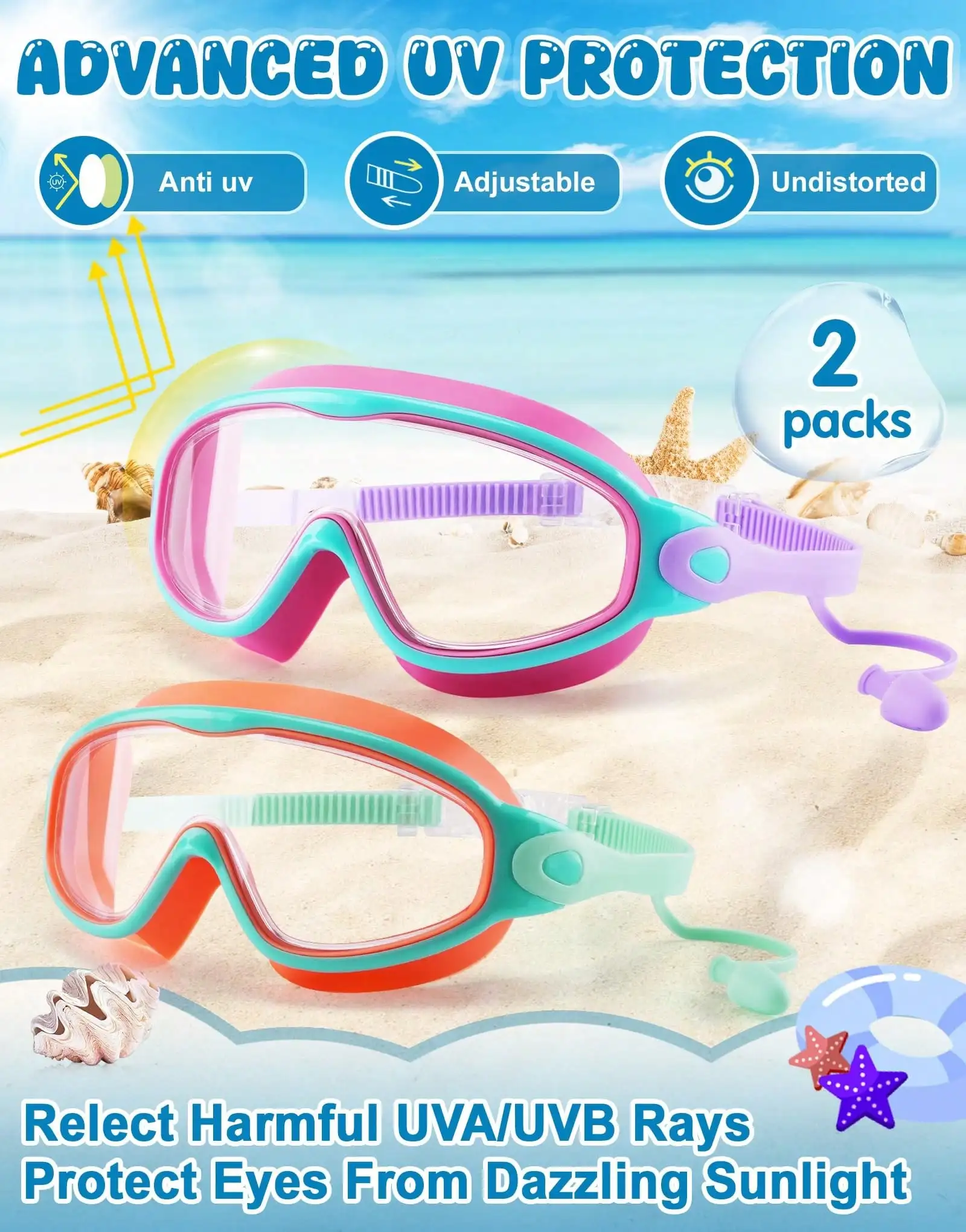
- UV-protected lenses for open water. Meaningful when you are swimming outdoors and staring at a surface that reflects sunlight straight back into your eyes for an hour.
- Adjustable split strap. A divided strap sits above and below the crown of the skull, which stops the goggles being levered off the face on a dive or a push-off — a single strap slides and lets go.
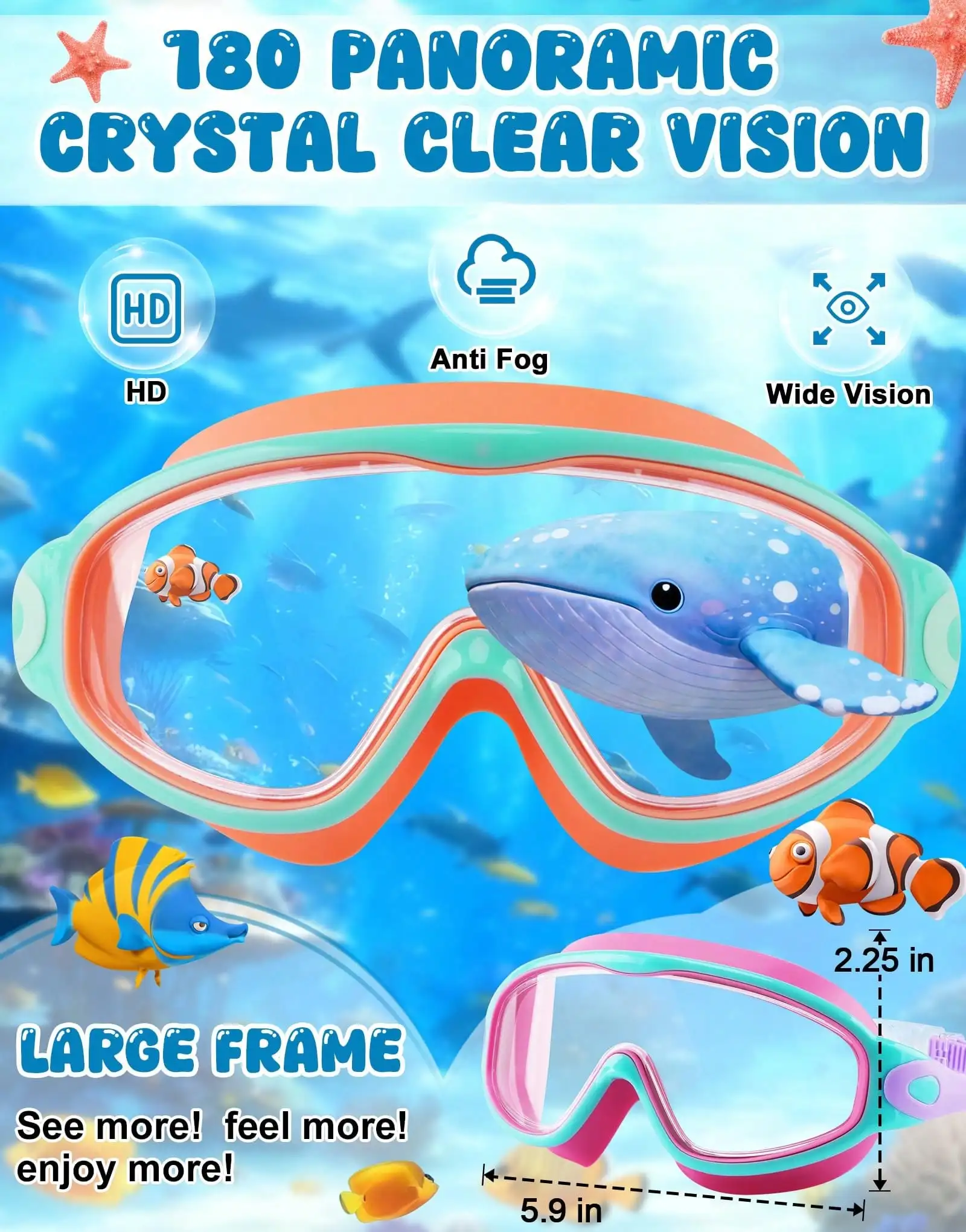
- Wide peripheral field. Curved lenses let you sight the lane rope or a buoy without lifting your head and wrecking your body position.
- Fits adults and older children. The adjustable nose bridge and strap accommodate a range of face shapes, though very small children are better served by dedicated junior goggles.
How to Use
Fit the goggles before the strap: press the eye cups into the sockets with the strap hanging loose and they should hold briefly on suction alone. If they do not, adjust the nose bridge — the strap’s job is to hold them in place, not to create the seal. Then set the strap only just tight enough to be secure. Critically, never wipe or rub the inside of the lens, wet or dry: that is what removes the anti-fog coating and turns a new pair into a foggy one in a single session. If they do fog, rinse the inside gently with cool water and let it drain without touching the surface. Safety: never dive head-first into unknown or shallow water, goggles or not. In open water, swim with a partner or a tow float and be aware that goggles restrict your peripheral vision, so sight regularly for boats and other swimmers.
Specifications
| Product Type | Anti-fog swimming goggles |
|---|---|
| Quantity | 2 pairs |
| Lens | Anti-fog treated with UV protection |
| Seal | Soft silicone gasket |
| Strap | Adjustable, split-style |
| Nose Bridge | Adjustable |
| Use | Pool, open water, general recreational swimming |
| Suitable For | Adults and older children |
| Colours | Variant dependent |
Care & Maintenance
Rinse in cool fresh water after every swim — chlorine and salt are what degrade both the anti-fog coating and the silicone seal. Shake off excess water and air dry face-up, never in direct sun and never on a hot dashboard, as UV and heat make silicone brittle and cloud the lens. Do not wipe the inner lens. Store in the protective case so the lenses do not get scratched by keys or a drink bottle in your bag.
What's in the Box
Two pairs of anti-fog swimming goggles with adjustable straps. Protective case and nose bridge pieces are variant dependent.
Reviews
There are no reviews yet.