The Case Against the Plastic Shaker, and What Steel Fixes
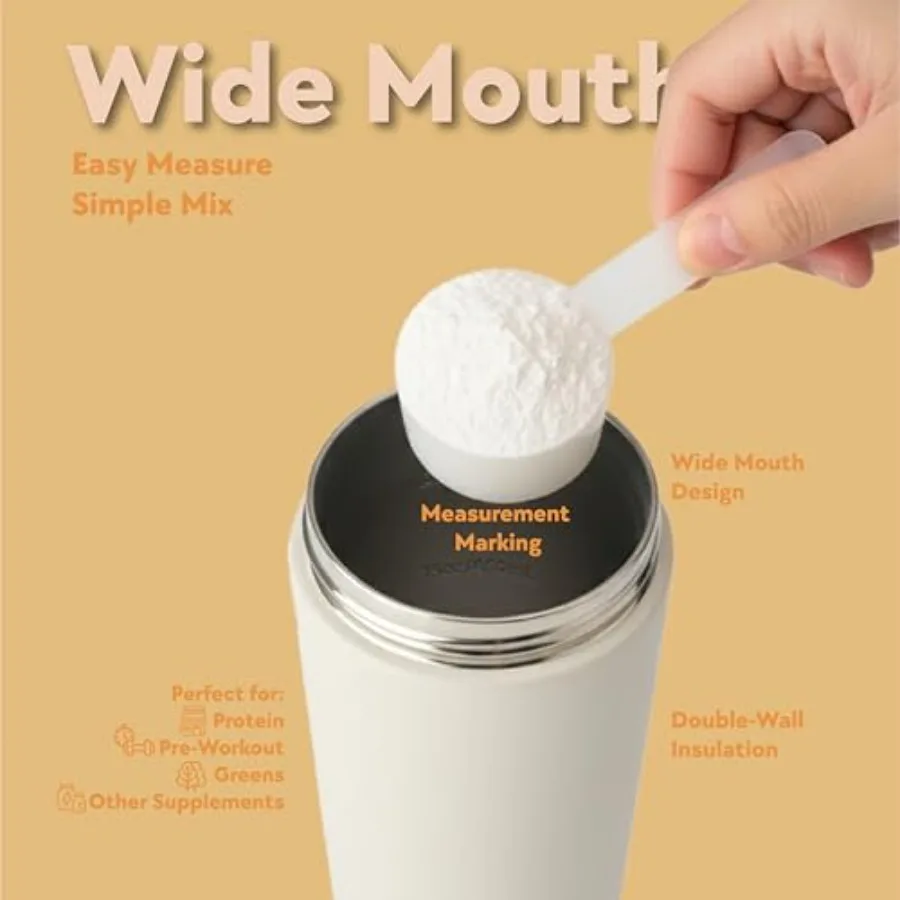
Polypropylene is a porous polymer. Whey, milk protein and the fats they carry work their way into that surface structure, where bacteria colonise them — which is why a plastic shaker smells even after a dishwasher cycle. Stainless steel is non-porous, so there is nothing for residue to soak into. The vacuum wall matters for a second reason: a double wall with a vacuum between it eliminates conduction and convection, so a cold shake stays cold for hours. Protein does not spoil instantly at room temperature, but it does become considerably less pleasant, and an unpleasant shake is one you skip.
Key Benefits
- Non-porous steel doesn’t hold odour. This is the single biggest practical upgrade over plastic. No amount of scrubbing rescues a plastic shaker that’s been left in a gym bag; steel simply washes clean.
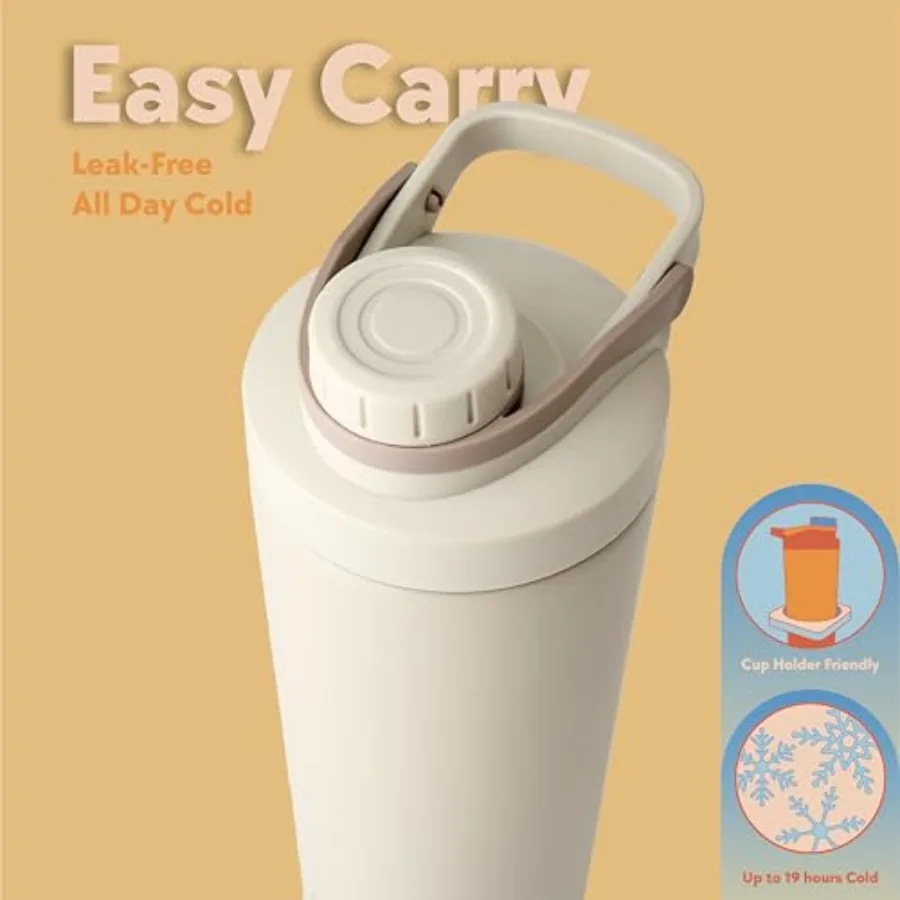
- Vacuum insulation keeps a shake genuinely cold for hours. Mix it in the morning, drink it after training. Also works for cold water, iced coffee, and intra-workout drinks.
- Leak-proof lid. The failure mode of a cheap shaker is a bag full of protein. A properly sealing lid is what makes it safe to throw in with your kit.
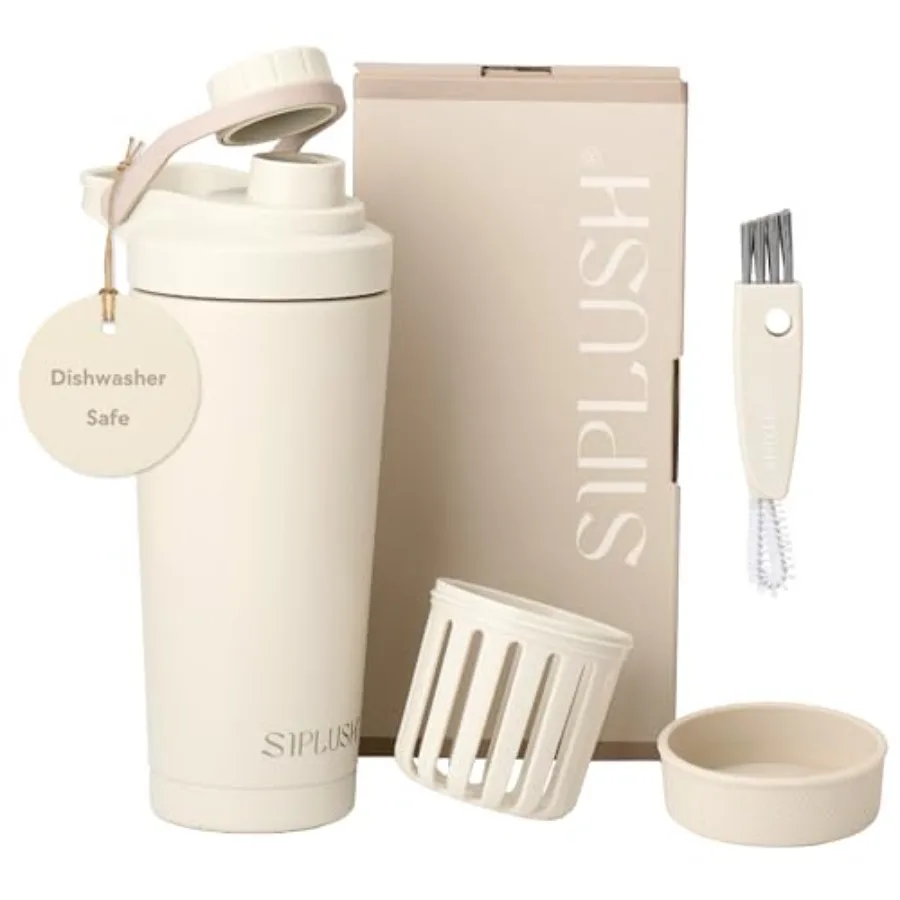
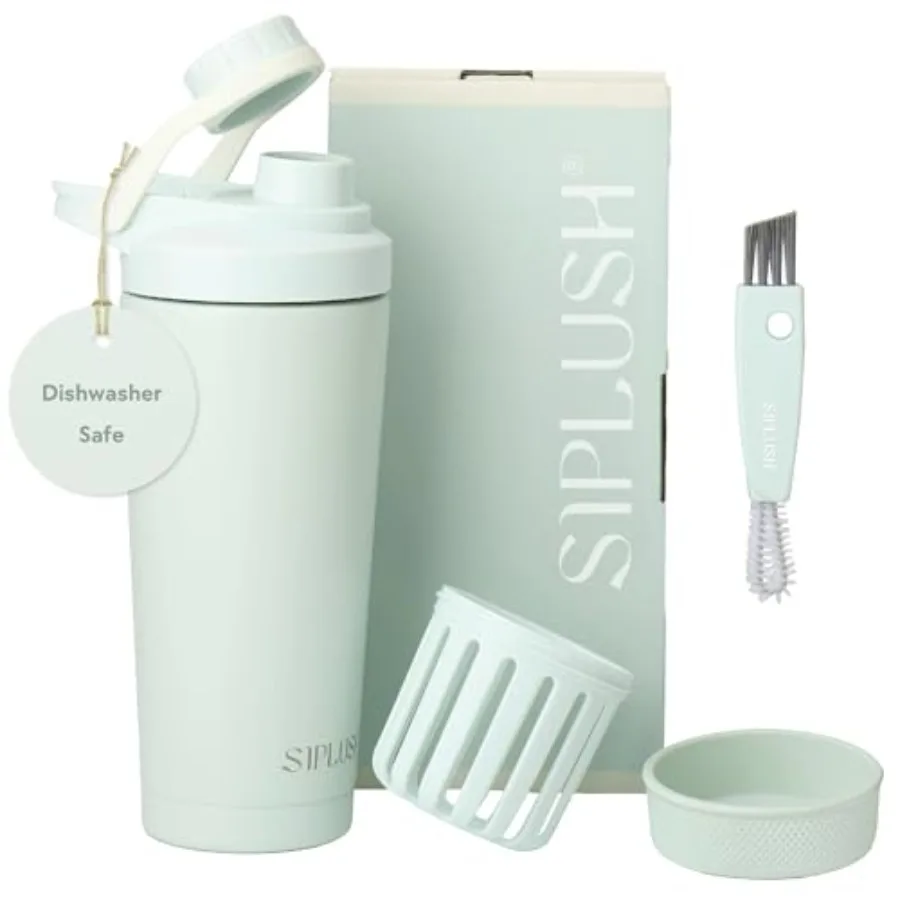
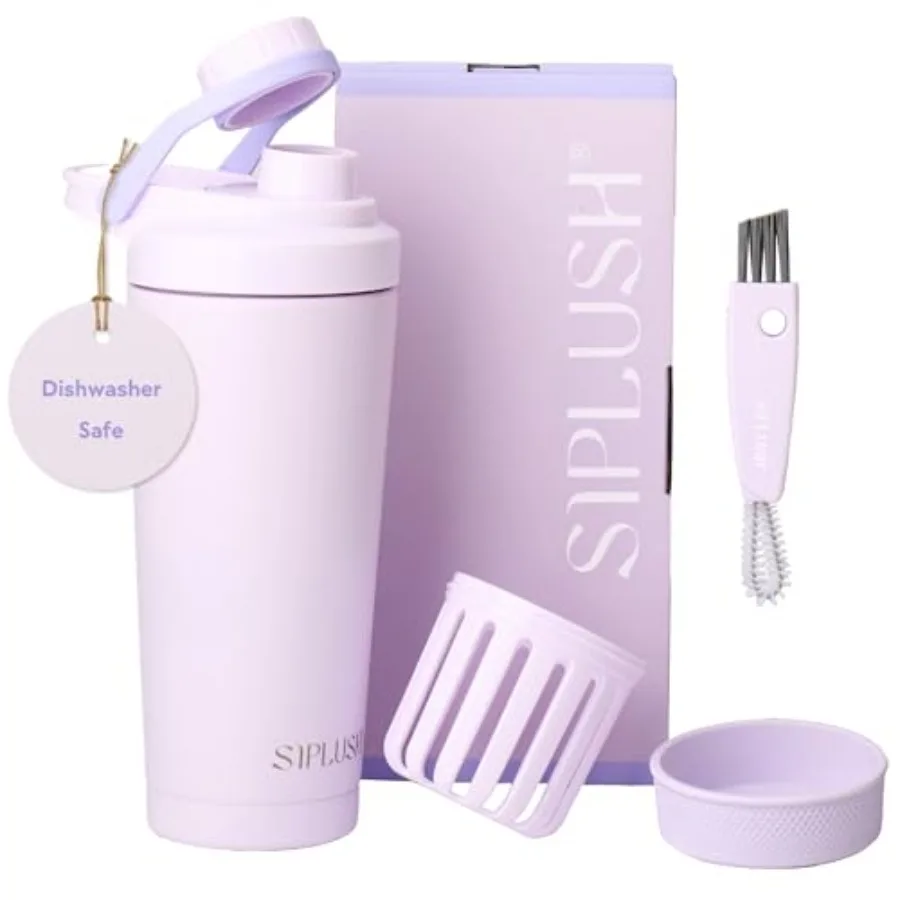
- Dishwasher safe. Many insulated bottles are hand-wash only. This one isn’t, which removes the main friction that leads to bottles being left dirty.
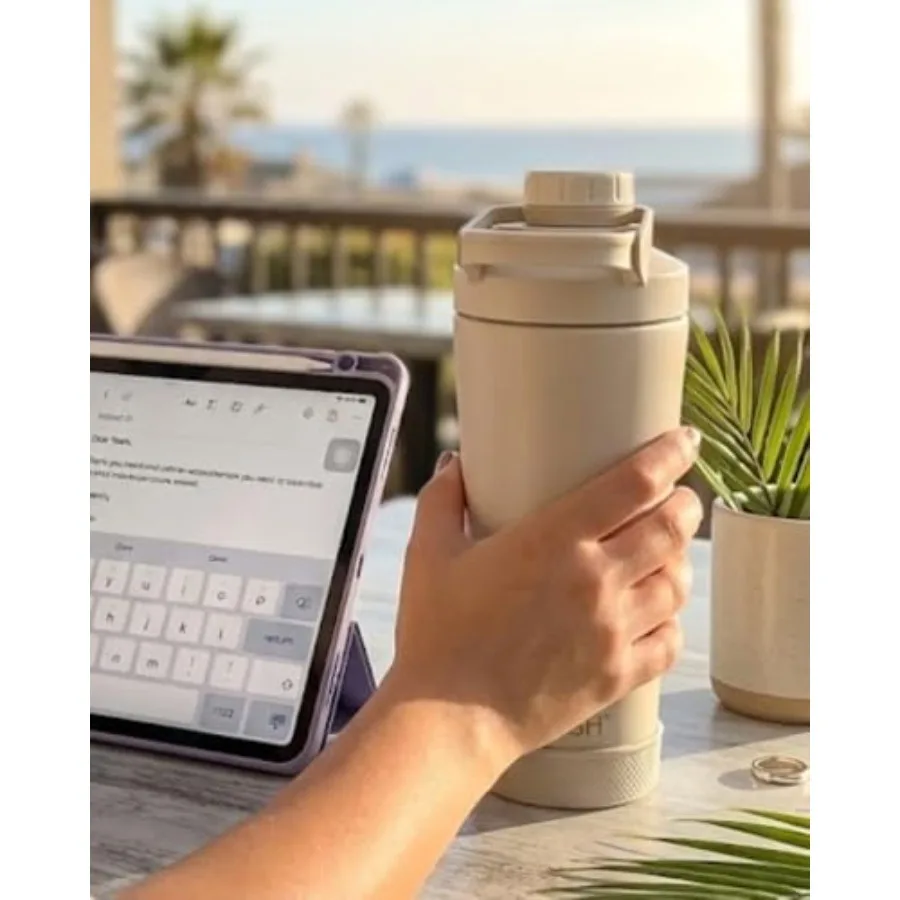
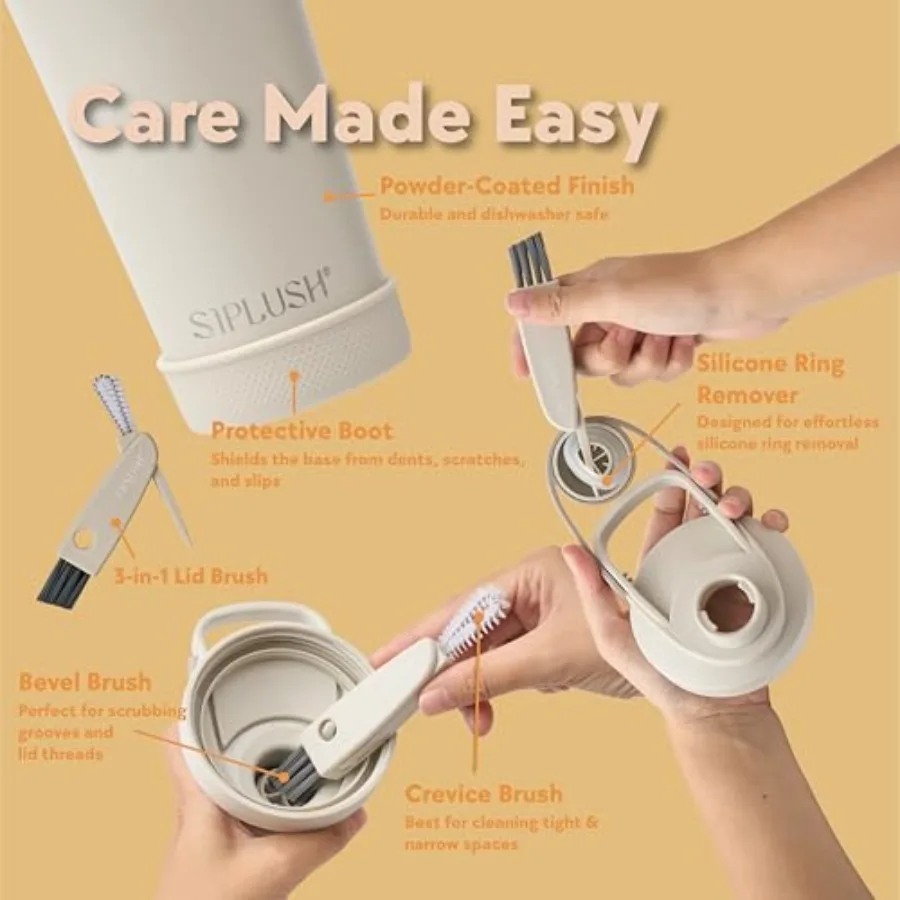
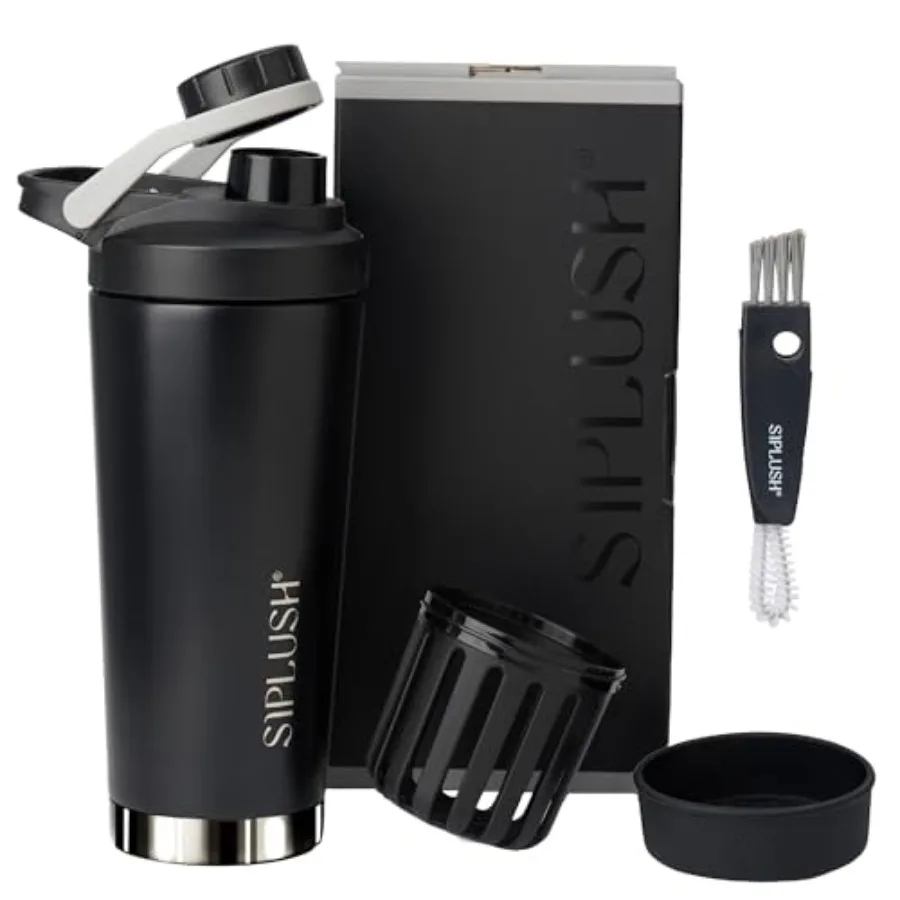
- Protective silicone boot. Steel bottles dent when dropped on gym flooring, and a dented base doesn’t stand up straight. The boot absorbs that, and stops the bottle sliding off benches.
- Included lid brush. The lid and its seal are where residue actually hides — a bottle brush that only cleans the body is missing the point.
How to Use
Add liquid first, then powder — dumping powder into an empty bottle is what creates the compacted clump at the base that no amount of shaking will break up. Seal the lid fully and check the closure before shaking; steel is heavy and a lid that lets go mid-shake makes a substantial mess. Shake for a good 15–20 seconds. If you’re using it for hot drinks, be aware the vacuum wall works both ways: coffee that goes in hot will still be hot several hours later, and the mouthpiece gives no warning. Rinse the bottle immediately after use — the same non-porous surface that resists odour also means a quick rinse is genuinely sufficient, but only if you do it before the residue dries. Do not put a sealed insulated bottle in a freezer or microwave.
Specifications
| Capacity | 24 oz (approx. 710 ml) |
|---|---|
| Material | Stainless steel, vacuum double-walled |
| Insulation | Vacuum insulated — cold retention for several hours |
| Lid | Leak-proof sealing lid |
| Dishwasher | Dishwasher safe |
| Included accessories | Lid brush, protective silicone boot |
| Odour resistance | Non-porous — does not absorb protein or dairy odours |
| Not suitable for | Freezer or microwave use |
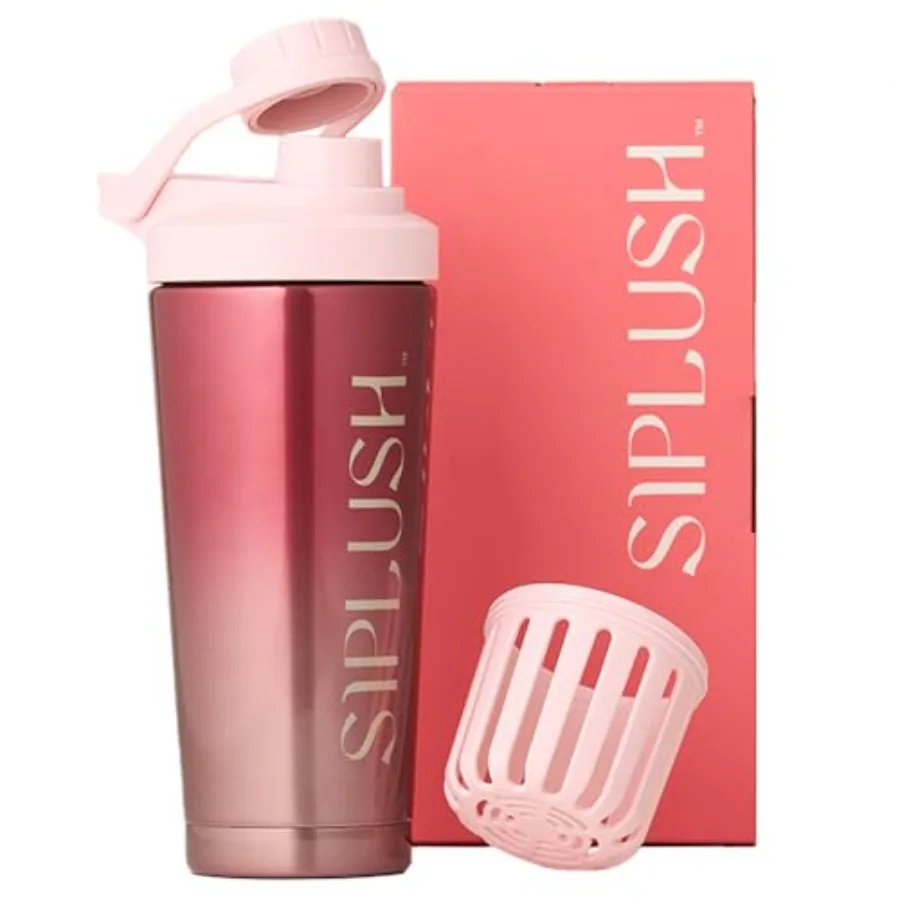
| Colour | Variant dependent |
Care & Maintenance
Rinse straight after use, before residue dries. Dishwasher safe, though hand washing preserves the exterior finish longer. Remove and wash the lid and its gasket separately — that gasket is where residue and smell will eventually accumulate if it’s never taken out. Do not use abrasive scourers or bleach on the interior; both damage the passive layer that keeps stainless steel from staining. Store with the lid off so the interior can dry fully.
What’s in the Box
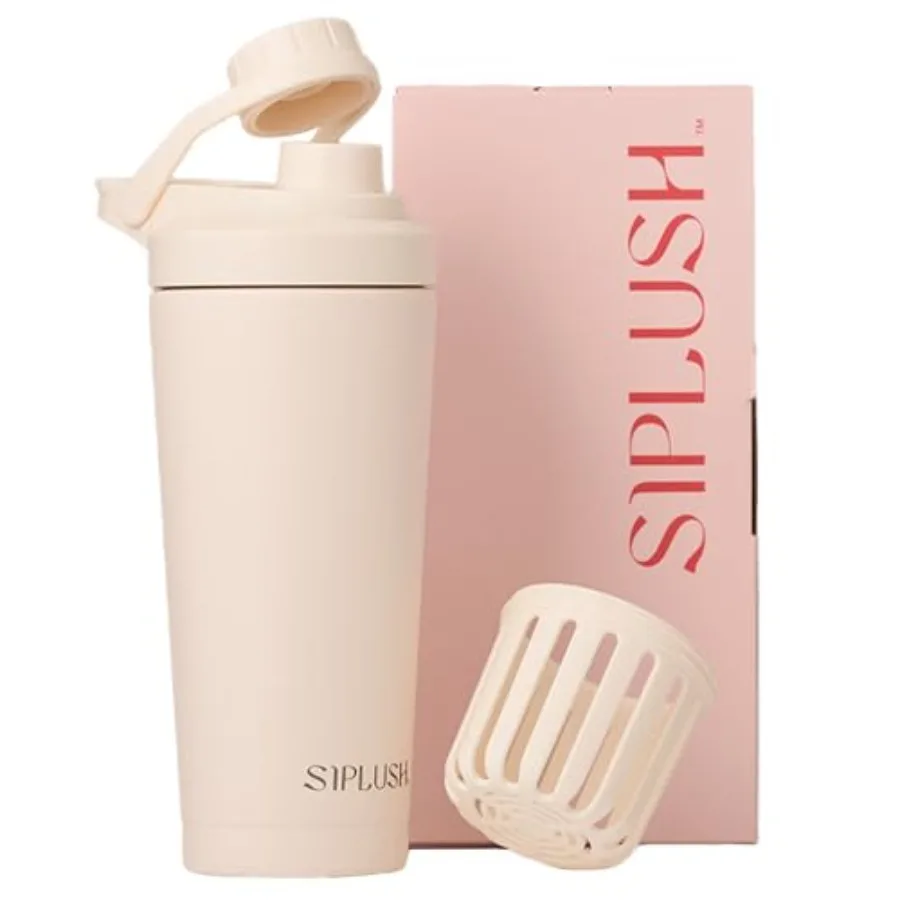
1 x 24oz insulated stainless steel shaker bottle, 1 x leak-proof lid, 1 x lid cleaning brush, 1 x protective silicone boot.
Reviews
There are no reviews yet.