Why Runners Should Carry Weight on the Chest, Not the Arm
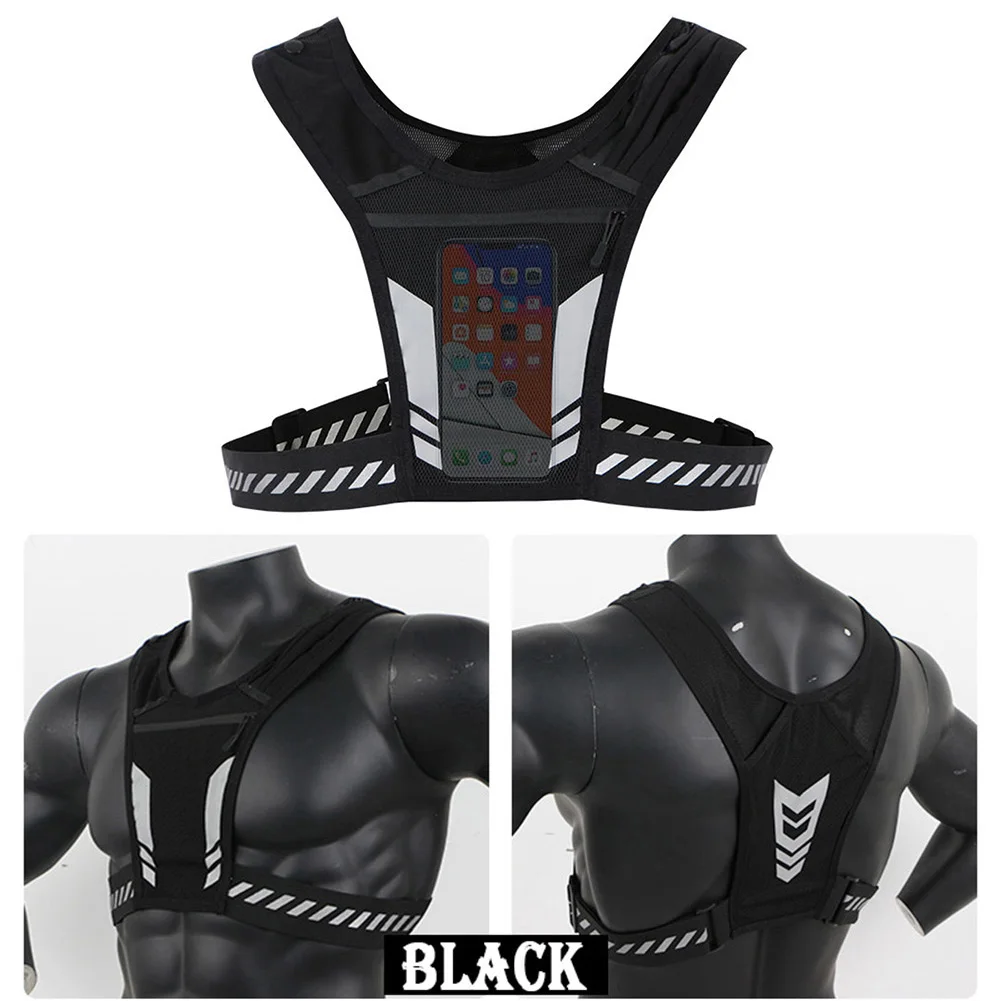
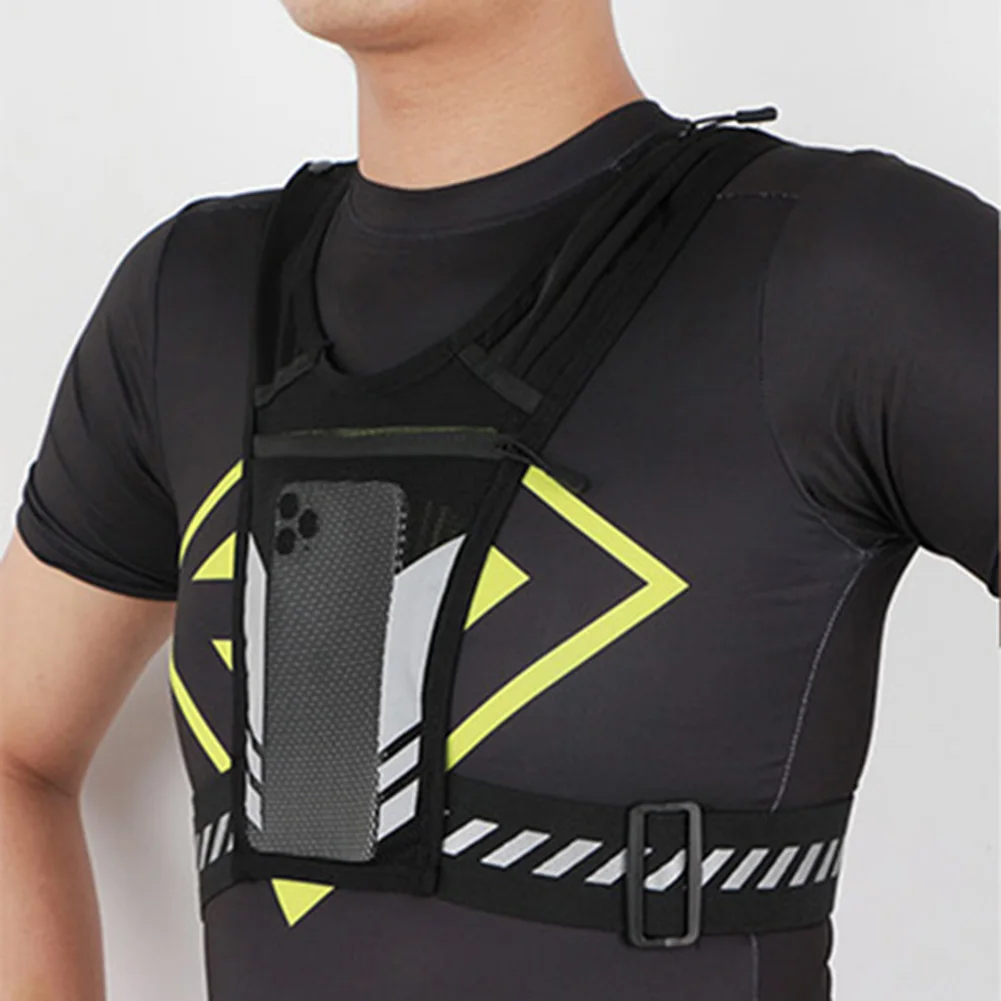
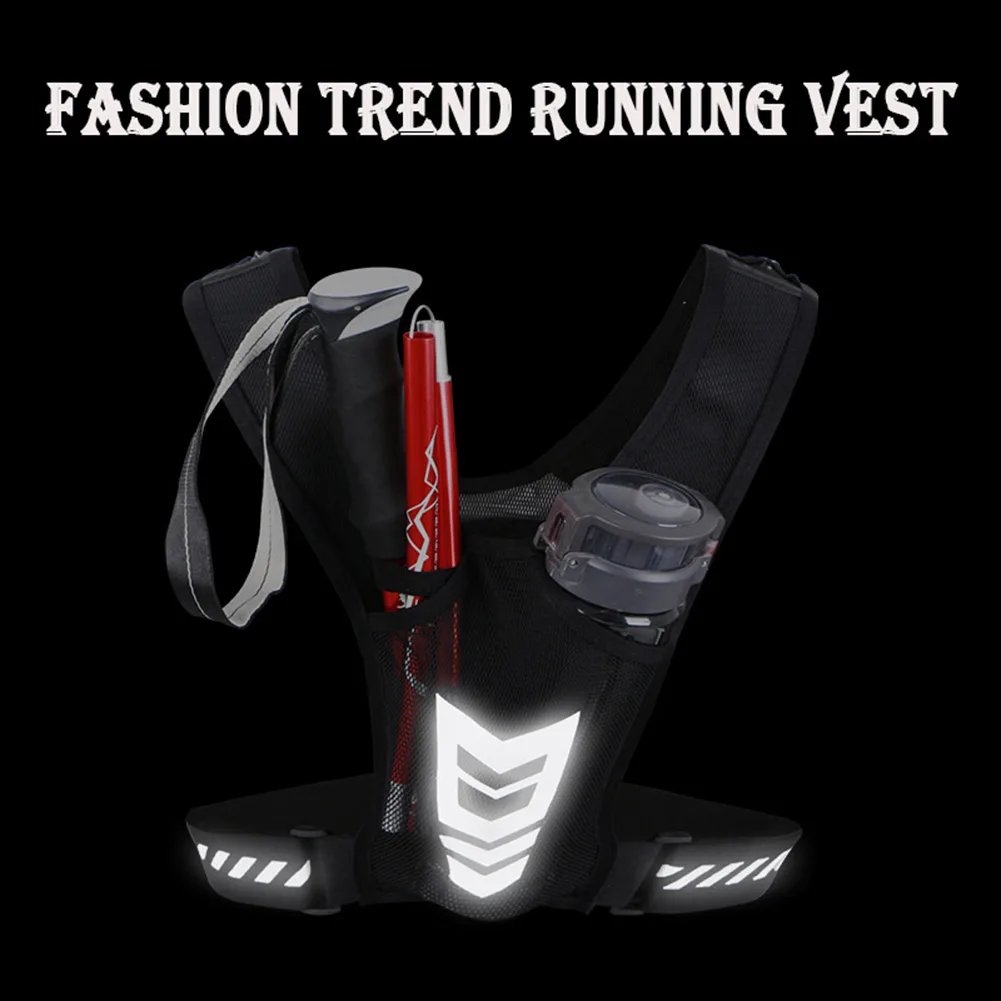
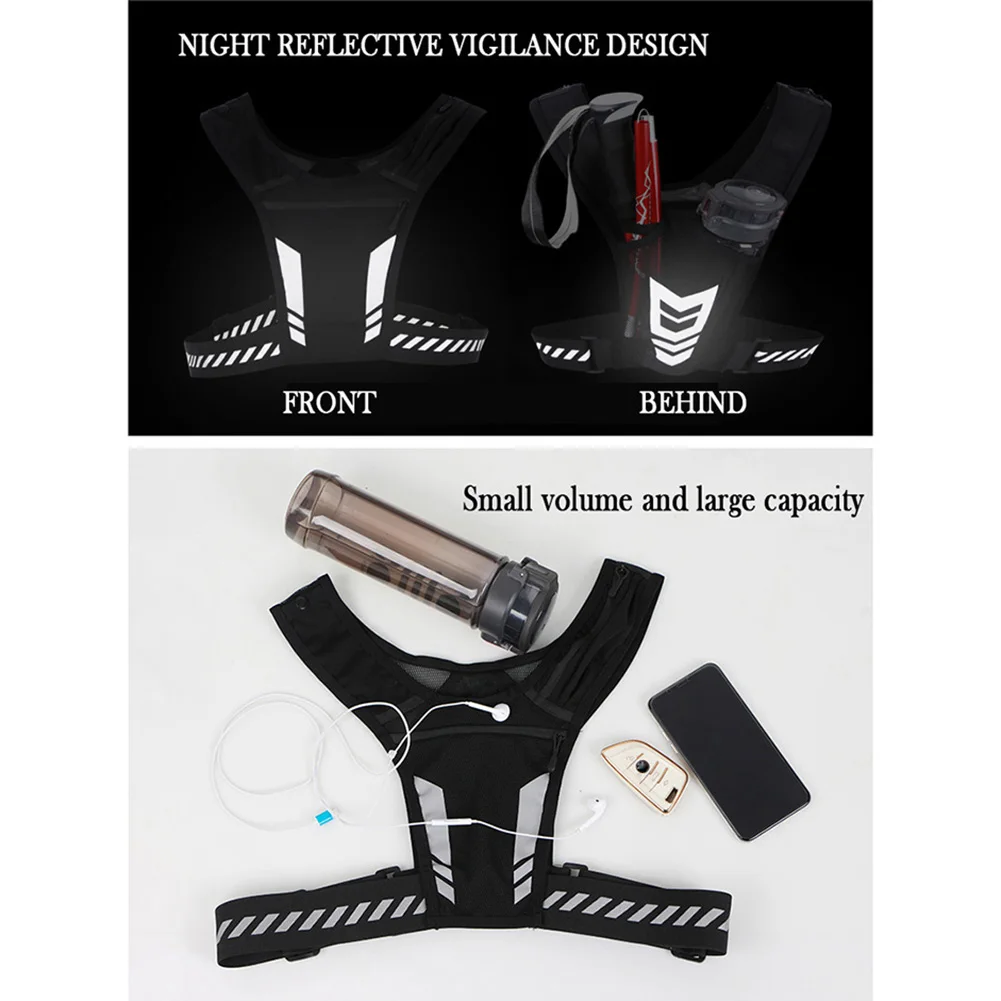
A phone strapped to your bicep sits at the end of a swinging lever, so every arm cycle accelerates and decelerates the mass — it disrupts arm carriage, tugs at the strap, and needs to be over-tightened to stop it sliding, which restricts blood flow. Move that mass to the centre of the chest and it sits close to your body’s line of travel, near the centre of mass, where it barely moves relative to you. Add retroreflective material and the vest does a second job: retroreflectors bounce headlight beams straight back to the driver’s eye, which is what makes a runner visible at distance in the dark — ordinary light-coloured clothing does not do this.
Key Benefits
- Kills the bounce. Chest-carry places the load near your centre of mass, so your phone doesn’t swing, slap, or drag on your arm cadence.
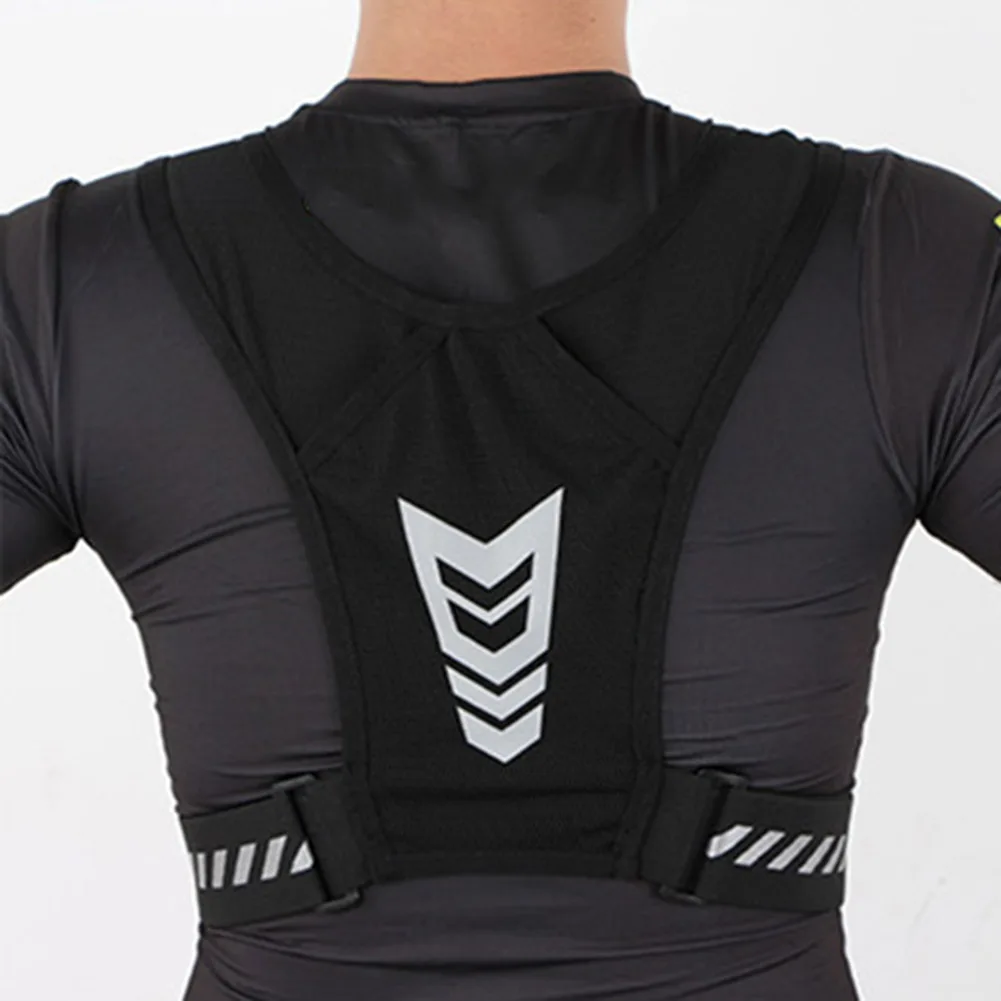
- Retroreflective, not just bright. Reflective strips return a driver’s headlights directly back to their eyes — that’s what makes you visible at 100m in the dark. High-vis colour alone does almost nothing at night.
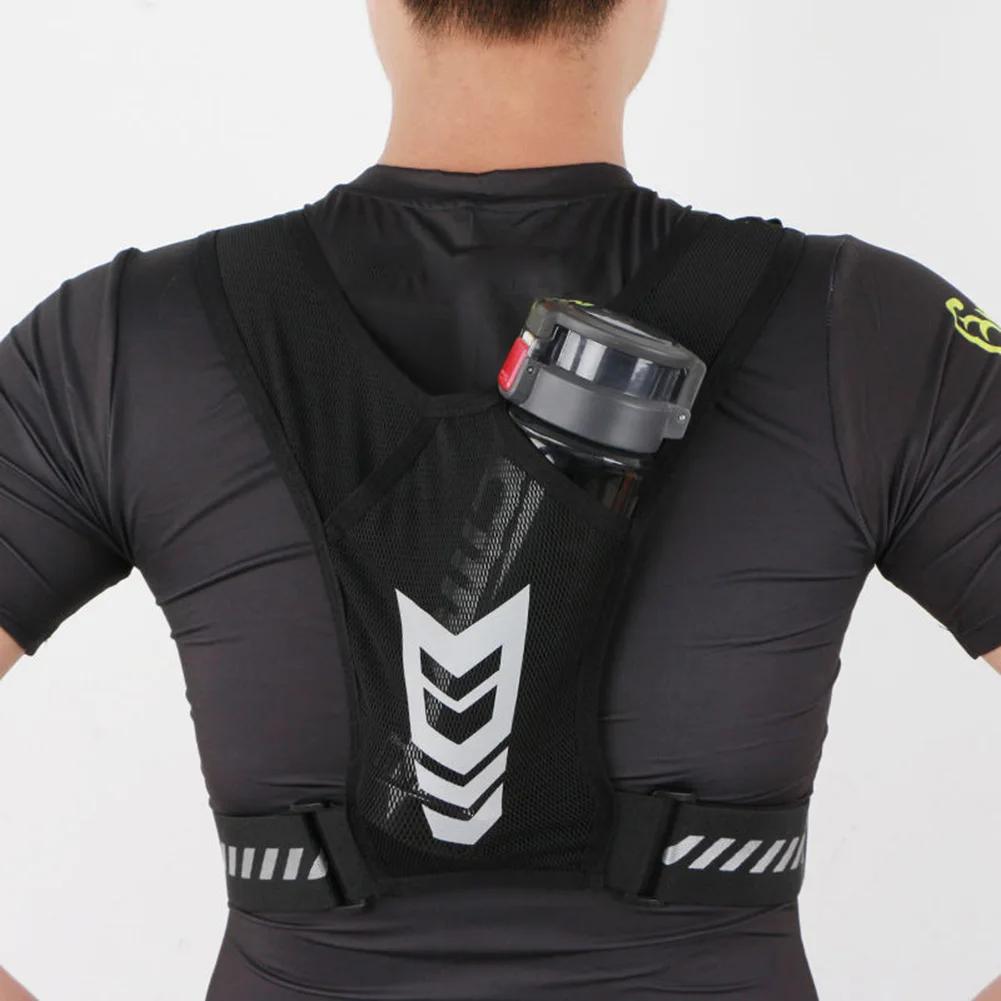
- Breathable mesh construction. Air moves through it rather than trapping a hot, sweaty patch across your chest on a summer evening run.
- Phone stays reachable. Change a track or check your pace without stopping and peeling something off your arm.
- Adjustable buckle, unisex fit. Sized over a t-shirt or a winter layer without re-threading straps every season.
- Honest safety note: reflective gear works only when someone shines a light at it. It does not make you visible to a driver who isn’t looking, and it does nothing at dusk when headlights are off. On unlit roads, add an active light — a blinking red rear light or a head torch. Reflectivity is passive protection, not a substitute for one.
How to Use
Put the vest on over your running top and cinch the buckle so it sits flat against the chest with no slack — a loose vest will ride and chafe over a long run, and chafing at the sternum or under the arms is the classic failure of any chest-mounted kit. Load the phone before you set off and check the pouch is fully closed. Run a short test loop and pay attention to any rubbing point: if something is irritating you at 1km it will be bleeding at 15km. Face the reflective panels outward and don’t cover them with a jacket — a reflective vest under a shell is decoration. When running in the dark, always run facing oncoming traffic where possible, and add an active light. Wash out sweat regularly; salt-stiffened mesh is a chafing hazard in itself.
Specifications
| Product type | Reflective running vest / chest phone holder |
|---|---|
| Construction | Breathable mesh |
| Reflectivity | Retroreflective strips |
| Storage | Chest pouch sized for a phone |
| Adjustment | Adjustable buckle |
| Fit | Unisex, men’s and women’s |
| Best for | Night running, evening cycling, low-light training |
| Lighting | Passive reflective only — no active light included |
Care & Maintenance
Cold hand wash with a mild detergent and hang to dry. Do not tumble dry, iron, or bleach — heat damages the reflective film, and once the retroreflective layer is cracked or clouded it stops working while still looking fine to you in daylight. Check the reflective strips periodically with a torch in a dark room; if they don’t light up brightly, replace the vest. Empty the pouch before washing.
What’s in the Box
1 × reflective running vest with chest phone pouch and adjustable buckle. Phone and lights not included.
Reviews
There are no reviews yet.