Keeping Water Where It Belongs: Ears, Nose and Swimmers Ear
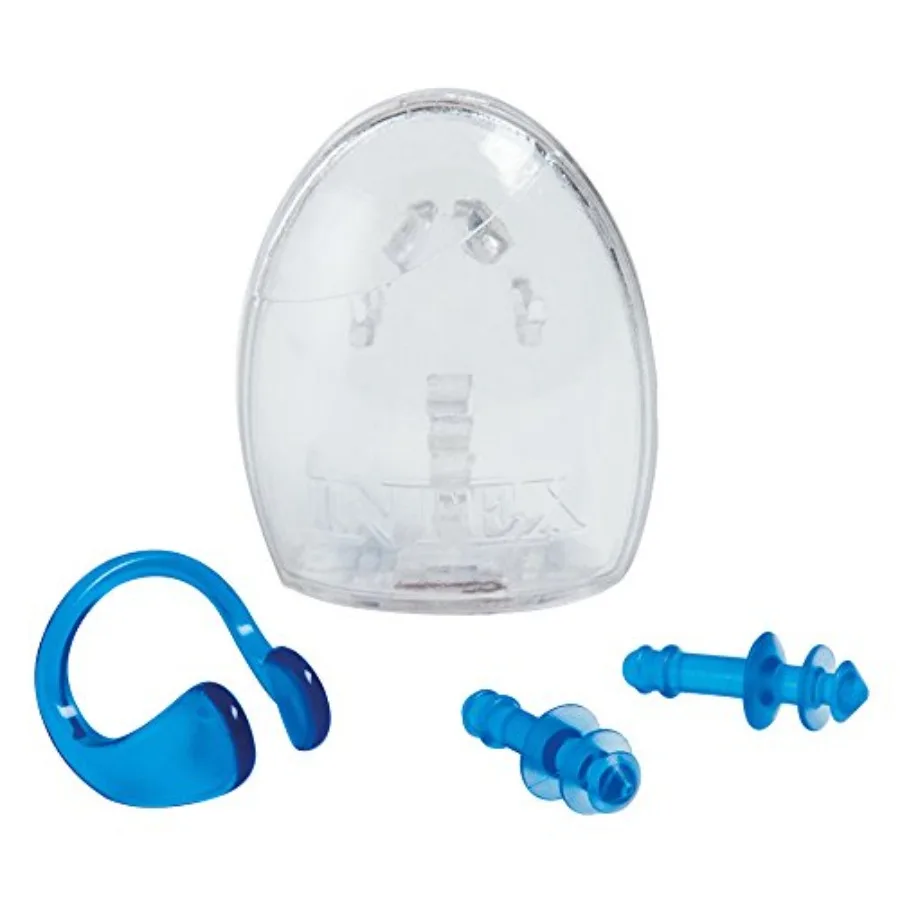
The outer ear canal is protected by a thin, slightly acidic film of cerumen that repels water and discourages bacterial growth. Repeated swimming washes that film away and leaves the canal warm and damp – close to ideal conditions for the bacteria behind otitis externa, better known as swimmers ear. A properly seated plug keeps the canal dry so that natural barrier survives. The nose clip solves a different problem: it seals the nostrils so water cannot be forced into the sinuses during backstroke, flip turns or somersaults, which is what causes that sharp sting behind the eyes.
Key Benefits
- Targets swimmers ear at the cause. Keeping the canal dry preserves the waxy barrier that keeps bacteria in check, rather than treating an infection after it has taken hold.
- Nose clip frees up your breathing. With the nostrils sealed you can stop worrying about exhaling through your nose, which makes backstroke, flip turns and drill sets far less unpleasant.
- Soft, reusable silicone. It flexes to the shape of the canal and the septum instead of jamming a rigid object in place, and it survives repeated chlorine exposure.
- Useful for cold-water swimmers. Repeated cold water in the ear canal is associated with surfers ear, a bony narrowing that builds over years. Plugs are the standard preventive measure.
- Small enough to actually carry. The set lives in a kit bag pocket – the reason most people swim without ear protection is that they left it at home.
- Steadies novice swimmers. Removing the fear of water up the nose lets beginners relax their neck and get their head into a proper streamlined position.
How to Use
Fit the plugs before you get in, with dry hands and a dry ear – a wet canal will not seal. Pull the top of your ear gently up and back to straighten the canal, then seat the plug at the entrance with a light twist. It should sit in the opening and seal there. Do not push it deep: the plug is meant to cap the canal, not to be driven down it. Pinch the nose clip onto the soft part of the septum, just below the bridge, and give it a gentle test exhale before you push off. IMPORTANT: do not use ear plugs if you have grommets or tubes, a perforated eardrum, an ear infection or a recent ear operation without asking your doctor first – trapping water or pressure behind a plug can make things considerably worse. Never force a plug in, and never use one that has hardened or split. If you get ear pain, discharge or hearing loss after swimming, see a clinician rather than swimming through it.
Specifications
| Material | Soft reusable silicone |
|---|---|
| Colour | Blue |
| Set contents | Ear plugs plus nose clip |
| Design | Waterproof, reusable |
| Use case | Pool, open water, cold-water swimming |
| Fit | Universal – shape to the canal entrance and septum |
| Not suitable for | Grommets, perforated eardrum, active ear infection |
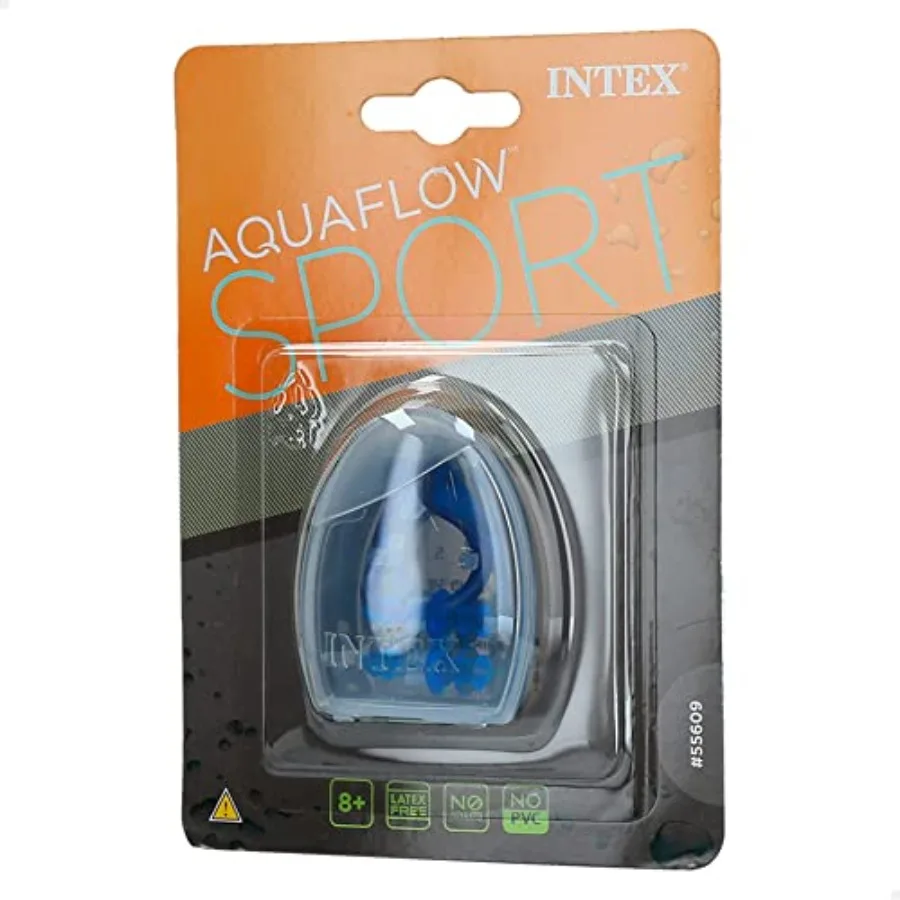
| Case | Storage case – variant dependent |
Care & Maintenance
Rinse the plugs and clip in clean fresh water after every swim – chlorine and salt both degrade silicone over time – and let them air-dry completely before they go back in the case, or you will be sealing damp silicone into a dark box. Do not boil them or leave them in a hot car. Replace them as soon as they harden, split, tear or stop sealing; a plug that has lost its seal is doing nothing for you.
What’s in the Box
A pair of reusable silicone swimming ear plugs and one silicone nose clip. Storage case is variant dependent.

Reviews
There are no reviews yet.