Decompression and Stimulation — Two Distinct Tools for a Stiff Neck
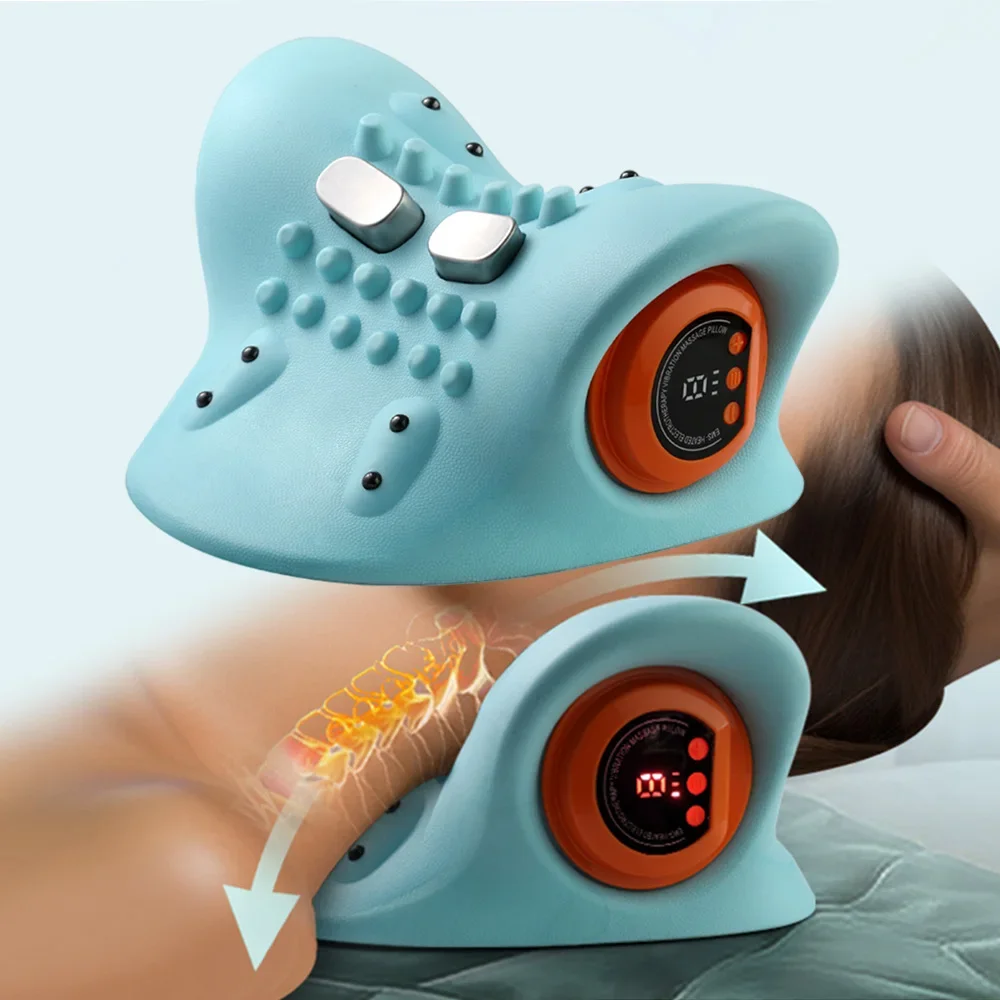
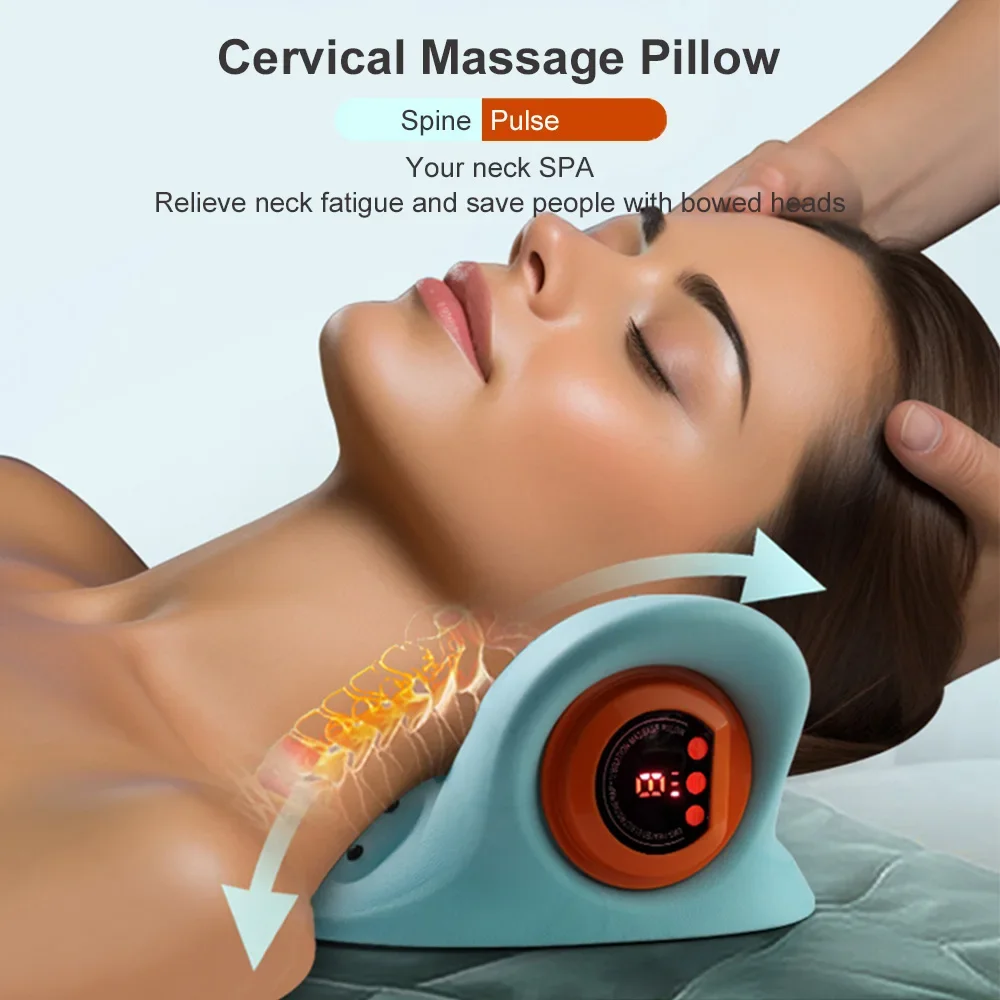
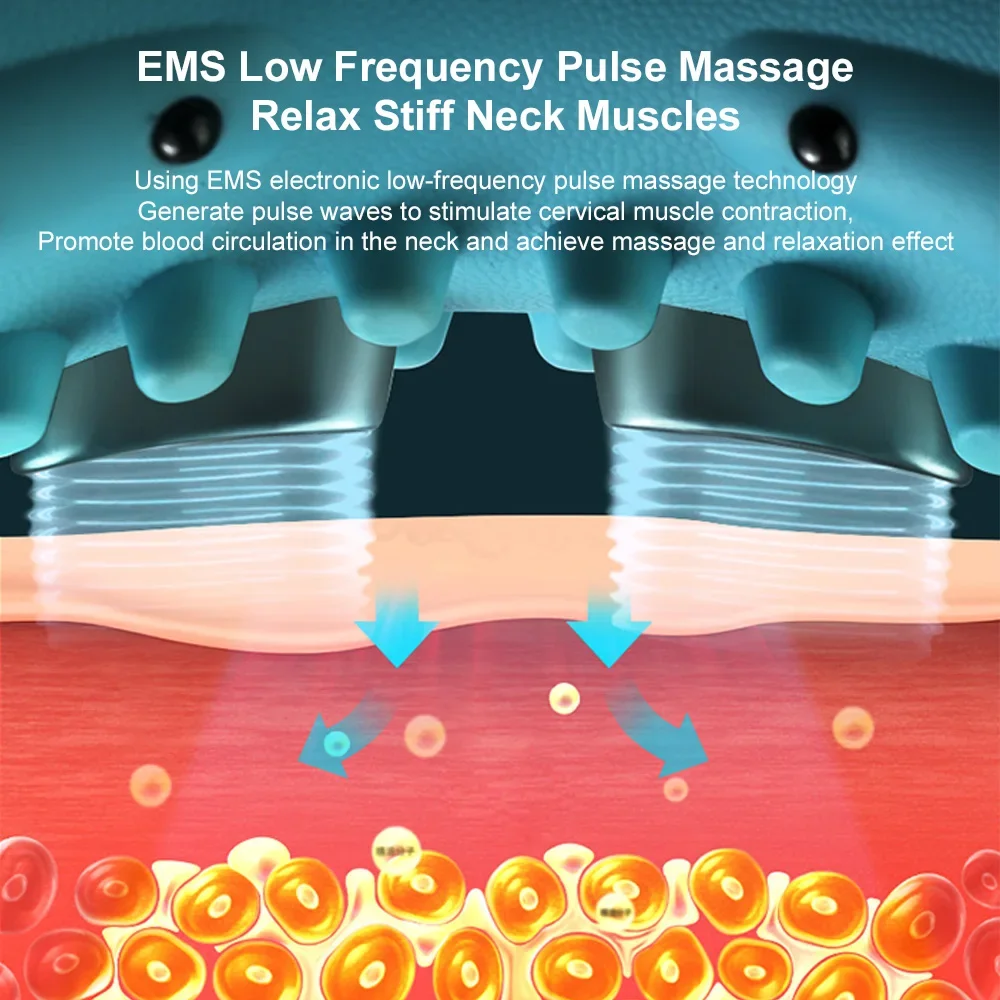
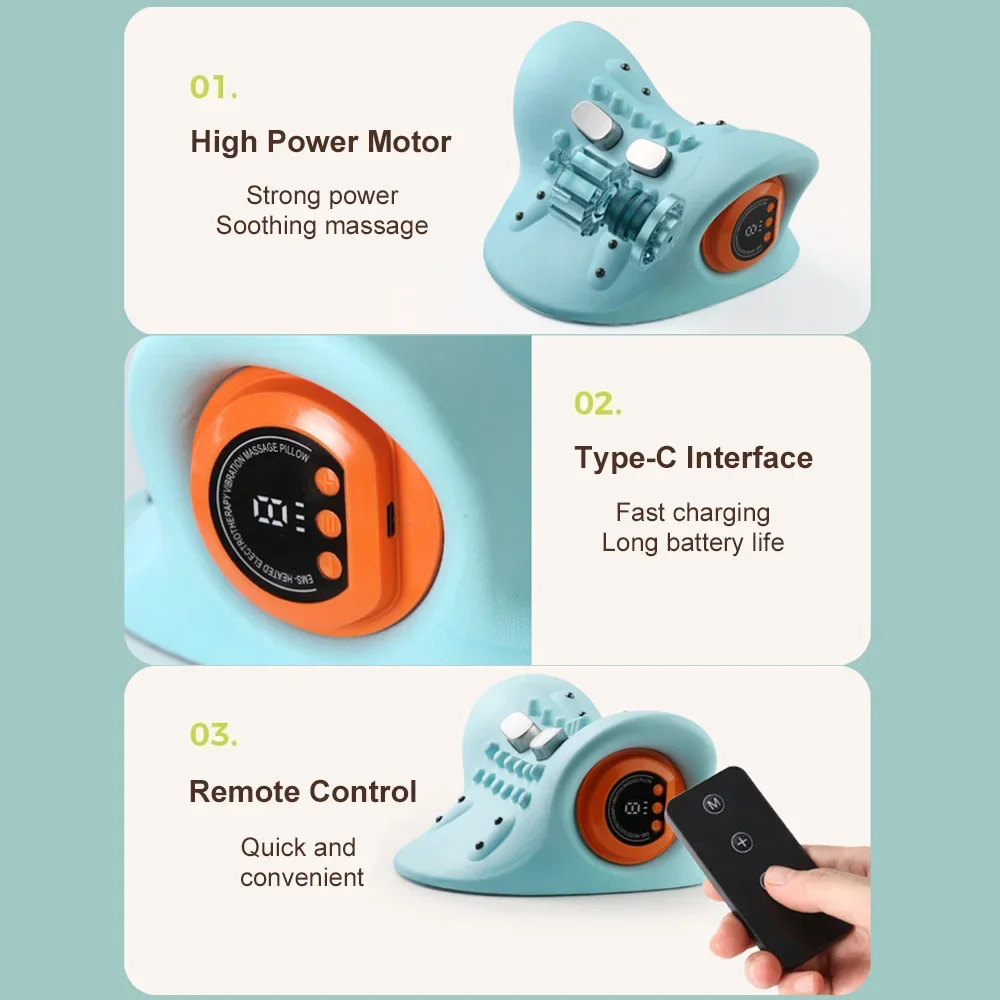
This device does two unrelated things and it’s worth understanding them separately. The traction element applies gentle sustained pull along the cervical spine, which slightly increases the space between vertebrae, eases compressive load on discs and facet joints, and gives tight paraspinal muscles a low-grade sustained stretch. The EMS and vibration element is symptomatic: electrical pulses stimulate large sensory nerve fibres, closing the pain gate at the spinal cord, while vibration reduces muscle guarding in the upper trapezius. Together they can make a stiff, desk-bound neck feel dramatically better for a few hours. What they don’t do is repair a herniated disc or reverse cervical degeneration — that requires a clinician, not a pillow.
Key Benefits
- Targets the exact problem desk work creates. Hours of forward head posture compress the cervical spine and overload the upper traps; traction unloads the first, EMS and vibration address the second.
- Traction you’ll actually do. Manual neck stretches get skipped. A device you lie back into for 15 minutes gets used.
- Adjustable intensity. Neck tissue is sensitive and the tolerable range is narrow — start at the bottom and creep up.
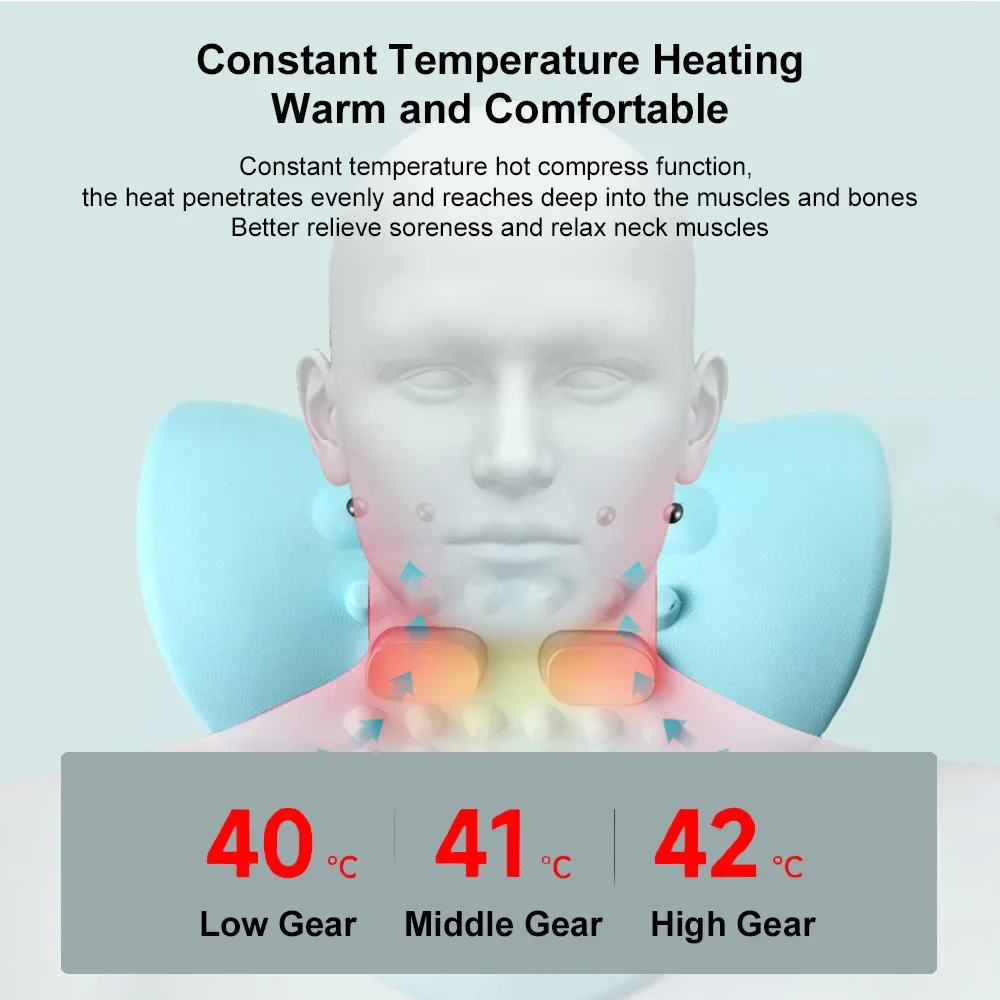
- Heat and vibration options on most variants. Warmth increases local blood flow to muscle that’s been held statically contracted all day.
- Supports the head while it works. The contoured shape means the neck muscles can genuinely release instead of holding the head up.
- Drug-free symptomatic relief. For chronic, grumbling neck tension it beats reaching for another dose of painkillers.
How to Use
Lie on your back on a firm surface with the device supporting the base of the skull and the curve of the neck. Start with the lowest traction and lowest stimulation setting for 5-10 minutes and build slowly; 15-20 minutes is a full session, and longer is not better. The EMS should feel like a strong tingle, never a jolt, and never a painful pull. Read the contraindications carefully. Do NOT use the EMS function if you have a pacemaker, implanted defibrillator or any implanted electronic device; if you are pregnant; or if you have epilepsy, a heart condition or arrhythmia. Never place electrode contacts on the front or sides of the neck over the carotid arteries — this device is for the back of the neck only, and stimulation over the carotid sinus can affect heart rate and blood pressure. Do not use traction at all if you have cervical instability, rheumatoid arthritis affecting the neck, osteoporosis, a recent neck injury or whiplash, vertebral artery insufficiency, or a spinal tumour or infection. Stop immediately and see a doctor if you experience dizziness, nausea, visual changes, or numbness or tingling running into the arms or hands. If you have diagnosed cervical radiculopathy or disc disease, get your clinician’s approval before using traction at home.
Specifications
| Type | Electric cervical traction pillow with EMS pulse and vibration |
|---|---|
| Functions | Traction, EMS pulse stimulation, vibration massage |
| Intensity | Multiple adjustable levels |
| Heat function | Available on some variants |
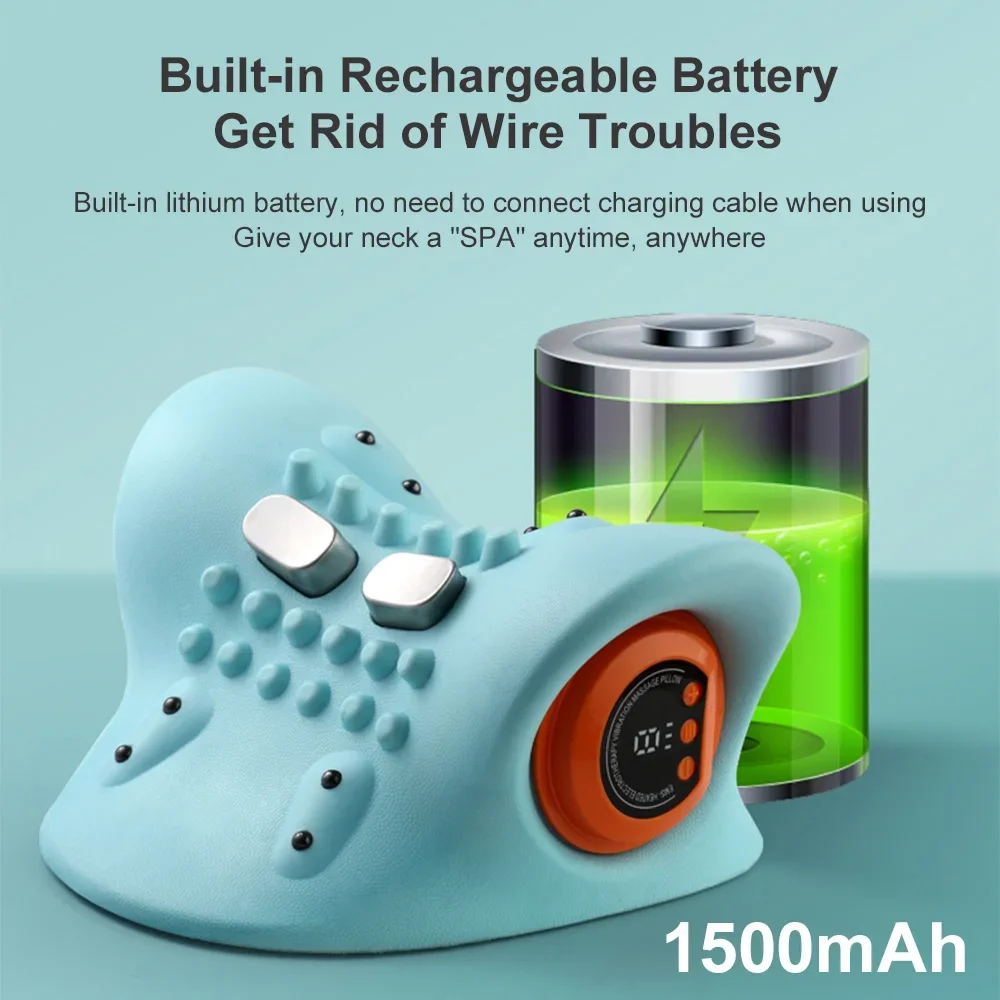
| Power | Rechargeable / USB powered — variant dependent |
| Position of use | Lying supine, back of neck only |
| Colour | Blue-green |
| Session length | 10-20 minutes |
| Best for | Desk-related neck stiffness, upper trapezius tension |
Care & Maintenance
Wipe the contact surfaces with a slightly damp cloth after each use — skin oil on the electrode contacts degrades conductivity and causes uneven, stingy stimulation. Never submerge the unit or use solvents on it. Store it flat and away from heat, keep the charging port free of dust, and stop using it if the electrode surfaces or cable show any damage.
What’s in the Box
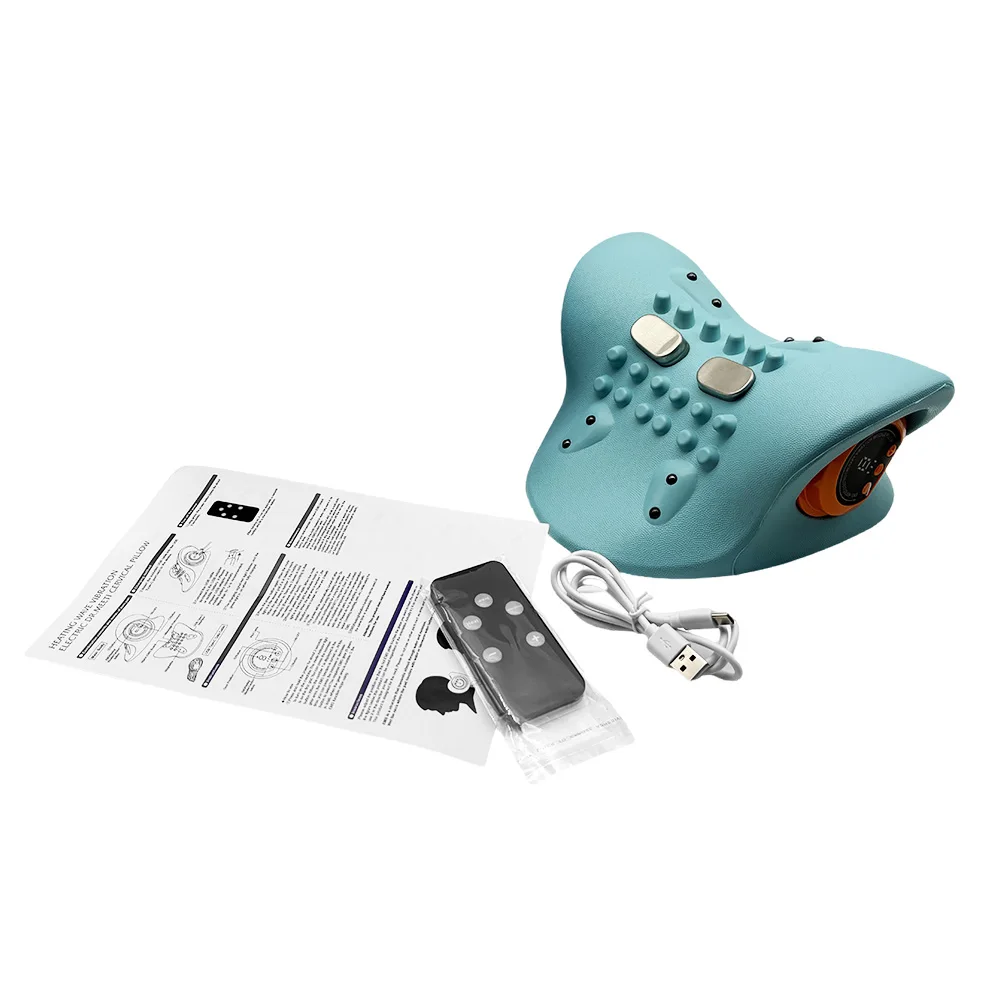
1 x electric cervical traction and massage pillow, 1 x charging cable, 1 x user manual. Remote control included on some variants.
Reviews
There are no reviews yet.