The Case for Rolling Your Feet Every Single Evening
The plantar fascia is a thick band of connective tissue running from the heel to the toes, and it stiffens under sustained load – which is what a twelve-hour shift or a long run is. Rolling applies direct pressure along that band and the small intrinsic muscles beneath it. The mechanism is not that you are stretching the fascia permanently; you are not. You are producing a short-term increase in tissue extensibility and, more importantly, stimulating dense mechanoreceptors in the sole, which modulates pain perception and reduces the sensation of tightness. Consistency matters more than intensity.
Key Benefits
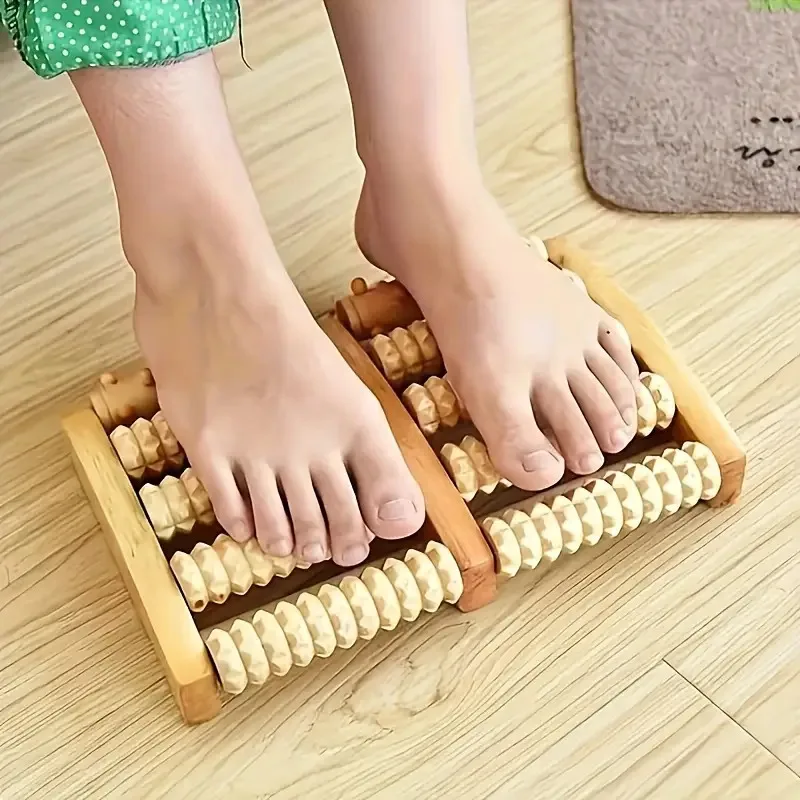
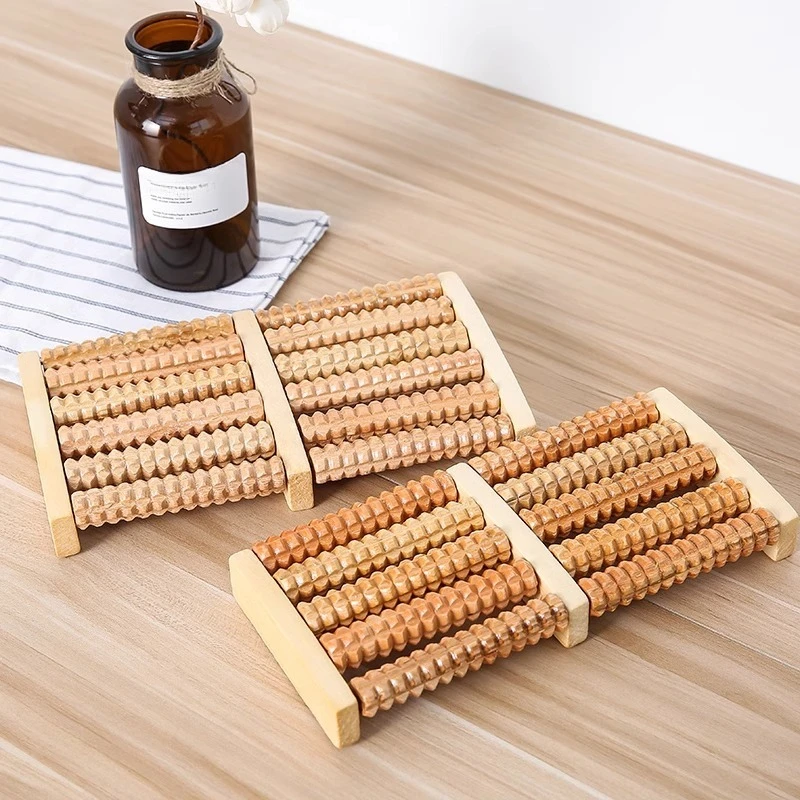
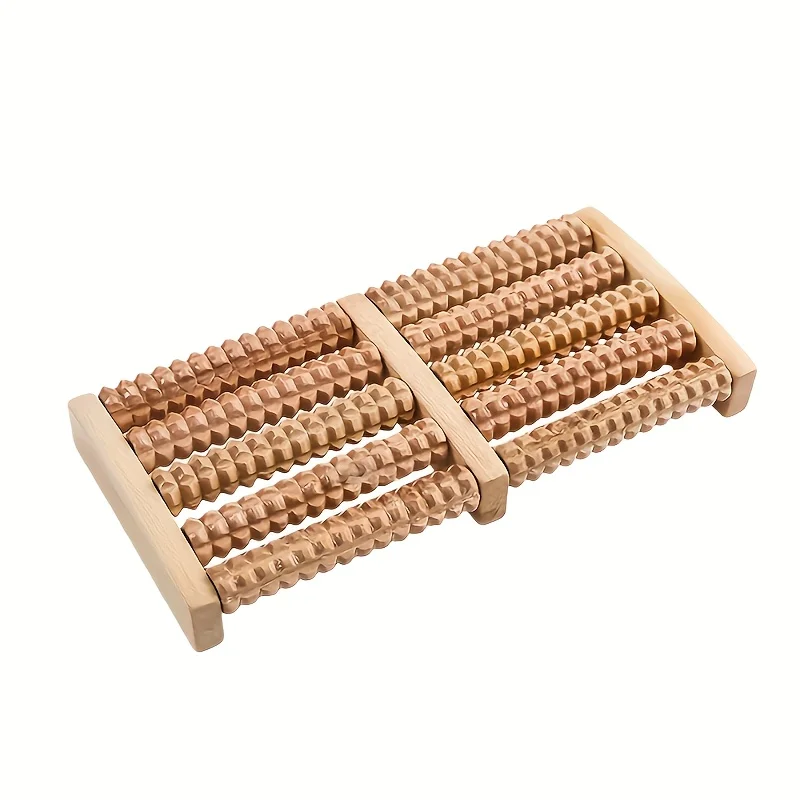
- Dual rollers work both feet at once – you can sit at a desk or in front of the TV and roll continuously, which is the only way anyone actually sticks to a foot routine.
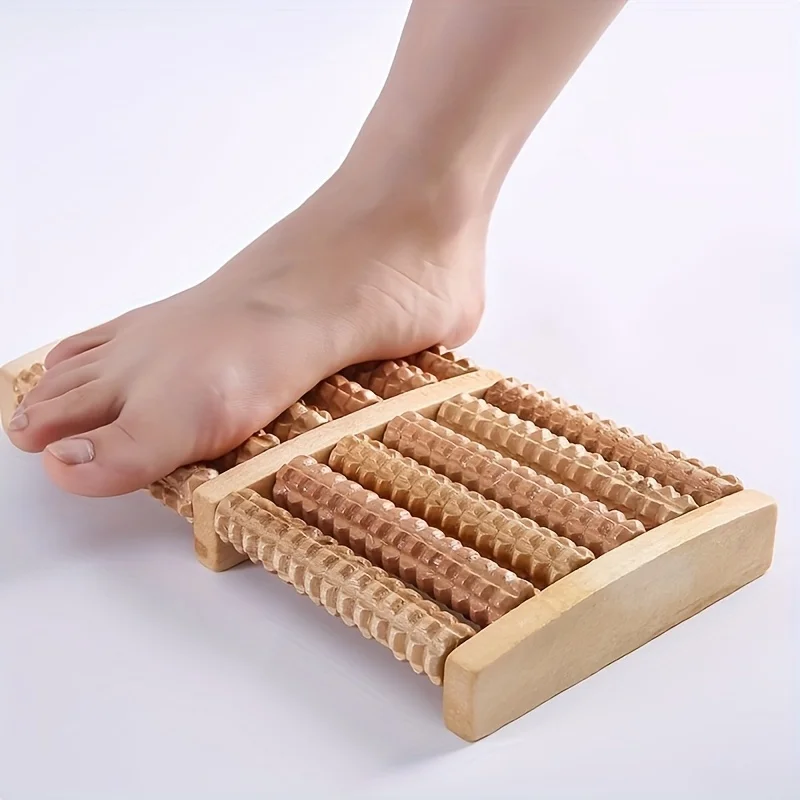
- Targets the arch and plantar fascia directly – the contoured rollers reach the arch, where a flat floor and a tennis ball tend to skid.
- Real relief for long-standing work – nurses, hospitality staff, teachers, hairdressers and retail workers accumulate foot fatigue from static loading. Movement and pressure both help.
- A useful adjunct for plantar fasciitis – not a cure – the evidence-backed treatments are calf and fascia stretching, load management and appropriate footwear. Rolling can reduce morning pain and make those stretches tolerable, but it does not fix the underlying overload on its own.
- Reflexology claims are not the point – there is no good evidence that pressure on a foot zone treats a specific internal organ, and we are not going to pretend otherwise. It feels excellent and it eases foot pain, which is a good enough reason to own one.
- Solid wood, nothing to charge – no motor, no battery, no cable. It will still work in ten years, which is more than most electric foot spas manage.
How to Use
Sit upright in a chair with your feet flat on the rollers and your knees at roughly ninety degrees. Roll slowly from heel to the ball of the foot, letting your bodyweight through the leg set the pressure – lean forward for more, sit back for less. Work the whole length of the arch for two to three minutes per foot, then pause on any tender spot for 20–30 seconds instead of rolling past it. For morning heel pain, roll for a few minutes before your first steps out of bed and pair it with a calf stretch. Safety: keep the pressure firm but breathable, never sharp. Do not use it on broken skin, an open wound, or a foot with reduced sensation – if you have diabetes or peripheral neuropathy you may not feel damage as it happens, so check with your clinician first. Stop if pain worsens over several days rather than easing.
Specifications
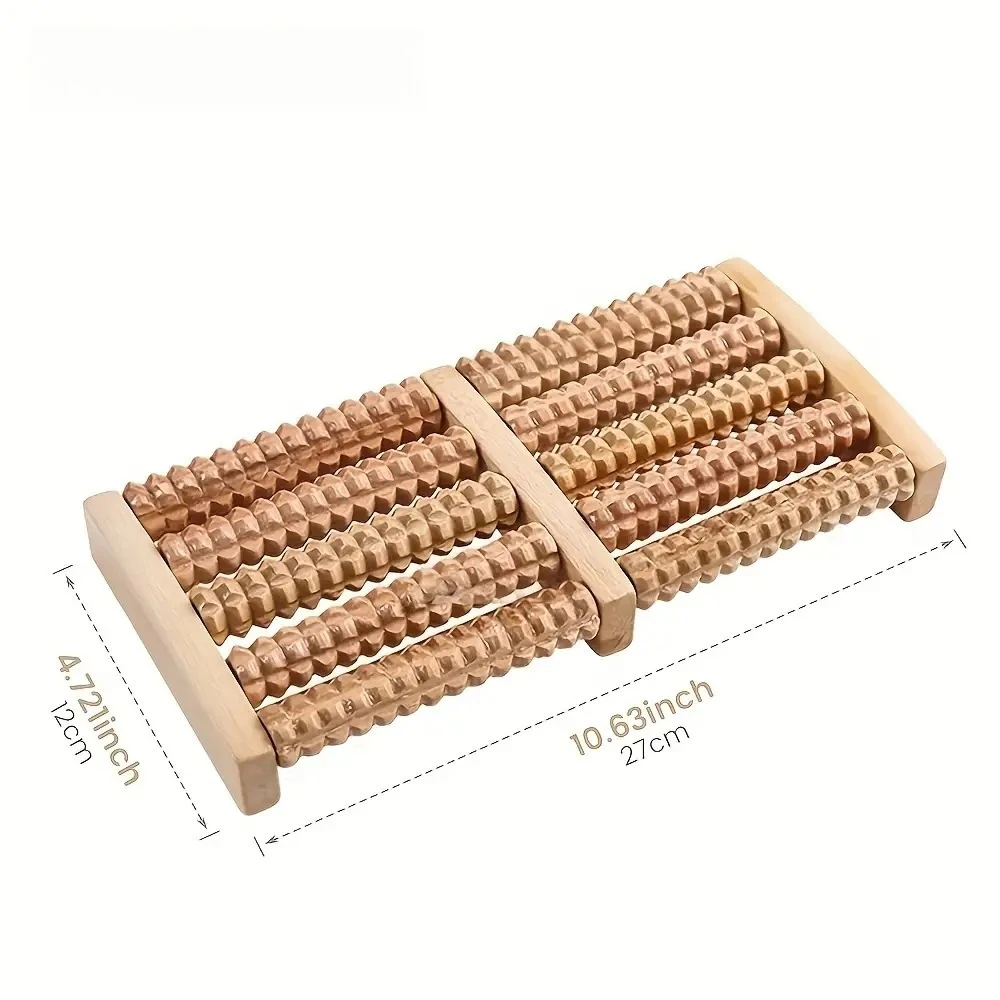
| Material | Solid wood |
|---|---|
| Design | Dual independent roller sets, one per foot |
| Power | None – fully manual |
| Target areas | Plantar fascia, arch, heel, ball of foot |
| Best for | Runners, nurses, retail and hospitality staff, desk workers |
| Use position | Seated |
| Surface | Smooth-finished contoured rollers |
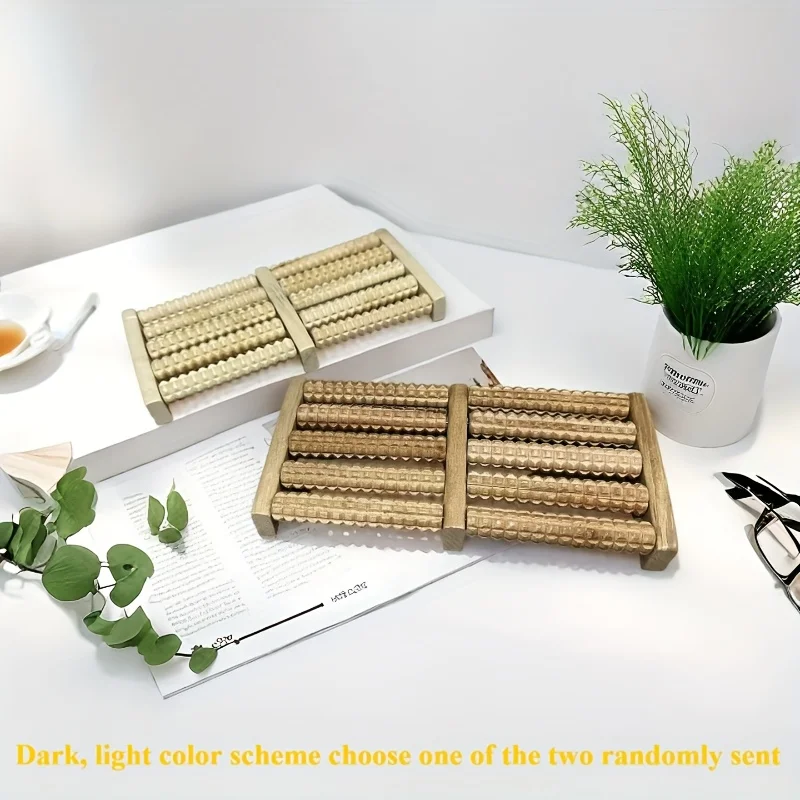
| Dimensions / finish | Variant dependent – see options |
Care & Maintenance
Wipe with a dry or barely damp cloth – wood should never be soaked, and standing water will raise the grain and eventually split it. Keep it away from radiators and direct sunlight, which dry the timber out and can cause cracking. If the surface ever feels rough, a light pass with fine sandpaper and a wipe of food-safe mineral oil will restore it. Store indoors, off damp floors.
What’s in the Box
1 x wooden dual-roller foot massager. Fully assembled; no batteries or power required.

Reviews
There are no reviews yet.