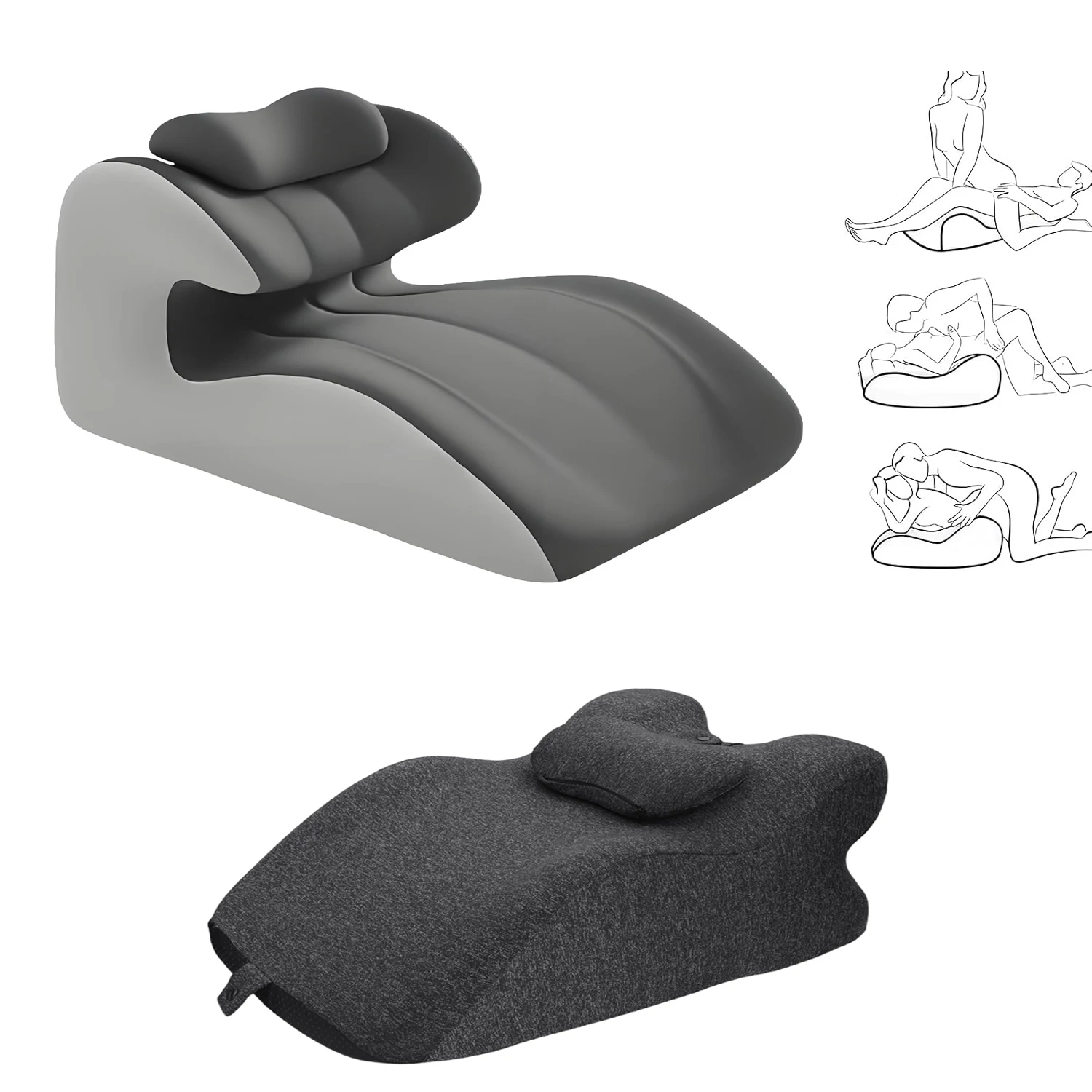
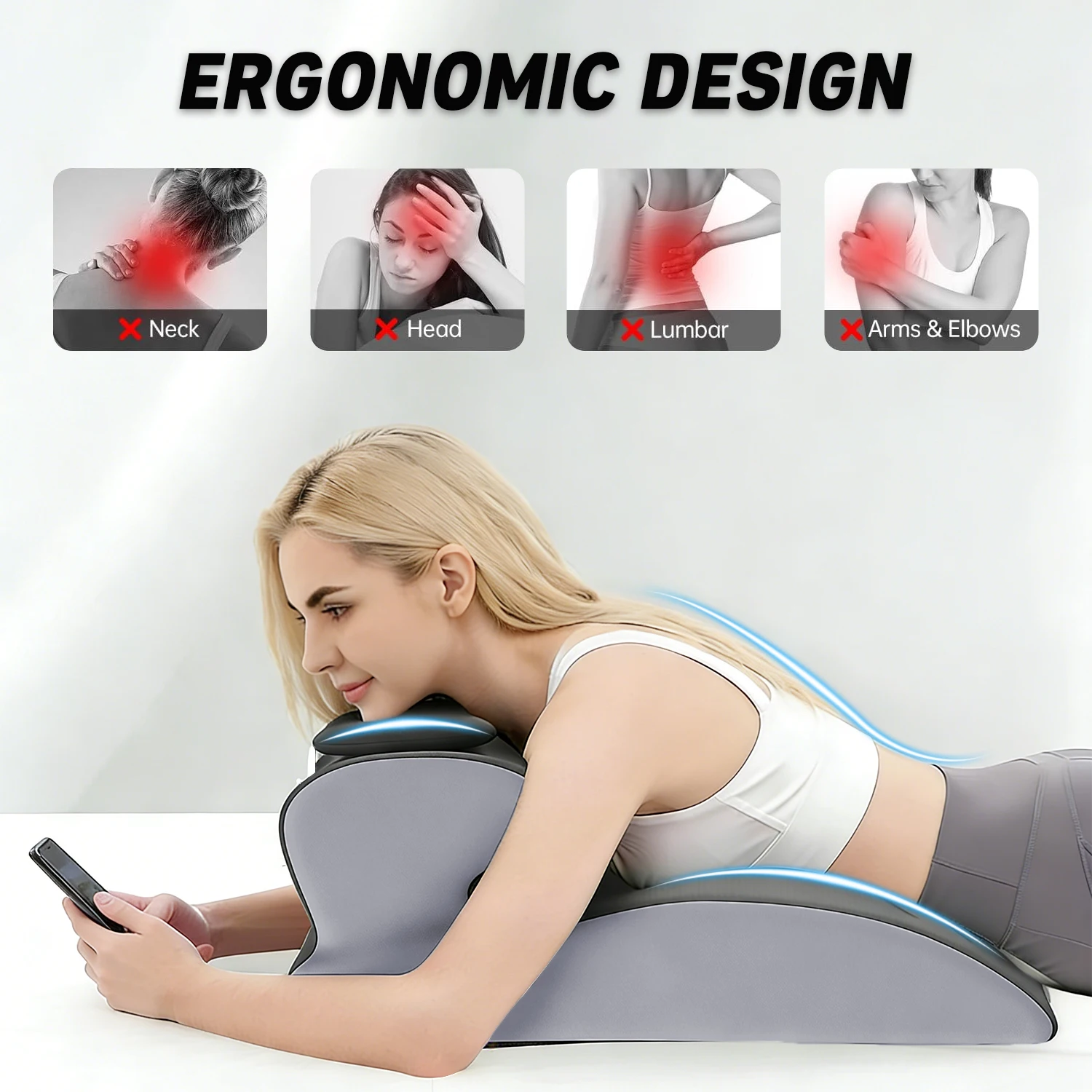

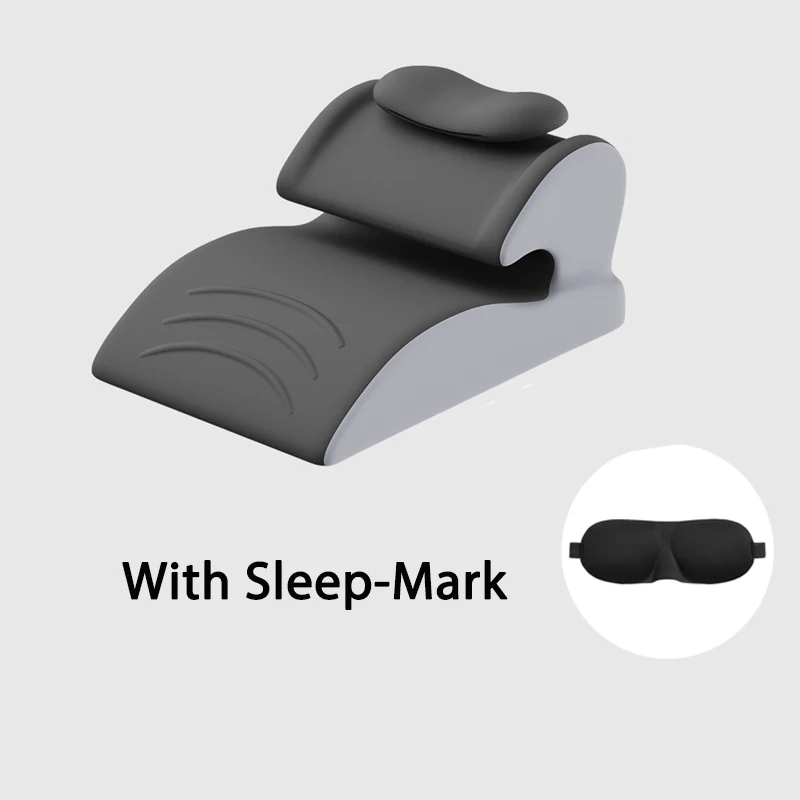
Sleeping on a Slope: Gravity as a Recovery Tool
A wedge works by putting gravity on your side, and the mechanism differs by use. For reflux, elevating the torso keeps the stomach below the oesophagus, so acid has to travel uphill to escape — head-of-bed elevation is one of the more consistently supported non-drug measures for nocturnal reflux. For swelling, raising the legs above heart level assists venous and lymphatic return, so fluid drains rather than pools. For snoring, an inclined torso reduces the tendency of soft tissue to collapse backward into the airway; helpful for some people, though the evidence is modest and it is not a treatment for sleep apnoea. And after surgery, a stable incline lets you sit up and get out of bed without loading your abdomen or shoulders.
Key Benefits
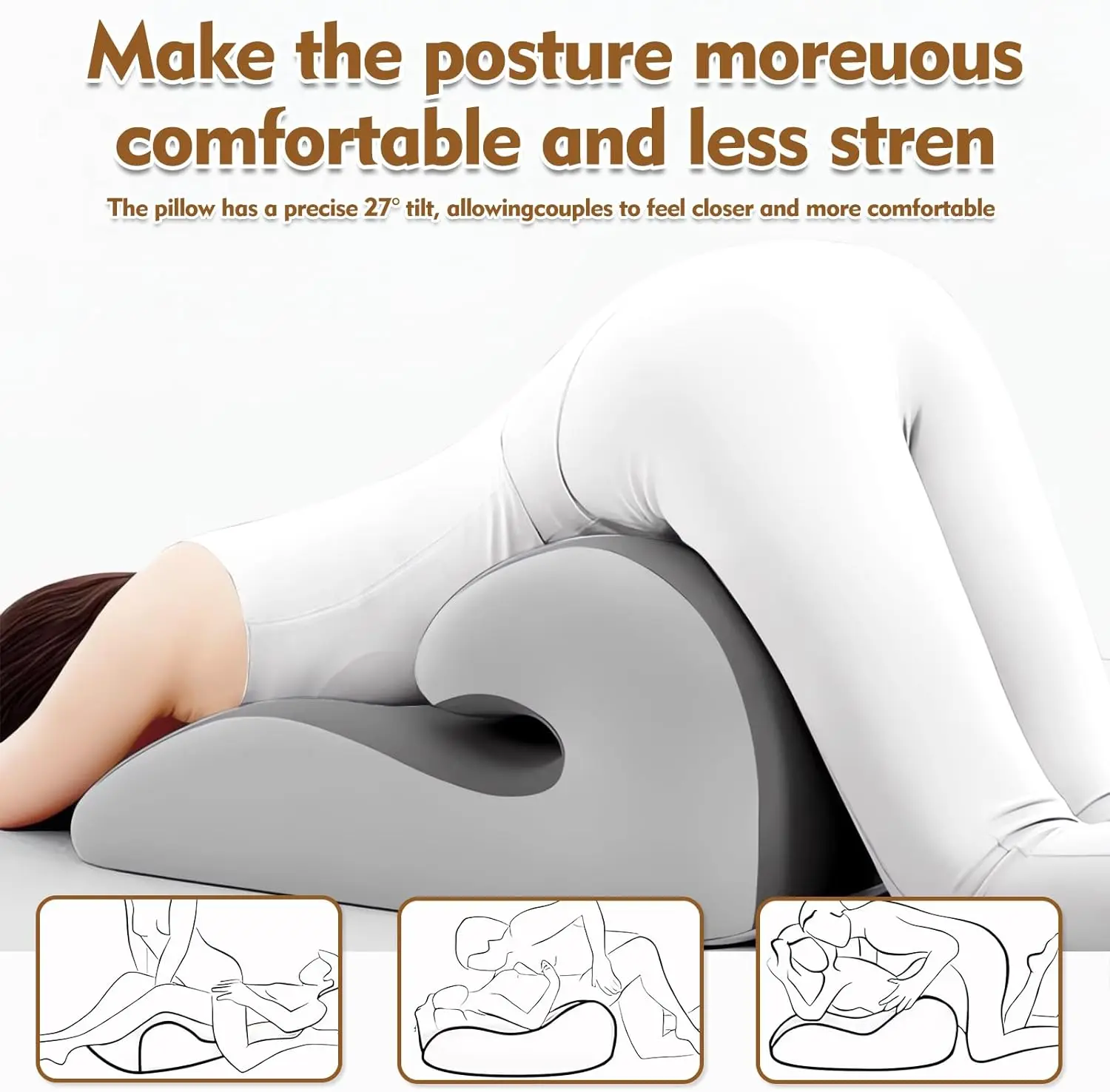
- 27° of stable, continuous incline: a single graded slope supports your whole torso, unlike stacked pillows, which create a sharp bend at the neck and slide apart during the night.
- Reflux relief through simple physics: keeping the oesophagus above the stomach means acid must work against gravity. It’s a mechanical fix for a mechanical problem.
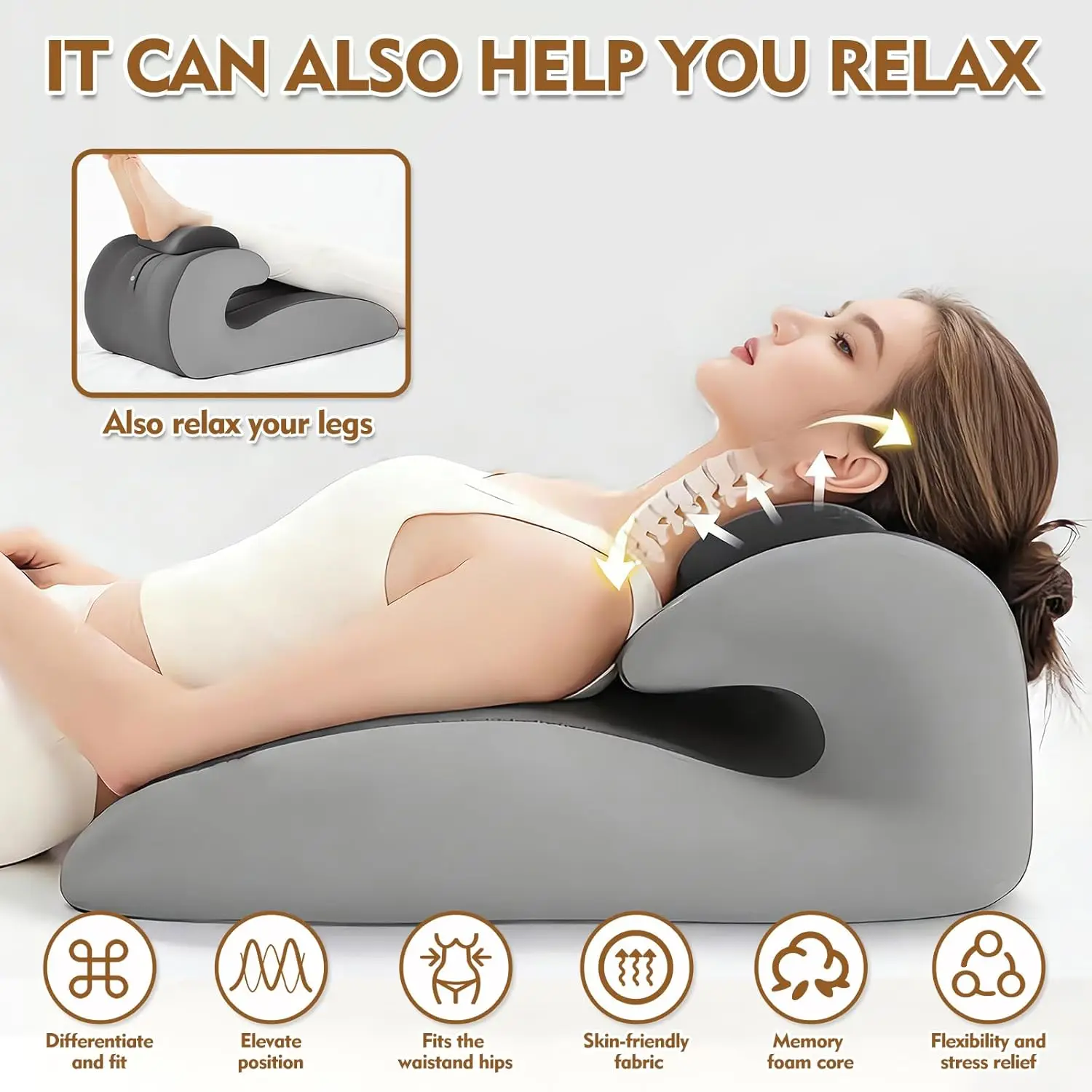
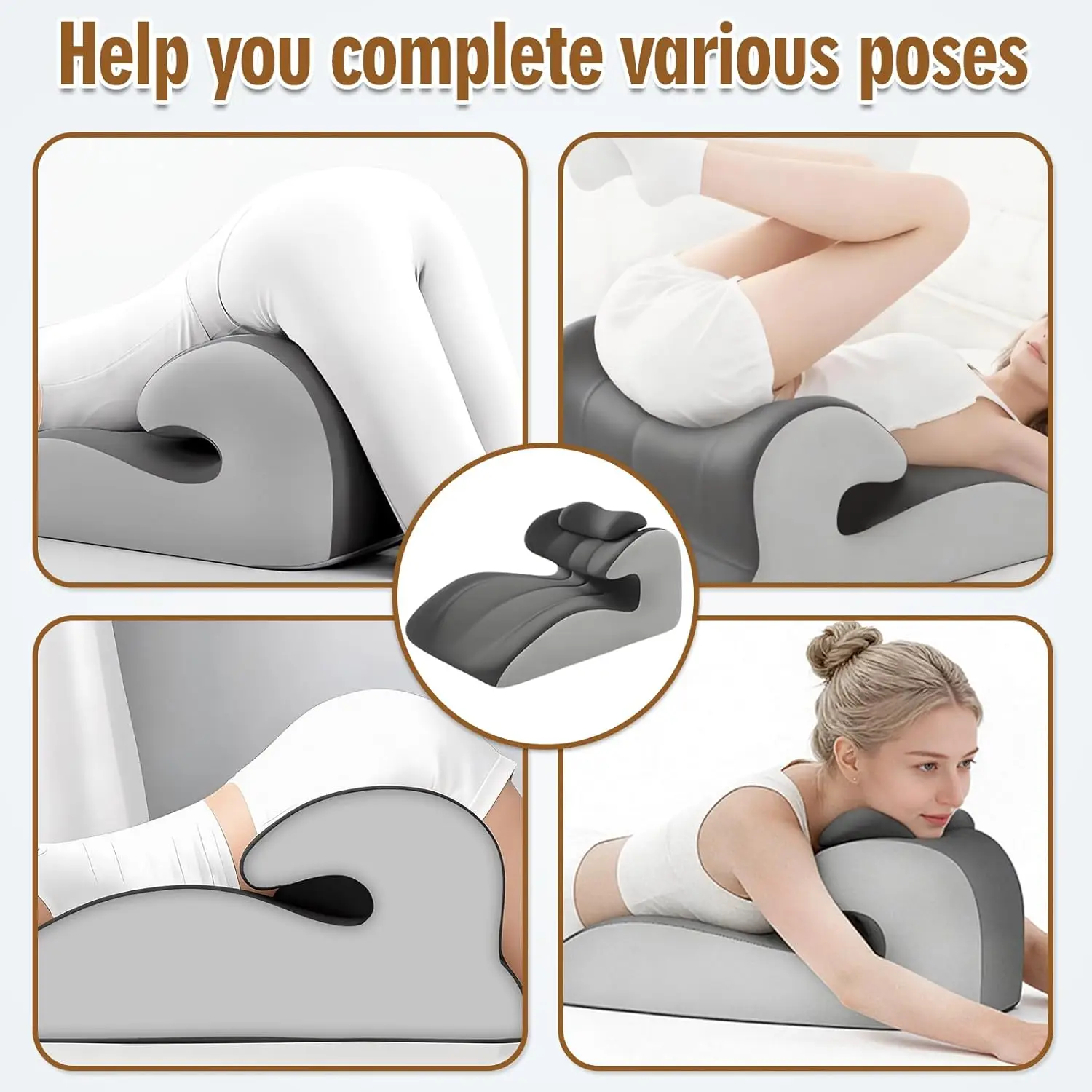
- Leg elevation for swelling and tired legs: flip it and put your calves on top. Genuinely useful after long flights, long shifts on your feet, or hard training blocks.
- Post-surgery independence: the incline does the work your abdominal or shoulder muscles are not supposed to be doing yet, making it possible to rest and rise without straining a repair.
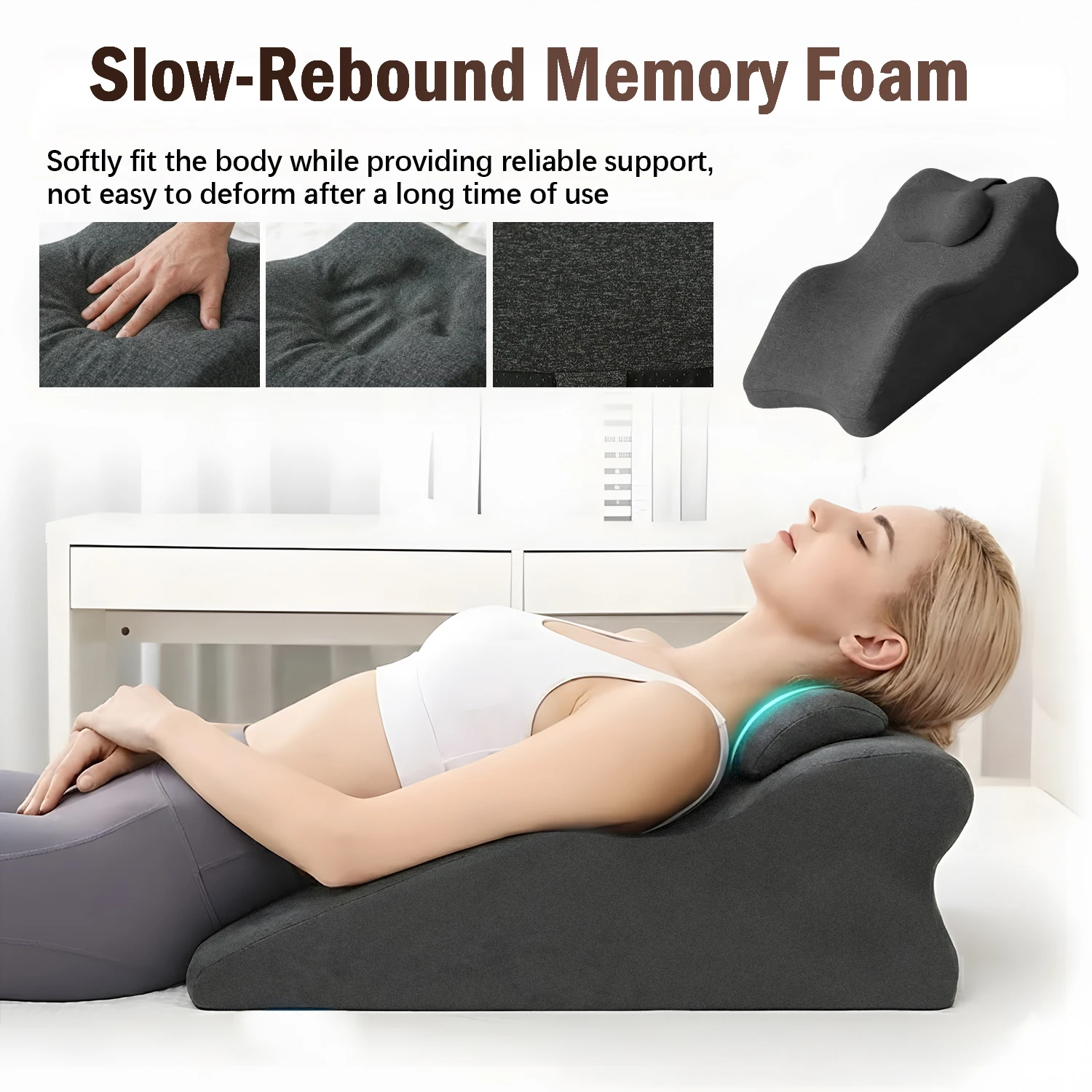
- Memory foam that holds its shape: viscoelastic foam contours to your back and distributes pressure rather than creating a hard ridge, and it doesn’t flatten out by the middle of the night.
- Removable, machine-washable cover: non-negotiable for something you sleep on nightly, and rarer than it should be.
How to Use
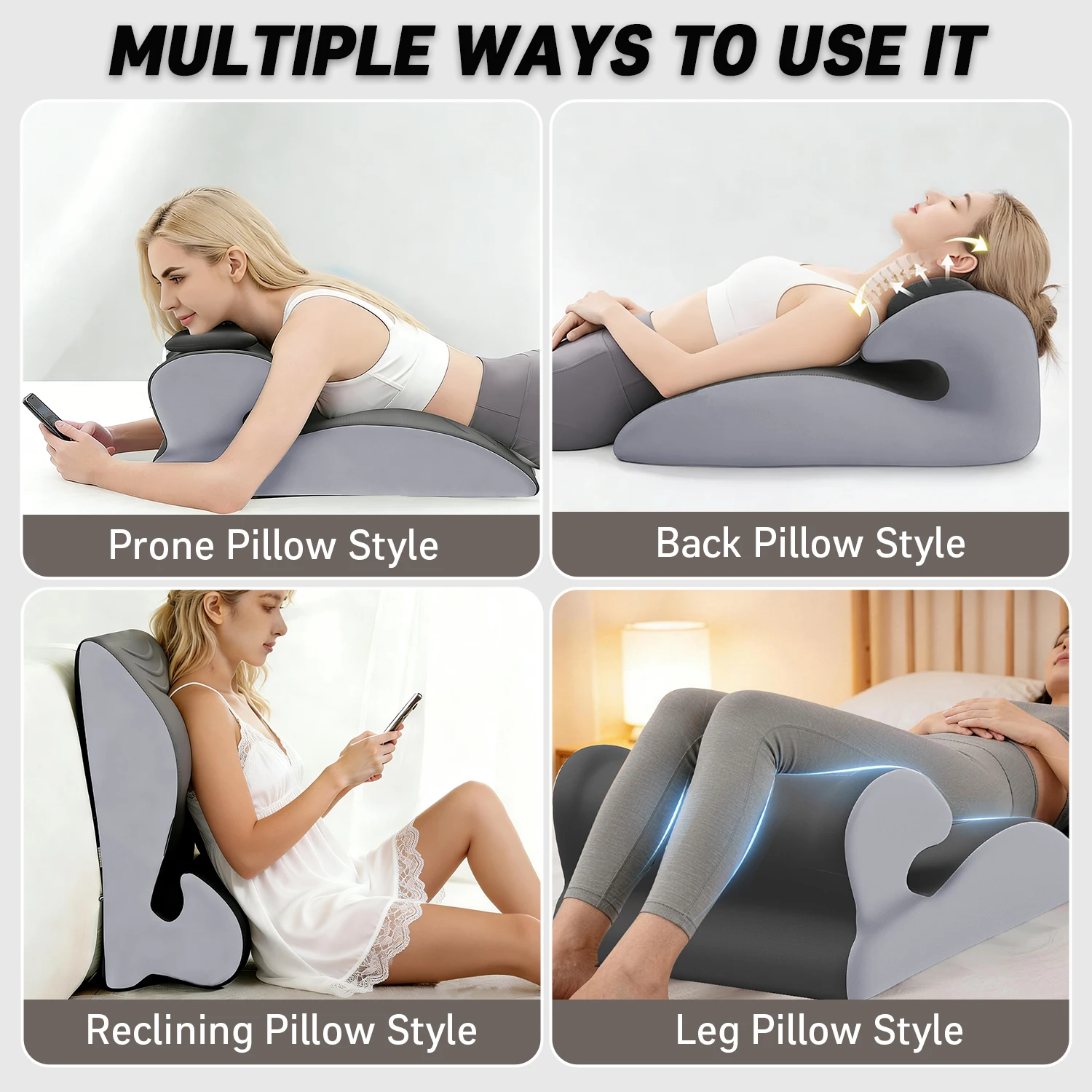
For reflux, sleep with your entire torso on the wedge — hips at the base, shoulders at the top — so the incline is continuous. The common mistake is putting only your head and neck on it, which bends you at the waist, compresses the stomach and can make reflux worse rather than better. For leg elevation, place the wedge flat under your calves with the high end nearest your knees. For reading or recovery, position it against the headboard as a backrest. Expect an adjustment period of a few nights; sleeping on a slope feels strange at first. New foam can have an initial odour — air it out for 24 to 48 hours before use. Note the limits honestly: this is a comfort and positioning aid, not a medical device. It does not treat sleep apnoea, and loud snoring with daytime sleepiness or witnessed pauses in breathing warrants a doctor, not a pillow. If you have had recent surgery, follow your surgeon’s positioning instructions over anything written here.
Specifications
| Incline | 27° |
|---|---|
| Fill | Memory foam (viscoelastic) |
| Cover | Removable, machine-washable |
| Primary uses | Acid reflux / GERD, snoring, post-surgery recovery, leg elevation, back support for reading |
| Orientation | Multi-position — torso incline, leg elevation, or backrest |
| Surface | Contoured, pressure-distributing |
| Dimensions | Variant dependent — check listing for your bed size |
| Firmness | Supportive; softens slightly with body heat |
Care & Maintenance
Unzip and machine wash the cover on a cool, gentle cycle and air-dry it; heat degrades foam-backed covers and elasticated seams. Never machine wash or soak the foam core itself — memory foam holds water, takes days to dry and can grow mould internally. Spot-clean the core with a barely damp cloth and let it air fully. Air the wedge periodically and store it flat, not compressed or folded, which permanently deforms the foam.
What’s in the Box
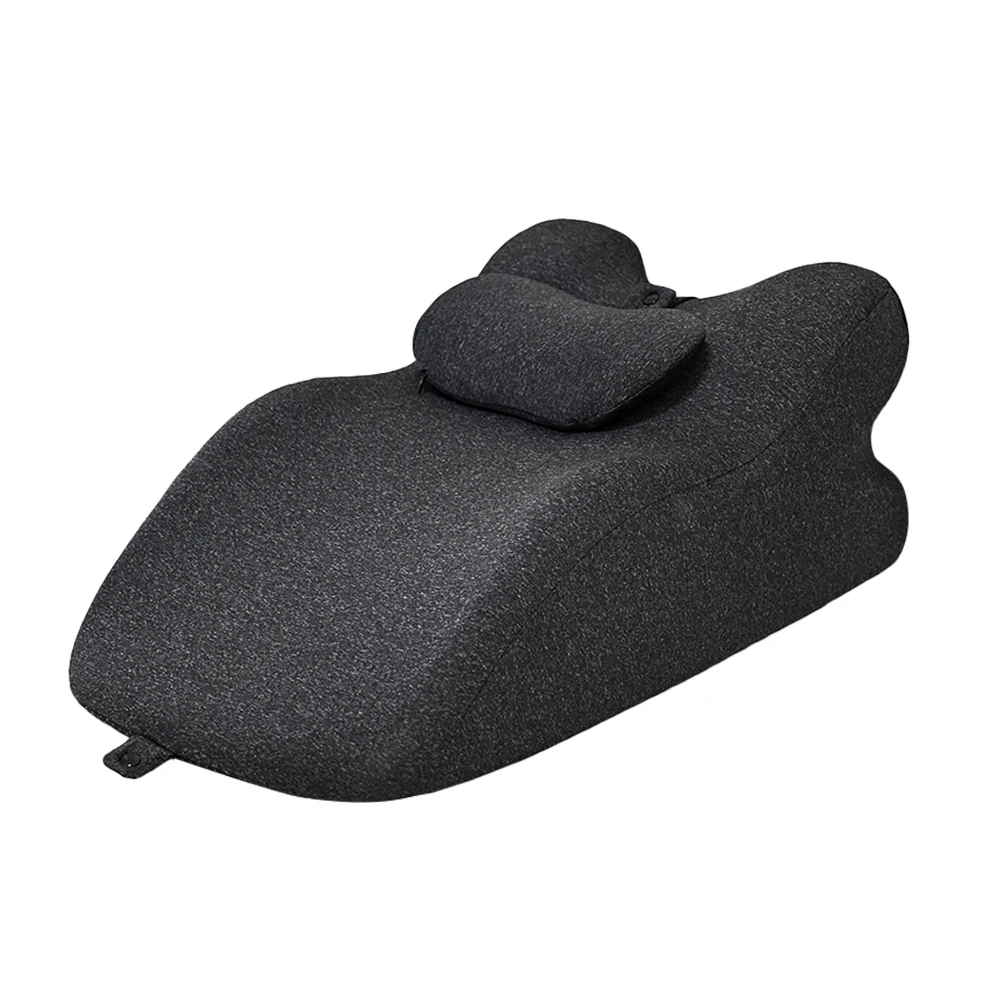
1 × memory foam wedge pillow, 1 × removable machine-washable cover. Additional cover colours or accessory pillows are variant dependent.



Reviews
There are no reviews yet.