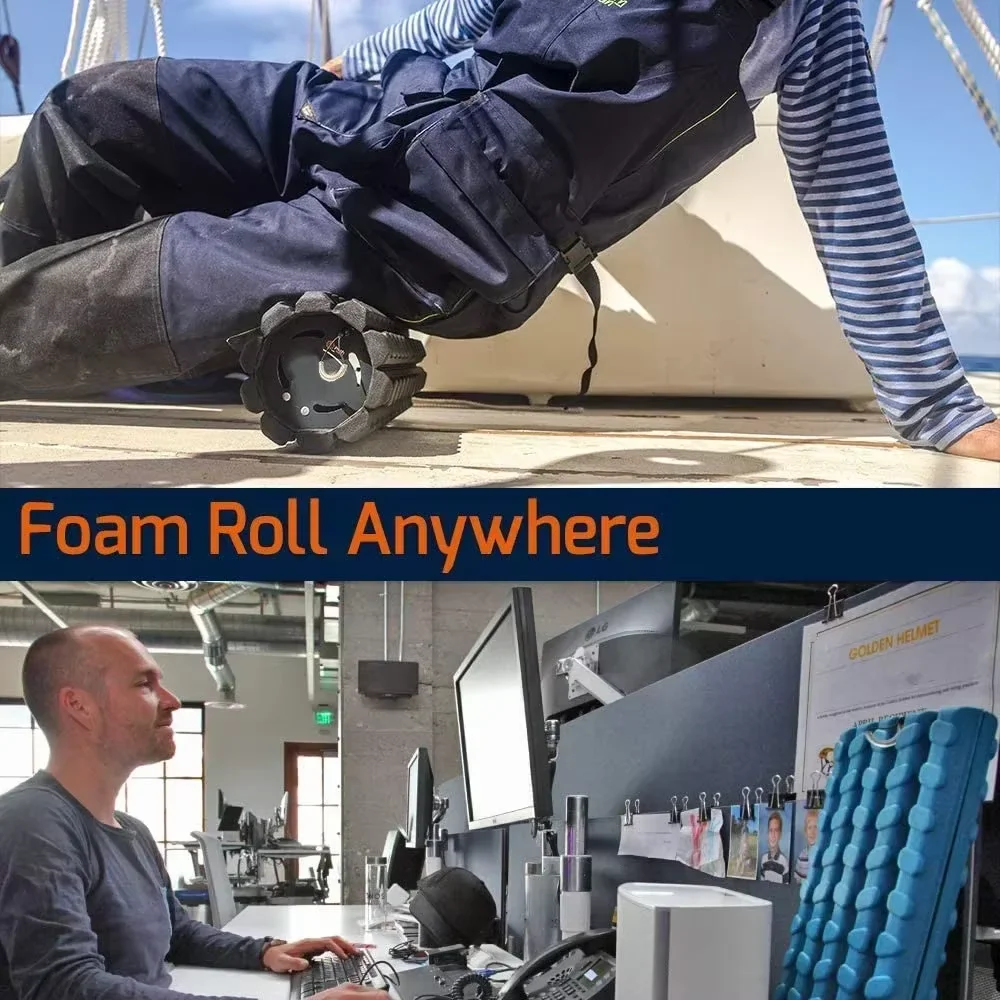
The Roller You’ll Actually Have With You
Rolling does not ‘break up’ adhesions or lengthen fascia — the forces involved are nowhere near enough for that, and it’s worth knowing. What it reliably does is reduce your perception of muscle soreness and temporarily increase range of motion, almost certainly through a neural route: sustained pressure on a muscle stimulates mechanoreceptors and Golgi tendon organs, which lowers the resting tone of that muscle and raises your tolerance to stretch. The effect is real, well-replicated, and short-lived — which is exactly why a roller that collapses into your suitcase beats a better one you left at home.
Key Benefits
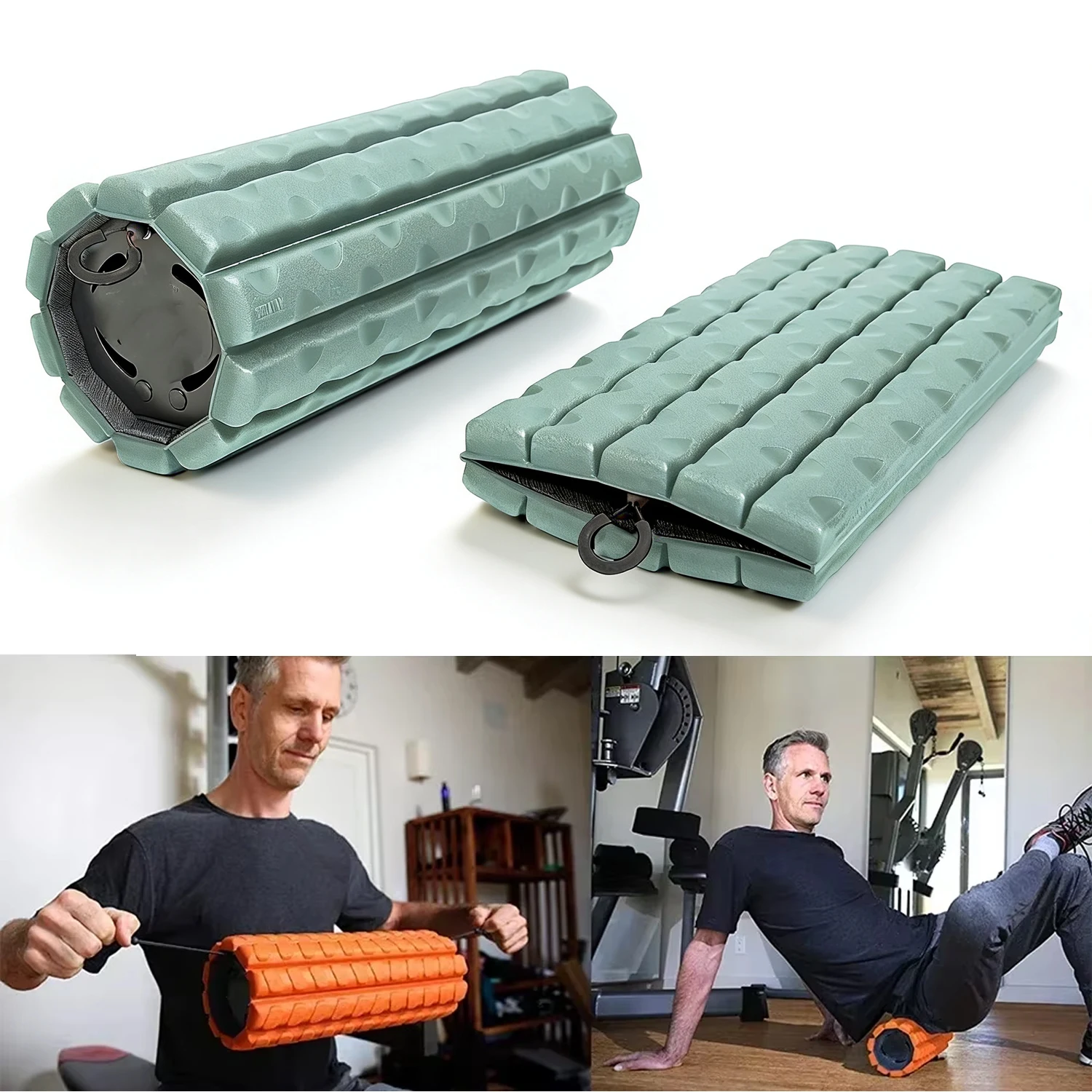
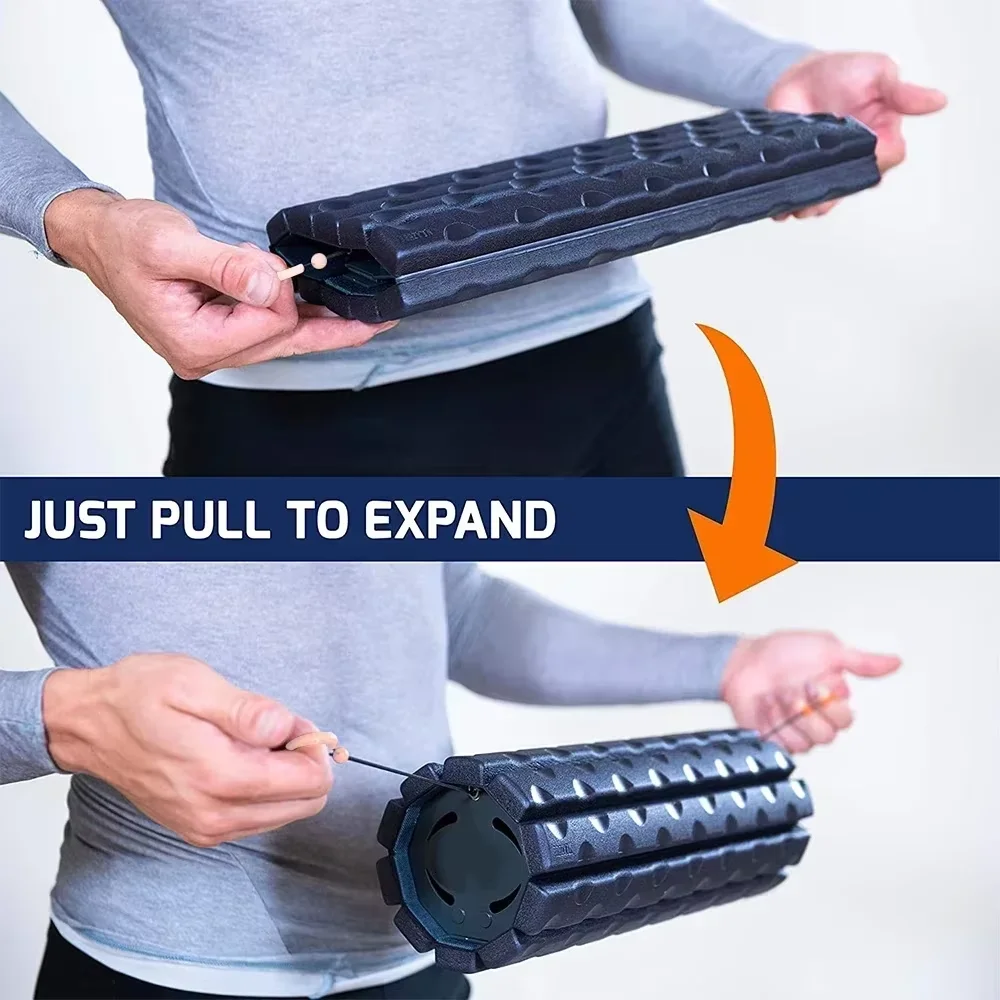
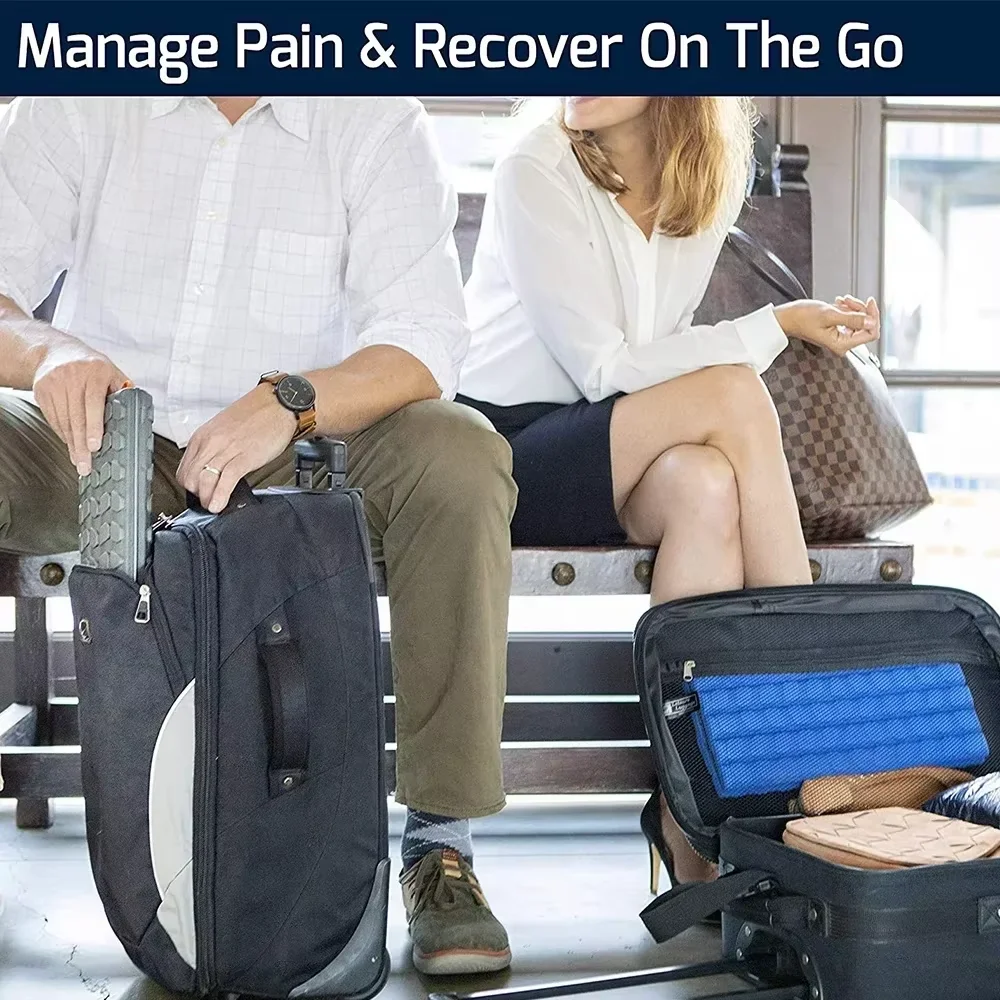
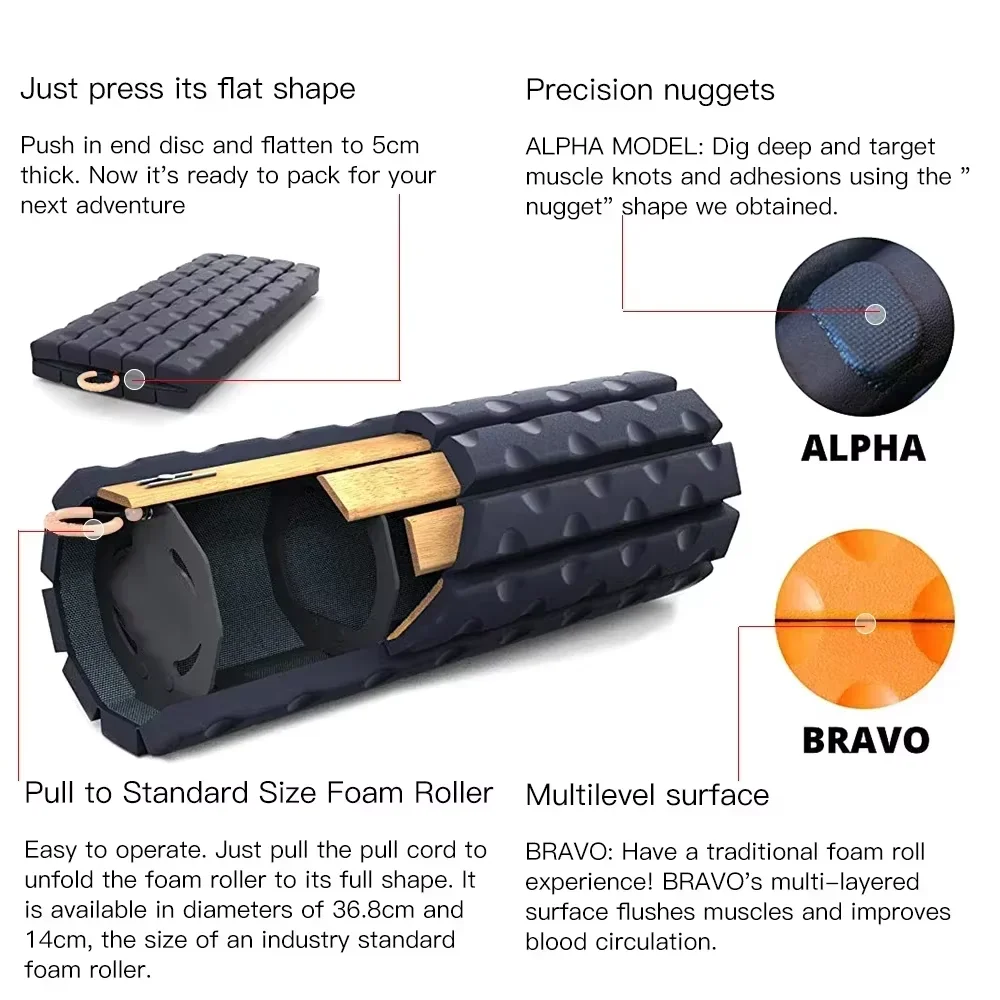
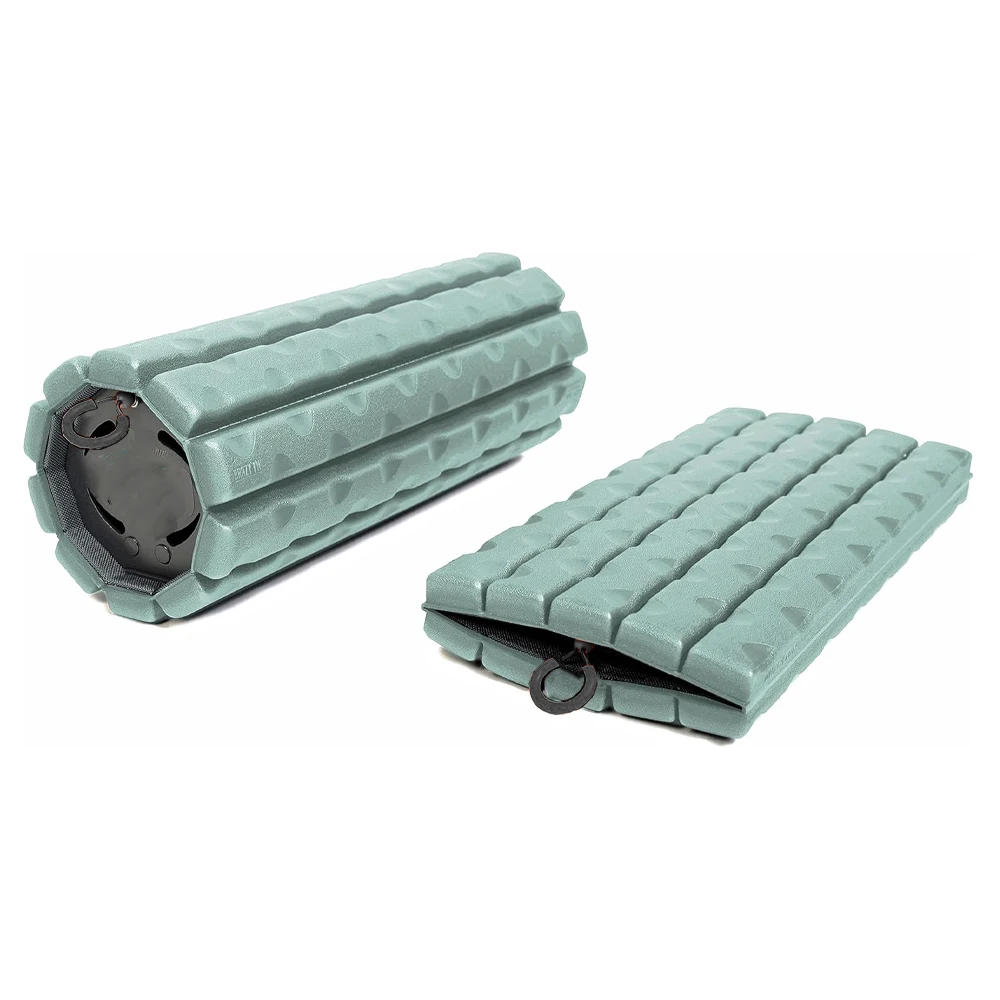
- Collapses for packing — it disassembles into a fraction of its length, so it goes in a suitcase or gym bag instead of being the reason you skip recovery for a week.
- Full-size performance when assembled — this is not a compromised mini-roller; assembled, it gives you the length to lie across it and roll a full back or a full quad.
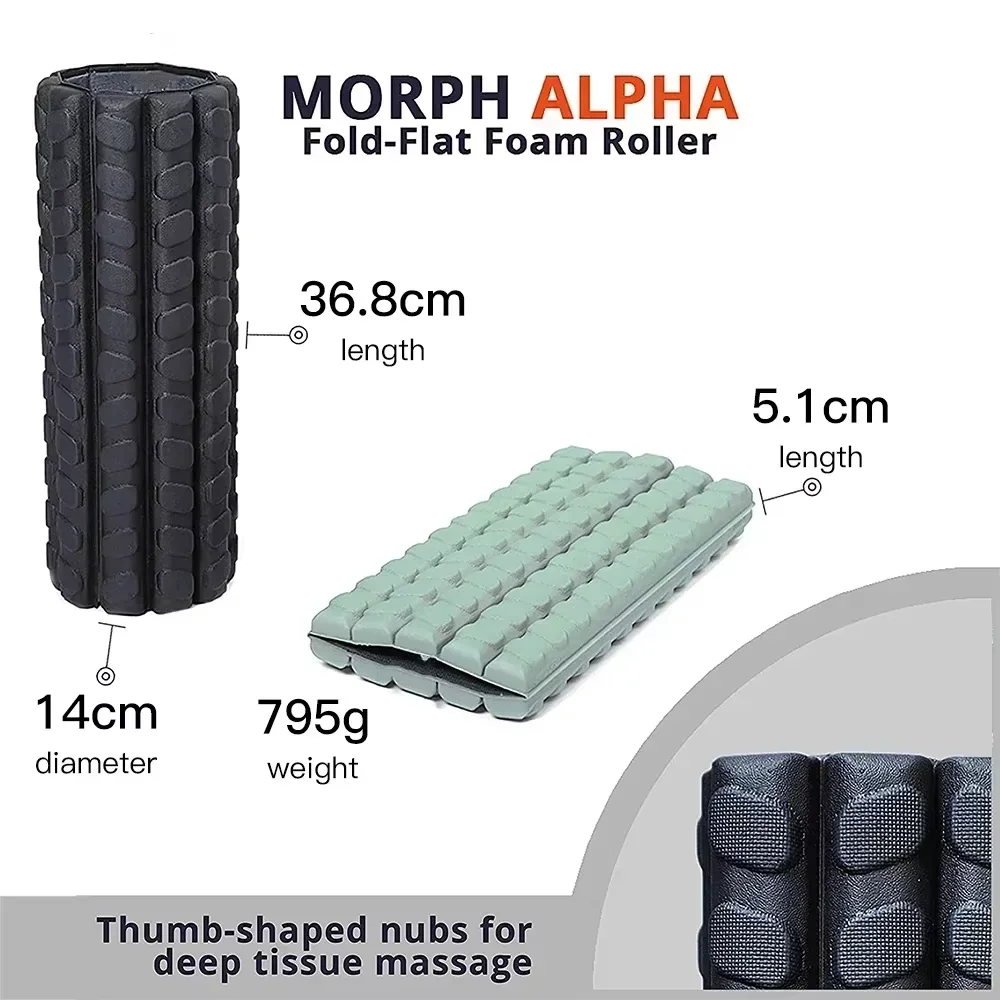
- Textured surface for targeted pressure — the raised zones concentrate force into smaller areas, which is more effective on dense tissue like the IT band region and glutes than a smooth tube.
- Hollow rigid core — it holds its shape under bodyweight rather than crushing flat over a few months, and the hollow interior is somewhere to stash tape or bands.
- Works for thoracic extension — laid perpendicular under the upper back, it’s one of the few good ways to counteract a day spent hunched at a desk.
- Immediate, temporary, repeatable — expect a genuine short-term improvement in soreness and mobility. Expect to need to do it again. That’s the honest deal with foam rolling.
How to Use
Roll slowly — around 2–3cm per second, not the fast sawing motion you see in gyms. Cover each muscle group for 30–60 seconds. When you find a tender spot, stop on it and hold for 20–30 seconds while breathing out slowly; the relaxation response you’re after is a nervous-system one, and holding your breath and bracing works directly against it. Best done after training or on rest days, and it’s an effective pre-workout warm-up as it improves range without the strength cost of static stretching. For the upper back, lie perpendicular with the roller under the shoulder blades, support your head with your hands and extend gently over it. Safety: never roll directly over the lower back — the lumbar spine is unsupported there and you’re just compressing it; roll the glutes and lats instead. Avoid rolling over bone, joints, the back of the knee, or the front of the neck. Avoid entirely over an acute injury, bruise, or varicose vein. Discomfort is expected; sharp, electric, or radiating pain is not — stop.
Specifications
| Model | Bravo-Sage |
|---|---|
| Type | Collapsible / travel foam roller |
| Surface | Textured, multi-zone |
| Core | Hollow rigid core |
| Assembly | Tool-free — collapses for transport |
| Density | Firm |
| Best for | Back, quads, hamstrings, glutes, calves, IT band region |
| Packed size | Substantially reduced vs assembled (variant dependent) |
| Weight capacity | Full bodyweight |
Care & Maintenance
Wipe down with a damp cloth and mild soap after use — sweat degrades foam surfaces and the textured grooves collect it. Air-dry fully before collapsing it for storage, or you’ll trap moisture inside the core. Check the joins and locking mechanism periodically; a collapsible roller has moving parts, and any looseness or cracking means it’s time to retire it rather than trust it under your bodyweight.
What’s in the Box
1 x collapsible foam roller (disassembled for shipping — no tools needed to assemble).
Reviews
There are no reviews yet.