The Bench Is the Foundation of a Home Gym
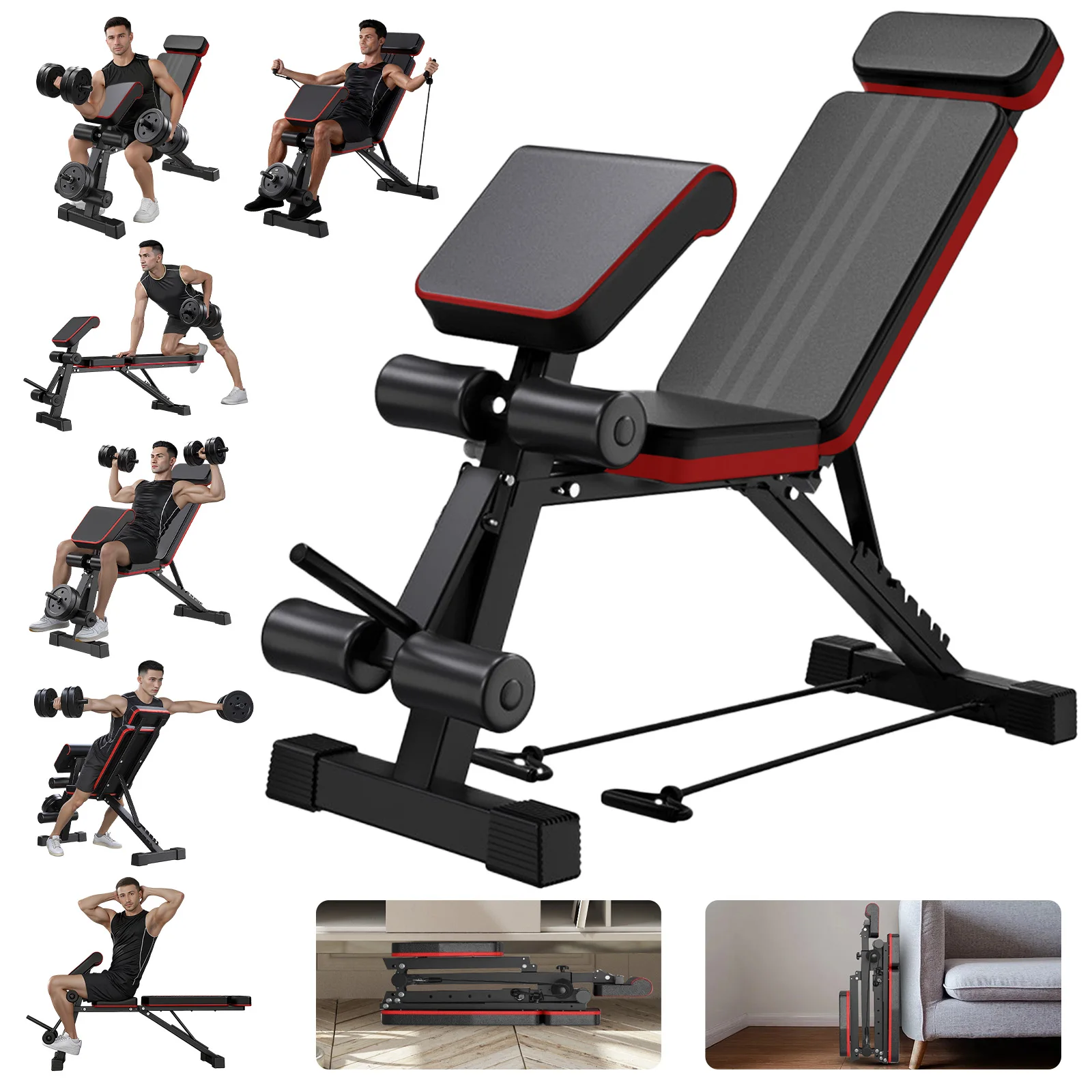
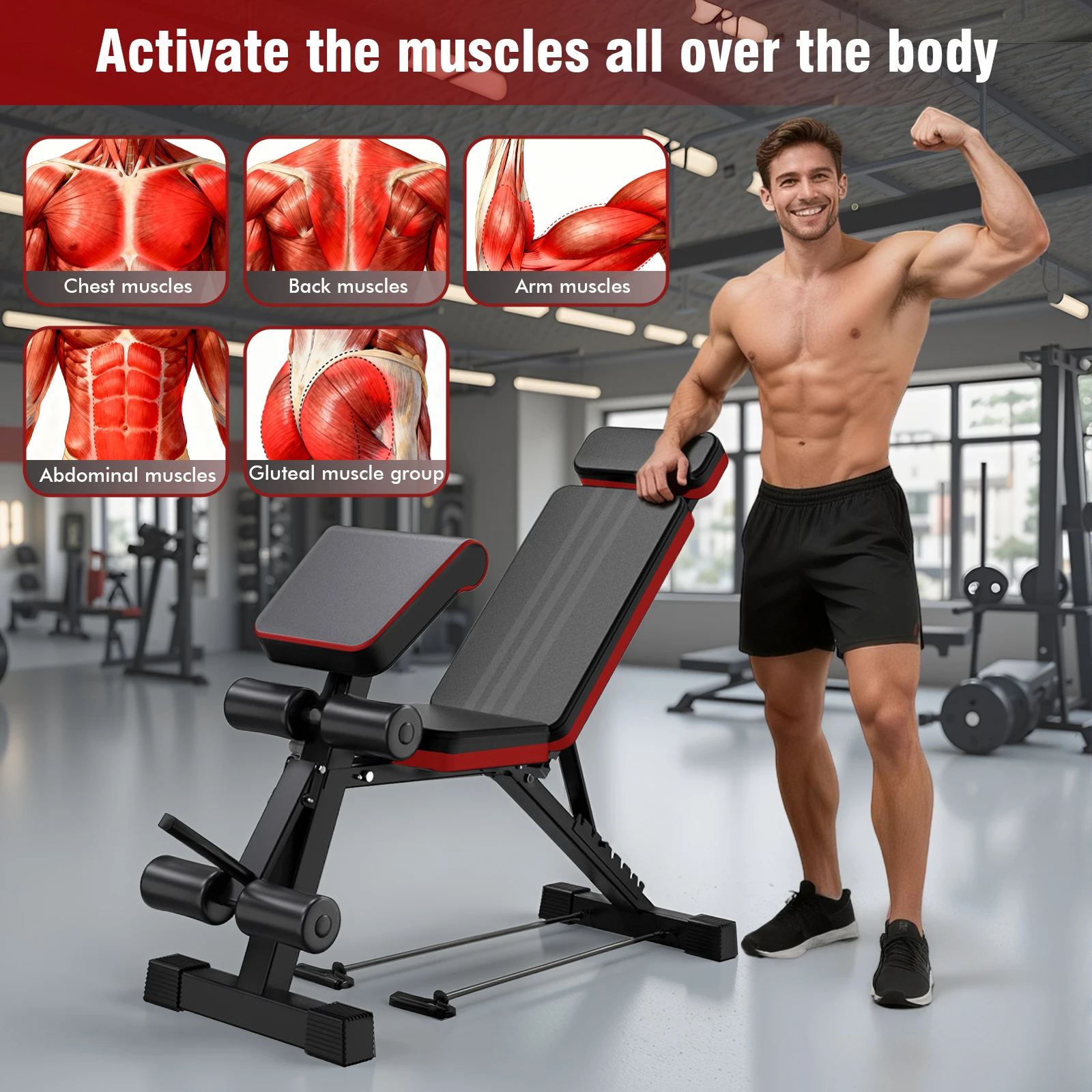
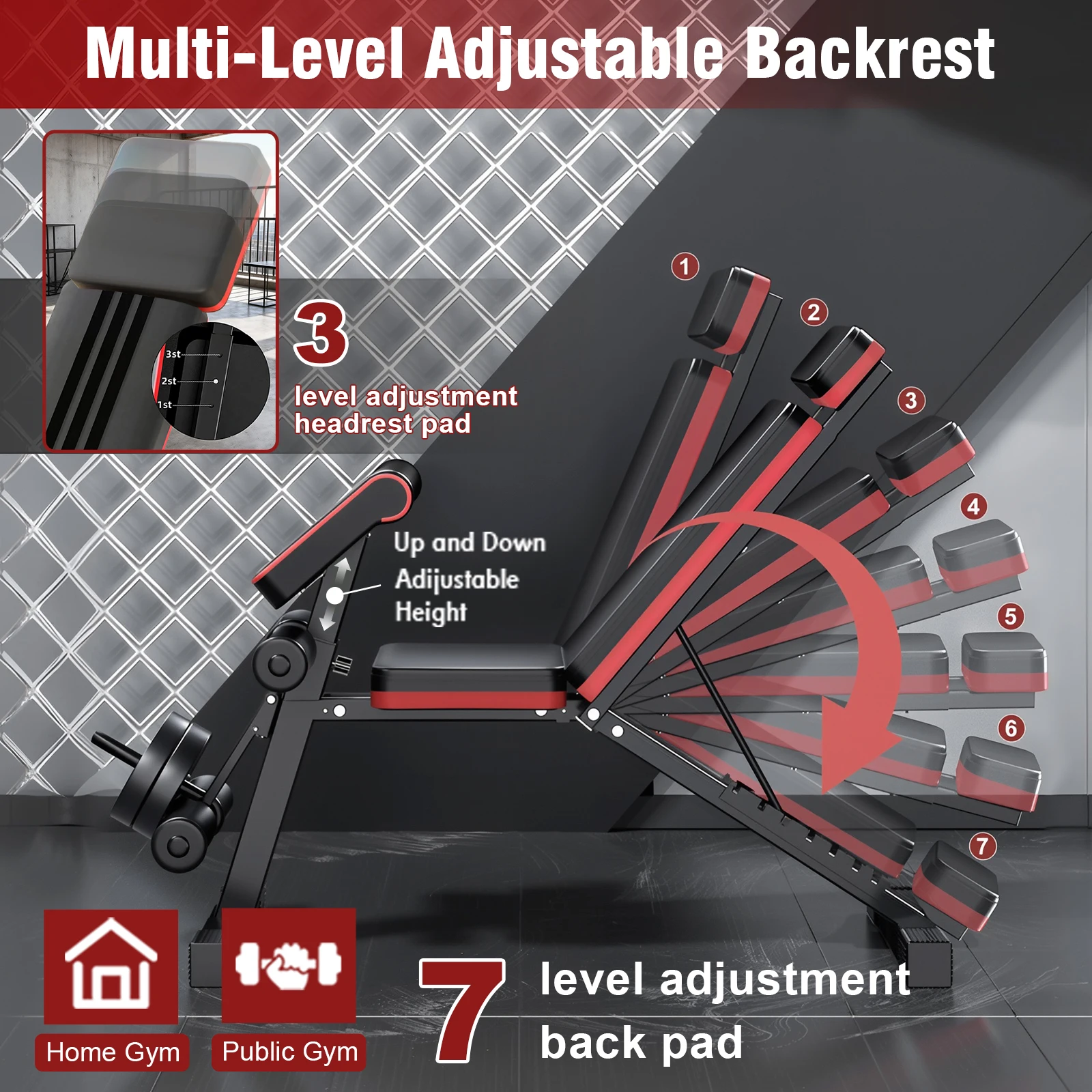
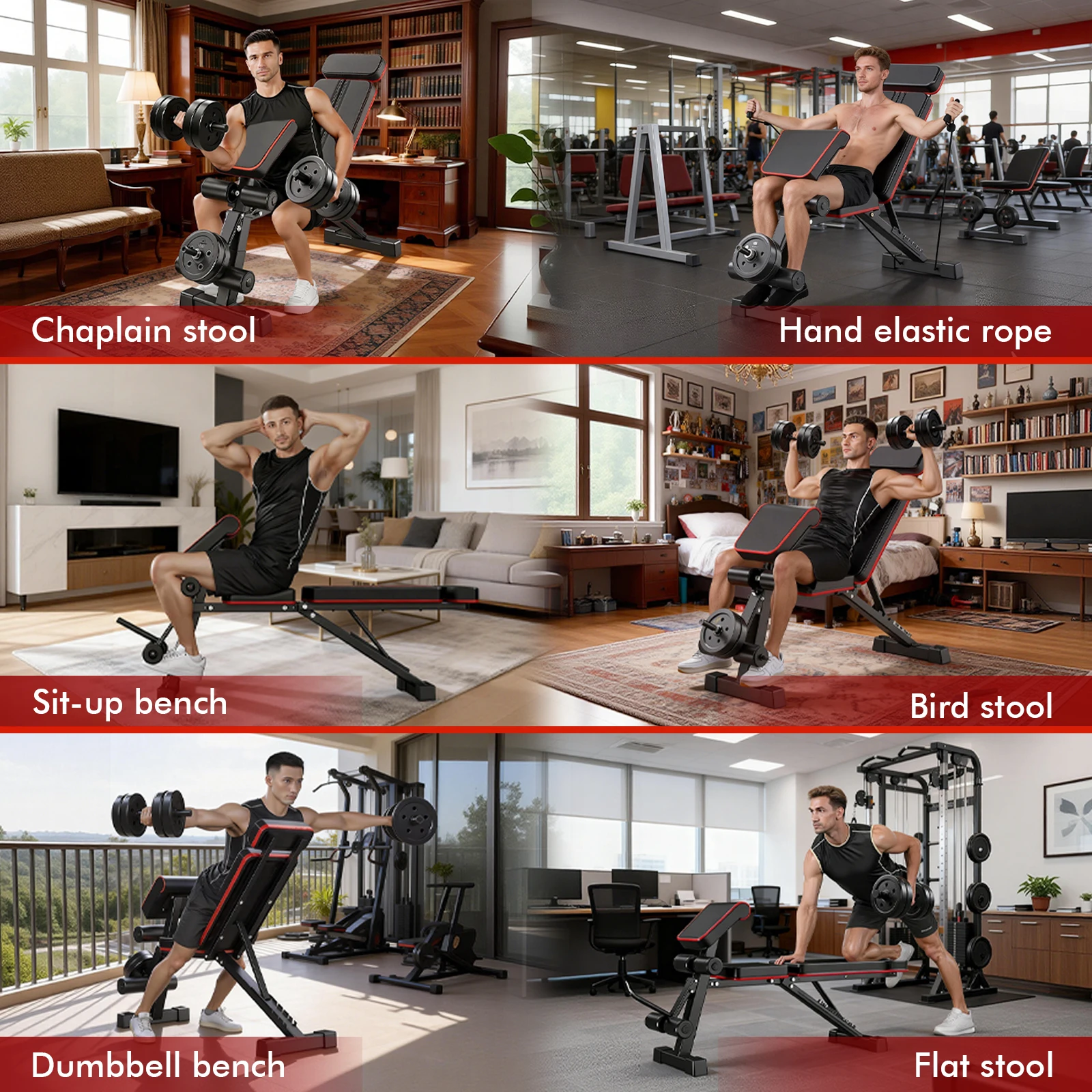
A bench is the piece of equipment that unlocks everything else. Changing the back-pad angle changes which fibres of the pectoralis major do the work: flat pressing loads the sternal head, incline shifts emphasis toward the clavicular (upper) fibres, and decline biases the lower. It also gives you a stable base for rows, shoulder presses, skull crushers and hip thrusts. Seven levels means you can make small angle changes rather than jumping 30 degrees — and small changes are how you keep progressing on the same set of dumbbells for years.
Key Benefits
- 7 back-pad positions, not 3. Fine-grained incline control lets you shift emphasis gradually across the chest and shoulders instead of leaping between two blunt options.
- Extended headrest. Your head stays supported through the full press. Without it your neck extends and your cervical spine takes load it should never take — a real problem on incline work.
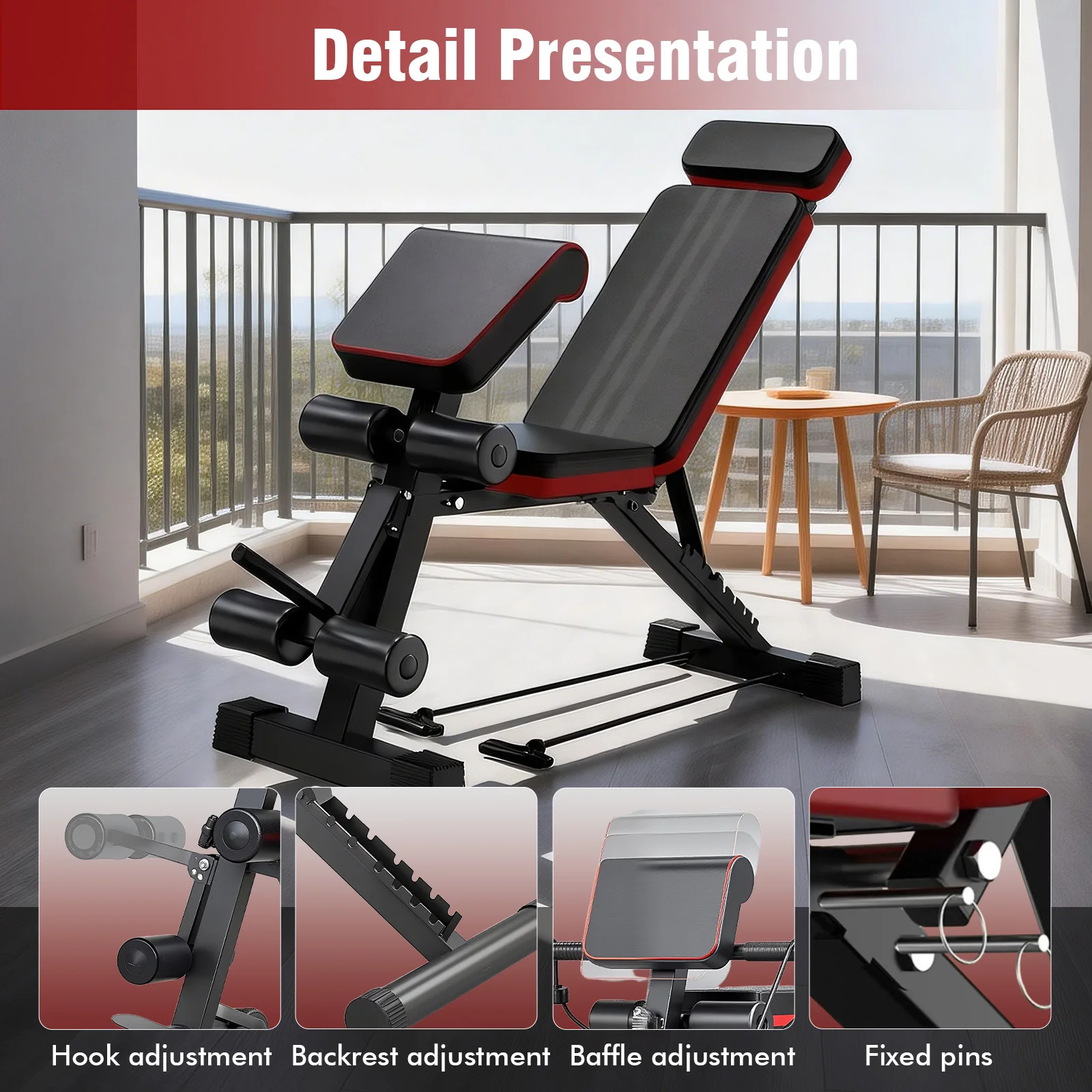
- Leg extension / curl attachment. Adds quad and hamstring isolation to a dumbbell-only setup, which is otherwise the hardest gap to fill at home.
- Folds for storage. Collapses down to stand upright against a wall or slide into a cupboard, so it doesn’t colonise a room permanently.
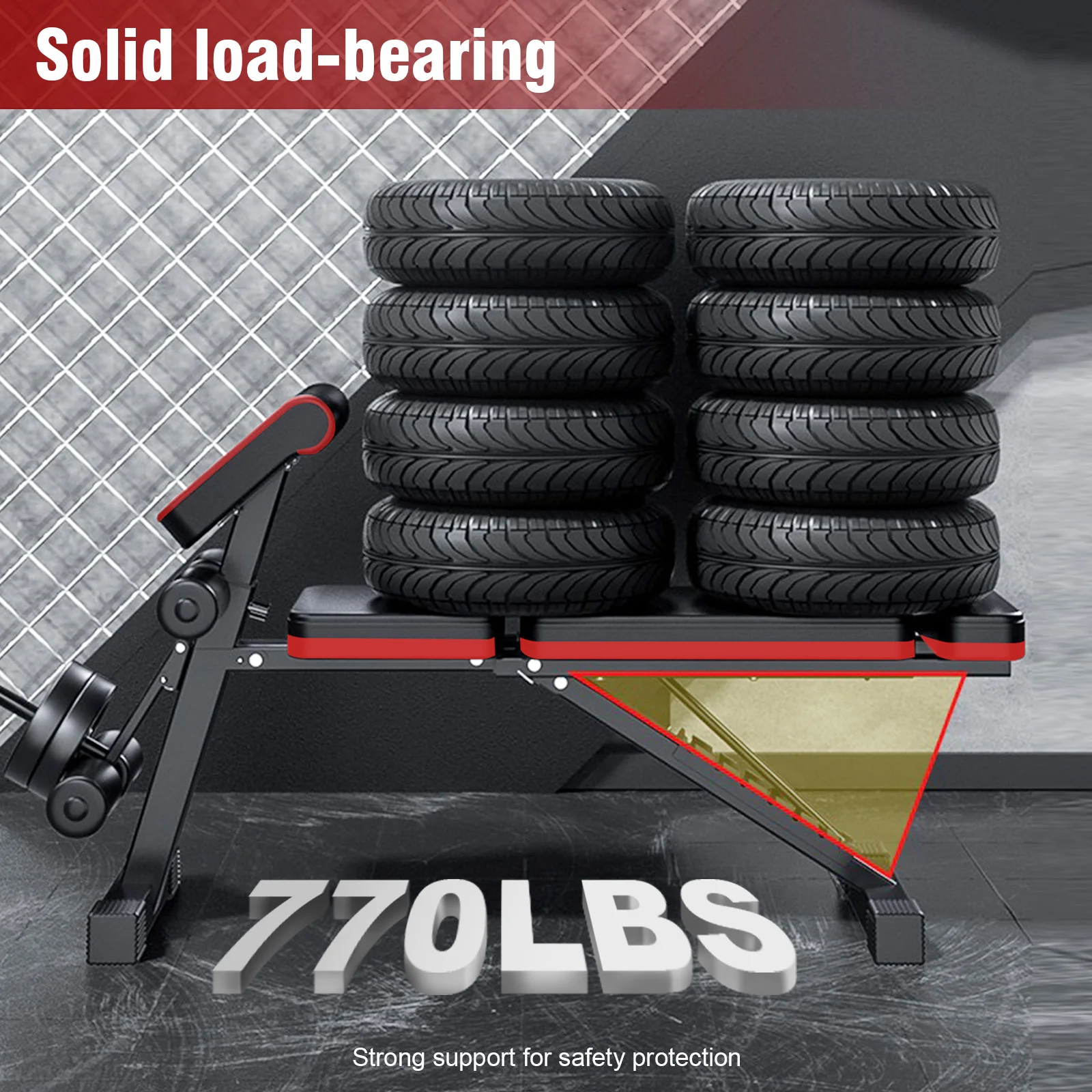
- Rows, thrusts and step-ups too. Any bench is also a platform. This one’s frame and footprint make it stable for single-arm rows and hip thrusts, not just pressing.
- Wide, dense padding. A narrow pad forces your shoulder blades into a bad position under load; a wide one lets you retract and set them.
How to Use
Set the bench on flat, level, hard flooring — never carpet with deep pile, which lets the feet sink unevenly and rock. Before every session, check that the incline pin or ratchet is fully engaged in its slot and give the pad a firm shove; if it moves, it is not locked. For flat pressing, plant both feet, retract and depress your shoulder blades into the pad, and keep your head on the headrest throughout. Set the incline to 30–45° for upper-chest work; steeper than that and it becomes a shoulder press. Fold the bench only when it is unloaded. Safety, and take this one seriously: never bench heavy dumbbells or a barbell to failure without a spotter or safety arms — a failed rep with a loaded bar across your throat is the single most dangerous thing that happens in home gyms. Respect the stated weight capacity, which counts your bodyweight plus the load. Do not use the leg extension attachment as a bench support or step. Re-tighten all bolts after the first few sessions and periodically thereafter, since fasteners work loose under vibration.
Specifications
| Type | Foldable adjustable weight bench |
|---|---|
| Back-pad positions | 7 levels — decline / flat / incline range |
| Headrest | Extended, adjustable |
| Attachment | Leg extension / leg curl developer |
| Frame | Steel tube |
| Padding | High-density foam with wipe-clean upholstery |
| Storage | Folds flat / upright |
| Assembly | Required — tools and instructions supplied |
| Weight capacity & dimensions | Variant dependent — see product options |
Care & Maintenance
Wipe the upholstery down after every session; sweat is acidic and will crack vinyl padding faster than anything else. Do not use alcohol or solvent cleaners on the pad — mild soap and water only. Check and re-tighten every bolt monthly, and inspect the adjustment pin, welds and pad stitching for wear or deformation. Keep it out of damp garages and unheated sheds where the frame can rust at the joints. Retire or repair the bench immediately if the frame is bent or a weld is cracked.
What’s in the Box
1 × foldable weight bench (frame, back pad, seat pad), leg extension attachment, fixings and assembly tool, instruction sheet. Weights are not included.
Reviews
There are no reviews yet.