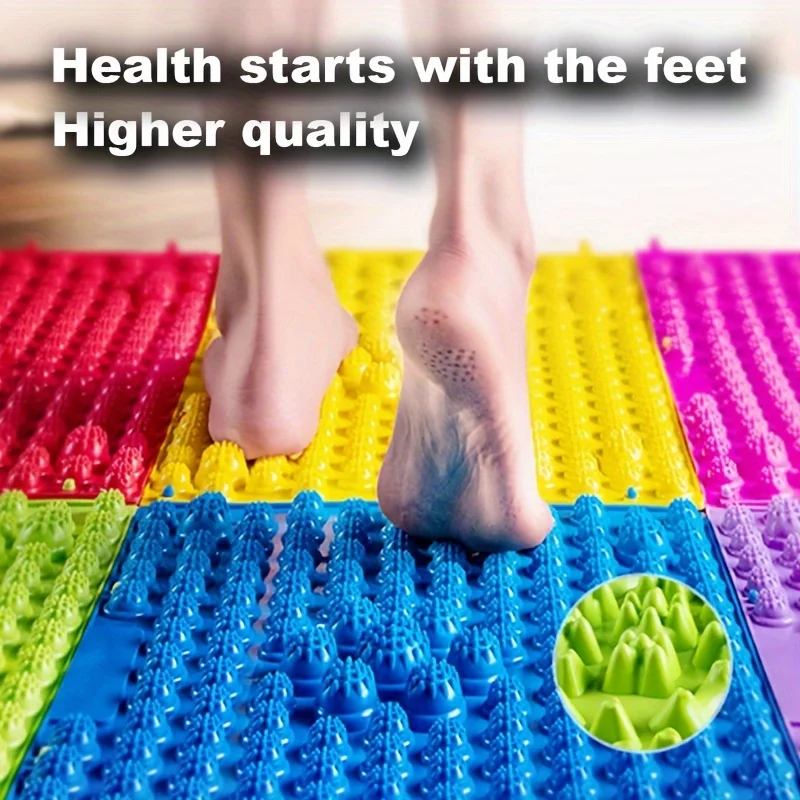
Why Standing on Something Knobbly Makes Your Feet Feel Better
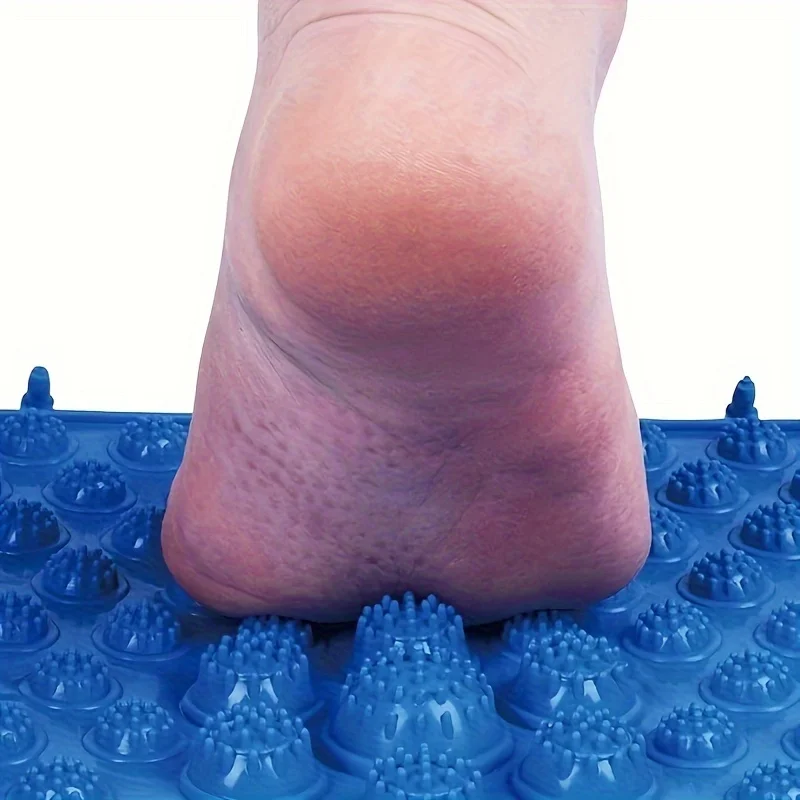
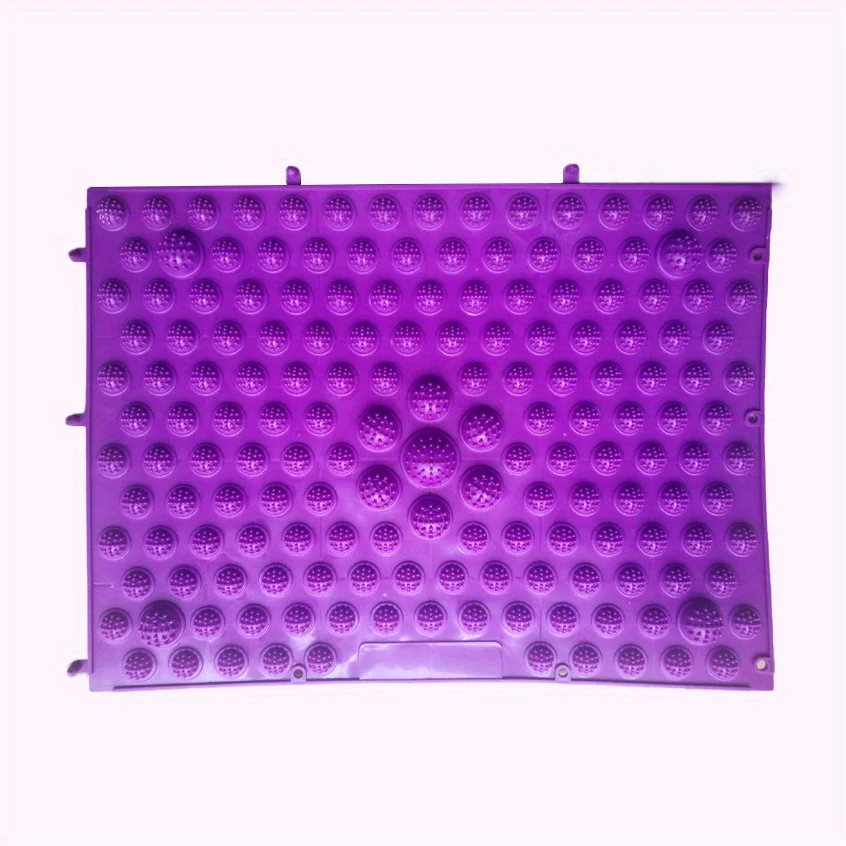
The sole of the foot is one of the densest sensory regions in the body, and modern footwear starves it of input. Pressing that skin against an irregular surface floods the nervous system with sensation, which — under the gate-control model of pain — competes with and dampens duller ache signals travelling up from the same region. The pressure also drives local blood flow through the plantar fascia and small foot muscles. This is stimulation and circulation, not medicine: it will not cure plantar fasciitis, but it reliably makes stiff, deconditioned feet feel more alive.
Key Benefits
- Targets the neglected foot — cushioned shoes remove almost all sensory input from the sole; this pad gives it back, which is where the wake-up sensation comes from.
- Drives local circulation — sustained pressure and micro-movement across the plantar surface increase blood flow through tissue that spends most of the day compressed and static.
- Genuinely relaxing after long standing days — the intensity is high enough to pull your attention out of your head and into your feet, which is most of why it feels like it works.
- Non-slip underside — it stays put on tile or wood, which matters a great deal when you are balancing on one foot on a knobbly surface.
- Doubles as a bathroom or shower mat — the material tolerates water and rinses clean, so it can live somewhere you will actually step on it daily.
- Zero learning curve — the honest appeal of this product is that you stand on it, and that is the entire protocol.
How to Use
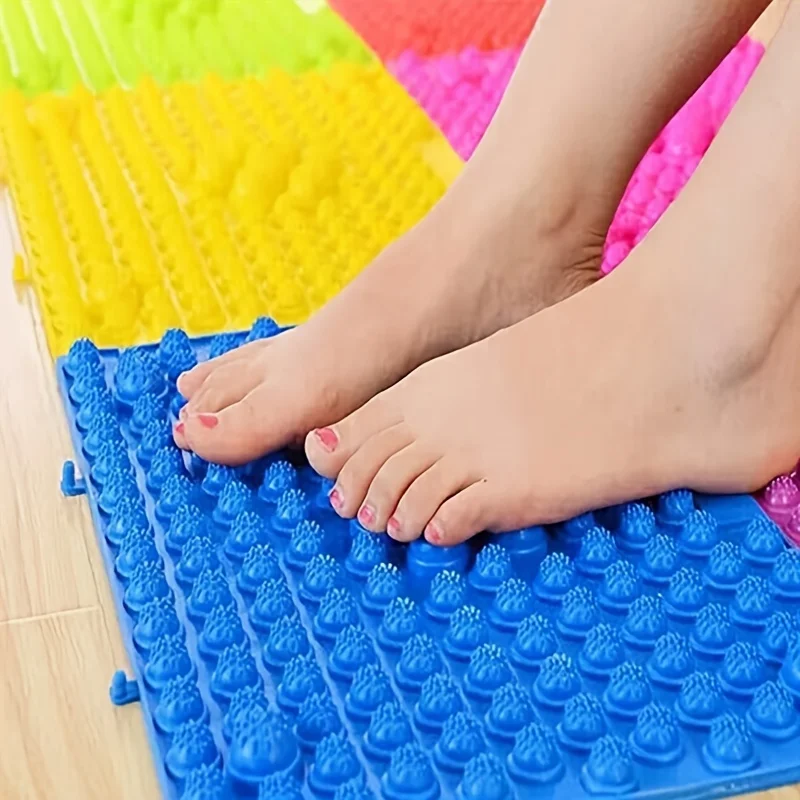
Start with socks on and no more than 2–3 minutes. It will be sharp. Shift your weight slowly from heel to toe and side to side rather than standing rigid, and hold on to a wall or counter for the first few sessions. Build to 10–15 minutes barefoot over a couple of weeks — the discomfort fades markedly as your feet adapt, and that adaptation is the point. Best used at the end of the day or after long periods on your feet. Safety: this is not appropriate if you have diabetes, peripheral neuropathy, or any loss of sensation in your feet, because you cannot feel a pressure injury developing. Avoid it entirely on broken skin, open wounds, or an acutely injured foot, and stop if you feel sharp or nerve-like pain rather than firm pressure.
Specifications
| Type | Acupressure / reflexology walking mat |
|---|---|
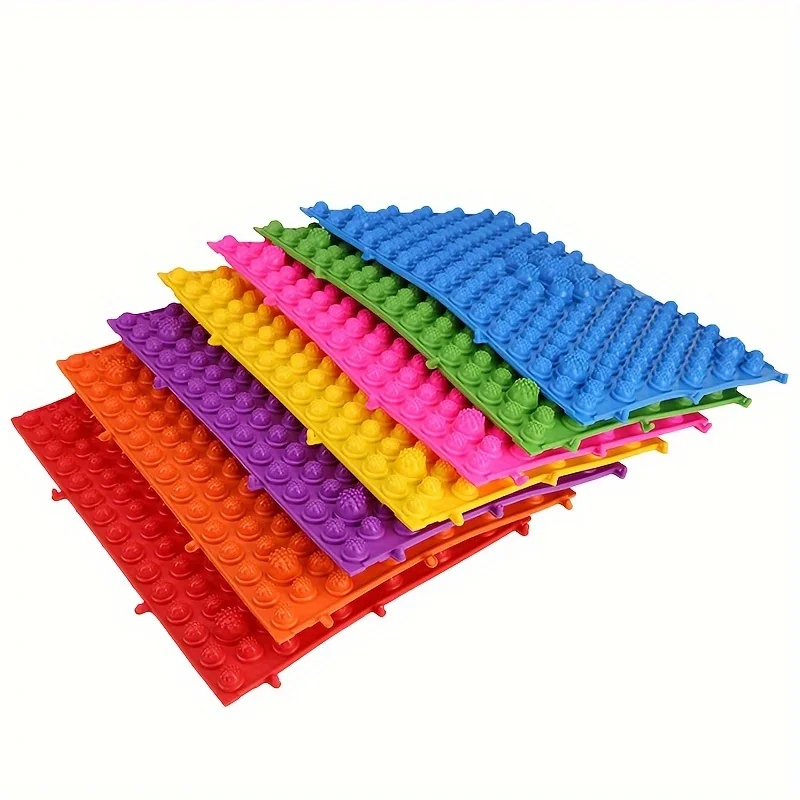
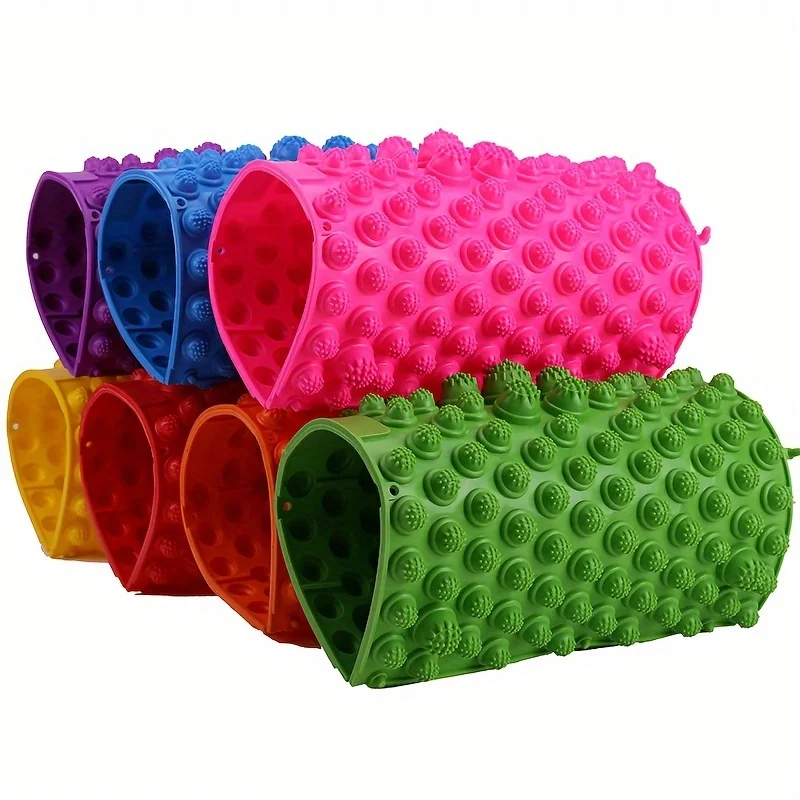
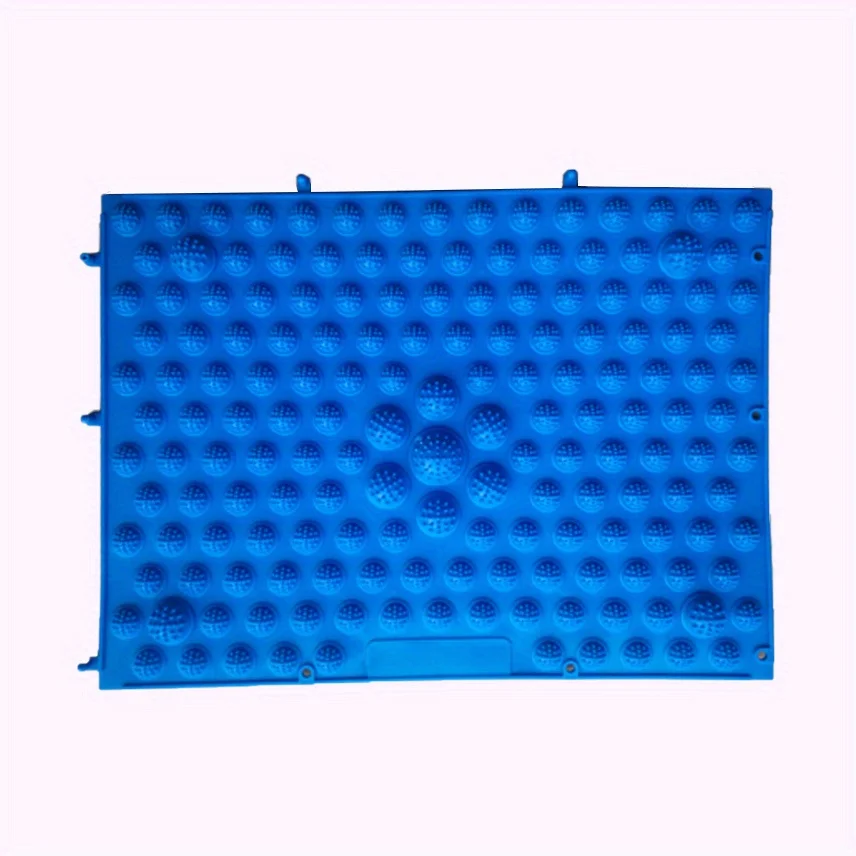
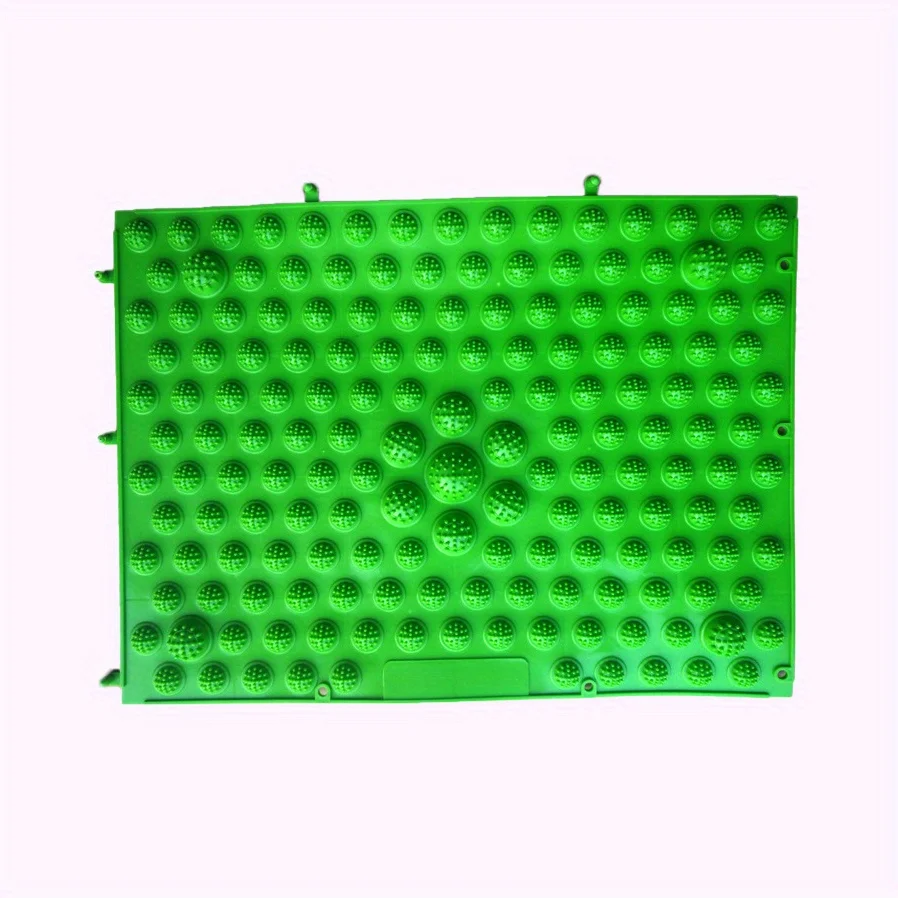
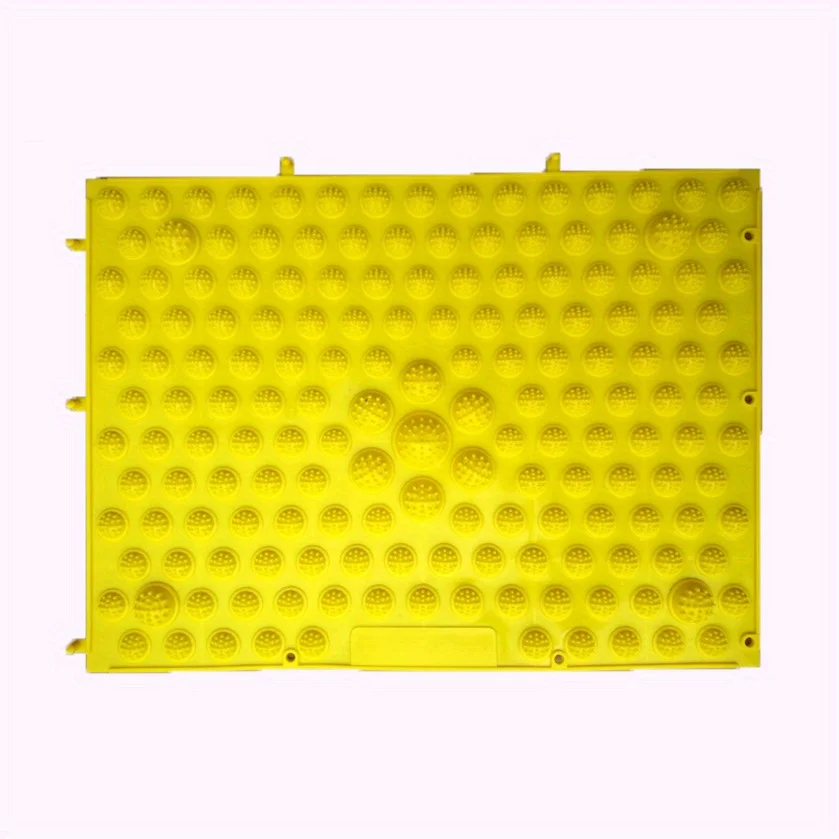
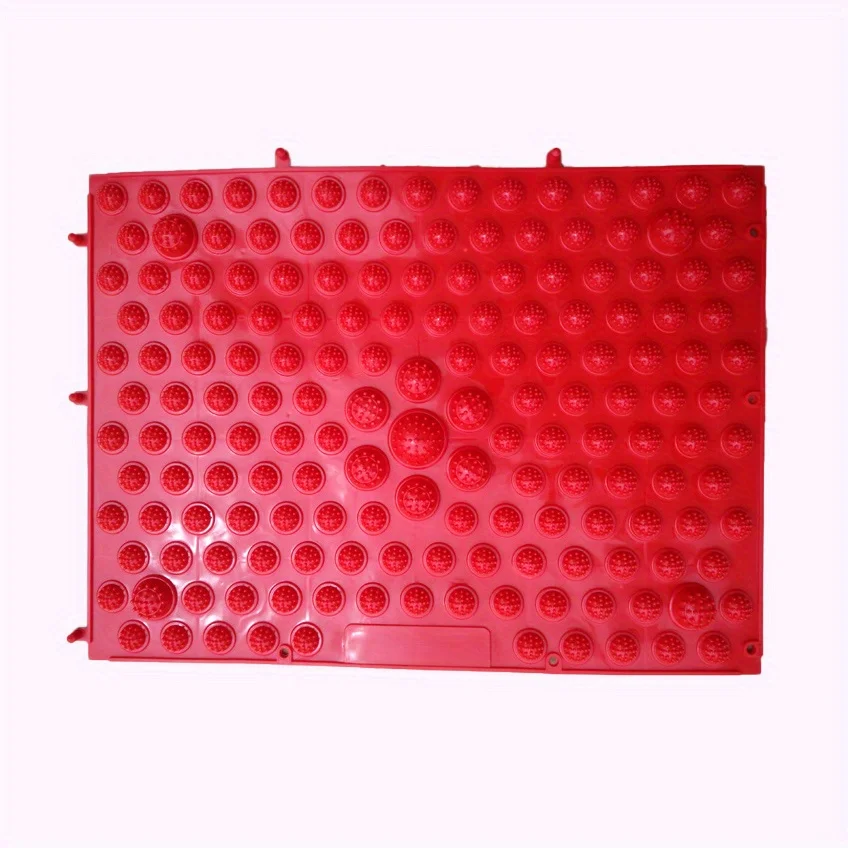
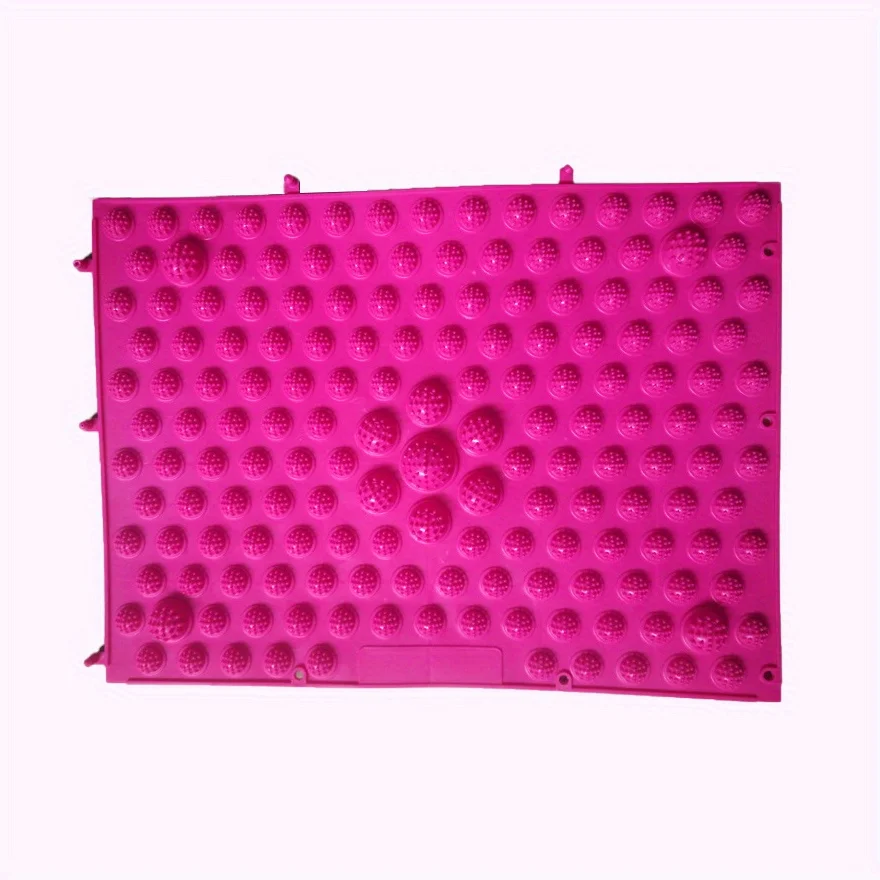
| Surface | Raised textured nodes |
| Base | Anti-slip |
| Material | Moulded polymer (variant dependent) |
| Water resistant | Yes — suitable for bathroom use |
| Suggested session | 3–15 minutes |
| Use barefoot or socked | Both — socks recommended to start |
| Storage | Flat or hung to dry |
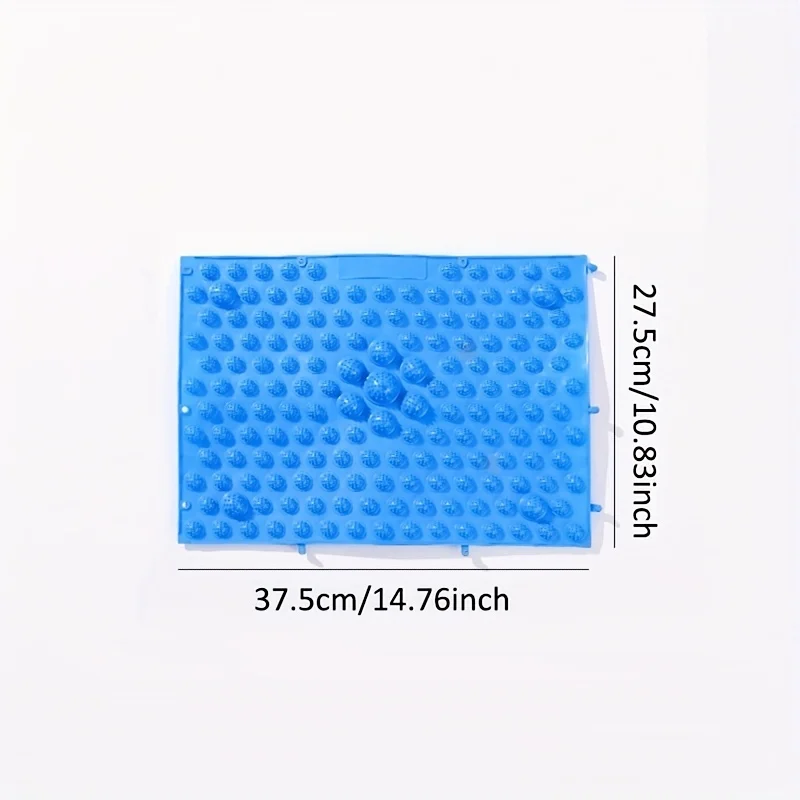
| Size | Variant dependent |
Care & Maintenance
Rinse under warm water and scrub between the nodes with a brush; grime collects in the gaps. A little mild soap is fine. Shake off and air-dry — do not leave it lying wet face-down, which traps moisture. Do not put it in a machine wash or tumble dryer, and keep it away from radiators and direct sun, which can warp the moulded surface.
What’s in the Box
1 x acupressure foot massage mat.
Reviews
There are no reviews yet.