Why Rolling the Sole of Your Foot Actually Helps
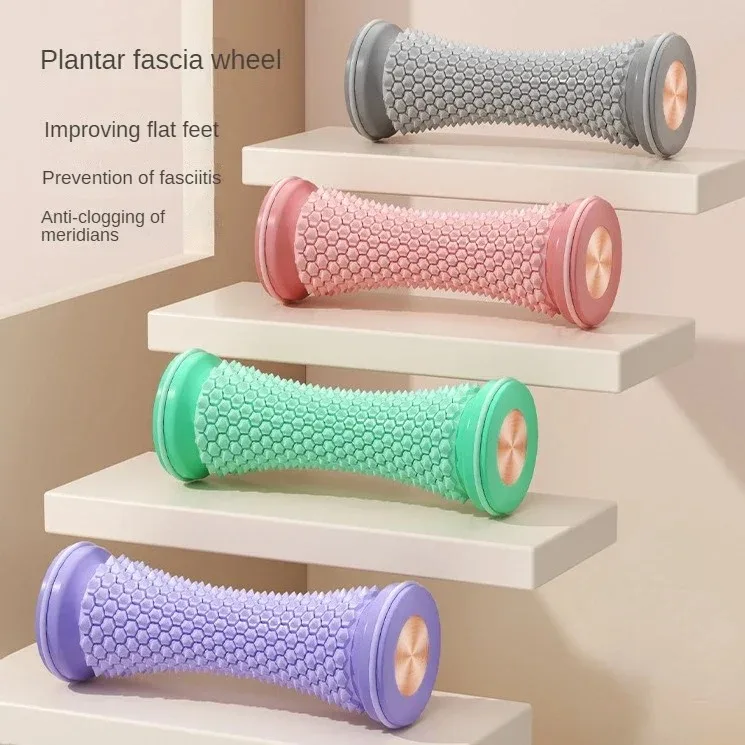
The plantar fascia is a thick band of connective tissue running from the heel to the base of the toes. Standing and running load it repeatedly, and it responds by stiffening. Rolling applies direct, sustained pressure across that band and the small intrinsic foot muscles beneath it. This does two things: it produces a temporary drop in perceived stiffness through neural mechanisms — pressure inhibits the muscle’s protective tone — and it improves local blood flow. Rolling does not stretch or break down fascia; the tissue is far too strong for that. What it does is change how tight your foot feels and moves, and that is genuinely useful.
Key Benefits
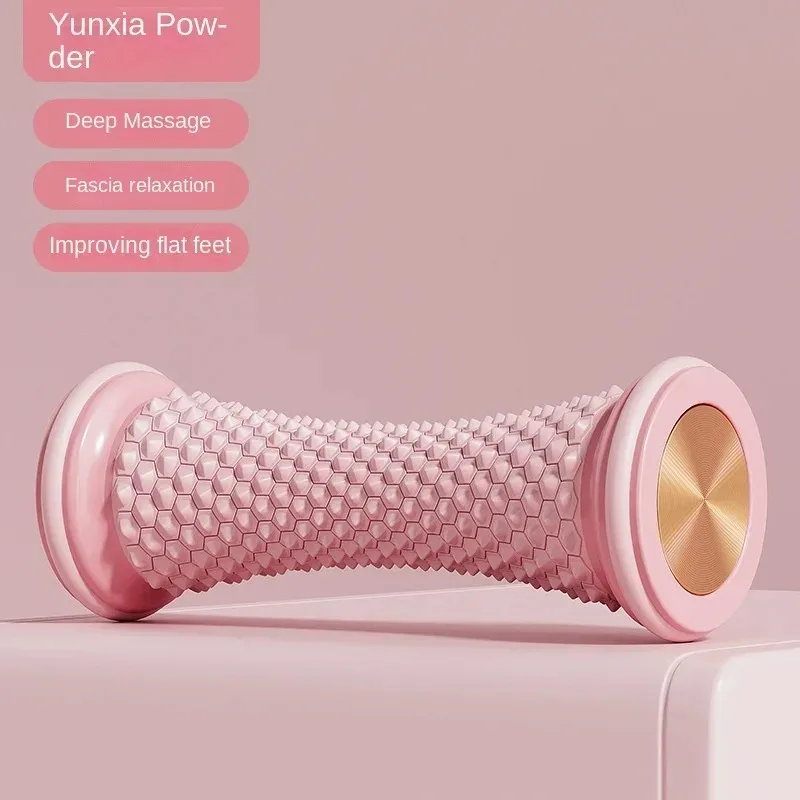
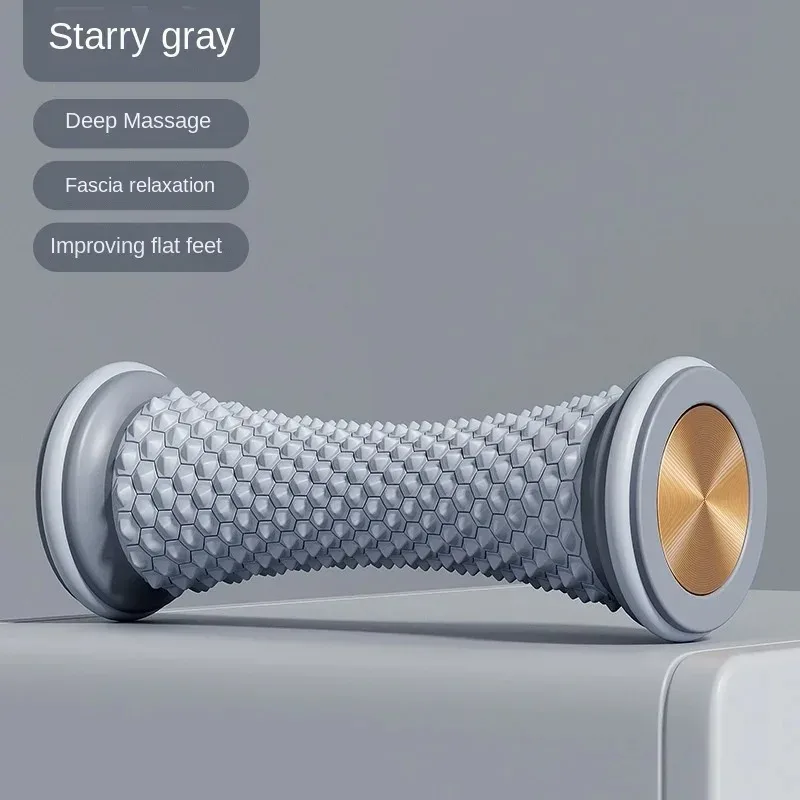
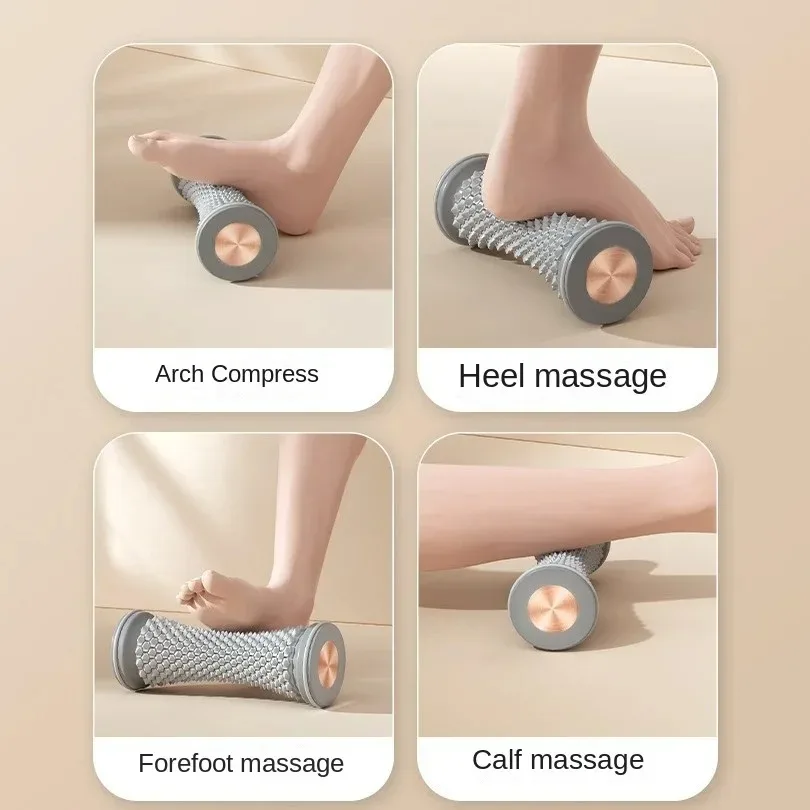
- Targets the arch, not just the heel — the ridged surface lets you work the full span of the plantar fascia rather than jabbing one sore spot.
- Nothing to charge or break — a manual roller is always ready, weighs nothing in a gym bag, and outlives every vibrating gadget you’ll buy.
- Genuinely good for runners — two minutes per foot post-run keeps the tissue from stiffening as it cools, which is when most morning heel pain is set up.
- Improves ankle range indirectly — a less guarded foot lets the ankle dorsiflex further, which shows up in your squat depth and stride.
- You control the pressure exactly — press through it with your bodyweight or barely graze it. No motor decides for you.
- Chill it for extra relief — a plastic roller can go in the fridge (not the freezer) for a cool-plus-pressure combination that suits inflamed heels.
How to Use
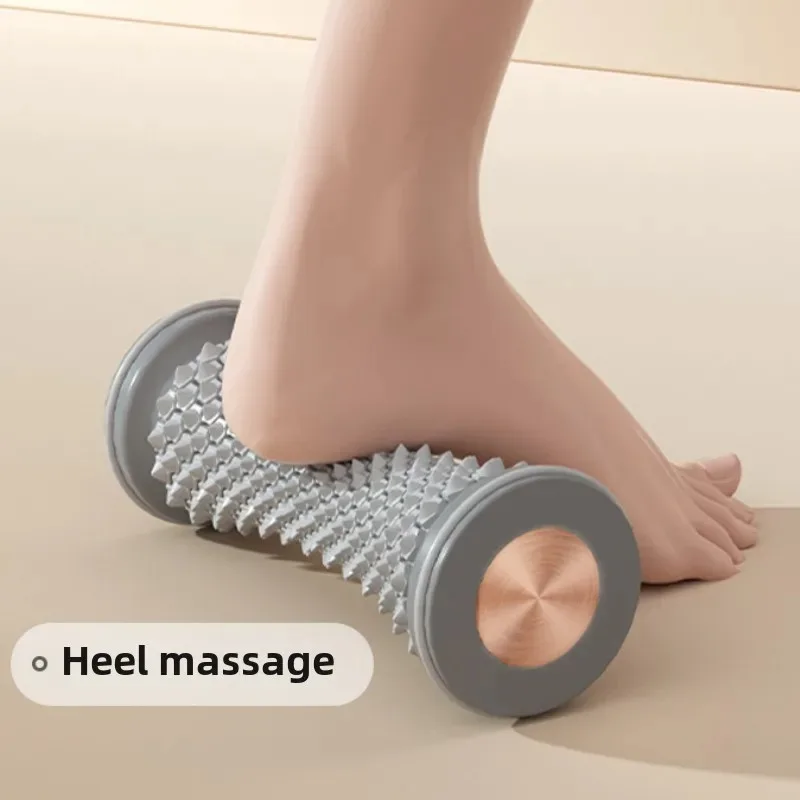
Sit down, place the roller under a bare foot, and roll slowly from heel to the ball of your foot — take about three seconds per pass. Spend 60–120 seconds per foot. When you find a tender spot, pause on it and hold for 20–30 seconds while you breathe out, then keep moving. Standing on it adds significant pressure; ease into that. Safety: this should register as a firm ache, never a sharp or burning pain. Stop if it hurts sharply, if the pain worsens over the following day, or if you have diabetes, peripheral neuropathy, or reduced sensation in your feet — reduced sensation means you cannot judge how much pressure you’re applying. Persistent heel pain lasting more than a few weeks warrants a podiatrist, not more rolling.
Specifications
| Type | Manual foot / plantar fascia roller |
|---|---|
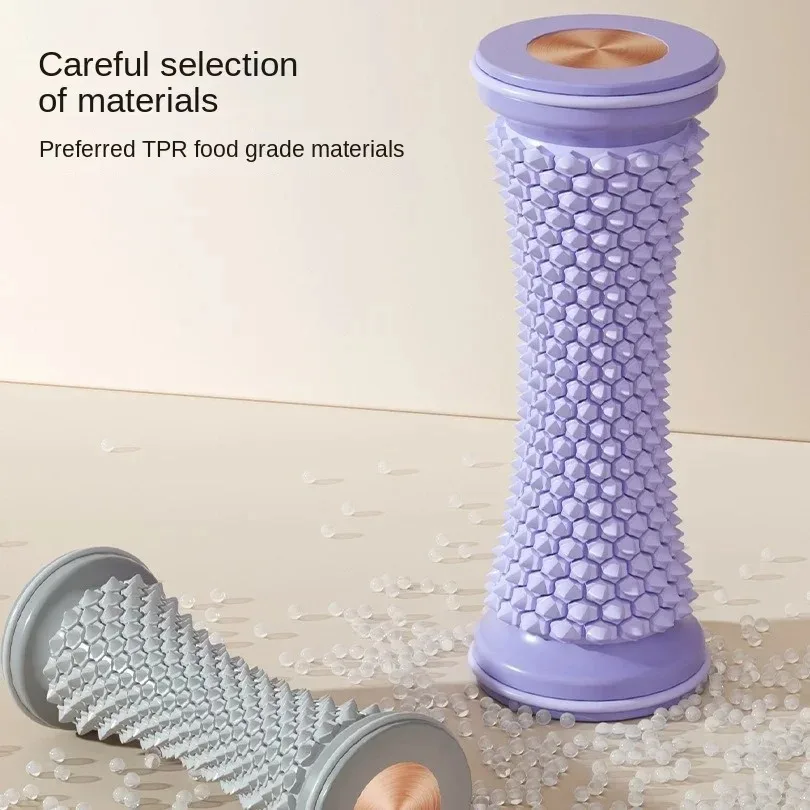
| Material | Textured moulded plastic |
| Power | None — fully manual |
| Use | Seated or standing, barefoot or in socks |
| Surface | Ridged for grip and pressure distribution |
| Portability | Compact, gym-bag and desk-drawer sized |
| Fridge-safe | Yes, for cool therapy |
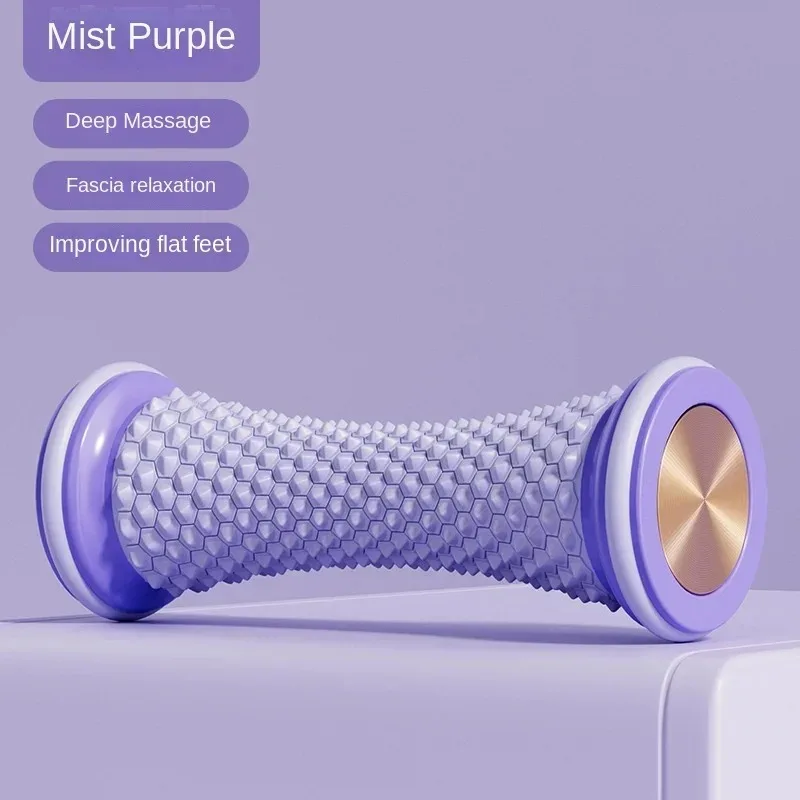
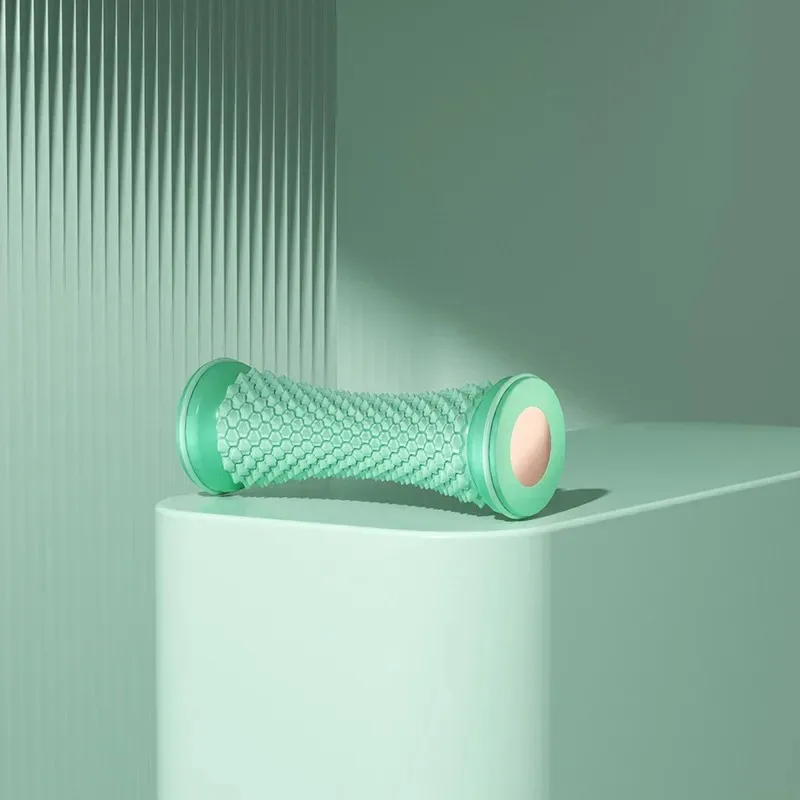
| Colour | Variant dependent |
Care & Maintenance
Wash with warm soapy water and dry thoroughly — feet are feet. Do not put it in the dishwasher or leave it in direct sun or a hot car; heat can warp the plastic. It can be chilled in a fridge for cool therapy, but avoid the freezer, which makes the plastic brittle and the contact uncomfortably cold on bare skin. Inspect occasionally for cracks and replace if the surface splits.
What’s in the Box
1 × manual foot massage roller. No batteries, cables, or accessories required.
Reviews
There are no reviews yet.