What a Nasal Strip Can and Cannot Fix
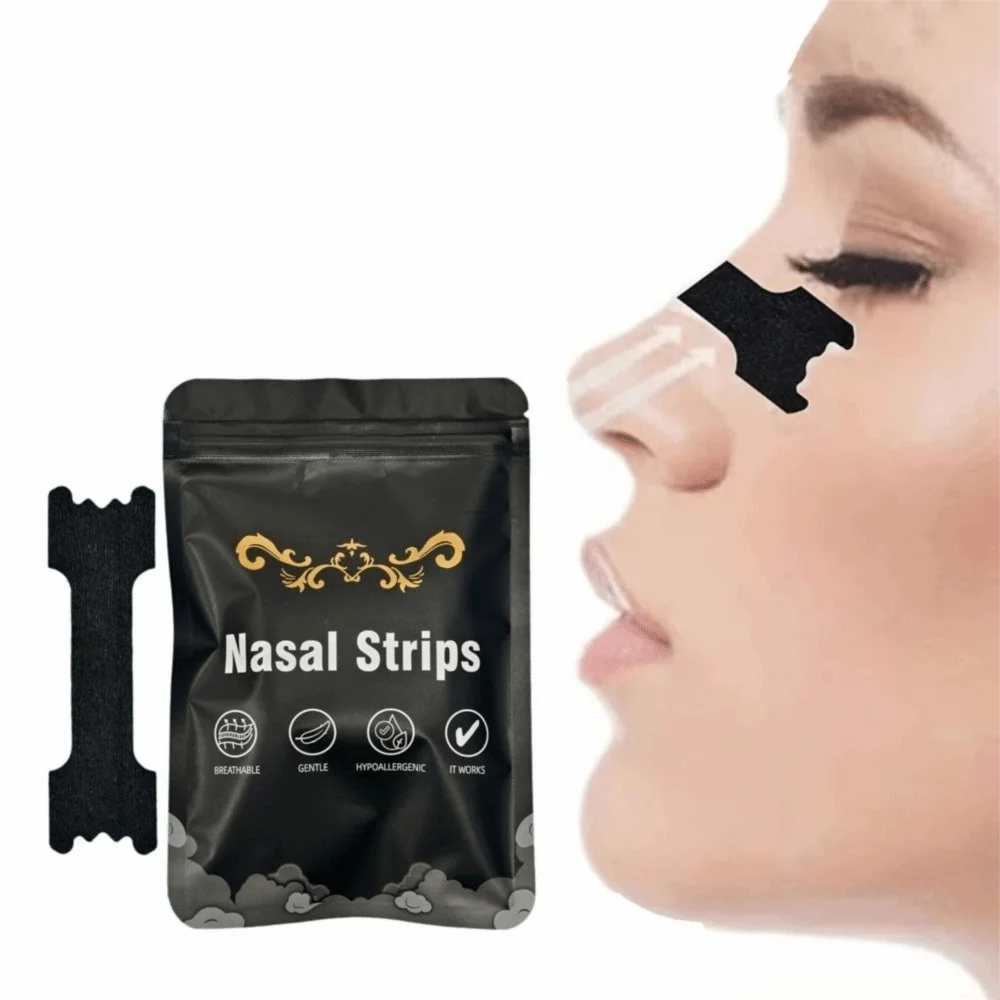
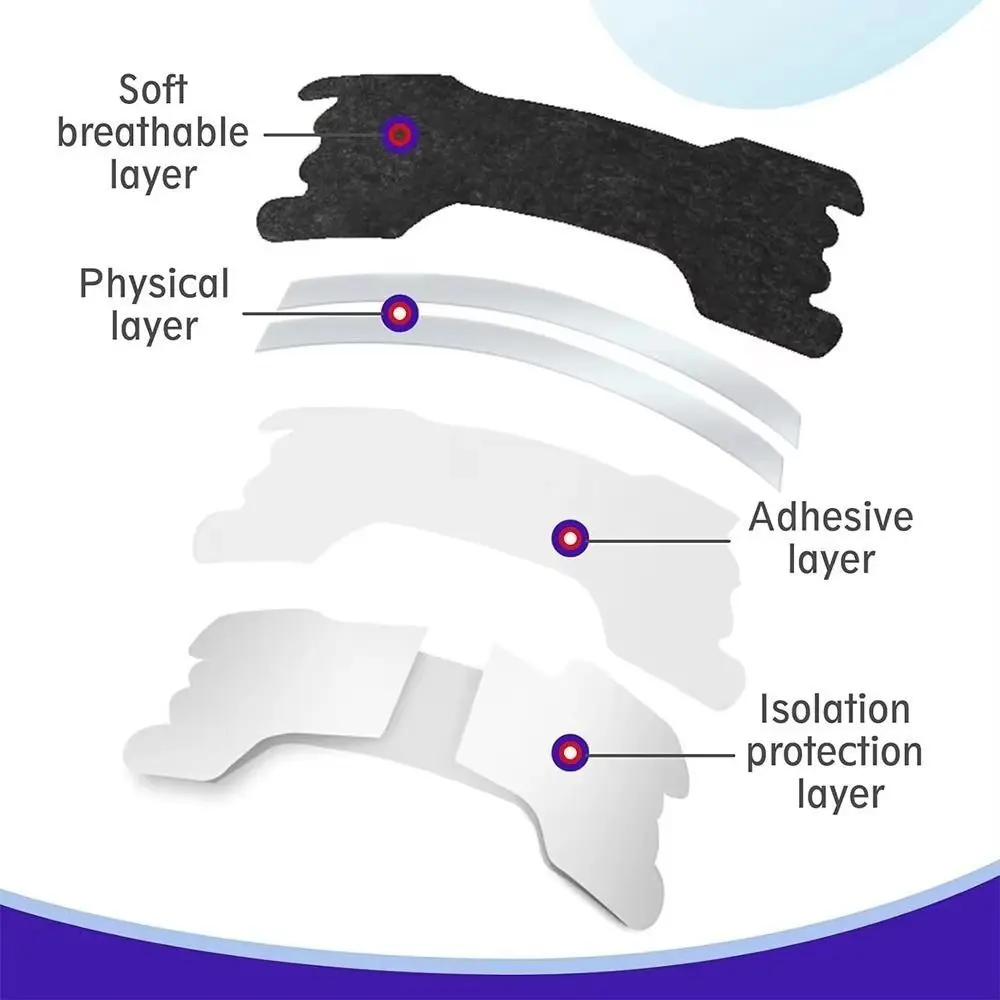
A nasal strip is a flat plastic spring bonded to an adhesive pad. Stuck across the nose, the spring tries to straighten, and in doing so it pulls the flexible sidewalls of the nose outward. That widens the nasal valve, the narrowest part of the airway just inside each nostril, and lowers the resistance air meets on the way in. It is purely mechanical. It does not decongest swollen tissue, it does not shrink turbinates, and it does nothing whatsoever below the nose.
Key Benefits
- They do not treat sleep apnoea, and no strip should claim to – obstructive sleep apnoea is a collapse of the airway at the throat, well below anything a nose strip touches. If you snore heavily, wake unrefreshed, or have been told you stop breathing in your sleep, see a doctor and ask about a sleep study. A strip is not a treatment for it.
- They do genuinely reduce nasal resistance – if your obstruction is at the nasal valve, opening it measurably reduces the work of breathing through your nose. That is the one thing these do well, and they do it reliably.
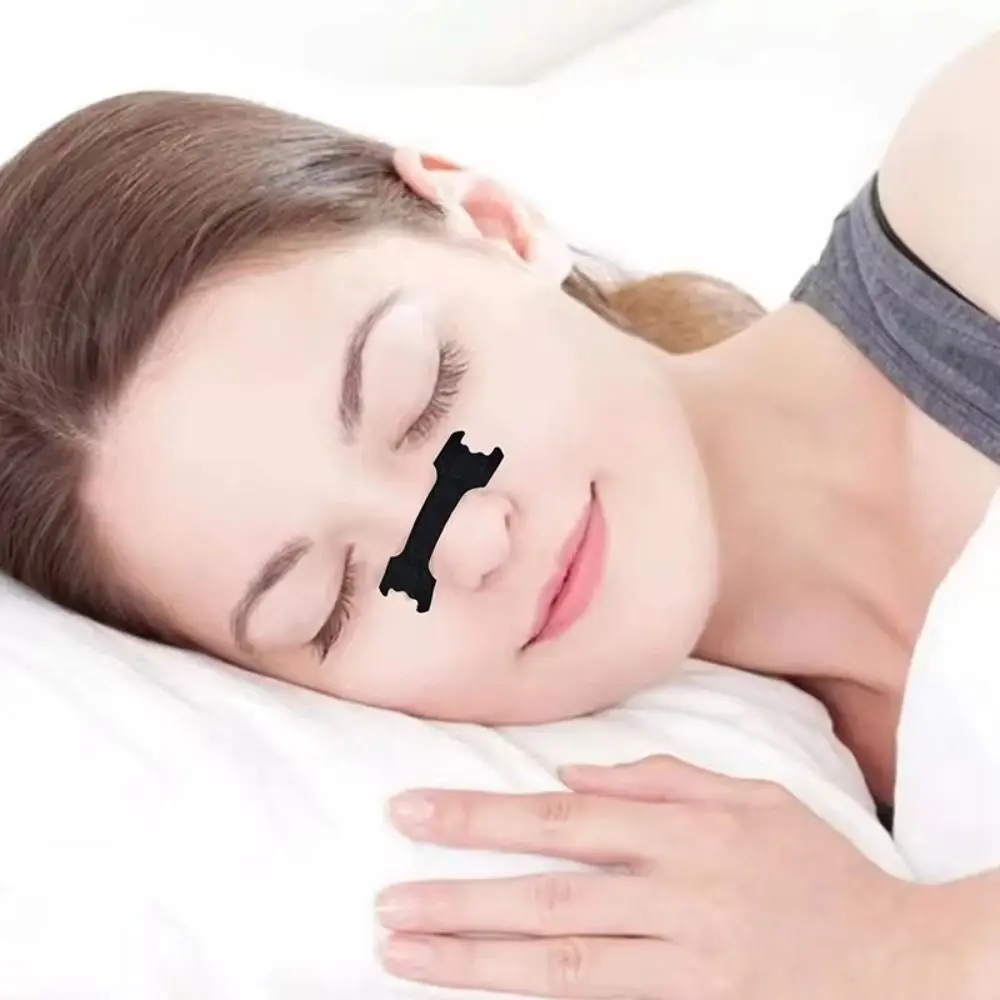
- Useful for snoring that is nasal in origin – some snoring starts in the nose, and for those people strips help. For throat-origin snoring, they will not, and no amount of adhesive changes that.
- Drug-free, so there is nothing to build tolerance to – unlike decongestant sprays, which cause rebound congestion if used for more than a few days, a strip has no pharmacology to it at all.
- Honest about athletic performance – strips make hard nasal breathing feel easier, and plenty of athletes swear by them. Controlled studies have generally not found improvements in VO2 max or actual performance. Perceived effort is not nothing, but we are not going to sell you a performance gain we cannot support.
- Hypoallergenic adhesive, thirty to a box – a month of nightly use, or a season of training.
How to Use
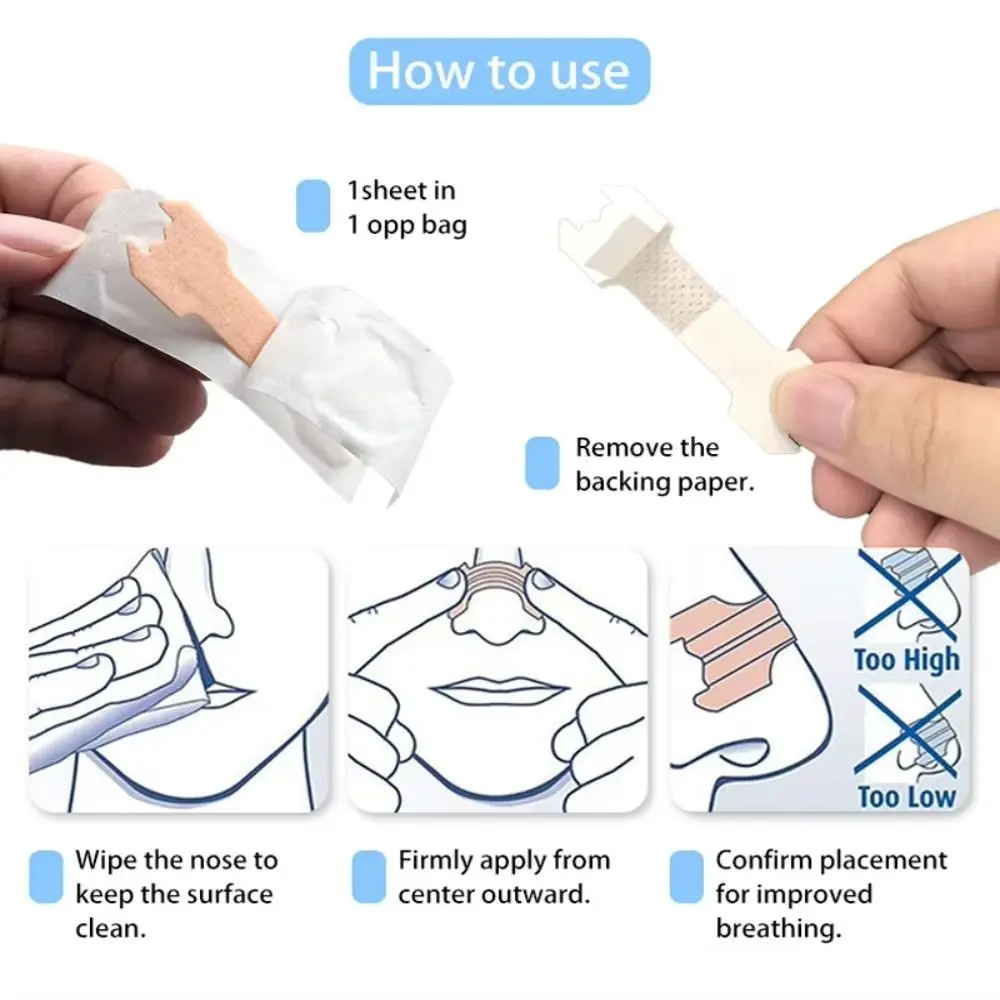
Wash and thoroughly dry the bridge of your nose first. The adhesive will not bond through facial oil, moisturiser or sweat, and a strip that lifts at one end does nothing at all. Peel the backing and place the strip just above the flare of the nostrils, across the soft, flexible part of the nose – not up on the bony bridge, which does not move. Press the ends down firmly for several seconds. To remove it, wash your face with warm water first or take it off in the shower; loosening the adhesive before pulling is how you avoid taking skin with it. Safety: use one strip at a time, never reuse one, and do not apply to broken, sunburnt or irritated skin. Stop if you get redness or itching, as adhesive reactions are common and get worse with repeat exposure. And once more, because it matters: if breathing problems at night are affecting your sleep or your daytime alertness, that warrants a doctor, not a stronger strip.
Specifications
| Product type | External adhesive nasal dilator strips |
|---|---|
| Quantity | 30 strips |
| Mechanism | Flat spring band – mechanical nasal valve dilation |
| Adhesive | Hypoallergenic, single-use |
| Drug content | None – completely drug-free |
| Placement | Across the soft flare of the nose |
| Reuse | No – one strip per application |
| Intended use | Nasal congestion, nasal-origin snoring, nasal breathing in training |
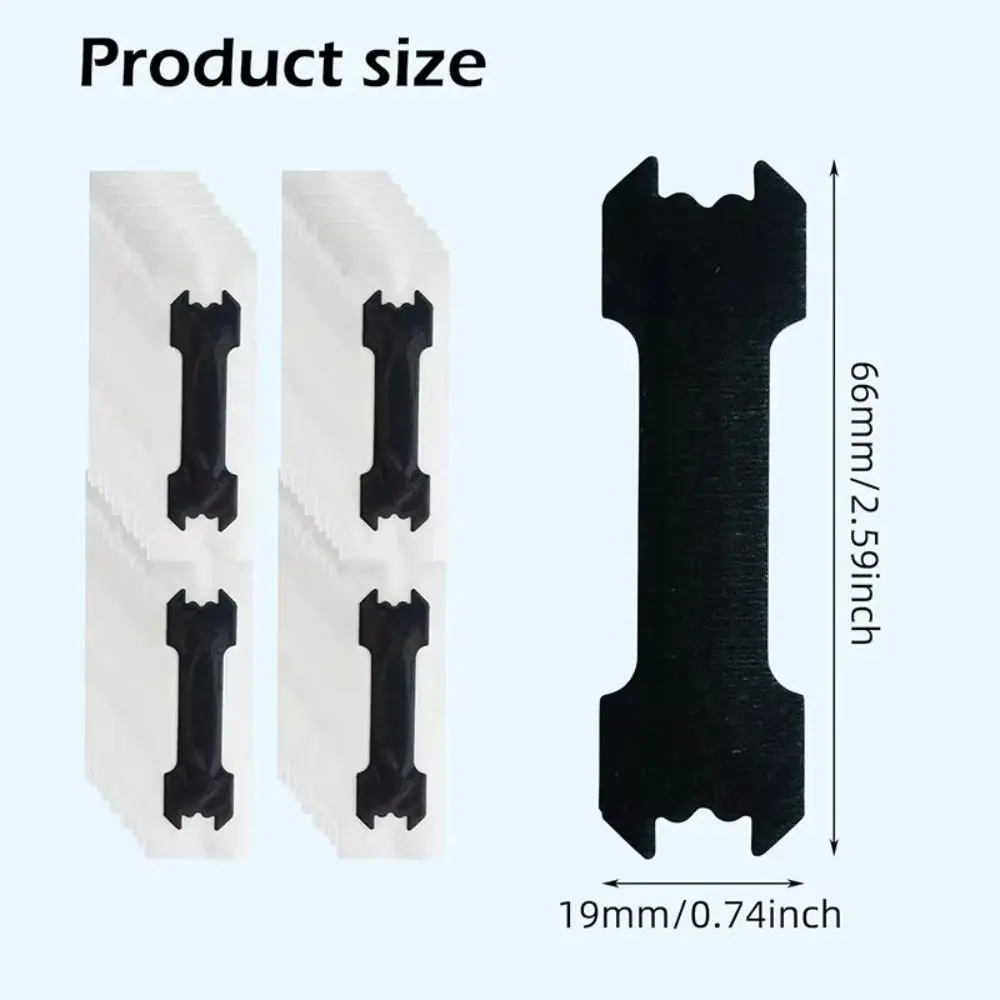
| Size | Standard – variant dependent |
Care & Maintenance
There is nothing to maintain, since the strips are single-use and disposable. Store the box somewhere cool and dry: heat and humidity degrade the adhesive, which makes a bathroom cabinet directly above a shower the worst possible place for them. Keep each strip in its wrapper until the moment of use. Dispose of used strips in the bin rather than flushing them – the plastic spring does not break down.
What’s in the Box
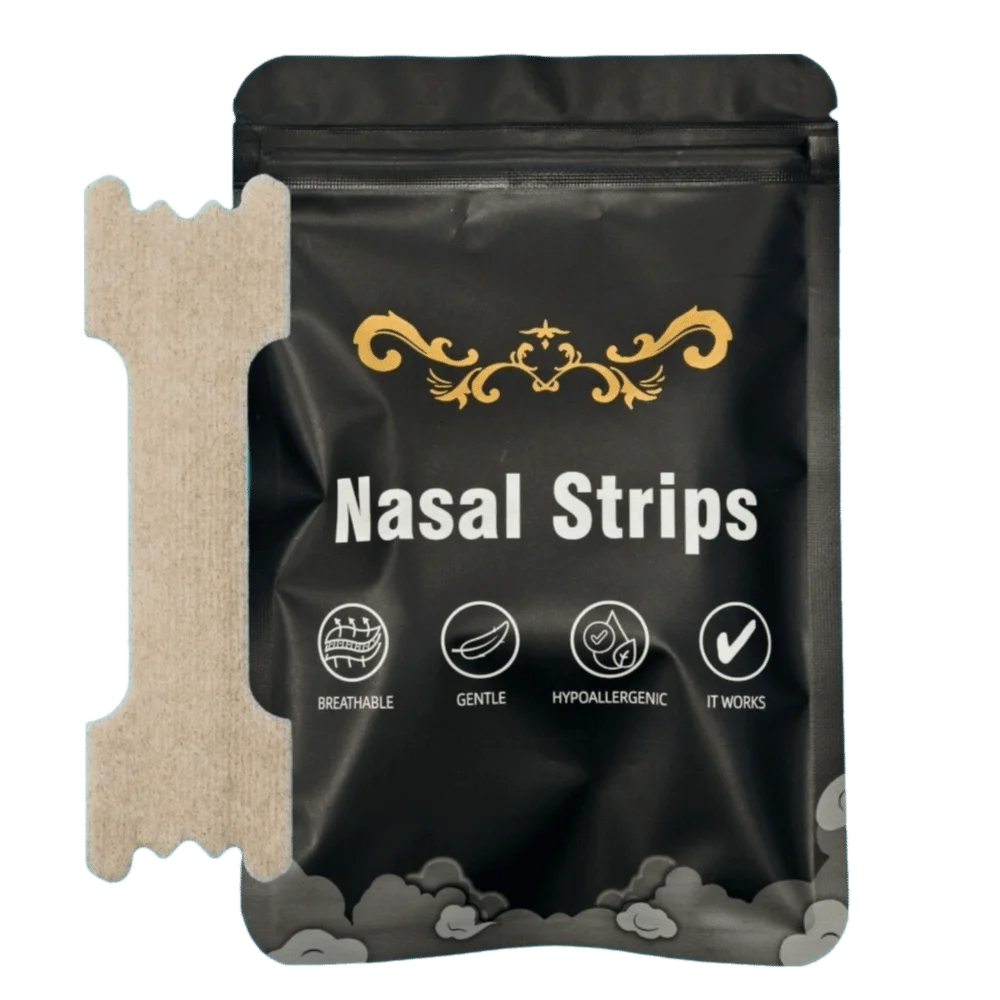
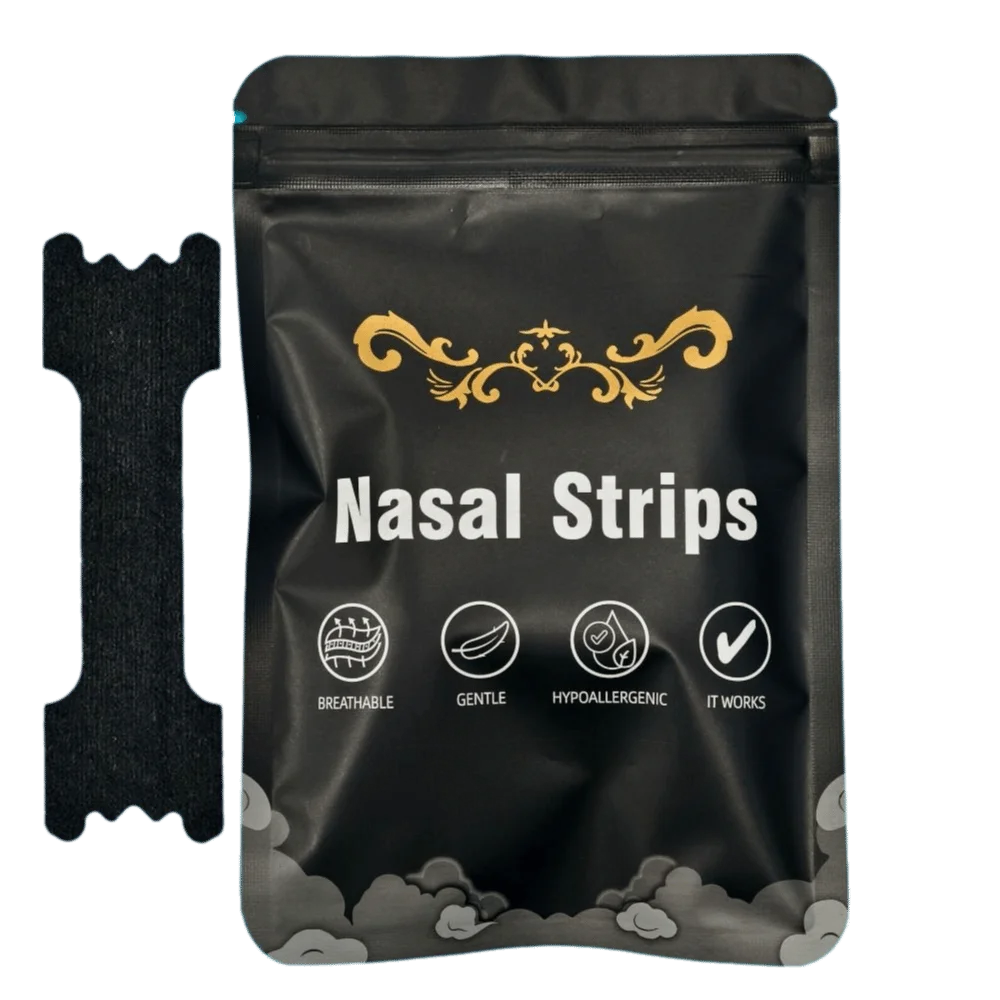
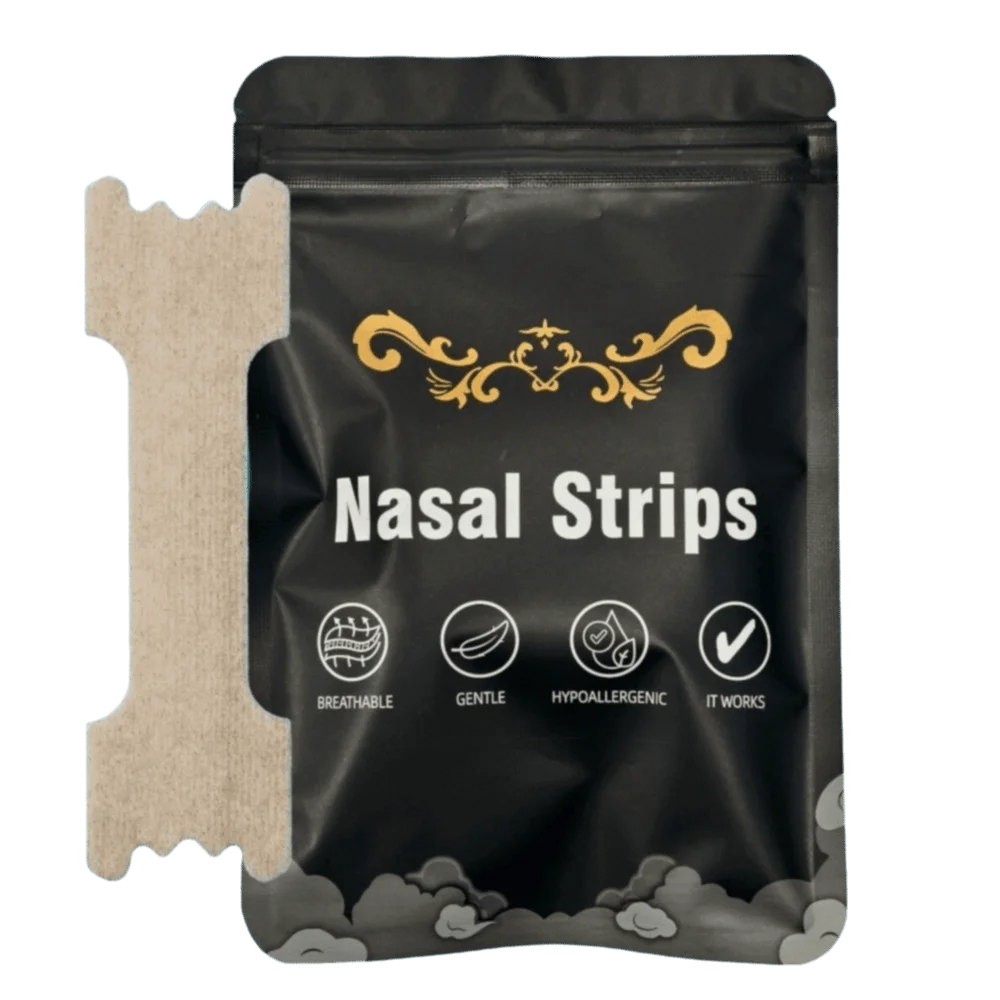
Thirty individually wrapped nasal strips. No applicator or accessories are required or included.

Reviews
There are no reviews yet.