What a Mouthguard Actually Protects (It’s Not Just Teeth)
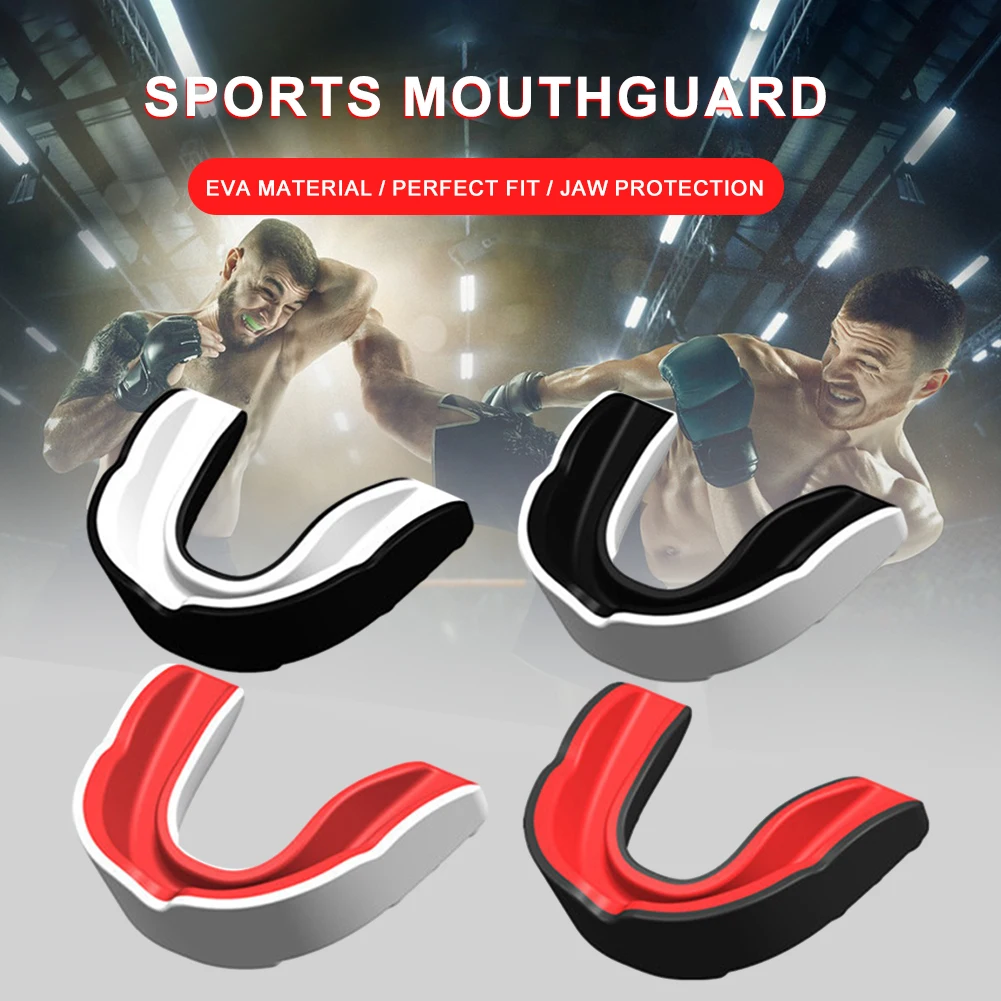
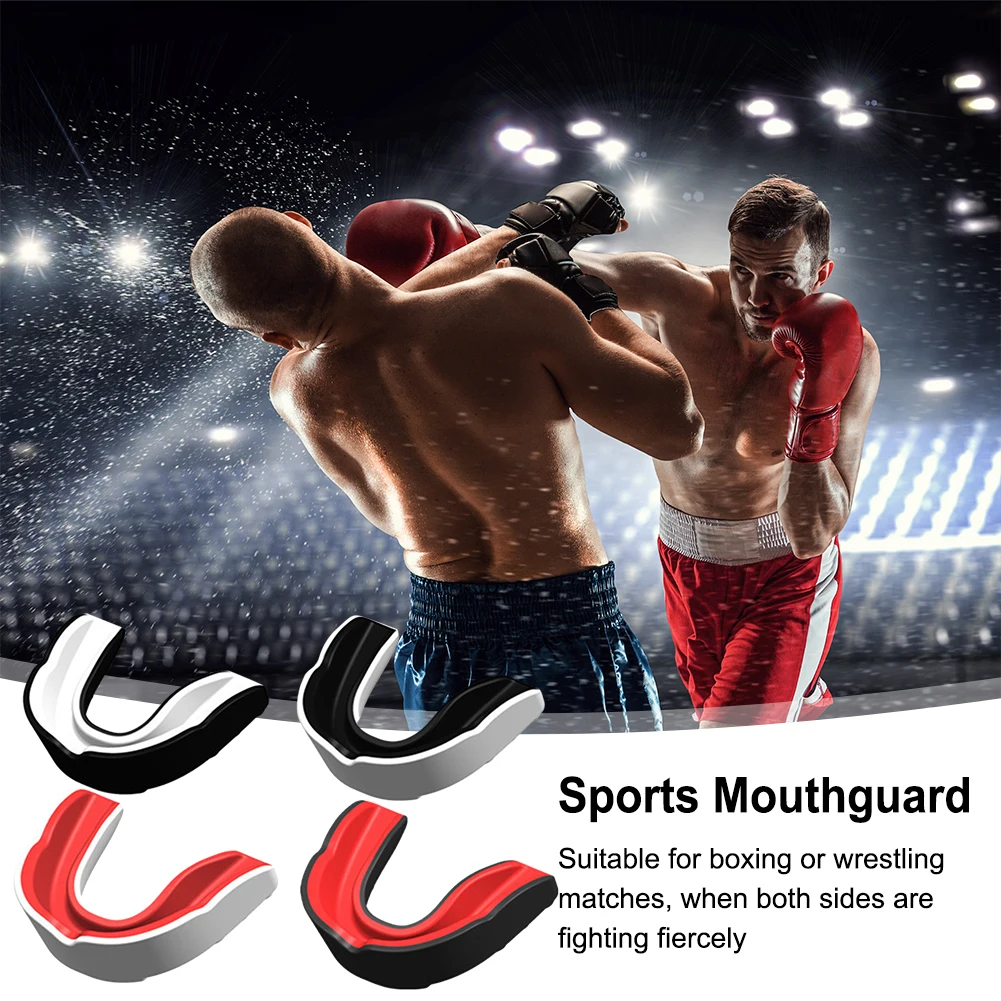
A mouthguard’s obvious job is to spread impact force across the arch of the teeth instead of letting it concentrate on one incisor. The less obvious job matters more: by cushioning the mandible, it reduces the abrupt transmission of force through the jaw joint to the skull base — the mechanism behind many knockouts and concussive impacts. Evidence for concussion prevention is genuinely mixed and no mouthguard should be sold as concussion-proof. But dental protection is not in doubt, and a properly moulded slim-fit guard also lets you breathe and speak far better than a bulky stock one, which is why fighters actually keep it in.
Key Benefits
- Slim profile you’ll tolerate for a full round — a bulky guard that makes you gasp gets spat out, and a guard on the floor protects nothing.
- Boil-and-bite custom moulding — the thermoplastic softens in hot water and takes the shape of your own dental arch, which is what actually makes the fit retentive.
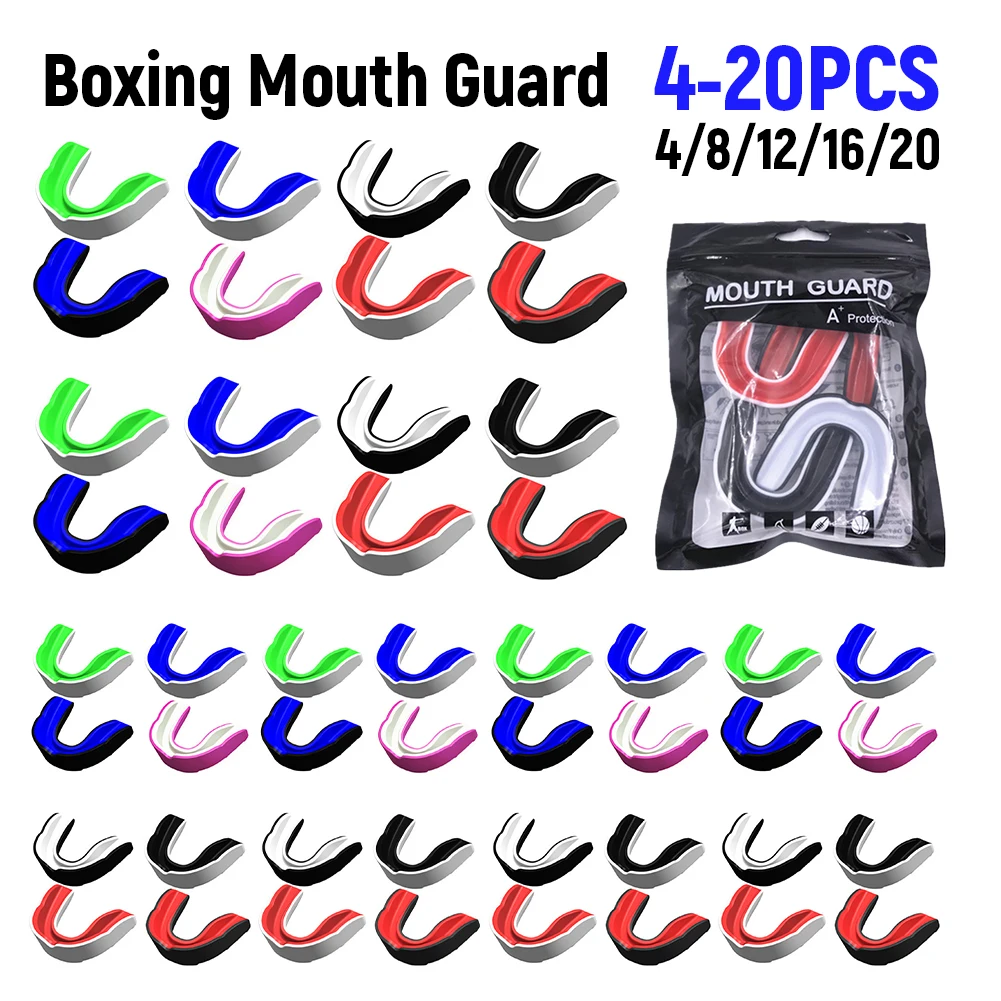
- Multipack means a spare — for training partners, for a mis-moulded first attempt, or for the guard you inevitably leave at the gym.
- Not a concussion shield, and we won’t say it is — the evidence for mouthguards preventing concussion is weak and contested. Buy this for your teeth and your jaw; do not use it as a reason to spar harder.
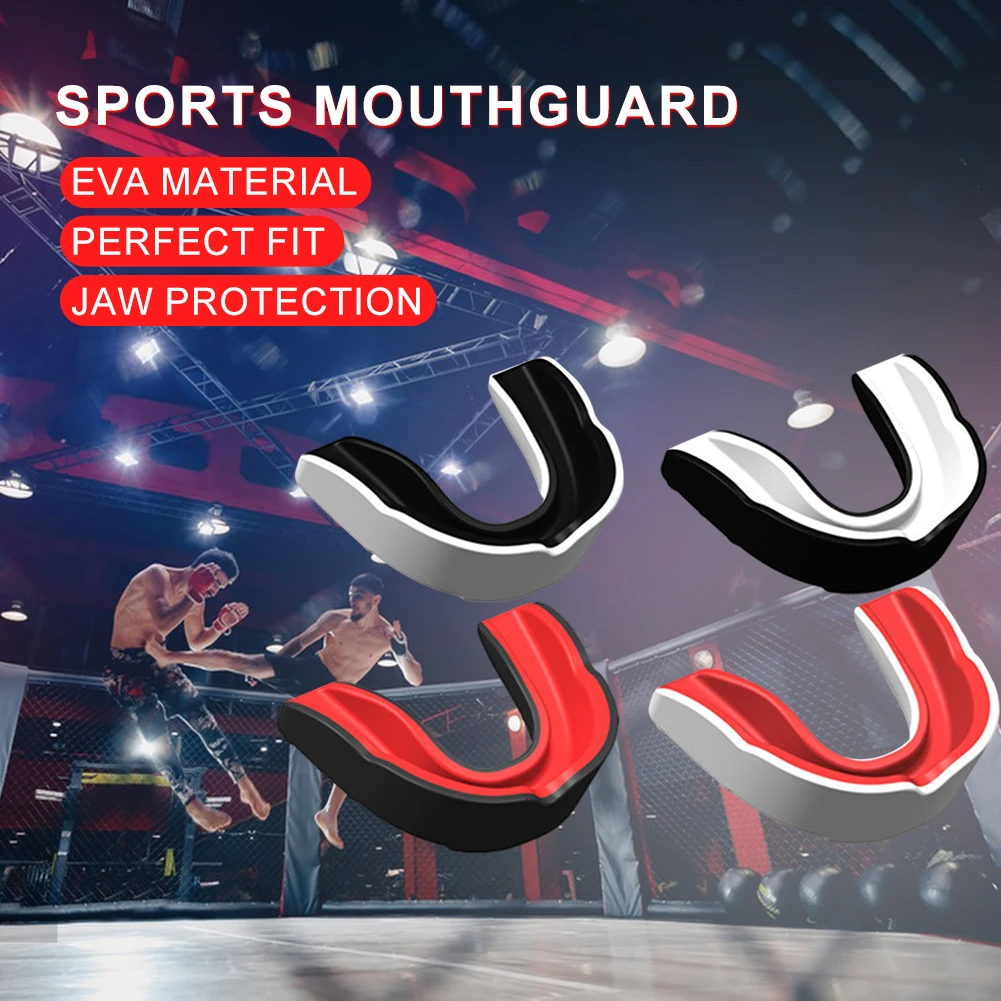
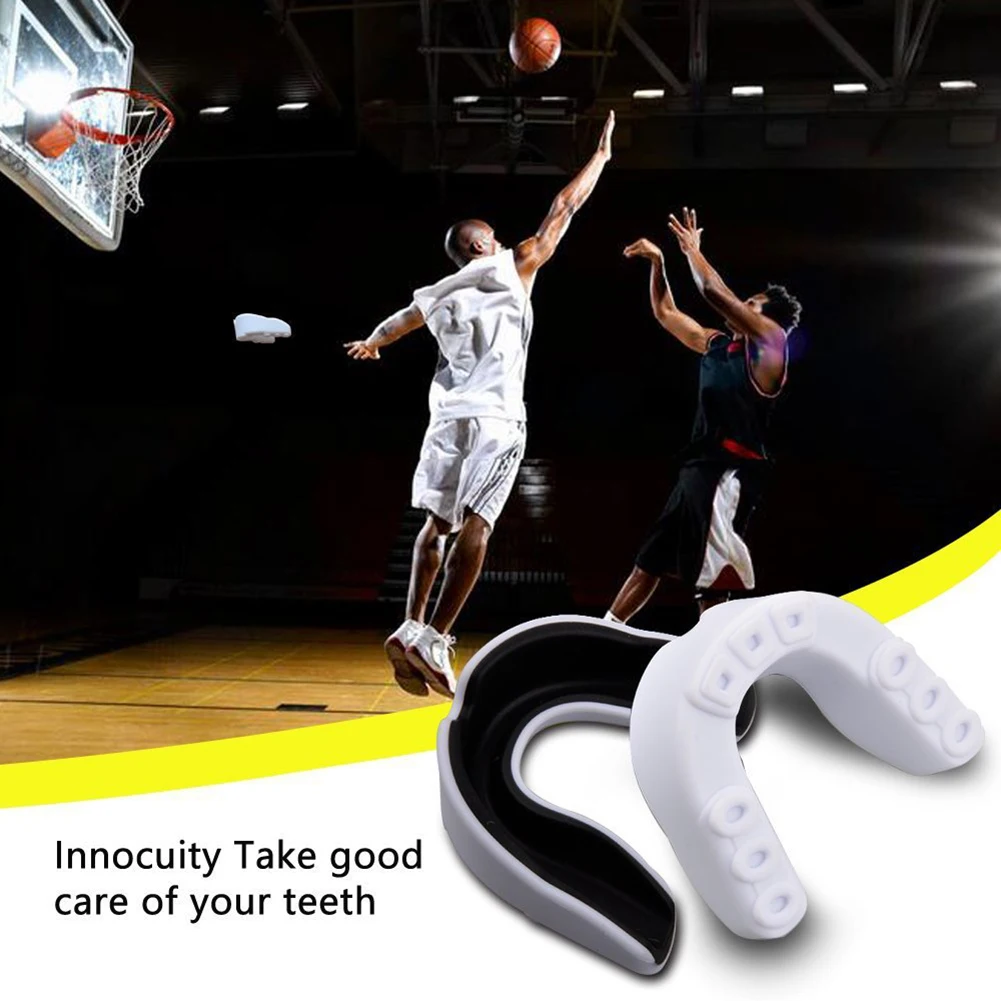
- Works across contact sports — boxing, MMA, rugby, hockey, BJJ, and Muay Thai all present the same dental risk profile.
- Cheap enough to replace on schedule — a compressed, chewed-through guard has lost its shock absorption, and a multipack removes the excuse not to swap it.
How to Use
Bring water to a boil, then take it off the heat and let it stand about 30 seconds. Submerge the guard for 30–60 seconds until pliable (check the packaging — over-boiling ruins the material), lift it out, cool it in your fingers for a second or two so it won’t burn you, then seat it firmly against your upper teeth. Bite down evenly, suck inward hard, and press your tongue and cheeks against it for 20–30 seconds. Drop it in cold water to set. If the fit is poor, most guards allow one or two re-boils. Safety: never place a hot guard straight into your mouth from boiling water. Do not wear a mouthguard with fixed braces unless it is a brace-specific type. Replace it once it is visibly bitten through, thinned, or no longer suctions to your teeth — a compressed guard gives false confidence.
Specifications
| Type | Boil-and-bite thermoplastic mouthguard |
|---|---|
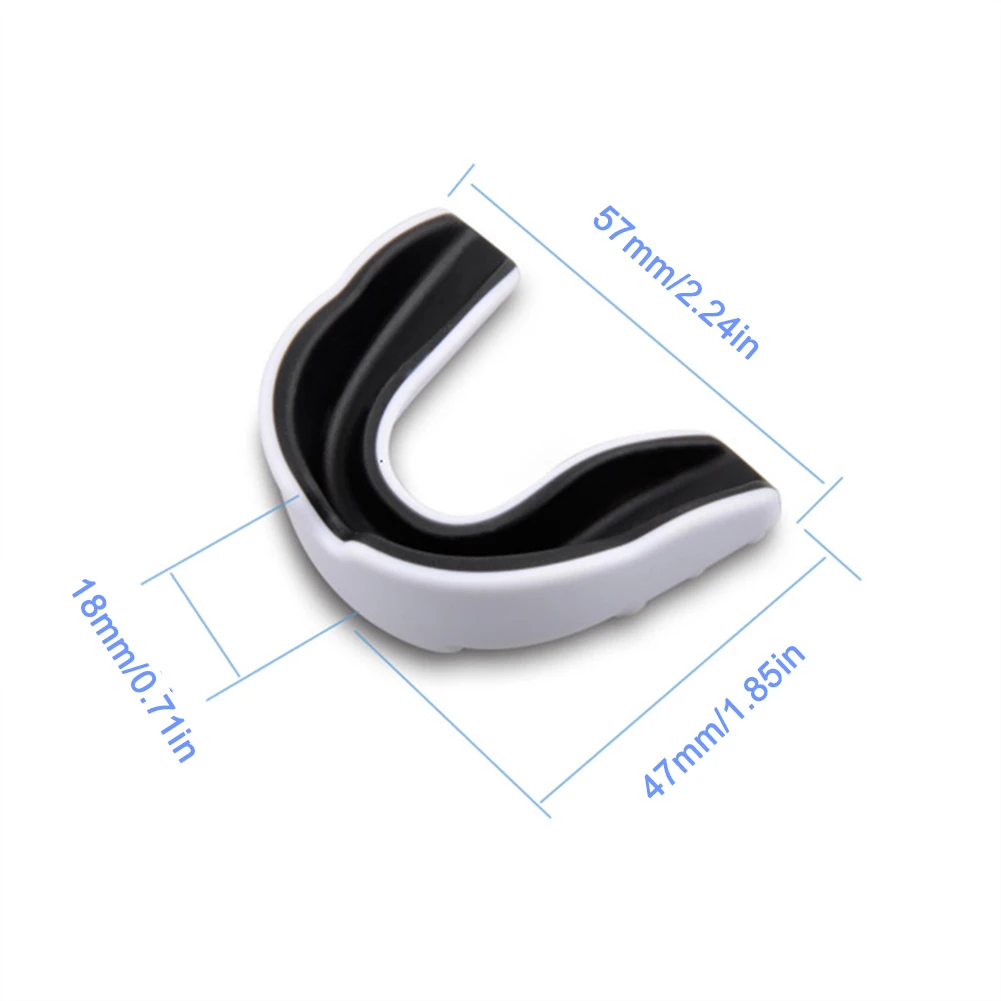
| Fit | Slim / low-profile, upper arch |
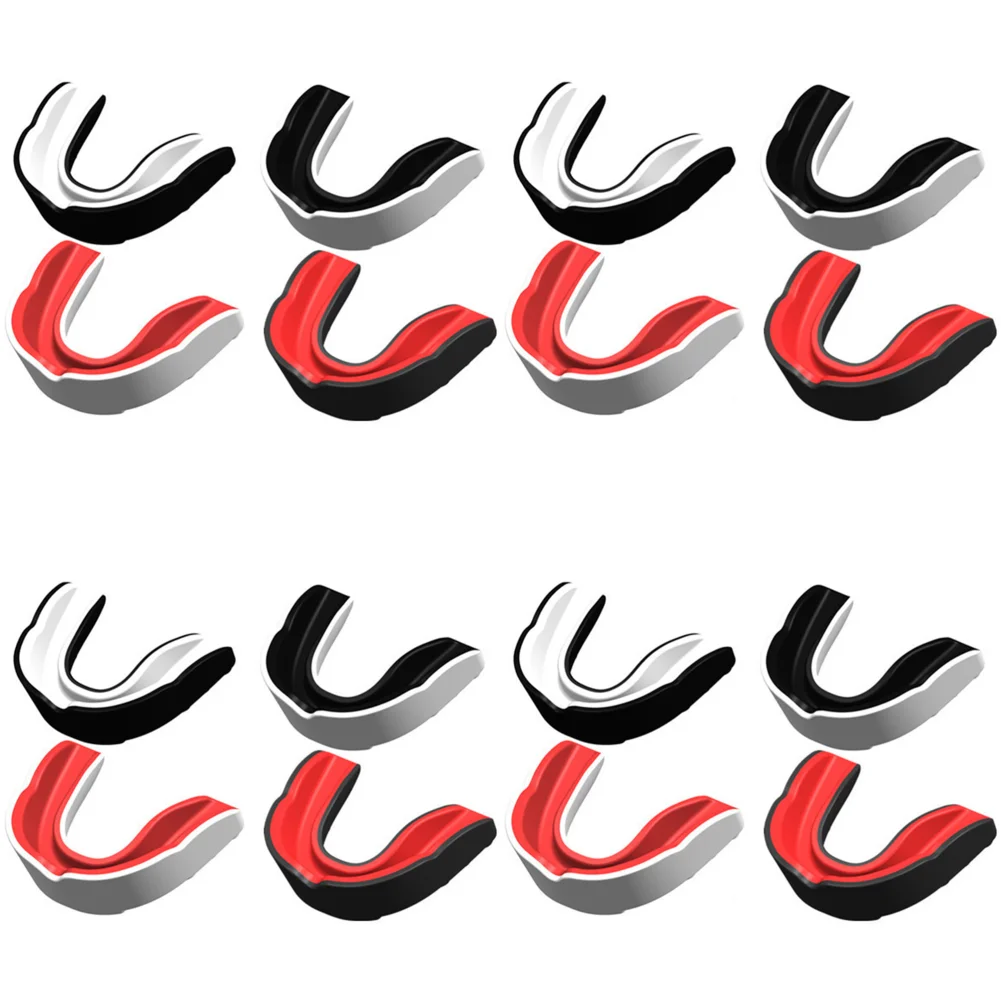
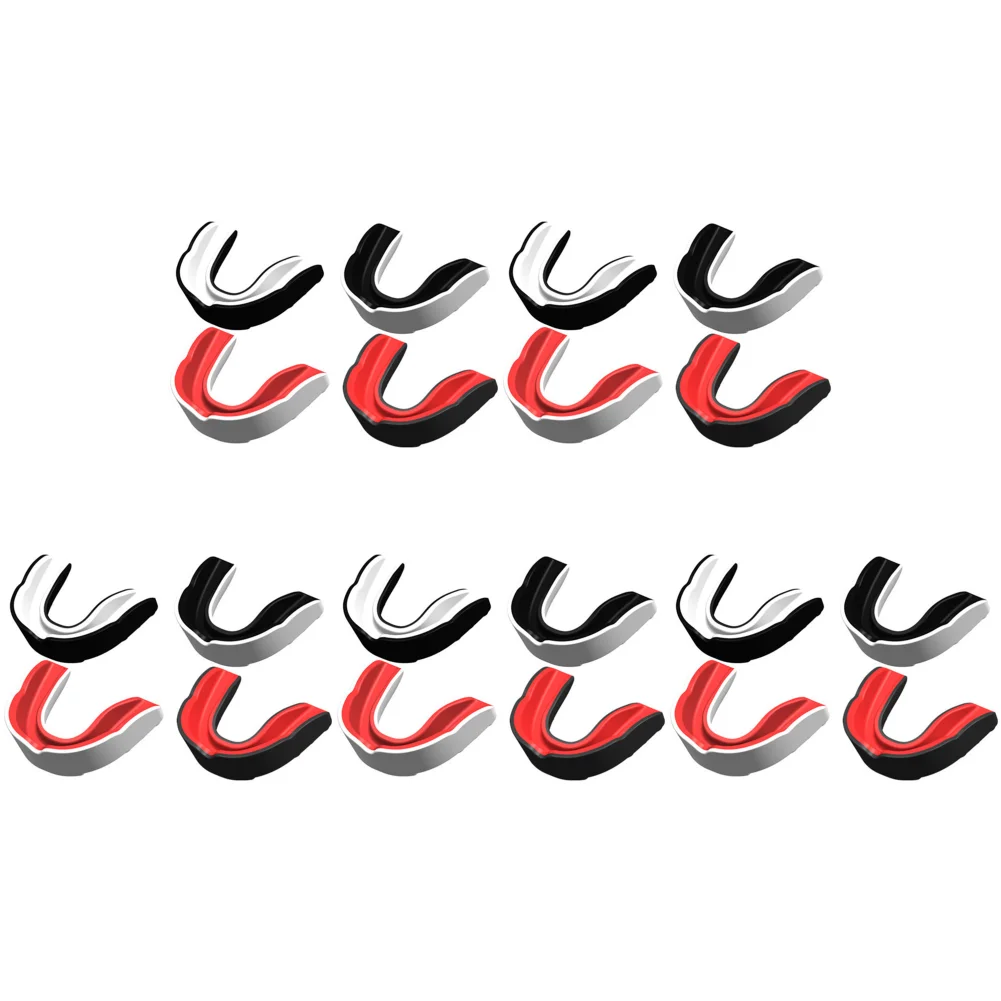
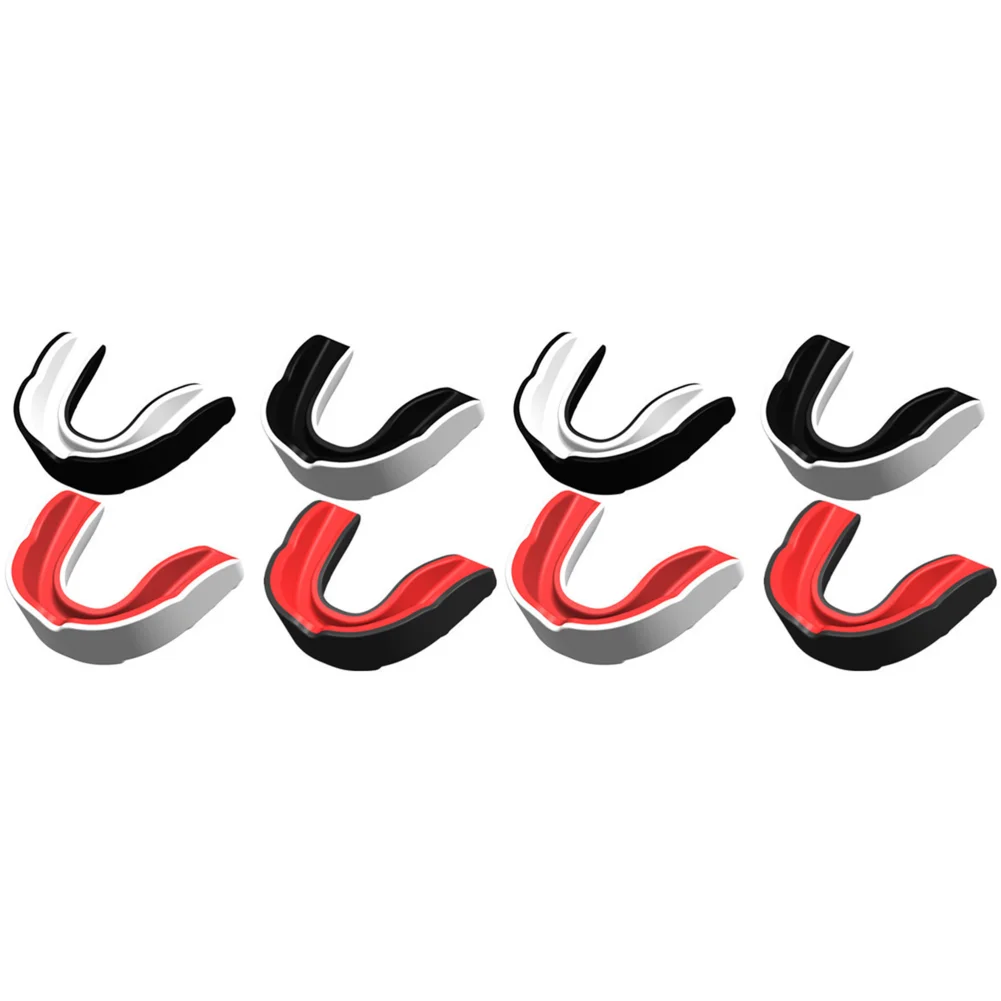
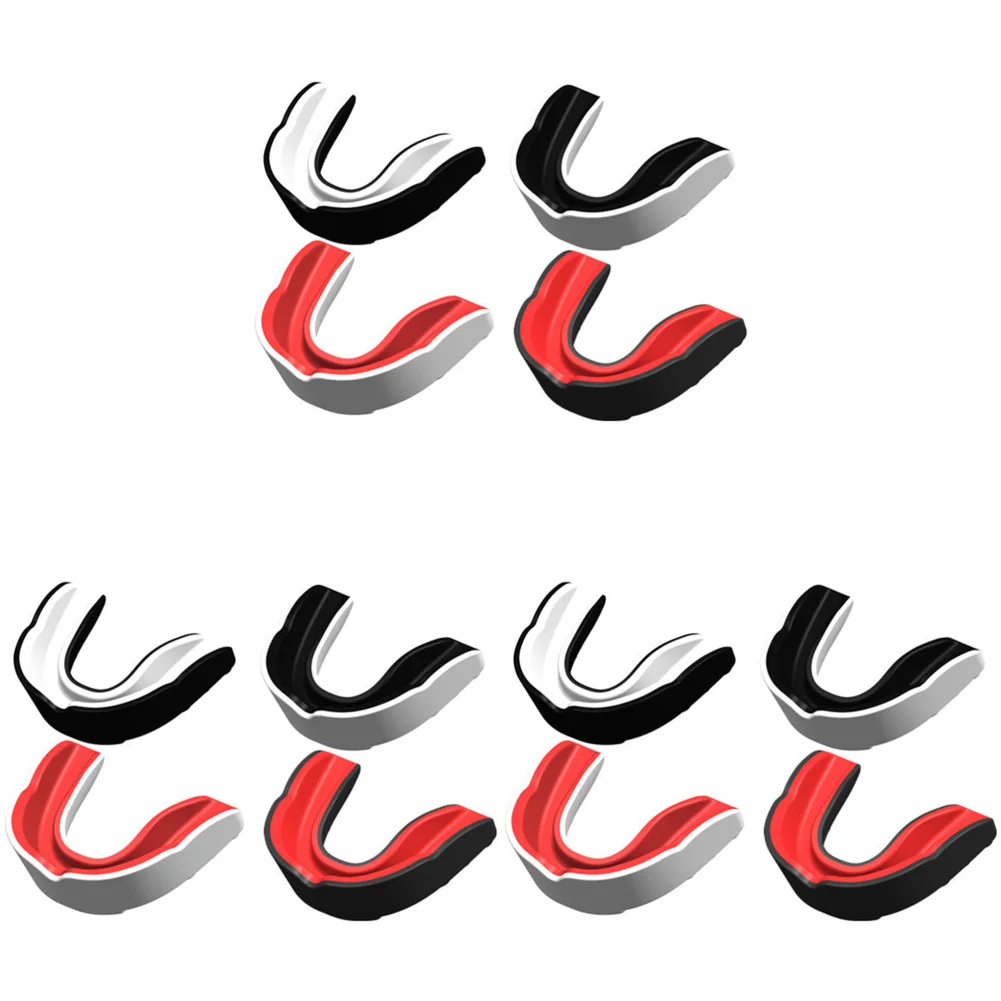
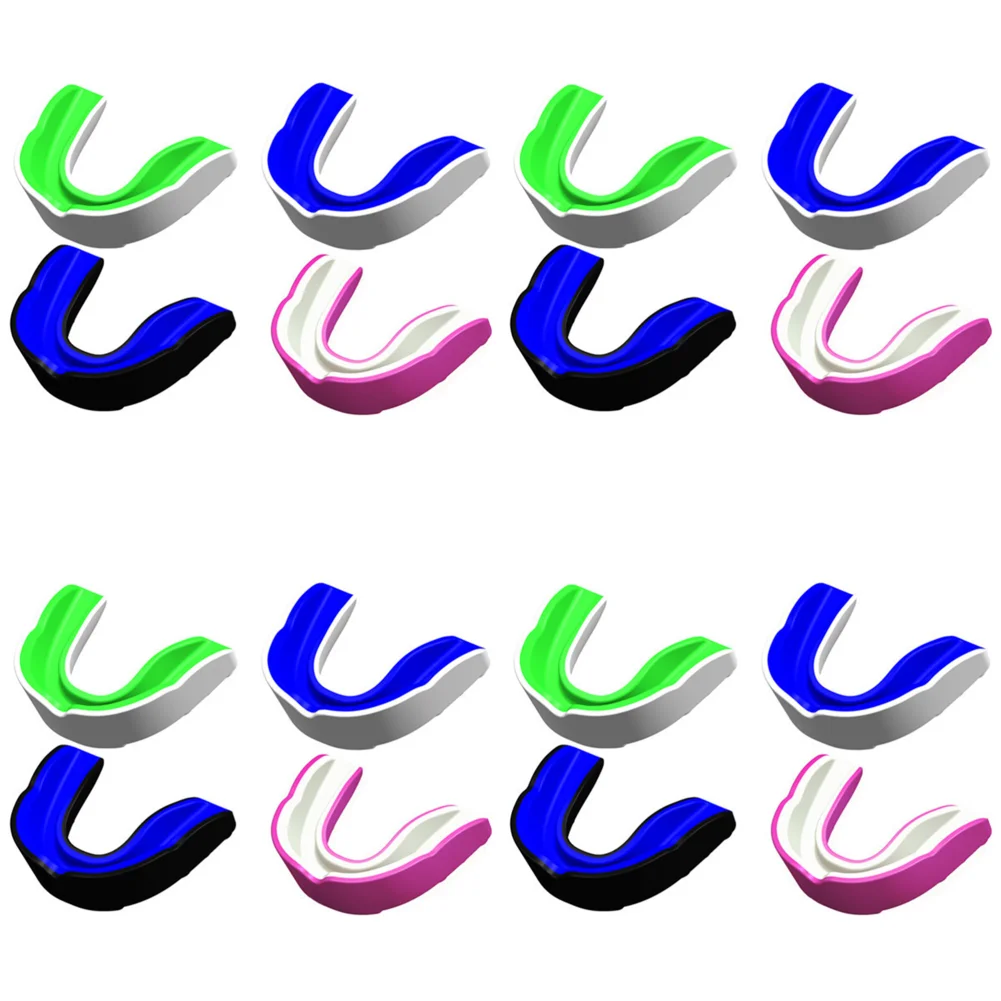
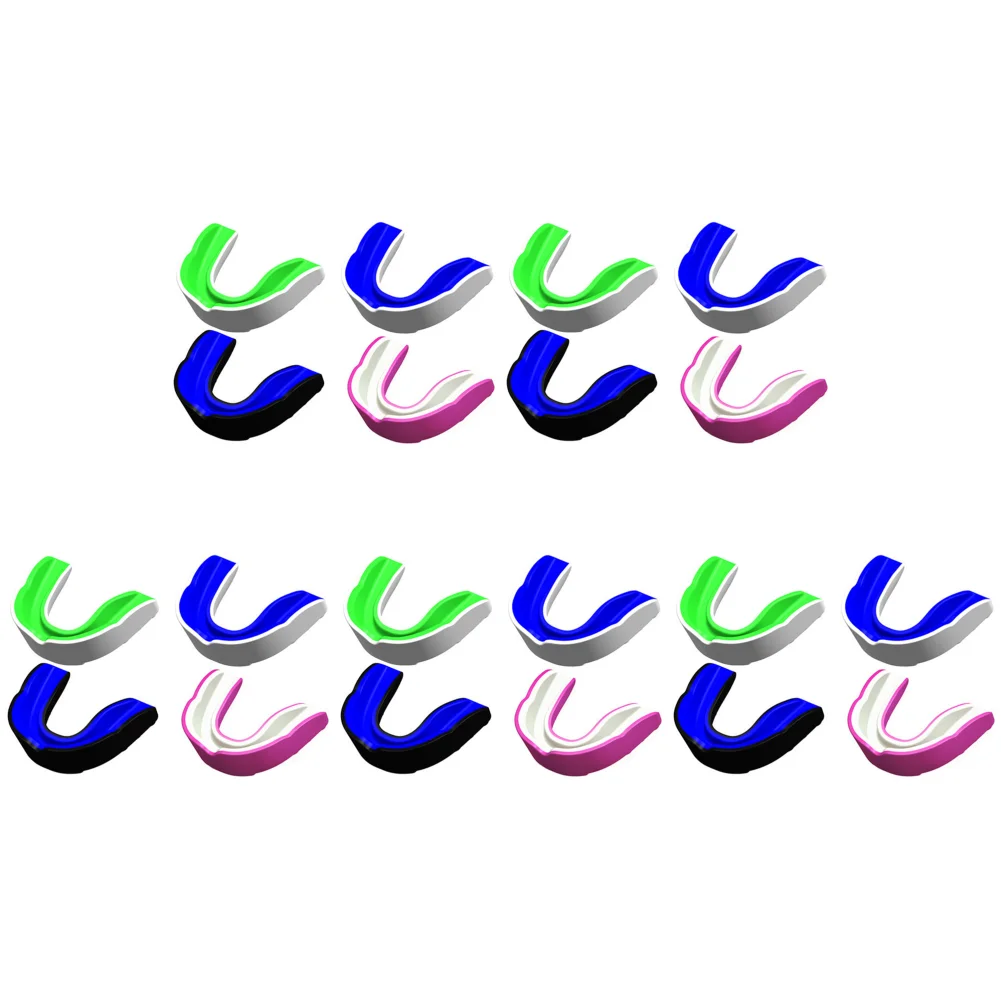
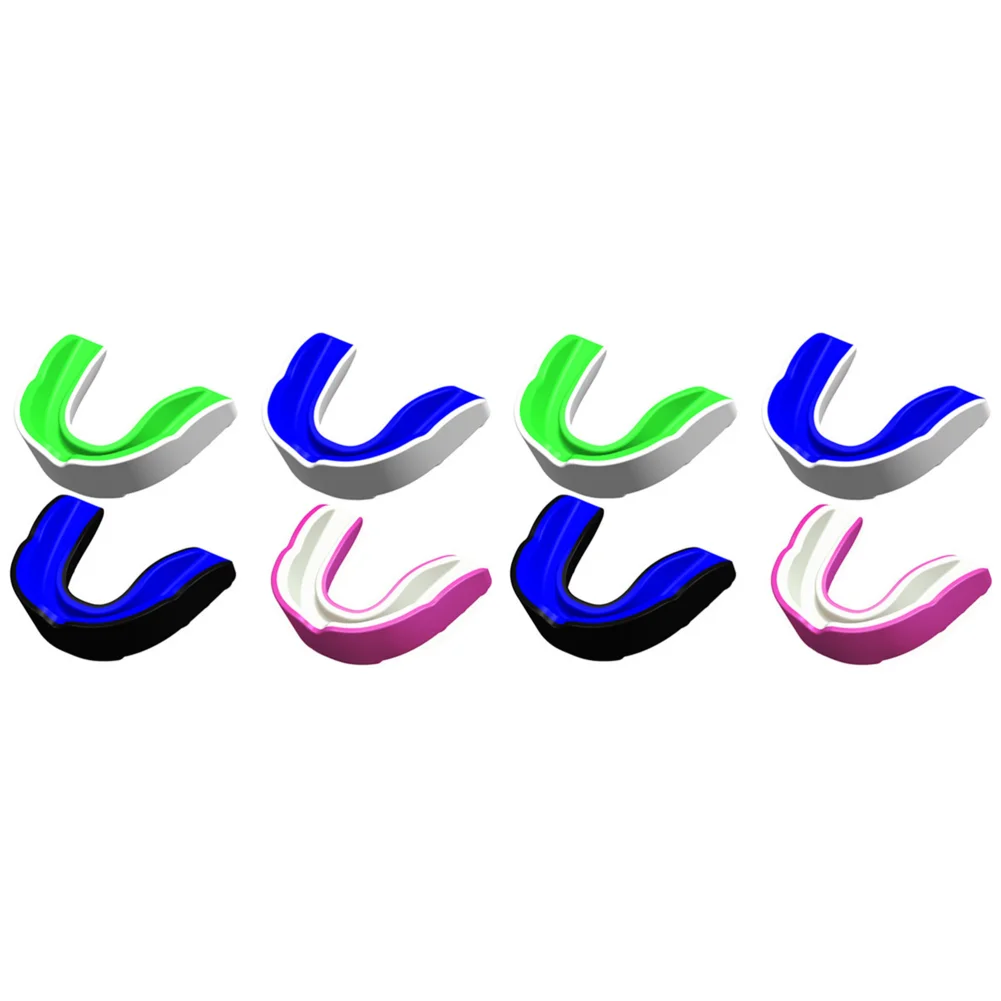
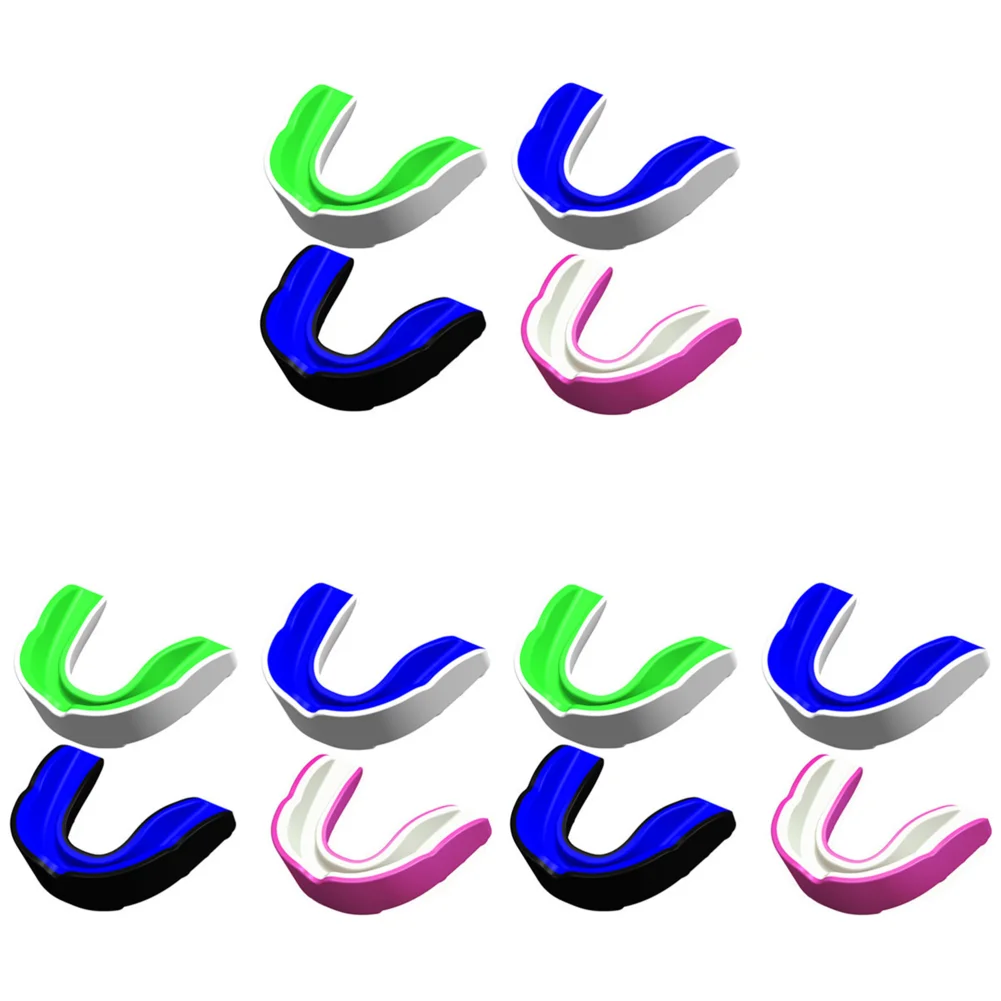
| Pack size | Multipack — 4–20 pieces, variant dependent |
| Sports | Boxing, MMA, rugby, hockey, BJJ, Muay Thai |
| Moulding | Hot water, re-mouldable (typically 1–2 attempts) |
| Case included | Variant dependent |
| Braces | Not suitable for fixed braces |
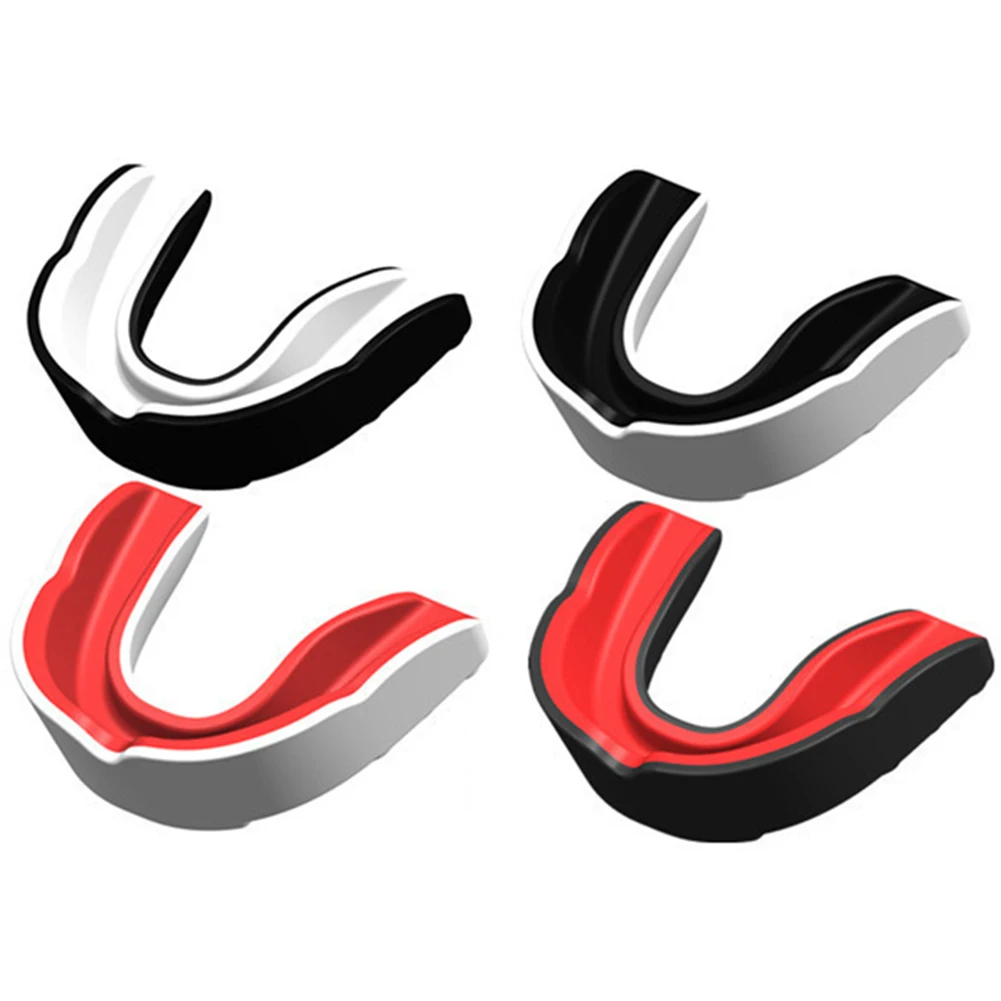
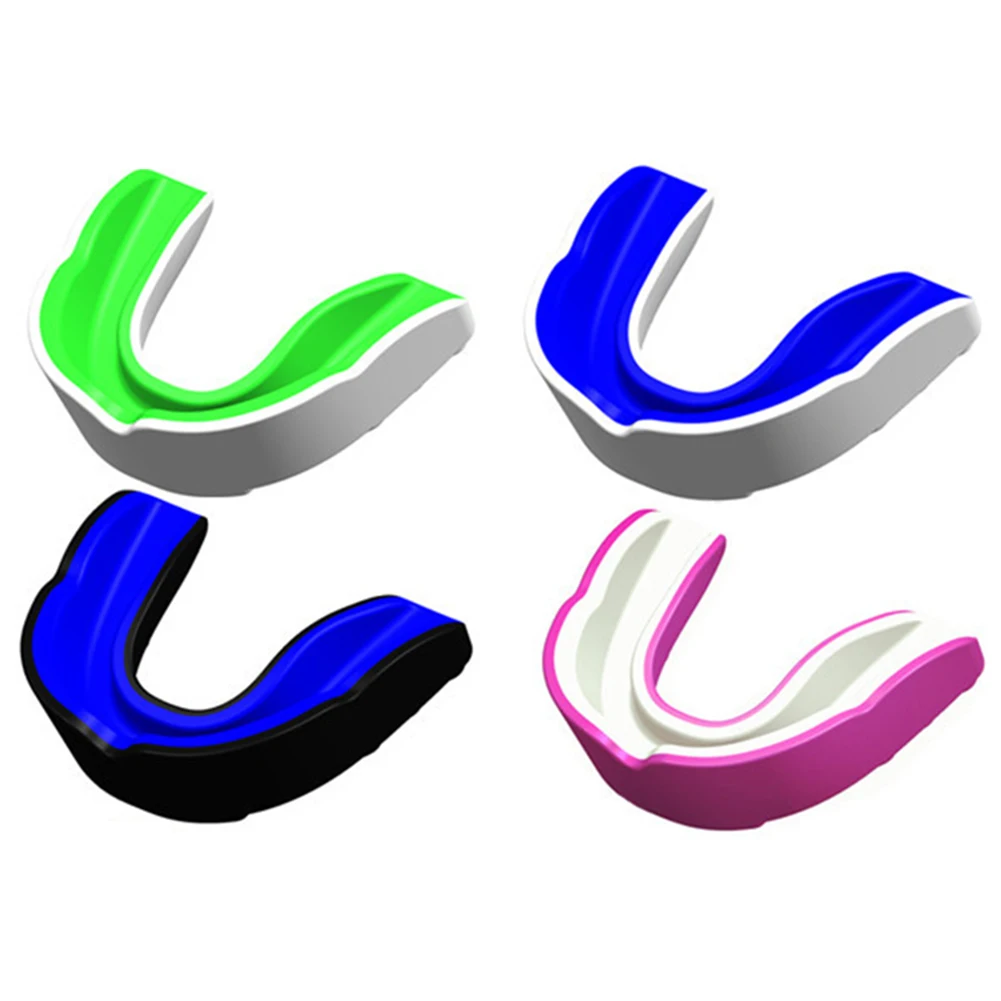
| Colour | Variant dependent |
Care & Maintenance
Rinse in cold water before and after every session and let it air-dry fully — a guard stored damp in a sealed case grows bacteria fast. Brush it occasionally with a soft brush and mild soap, not toothpaste, whose abrasives scratch the surface. Never leave it in a hot car, on a radiator, or in a dishwasher; heat will deform the mould you worked to create. Store in a ventilated case and replace it at the first sign of tearing, thinning, or a loose fit.
What’s in the Box
Multiple boil-and-bite mouthguards (quantity variant dependent). Storage case inclusion varies by variant.
Reviews
There are no reviews yet.