Heat Does the Heavy Lifting Here — And That Is Fine
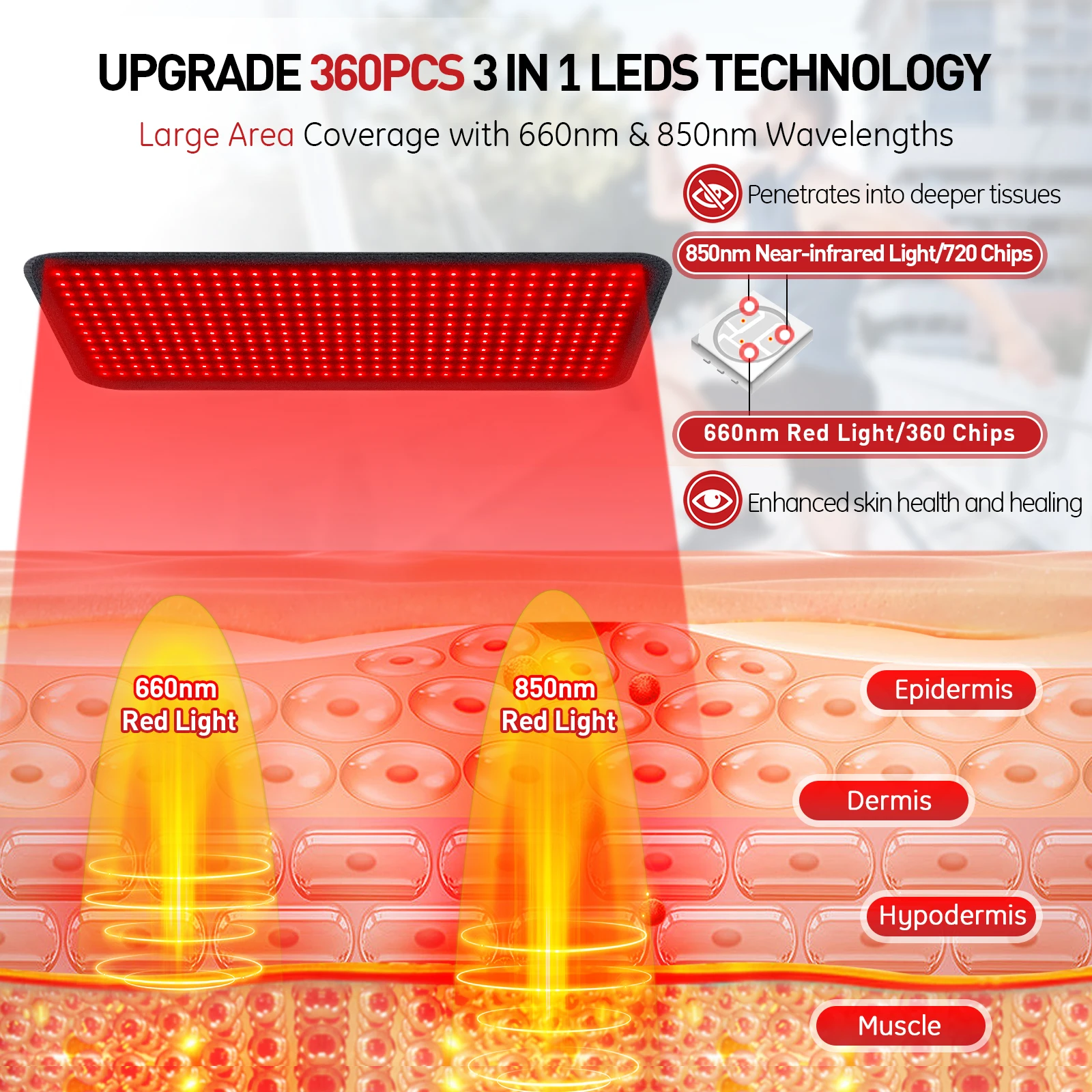
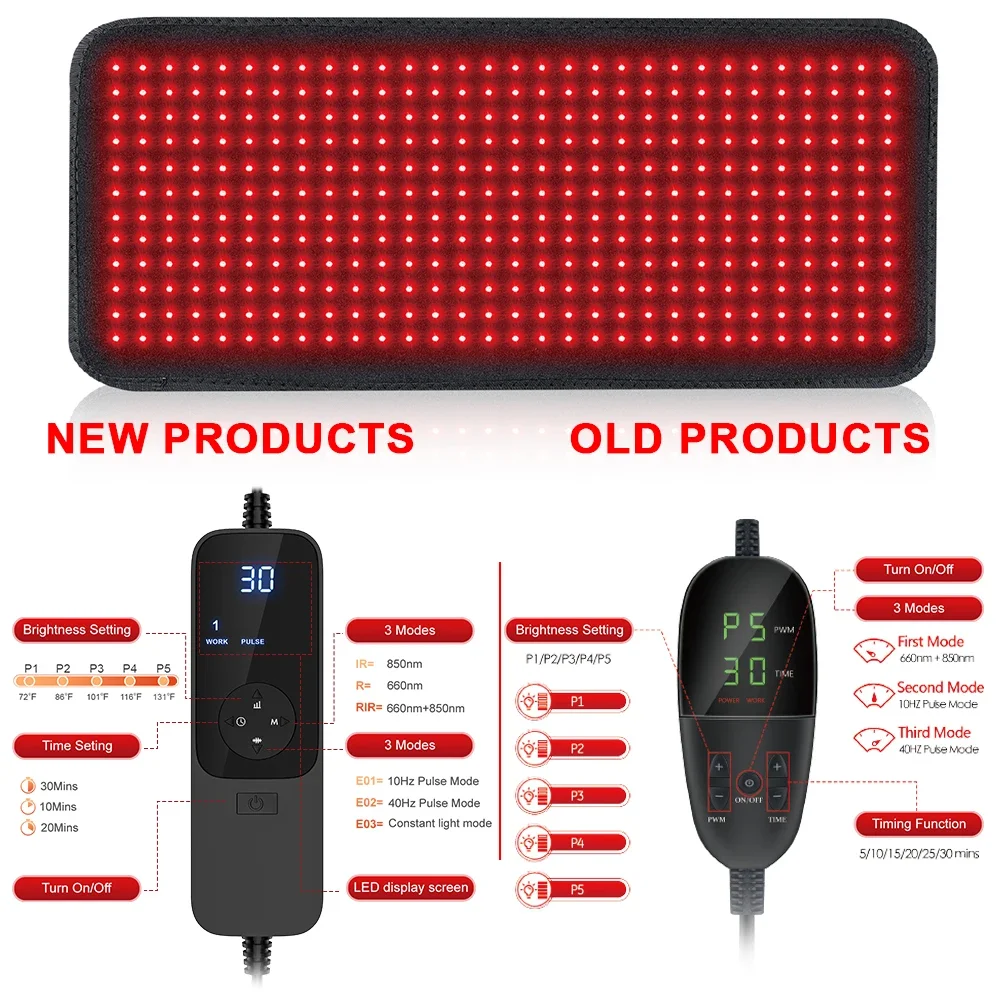
Applied heat has a straightforward and well-established mechanism. Raising the temperature of tissue by a few degrees dilates local blood vessels, increases blood flow to the area, and makes collagen more extensible — which is why a warm muscle stretches further and why heat before mobility work is standard practice in physiotherapy. Heat also modulates pain directly: warmth-sensitive receptors compete with pain signals at the spinal cord, and heat reduces the reflexive muscle guarding that keeps a stiff back stiff. The red and near-infrared LEDs add photobiomodulation, and that mechanism is real, but light attenuates quickly through fabric and skin. Buy this for what the heat does. Treat the light as a bonus.
Key Benefits
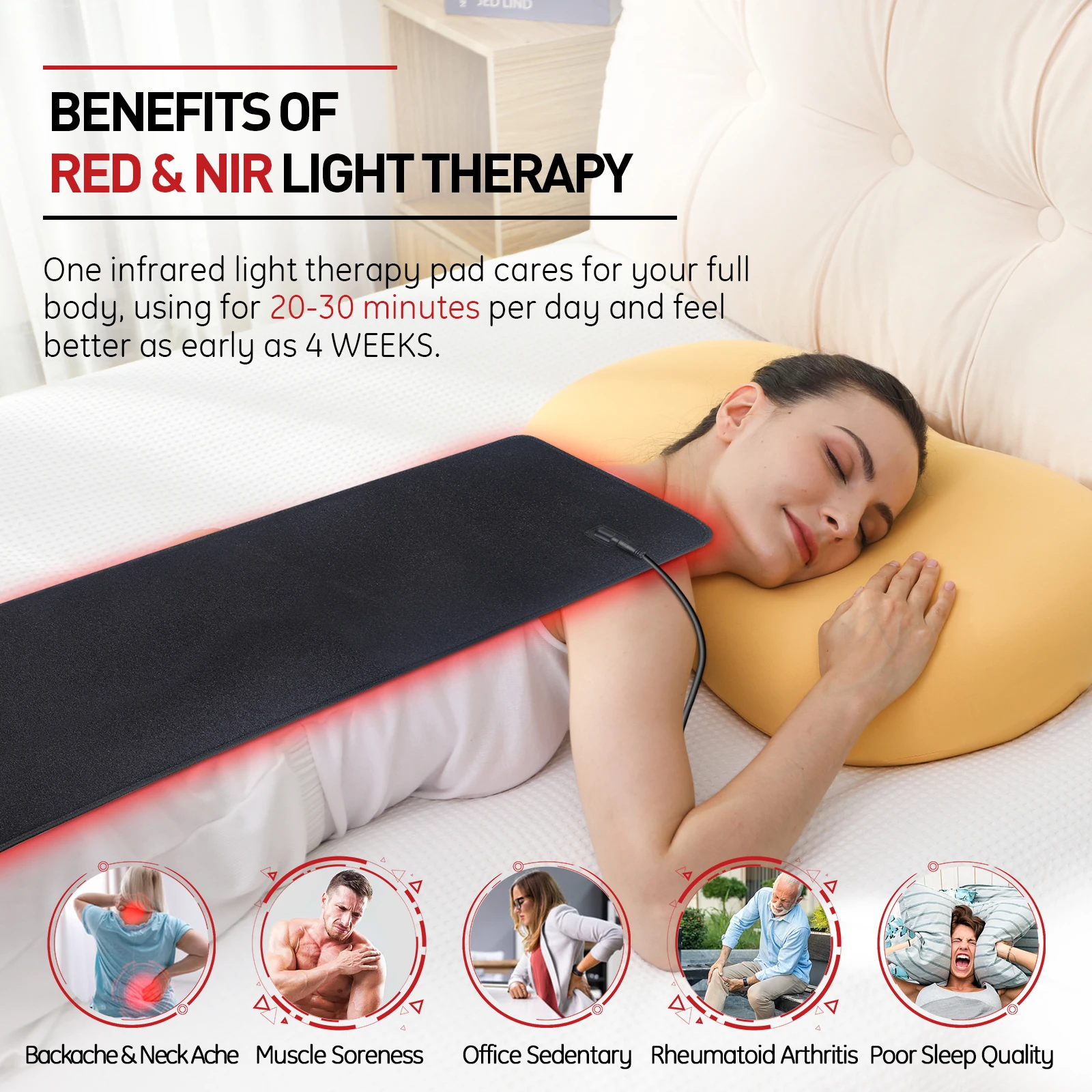
- Heat is the proven component. Superficial heat has consistent evidence for reducing chronic low-back pain and muscular stiffness, and it works within minutes rather than weeks.
- Breaks the pain-guarding loop. A tight back stays tight because muscles splint protectively around discomfort. Heat lowers that reflex tone, which is why stretching after heat feels so much more productive.
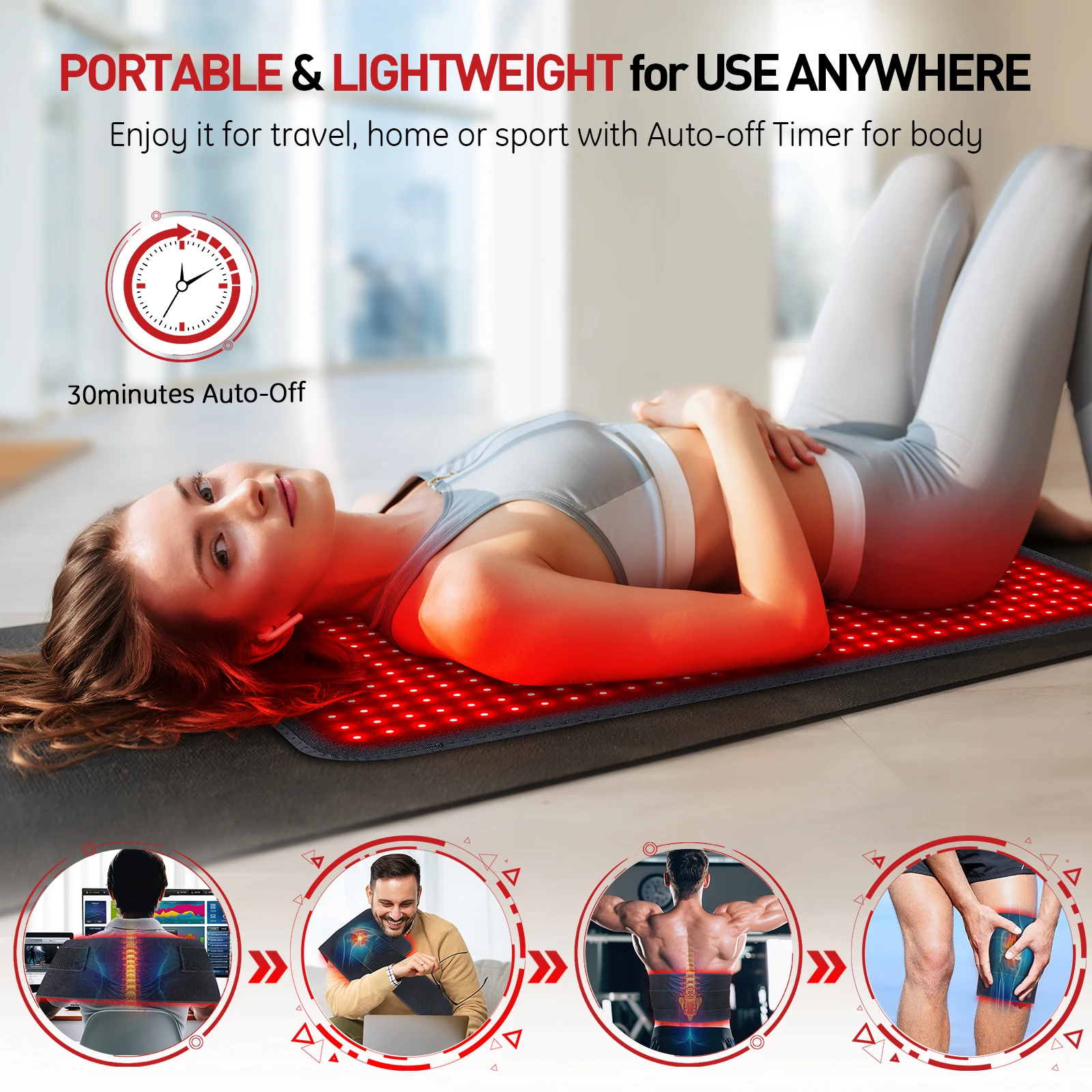
- Shaped for the awkward places. The wrap format holds contact against the lumbar curve, waist and shoulder — the regions a flat pad slides off.
- Red and near-infrared LEDs included. Some added photobiomodulation at the skin surface. Honest caveat: through fabric and clothing, the dose reaching muscle is small, so we do not claim it is doing the work.
- Excellent before mobility work. Fifteen minutes of heat, then stretch. Warmed connective tissue tolerates a longer, more useful stretch than cold tissue does.
- What it is not. It does not heal injuries, reduce fat or treat disc pathology. It manages symptoms and improves comfort — which for chronic stiffness is a legitimate and worthwhile goal.
How to Use
Wrap the pad snugly against the target area with a thin layer of clothing between it and bare skin if you are using a higher setting. Fifteen to twenty minutes is the useful window; beyond about 20 minutes the tissue temperature has plateaued and you are only adding burn risk. Follow it immediately with gentle mobility work — that pairing is where the value is. Safety here is not boilerplate. Do not use heat within 48 hours of an acute injury, sprain or new swelling: heat increases blood flow to a region that is already inflamed and will make it worse. Use cold in that window instead. Never fall asleep with a heating pad on — low-temperature burns develop slowly at temperatures that feel merely warm. Do not use it on numb, broken, irritated or recently scarred skin. Anyone with diabetes, peripheral neuropathy, poor circulation or reduced sensation should get medical advice first, because the sensation of pain is the safety mechanism that heating pads rely on. Avoid use on the pregnant abdomen, and stop if the skin becomes mottled, red or blotchy.
Specifications
| Therapy type | Infrared heat with red-light LEDs |
|---|---|
| Target areas | Lower back, waist, shoulder, abdomen |
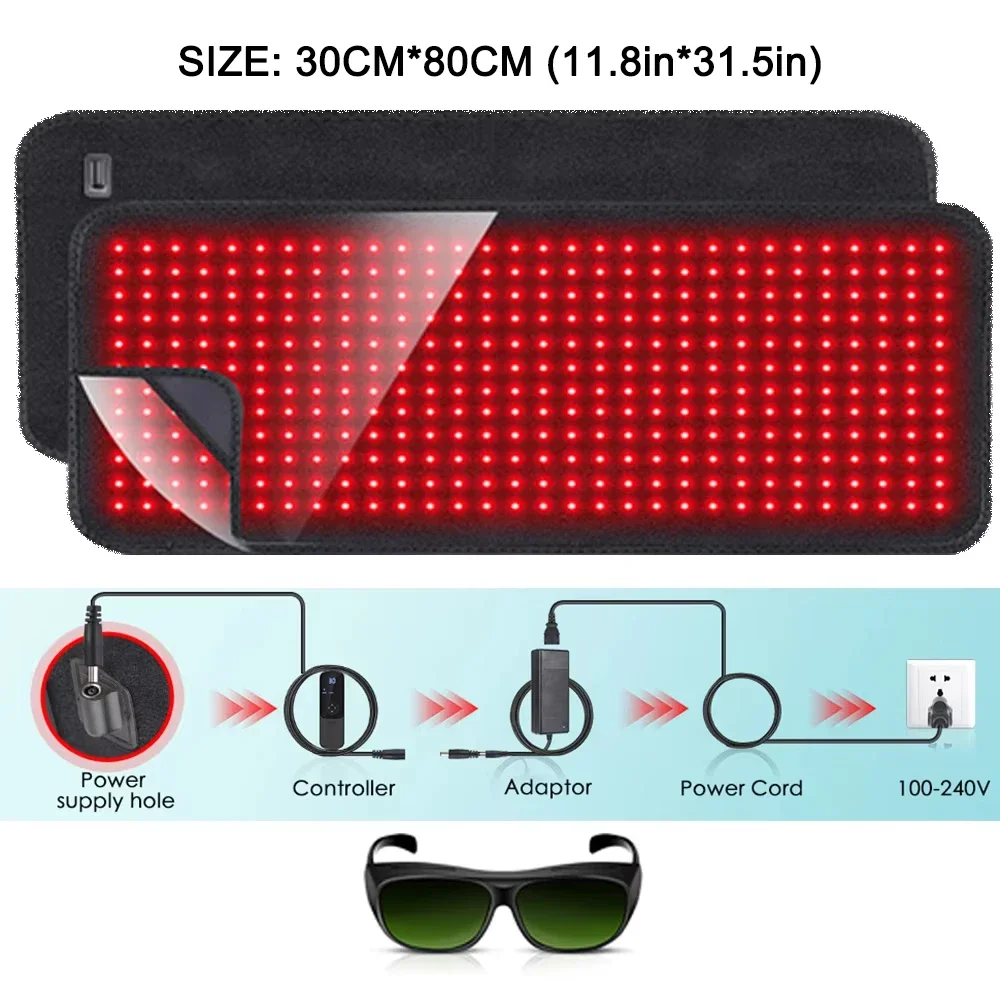
| Format | Flexible wrap-around cushion pad |
| Heat settings | Multiple selectable levels |
| Session length | 15–20 minutes recommended |
| Auto shut-off | Recommended — confirm on selected variant |
| Power | Mains or USB depending on variant |
| Wavelengths and pad size | Variant dependent — see selected option |
Care & Maintenance
Unplug and let the pad cool fully before cleaning or folding. Wipe the surface with a barely damp cloth; do not machine wash, soak or submerge the pad unless a removable cover is supplied, in which case wash the cover only. Never fold the pad while it is hot or store it with sharp creases — repeated creasing fractures the internal heating element and creates hot spots. Store rolled or loosely folded in a dry place. Inspect the cable, plug and controller for damage or scorching before every use and stop using the pad immediately if you find any.
What's in the Box
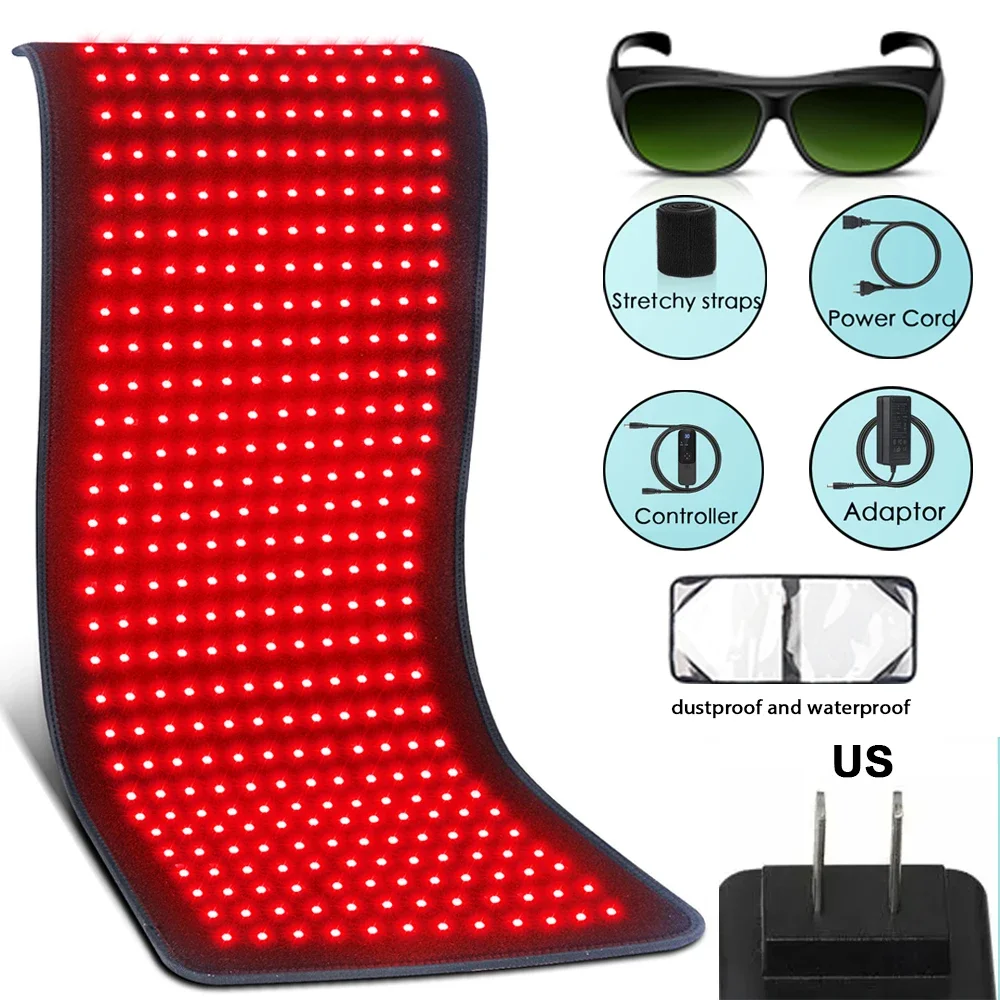
1 red light infrared heating pad with controller and power cable. Straps, remote and carry bag are variant dependent.
Reviews
There are no reviews yet.