
Cold Hands on a Bike Are a Wind Problem
When your core starts to cool, your body protects it by clamping down blood flow to the extremities. Fingers lose heat fastest anyway — they have a large surface area relative to their volume and very little muscle to generate warmth. On a bike this is made far worse by the airflow: at 25km/h you are sitting in a permanent 25km/h wind that strips the boundary layer of warm air off the glove continuously. That is why a thick but porous glove still leaves your hands numb, while a thinner windproof one does not. Blocking convective loss matters more than adding bulk — and less bulk means you can still feel the brake lever, which on a cold, wet road is not a minor detail.
Key Benefits
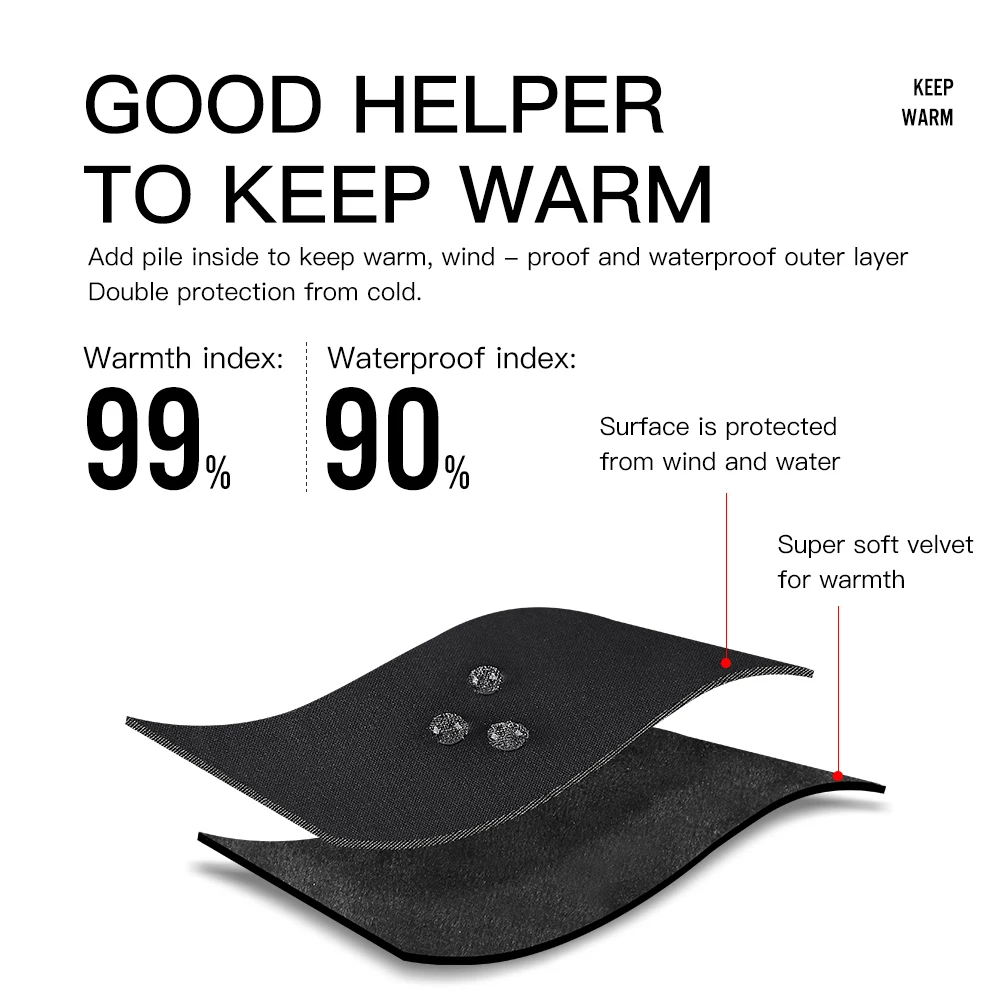
- Windproof outer, which is the part that actually keeps you warm. Stopping convective heat loss beats piling on insulation you cannot ride in.
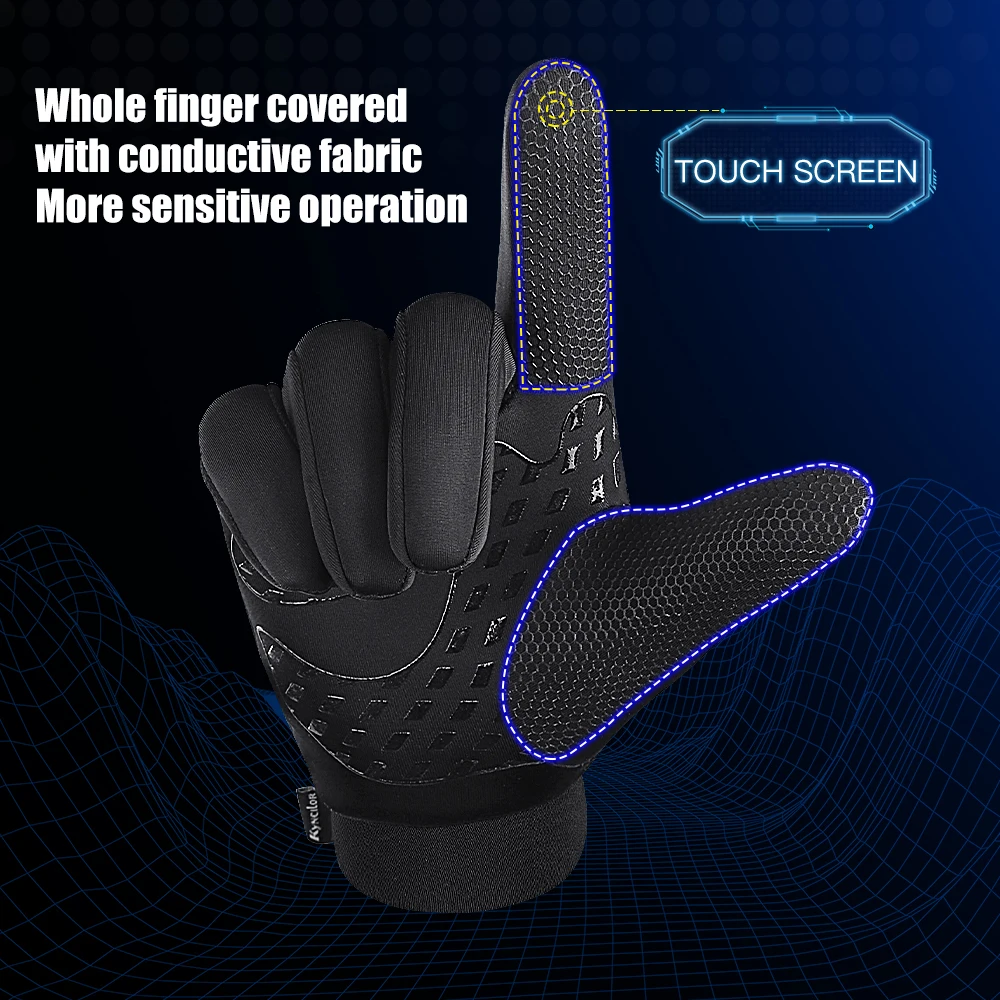
- Conductive touchscreen fingertips. Check a route or answer a call at a junction without peeling a glove off with your teeth and dropping it in a puddle.
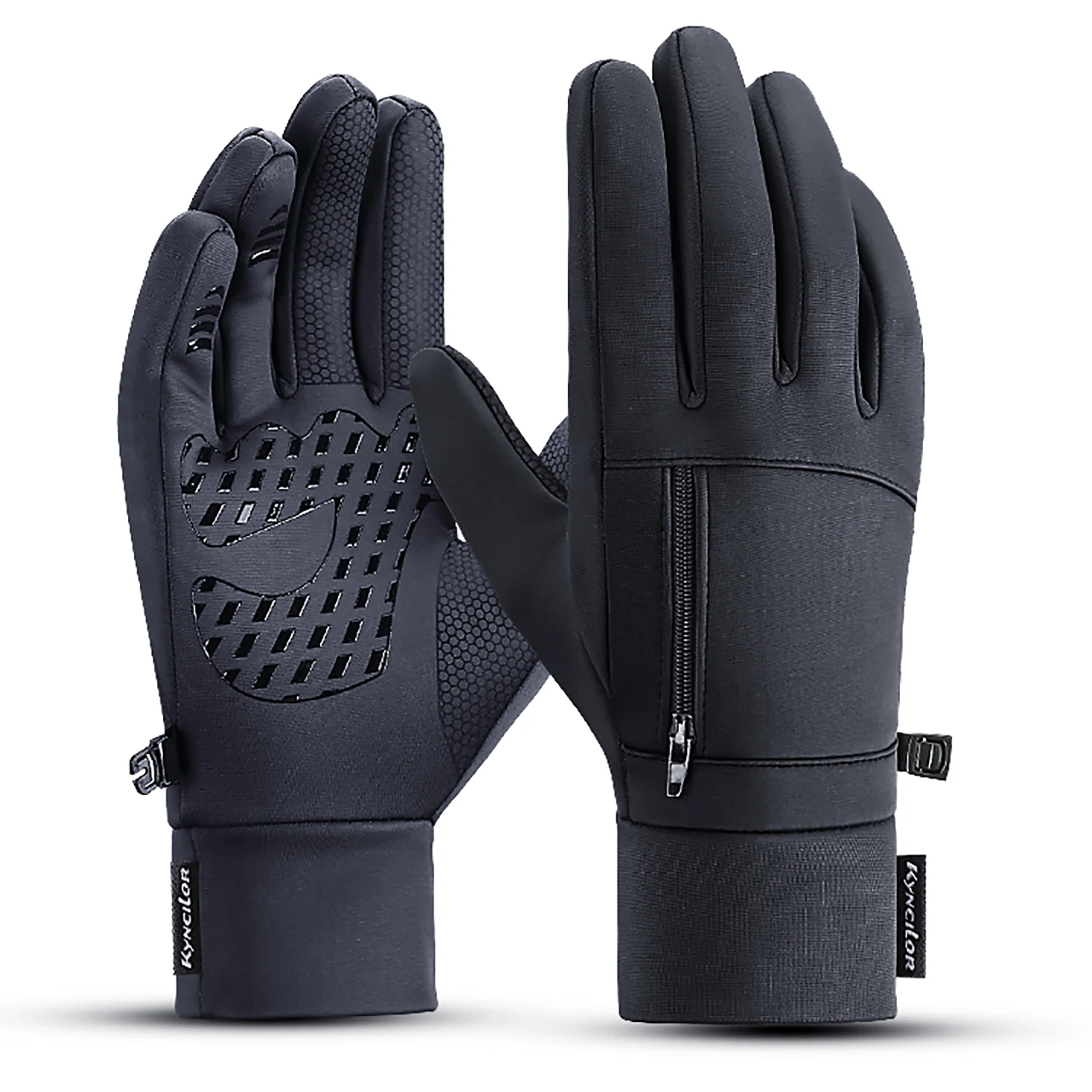
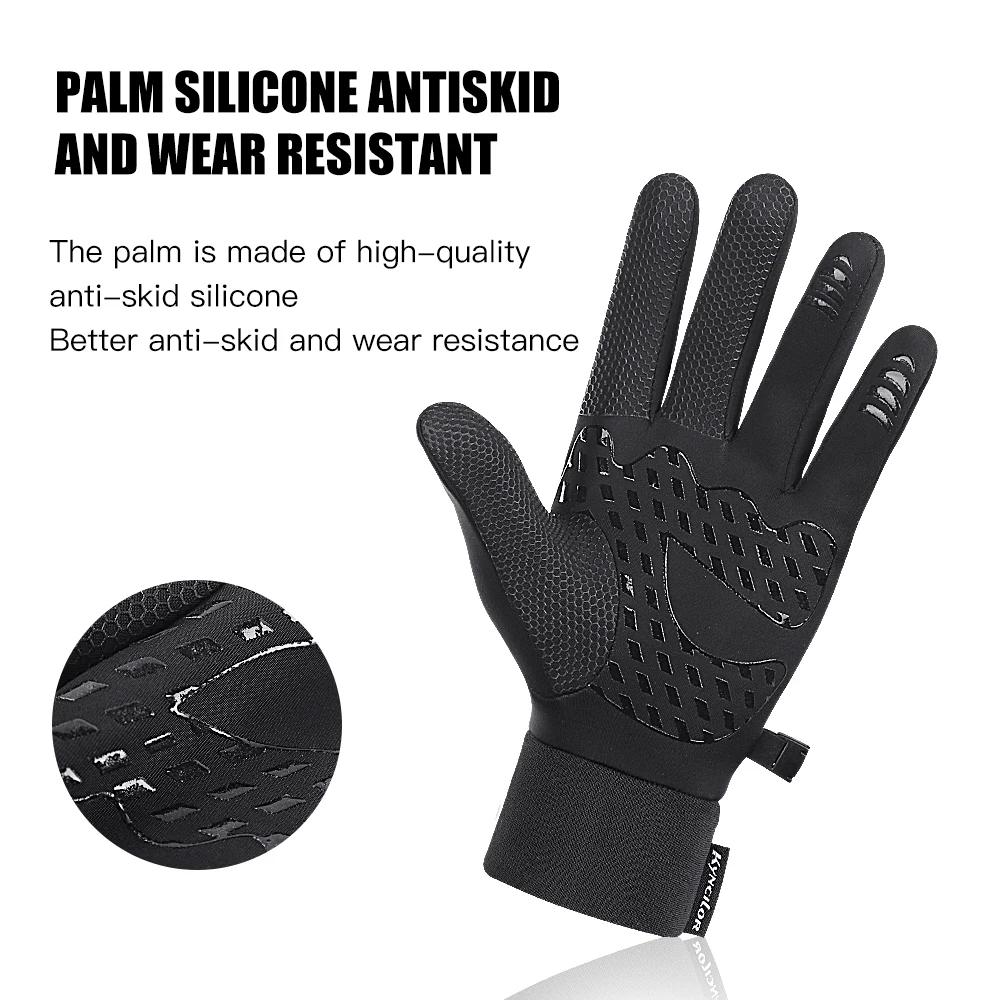
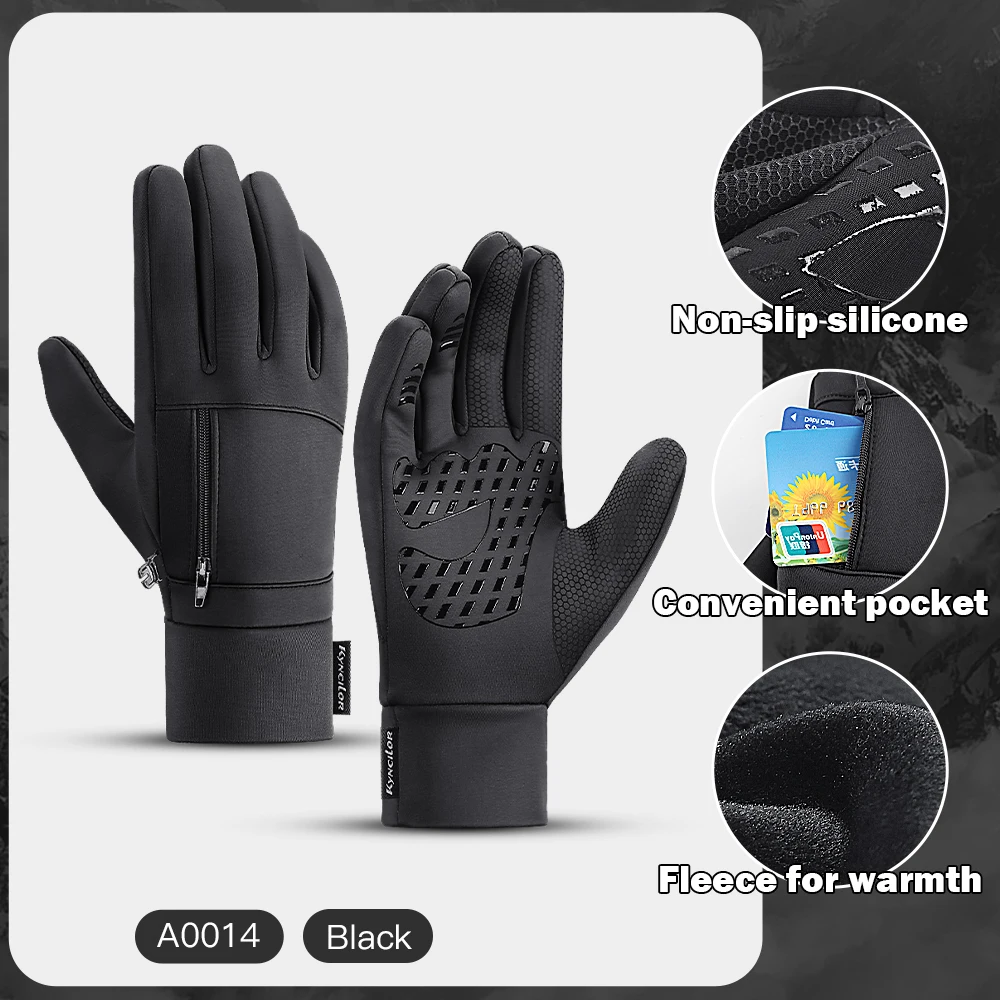
- Non-slip palm. Textured grip on the palm and fingers so wet bar tape and cold brake levers stay controllable.
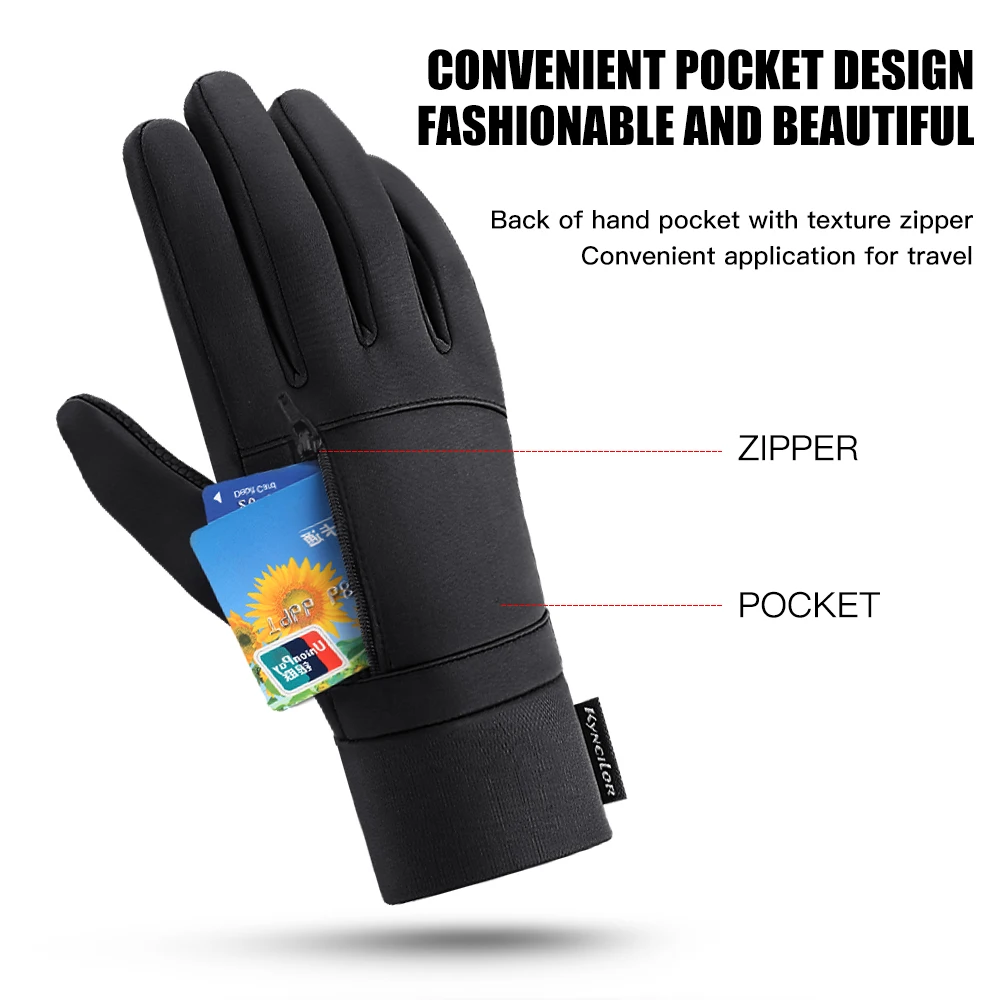
- Zip closure at the cuff. Cinches down over the wrist so the gap between glove and sleeve — the classic cold spot — is sealed.
- Water-resistant shell. Sheds road spray and light rain, which is most British riding, most of the time.
- Unisex sizing in M, L and XL. Fit matters more than most people expect: a glove that is too tight compresses the tissue and restricts circulation, making your hands colder, not warmer.
How to Use
Size up rather than down. A glove that squeezes the hand cuts circulation and defeats the whole purpose — you want a thin layer of still air trapped inside, not a tourniquet. Zip the cuff over the sleeve of your jacket, not under it, so water running down your arm sheds outside the glove. If your hands are cold before you set off, they will stay cold: warm them up indoors first, because a glove insulates, it does not generate heat. Honest note on ‘waterproof’: gloves at this price are water-resistant in practice. They will handle spray, slush and a shower comfortably. In sustained heavy rain, water will eventually work in through the seams and the cuff — that is true of nearly every glove that is thin enough to brake in, and anyone claiming otherwise is selling you something. Safety: before your first cold ride, check that you can operate your brake levers and gear shifters fully while wearing them.
Specifications
| Product type | Insulated winter cycling / sports gloves, 1 pair |
|---|---|
| Sizes | M, L, XL (unisex) |
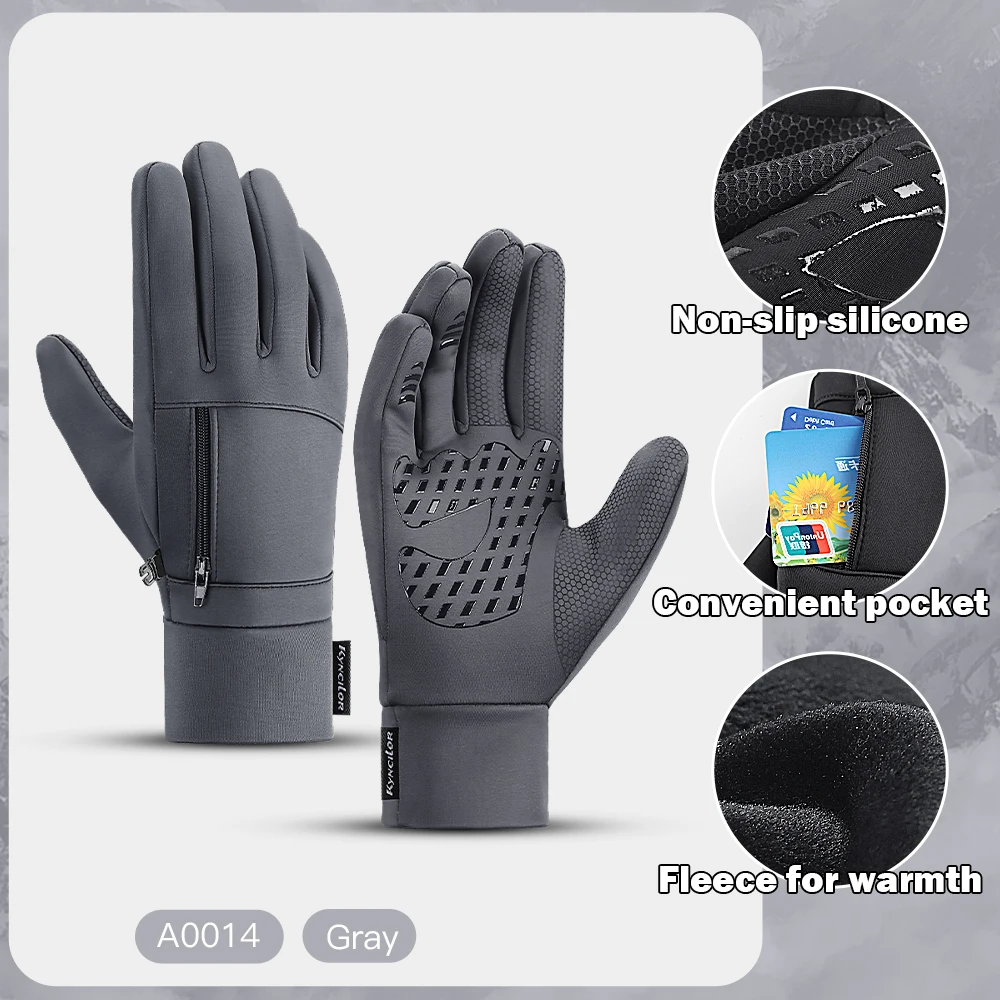
| Colours | Black, grey |
| Touchscreen | Conductive fingertips |
| Weather protection | Windproof and water-resistant shell |
| Palm | Textured non-slip grip |
| Closure | Zip cuff |
| Best for | Cycling, commuting, running, general cold-weather use |
Care & Maintenance
Hand wash in cool water with a mild detergent, and squeeze rather than wring — twisting damages the membrane and delaminates the palm grip. Air dry away from radiators, hot pipes and tumble dryers: heat is what destroys the adhesives and the windproof layer, and it is the single most common way people kill a pair of technical gloves. Do not iron or dry clean. Store them flat and dry rather than balled up damp in a bag.
What’s in the Box
1 pair of winter touchscreen cycling gloves in the size and colour selected.
Reviews
There are no reviews yet.