
Balance Is a Trainable Reflex, and a Slackline Trains It Faster Than Anything Else
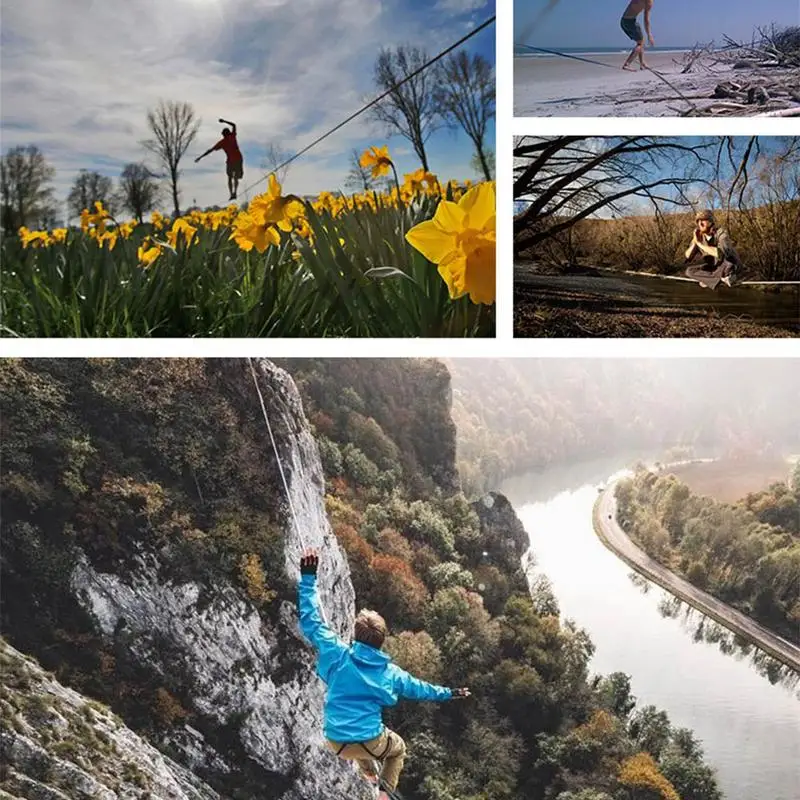
Standing on a webbing line that moves under you forces the ankle and hip stabilisers into rapid, continuous correction. Every wobble is a proprioceptive signal — mechanoreceptors in the joint capsule and muscle spindles firing — and the nervous system responds by tightening the feedback loop between sensing a deviation and correcting it. That loop speed is what people actually mean by ‘balance’, and it is highly trainable. It is also the same loop that fails when someone rolls an ankle on uneven ground. Slacklining trains it under conditions far more demanding than a wobble board, which is why fifteen minutes on a line leaves you noticeably more stable and slightly humbled.
Key Benefits
- Trains reactive stability, not static balance — the line moves, so you are practising the correction, which is the part that transfers to trail running, court sports and uneven ground.
- Ankle and foot musculature under constant load — the intrinsic foot muscles and peroneals work continuously, and these are exactly the structures neglected by shod, flat-ground training.
- Core engagement that is genuinely involuntary — no cueing required; you cannot stay on a line without a braced trunk, and the recruitment is reflexive rather than conscious.
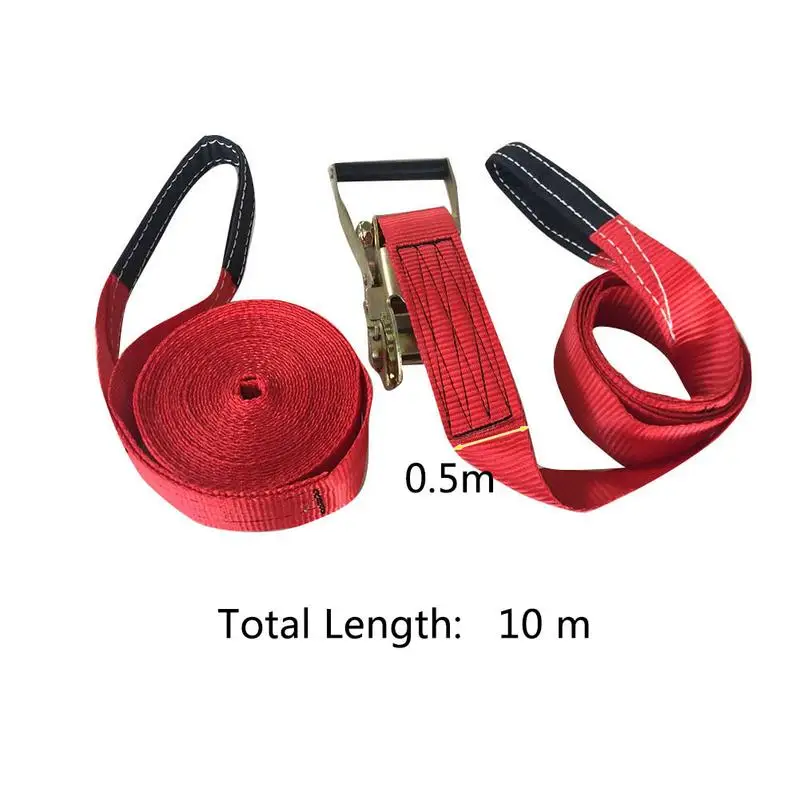
- Wear-resistant webbing — the failure point on cheap lines is abrasion at the anchor; heavier-duty webbing survives repeated rigging and the friction of tree bark and ratchet contact.
- Scales infinitely — shorten and tighten it for beginners, lengthen and loosen it as you improve. The same line stays useful for years.
- Sets up outdoors in minutes — a backyard, a park, two solid trees, and you have a training tool that also happens to be genuinely fun, which is why people actually use it.
How to Use
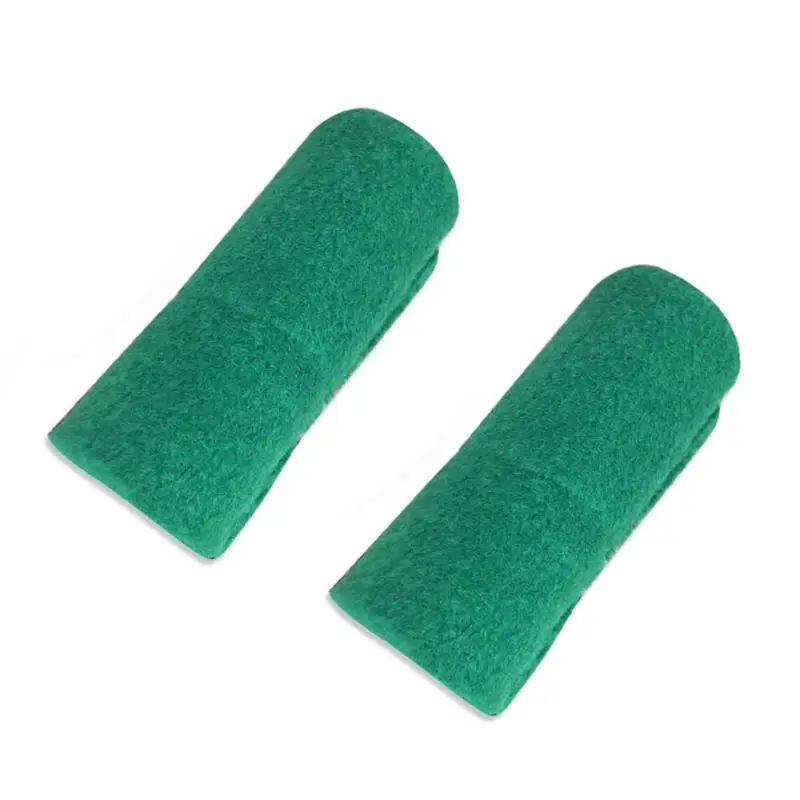
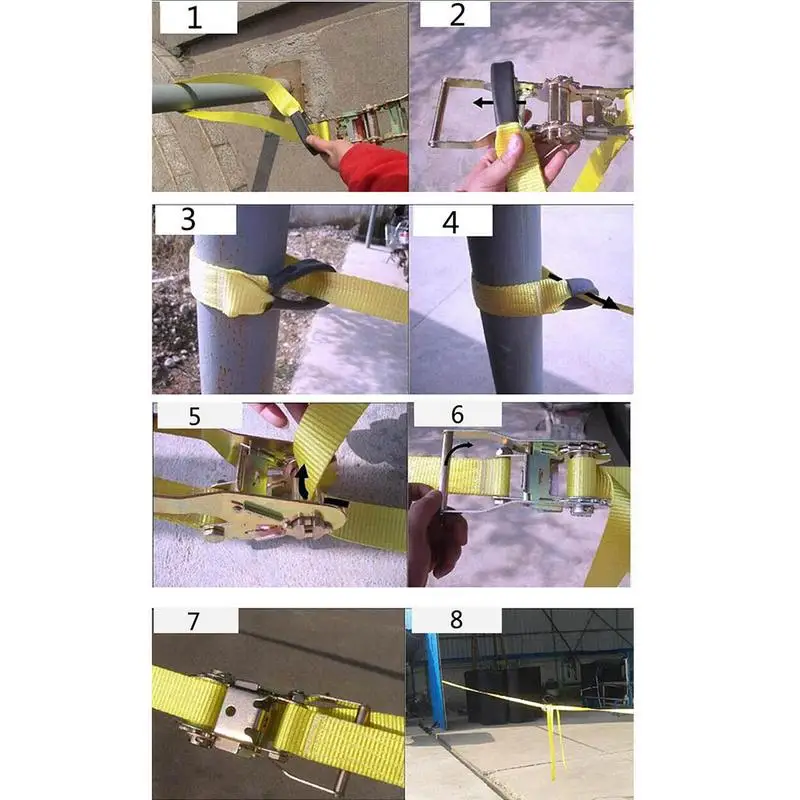
Rig between two structurally sound anchors and no others. Use mature, healthy, living trees of substantial trunk diameter — always with wide tree protectors, because bare webbing under tension will strip bark and can kill a tree — or a purpose-built, engineered slackline frame. Set the line low: knee height or below when you are learning, so a fall is a step down rather than a drop. Tension it until it holds your weight with moderate sag; too tight is unstable and too loose is unridable. Step on with one foot, look at a fixed point at the far end rather than at your feet, and let your arms move freely overhead. Expect to fall a lot; that is the training. Safety, and this matters: inspect the webbing, ratchet and anchors before every single use — check for nicks, fraying, cuts and deformation, and retire the line at the first sign of damage rather than the second. Never anchor to a fence, a post, a deck rail, a lamp post or a young tree; slacklines generate very large forces and can rip these out. Keep the ground under and around the line clear of rocks, roots and hard objects, do not walk the line over concrete, never let anyone stand in front of a loaded ratchet, and release tension slowly and deliberately. Children should be spotted, always.
Specifications
| Type | Slackline balance trainer (webbing and tensioning system) |
|---|---|
| Material | Wear-resistant webbing |
| Length | Variant dependent — check the listing |
| Tensioning | Ratchet system |
| Anchor requirement | Two structurally sound anchors (mature trees or an engineered frame) |
| Recommended rig height | Knee height or lower for beginners |
| Skill level | Beginner to advanced (adjustable by length and tension) |
| Environment | Outdoor / backyard |
Care & Maintenance
Keep the webbing dry — store it damp and it will mildew, which weakens the fibres. If it gets wet, hang it to dry fully before packing. Rinse off grit and sand, which acts as an abrasive inside the weave and against the ratchet. Keep the ratchet mechanism clean and lightly lubricated so it releases smoothly under load, because a jammed ratchet holding tension is a genuinely dangerous object. Store out of direct sunlight; prolonged UV exposure degrades the webbing’s tensile strength invisibly, and a UV-damaged line can look fine and still fail. Retire any line with cuts, deep abrasion, melted patches or a damaged ratchet — no repair is worth the risk.
What’s in the Box
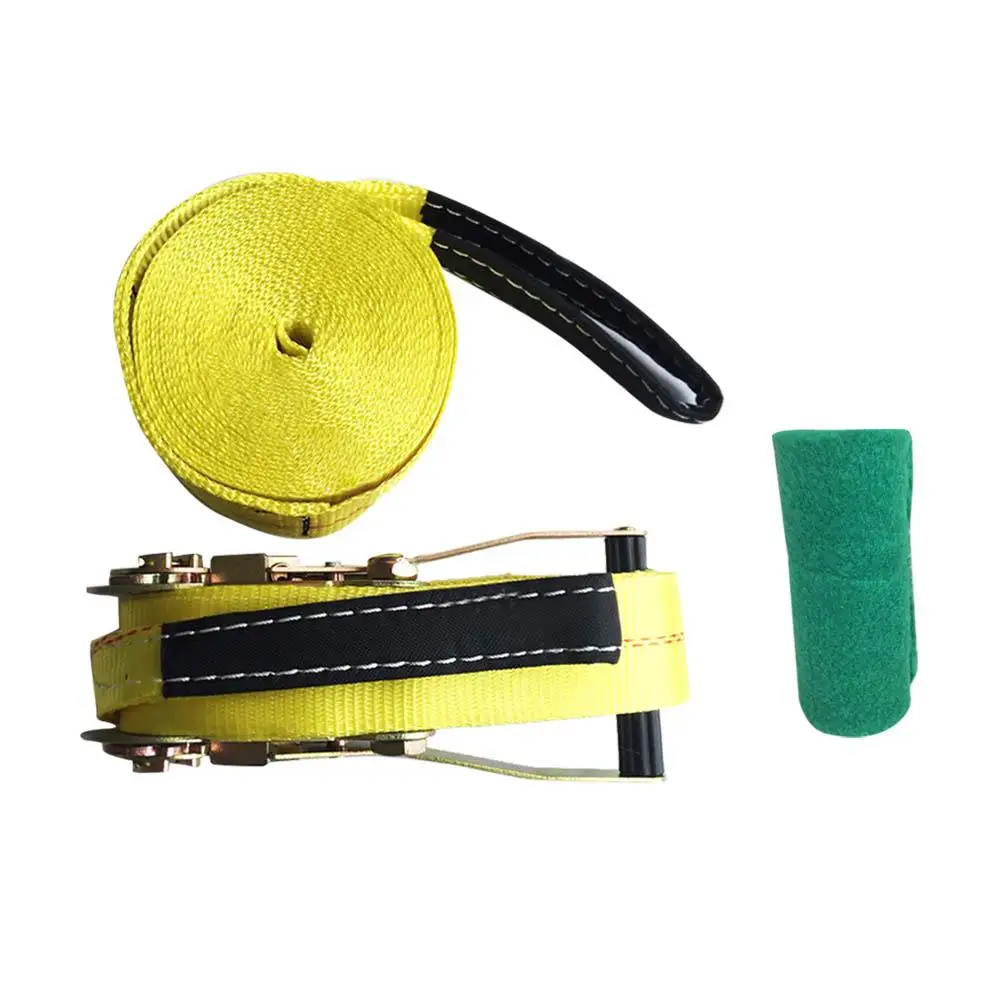
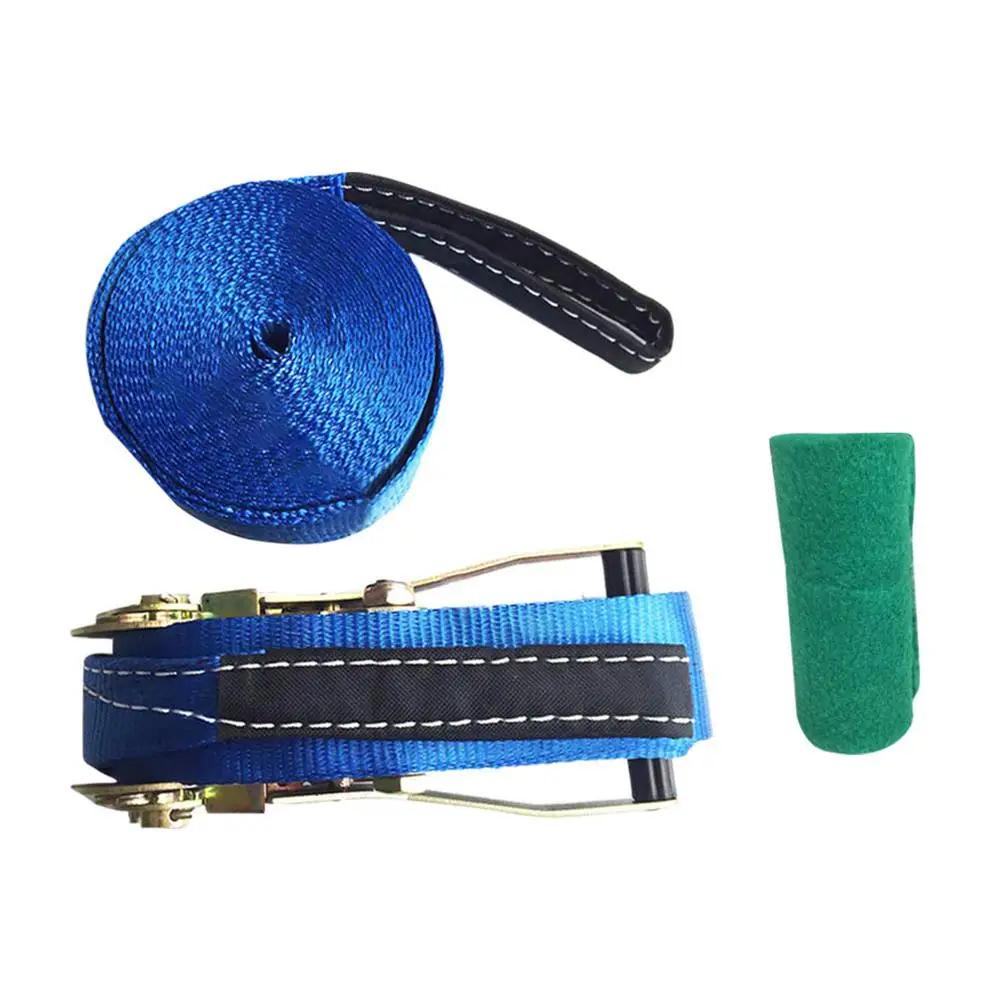
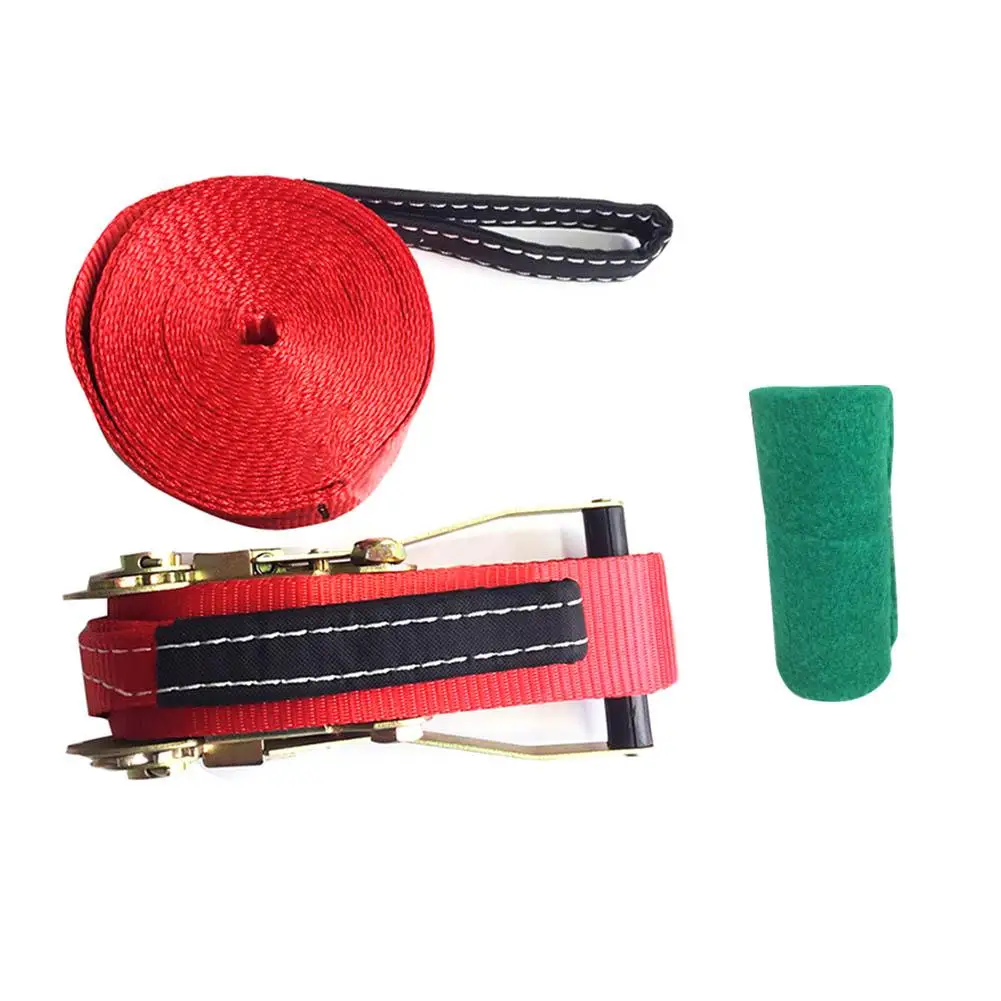
1 × slackline webbing with ratchet tensioning system. Tree protectors are strongly recommended and may be variant dependent — check the listing and buy them separately if they are not included.



Reviews
There are no reviews yet.