
Undoing the Desk, One Vertebra at a Time
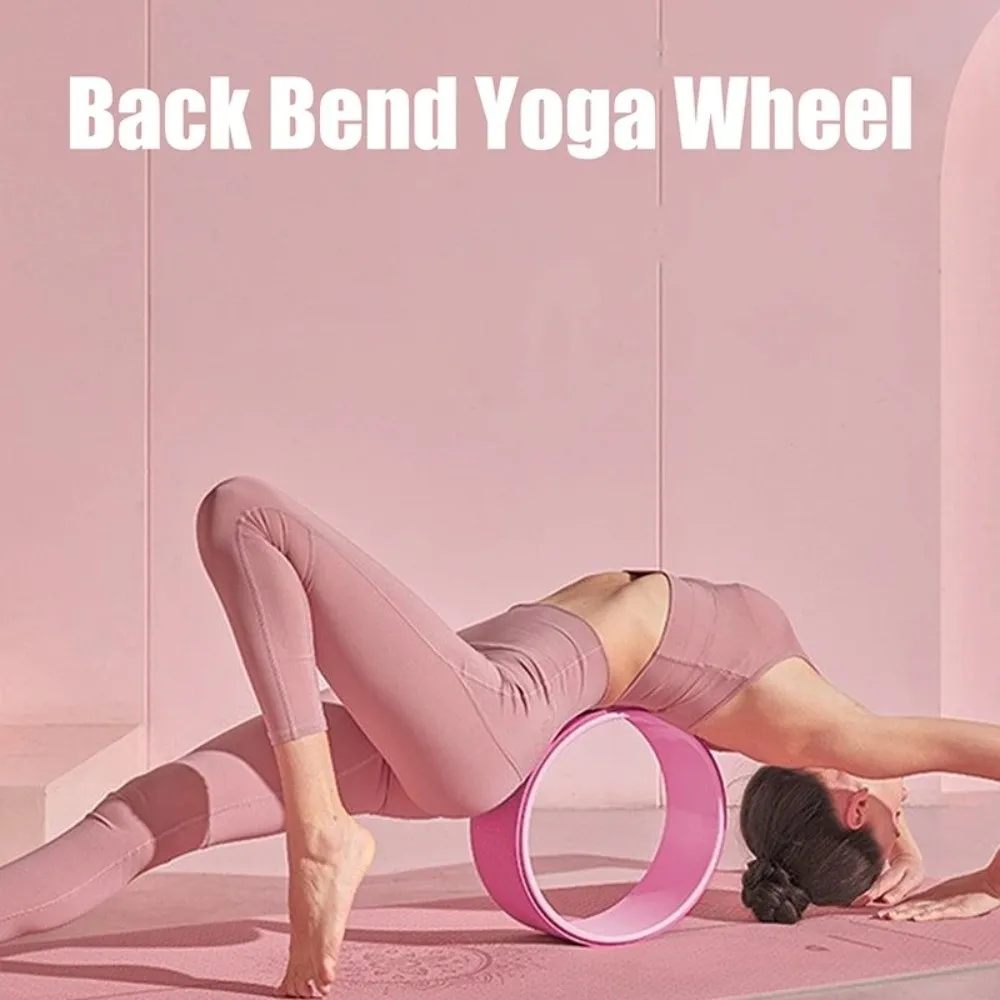
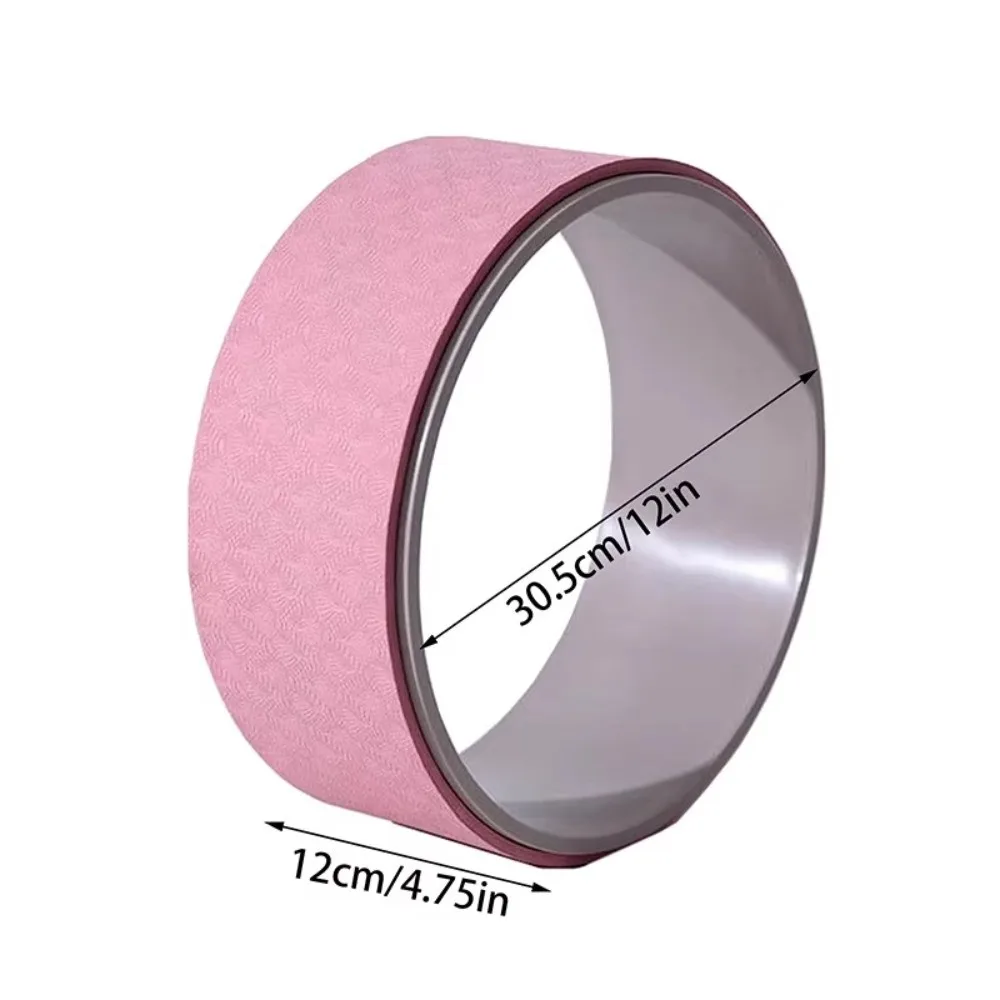
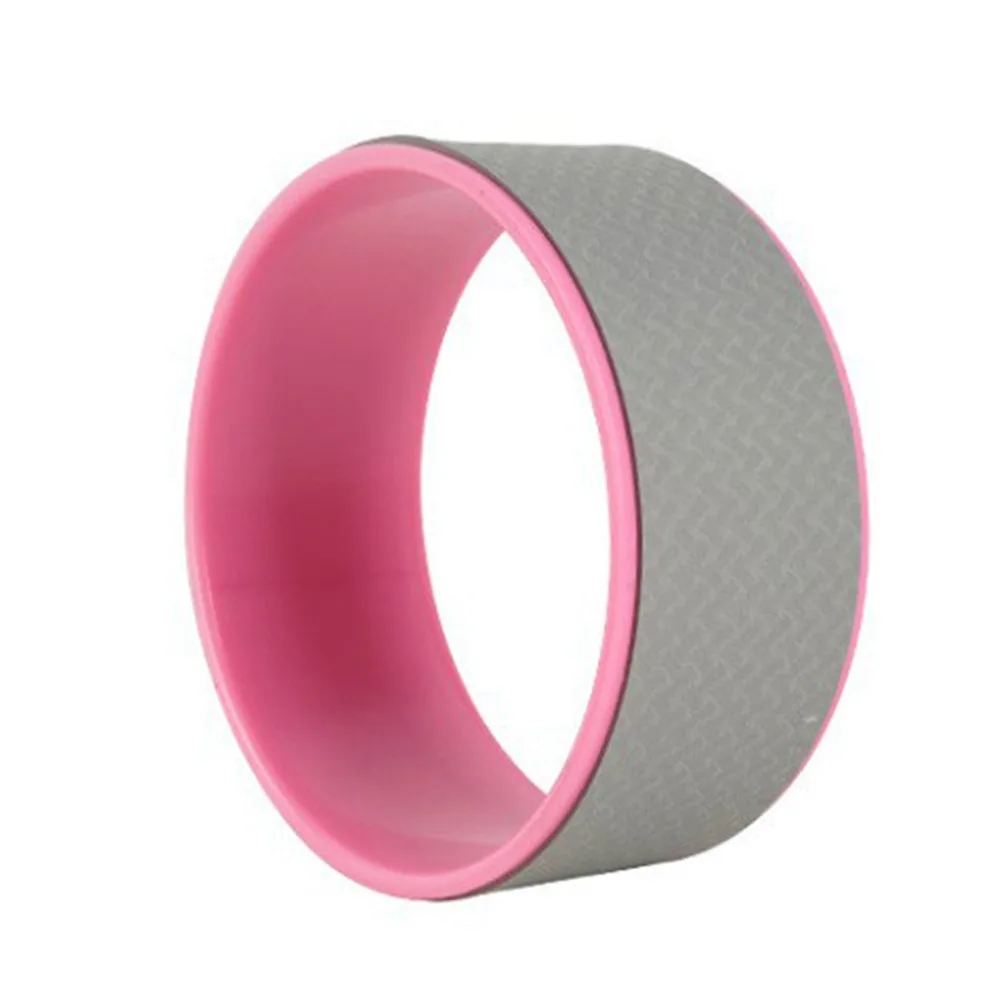
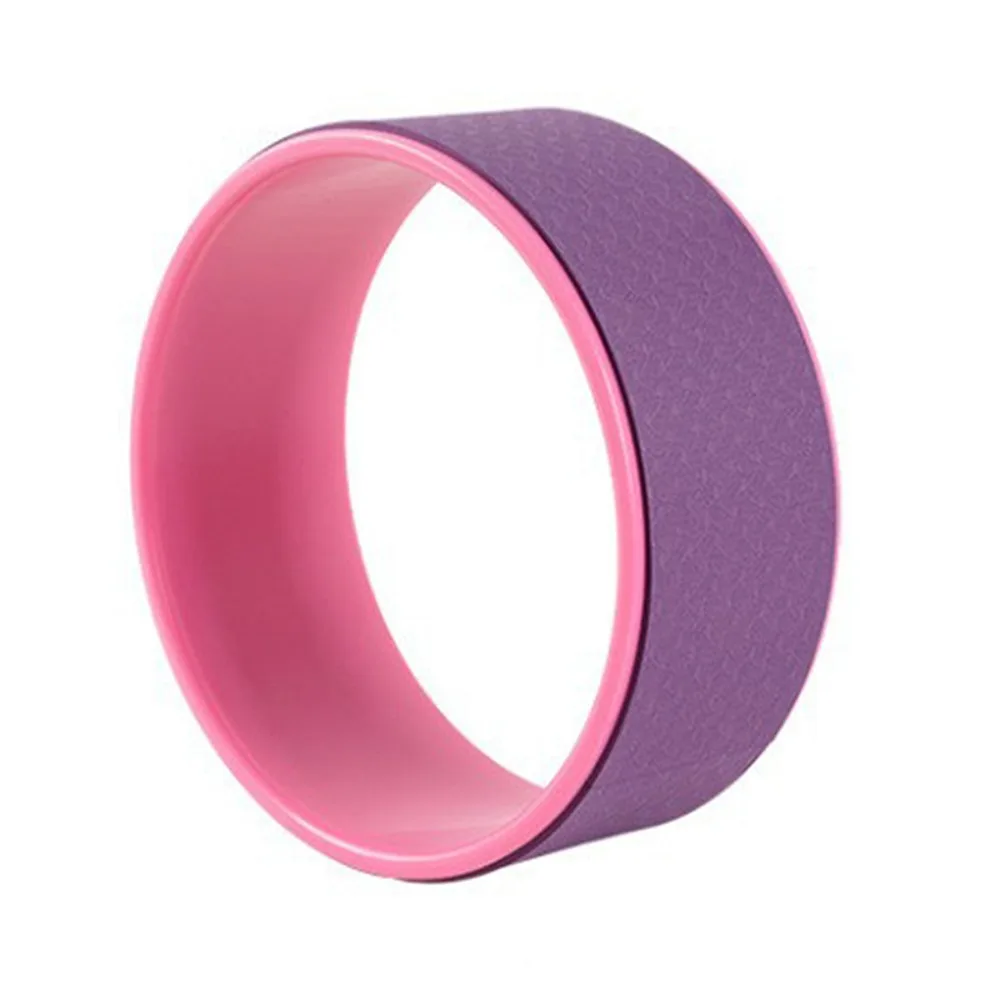
Your thoracic spine — the twelve vertebrae your ribs attach to — is built to extend and rotate, and a life spent seated lets it stiffen into a fixed forward curve. When it does, the mobility has to come from somewhere, and it gets stolen from the lumbar spine and the shoulders, which is where the pain then shows up. A yoga wheel gives you a curved fulcrum of exactly the right radius to arch the mid-back over, opening the chest and front of the shoulders while your bodyweight supplies the force. It is a lever for a part of the spine you cannot easily reach any other way.
Key Benefits
- Reaches the thoracic spine directly — the mid-back is almost impossible to extend on the floor or against a wall; the wheel’s curvature does it in seconds.
- Opens the chest and shoulder fronts — arching over the wheel puts the pecs and anterior deltoids into a stretch that counters the exact position a keyboard puts you in.
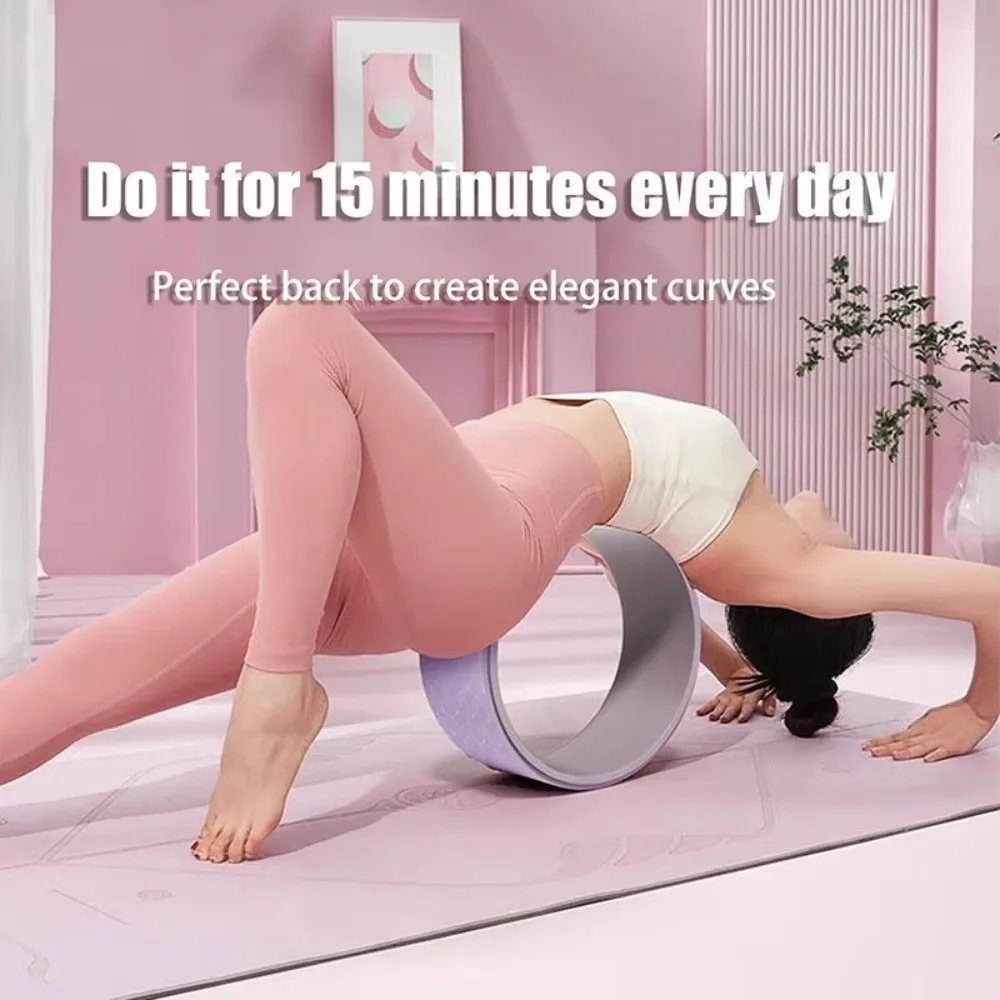
- Scaffolds backbends safely — it supports your weight through the transition into wheel or camel pose, so you can build the shape gradually rather than dropping into it.
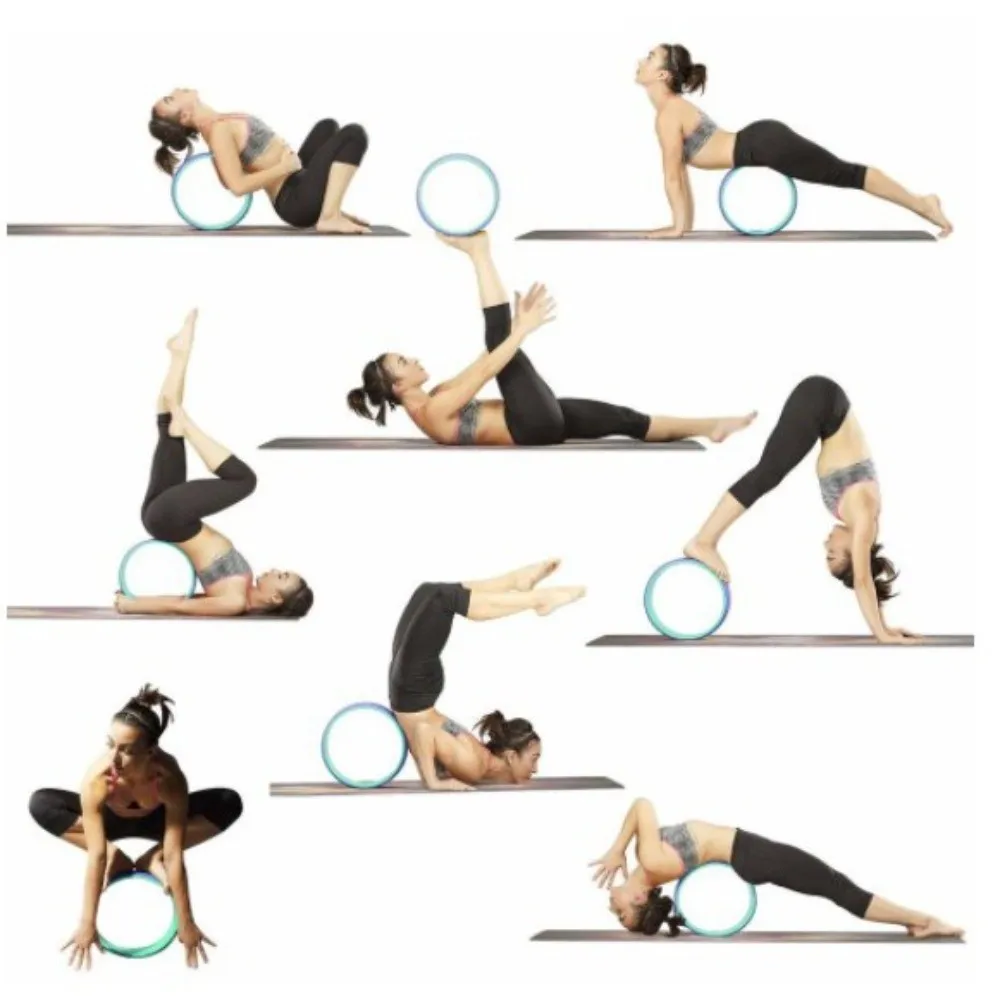
- Doubles as a myofascial roller — its diameter suits rolling the lats, glutes and quads, and it’s more comfortable under the back than a rigid foam cylinder.
- Padded outer surface — the cushioned exterior means your spinous processes aren’t pressed onto bare plastic, which is the difference between a stretch and a bruise.
- Strong rigid core — it’s designed to take full adult bodyweight; the whole tool is useless if you don’t trust it, and this one you can.
How to Use
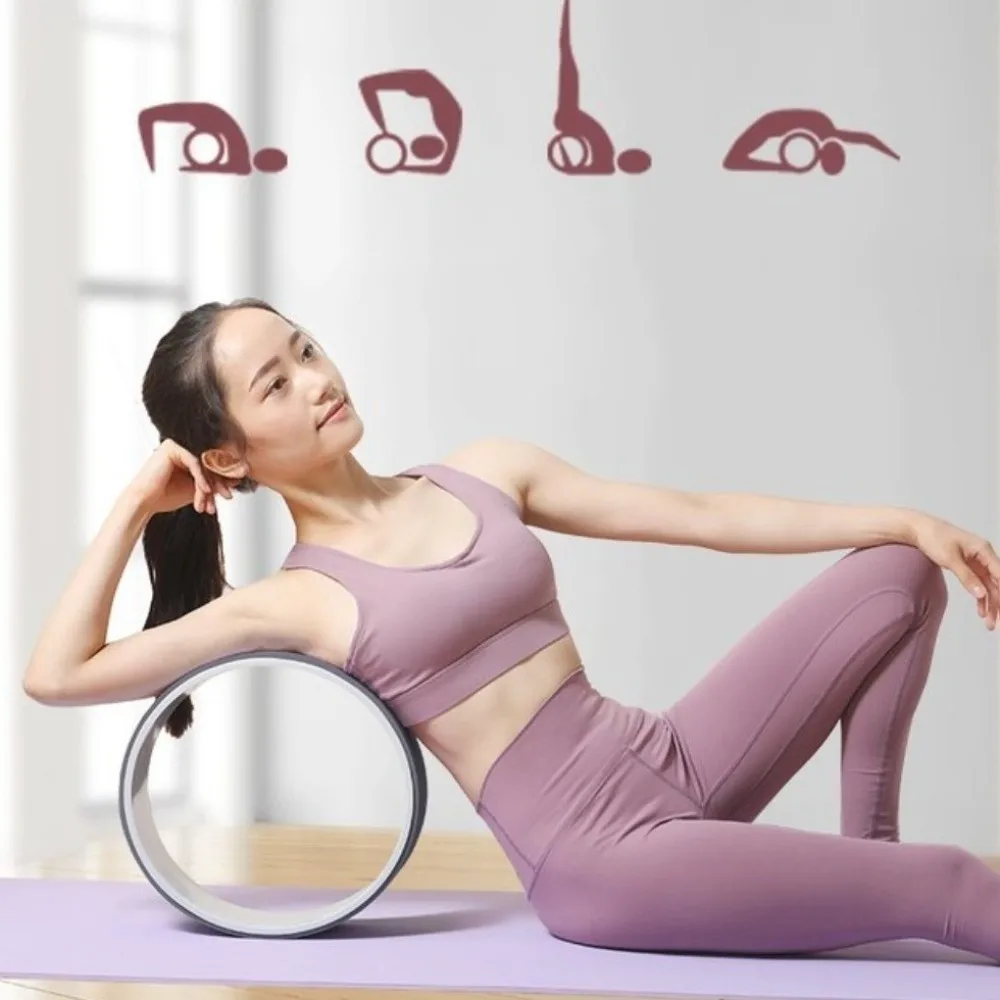
Sit on the floor with the wheel behind you, place it against your mid-back, interlace your hands behind your head to support your neck, and slowly roll back over it — exhaling as you extend. Let your head hang; do not crane it. Roll gently up and down between the base of your shoulder blades and the base of your neck, pausing on tight segments for a few breaths. Two to three minutes is plenty. Safety, and this is the important part: keep the wheel on your ribcage, above the bottom of your ribs. Never arch your lumbar spine over it — the lower back is not built to hinge, and forcing extension there is the single most common way people hurt themselves with this tool. Never place it under your neck. Always support your head with your hands. Come out slowly and never bounce. Avoid entirely if you have osteoporosis, a spinal fracture history, disc herniation, spinal stenosis, or you’re pregnant, without professional clearance. Sharp or radiating pain means stop, not push.
Specifications
| Type | Yoga wheel / thoracic extension roller |
|---|---|
| Core | Rigid ABS-style core |
| Exterior | Padded, non-slip |
| Primary use | Thoracic extension, chest opening, backbend support |
| Secondary use | Myofascial rolling for lats, glutes, quads |
| Load rating | Full adult bodyweight |
| Diameter | Standard full-size (variant dependent) |
| Surface | Cushioned, textured grip |
| Skill level | All — support level scales with how far you roll back |
Care & Maintenance
Wipe the padded surface with a damp cloth and mild soap after use; sweat sits on the padding and will start to smell. Air-dry before storing. Inspect the core before each use for cracks, flex, or creaking sounds under load — this is a tool you put your whole spine on, and a compromised core is not something to gamble with. Store out of direct sunlight and away from heat sources, which degrade both the padding and the core.
What’s in the Box
1 x yoga wheel.
Reviews
There are no reviews yet.