The Pad That Fixes Kneeling, Not Your Whole Floor
Kneeling pain on a 4mm mat is a pressure problem, not a padding-everywhere problem. Your bodyweight concentrates on the small bony contact area of the kneecap or the point of the elbow, and thin foam simply bottoms out. At 15mm, closed-cell NBR foam has enough depth to compress without collapsing, spreading that load over a wider area and keeping bone off the floor. Because the pad is only 60 x 25cm, you place it exactly where the contact happens and keep the rest of your mat thin enough to balance on.
Key Benefits
- 15mm of NBR, which is the entire point – nitrile butadiene rubber foam is closed-cell and dense, so it compresses under load and springs back rather than packing flat like cheap open-cell foam.
- Targeted, not total – a thick full-size mat wrecks your balance in standing poses. Keep your normal mat and drop this under the knees, elbows or tailbone only when you need it.
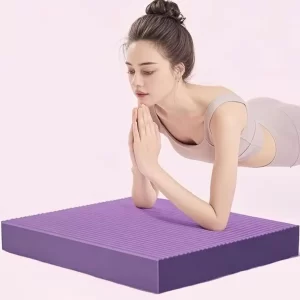
- Genuinely useful for forearm work – the point of the elbow takes brutal pressure in a long forearm plank, and this is the cheapest fix for it there is.
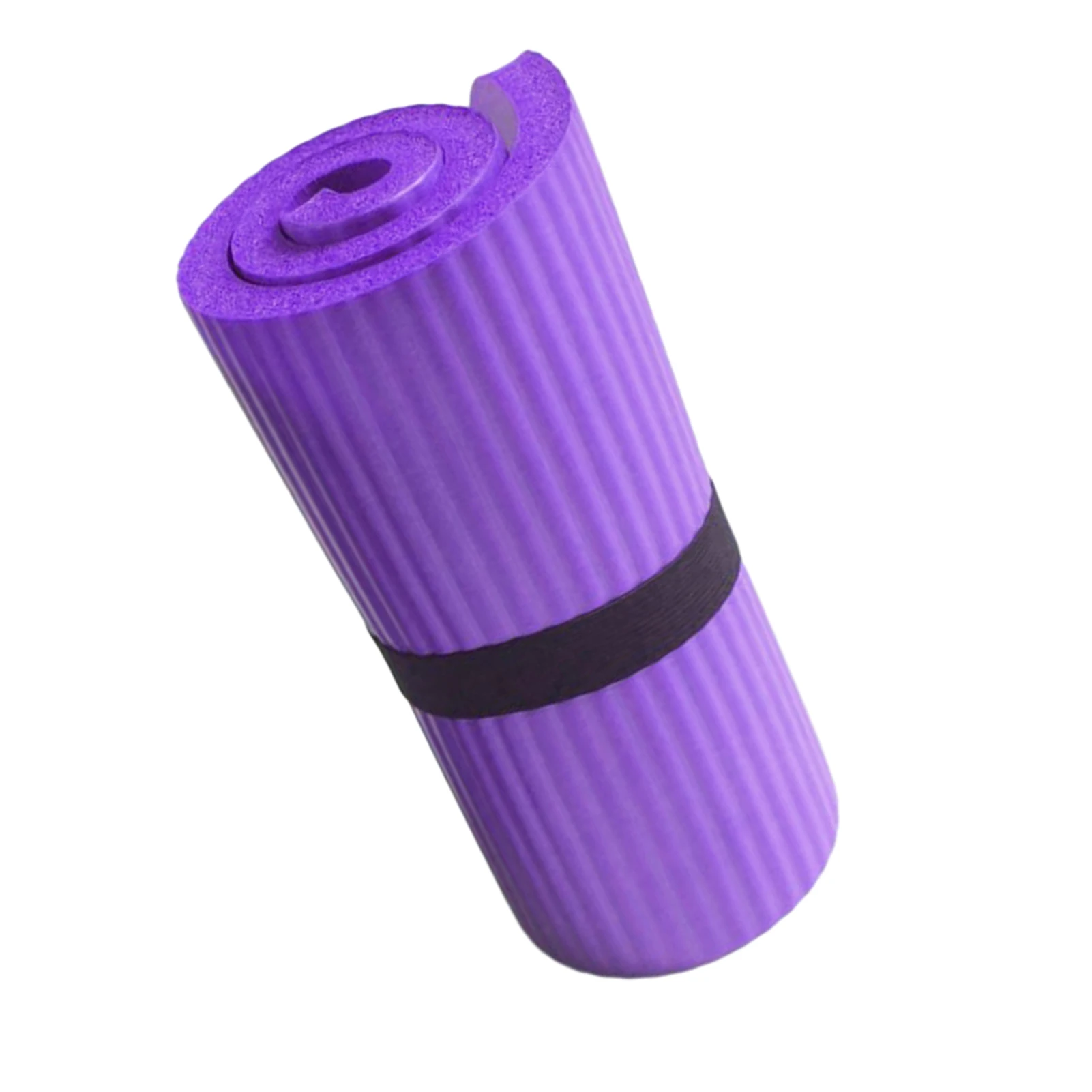
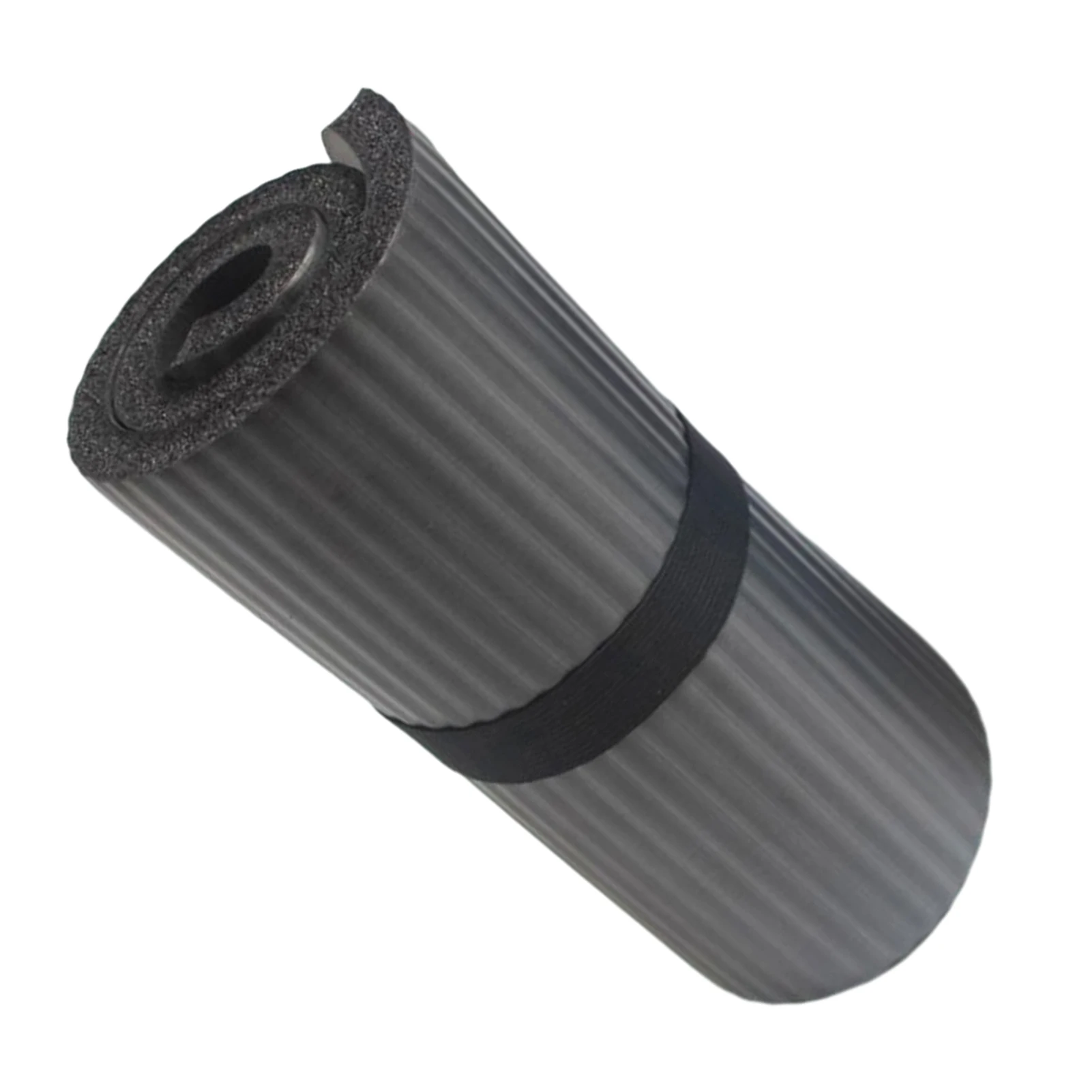
- Portable in a way a mat is not – at 60 x 25cm it rolls down to roughly the size of a water bottle and lives in a gym bag without argument.
- Closed-cell means sweat sits on top – it does not soak in, so the pad wipes clean instead of absorbing odour.
- Doubles as a hip-thrust pad – folded over, it sits between a barbell and your hip crease.
How to Use
Place the pad on top of your existing mat, directly under the contact point: knees for kneeling lunges, cat-cow and thread-the-needle; forearms for plank and dolphin; sacrum for bridges and supported reclining poses. For kneeling work, position it so both knees land on foam with a few centimetres of margin, since knees drift as you move. Do not use it under your feet in standing balance poses – 15mm of soft foam under a single foot makes the ankle work against an unstable base, and that is a common way to roll an ankle. One honest caveat: if a joint hurts even with the pad, that is worth listening to. Padding manages pressure; it does not treat an inflamed knee, and persistent joint pain under load should be assessed rather than cushioned.
Specifications
| Product type | NBR foam kneeling and plank pad |
|---|---|
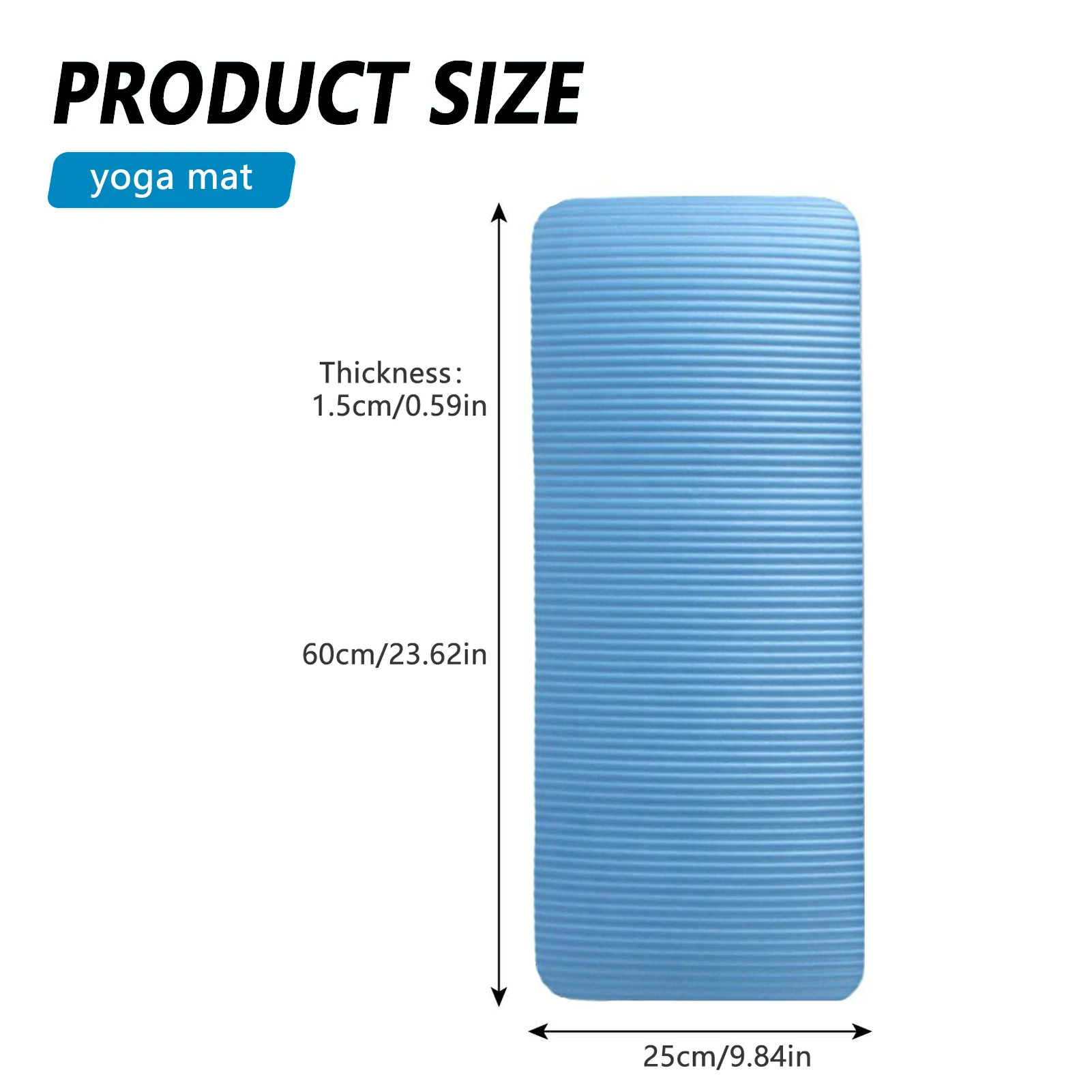
| Dimensions | 60 x 25 x 1.5 cm |
| Thickness | 15 mm |
| Material | NBR (nitrile butadiene rubber) closed-cell foam |
| Surface | Textured, non-slip |
| Water resistance | Closed-cell – moisture sits on the surface |
| Portability | Rolls for transport |
| Intended use | Knees, elbows, forearms, sacrum |
| Colour | Variant dependent |
Care & Maintenance
Wipe with a damp cloth and mild soap after sweaty sessions, then air dry fully before rolling it up – trapped moisture between rolled layers is what makes foam pads smell. Avoid alcohol-based and solvent cleaners and do not machine wash; harsh chemicals break NBR down and leave the surface tacky and crumbling. Keep it out of prolonged direct sunlight, since UV degrades foam. Store it rolled or flat, but never under heavy objects, which leave permanent compression dents.
What’s in the Box
One NBR foam pad, 60 x 25 x 1.5 cm, in the colour selected. No strap or carry accessories are included.
Reviews
There are no reviews yet.