
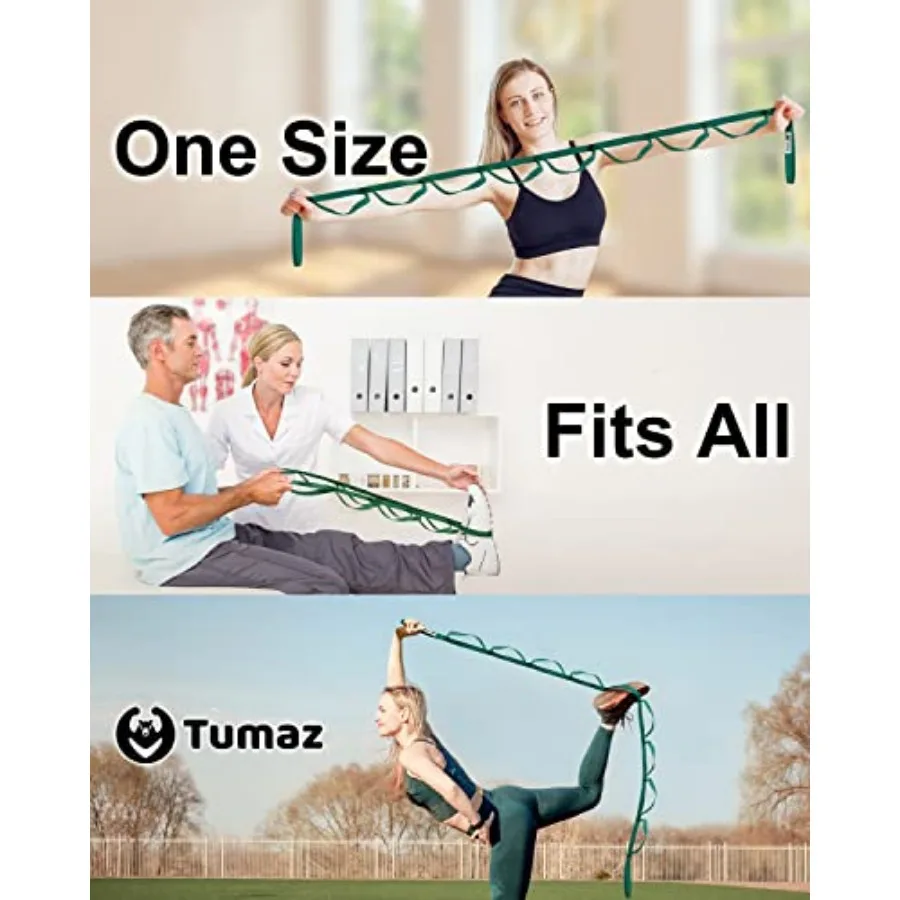
Why Non-Elastic Is the Right Choice Here
Elastic straps have their place, but for a proper static stretch they work against you. Elastic pulls back, which means the muscle never fully settles into the position — there’s always a subtle tug encouraging it to resist. Non-elastic webbing holds you at a fixed depth and simply stays there, letting the muscle’s protective reflex switch off and the tissue genuinely release. Physical therapists use non-elastic for exactly this reason.
Key Benefits
- Non-elastic webbing holds a fixed position with no rebound
- Lets the muscle fully relax instead of subtly resisting a pull
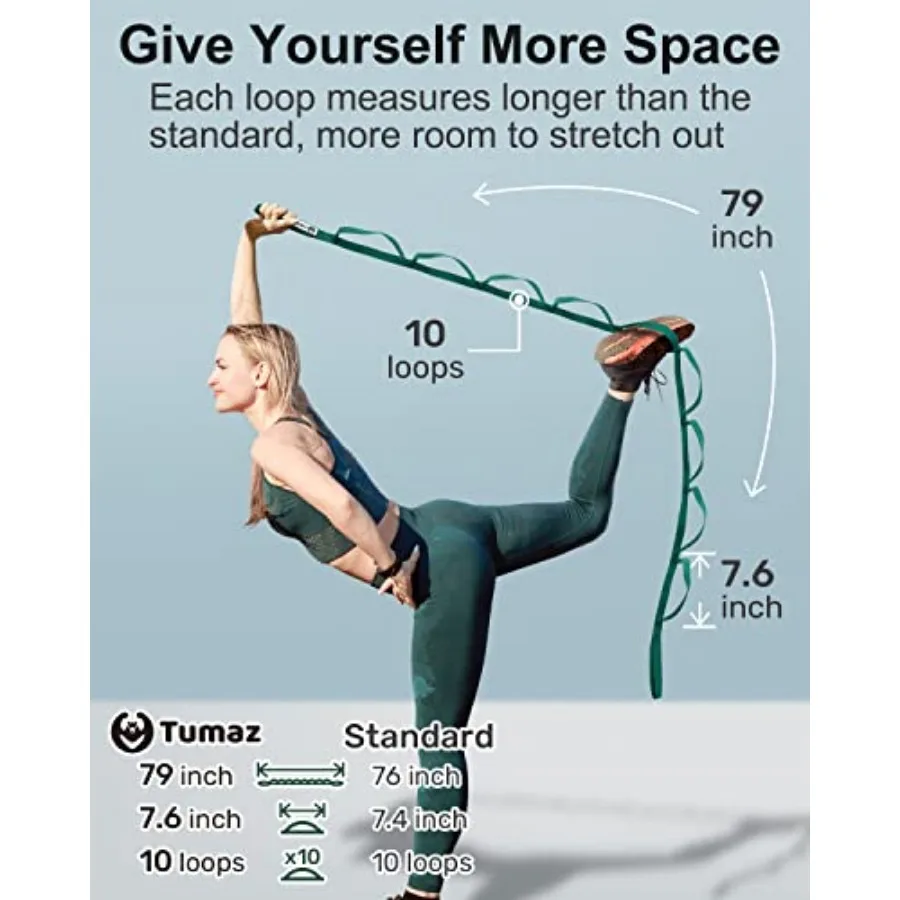
- Ten numbered loops for measurable progression
- The standard choice in physical therapy
- Won’t stretch out or lose tension over years of use
- Full-body: hamstrings, hips, quads, shoulders
How to Use
Loop the foot or hand, grip the loop that puts you at a firm but comfortable stretch, and simply hold — the strap does the holding for you. Thirty to sixty seconds, breathing steadily. The release comes in the second half of the hold. Never bounce. Stretch when warm; after training is safer and more effective than cold.
Specifications
| Type | Non-elastic stretching strap |
|---|---|
| Loops | 10, numbered |
| Material | Non-elastic webbing — no rebound |
| Advantage | Holds a fixed position so the muscle can fully relax |
| Use | Hamstrings, hips, quads, shoulders, calves |
| Best for | Static stretching, physical therapy, yoga |
Care & Maintenance
Machine wash cold or hand wash. Air dry.
What’s in the Box
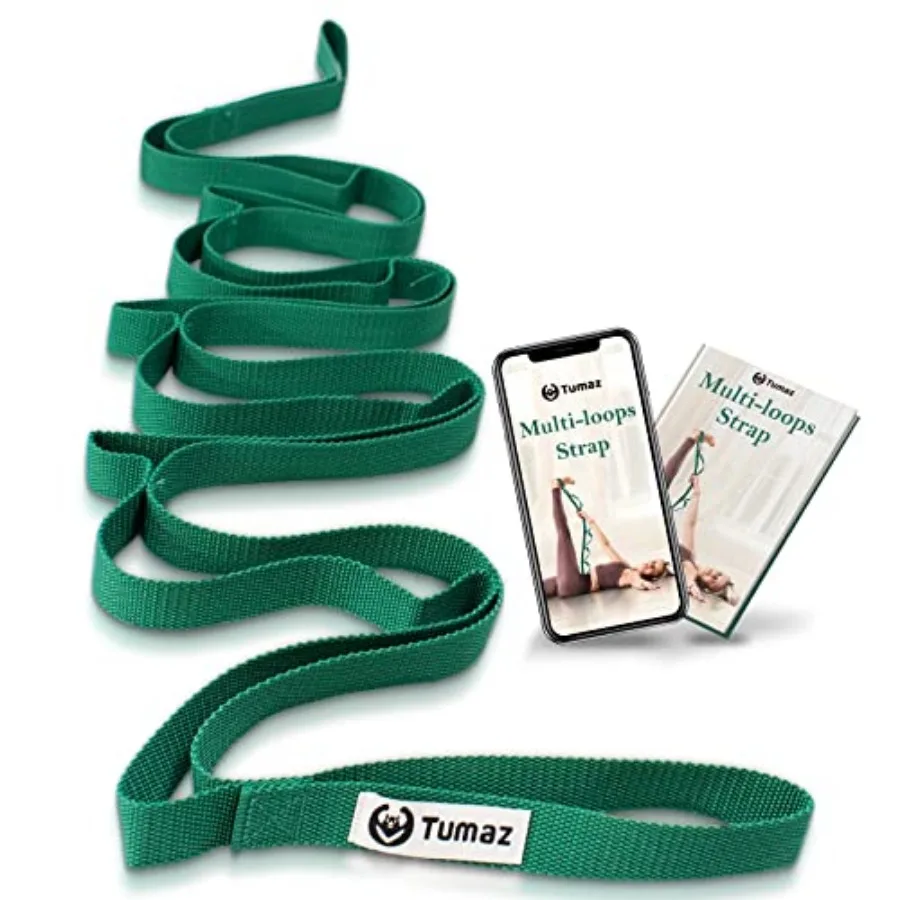
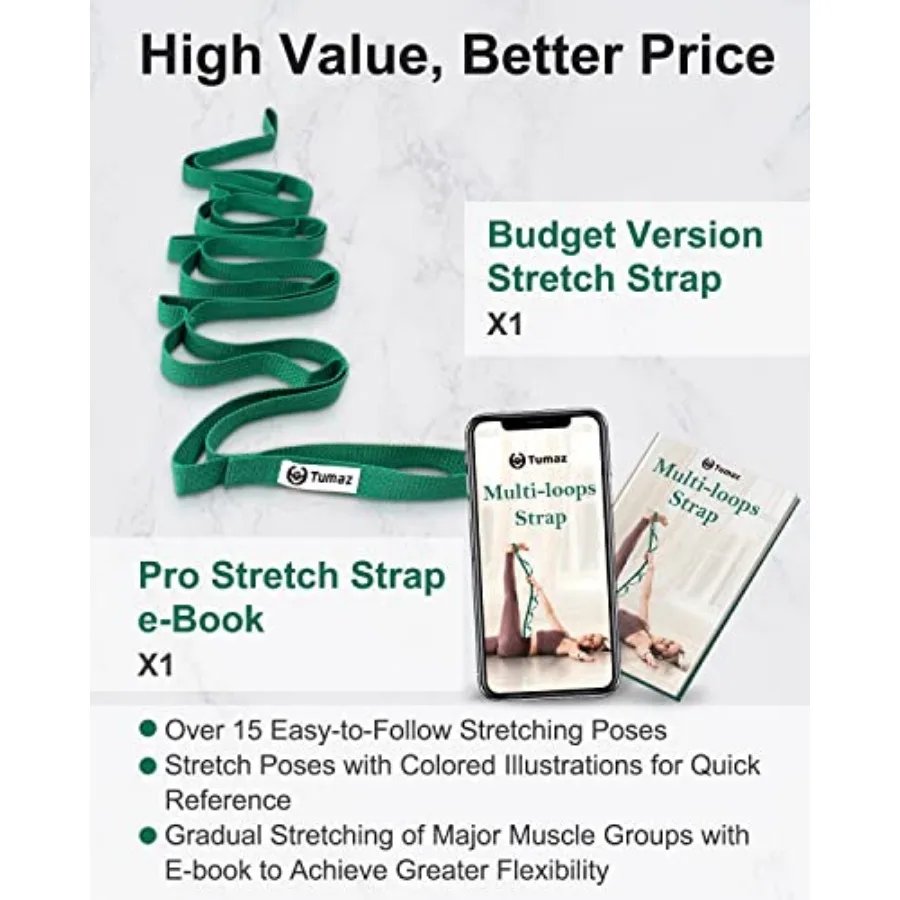
1 × 10-Loop Non-Elastic Stretching Strap
Reviews
There are no reviews yet.