Retrain the Reflexes That Keep You Upright
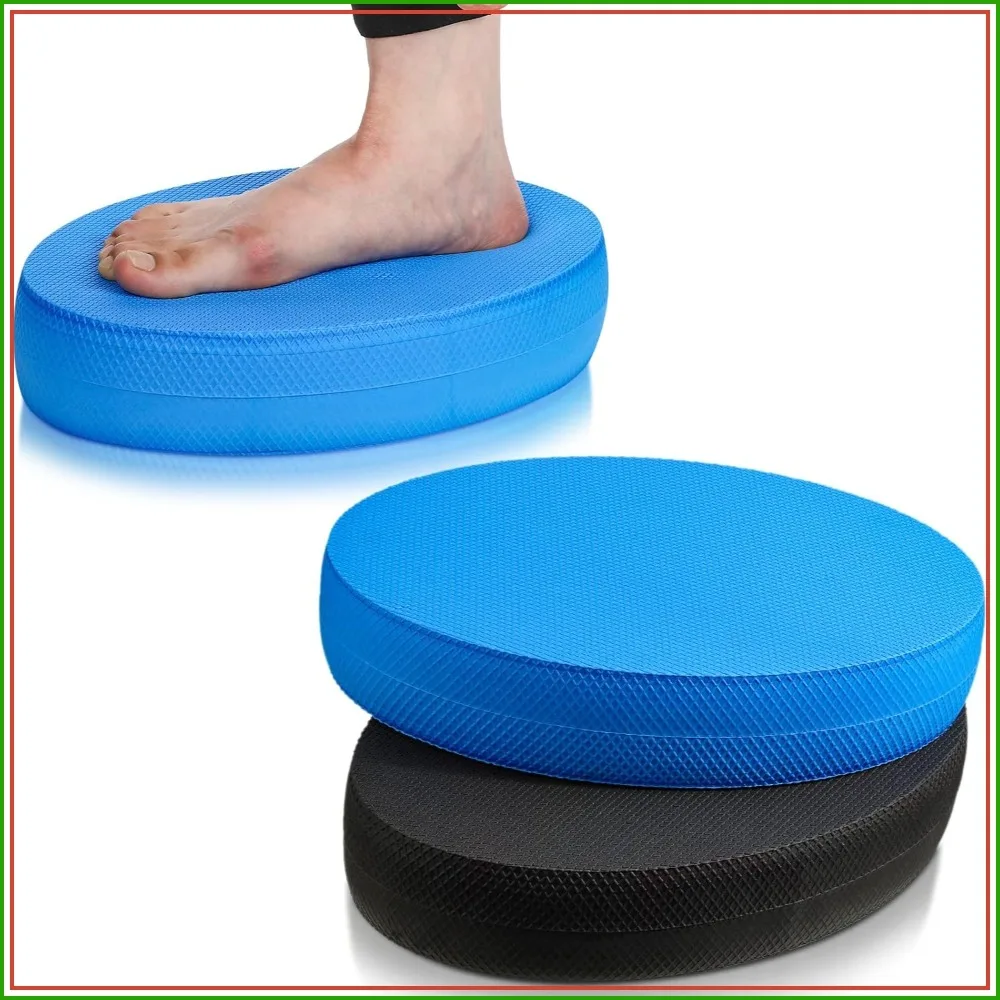
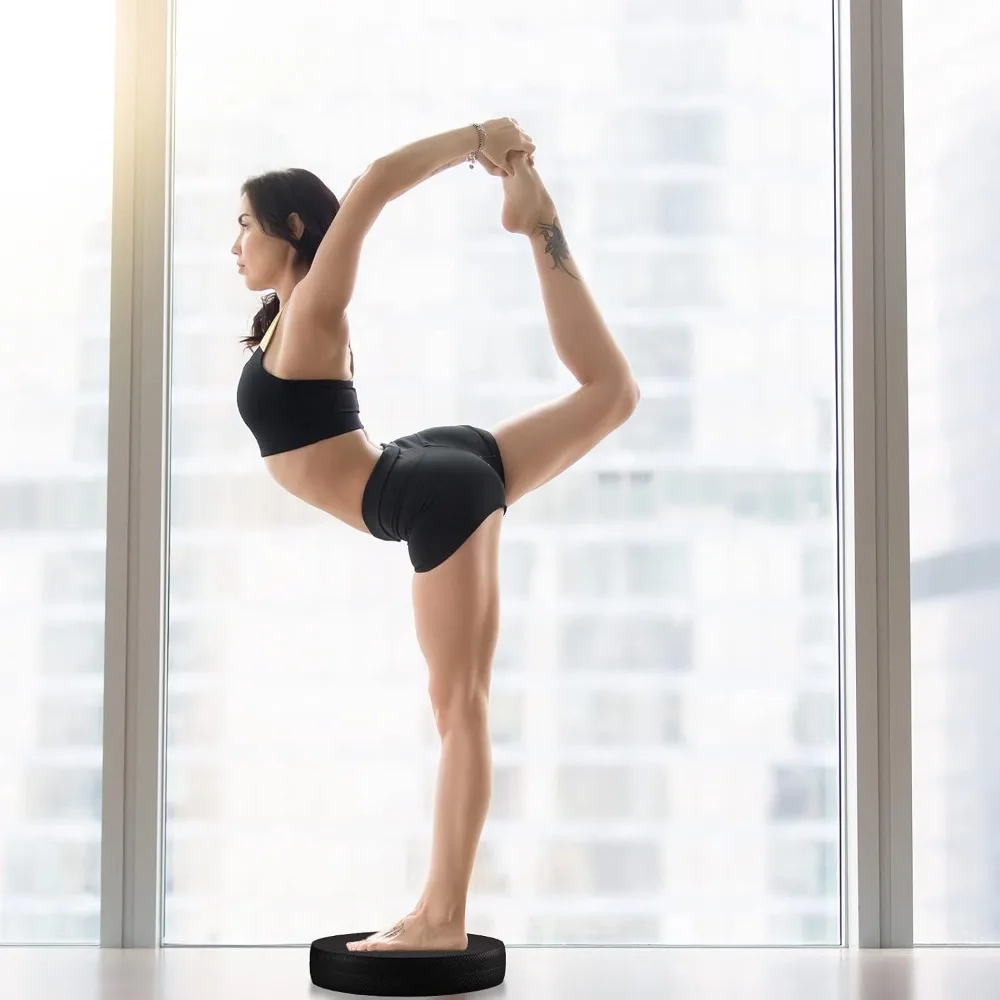
Balance is not strength; it is proprioception — your nervous system’s ongoing map of where your joints are in space, built from receptors in muscles, tendons and joint capsules. After an ankle sprain or a long spell of inactivity, that map degrades, and the reflexive corrections that stop a stumble becoming a fall slow down. Standing on a compliant foam surface removes the firm ground reference, forcing constant micro-corrections from the ankle and hip stabilisers. Repeated over weeks, this measurably sharpens postural control — which is why balance pads are standard equipment in physiotherapy clinics.
Key Benefits
- Trains the reflex, not just the muscle. The pad makes your nervous system generate hundreds of tiny corrections per minute — the exact adaptation that reduces the risk of re-spraining an ankle.
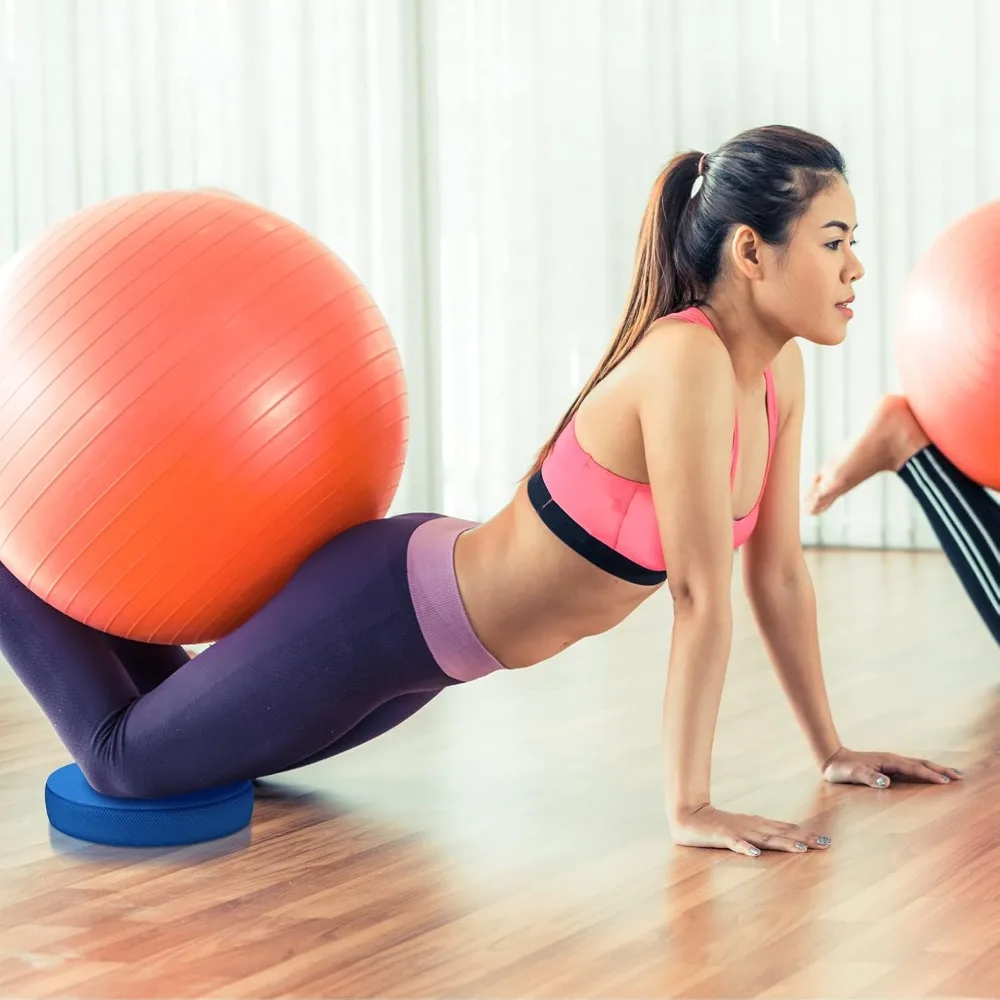
- Two pads, more exercises. A pair lets you work double-leg stance, split stance, lunges, push-up hand positions and kneeling drills — a single pad limits you to standing on one leg.
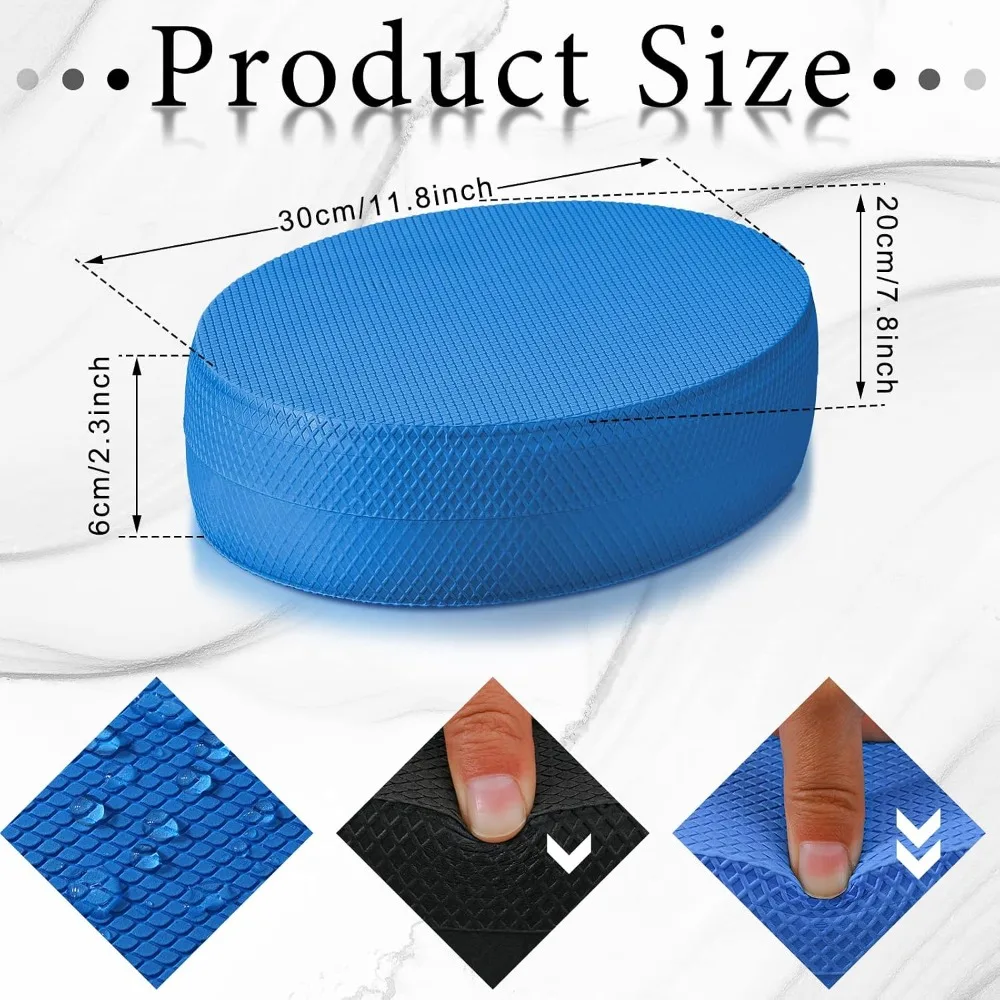
- Non-slip surface. The textured face grips the sole and the base grips the floor, which is a safety feature rather than a nicety when the whole point is instability.
- Clinically useful for rehab. Widely used in ankle and knee rehabilitation and in fall-prevention work with older adults, under appropriate guidance.
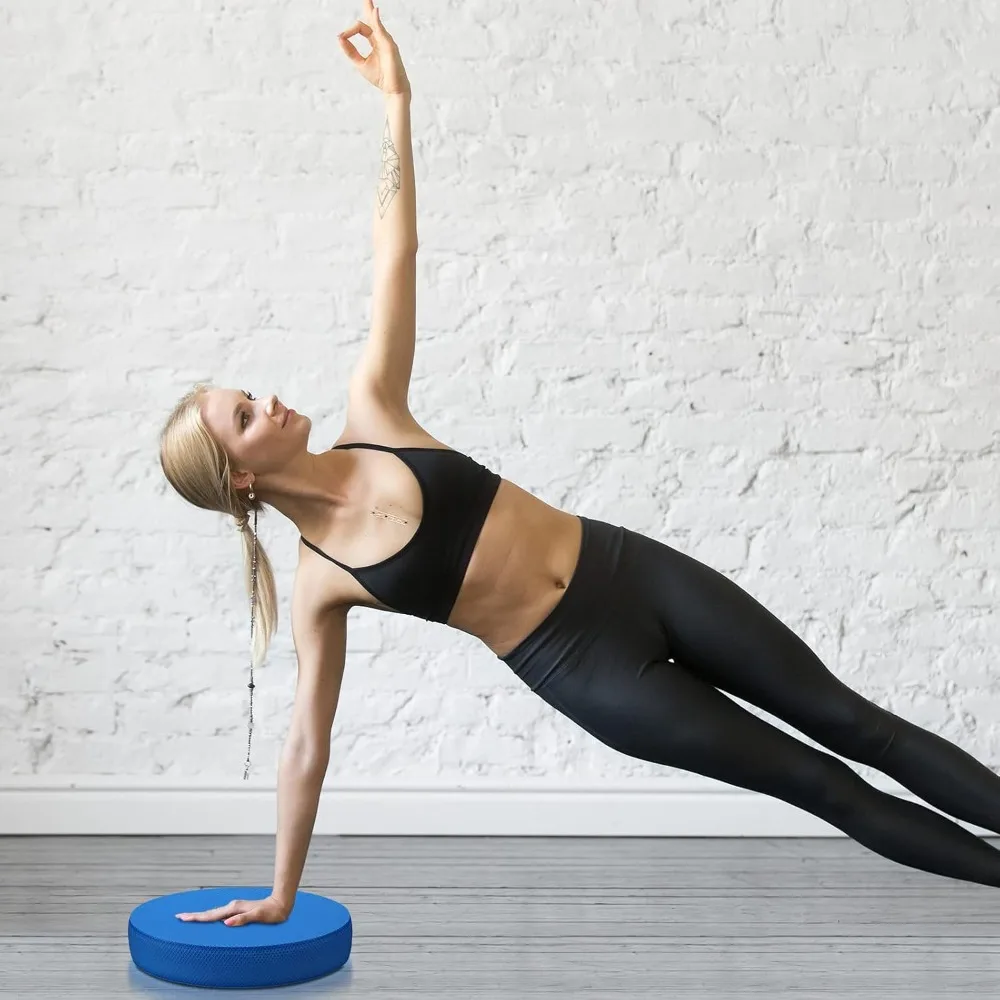
- Kind to the joints. The foam also cushions kneeling, planking and floor work, so it doubles as a knee and wrist pad on hard floors.
- Light, quiet, storable. Closed-cell foam — no inflation, no pump, no noise, and it slides behind a door.
How to Use
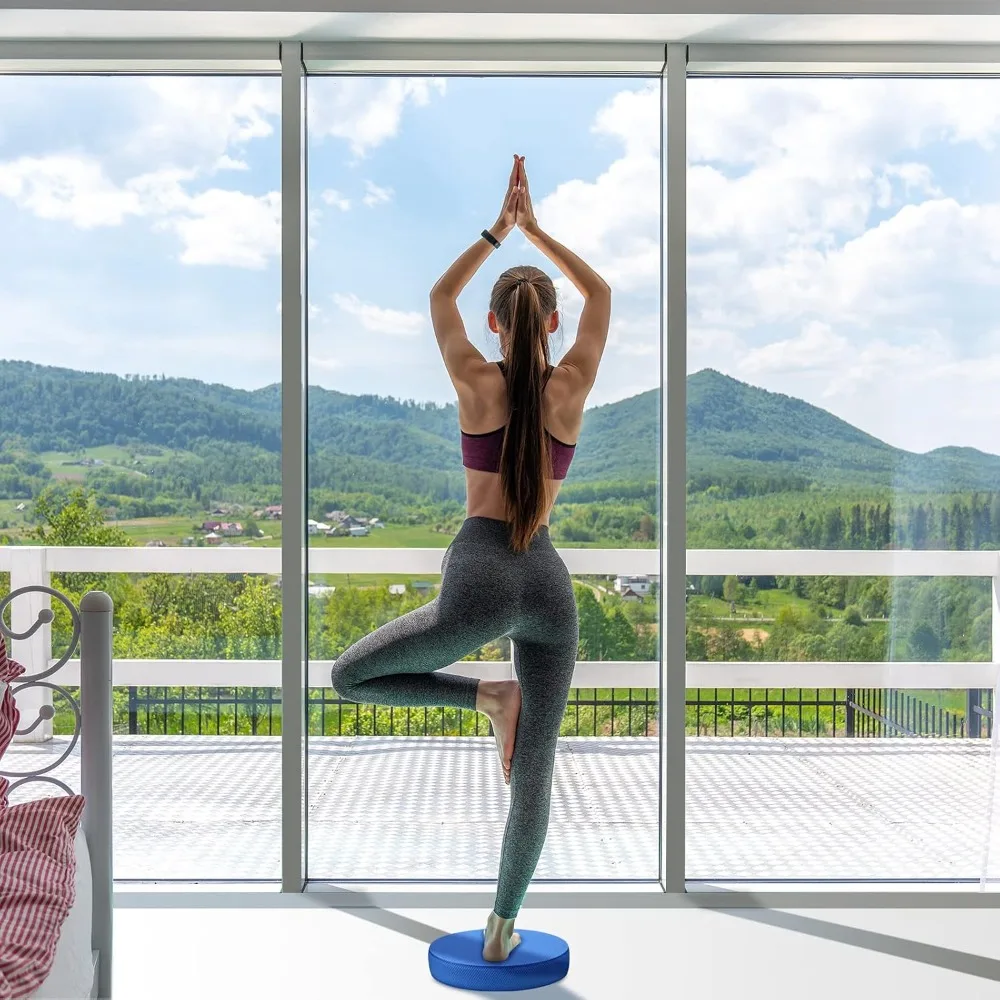
Start with both feet on one pad, arms out, eyes open, near a wall or the back of a sturdy chair you can grab. Hold 30 seconds; when that becomes easy, progress by narrowing your stance, then closing your eyes (which removes visual input and roughly doubles the difficulty), then moving to single-leg. From there, add small perturbations — passing a ball hand to hand, reaching to touch the floor, or a slow single-leg squat. Two or three short sessions a week beat one long one. Always have a wall, rail or chair within arm’s reach and a clear space around you; balance training only works if you are willing to be unstable, and that means you must be able to fall safely. Progress from the easy variations rather than starting at the hard one, and if you are rehabilitating a specific injury, follow your physiotherapist’s protocol over anything written here.
Specifications
| Quantity | 2 pads |
|---|---|
| Shape | Oval |
| Material | Closed-cell foam |
| Surface | Non-slip textured top and base |
| Primary use | Balance, proprioception and stability training |
| Also used for | Yoga, Pilates, dance, physical therapy, knee and wrist cushioning |
| Inflation required | None |
| Thickness / dimensions | Variant dependent — check the size selector |
Care & Maintenance
Wipe with a damp cloth and mild soap; closed-cell foam does not absorb sweat, so surface cleaning is enough. Air dry fully before stacking — trapped moisture between two pads will eventually smell. Keep them out of prolonged direct sunlight, which makes foam brittle and chalky, and store them flat rather than under something heavy, since compressed foam takes a permanent set and loses the compliance the training depends on. Replace a pad that has lost its rebound or developed a deep crease.
What’s in the Box
2 × oval foam balance pads. Colour and exact dimensions are variant dependent.
Reviews
There are no reviews yet.