How a Split Machine Actually Changes Your Range of Motion
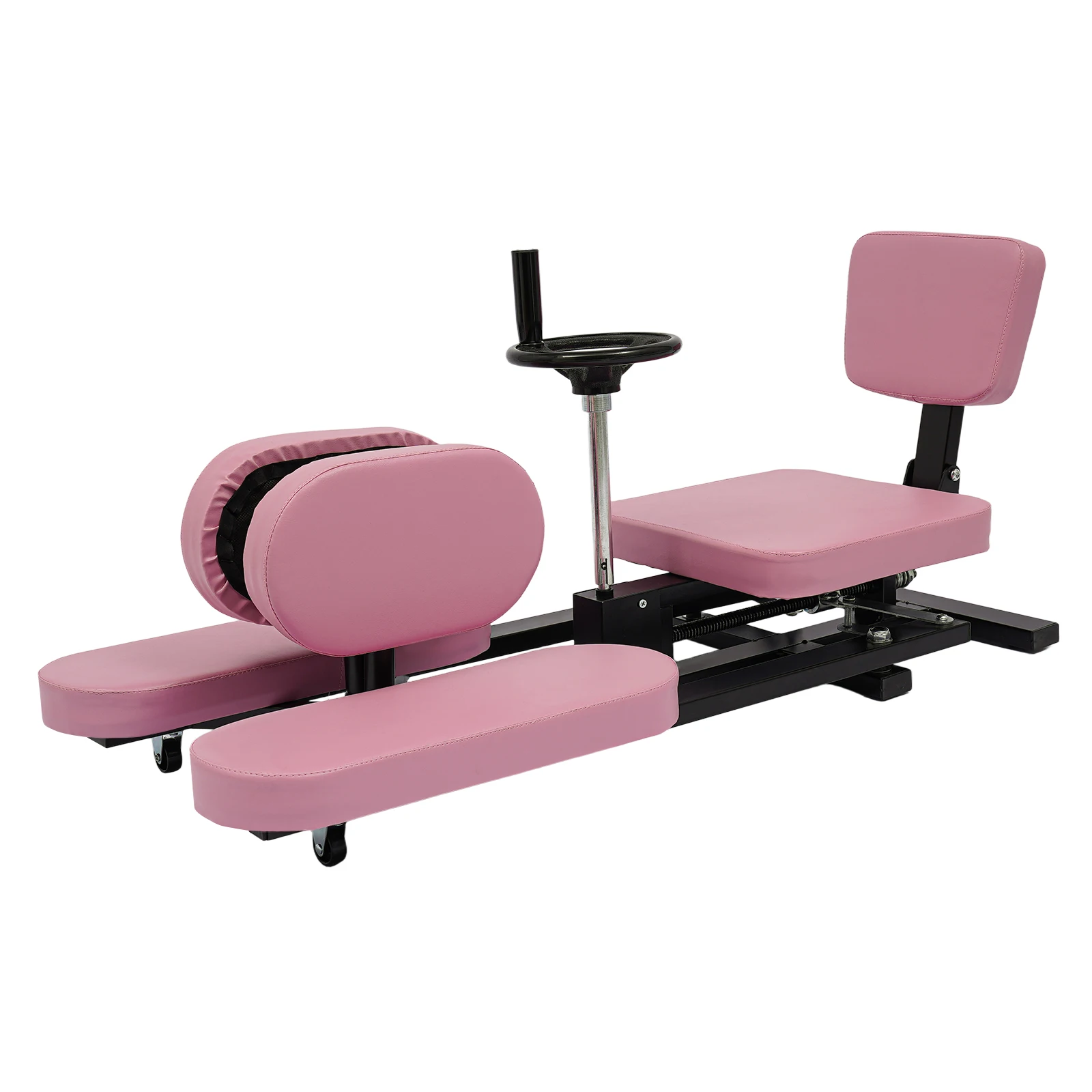
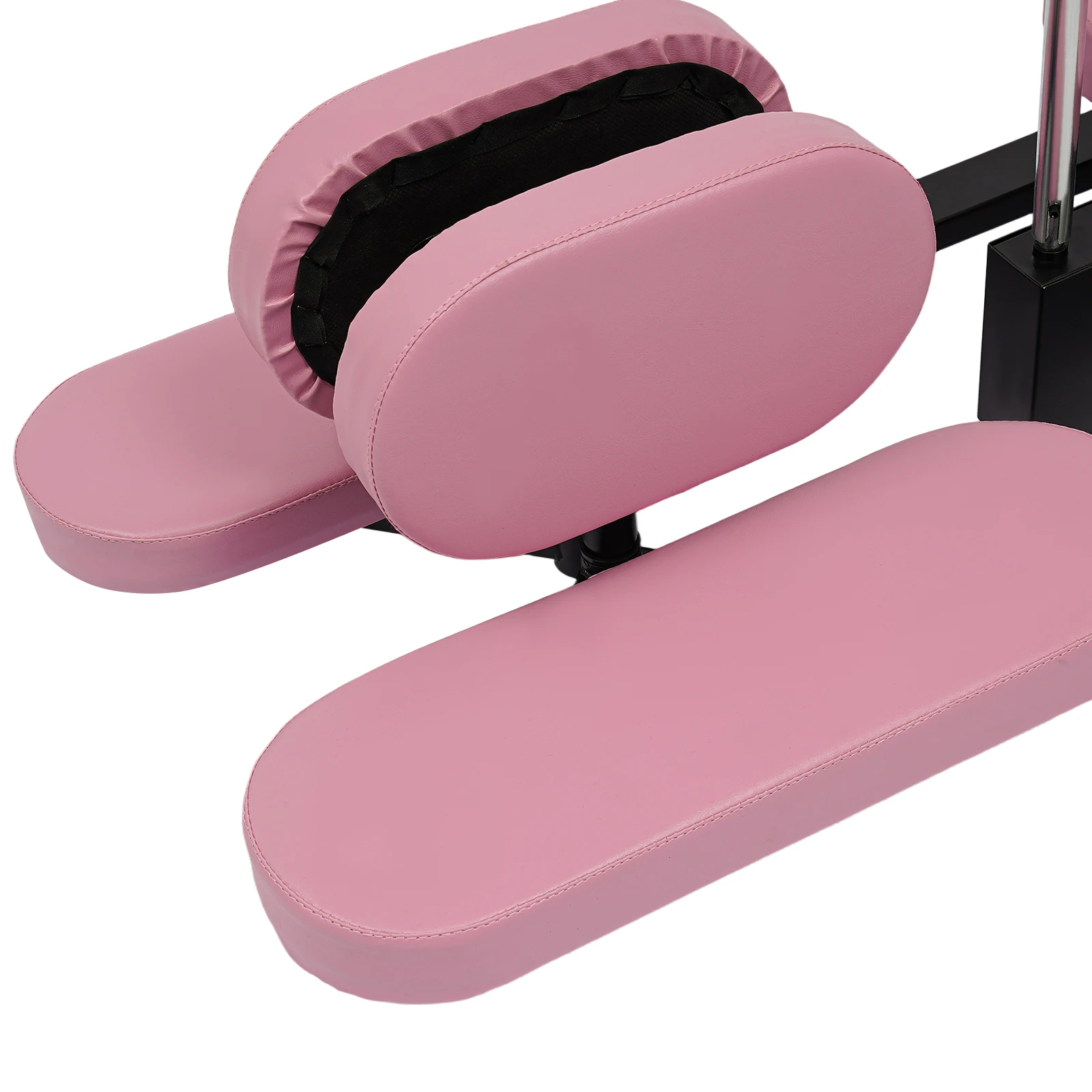
Your end range is not usually set by short muscle fibres. It is set by stretch tolerance – the point at which your nervous system raises resistance in order to protect the joint. Long, low-intensity, fully supported holds are what move that threshold, because the body will only relax into a position it does not have to stabilise. A leg stretcher lets you sit with your back supported and your legs held at a fixed, measurable angle, then open that angle in small increments by hand. You are not forcing anything. You are staying somewhere long enough to be believed.
Key Benefits
- Supported, so your body stops guarding – in a floor straddle you are constantly holding yourself up. On a machine the frame does that work, the adductors genuinely release, and the stretch reaches the tissue instead of the effort.
- Measurable, incremental progress – a hand crank moves the arms in fine increments and holds them there. You can add a few degrees a week and actually know that you did, which is the difference between a plan and a hope.
- Targets the adductors specifically – a straddle loads the inner thigh and hip adductor chain, the group most people never stretch and that every martial artist, dancer and gymnast needs.
- Rated to 100kg / 220lb – a stated load rating on the frame rather than a vague assurance. Do not exceed it.
- Progress is slow, and that is normal – meaningful, lasting change in hip range takes months of consistent low-intensity work. Anything promising a full split in a week is selling you an injury.
- Folds away, so it actually gets used – a stretching tool that lives in a cupboard is a stretching tool you never touch.
How to Use
Warm up first: five to ten minutes of light cardio, then some easy leg swings. Never stretch cold, because a passive machine can take you past a range that unwarmed tissue is not ready for. Sit back into the seat with your spine supported and your legs in the arms, then crank slowly until you feel a strong but tolerable stretch in the inner thighs – somewhere around a 5 or 6 out of 10, never more. Breathe, and hold for 60 to 120 seconds. Then, and only then, crank a little further. Three to five rounds is a session. Safety, and this genuinely matters: never crank into sharp pain, never bounce or use momentum, and never let another person operate the crank for you – you must be the one controlling the rate, because only you can feel it. Stop immediately at any sharp, tearing or nerve-like sensation. An adductor strain from a forced split takes months to heal and will cost you far more range than you gained. Do not exceed the 100kg load rating, check the crank and all bolts are tight before every session, and keep children away from the mechanism.
Specifications
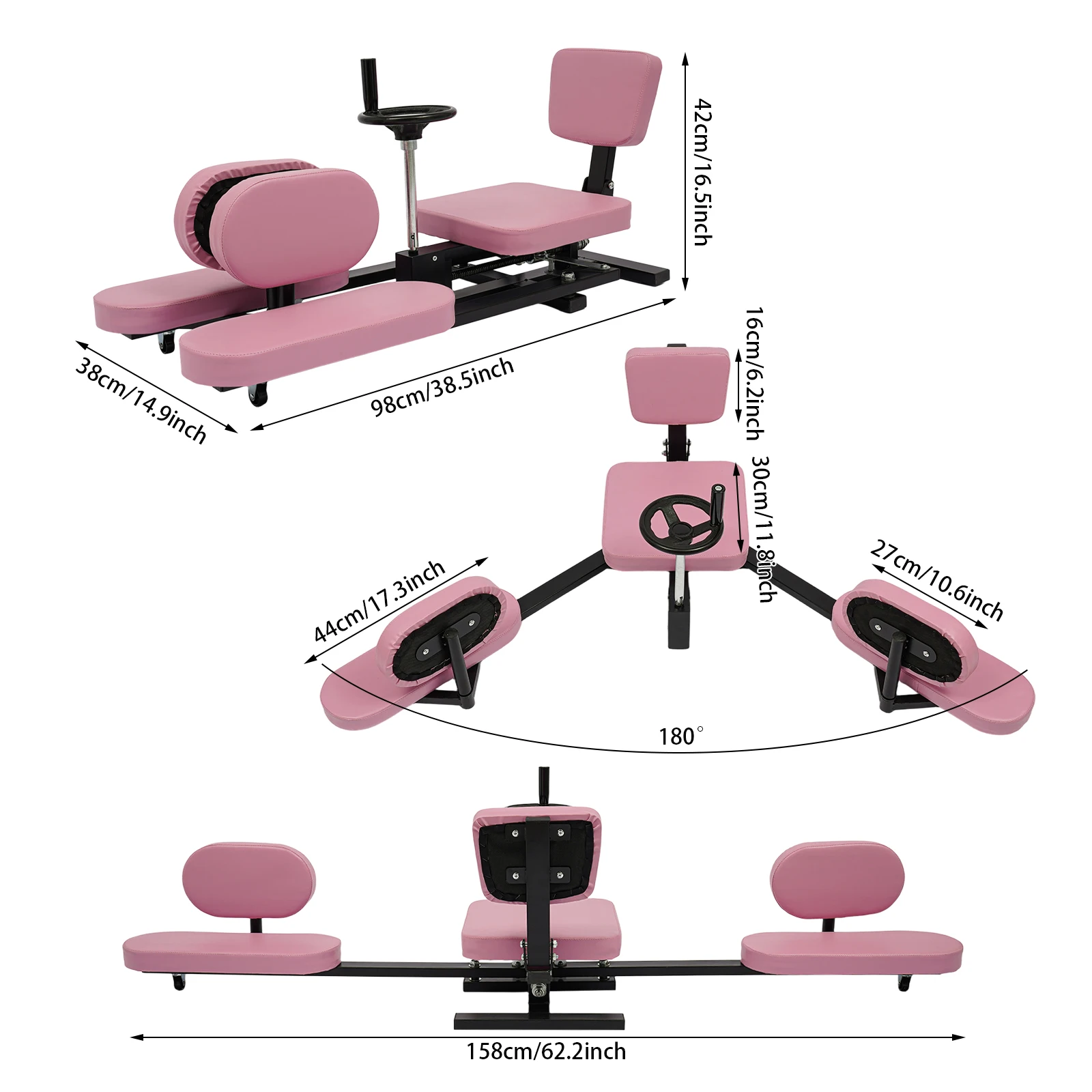
| Product type | Three-bar leg stretcher / split training machine |
|---|---|
| Load rating | 100 kg / 220.46 lb |
| Adjustment | Hand crank, fine incremental |
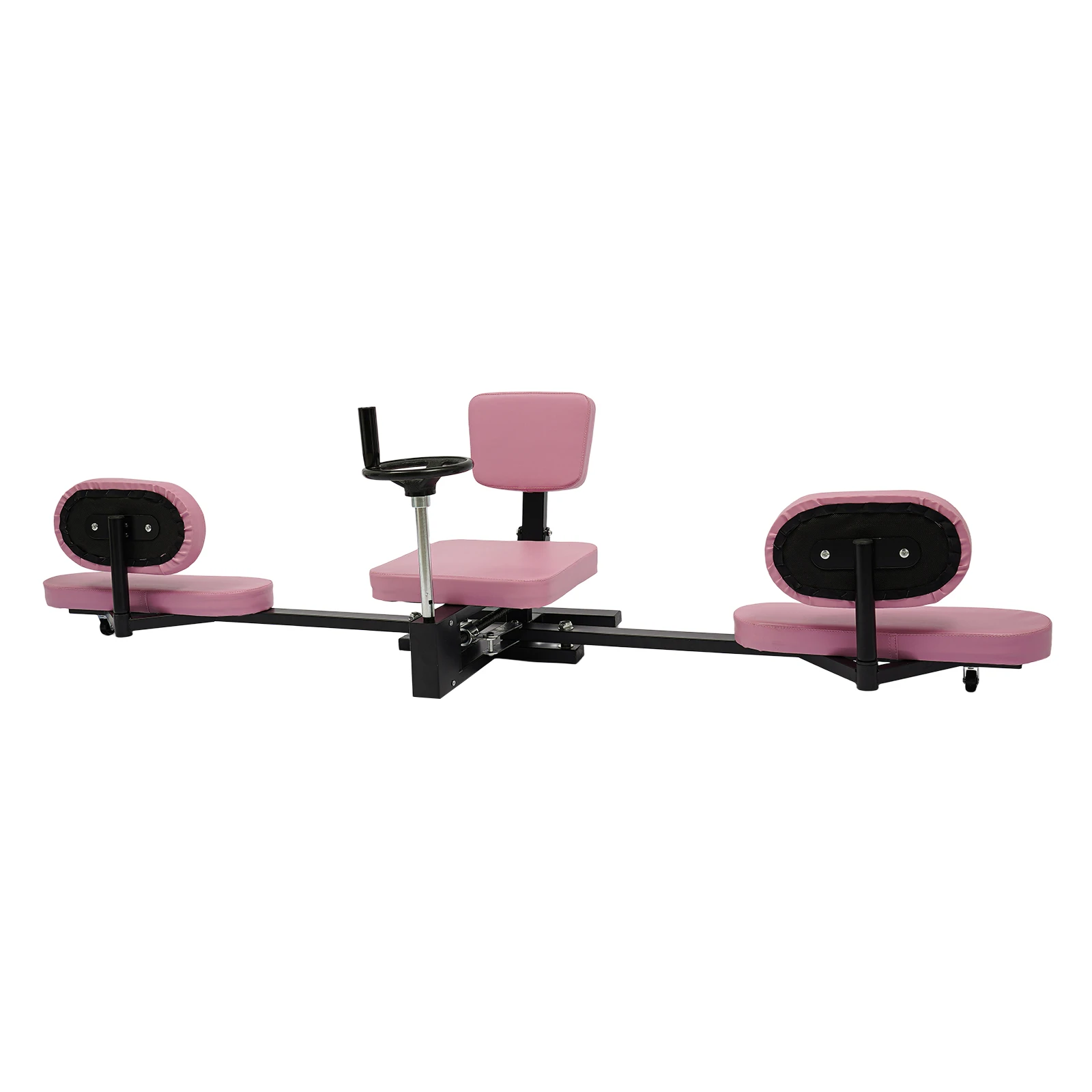
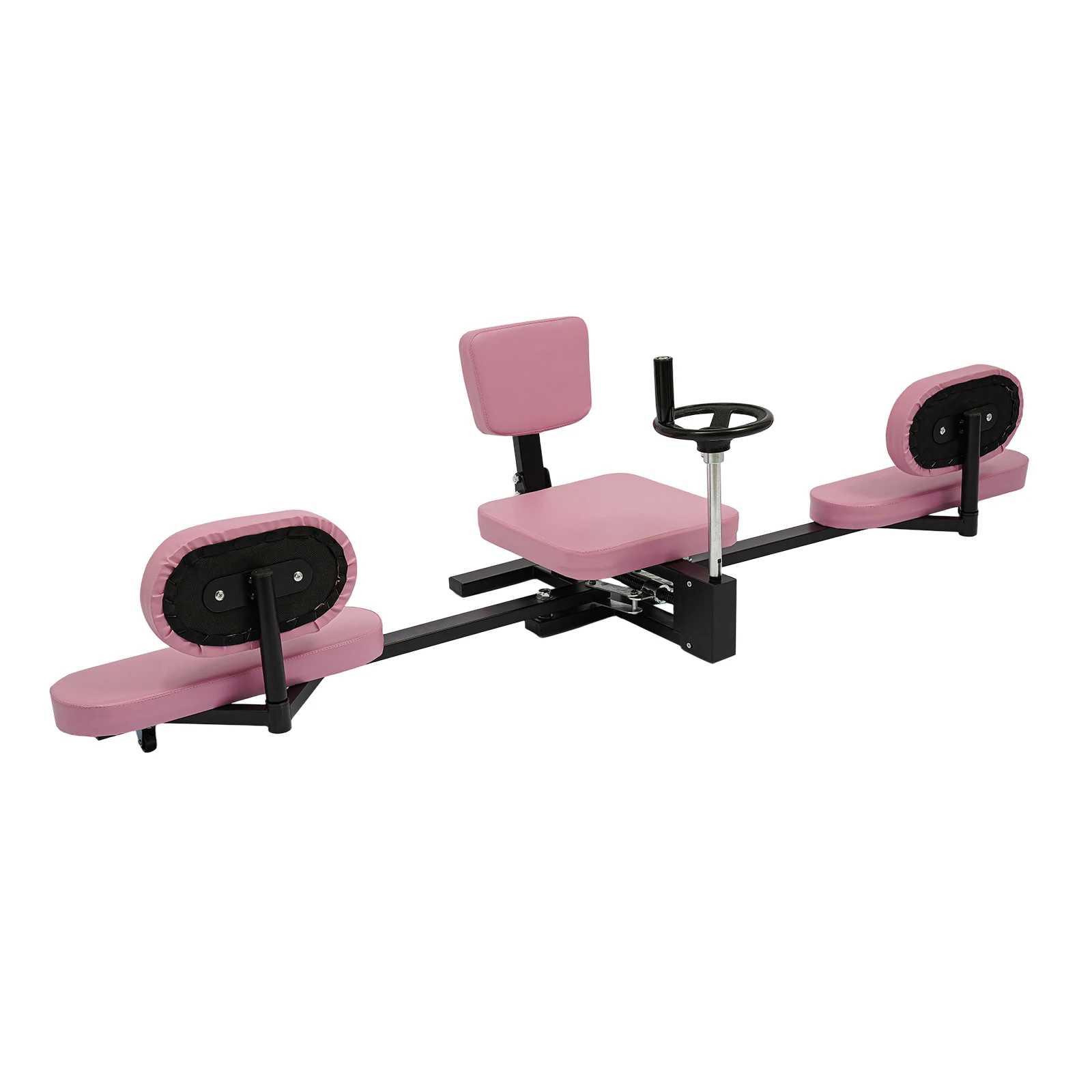
| Configuration | Seated straddle with back support |
| Frame | Steel |
| Foldable | Yes |
| Colour | Pink |
| Target muscles | Adductors, hamstrings, hip flexors |
| Assembly | Required |
| Power | None – fully manual |
Care & Maintenance
Before every session, check that the crank turns smoothly and that all bolts and locking pins are tight. This is a load-bearing frame, and a loose bolt under a stretched hip is precisely the failure you do not want. Wipe the frame down after use, since sweat corrodes steel over time. Lightly oil the crank thread every few months if it begins to bind, and never force a stiff crank. Store it folded, in a dry place. Retire the unit if the frame bends, a weld cracks, or the crank slips under load – none of those are repairable at home.
What’s in the Box
One leg stretcher frame with three arms, seat, hand-crank assembly, fixings and an assembly guide. Tools may be required; check the enclosed instructions before you start.
Reviews
There are no reviews yet.