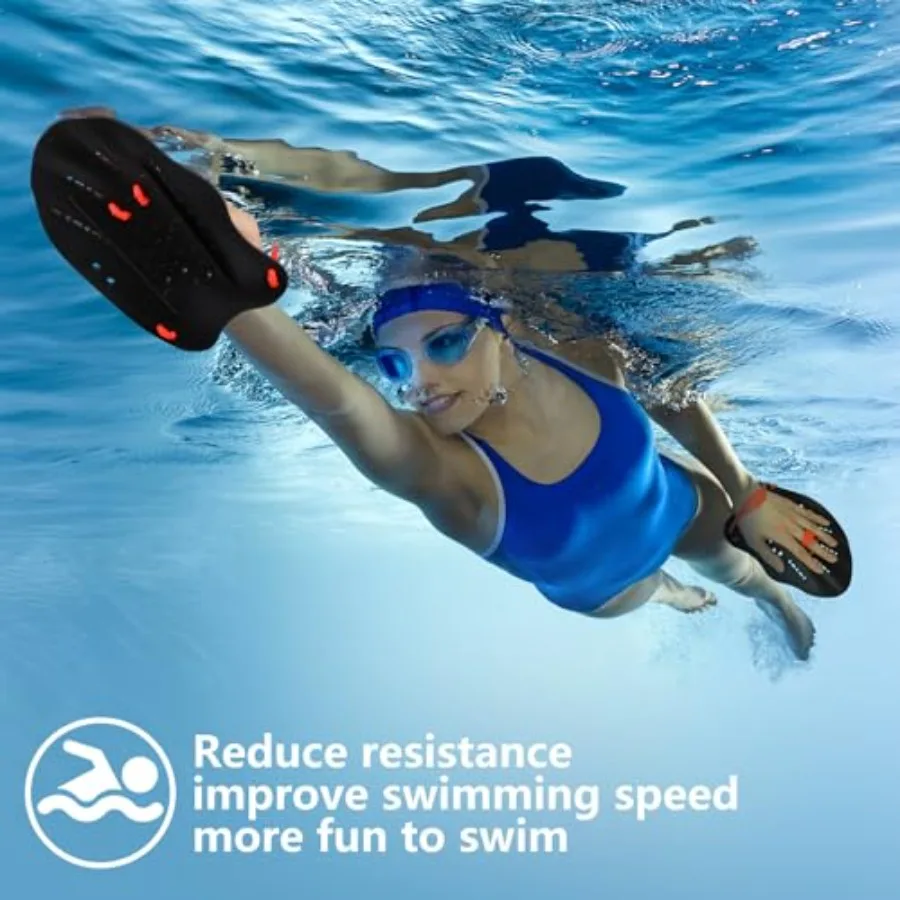
Feel the Water: Paddles That Teach Your Hand to Hold It
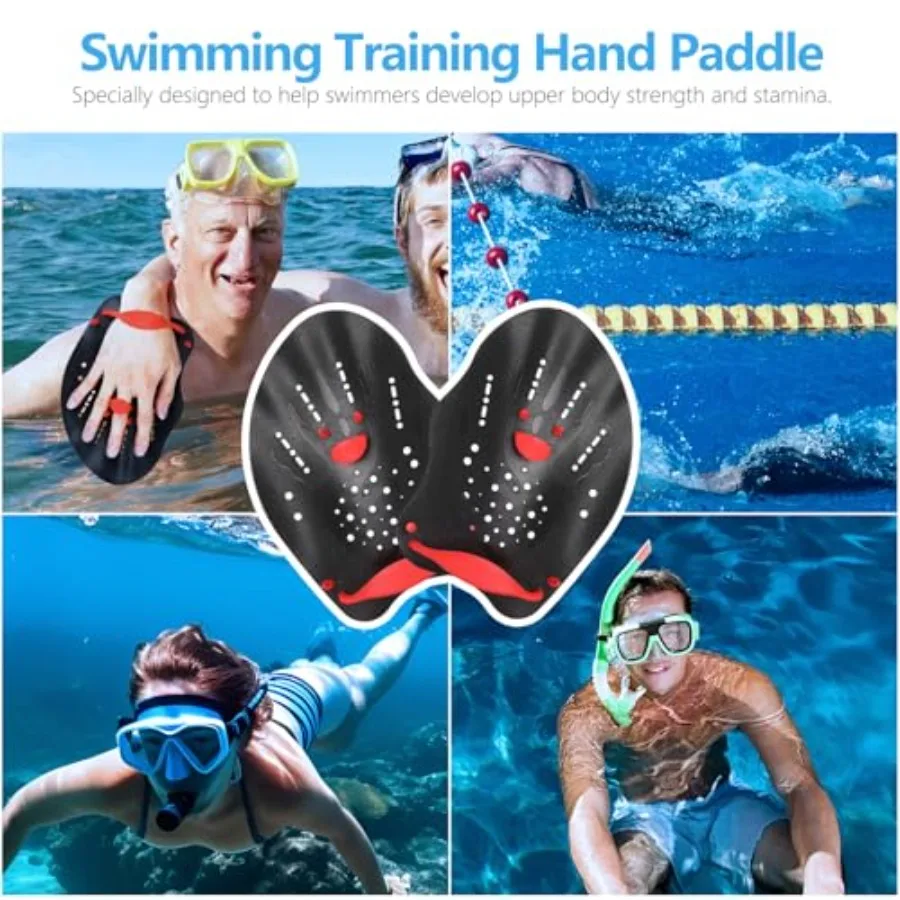
A paddle increases the surface area of your hand, so at the same stroke rate each pull moves more water and generates more propulsive force. That extra force has to be produced by the lats, pecs and posterior shoulder, which is why paddles act as resistance training in the water. Just as importantly, they amplify feedback: with a larger, flatter surface, a badly angled forearm lets water slip off the edge in a way you can actually feel. The paddle does not fix your catch — it tells you the truth about it.
Key Benefits
- Progressive overload in the pool. More surface area means more force per stroke, loading the pulling muscles harder than swimming alone without changing your stroke rate.
- Instant feedback on your catch. If your wrist collapses or your elbow drops, water spills off the paddle edge and you feel the pressure vanish — a correction cue no coach can deliver mid-length.
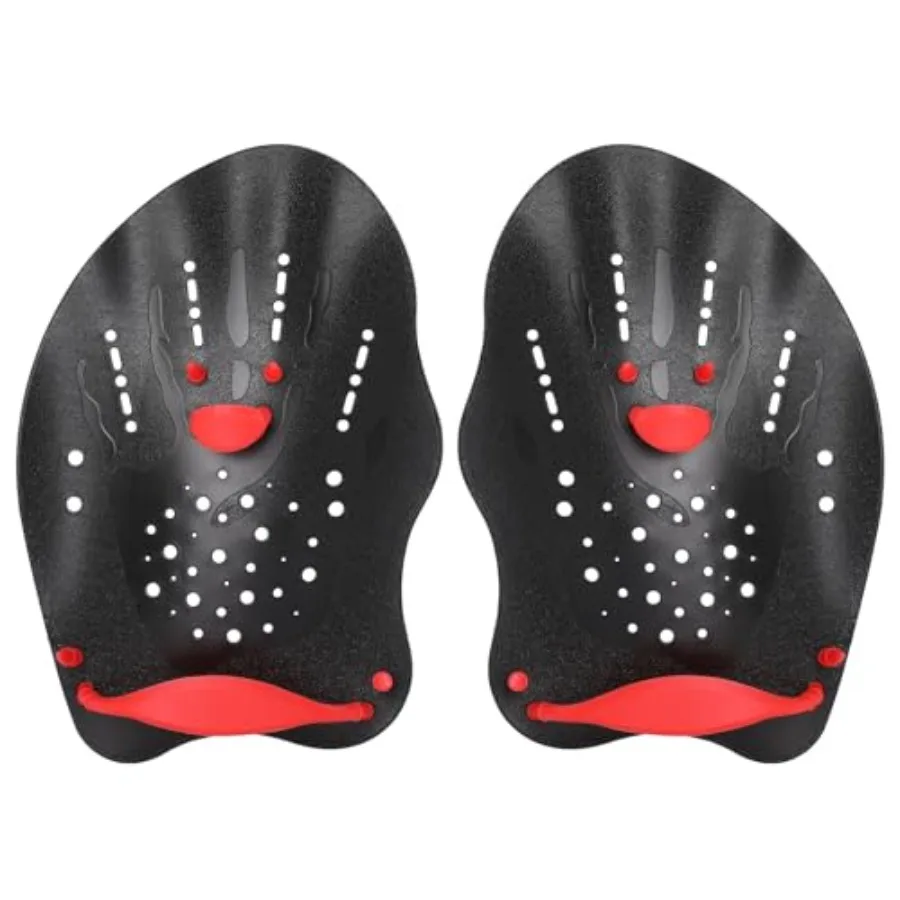
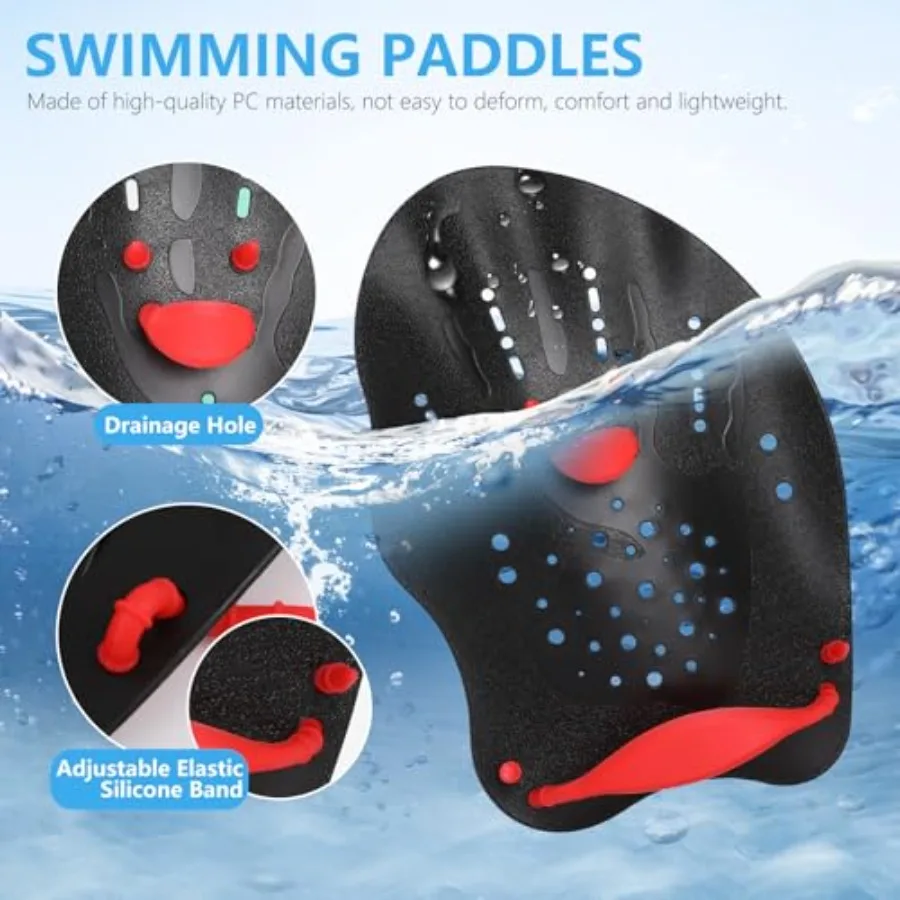
- Adjustable strap system. Straps let you set the fit, and running the paddle with the wrist strap loose (or off entirely) forces you to hold correct hand position or the paddle falls off.
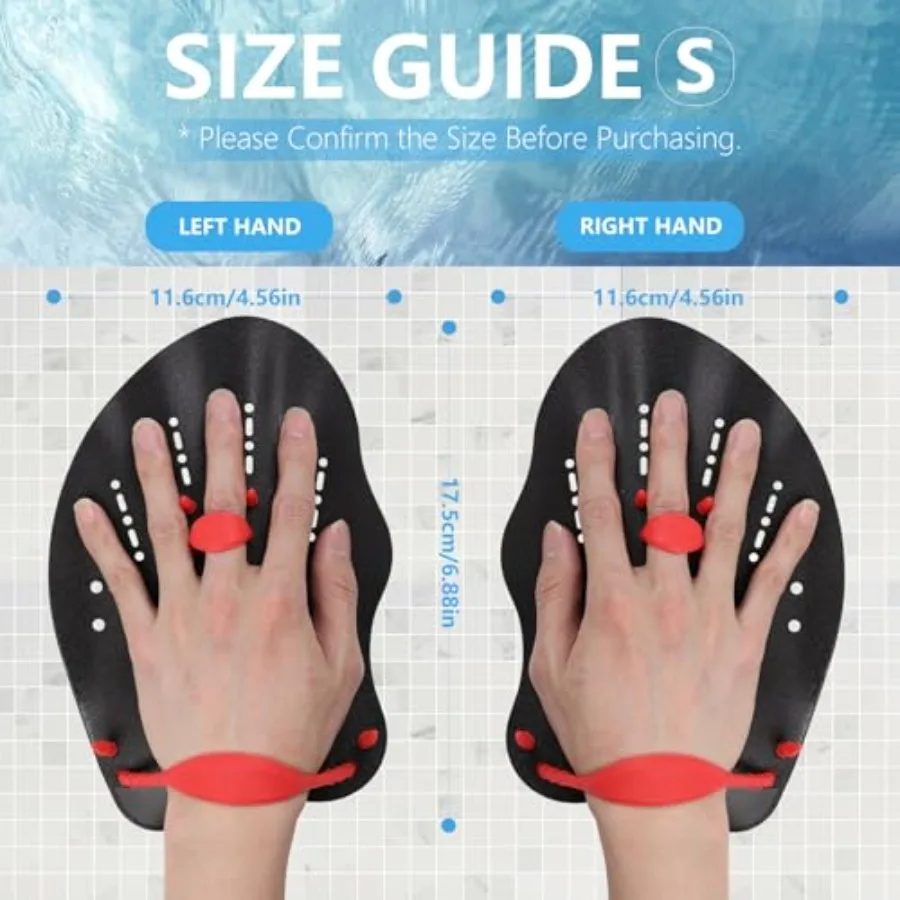
- Junior and adult sizing. Paddle size should scale to the swimmer’s strength, not their ambition. Smaller swimmers need smaller paddles — a proportionally oversized paddle is the classic shoulder-injury setup.
- Honest about what they don’t do. Paddles will not give you a good catch, and they will not build a stroke you don’t already have. They magnify whatever technique you bring.
- Shoulder-first design thinking. The single biggest risk in paddle training is volume, not the paddle. Treat them like a heavy set, not like a warm-up.
How to Use
Start with short sets — 4 to 8 lengths inside a longer session — and build volume slowly over weeks, not days. Focus on a high elbow and a firm wrist; the paddle should feel like it is pressing a solid, unmoving block of water backwards. Combine with a pull buoy to isolate the upper body, or swim full stroke to load the catch under normal body rotation. Safety: swimmer’s shoulder (subacromial impingement) is overwhelmingly an overuse injury, and paddles are the most common accelerant. If you feel any pinching at the front or top of the shoulder, stop the set immediately — do not swim through it. Drop to a smaller paddle if your stroke rate collapses or your elbow drops, and never use paddles when already fatigued and technique is falling apart.
Specifications
| Type | Swim training hand paddles |
|---|---|
| Fit | Adjustable straps |
| Sizing | Junior and adult options — variant dependent |
| Material | Moulded rigid plastic |
| Sold as | Pair — variant dependent |
| Best for | Lap swimming, pull sets, catch and technique work |
| Strokes | Primarily freestyle; also butterfly and breaststroke pull |
| Skill level | Intermediate and above (competent stroke required) |
Care & Maintenance
Rinse thoroughly in fresh water after every swim — chlorine left to dry degrades the straps far faster than it does the paddle body. Air-dry out of direct sunlight, as prolonged UV makes the plastic brittle and the straps perish. Inspect the straps for cracking or thinning before each use and retire them at the first sign of splitting; a strap that fails mid-set can send the paddle into someone.
What’s in the Box
Swim hand paddles with adjustable straps fitted. Quantity and size vary by selected variant.
Reviews
There are no reviews yet.