Straight-Line Speed Is Not What Wins Ball Games
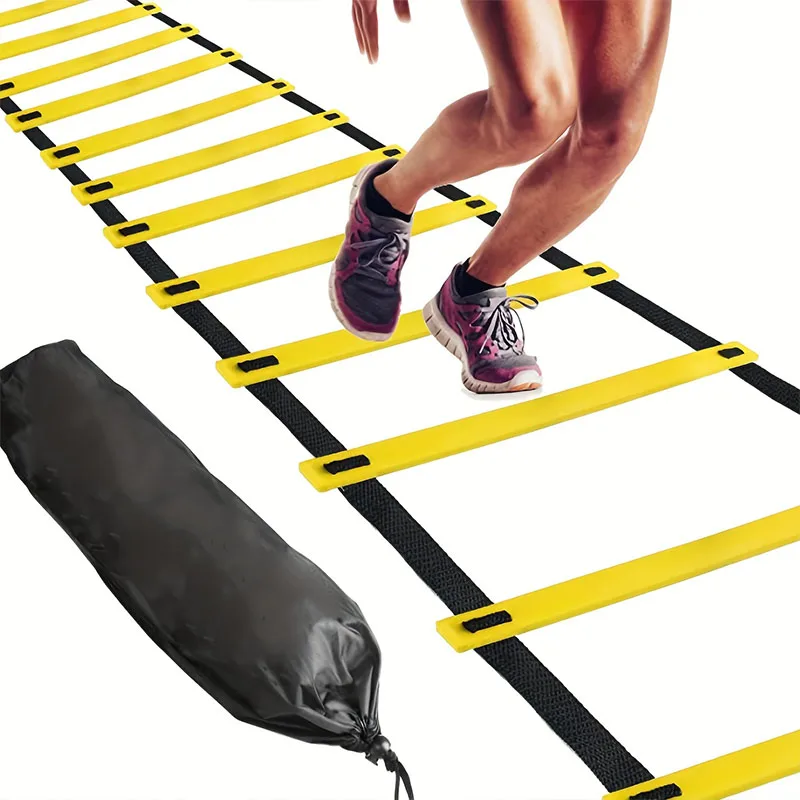
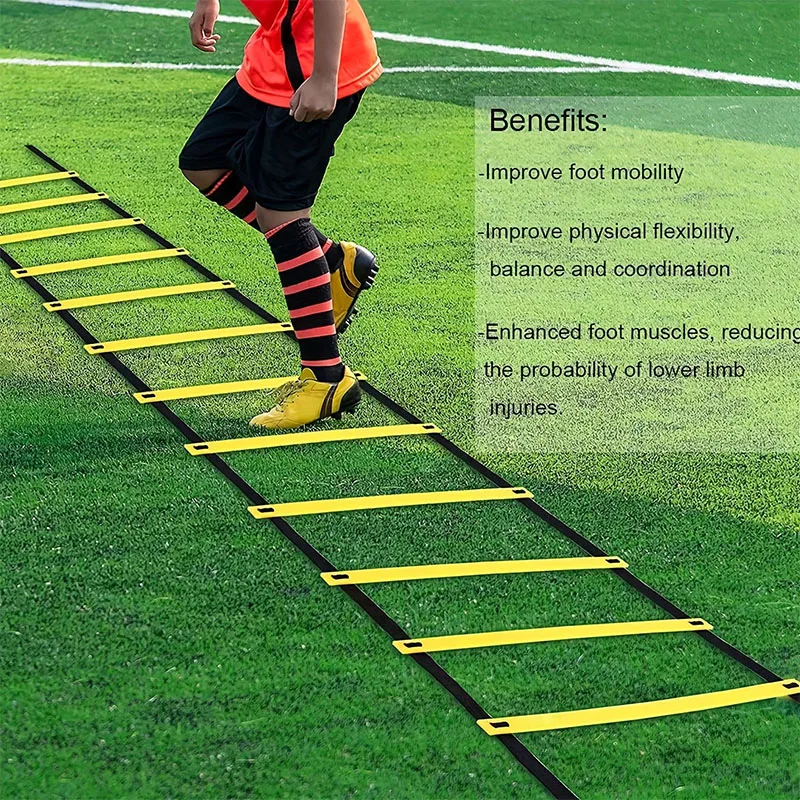
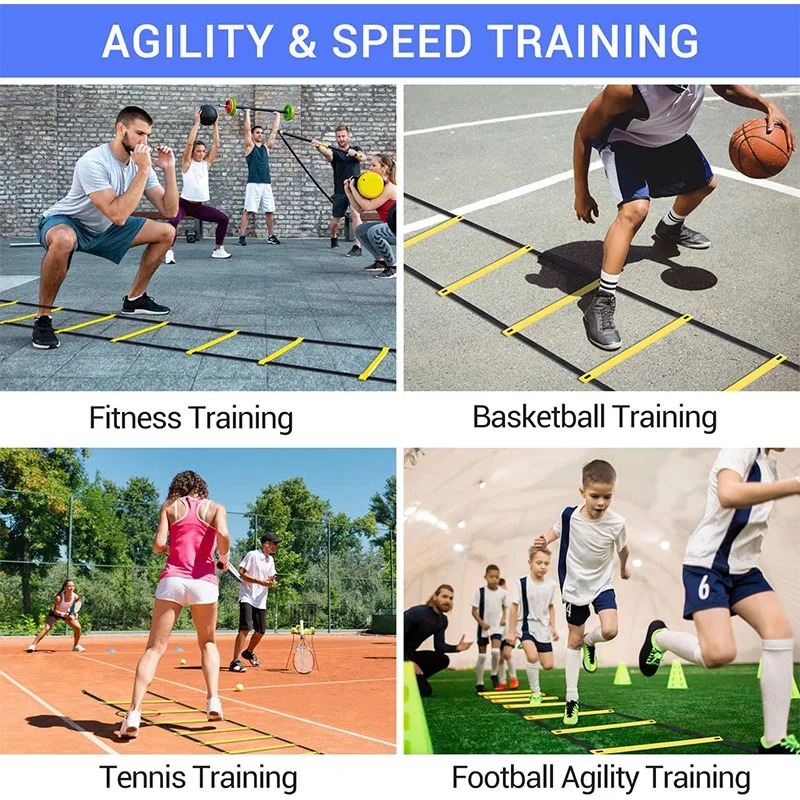
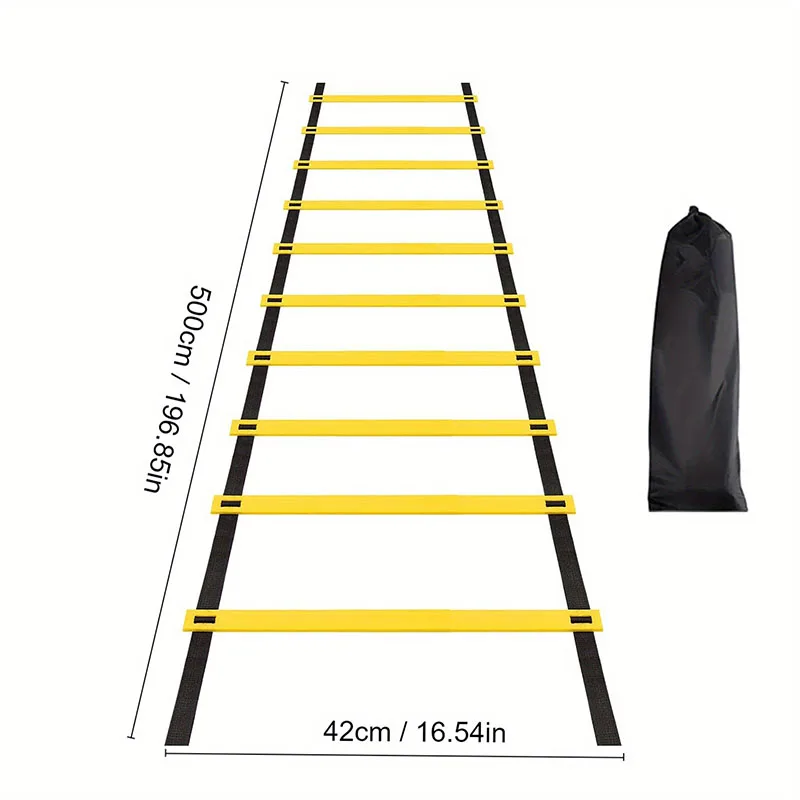
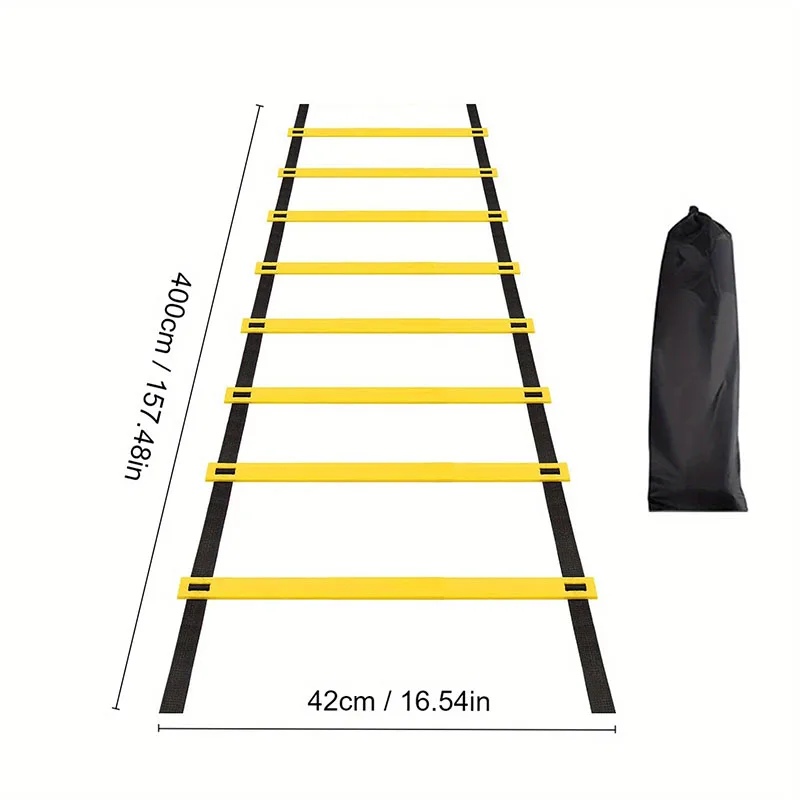
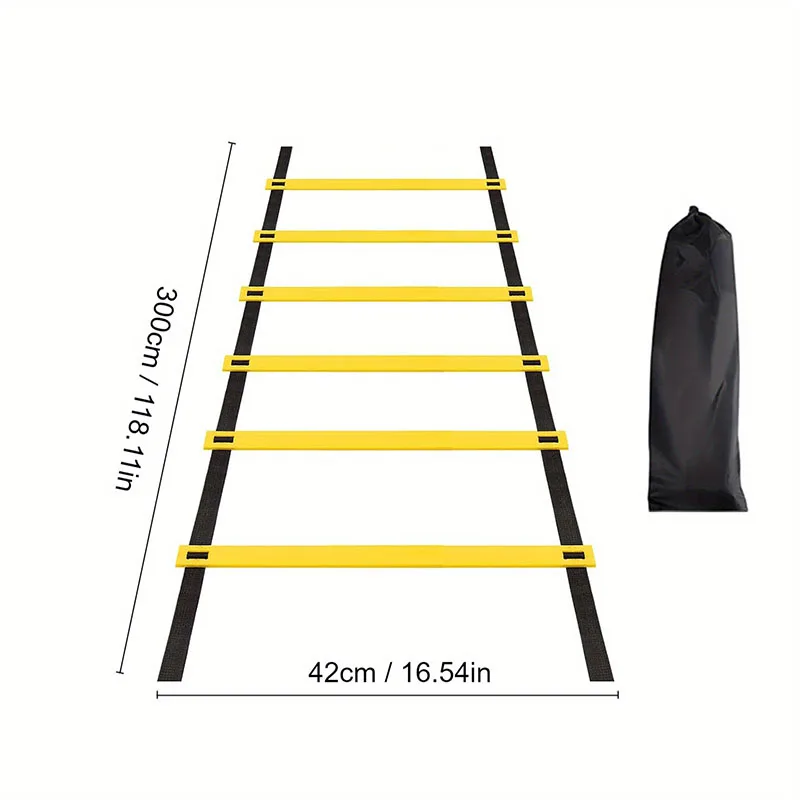
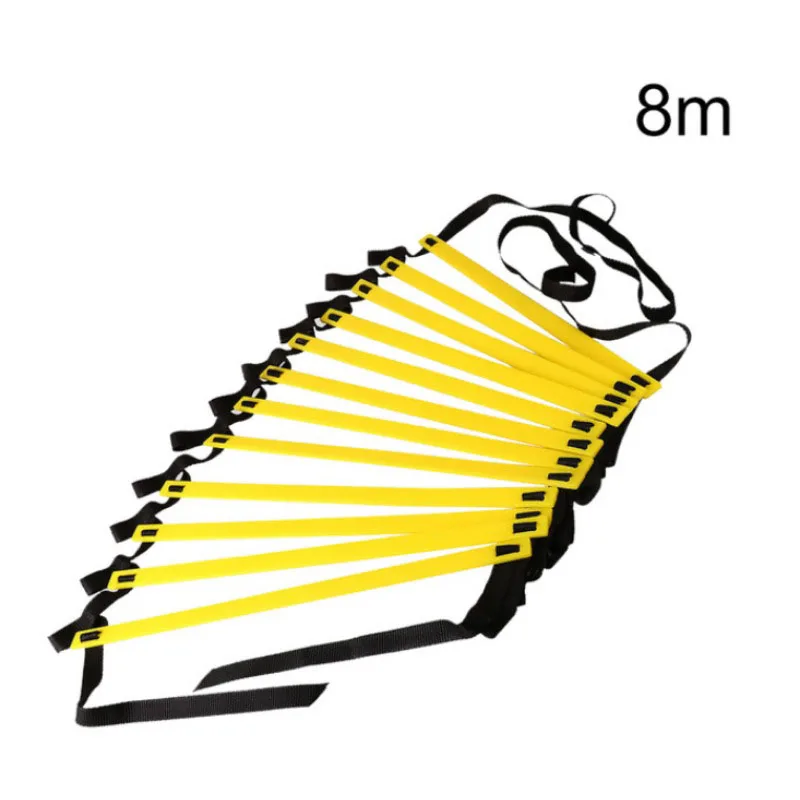
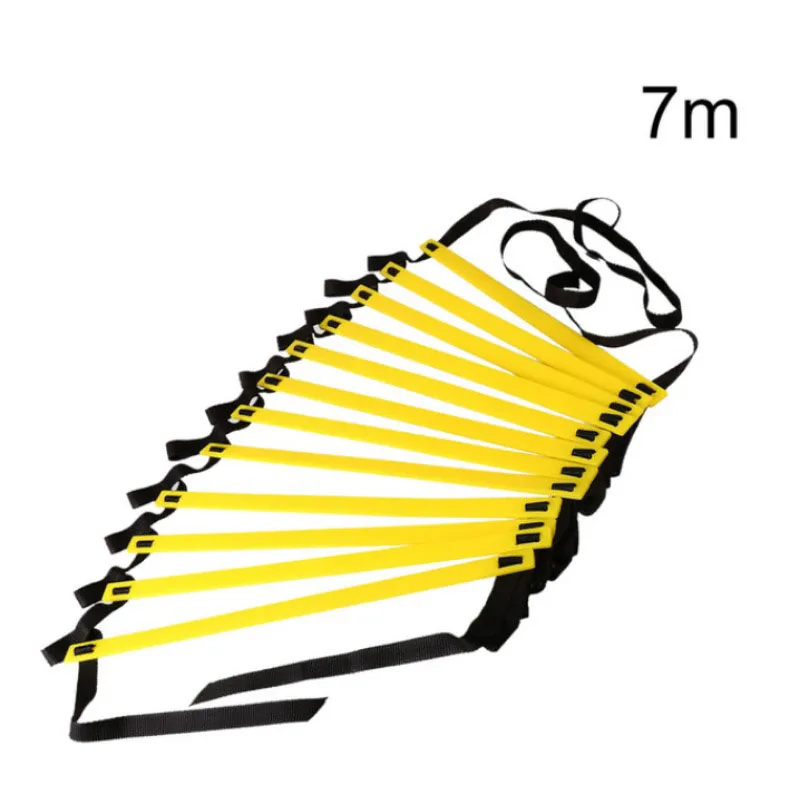
This is a nylon agility ladder at $17.99, available in lengths from 2m to 10m, for speed, footwork and agility training. In almost every field and court sport, the deciding quality is not top speed – it is acceleration, deceleration and the ability to change direction faster than the person marking you. A ladder trains exactly that: it forces high-frequency, precise foot placement, which builds the coordination and stiffness in the foot and ankle that fast direction changes depend on.
Key Benefits
- Trains change of direction. The quality that decides most sporting contests, and the one straight-line running does not build.
- Foot speed and frequency. High-cadence footwork forces quicker ground contacts.
- Coordination under fatigue. Precise foot placement gets much harder when you are tired – which is when it matters.
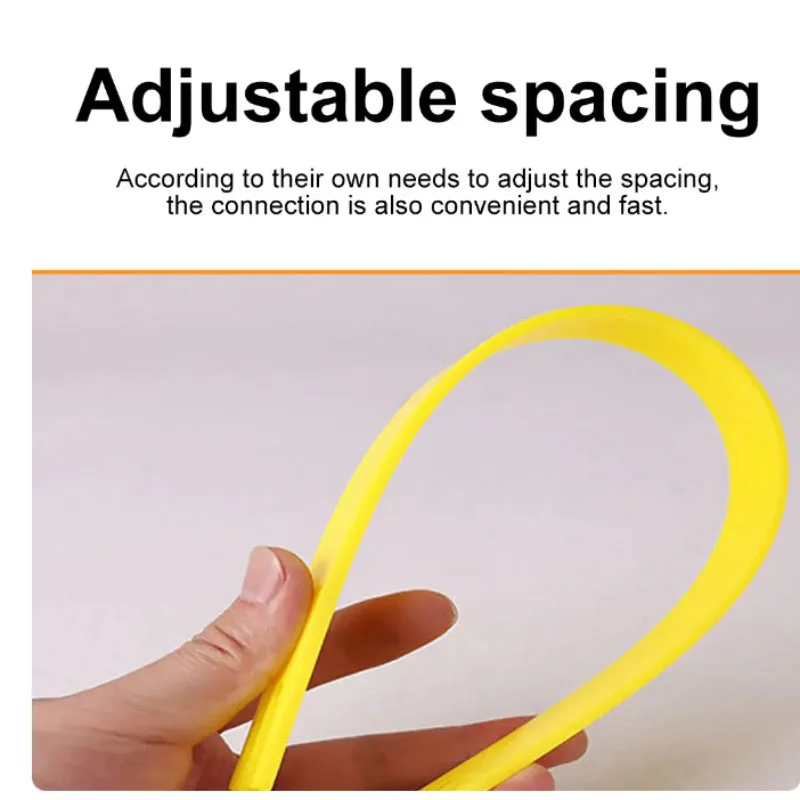
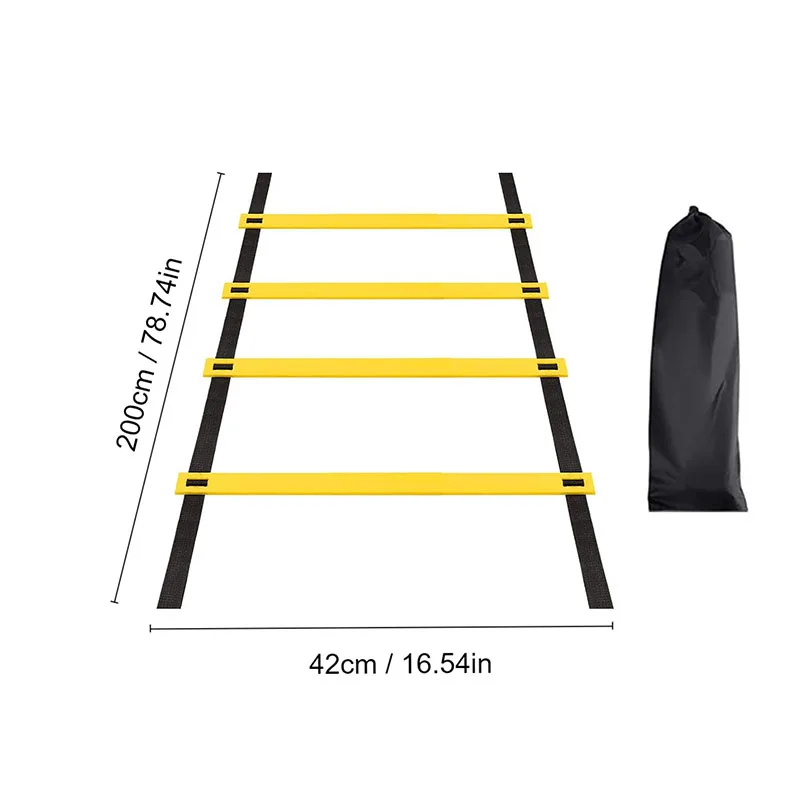
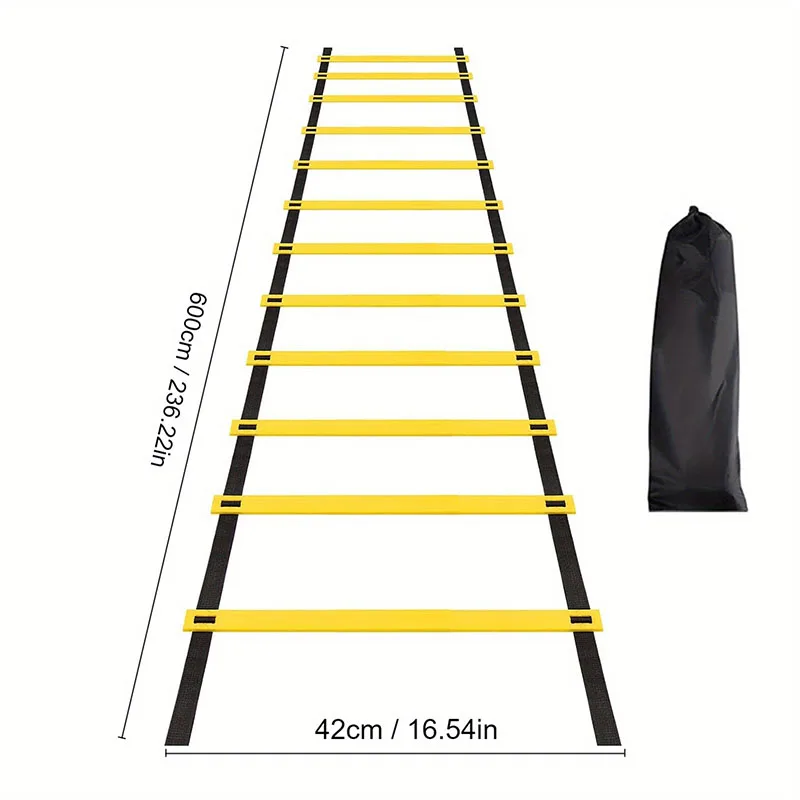
- Lengths from 2m to 10m. Short for a garden or garage, long for a pitch.
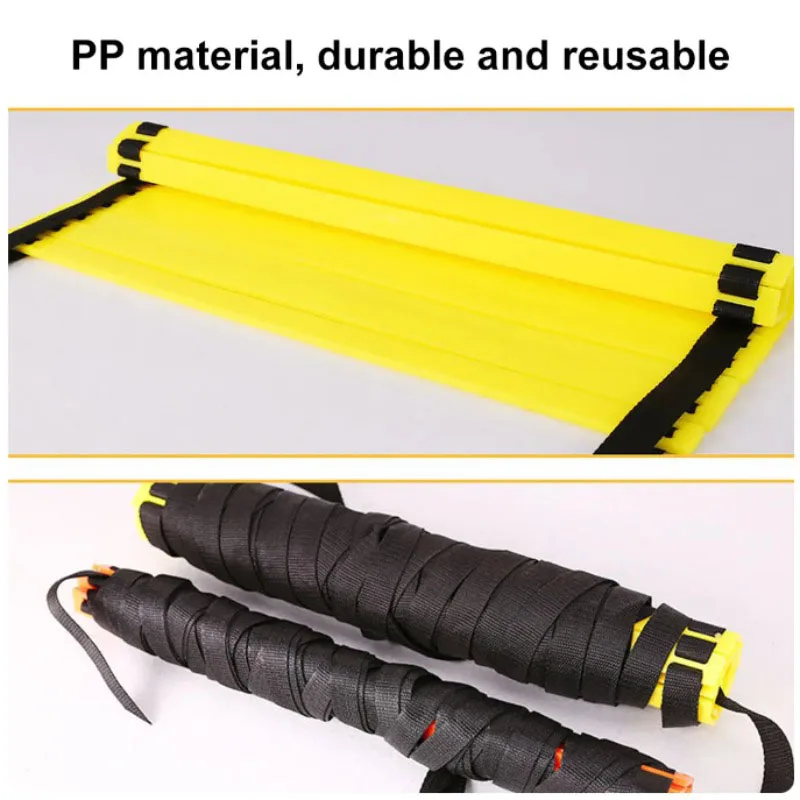
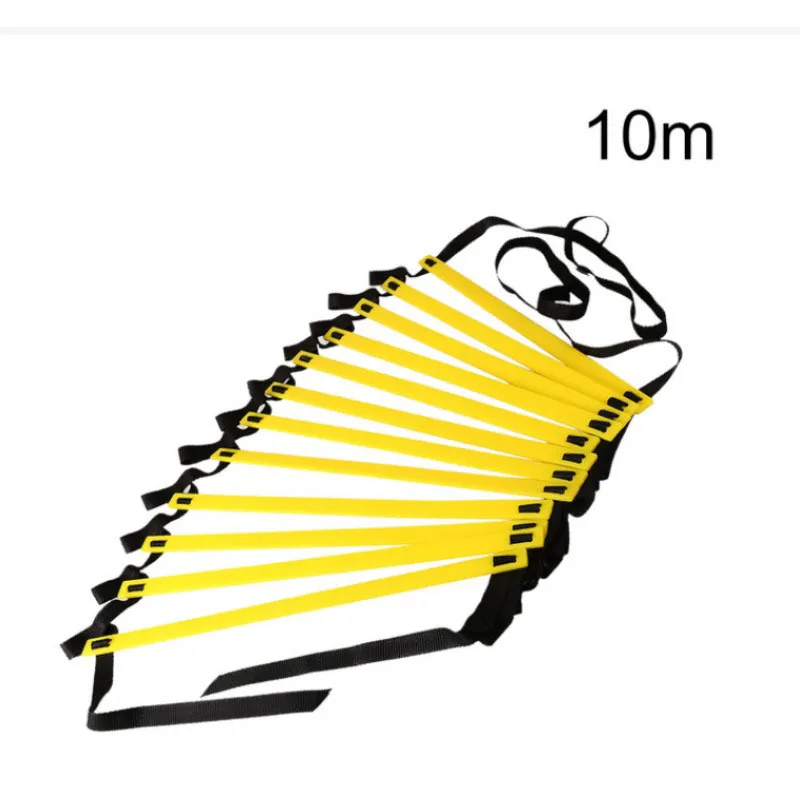
- Rolls up. Packs into a bag and sets up in seconds.
How to Use
- Start slowly and precisely. Speed comes after accuracy – a ladder drill done sloppily fast trains nothing but sloppiness.
- Stay on the balls of your feet, keep your feet under your hips, and pump the arms.
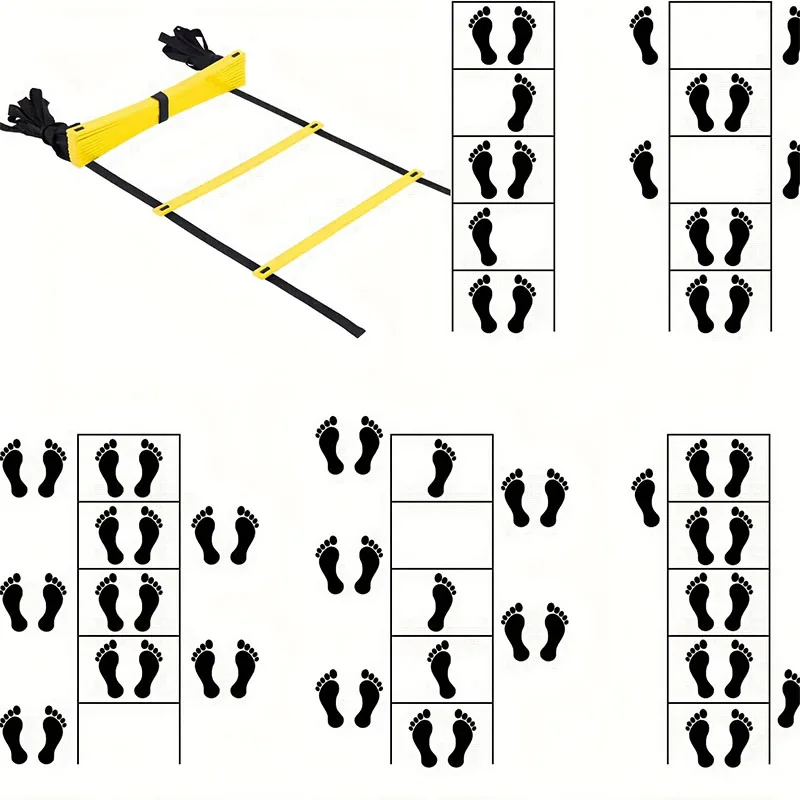
- Work through the standard patterns: one foot in each square, two feet in each square, lateral in-and-out, and the icky shuffle.
- Keep sets short – 10 to 20 seconds of maximum quality. This is a nervous-system drill, not a conditioning one, so rest fully between reps.
- Do it fresh, near the start of a session. Ladder work done exhausted just reinforces bad movement.
Specifications
| Type | Agility / speed training ladder |
|---|---|
| Material | Polyester / nylon straps |
| Lengths | 2m, 3m, 4m, 5m, 6m, 7m, 8m, 10m |
| Best for | Speed, agility, footwork, change of direction, football, soccer, court sports |
| Portability | Rolls up |
Care & Maintenance
Rinse mud off and dry before rolling it up – storing it wet rots the straps. Keep out of prolonged direct sunlight.
What’s in the Box
- 1 x Agility ladder (length as selected)
Frequently Asked Questions
Do agility ladders actually improve agility?
They improve foot speed, coordination and the precision of foot placement, which are components of agility. True agility – reacting and changing direction in response to an opponent – also needs reactive, unplanned drills. Use a ladder as one part of the picture, not the whole of it.
How fast should I go?
Slowly at first. Accuracy before speed – a drill done sloppily fast trains sloppiness. Speed up only when the pattern is clean.
How long should a session be?
Short, sharp sets of 10 to 20 seconds with full rest between them. This is nervous-system training, not conditioning, and doing it fatigued reinforces poor movement.
What length should I buy?
Shorter ladders (2–4m) suit a garden, garage or limited indoor space. Longer ones (6–10m) suit a pitch or a sports hall and allow more repetitions per pass.
When in a session should I use it?
Near the start, while you are fresh – typically after a warm-up and before heavy work. Ladder drills done at the end of an exhausting session are close to useless.

Reviews
There are no reviews yet.