Ankle Mobility Is Why Your Squat Is Stuck
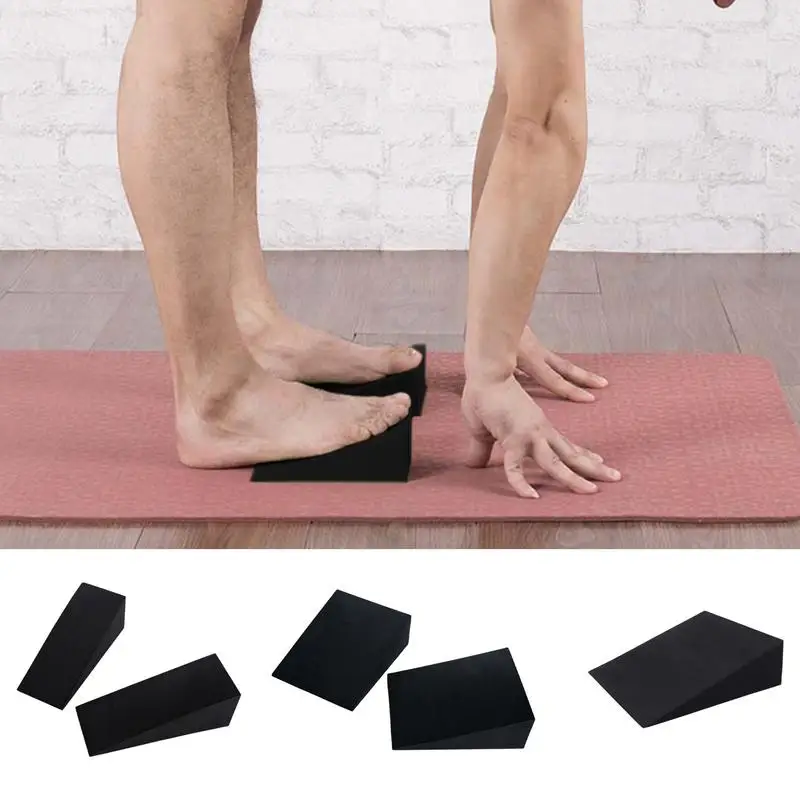
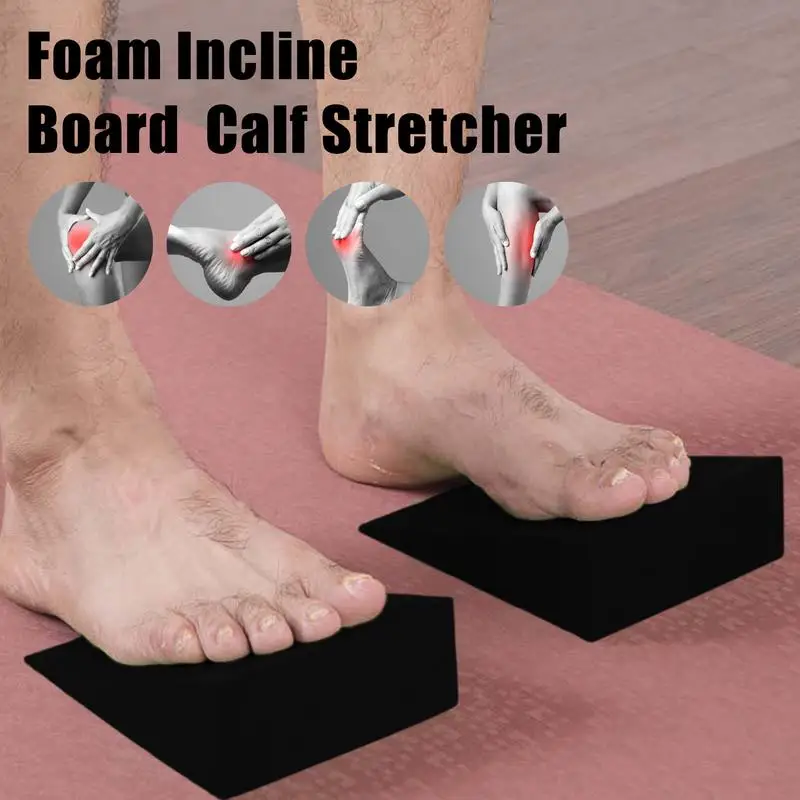
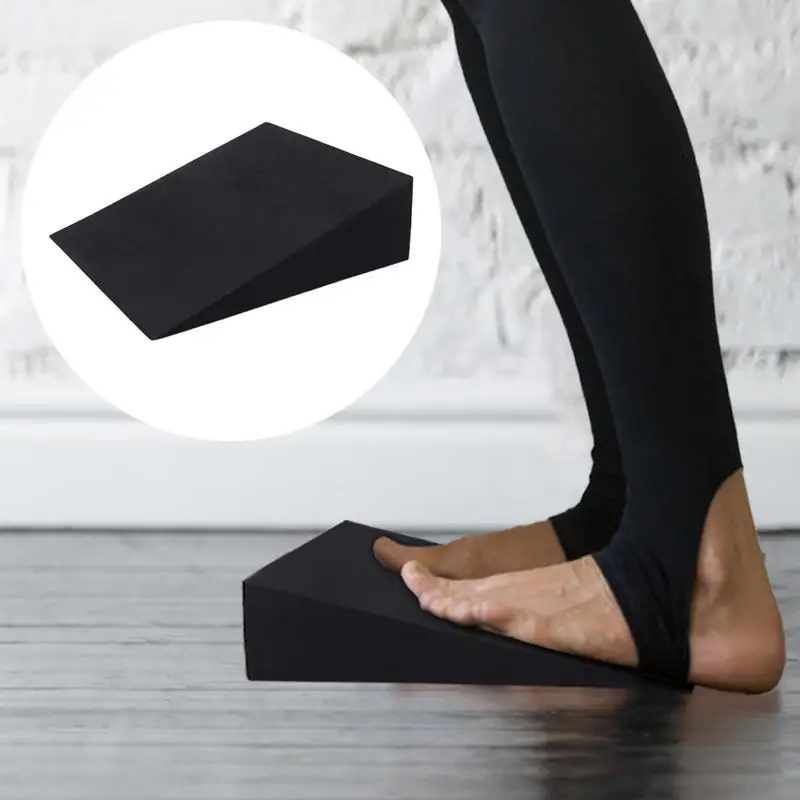
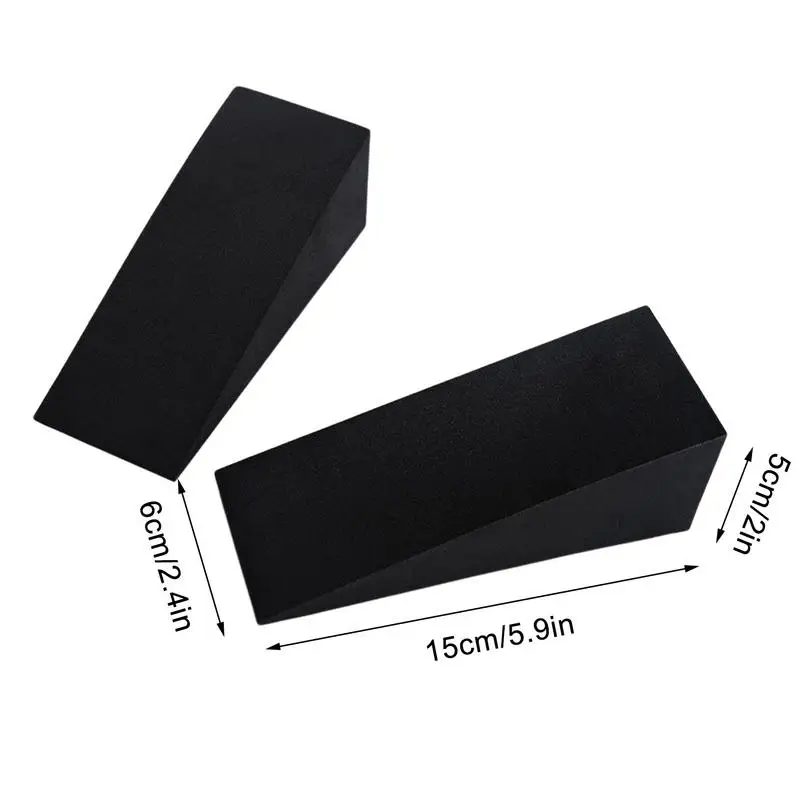
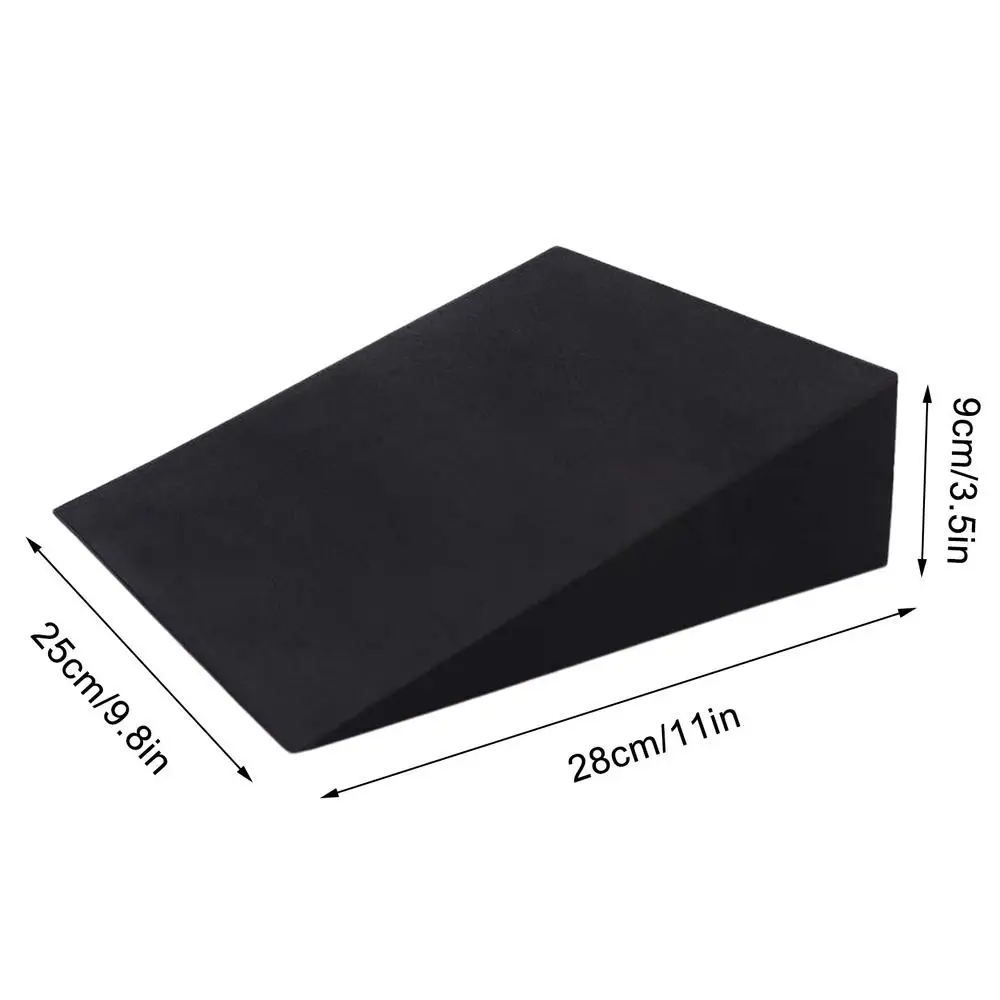
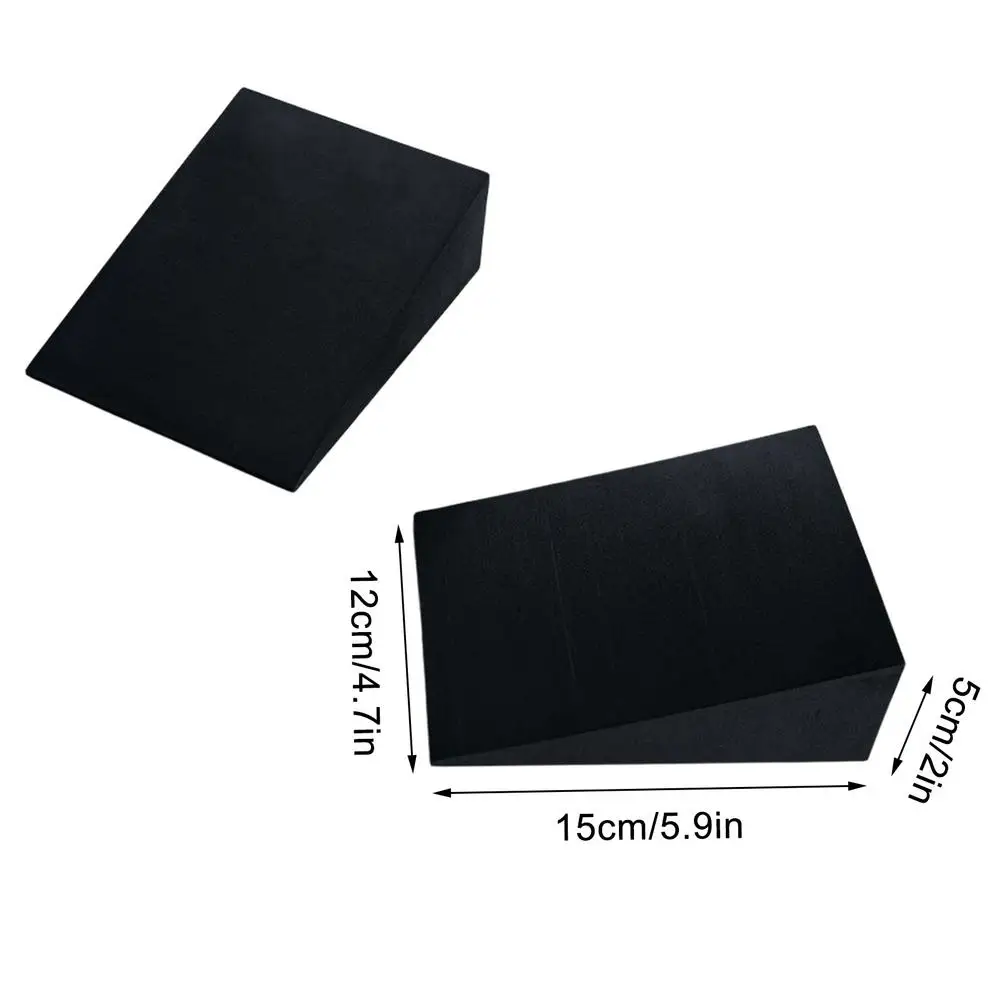
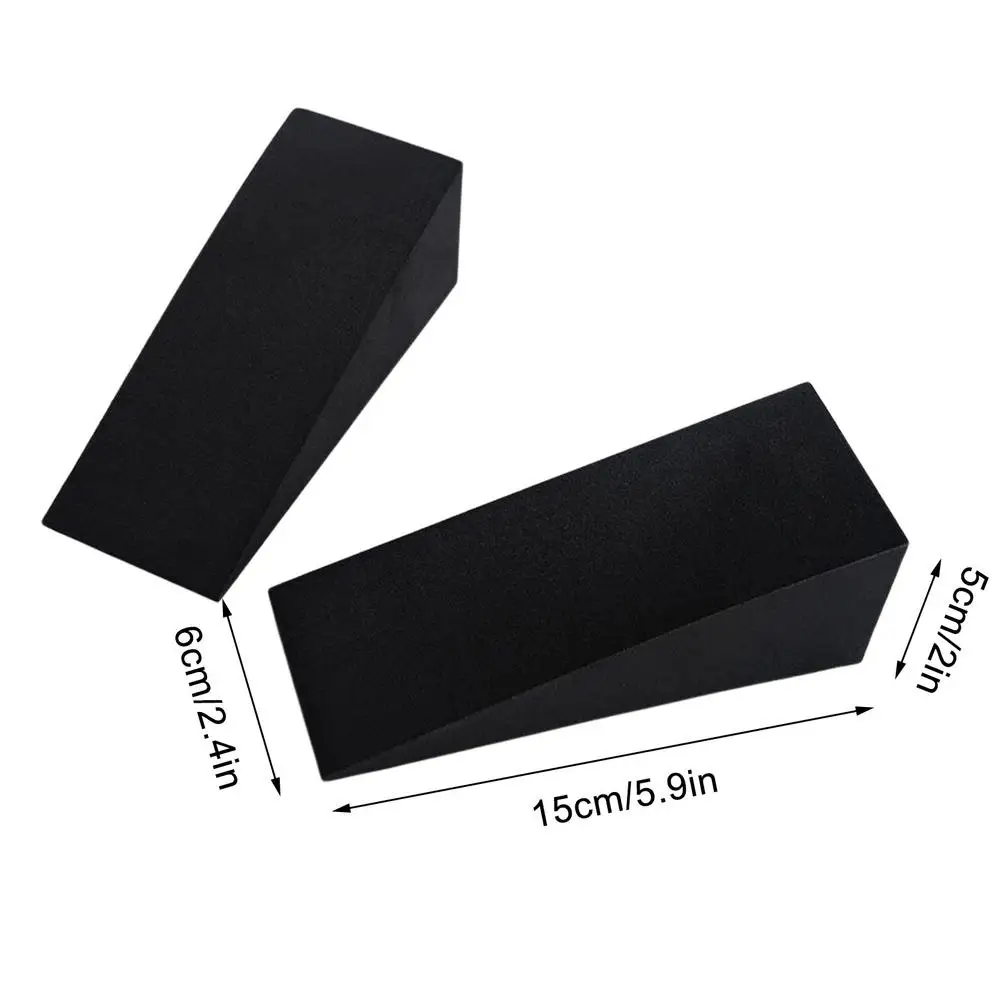
This is an EVA foam slant board and stretch wedge at $14.07, available as a single 28x25x9cm board or as pairs of 15x12x5cm and 15x6x5cm blocks. It does two jobs. Standing on it with heels below toes stretches the calf, Achilles and plantar fascia. Standing on it with heels raised instead lets you squat deeper with an upright torso – because for most people limited squat depth is not tight hips, it is ankles that will not let the knee travel forward far enough.
Key Benefits
- Stretches the whole lower chain. Calves, Achilles, ankle and plantar fascia in one standing position.
- Fixes squat depth. Heels elevated on a wedge is the standard fix for restricted ankle mobility.
- EVA foam. Light, quiet, and it will not chip a floor the way a wooden or metal board can.
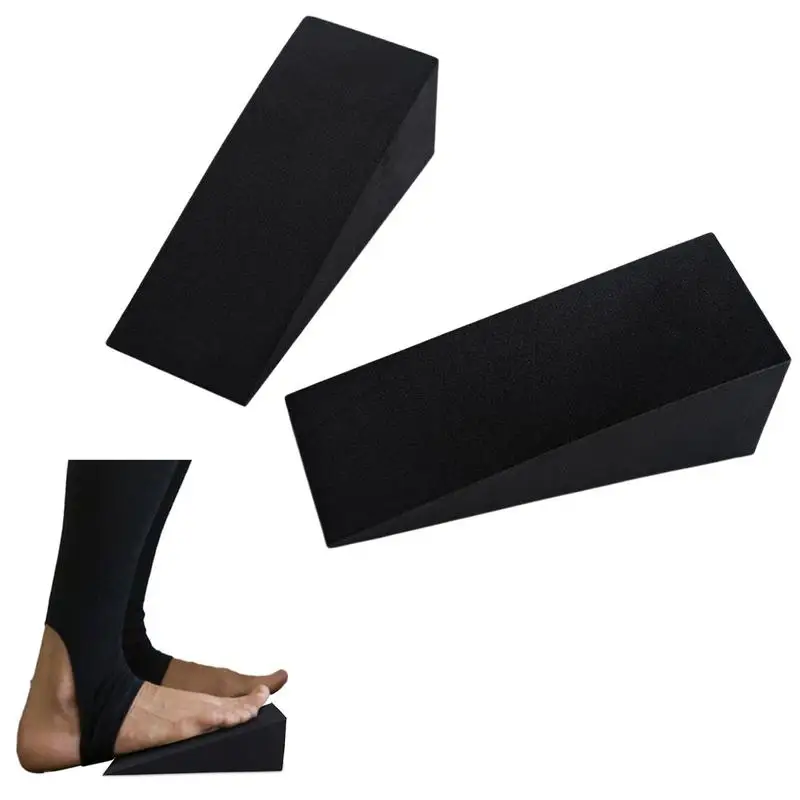
- Three configurations. One large board, or a pair of smaller blocks for two-foot work.
- Lives under a desk. The equipment you actually use is the equipment that is already in the room.
How to Use
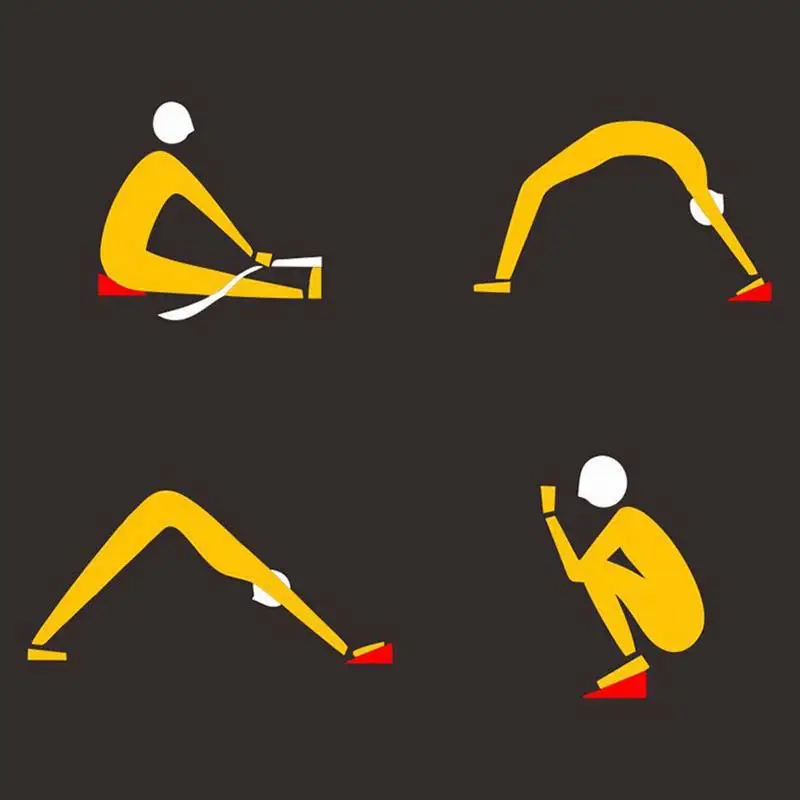
- To stretch: stand with toes up on the wedge and heels down, knees straight, and hold 30–60 seconds. Repeat with knees slightly bent to reach the deeper soleus muscle.
- To squat: stand with heels on the wedge and toes down, and squat as normal. You should find you reach far more depth with a more upright chest.
- Also use it under the heels for calf raises, and under the forefoot for a plantar fascia stretch.
- Stretch daily rather than occasionally – tissue length responds to frequency, not to heroic single sessions.
Specifications
| Type | EVA foam slant board / stretch wedge / squat ramp |
|---|---|
| Material | EVA foam |
| Size options | 28x25x9cm (1 piece), 15x12x5cm (1 pair), 15x6x5cm (1 pair) |
| Uses | Calf, ankle, heel, foot and back stretching; squats; balance |
| Best for | Plantar fasciitis, calf tightness, ankle mobility, squat depth |
Care & Maintenance
Wipe with a damp cloth and mild soap. Keep away from sharp edges – EVA dents. Store out of direct sunlight.
What’s in the Box
- 1 x Foam slant board (or 1 pair, depending on size selected)
Frequently Asked Questions
Which size should I choose?
The single 28x25x9cm board suits standing stretches and squats with both feet. The pairs of smaller blocks let you work one foot at a time or set both feet independently, and they take up less room.
How does a slant board help my squat?
It elevates the heels, which compensates for limited ankle dorsiflexion. If you cannot squat deep with an upright chest, the restriction is usually the ankle rather than the hips – and heels on a wedge is the standard fix.
Does it help plantar fasciitis?
Calf and Achilles tightness is a leading contributor to plantar fascia pain, and stretching that chain daily is a standard part of recovery. It is not a cure – persistent heel pain warrants a clinician.
Straight knee or bent knee for the calf stretch?
Both. Straight knee reaches the gastrocnemius, the upper calf. Bent knee reaches the soleus underneath. Most people only do the first and wonder why the tightness never resolves.
Is foam firm enough to stand on?
EVA foam is dense and holds its shape under body weight. It is lighter and quieter than a wooden board and will not mark your floor.

Reviews
There are no reviews yet.