The Reason Hydration Bladders Beat Water Bottles
Dehydration of around two percent of bodyweight is enough to measurably impair endurance, raise perceived effort, and blunt your body’s ability to shed heat — and on a long hike you will pass that threshold without ever feeling especially thirsty, because thirst lags fluid loss. The problem is behavioural, not physiological. Stopping, unclipping a pack, digging out a bottle and drinking is enough friction that people simply do it less often. A bite valve six inches from your mouth removes the friction, and voluntary fluid intake goes up. That is the entire case for a bladder, and it is a strong one.
Key Benefits
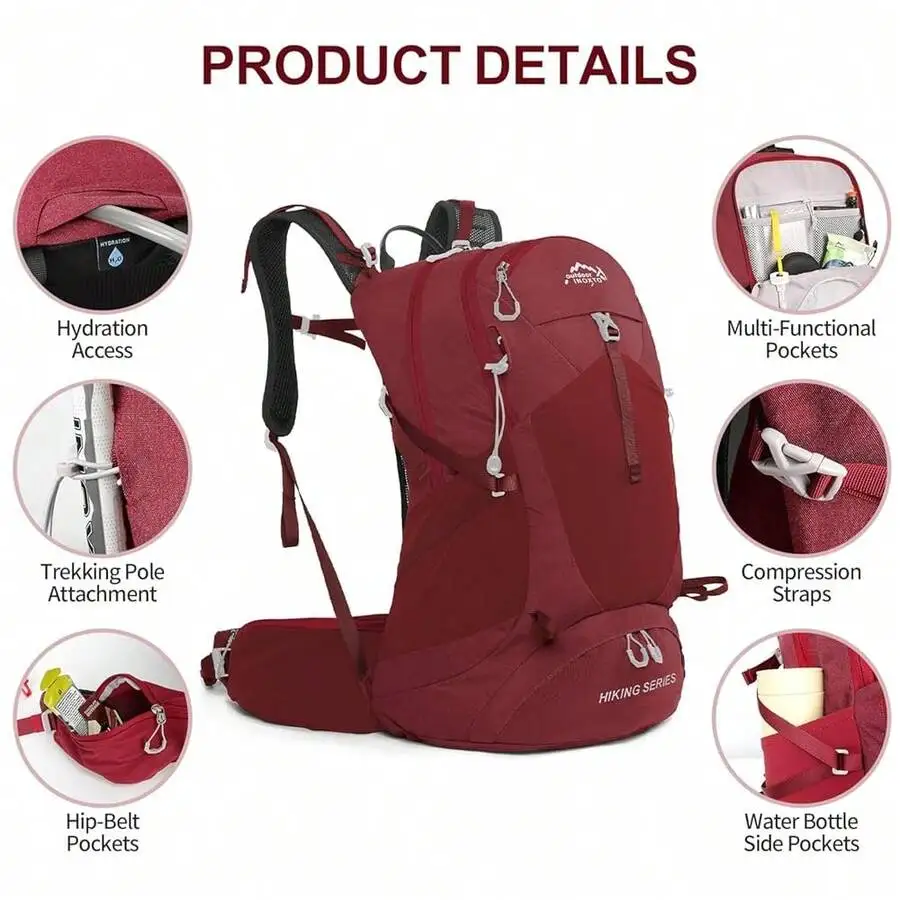
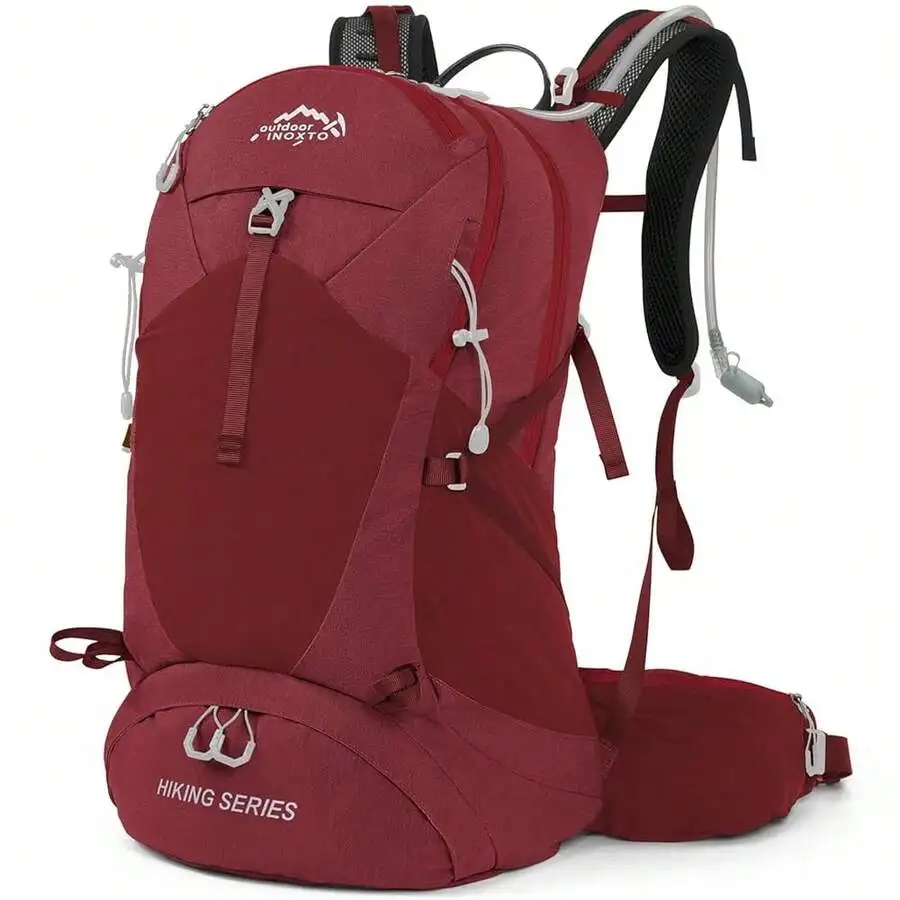
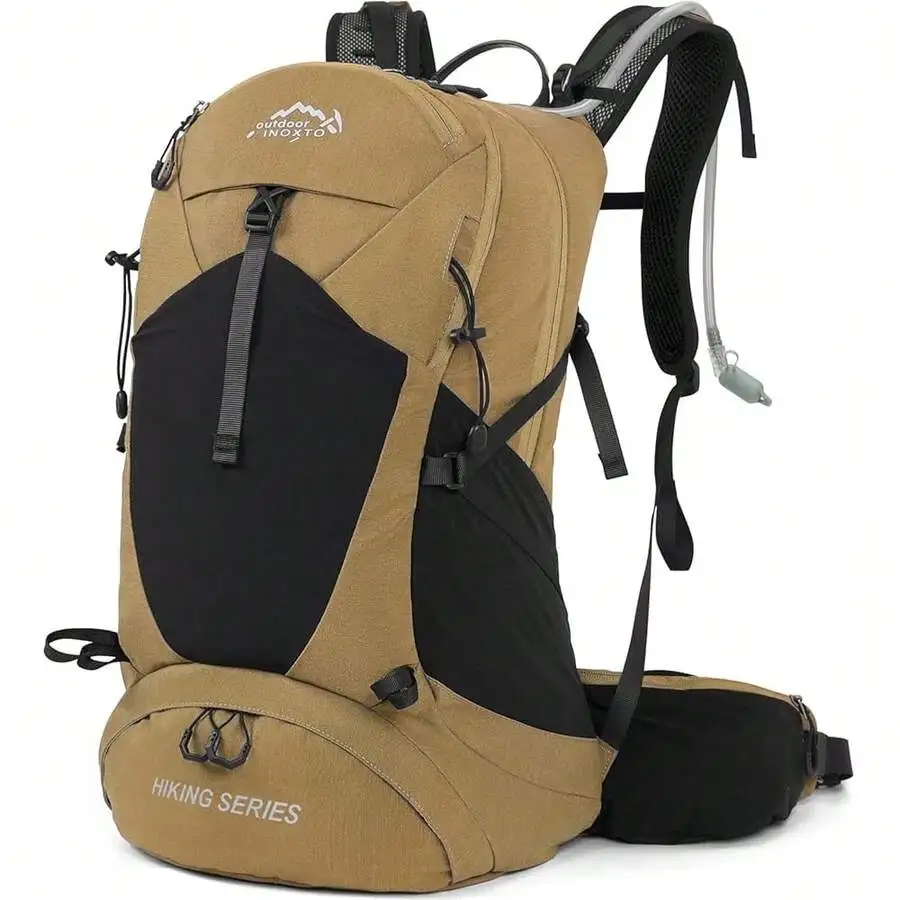
- Sip without breaking stride. The hose routes over your shoulder to a bite valve. Drinking becomes a two-second act instead of a stop, which is precisely why people carrying bladders drink more than people carrying bottles.
- 3 litres is a real day’s water. Enough for a full day’s hiking in warm conditions without rationing, which is the difference between enjoying the descent and enduring it.
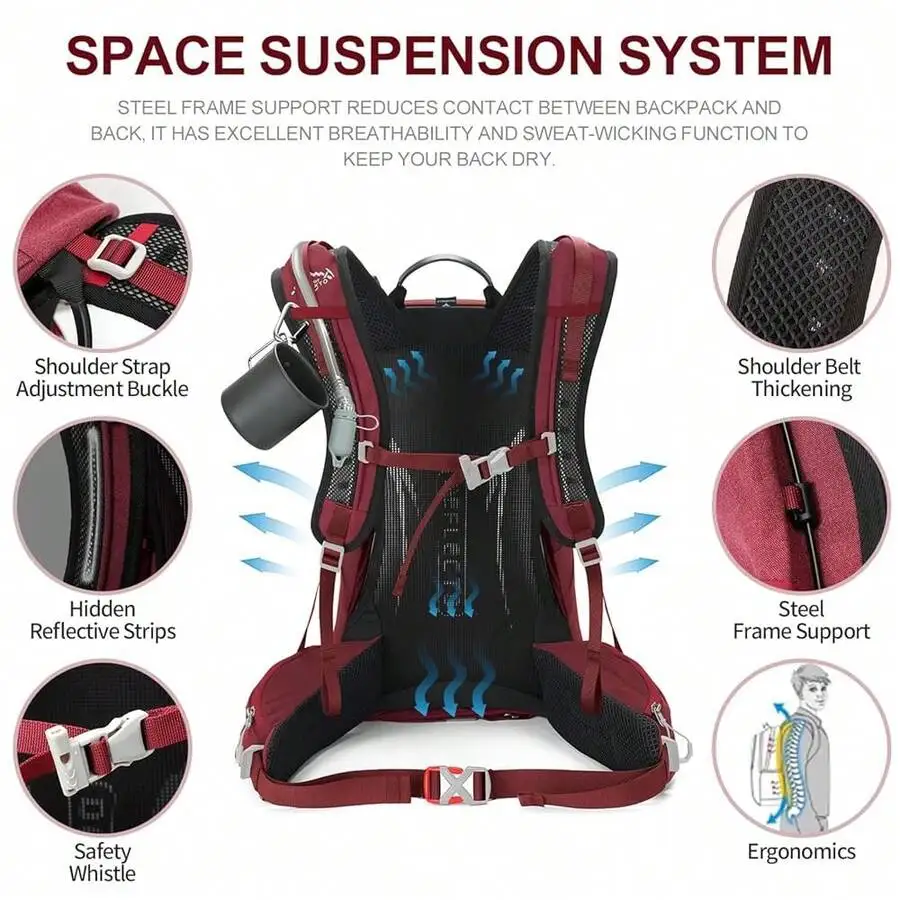
- Weight sits high and close. A bladder in a back sleeve keeps the mass against your spine and near your centre of gravity, which is far more comfortable over hours than water sloshing in side pockets.
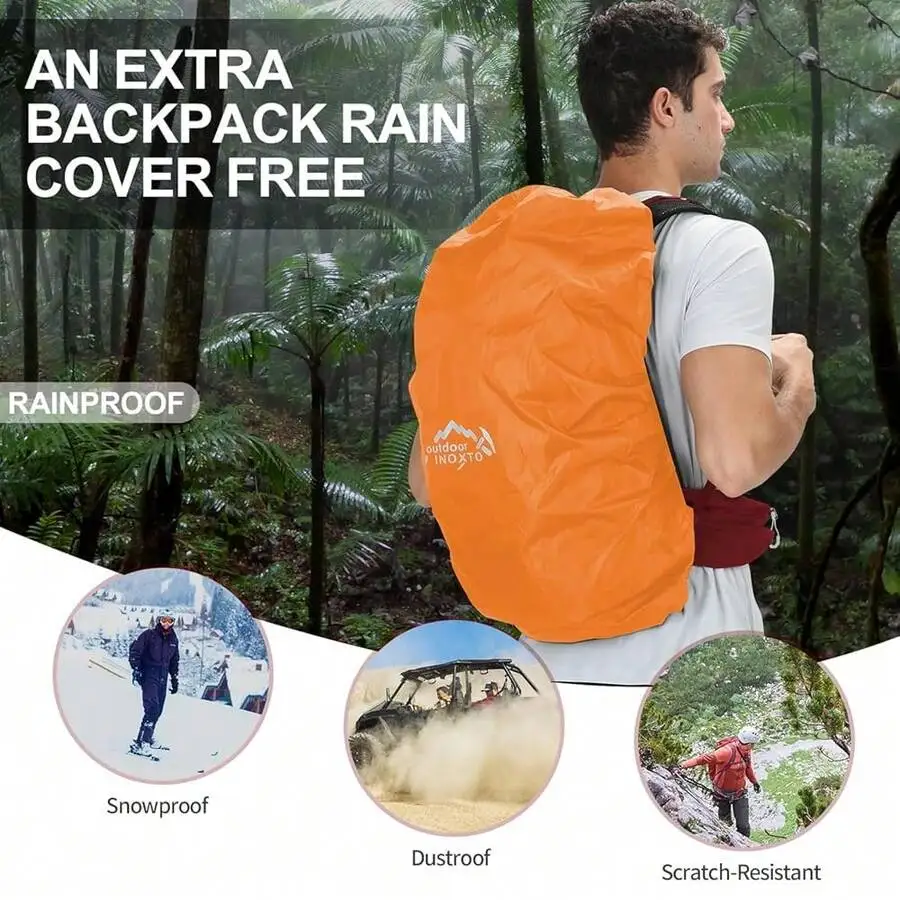
- Rain cover included. The pack fabric is water-resistant; a dedicated cover is what keeps a downpour out of your spare layers, and a dry insulating layer is a genuine safety item in the hills.
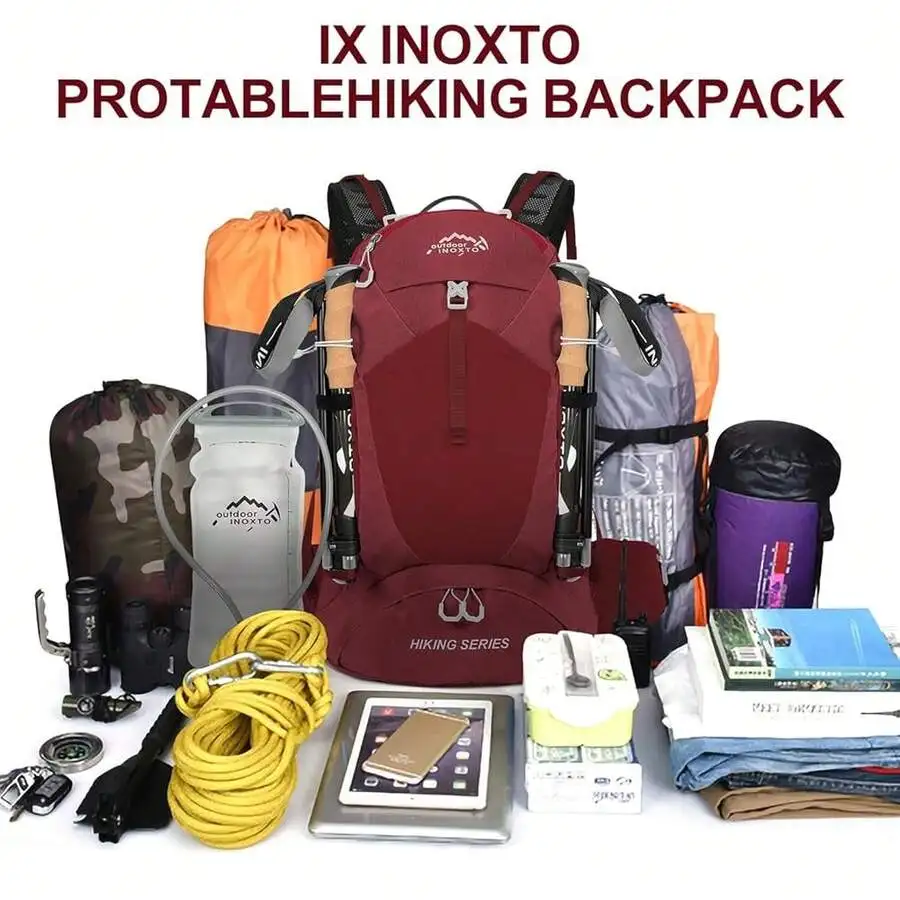
- Lightweight daypack build. Sized for day hikes, trail runs, cycling and camp trips — not an expedition load. Carrying less pack weight is carrying less pack weight.
- Doubles as an everyday bag. Remove the bladder and it is simply a light, weather-resistant backpack.
How to Use
Fill the bladder, then hold it upright and squeeze the air out through the bite valve before sealing — trapped air is what makes a bladder slosh and gurgle. Slide it into the dedicated back sleeve so it hangs from the top rather than slumping into a puddle at the bottom, route the hose through the shoulder strap loop, and clip the bite valve where you can reach it without looking. Drink small amounts regularly rather than large amounts occasionally; do not wait until you feel thirsty, because by then you are already behind. On long or hot days, remember that water alone does not replace the sodium you sweat out — take electrolytes or salty food. Deploy the rain cover before the rain arrives, not after. Safety: fill only with water unless the manufacturer explicitly permits otherwise; sugary sports drinks and juice in a bladder are extremely difficult to clean and will grow bacteria and mould in the hose.
Specifications
| Bladder capacity | 3 litres |
|---|---|
| Pack type | Lightweight hiking / trail daypack |
| Weather protection | Water-resistant shell plus included rain cover |
| Hydration routing | Shoulder-strap hose with bite valve |
| Bladder housing | Dedicated internal sleeve |
| Best for | Day hiking, camping, cycling, trail running |
| Pack volume | Variant dependent |
| Recommended fill | Water only |
Care & Maintenance
This is the part people skip and then wonder why their water tastes odd. After every use, empty the bladder, rinse it and the hose with warm water, and — critically — dry it fully. Prop it open with a paper towel or a bladder hanger, upside down, so air circulates; a bladder put away damp will grow mould in the hose within days. For deep cleaning, use a dedicated bladder brush and cleaning tablets. Store the dry bladder in the freezer between trips if you use it rarely, which reliably prevents growth. Wash the pack itself by hand only; machine washing destroys the coating and the shoulder-strap padding.
What’s in the Box
1 × hydration daypack, 1 × 3L hydration bladder with drinking hose and bite valve, 1 × rain cover.
Reviews
There are no reviews yet.