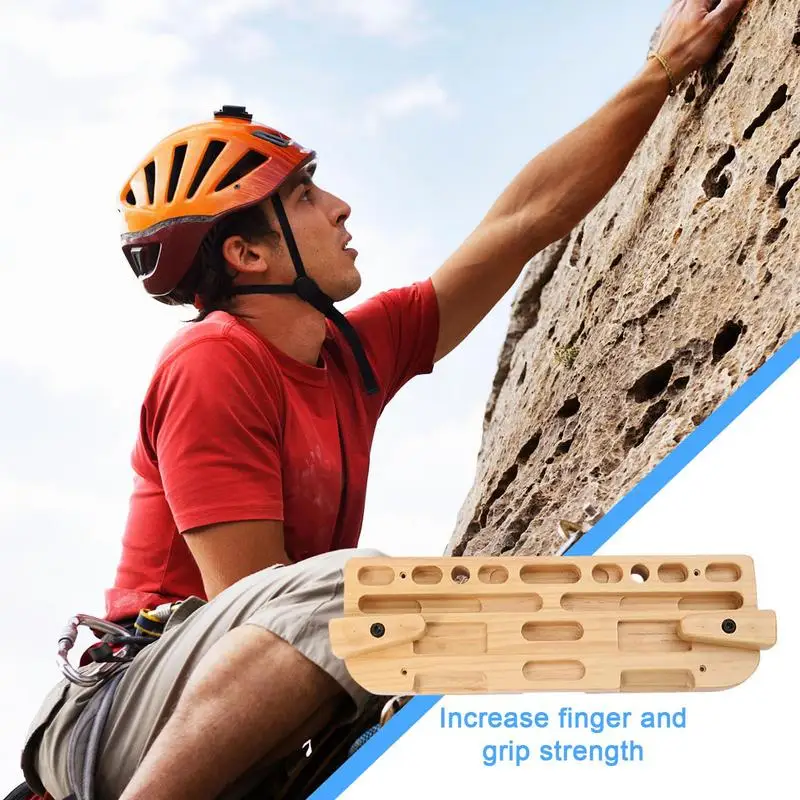
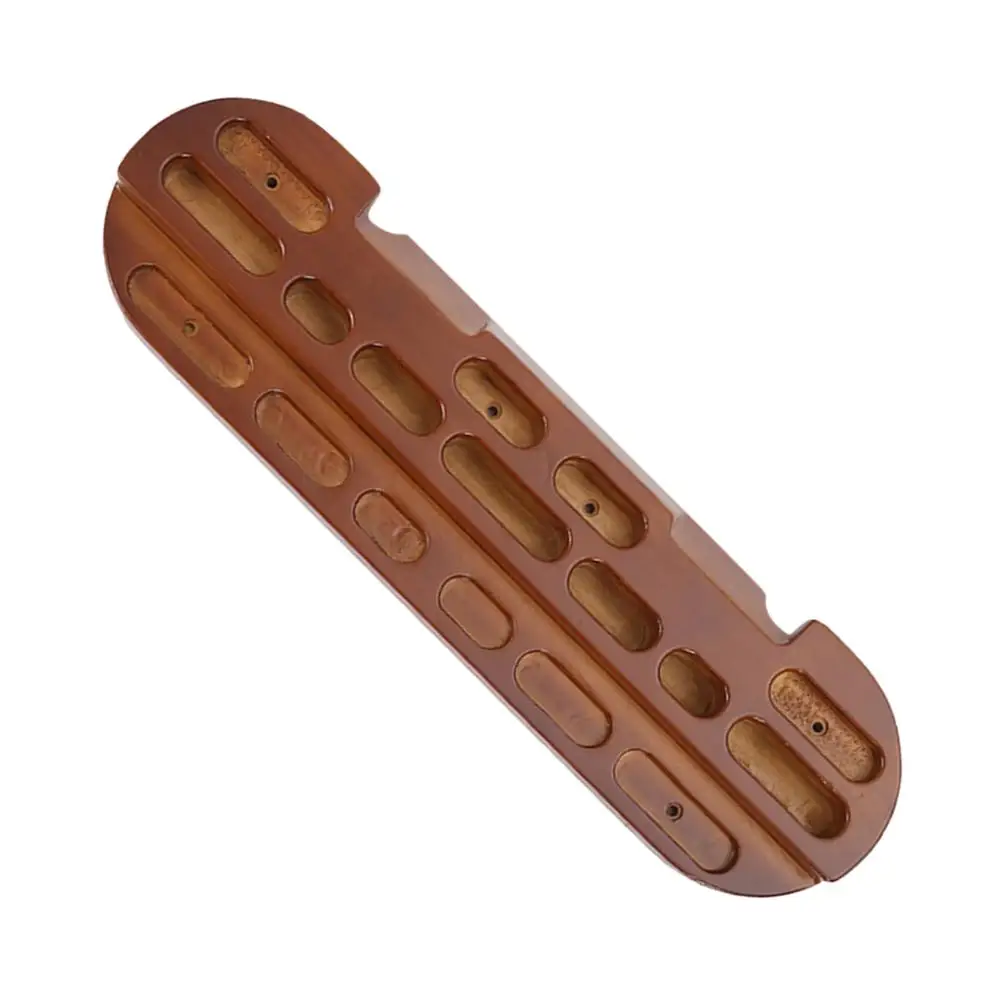
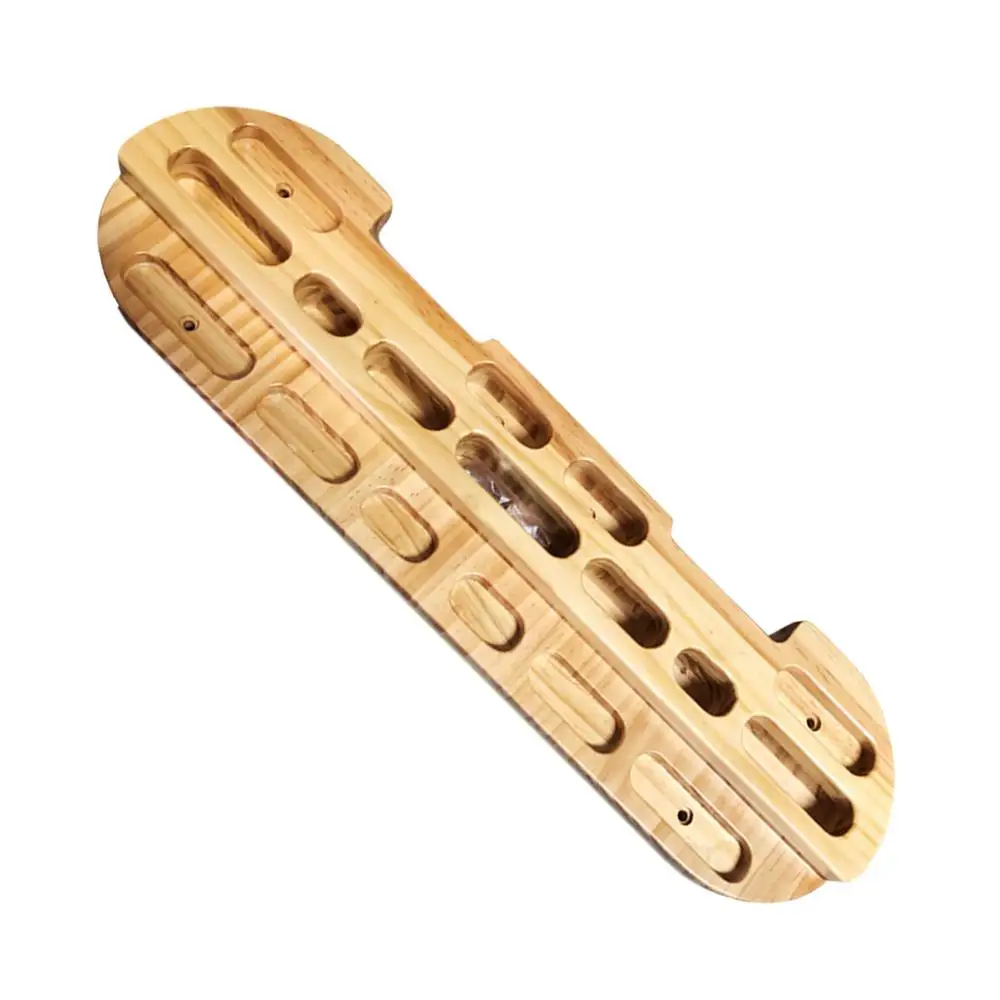
Train the Tendons That Hold You to the Wall
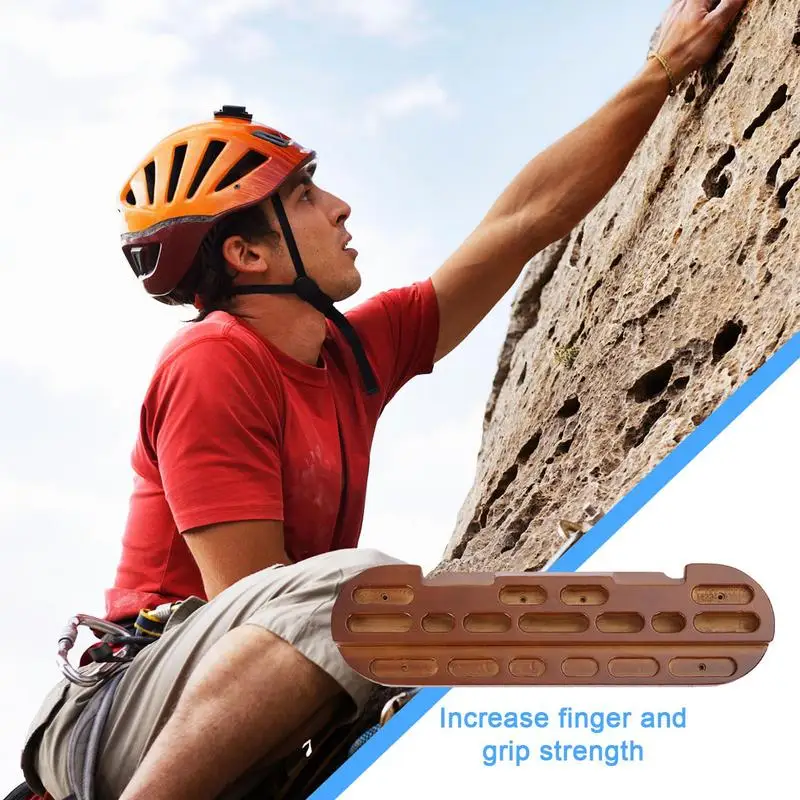
Climbing performance is limited less by arm strength than by the finger flexors and the pulley system that holds those tendons against the bone. A hangboard loads that system isometrically, in the exact joint angles you use on rock, which is why it produces adaptations that general strength work cannot. The catch is timing: muscle adapts in weeks, but tendon and pulley connective tissue remodel over months, because they are poorly vascularised. Hangboarding works when it is loaded progressively and infrequently. It injures people when it is loaded like a muscle.
Key Benefits
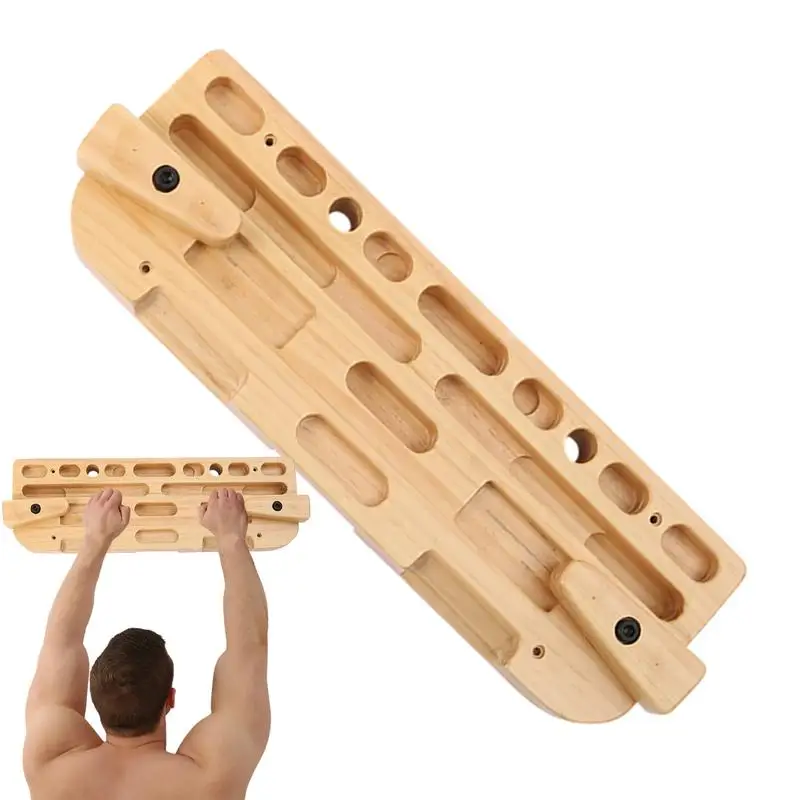
- Wood, not resin. Wooden edges are gentler on skin and stay usable through a long session, where resin holds shred fingertips and force you to stop before the training effect is reached.
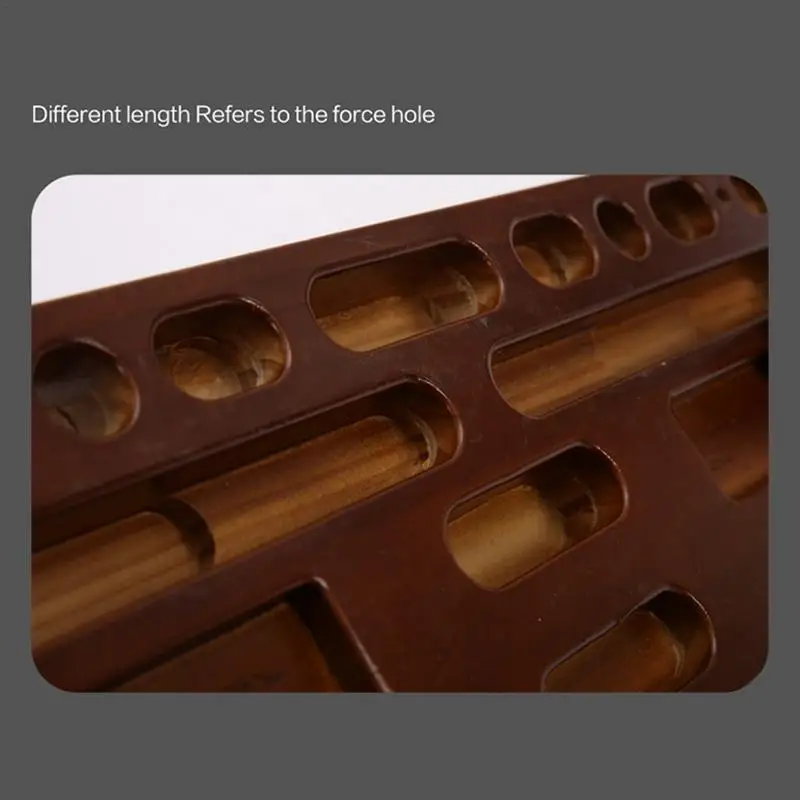
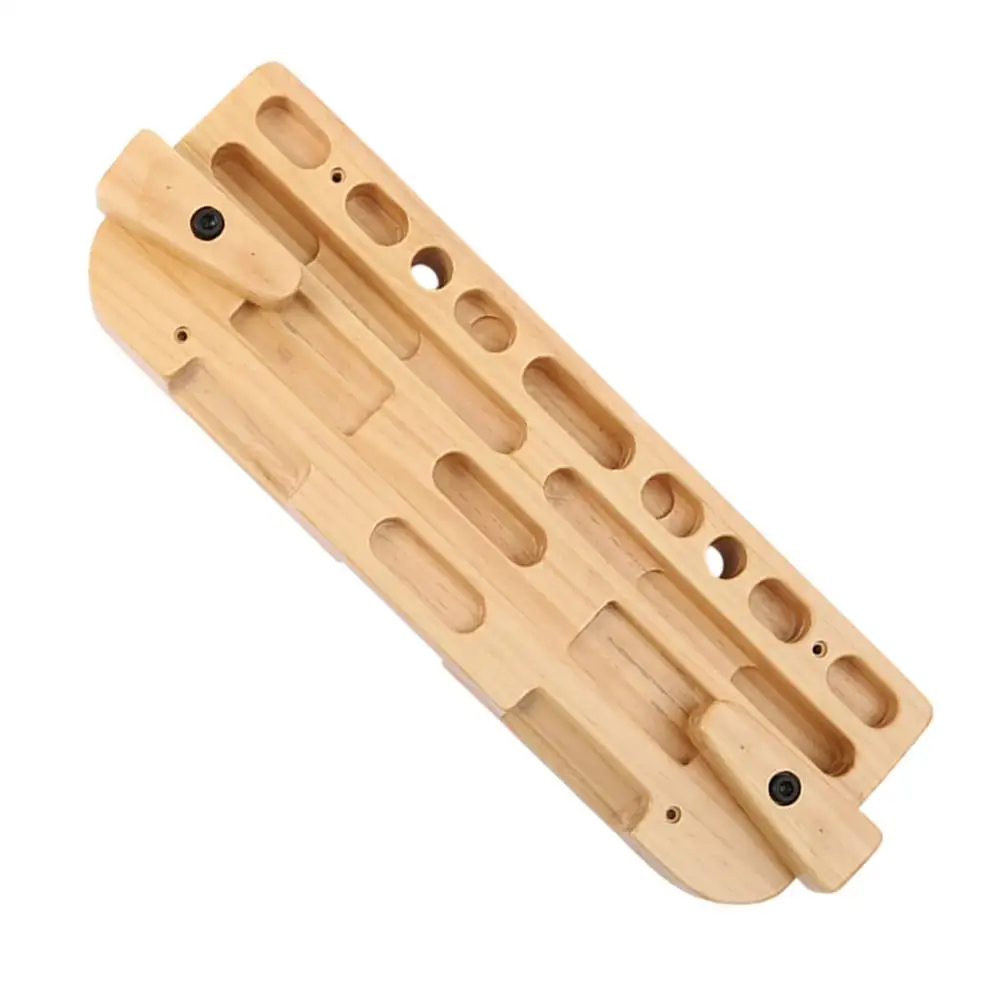
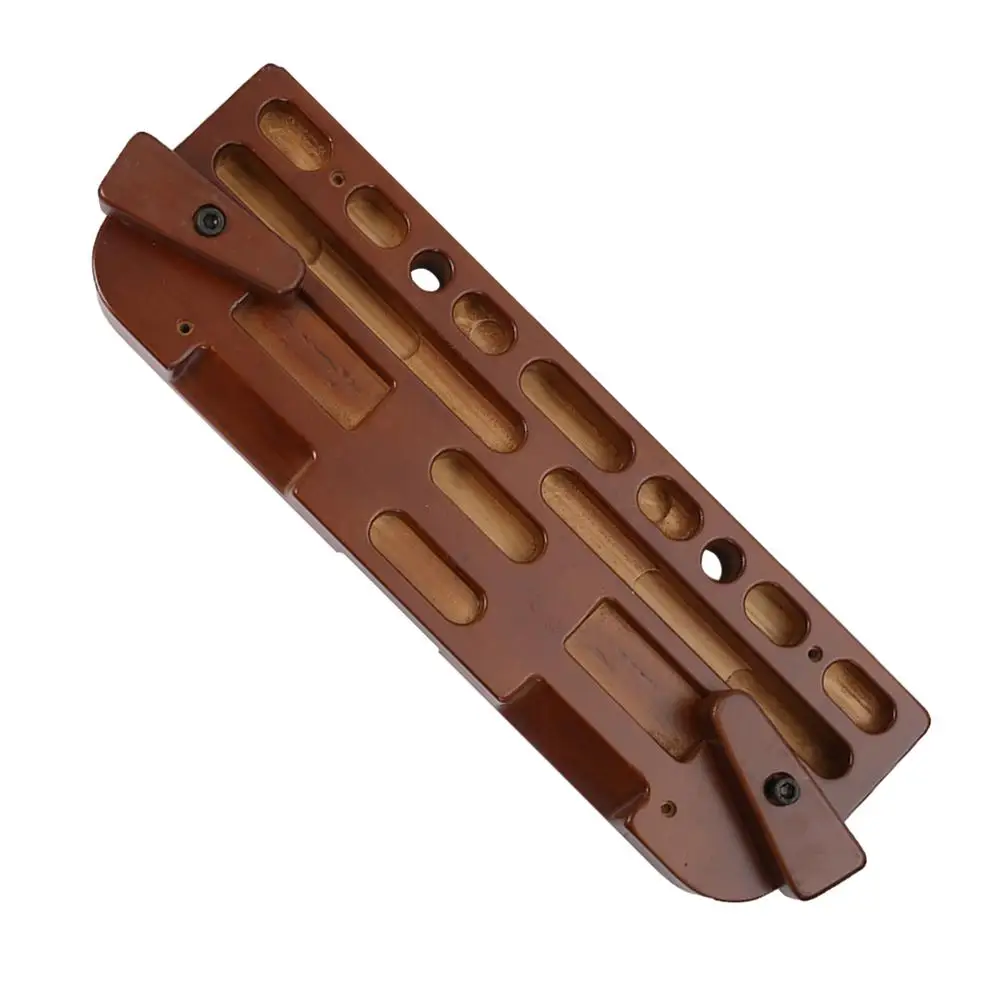
- Rounded corners for tendon-friendly loading. A rounded edge spreads pressure across the fingertip pulp rather than concentrating it, which reduces the sharp local loading associated with pulley strain.
- Sport-specific isometric loading. Hanging trains the exact contraction type climbing demands — holding, not moving — at climbing-specific joint angles.
- Handcrafted, non-slip surface. Consistent friction means your grip fails because you are strong enough or you are not, rather than because the board is polished or greasy.
- Heavy-duty construction. Built to take repeated bodyweight-plus loading and the shock of a foot slipping off a stool.
- Honest about who it’s for. If you have been climbing under a year, your fingers are not ready and a hangboard will hurt you rather than help you. Climb more instead.
How to Use
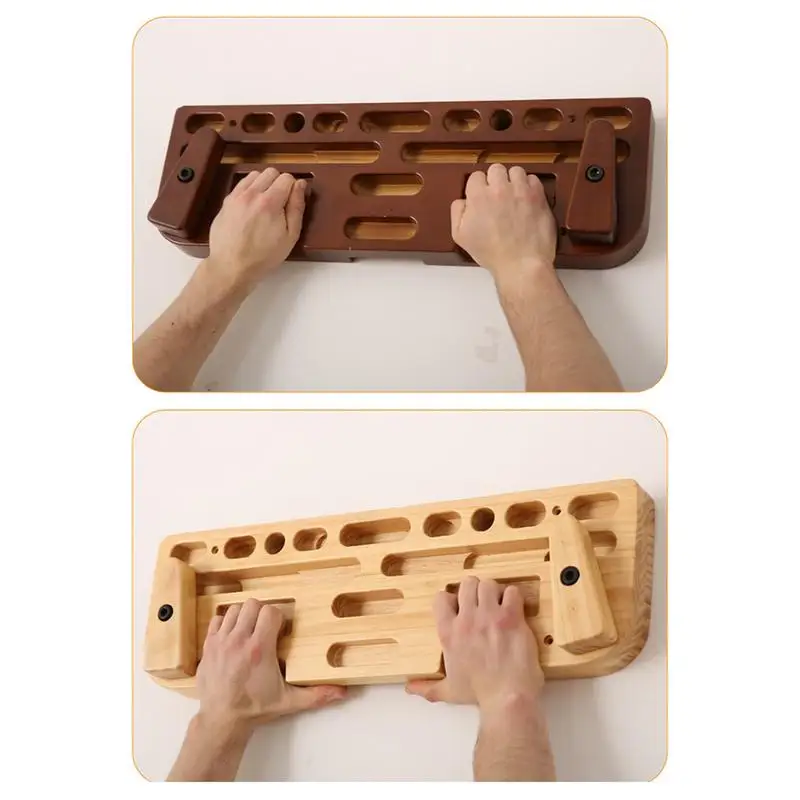
Warm up seriously first — at least 15–20 minutes of easy climbing or progressively loaded short hangs — as cold finger tendons are exactly what tears. A standard protocol is repeated hangs of roughly 7–10 seconds on a comfortable edge, with generous rest, no more than two sessions a week, on non-consecutive days. Use an open-hand or half-crimp grip. Safety, and this matters more than the training: full crimping under high load is the classic mechanism of A2 pulley rupture, so avoid it, especially when fatigued. Never hang to failure — stop the set while you could still hold on. Any sudden pain or an audible pop in a finger means stop immediately and see a physiotherapist; that is a pulley injury and continuing will make it far worse. Mount the board only into solid structural timber or a load-rated frame, check the fixings before every session, and never let children hang or swing on it.
Specifications
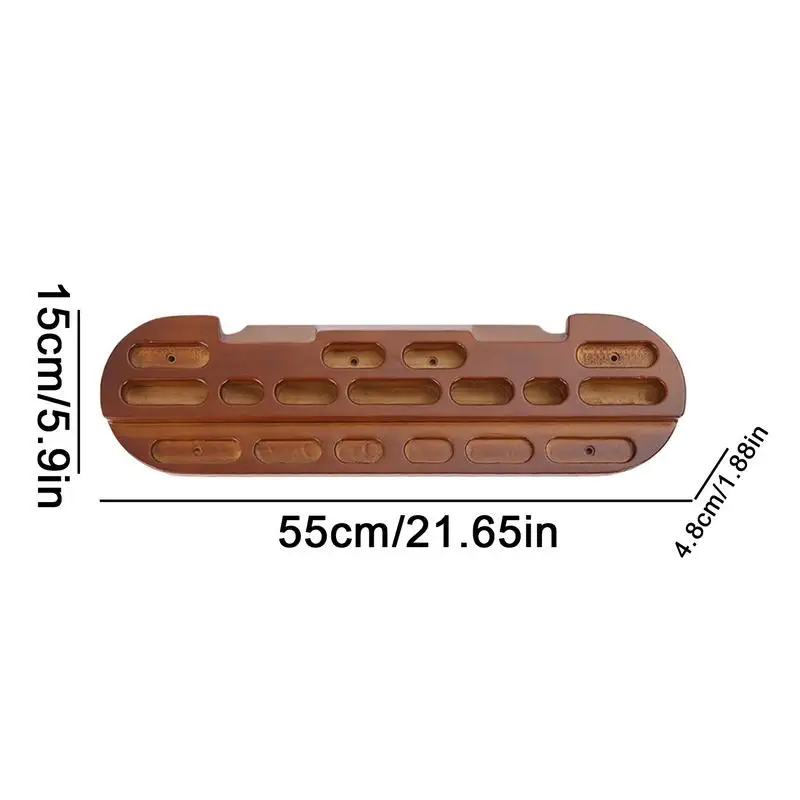
| Material | Wood, handcrafted |
|---|---|
| Edge profile | Rounded corners, skin-friendly |
| Surface | Non-slip |
| Grip types | Open-hand, half-crimp, pinch and jug positions — layout variant dependent |
| Construction | Heavy duty |
| Mounting | Wall or frame mount; fixings variant dependent |
| Best for | Climbers with 12+ months consistent climbing experience |
| Not suitable for | Beginners, children, or use as a general pull-up bar |
Care & Maintenance
Never varnish or seal a wooden board — the finish destroys the friction that makes wood worth using. Brush off chalk build-up with a stiff nylon brush after sessions, and if the surface glazes, a light sand with fine paper restores the grain. Keep it indoors and out of damp, since repeated wetting and drying will crack the timber. Re-check the mounting bolts monthly; wood compresses slightly around fixings over time and bolts work loose.
What’s in the Box
Wooden climbing hangboard. Mounting hardware inclusion varies by variant — confirm before ordering if you need it.


Reviews
There are no reviews yet.