Why an Adjustable Step Is Still the Cheapest Cardio Machine You Can Buy
Stepping is one of the few exercises where the physics is transparent. The work you do per step is your bodyweight multiplied by the height you lift it — so moving the platform from 4 inches to 8 inches roughly doubles the mechanical work of every single rep, without adding a gram of external load. That is why a plastic box scales from a gentle warm-up to a genuinely brutal interval. The step-down does something the box never gets credit for, too: lowering under control is an eccentric contraction of the quads and glutes, which is the loading pattern most associated with strength and tendon resilience.
Key Benefits
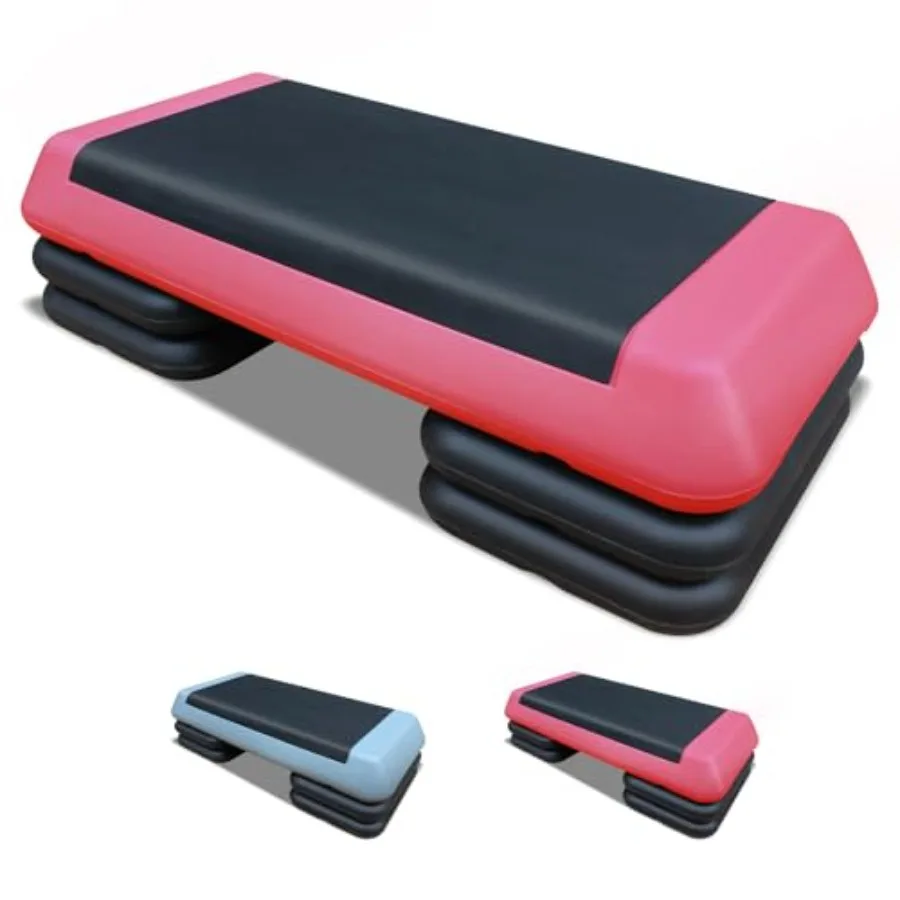
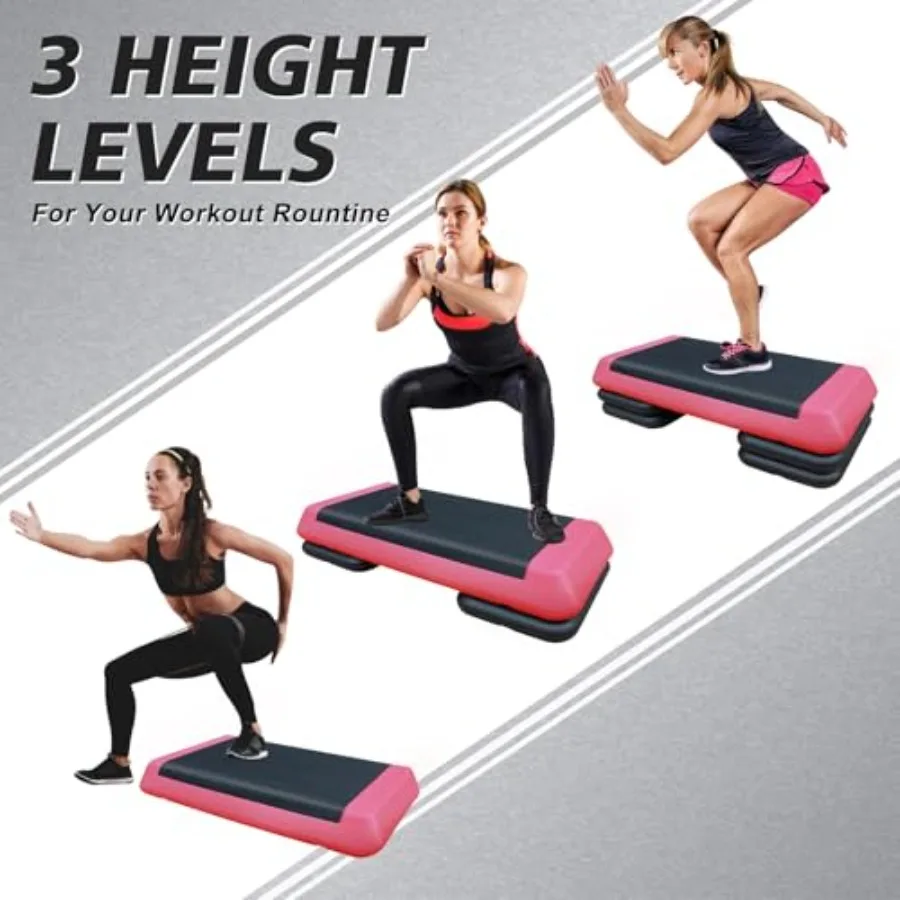
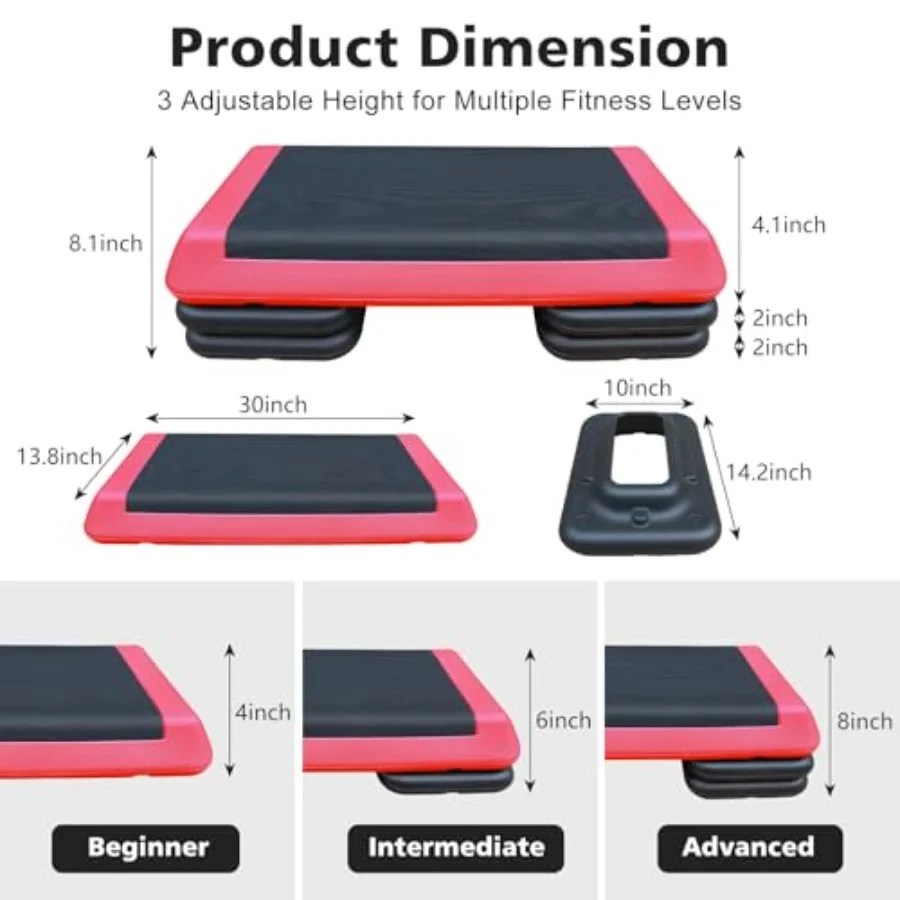
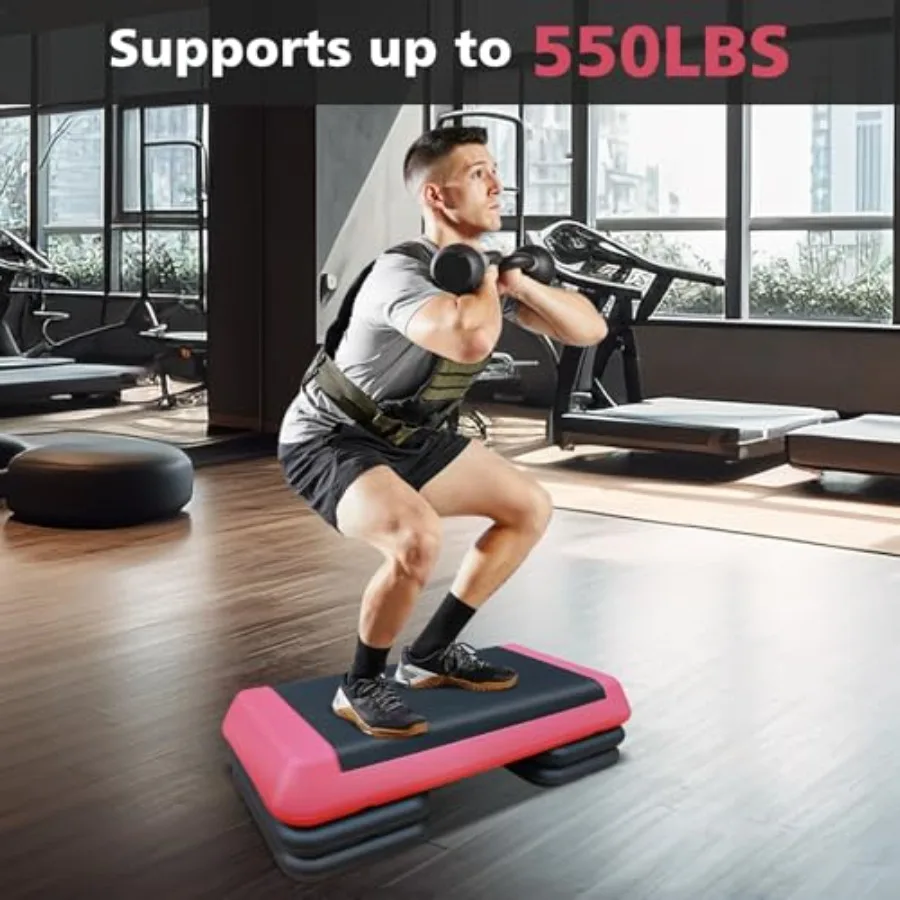
- Three intensities in one platform. 4, 6 and 8 inches via stackable risers, so the same box serves a rehab warm-up and a conditioning finisher.
- Silent, which is the reason it gets used. No impact through a downstairs ceiling, unlike skipping or jumping. Flat-share and apartment friendly.
- Loads the glutes and quads eccentrically. The controlled step-down is where most of the strength adaptation hides — and where most people cheat by dropping.
- Doubles as a bench for the rest of your training. Step-ups, Bulgarian split squats, elevated push-ups, hip thrusts, incline rows.
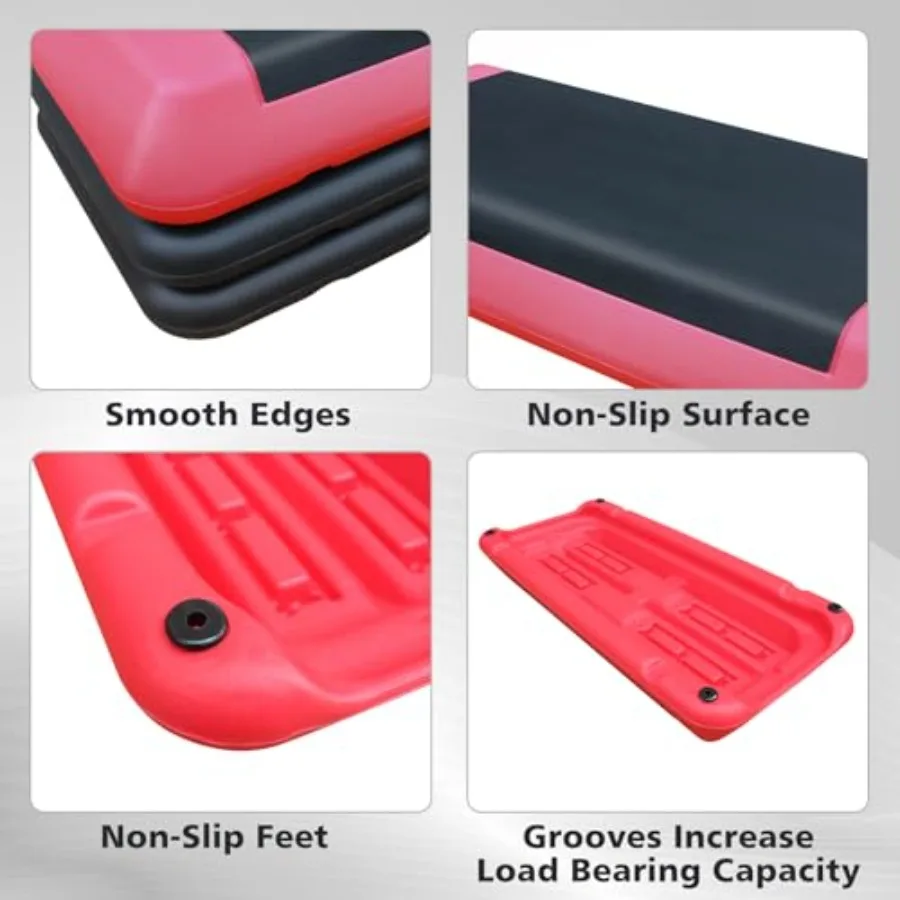
- Non-slip surface at the height you’ll actually be sweating. A textured deck matters more at 8 inches than at 4, because that’s when the foot placement gets sloppy.
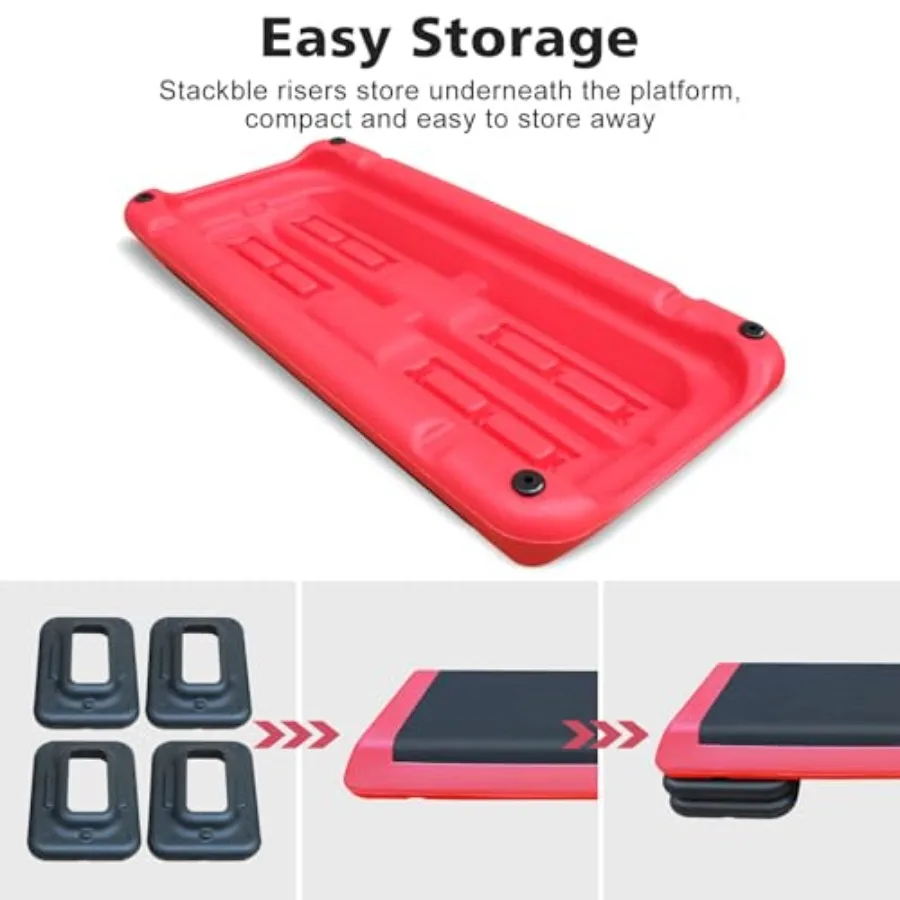
- Stores flat against a wall. It takes the footprint of a large book when the risers come off — unlike every other cardio machine you have considered.
How to Use
Set both risers to the same height on each side and confirm they are seated and locked before you put weight on the deck. Place your whole foot on the platform — not just the ball, which is the single most common cause of a rolled ankle on a step — and drive up through the mid-foot and heel, standing fully upright at the top. Step down under control, toe then heel, resisting the descent rather than dropping onto the floor. Start at 4 inches even if you are fit; the knee flexion angle at 8 inches is significant and is what makes people’s knees ache the next day. Safety: work in a clear space with nothing to trip over behind you, wear shoes with a stable sole rather than training barefoot on a plastic deck, and if you have known knee issues, keep the height low — step height is the variable that most directly drives patellofemoral joint load.
Specifications
| Platform Length | 28.5 inches |
|---|---|
| Height Settings | 4 in / 6 in / 8 in |
| Risers | 4 stackable risers included |
| Surface | Textured non-slip deck |
| Colour | Red |
| Assembly | Tool-free — risers clip on and off |
| Use | Aerobics, step cardio, HIIT, step-ups, split squats |
| Max User Weight | Variant dependent — check listing before use with added dumbbells |
| Storage | Risers detach for flat storage |
Care & Maintenance
Wipe the deck after every session — dried sweat on a textured surface is slippery, which quietly defeats the point of a non-slip deck. Use mild soapy water rather than solvent cleaners, which can craze the plastic and create stress fractures. Check the risers periodically for cracks, particularly around the clip points, and stop using any riser that has split.
What’s in the Box
1 × 28.5″ step platform deck, 4 × stackable risers. No tools required for assembly.
Reviews
There are no reviews yet.