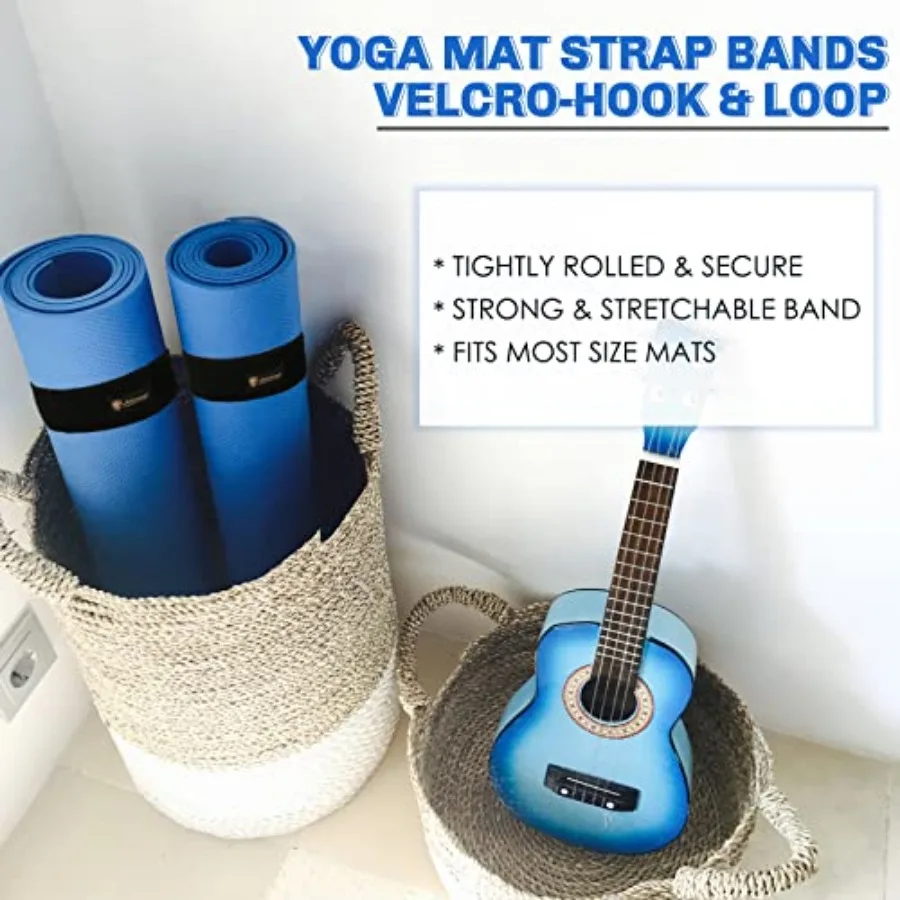
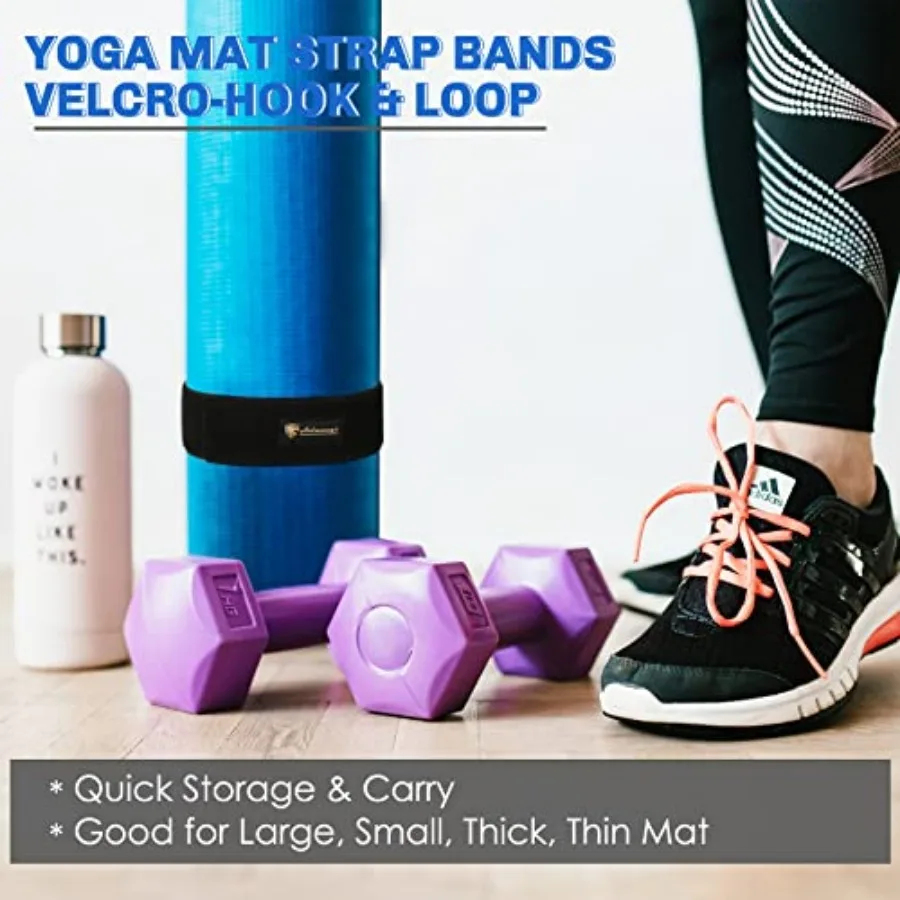
The Cheapest Way to Actually Get Your Mat to Class
There is no physiology in a mat strap — its job is to remove friction from a habit. Behavioural research on exercise adherence is consistent on one point: the more small obstacles sit between you and the activity, the less often you do it. A rolled mat under one arm occupies a hand, slides loose, and unrolls in a stairwell. A two-inch elastic sling turns it into a shoulder carry, freeing both hands for keys, coffee and doors. That is the whole mechanism, and it is worth being straight about it. The strap is a convenience tool, and convenience is what keeps practices going.
Key Benefits
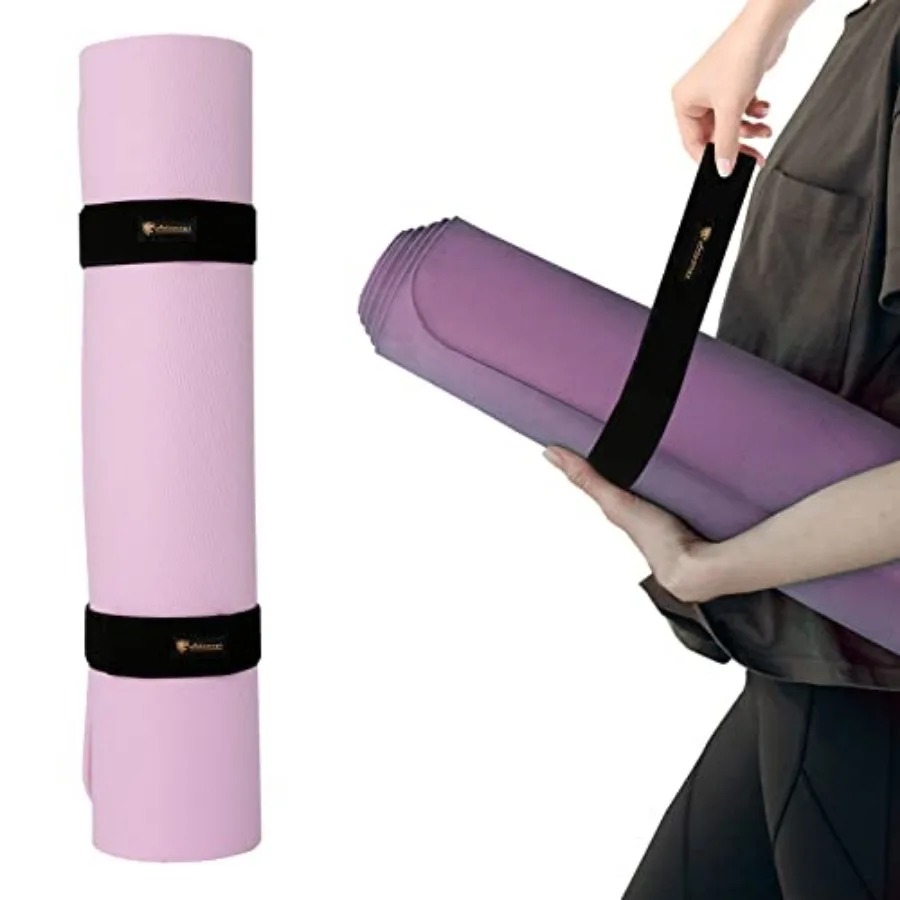
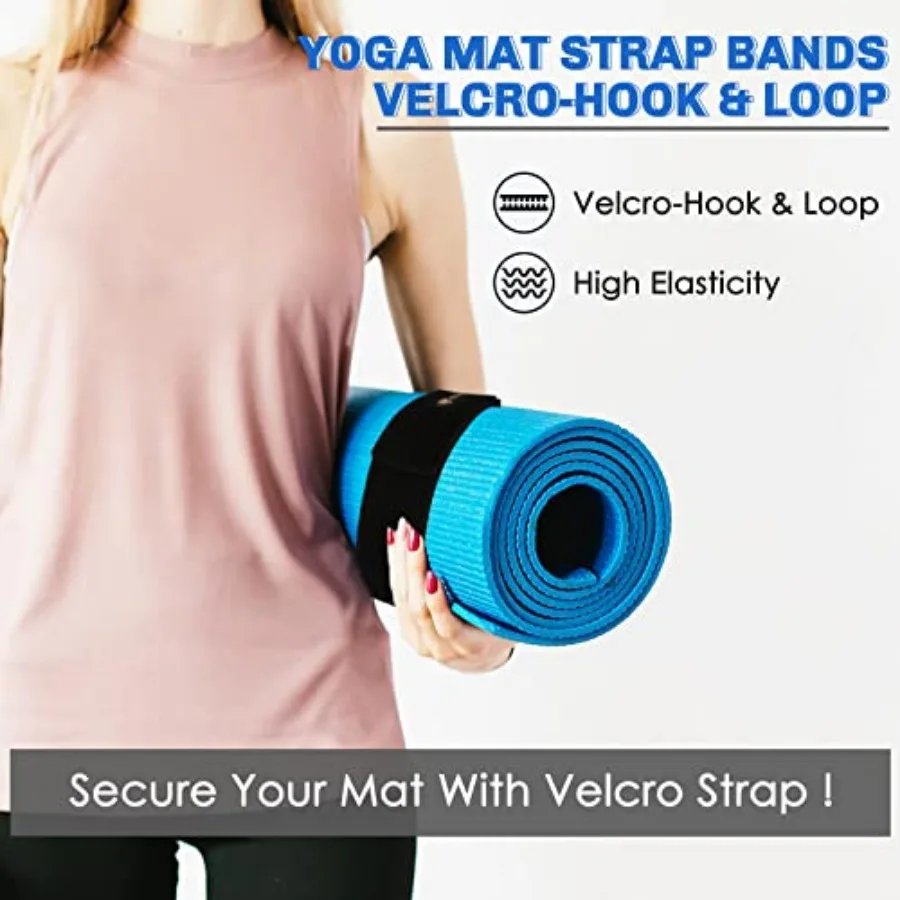
- Hands-free shoulder carry. The wide elastic band distributes the mat’s weight across the shoulder rather than pinching a forearm, so you can walk, cycle or navigate a turnstile without juggling.
- Wide 2-inch band spreads the load. Thin cord straps dig into the trapezius and are precisely why most people abandon them. Two inches of surface area is the difference between a strap you use and one you lose.
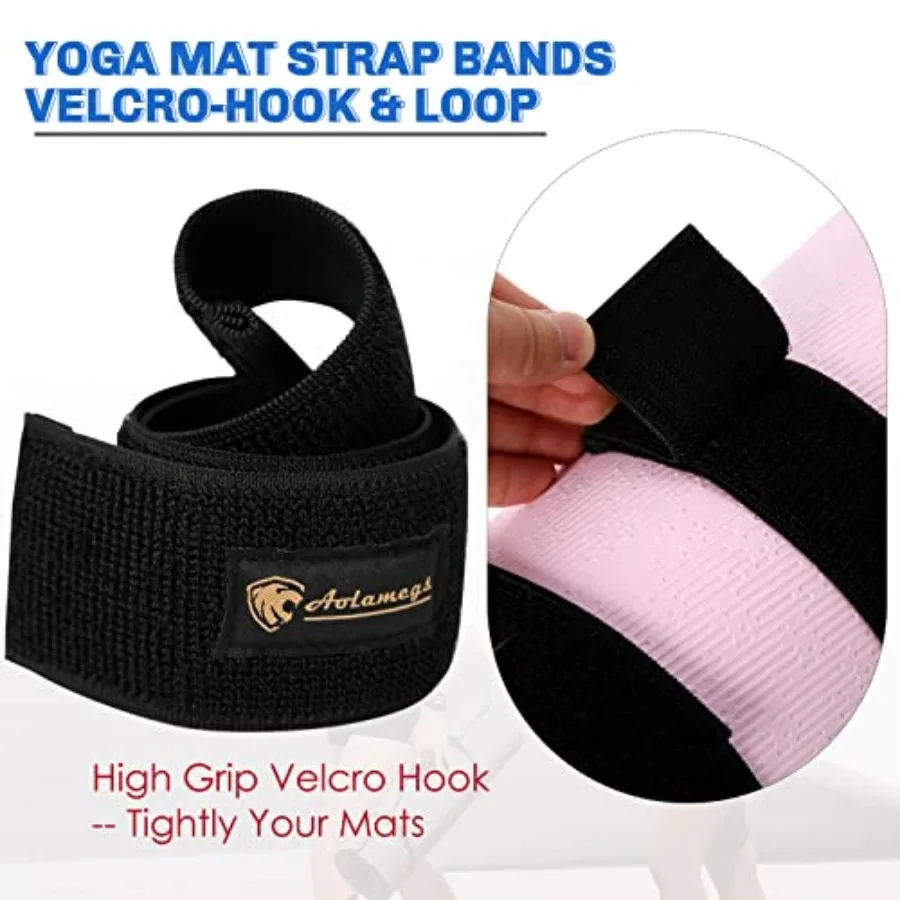
- Bungee elasticity grips varying mat thicknesses. The stretch accommodates everything from a slim 4mm travel mat to a thick 15mm exercise mat, and cinches down as you tighten rather than gaping.
- Doubles as a stretching strap. In a pinch it serves as a yoga strap for supine hamstring stretches, seated forward folds or shoulder openers — useful, though a dedicated non-elastic strap is better where you want a firm, unyielding anchor.
- Keeps the mat rolled in storage. A mat left loose slowly uncurls and develops a permanent wave at the edges. Strapped, it holds its roll and lies flat next time.
- Weighs almost nothing. It lives in a gym bag indefinitely without you noticing it, which is the only real test of an accessory like this.
How to Use
Roll the mat firmly from the end you kneel on, keeping the roll tight and even — a loose roll is what makes straps slip. Loop one end of the bungee around the roll about a third of the way in from each end, so the two anchor points are spaced apart rather than bunched in the middle; this stops the mat from pivoting and sliding out. Pull the adjuster to take up slack until the band bites into the mat surface, then sling it across the body rather than on one shoulder for longer walks. Safety: check the elastic for fraying at the buckle, where wear concentrates. A perished bungee under tension can snap back — never stretch it toward your face when tightening, and replace it if the elastic has gone slack or the stitching has pulled.
Specifications
| Product Type | Bungee yoga mat carrier strap / sling |
|---|---|
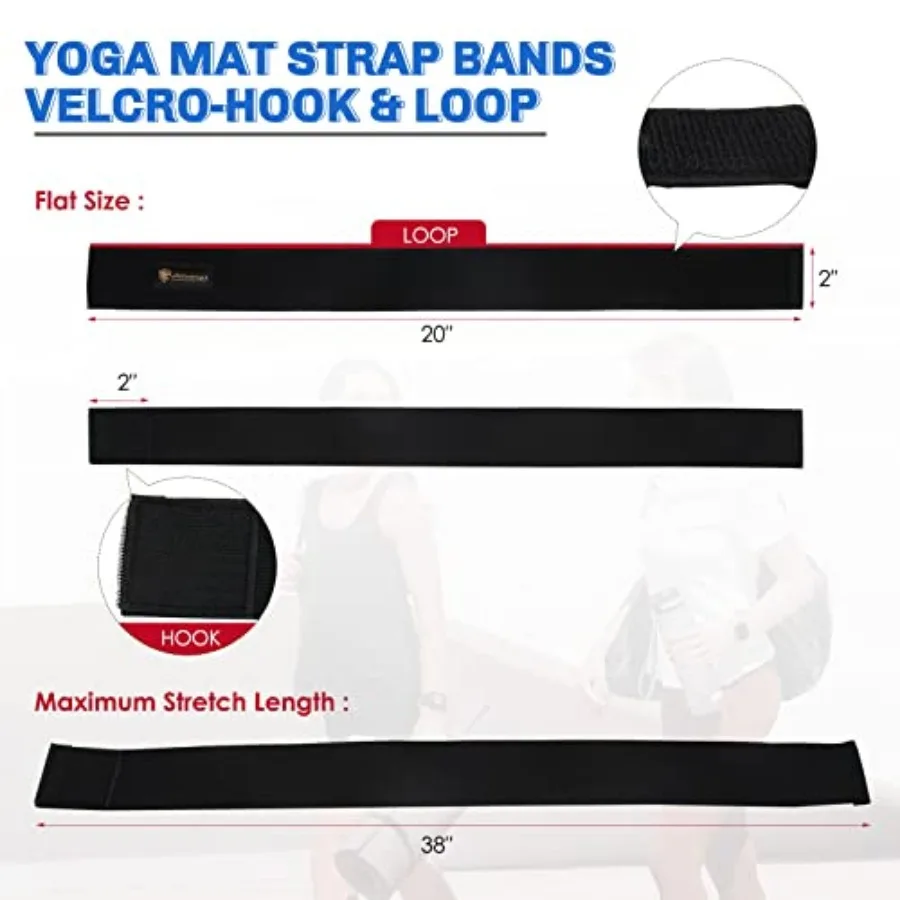
| Length | Approx. 20 in (adjustable) |
| Width | Approx. 2 in |
| Material | Elastic bungee webbing with adjustable buckle |
| Carry Style | Over-shoulder or cross-body sling |
| Mat Compatibility | Fits most rolled mats; thickness range variant dependent |
| Secondary Use | Light stretching strap |
| Mat Included | No — strap only |
Care & Maintenance
Wipe with a damp cloth and leave to air dry; do not machine wash, as agitation and hot water degrade elastic. Store loose rather than under permanent tension — leaving a bungee stretched tight for months is what makes it go slack. Keep it out of prolonged direct sun, which breaks down elastic fibres. Inspect the stitching and buckle every few weeks.
What's in the Box
One adjustable bungee yoga mat strap with buckle. Yoga mat is not included.
Reviews
There are no reviews yet.