Balance Training Is Nervous System Training
Standing on an unstable surface doesn’t build muscle so much as it rewires the reflex loop that protects your joints. Proprioceptors in the ankle ligaments and the small stabilising muscles constantly report joint position to the spinal cord, which fires corrections faster than conscious thought. After an ankle sprain that feedback loop is measurably degraded, which is precisely why the strongest predictor of an ankle sprain is having already had one. Wobble board training reloads that loop: it forces rapid, repeated corrections until the response time shortens again. This is one of the best-evidenced interventions in sports medicine for reducing recurrent sprains.
Key Benefits
- Backed by real evidence for sprain prevention — balance training is one of the few recovery interventions with solid trial data behind it for reducing recurrent ankle injury.
- Rehabilitates the ankle after a sprain — restores proprioceptive feedback that stays impaired long after the swelling and pain have gone.
- Strengthens the foot from the ground up — the intrinsic foot muscles and peroneals work constantly on an unstable surface in a way they never do on flat floor.
- Carries over to lifting and running — a stable ankle means a stable knee and hip. Instability at the bottom of the chain shows up as pain further up.
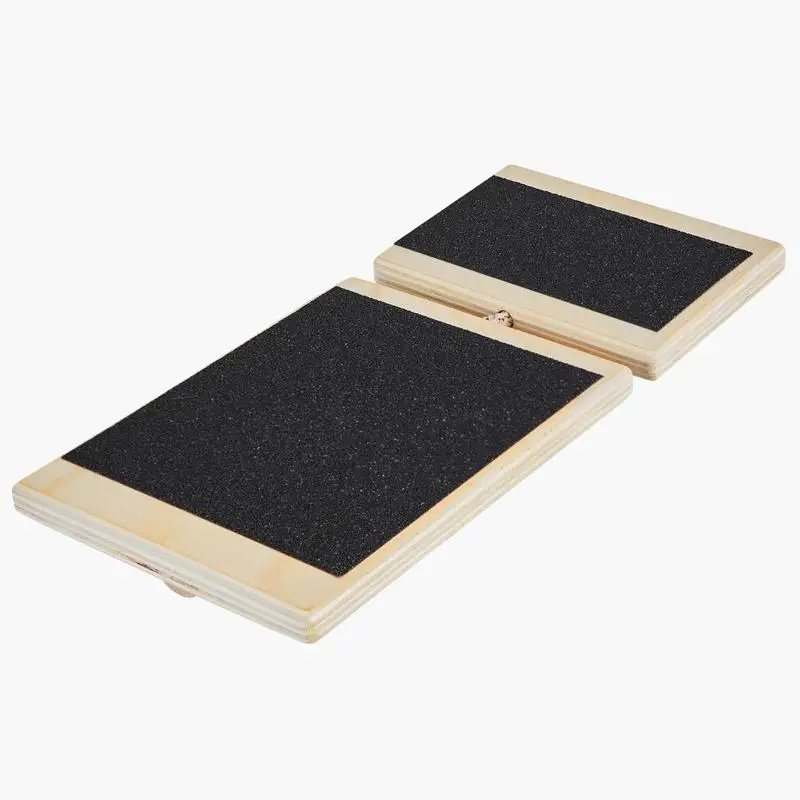
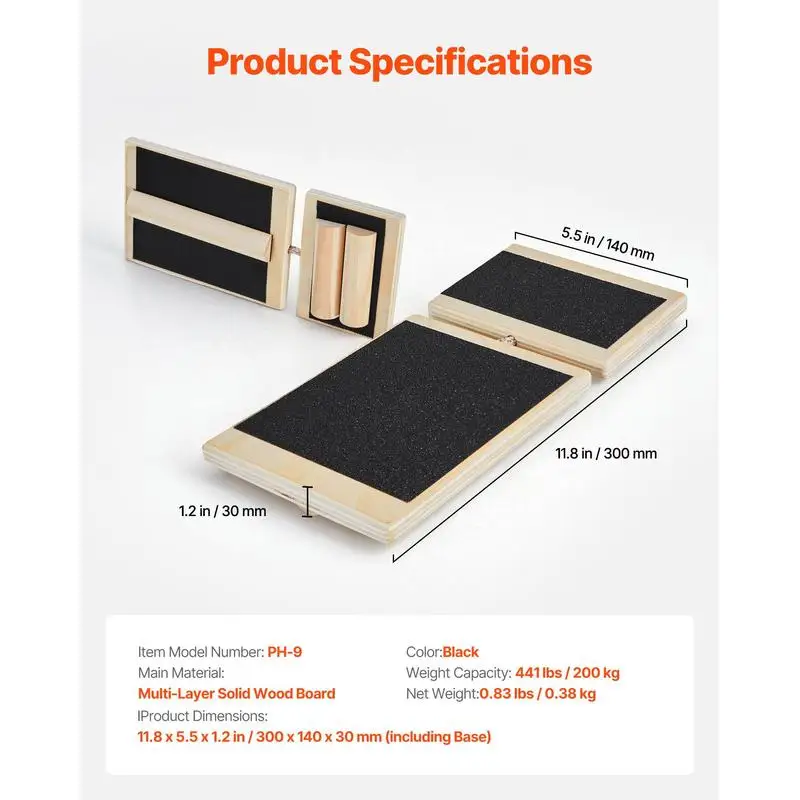
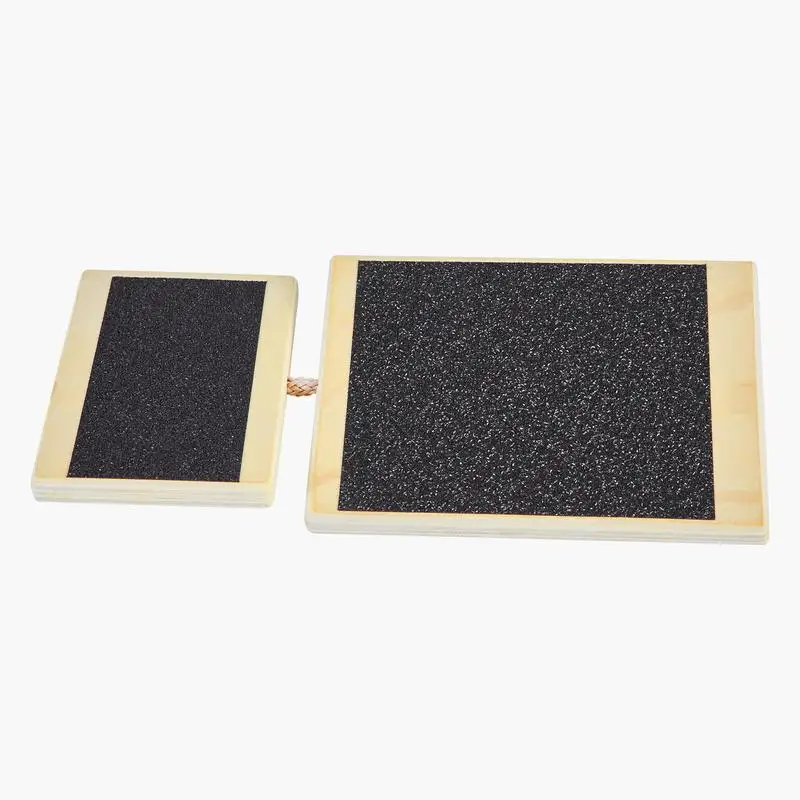
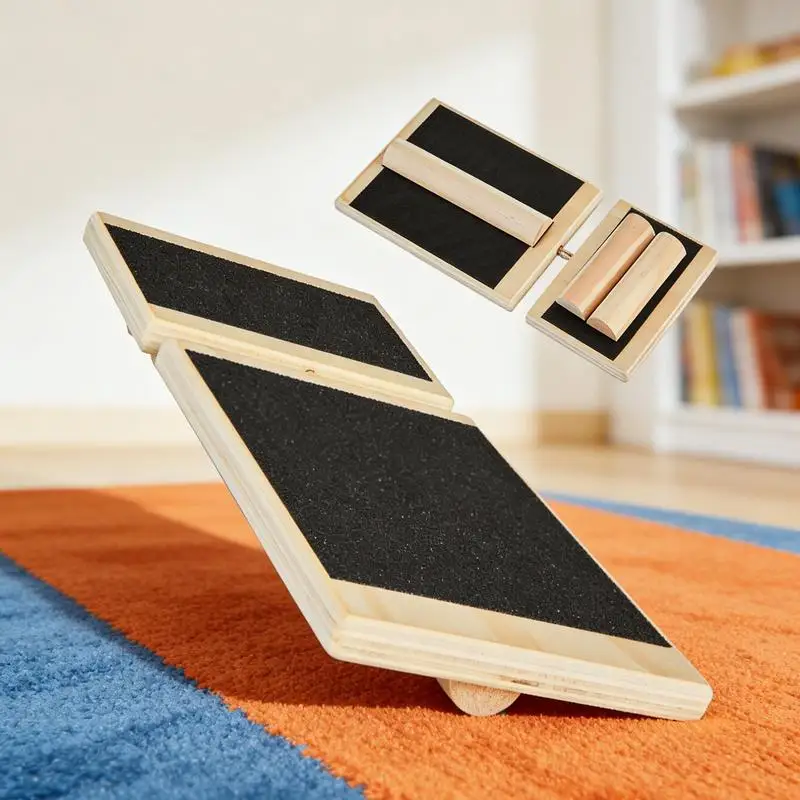
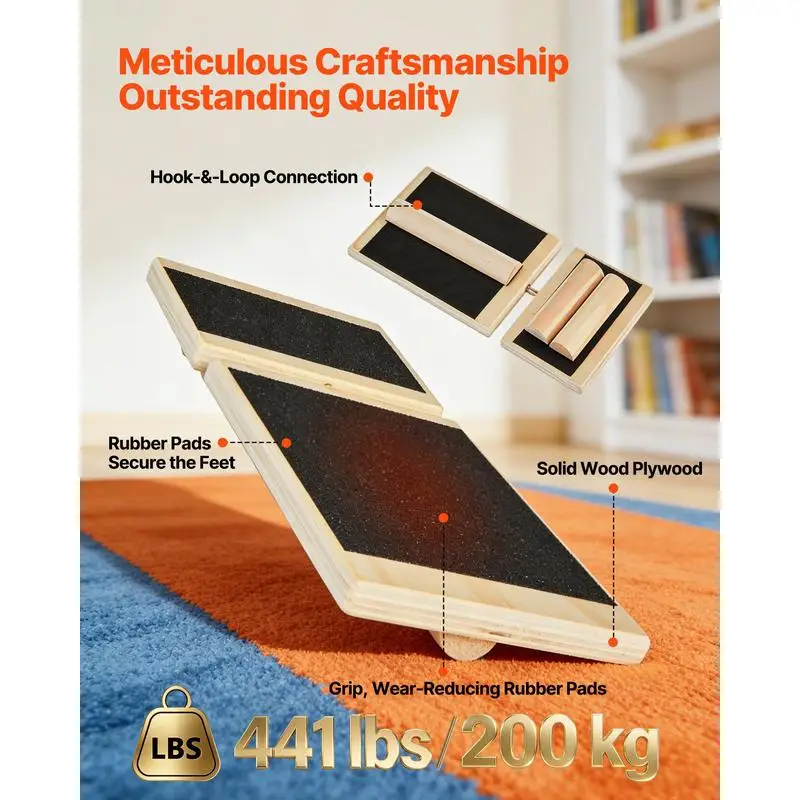
- Wooden core with a non-slip top — wood is stiffer underfoot than plastic and gives a more honest, less forgiving wobble.
- Genuinely takes five minutes — this only works if you actually do it, which is why short daily sets beat long weekly ones.
How to Use
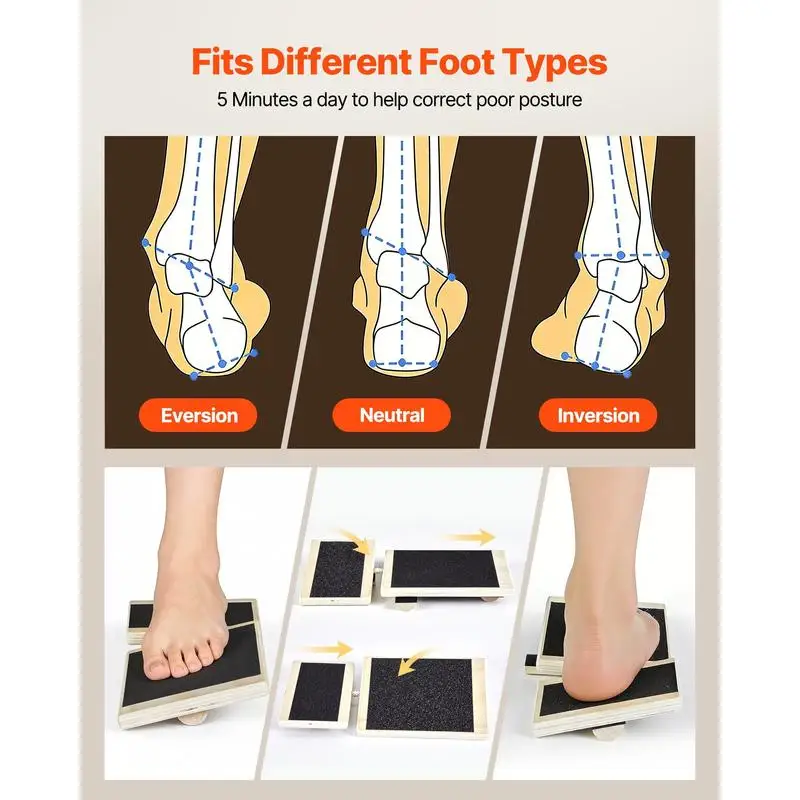
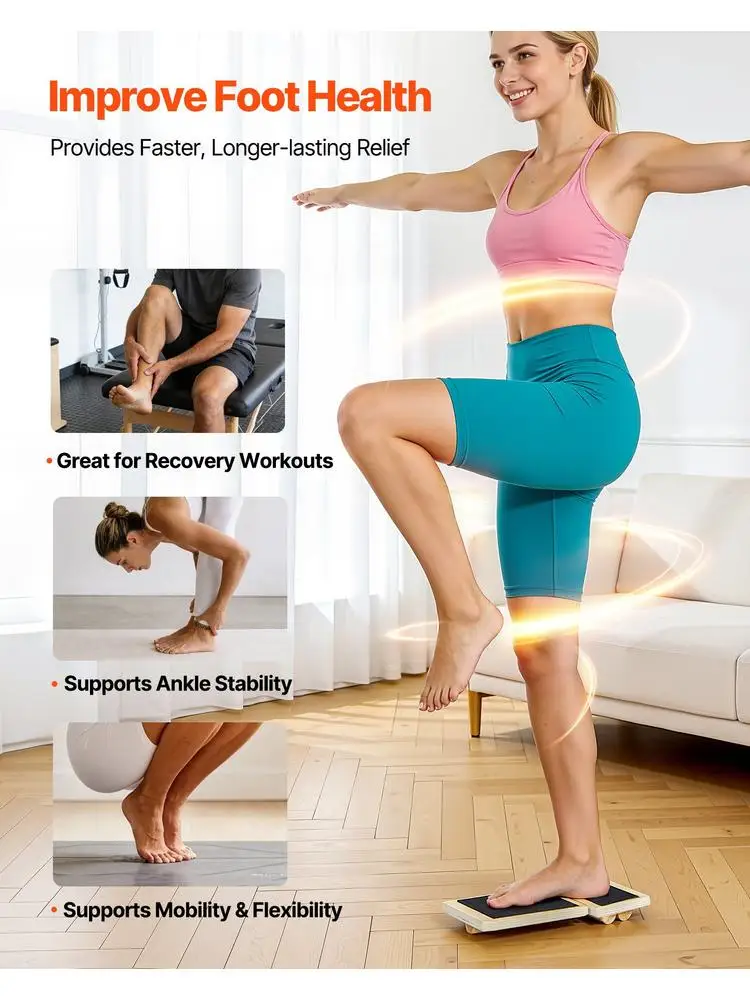
Start beside a wall, a doorframe, or a kitchen counter, with a clear space around you and nothing hard to fall onto. Step on barefoot, feet shoulder-width apart, and simply try to hold the board level — 30 seconds, three sets. When that’s easy, move to single-leg holds, then single-leg with your eyes shut, which removes visual input and forces the ankle to work alone. Progress to controlled circles, tilting through the full range without letting the edge slam down. Safety: always have support within arm’s reach, especially when starting or working single-leg. Never place the board on a rug, a wet floor, or a polished surface. Do not use it on a fresh injury with pain or swelling until a clinician clears you for weight-bearing.
Specifications
| Type | Wobble / balance board (round rocker) |
|---|---|
| Core | Wood |
| Top surface | Non-slip textured |
| Use | Ankle rehab, proprioception, core stability |
| Level | Beginner to advanced (two-leg to single-leg) |
| Load capacity | Adult rated — see product attributes |
| Footwear | Barefoot or grippy trainers |
| Diameter / tilt angle | Variant dependent |
Care & Maintenance
Wipe the top surface with a damp cloth to remove foot oils and dust — a slick surface on a balance board is a hazard, not an inconvenience. Do not soak the board or leave it outdoors; wood swells and the layers can delaminate. Check the underside dome or pivot and any fixings periodically and stop using the board if the surface cracks, the non-slip layer lifts, or the base becomes loose. Store flat and dry, away from radiators.
What’s in the Box
1 × wooden wobble balance board with a non-slip top surface. Some variants include an exercise guide.

Reviews
There are no reviews yet.