
The Wrist, Not the Knuckle, Is What Fails First
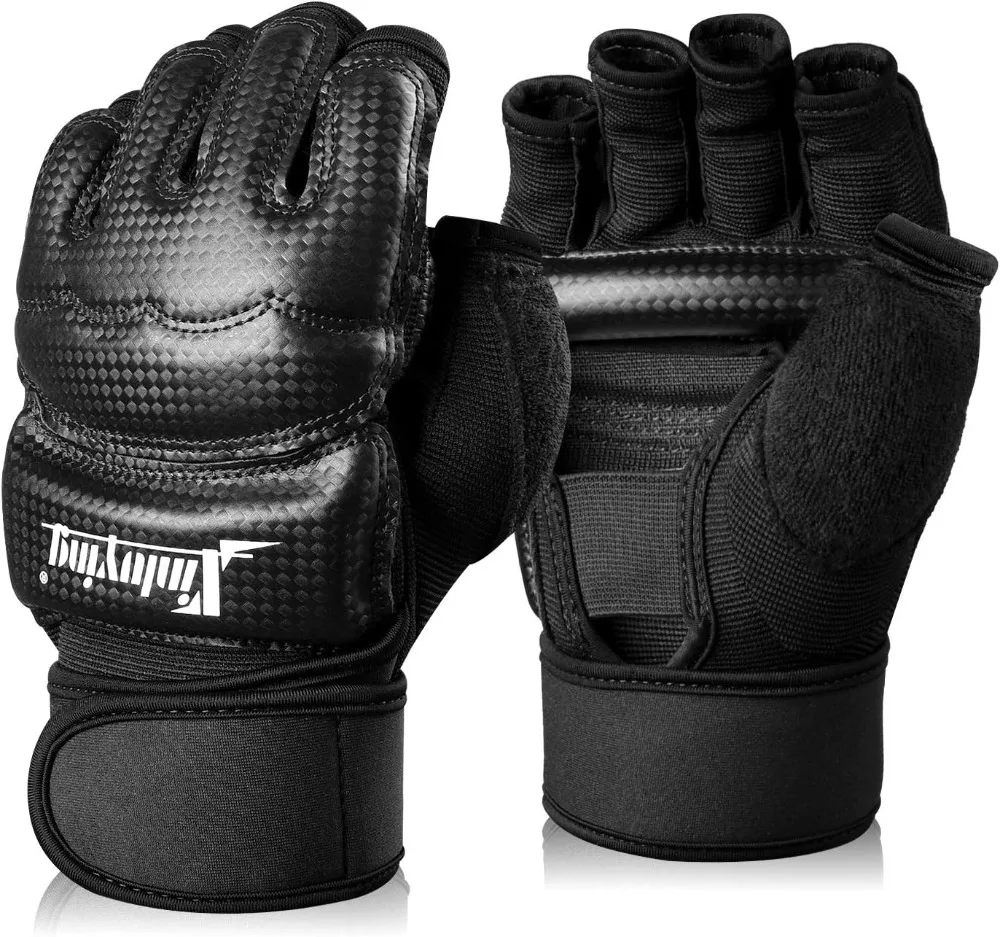
A punch transmits force back through the hand, wrist and forearm in a straight line — but only if the wrist stays rigid and aligned with the forearm at the moment of impact. When it does not, the joint absorbs a shearing load it is not built for, and that is how most novice boxers pick up their first real injury. Padding across the knuckles is only half the equation: it protects your sparring partner and spreads impact across your hand. The wrist wrap is what keeps the joint from folding under a hard bag shot when your form starts degrading in round four.
Key Benefits
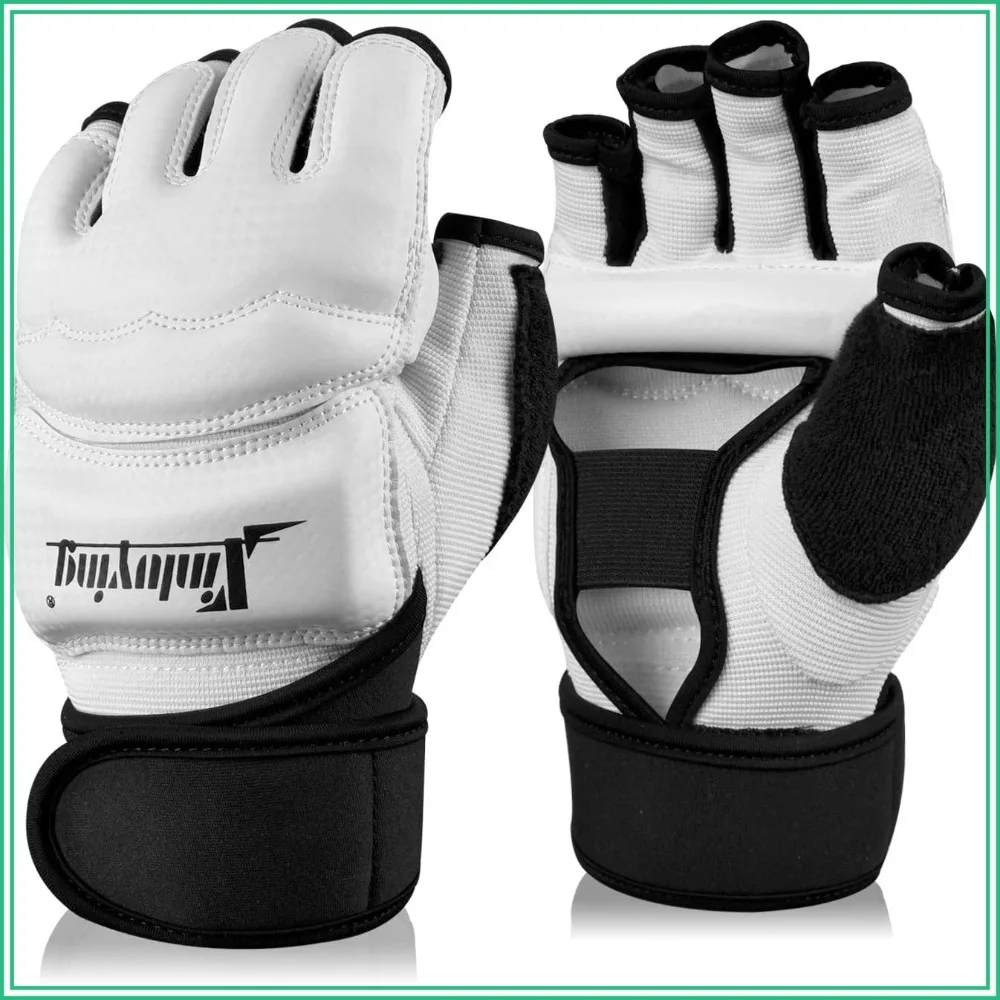
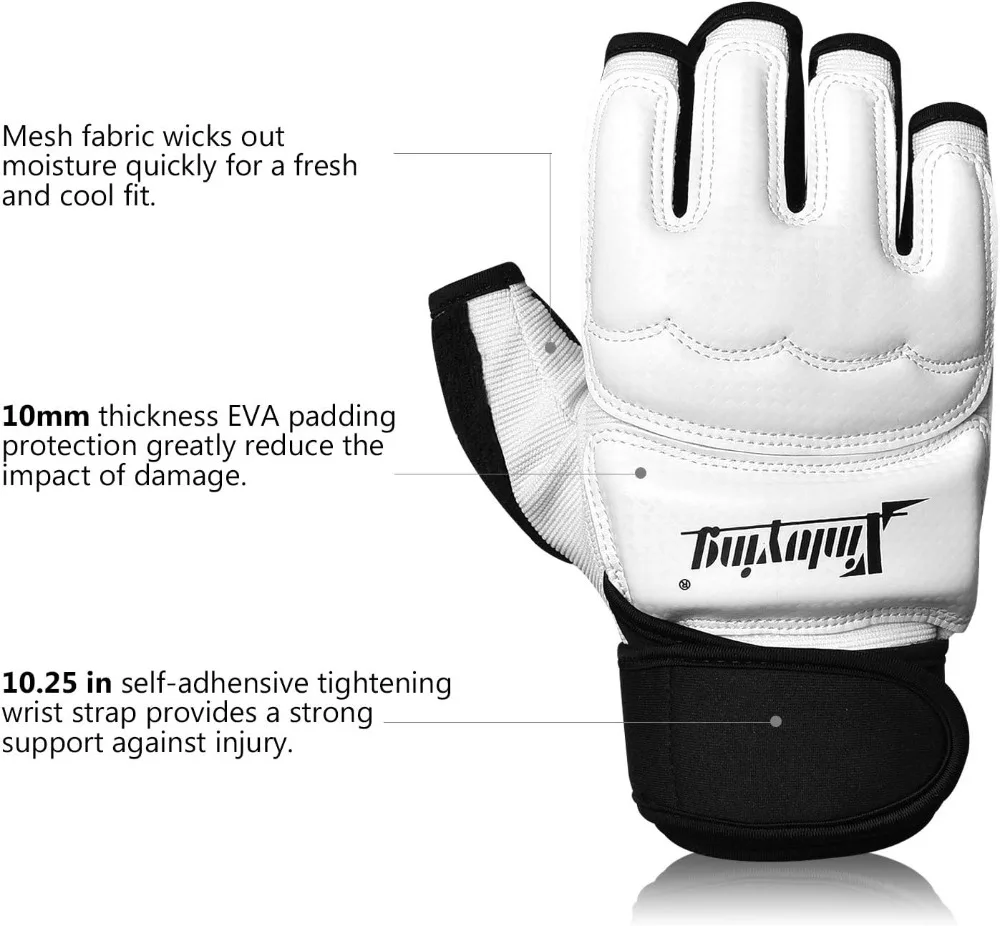
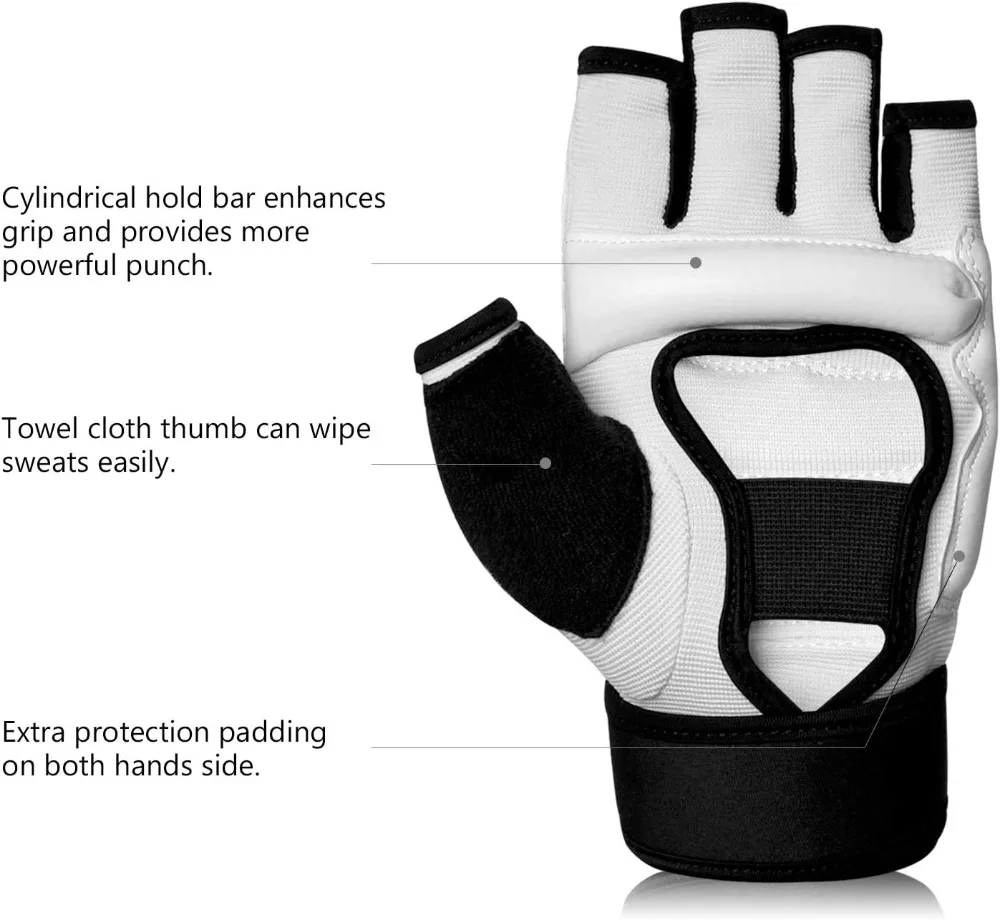
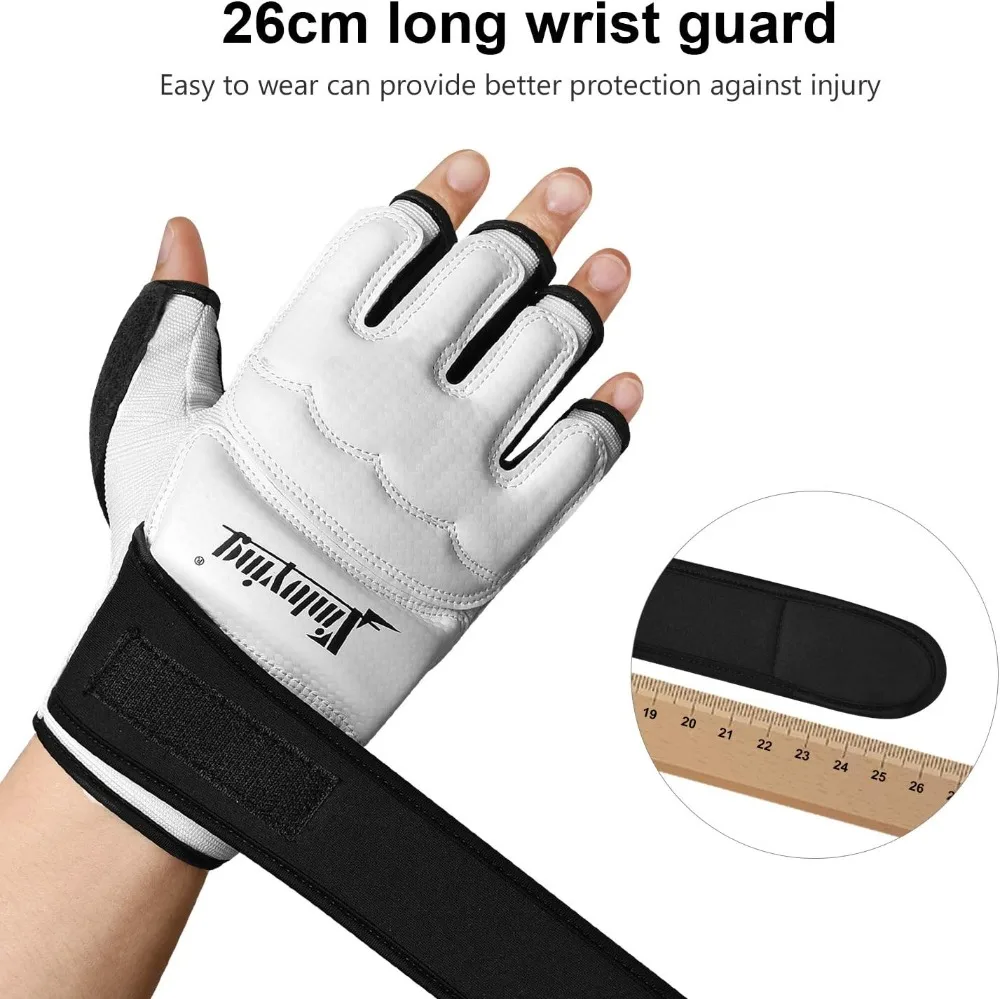
- Integrated wrist wrap support. Secures the wrist in line with the forearm so impact force travels through the joint rather than bending it — the single most important protective feature on any training glove.
- Multi-layer knuckle padding. Distributes impact across the hand, cushioning the metacarpals during repeated bag work and reducing the accumulated hand trauma that ends training blocks.
- PU leather shell. Durable and easy to wipe clean; more resistant to sweat degradation than cheap vinyl, and it does not require the breaking-in period of genuine leather.
- Works across disciplines. Boxing, MMA sparring, Muay Thai, kickboxing, bag and pad work — a versatile general-purpose training glove rather than a single-purpose competition mitt.
- Secure closure that stays put. A glove that loosens mid-round shifts the padding off your knuckles exactly when you need it most.
- Honest note on sizing and use. Glove weight matters: heavier gloves offer more protection for sparring, lighter gloves suit bag and speed work. Check the ounce weight in the product options against your intended use — the wrong weight is the most common purchasing mistake in boxing.
How to Use
Wrap your hands first. Gloves are not a substitute for hand wraps — wraps bind the small bones of the hand and support the wrist from the inside, and no glove replaces that. Slide the glove on with the fingers seated fully into the compartment, then pull the wrist strap firmly across and fasten. It should feel snug and stable, not tight enough to cut circulation. Punch with a straight wrist and land on the two large knuckles (index and middle); landing on the small knuckles or with a bent wrist is how you get hurt, and no glove will save you from bad mechanics. Start with light bag work and build volume gradually — new boxers routinely damage their hands not with one bad punch but with a thousand mediocre ones in their first fortnight. Never spar without a partner-appropriate glove weight and supervision.
Specifications
| Product type | Boxing / MMA training and sparring gloves |
|---|---|
| Shell material | PU leather |
| Wrist support | Integrated wrist wraps |
| Padding | Multi-layer knuckle padding |
| Disciplines | Boxing, MMA sparring, Muay Thai, kickboxing |
| Use | Heavy bag, pad work, sparring |
| Sold as | Pair |
| Glove weight (oz), size and colour | Variant dependent — check product options |
Care & Maintenance
Never leave gloves sealed in a gym bag. Sweat trapped inside is what makes gloves stink and what rots the inner foam — pull them out and air them immediately after every session. Wipe the interior with an antibacterial wipe or a cloth dampened with diluted vinegar, and leave them open-side-up to dry fully. Glove dryers or crumpled newspaper inside will pull moisture out overnight. Never machine wash them and never dry them on a radiator or in direct sun; heat hardens the padding, which then stops protecting your hands. Wipe the PU shell with a damp cloth. Replace gloves when the knuckle padding compresses and no longer springs back.
What’s in the Box
1 x pair of boxing / MMA training gloves with integrated wrist wraps. Hand wraps are not included and are strongly recommended.
Reviews
There are no reviews yet.