Bring the Floor to You, Without the Block Squashing Flat
Most stretching limits are neurological, not structural. When a joint moves near the edge of its available range, protective muscle tension switches on and stops you going further. A block shortens the distance you need to travel, so the nervous system stops guarding and the tissue is free to lengthen. Cork works better than foam here because it barely compresses: your hand or hip lands on a stable surface at a known height, so you can relax into the position instead of bracing against something that keeps sinking.
Key Benefits
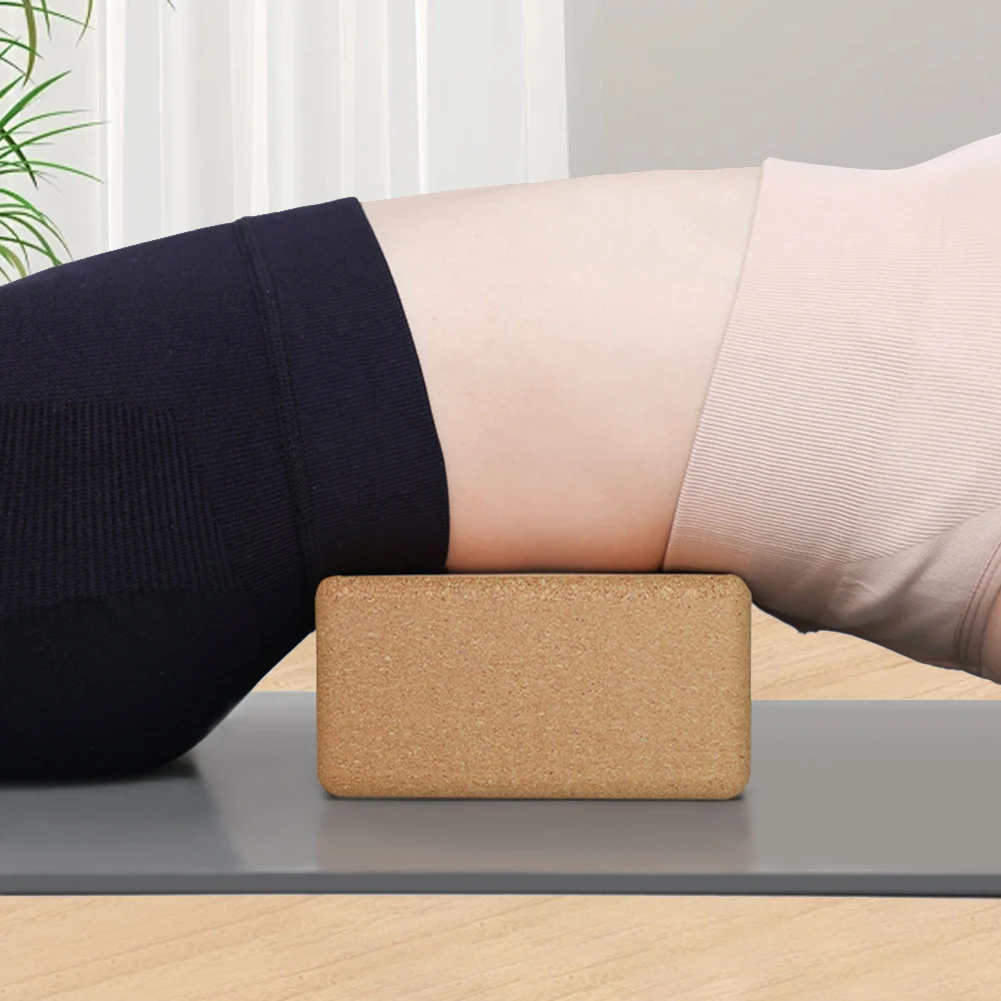
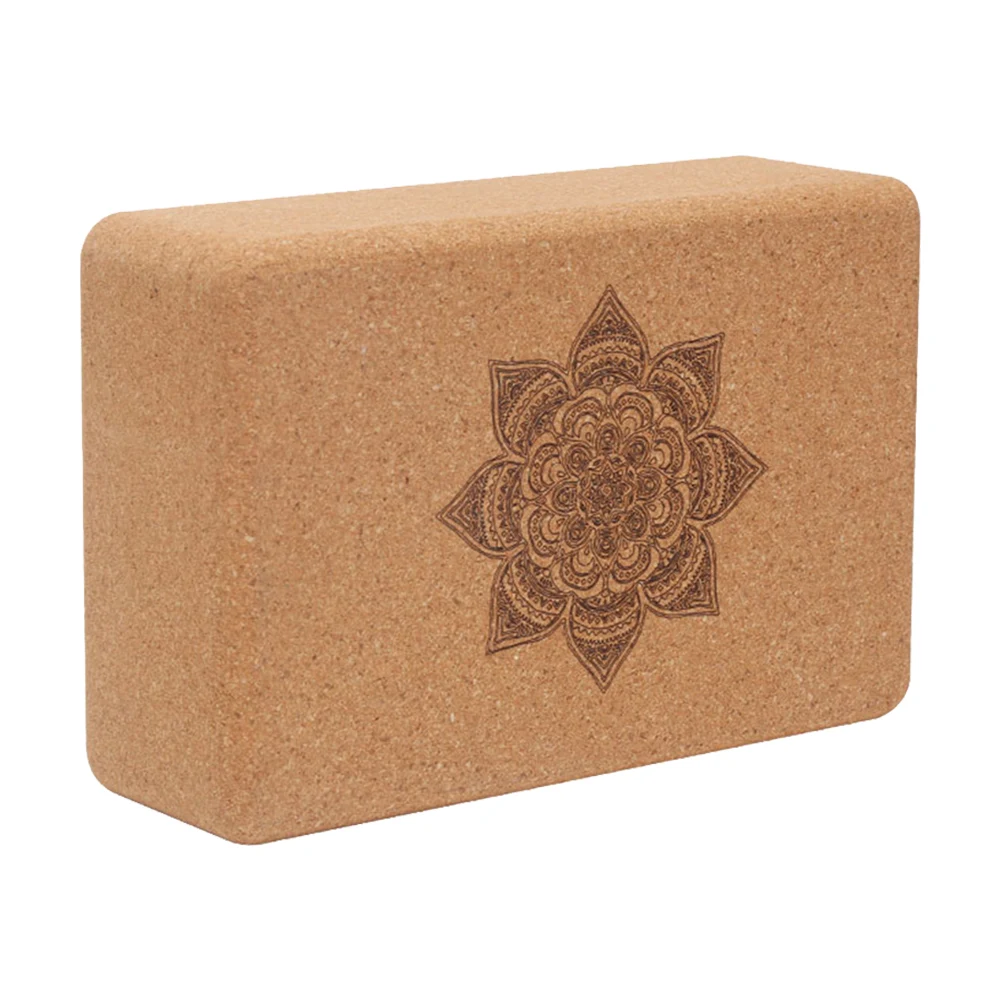
- Genuinely load-bearing. Dense cork holds its shape under bodyweight in half moon or a supported bridge, where soft EVA foam flattens and wobbles.
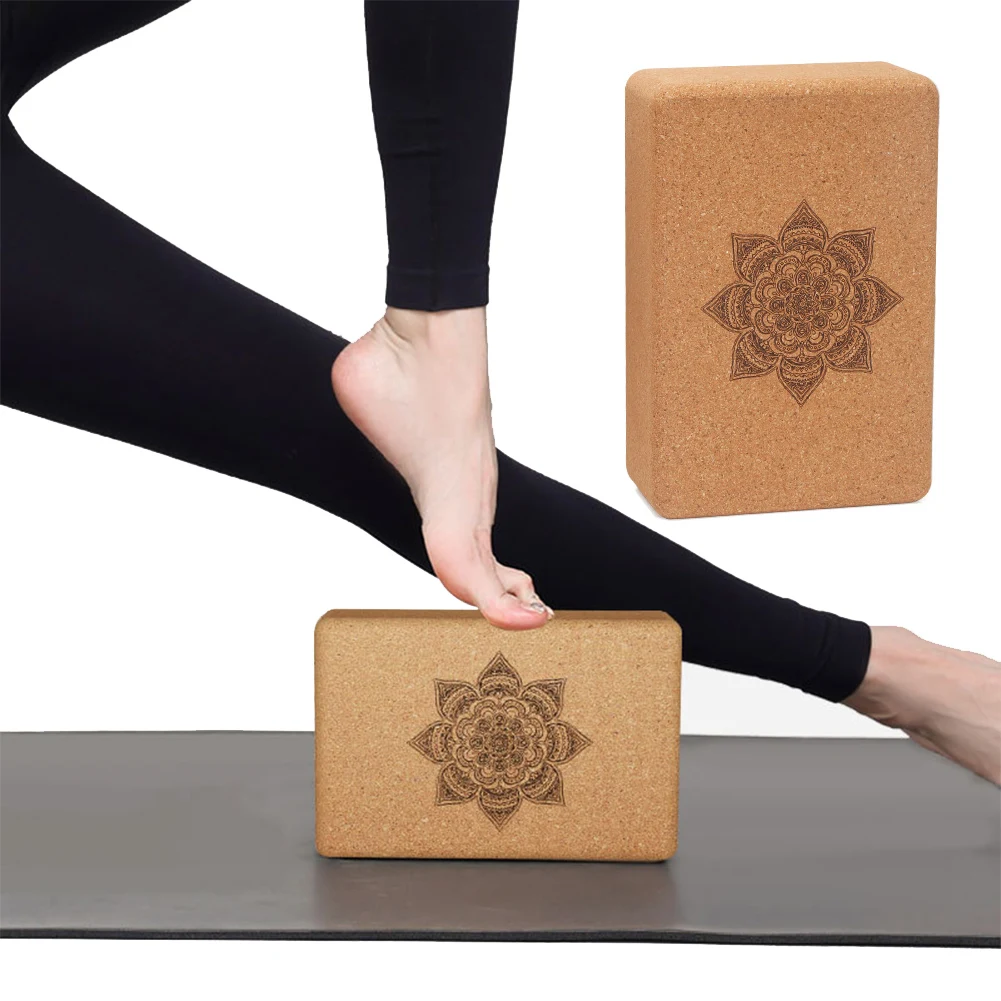
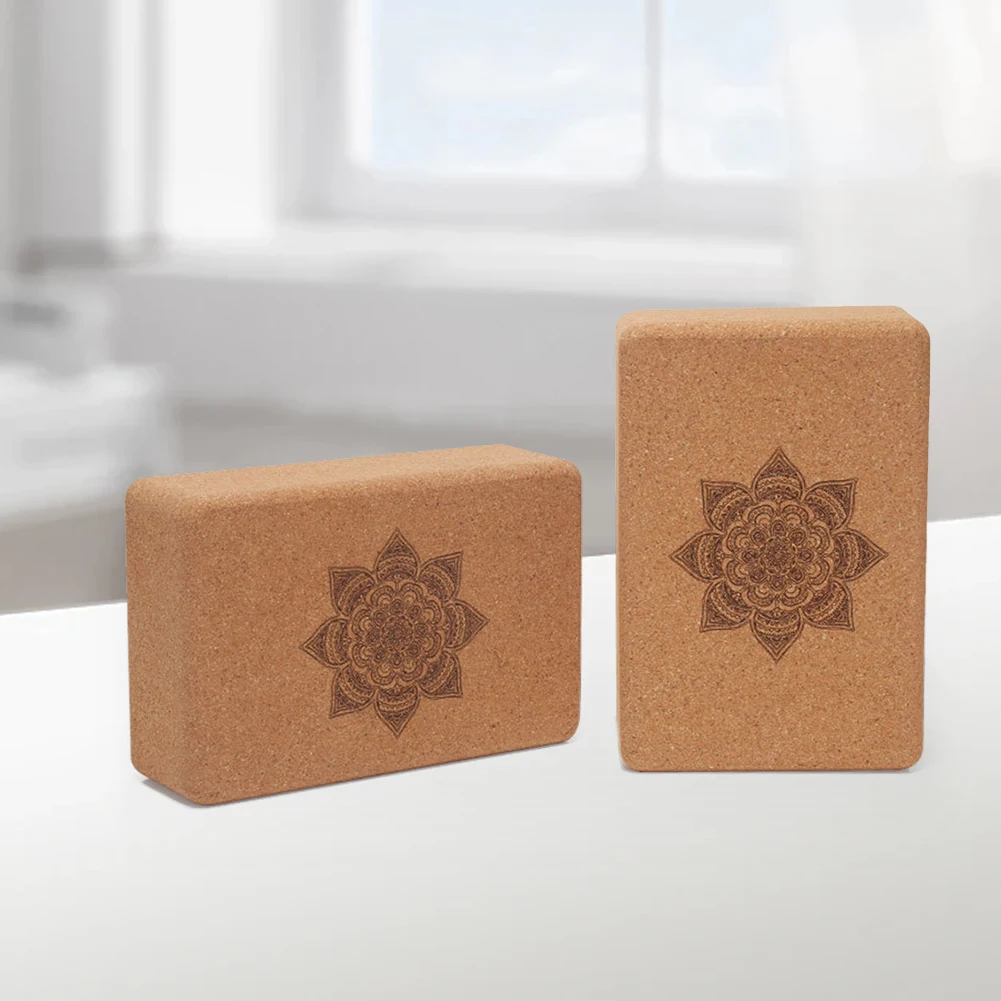
- Three usable heights. Rest it on any of its faces for roughly 3″, 6″ or 9″ of lift, so you can lower the support as your range improves over weeks.
- Grip improves when you sweat. Cork’s naturally tacky, slightly porous surface keeps traction with damp hands — the opposite of plastic-skinned foam.
- Rounded edges, honest weight. Chamfered corners are comfortable in the palm and against the sacrum; the extra heft over foam is what stops it skidding across the mat.
- Naturally antimicrobial and low-odour. Cork contains suberin, which resists moisture and bacterial growth, so it does not develop the sour smell foam picks up.
- Harvested bark, not felled trees. Cork oak is stripped on a multi-year cycle and regrows, making it one of the few genuinely renewable equipment materials.
How to Use
For seated forward folds, sit on the block, not in front of it — lifting the pelvis above the knees tilts you forward from the hip instead of rounding the lower back. In standing poses, start the block at its tallest 9″ setting under the supporting hand and work down over time. For a supported chest opener, place one block under the shoulder blades and one under the head, and stay 2–5 minutes. Cork is firm: it is meant to be a solid platform, not a cushion. Do not put it directly under a bony spine, kneecap or the back of the head on a hard floor without a mat, and never use a block to force a joint past a range you can control on your own.
Specifications
| Material | Natural cork (bark, no synthetic filler) |
|---|---|
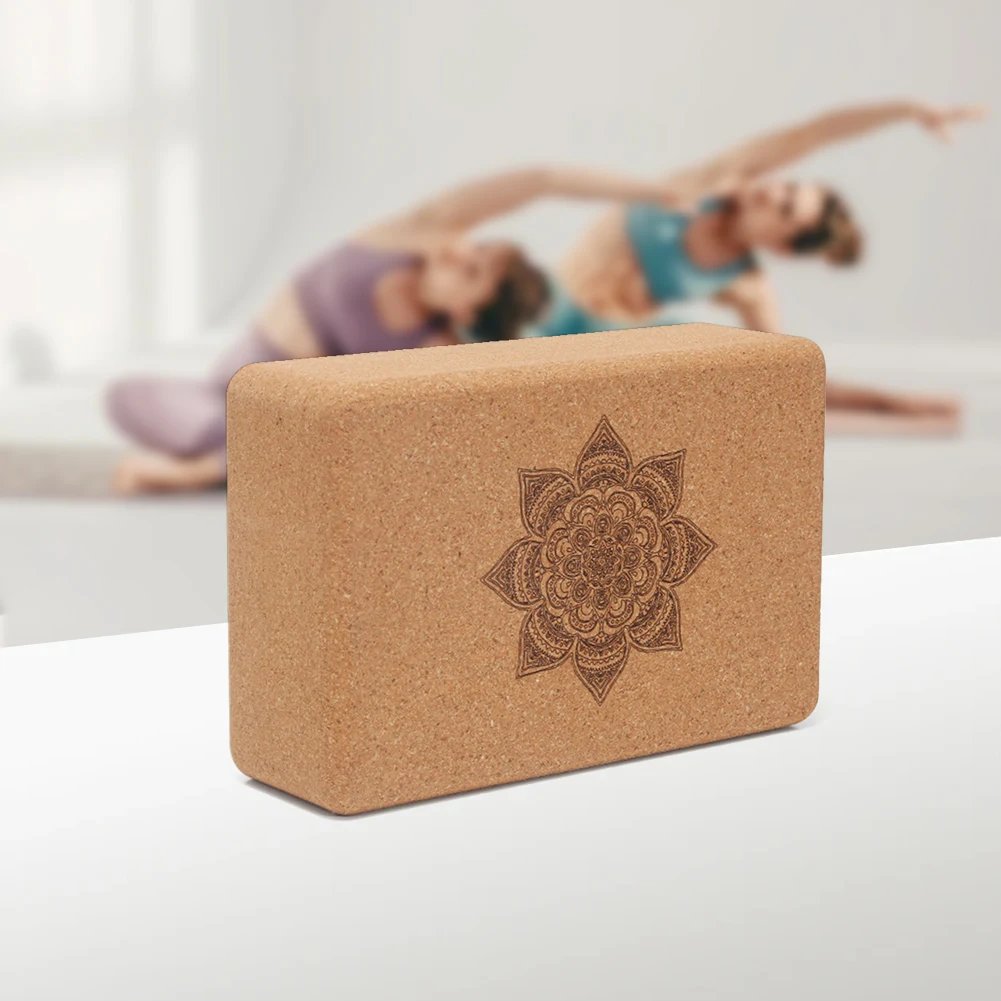
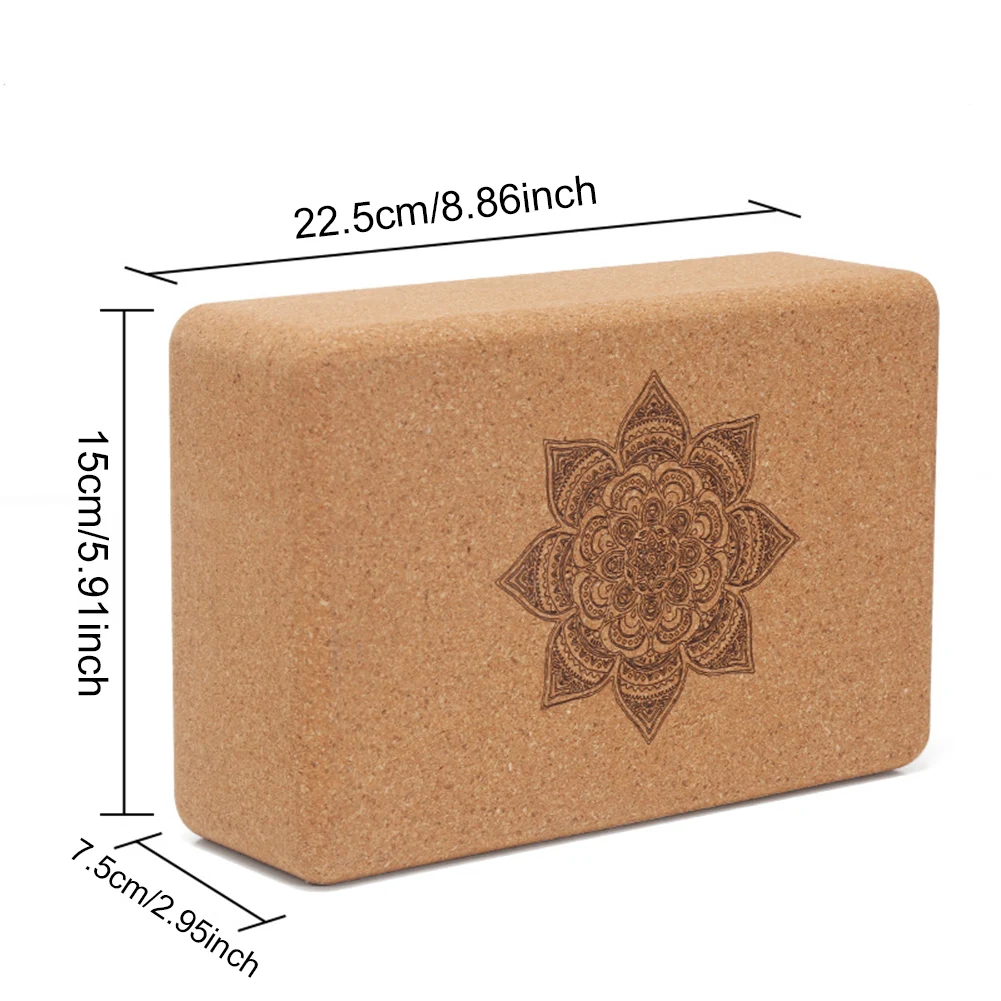
| Dimensions | Approx. 9 x 6 x 3 in (23 x 15 x 7.6 cm) |
| Heights available | 3″, 6″ and 9″ depending on face used |
| Surface | Non-slip, lightly textured, sweat-tolerant |
| Firmness | High density — minimal compression under bodyweight |
| Edges | Chamfered / rounded corners |
| Best for | Yoga, Pilates, mobility work, supported restorative poses |
| Weight | Noticeably heavier than EVA foam (density is the point) |
Care & Maintenance
Wipe with a barely damp cloth and mild soap, then air dry fully — cork should not be soaked, machine washed or left in standing water. Skip alcohol and harsh solvents, which dry the surface and cause it to shed grain. Store somewhere dry and out of direct sunlight; prolonged UV can make cork brittle at the edges. Occasional surface flaking of loose grain is normal on new cork and settles down with use.
What’s in the Box
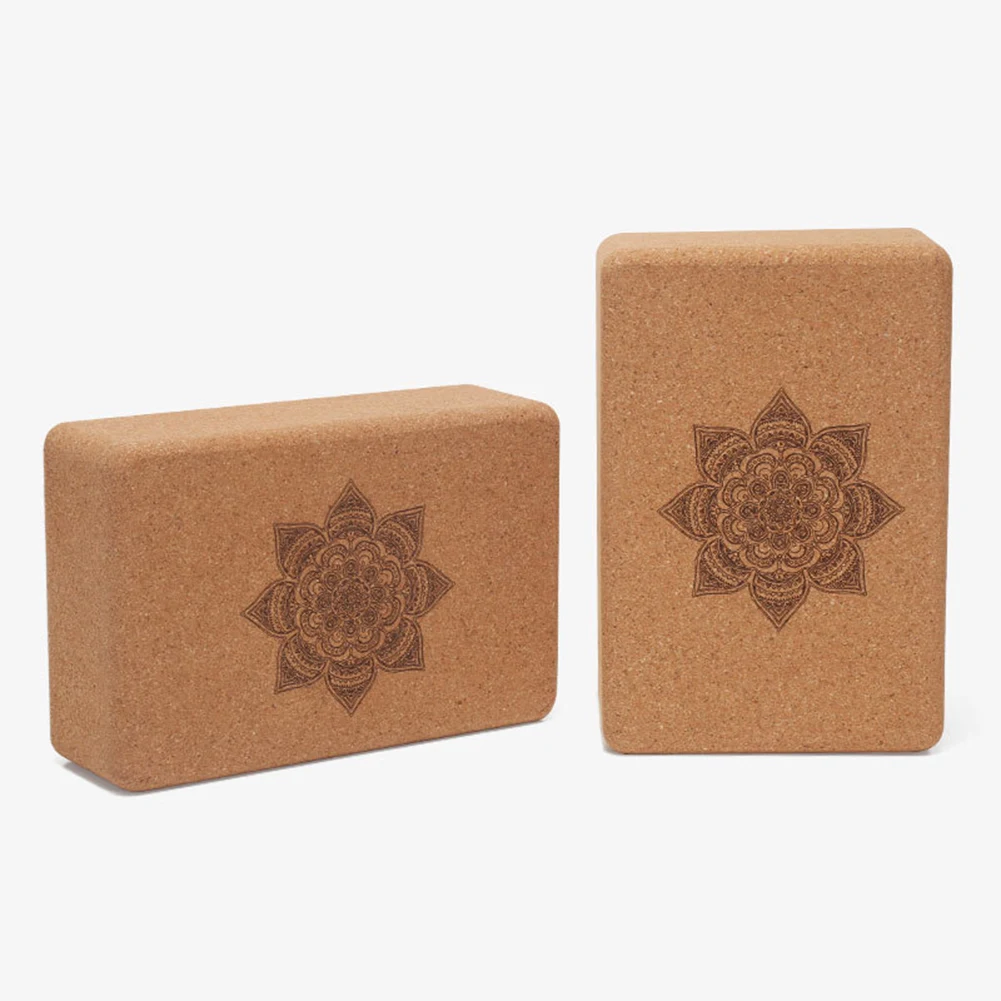
1 x natural cork yoga block. Sold individually — buy two if you want a matched pair for chest openers and supported bridges.
Reviews
There are no reviews yet.