Scraping, Vibration, and What Actually Happens Under the Blade
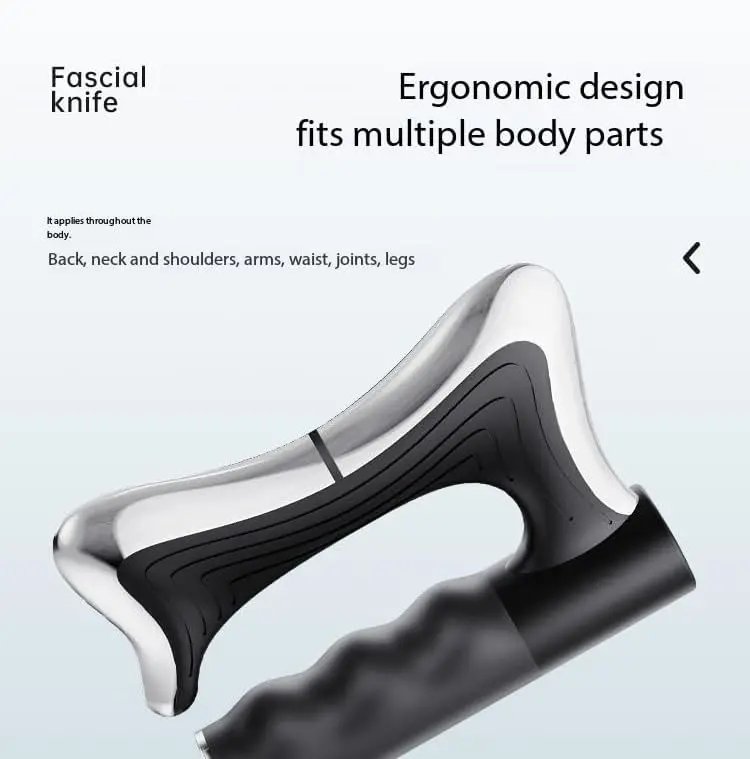
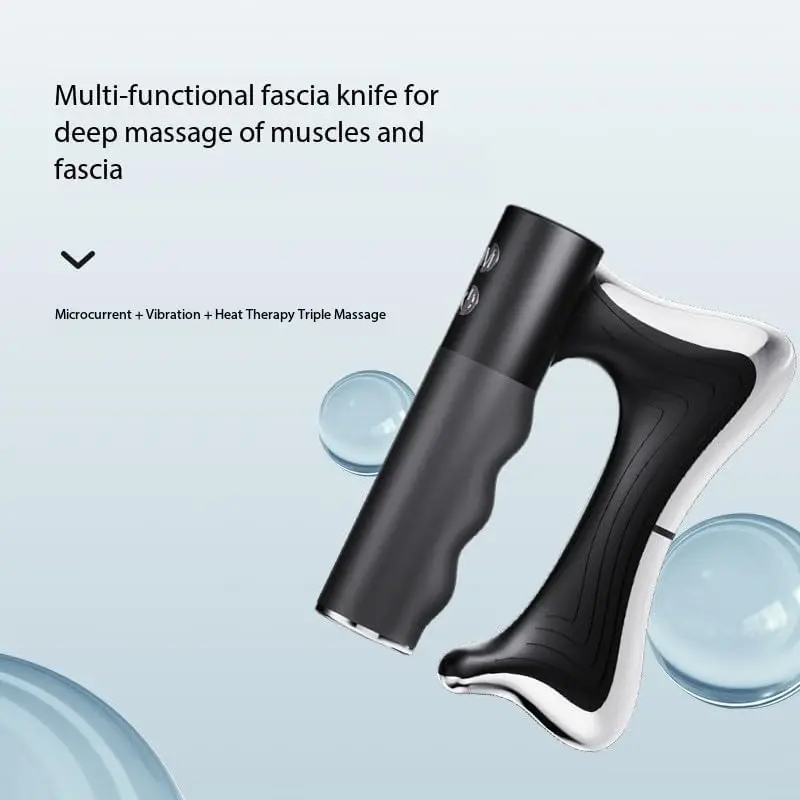
Instrument-assisted soft-tissue mobilisation (IASTM) — the modern descendant of gua sha — works by dragging a hard edge across skin and superficial fascia. The current evidence suggests it does not physically ‘break down’ scar tissue, as is often claimed. What it does do is reliably increase local blood flow and provoke a strong sensory response, which raises stretch tolerance: the tissue does not become longer, but you become able to move further into range with less guarding. Adding vibration amplifies that sensory input and lets you cover ground faster with less pressure from your wrist. That is a real, useful effect — just not the mechanical one the marketing usually claims.
Key Benefits
- Vibration does the repetitive work. Manual scraping is hard on the therapist’s hands and wrists. A powered head sustains consistent input over long sweeps of the calf, IT band or thoracic spine without you fatiguing.
- Raises stretch tolerance before mobility work. Two to three minutes of scraping over a stiff area, then stretching, typically buys more range than stretching cold — because the nervous system has been given a reason to let go.
- Multiple heads for different tissue. Broader edges sweep large muscle bellies; narrower ones follow tendon borders and bony contours like the shin, forearm and Achilles.
- Reaches areas a foam roller cannot. Forearms, shins, the plantar fascia and the soles of the feet are awkward to roll and well suited to a hand-held scraper.
- Honest expectation setting. Redness (petechiae) after scraping is a capillary response, not proof that adhesions were destroyed. More bruising is not more benefit — and pushing to that point is unnecessary.
- Fits between the massage gun and the foam roller. Percussion is deep and vertical; scraping is superficial and lateral. Most people who are stiff in the fascia rather than the muscle belly prefer this.
How to Use
Apply an emollient — massage oil, balm or lotion — to the skin first. Without it the edge will drag and irritate. Hold the tool at roughly 30–45 degrees to the skin and sweep along the length of the muscle with light to moderate pressure, covering an area for 30–90 seconds. Pressure should feel like a firm scratch, never a sharp cut. Some pinkness is expected; heavy bruising means you used too much force. Avoid bony prominences, the front of the throat, varicose veins, broken or inflamed skin, and any area with numbness. Do not use over an acute injury, on anyone taking blood thinners, or on skin conditions, infections or recent surgical sites. If you feel sharp pain, stop.
Specifications
| Type | Electric vibrating fascia scraper (IASTM / gua sha tool) |
|---|---|
| Action | Vibration-assisted scraping |
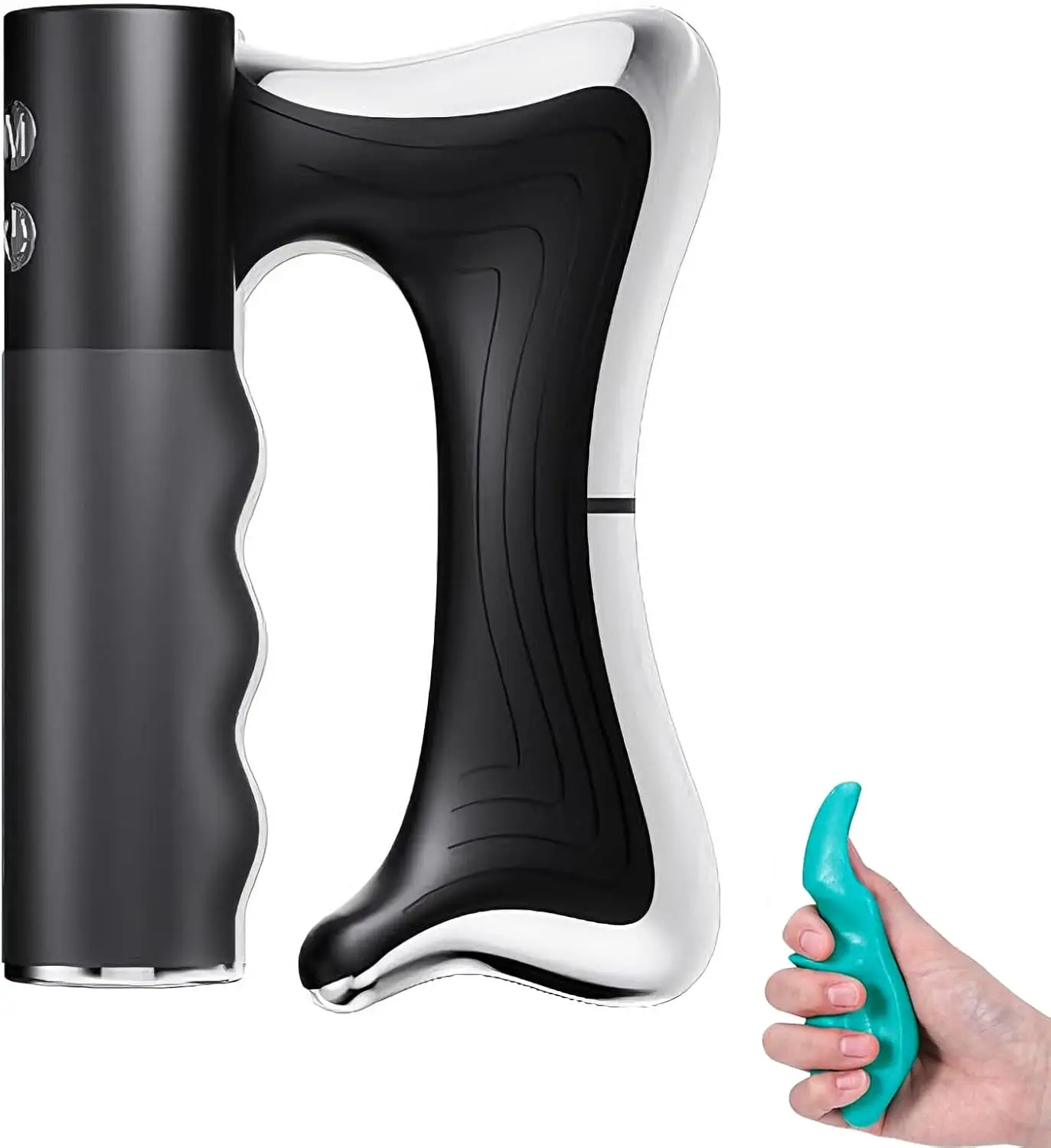
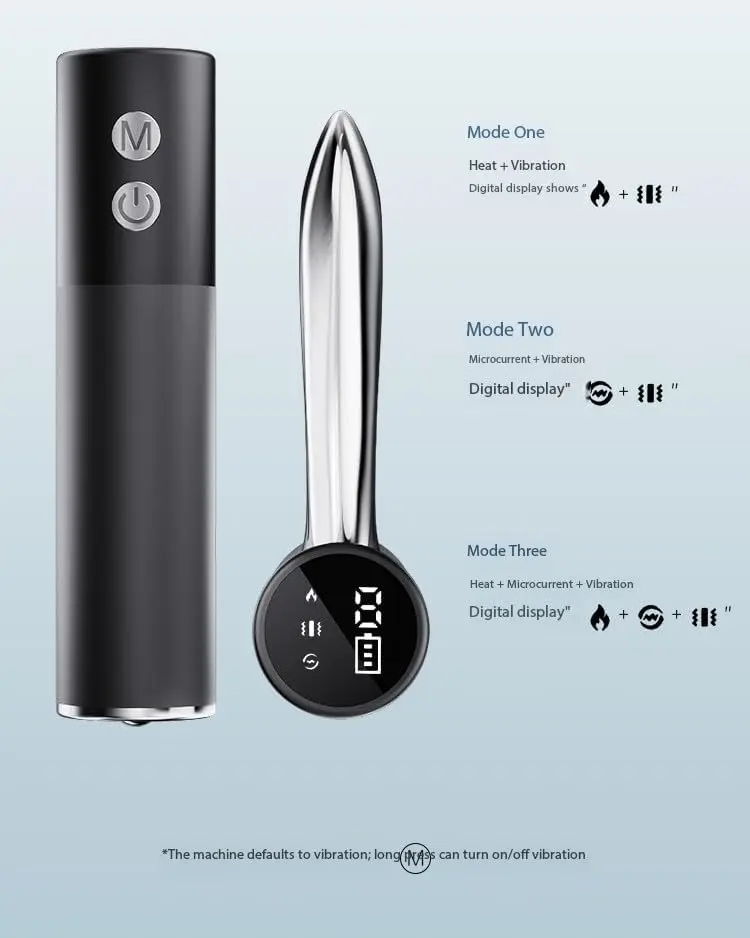
| Heads | Multiple interchangeable scraping heads (count and shape variant dependent) |
| Speeds | Multiple intensity settings |
| Power | Rechargeable, USB charging |
| Body | Hand-held ergonomic grip |
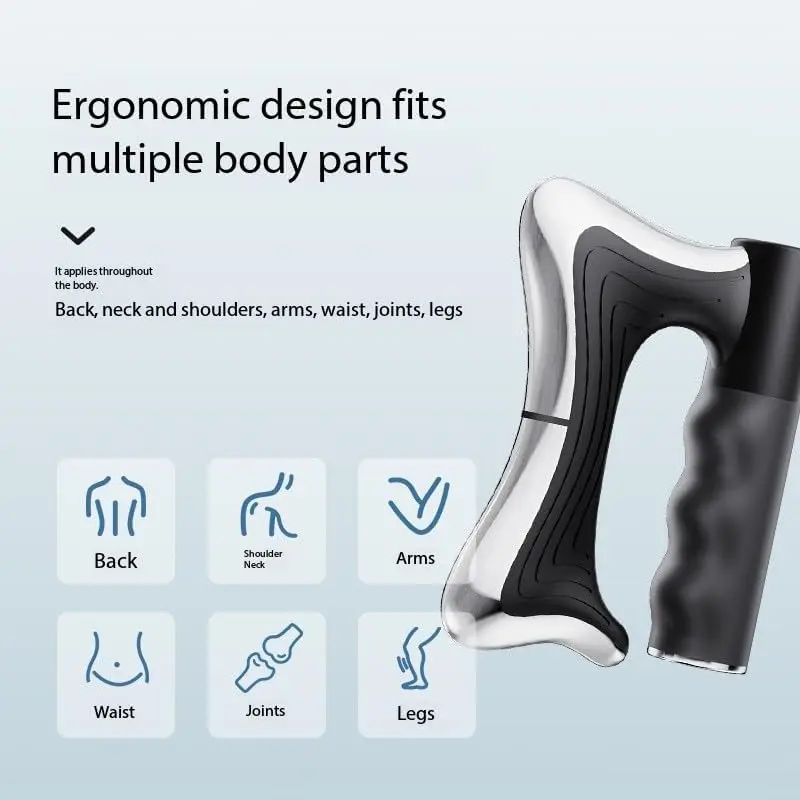
| Best for | Calves, IT band, quads, forearms, shins, plantar fascia, upper back |
| Requires | Massage oil, balm or lotion for use |
| Not suitable for | Broken skin, acute injury, blood-thinner users, numb areas |
Care & Maintenance
Wipe the heads clean immediately after each session — massage oil left on the edge will go rancid and can degrade the finish. Remove the head and clean it separately with warm water and mild soap; dry fully before reattaching. Never submerge the motor unit. Recharge before the battery fully depletes and store in a dry place away from direct heat.
What’s in the Box
1 x electric fascia scraping device, interchangeable scraping heads, USB charging cable, and user manual. Massage oil is not included and is required for safe use.
Reviews
There are no reviews yet.