Pinning a Muscle Against a Wall Beats Rubbing It
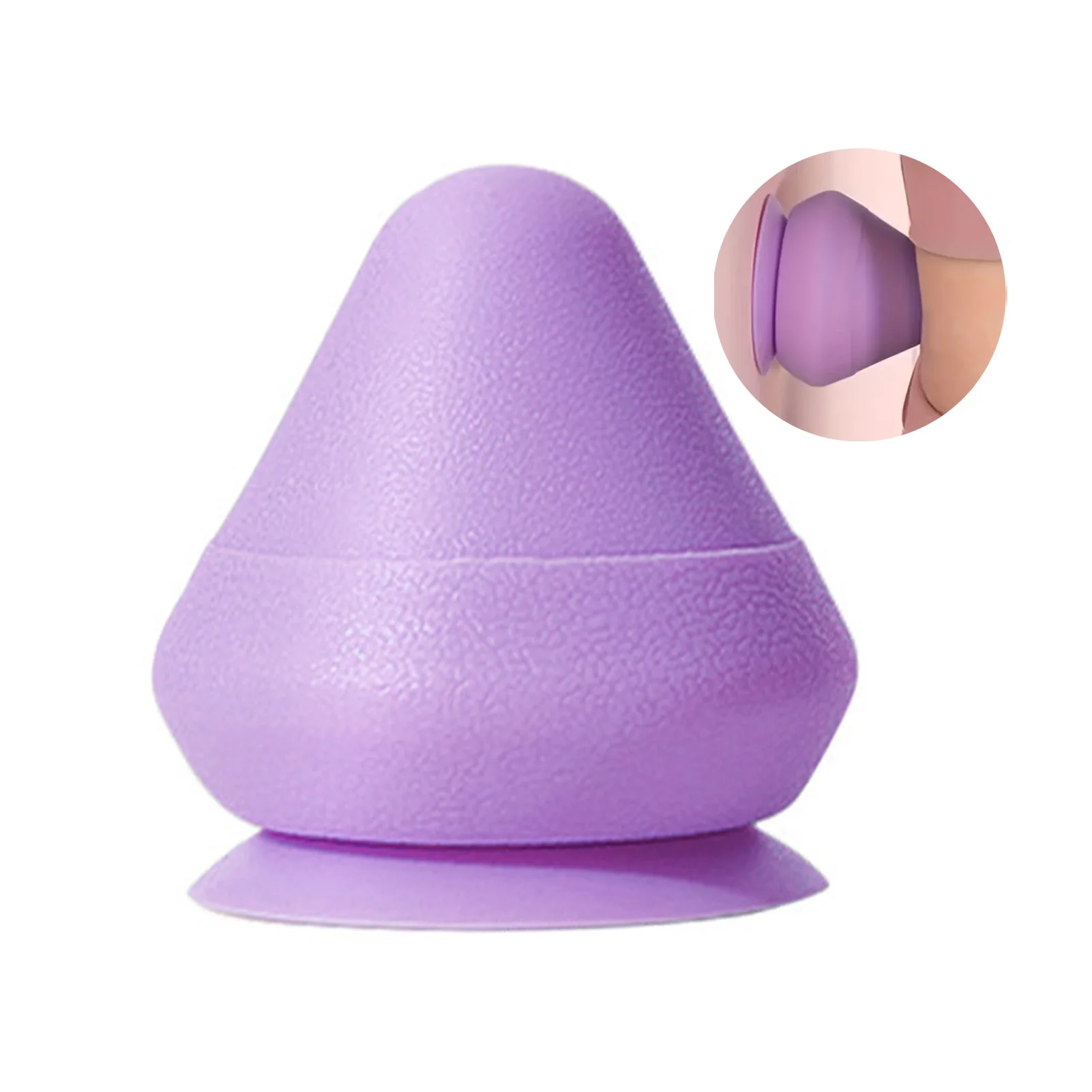
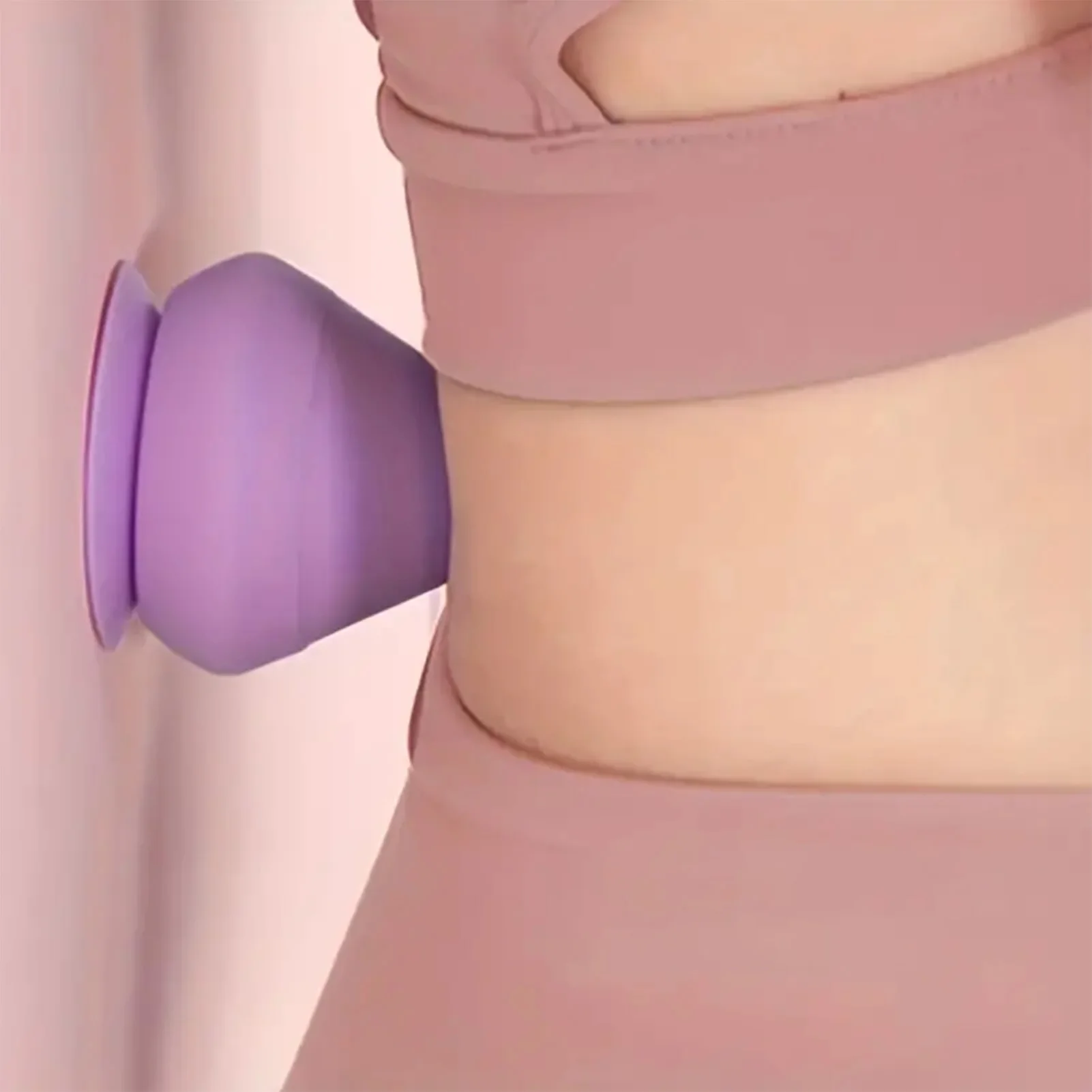
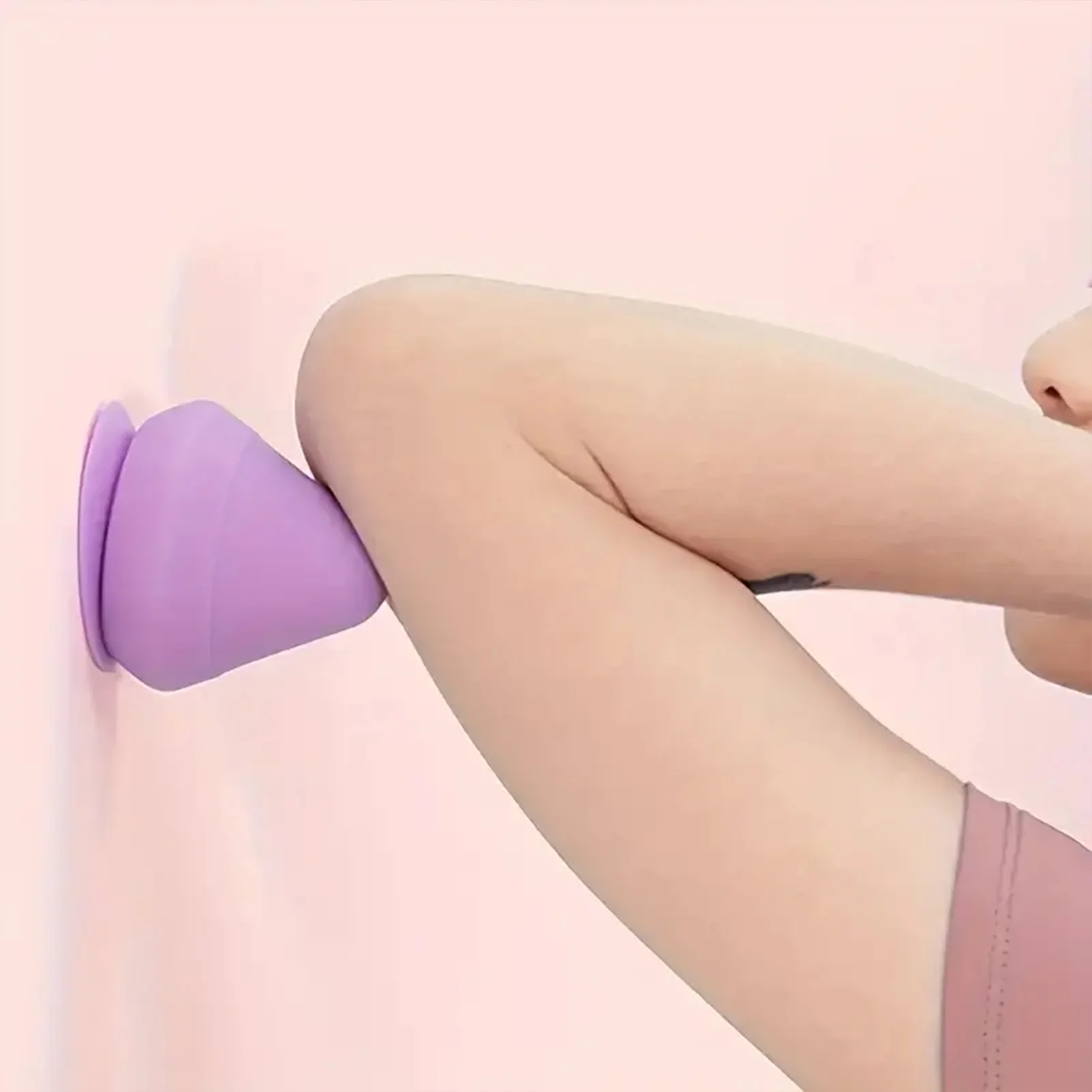
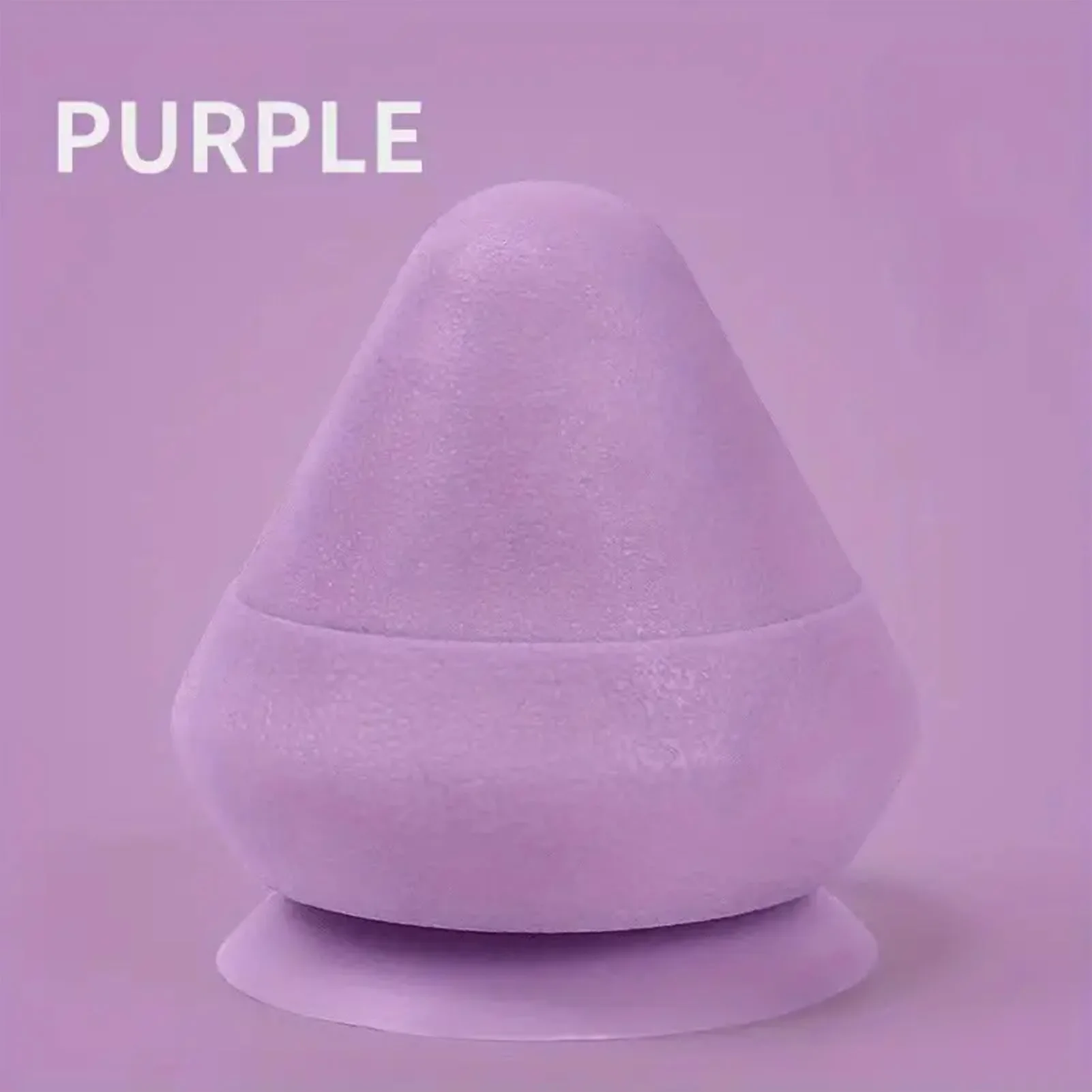
A small, hard ball concentrates force into a tiny contact area, so pressure that a foam roller would harmlessly distribute across your entire upper back gets driven into one tender spot. Holding sustained pressure on a trigger point for thirty to ninety seconds is thought to work neurologically — reducing the resting motor drive to the taut band and desensitising the local nociceptors — rather than by physically breaking anything up. The suction base matters more than it sounds: it fixes the ball to a wall or floor so you can lean into it and meter the pressure with your own bodyweight, instead of chasing it across the room.
Key Benefits
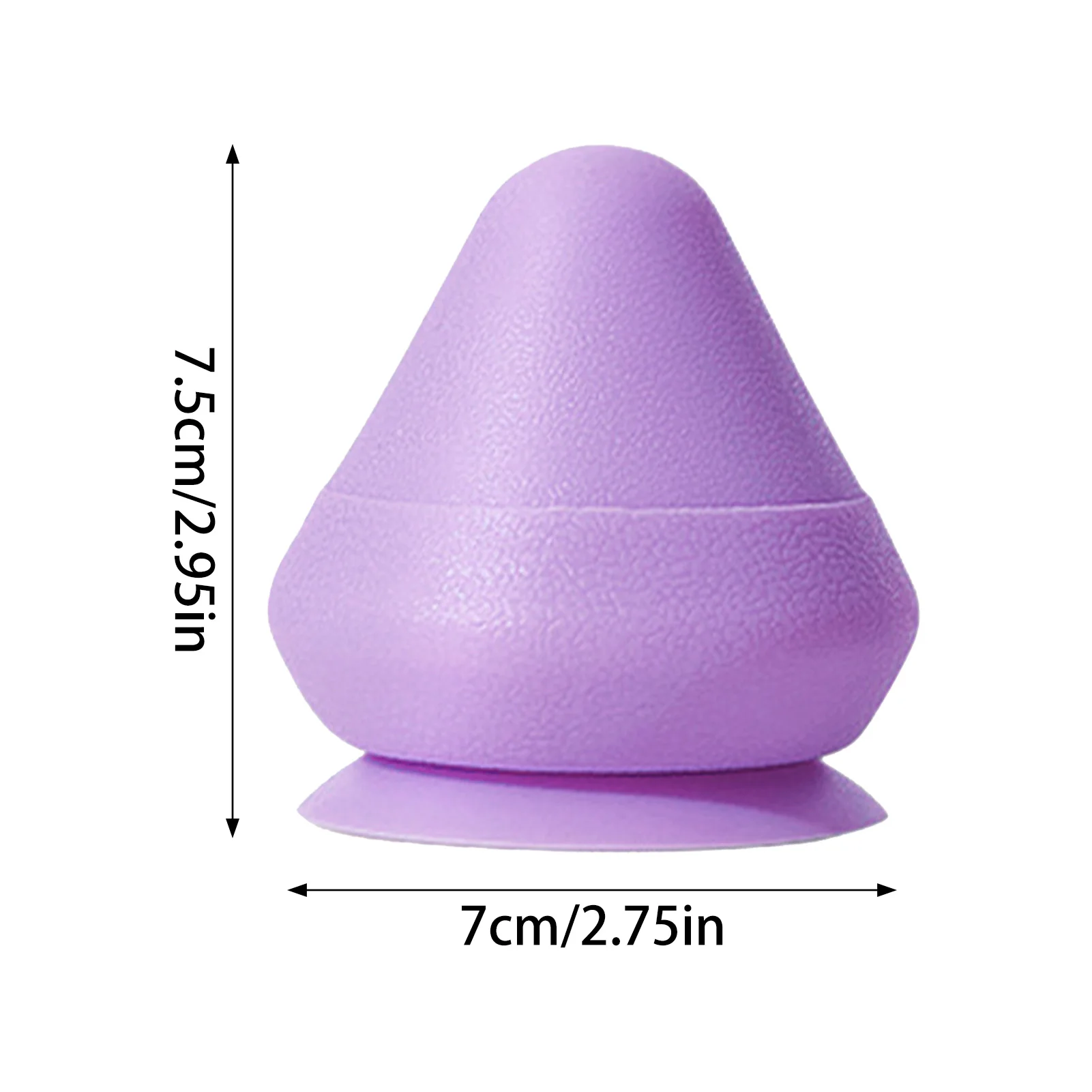
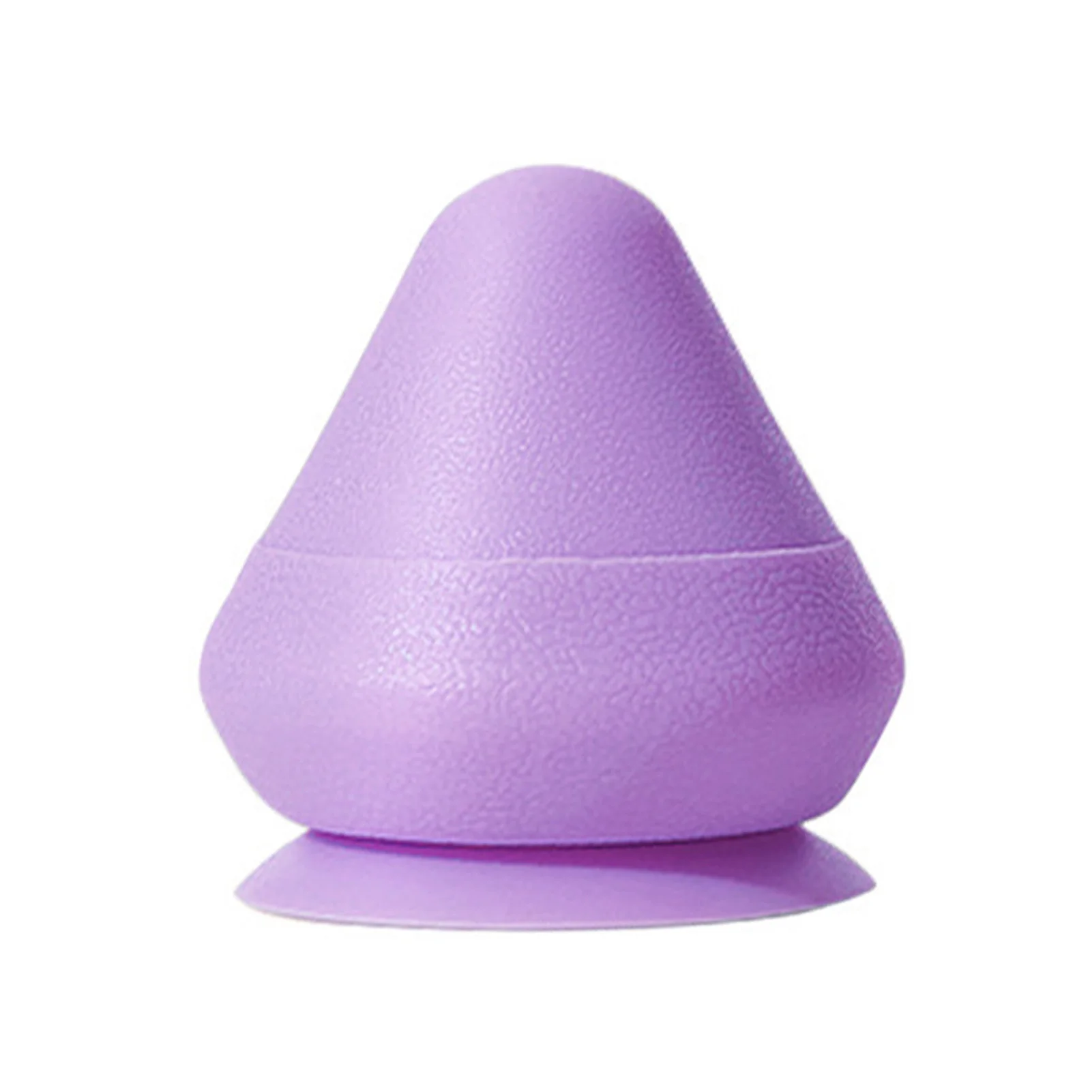
- Suction base holds position — the ball stays exactly where you put it on a wall or a smooth floor, which is the difference between a tool you use daily and one that lives under the sofa.
- Reaches what a roller cannot — rhomboids between the shoulder blades, gluteus medius, the arch of the foot and the small muscles beside the spine are all too small or too deep for a foam roller’s broad surface.
- You control the pressure exactly — leaning against a wall gives you fine control; lying on the floor gives you your full bodyweight. Same ball, completely different intensity.
- The cone goes deeper and smaller — a tapered tip concentrates force further still, which is what you want for the palm, the forearm flexors and the plantar fascia.
- Solid rubber, not hollow — it does not deform under bodyweight, so the pressure you apply is the pressure that reaches the tissue.
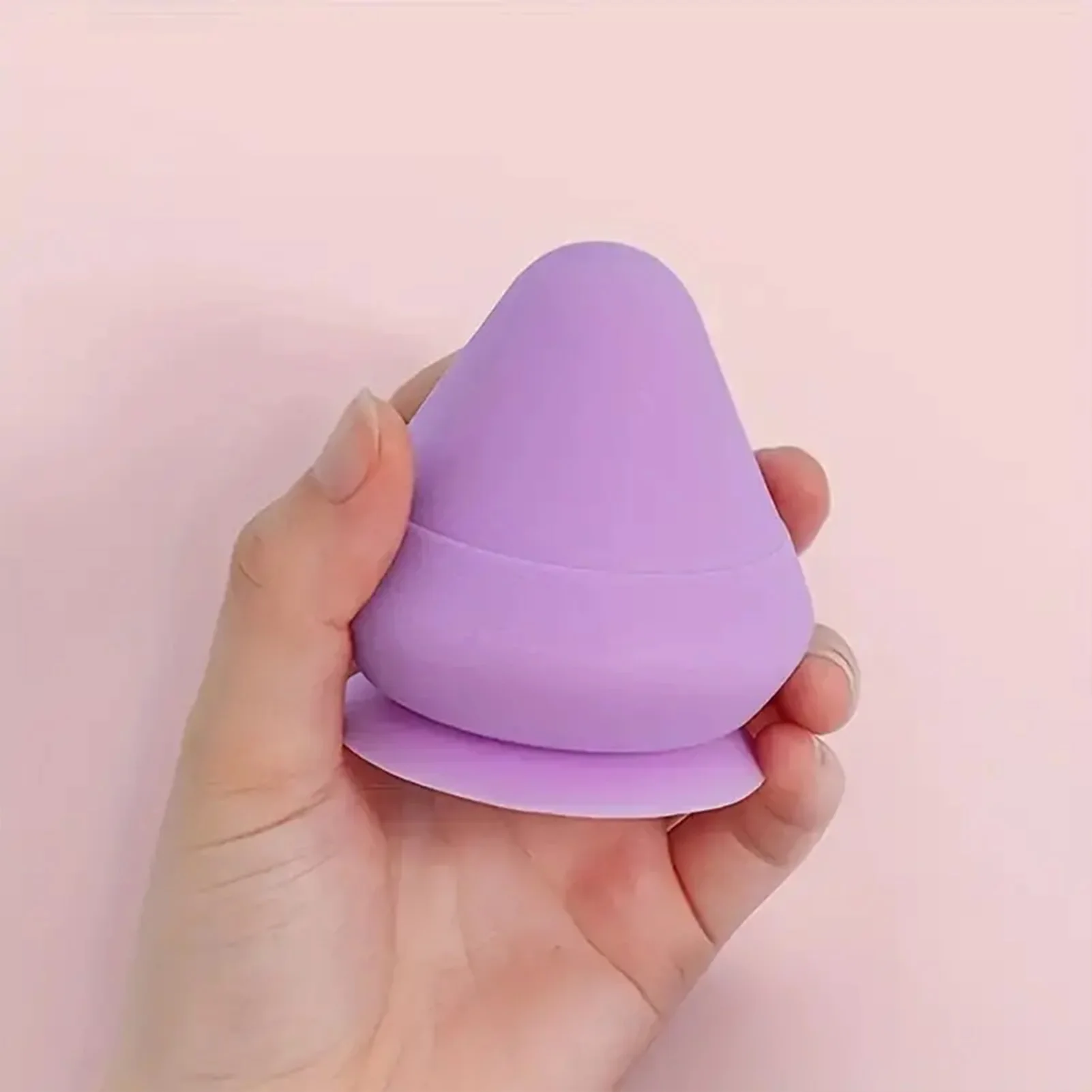
- Small enough to travel — it fits in a laptop bag, and a hotel wall works as well as a home one.
How to Use
Press the suction base firmly onto a clean, smooth wall — dust or a textured surface will not hold. Position it between the wall and the tender spot, then lean in until the pressure reads about a five to seven out of ten: uncomfortable, breathable, never sharp. Hold for thirty to ninety seconds and keep breathing, since holding your breath raises muscle tone and works against you. Small, slow movements across the spot are fine; grinding hard and fast is not. The sensation should ease as you hold it. Safety: never apply direct pressure to the spine itself, and never to the front or side of the neck, where the carotid artery and major nerves sit. Avoid rolling over bone, joints, bruises, varicose veins, open skin or any area of unexplained swelling. If the pain sharpens rather than eases, or radiates down a limb, get off it and see a physiotherapist — you may be compressing a nerve rather than releasing a muscle.
Specifications
| Contents | Massage ball and massage cone |
|---|---|
| Material | Solid rubber |
| Mounting | Suction base — attaches to walls and smooth floors |
| Target areas | Neck (rear only), shoulders, back, glutes, feet, hands and palms |
| Density | Firm / solid — does not compress under bodyweight |
| Portability | Bag-sized |
| Hold guidance | 30–90 seconds per point |
| Colour | Variant dependent |
Care & Maintenance
Wash in warm soapy water and air-dry — body oils and skin cells are what kill a suction cup’s grip, so the base needs cleaning more often than the ball does. Keep it away from prolonged direct sunlight, which hardens and cracks rubber. If the suction stops holding, wipe both the cup and the wall with a damp cloth before assuming the tool has failed.
What’s in the Box
Massage ball with suction base and massage cone. Exact contents vary by variant.
Reviews
There are no reviews yet.