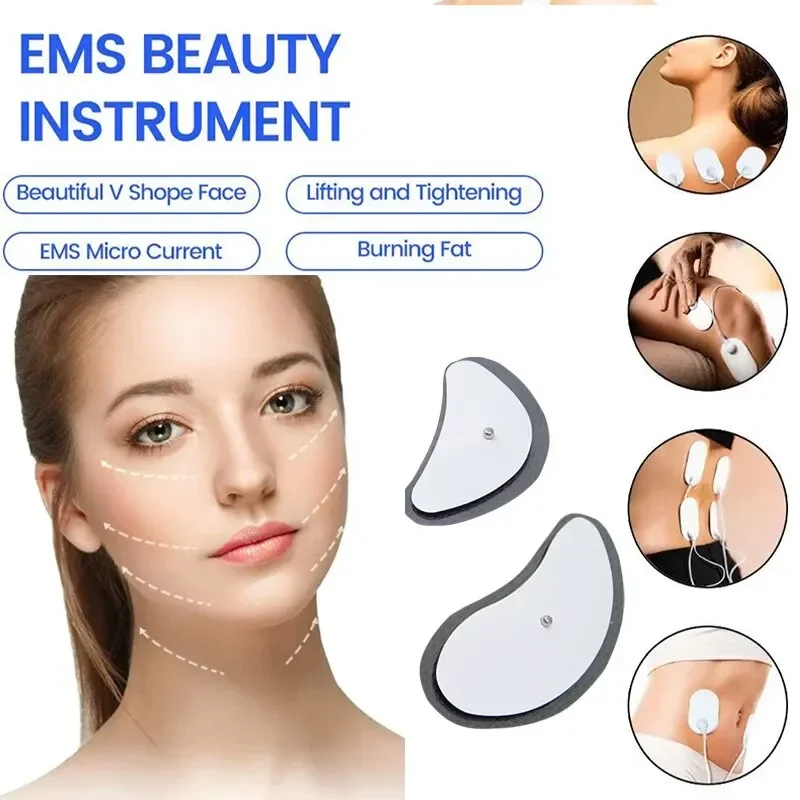
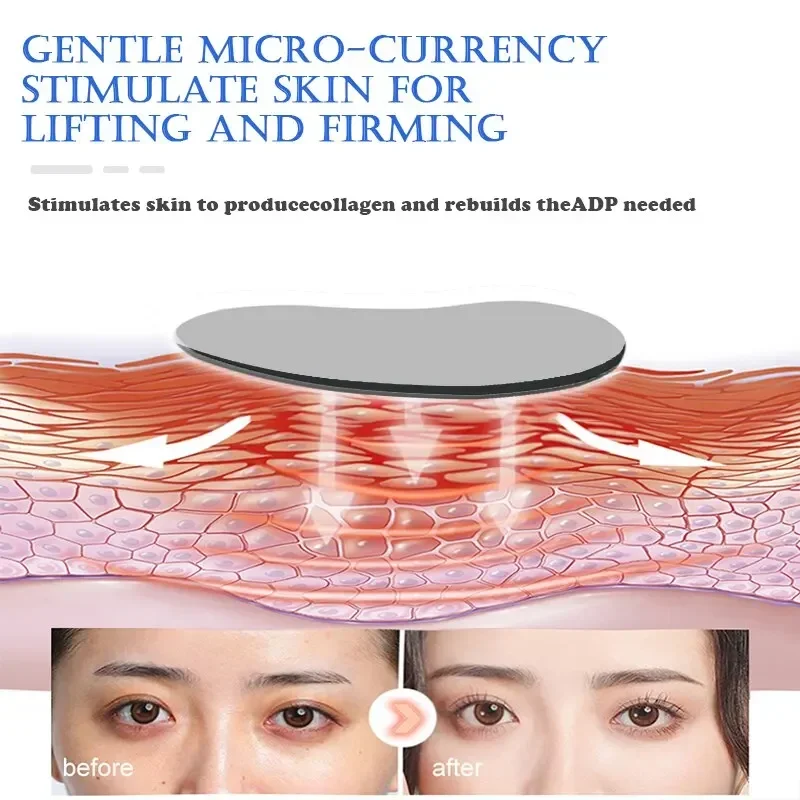
Microcurrent Around The Eyes: The Real Mechanism, And The Marketing Myth
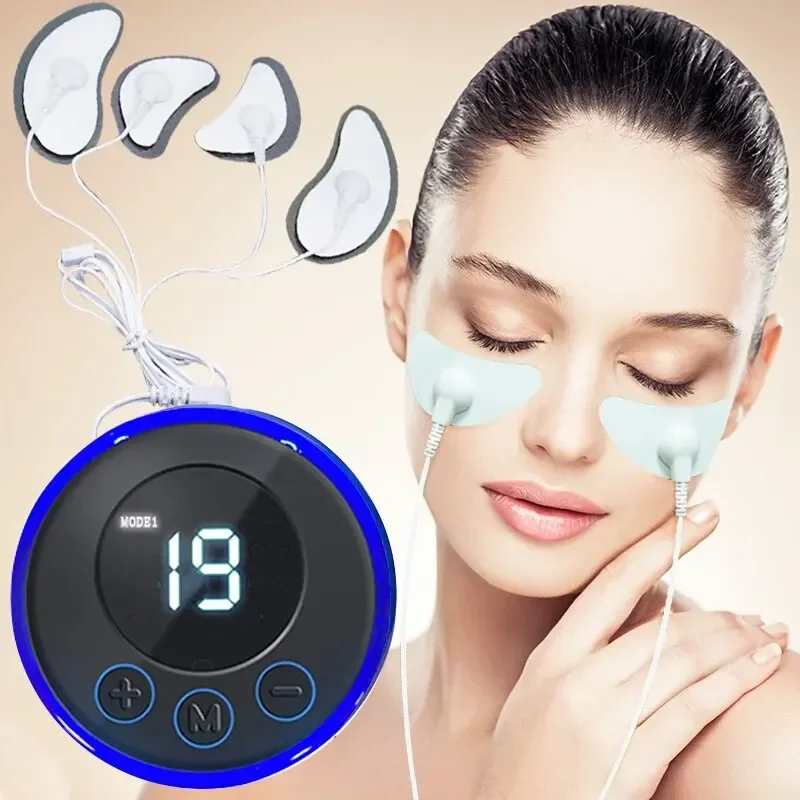
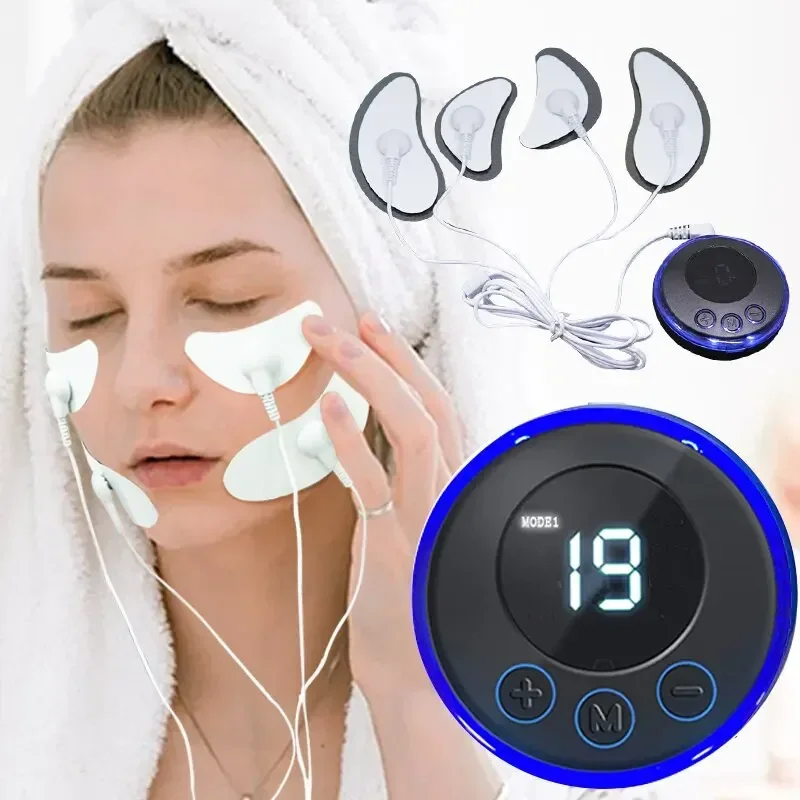
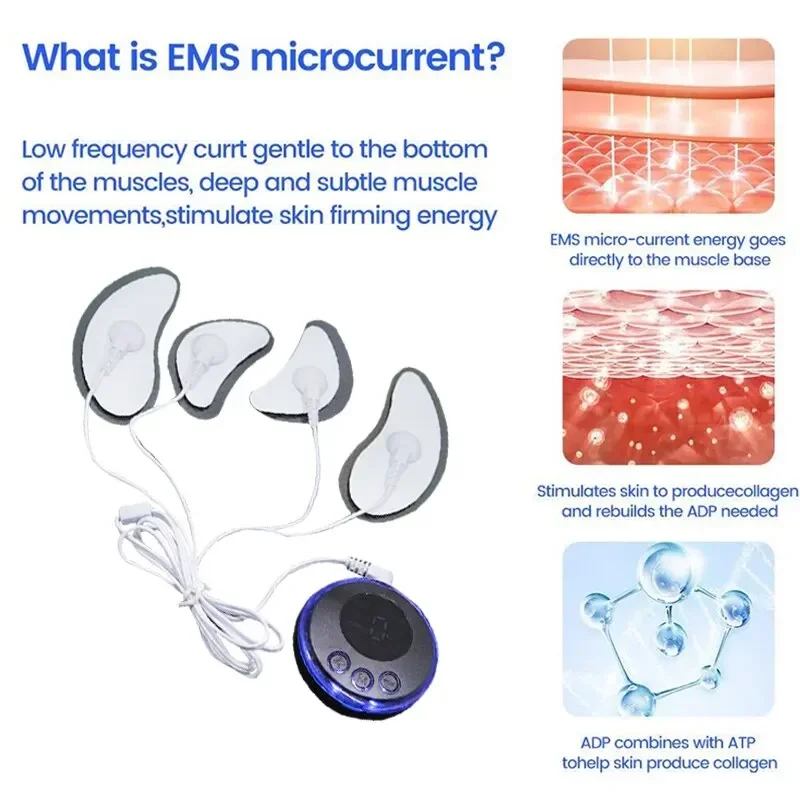
EMS delivers a low-level electrical current that causes involuntary contraction in the muscle fibres beneath the skin — around the eye, that means the orbicularis oculi. Repeated gentle contraction acts as a pump, driving lymph out of the periorbital tissue where fluid pools overnight, which is why puffiness visibly reduces after a few minutes. The current and the massage also relieve the accumulated tension of sustained near-focus work. That mechanism is real. What it cannot do is change the anatomy that causes most dark circles: thin under-eye skin, visible vasculature, or genetic pigmentation. Muscle stimulation does not lighten pigment.
Key Benefits
- Does not erase dark circles or wrinkles — most dark circles are pigmentation, thin skin showing the vessels beneath, or a shadow cast by the tear-trough hollow. None of those are muscle problems, so no amount of EMS fixes them. Fluid-based puffiness, which does respond, is the exception.
- Real benefit: de-puffing that you can see — the rhythmic micro-contraction pumps pooled fluid toward the lymph nodes, and a morning face is the best-case use for this device.
- Real benefit: eye strain relief — after long screen work, the gentle contraction and warmth on the orbital rim relieve the dull ache of sustained near-focus better than most people expect.
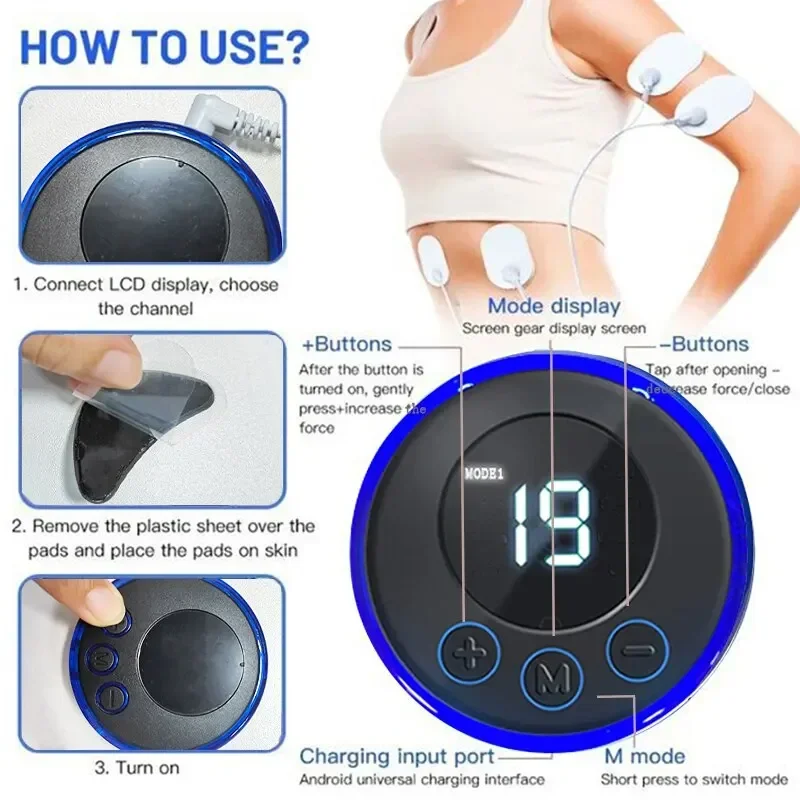
- Adjustable intensity — start at the lowest setting; correctly applied EMS should feel like a light tingle and gentle tapping, never a sting.
- Aids serum penetration — used with an eye gel, the micro-movement distributes product evenly along the orbital bone rather than dragging the thinnest skin on your face.
- Compact and rechargeable — small enough for a desk drawer, which matters, because the best time to use it is the middle of a long working day.
How to Use
Apply a conductive eye gel or a water-based serum first — EMS needs a conductive medium and dry skin will feel sharp and unpleasant. Work along the bone of the orbital rim only: from the inner corner outward along the brow bone, then along the cheekbone under the eye. Never press into the eyeball or the soft tissue directly beneath it. Three to five minutes is enough; more is not better. Safety, and this is not boilerplate: do NOT use this device if you have a pacemaker, defibrillator, cochlear implant or any other implanted electronic device. Do not use it if you are pregnant, have epilepsy, a heart condition, or metal implants in the head or face. Never place the electrodes on the front of the neck, near the carotid sinus. Avoid entirely if you have glaucoma, retinal disease, an eye infection, or have had eye surgery in the last six months — check with your ophthalmologist first. Remove contact lenses before use. Stop immediately if you experience visual disturbance, dizziness or any pain.
Specifications
| Device type | Handheld EMS microcurrent eye massager |
|---|---|
| Technology | Electrical muscle stimulation, adjustable intensity |
| Treatment area | Orbital rim — brow bone and upper cheekbone |
| Recommended session | 3–5 minutes |
| Requires | Conductive eye gel or water-based serum |
| Power | Rechargeable, USB charging |
| Intensity levels | Variant dependent |
| Contraindications | Pacemakers, implanted devices, pregnancy, epilepsy, heart conditions, glaucoma, recent eye surgery |
Care & Maintenance
Wipe the metal contact plates with a soft, slightly damp cloth after every use — dried gel on the electrodes reduces conductivity and makes the current feel patchy and sharp. Dry thoroughly. Never submerge the unit or hold it under a tap. Store it somewhere dry and out of direct sunlight, and top the battery up periodically rather than letting it sit fully flat for months.
What’s in the Box
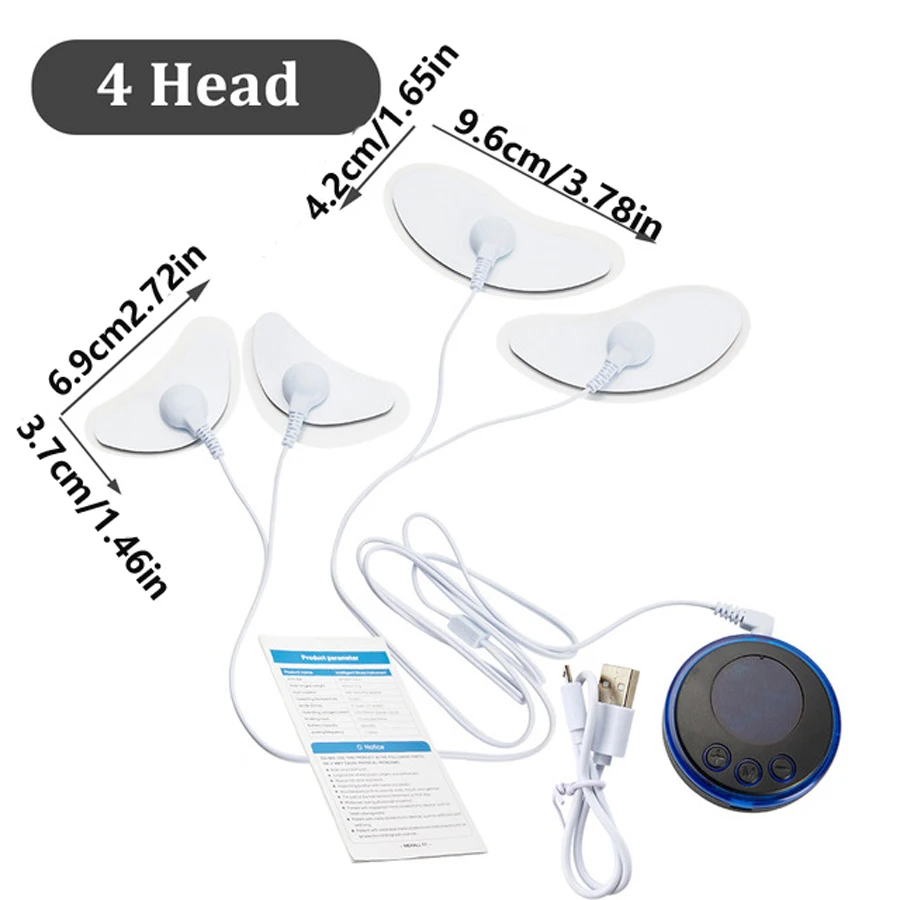
One EMS eye massager and a USB charging cable. A manual may be included depending on the variant. Conductive gel is not included and is required — do not use the device on dry skin.


Reviews
There are no reviews yet.