Your Plantar Fascia Is Part of a Chain That Ends at Your Skull
The plantar fascia is a thick band of collagen running from heel to toes, and it is mechanically continuous with the calf, hamstring and the entire posterior chain. This is why rolling the sole of one foot for a couple of minutes reliably increases hamstring flexibility on that same side — a result that has been demonstrated repeatedly. The mechanism is not mechanical: you are not deforming collagen or dissolving adhesions, and claims to that effect are marketing. What you are doing is stimulating mechanoreceptors and altering nervous-system stretch tolerance. The relief is neural, and it is real.
Key Benefits
- Increases posterior-chain range of motion. Rolling the sole of the foot for one to two minutes measurably improves hamstring and calf flexibility, because the fascia is continuous up the back of the body. Cheapest mobility gain available.
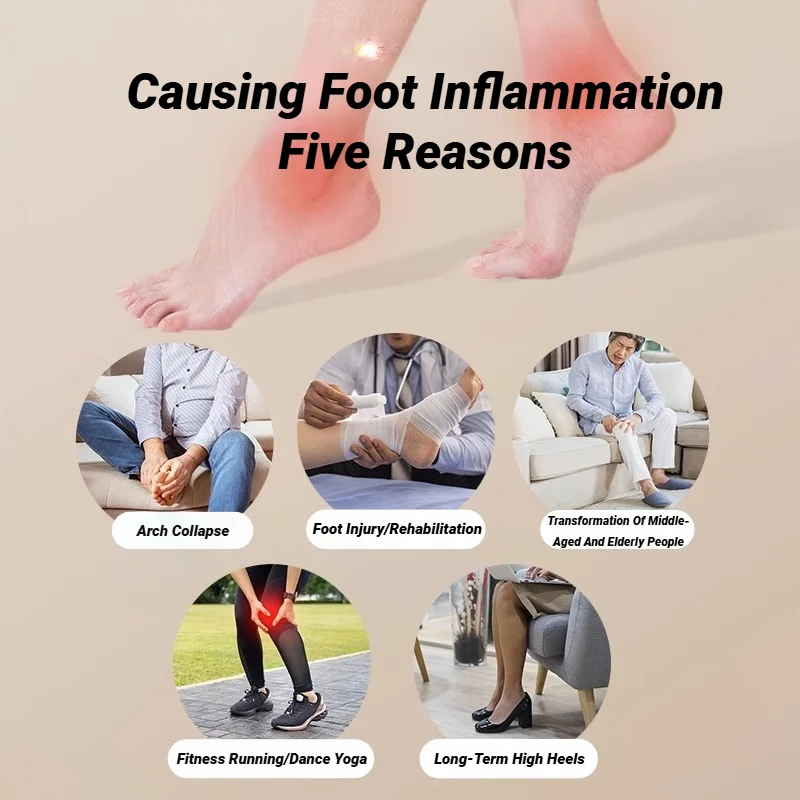
- Targets the morning heel pain pattern. That first-step stabbing pain is a hallmark of plantar fasciitis. Gentle rolling before you stand up, combined with calf work, is a standard conservative approach and costs you two minutes.
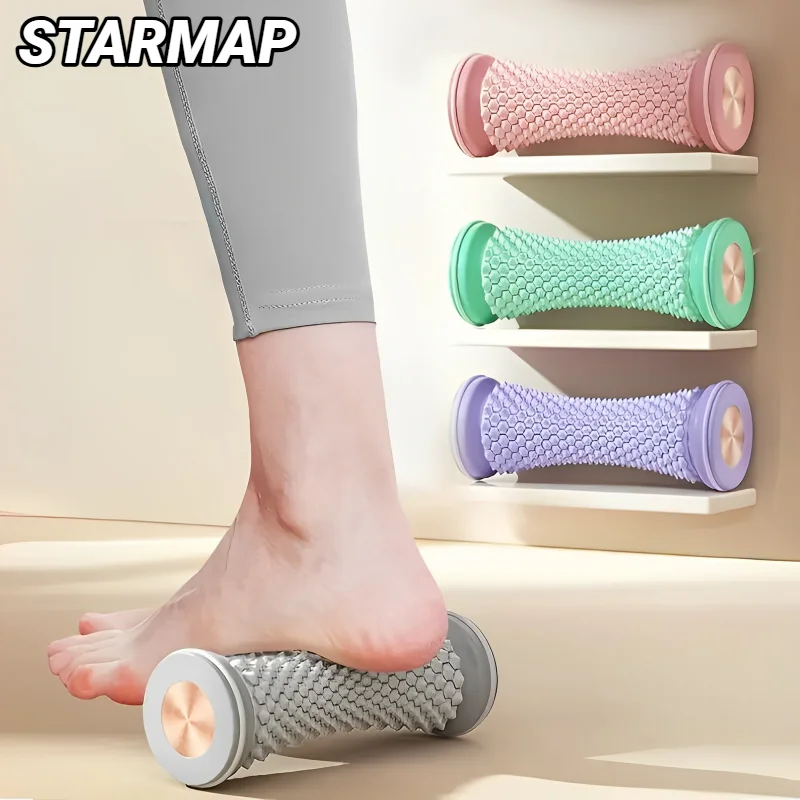
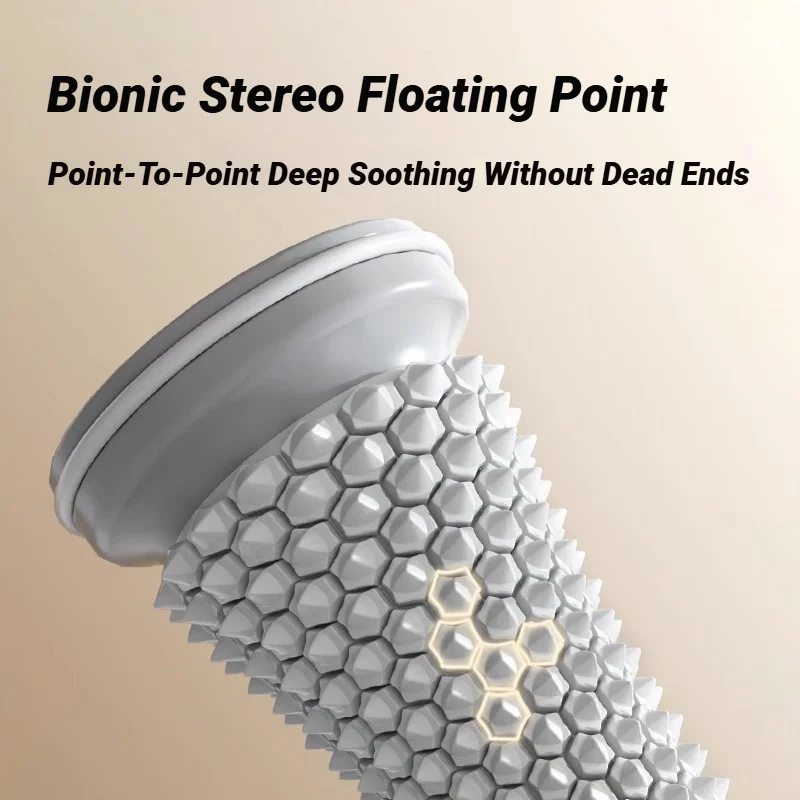
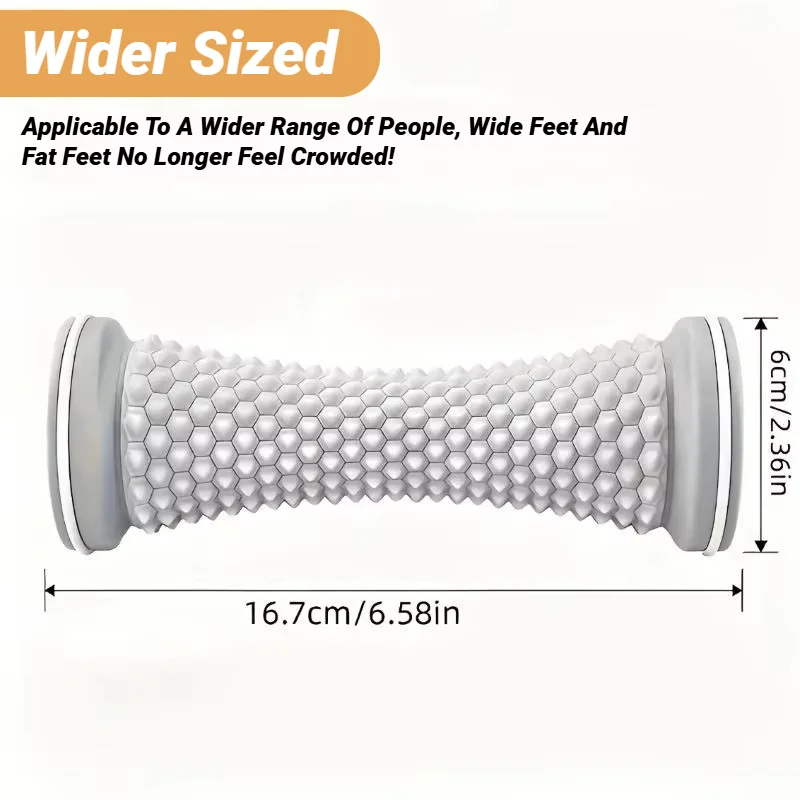
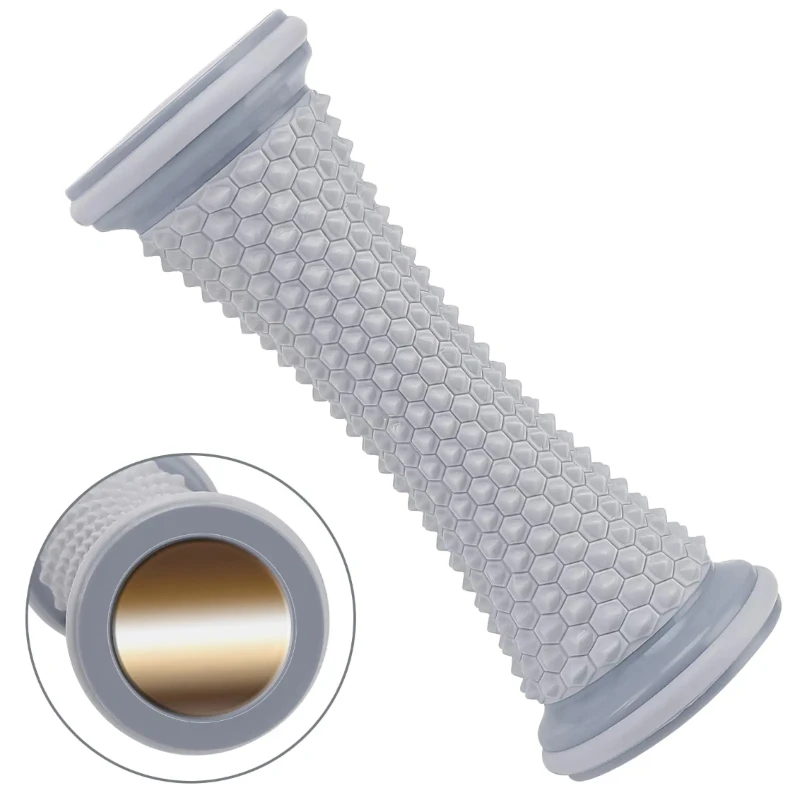
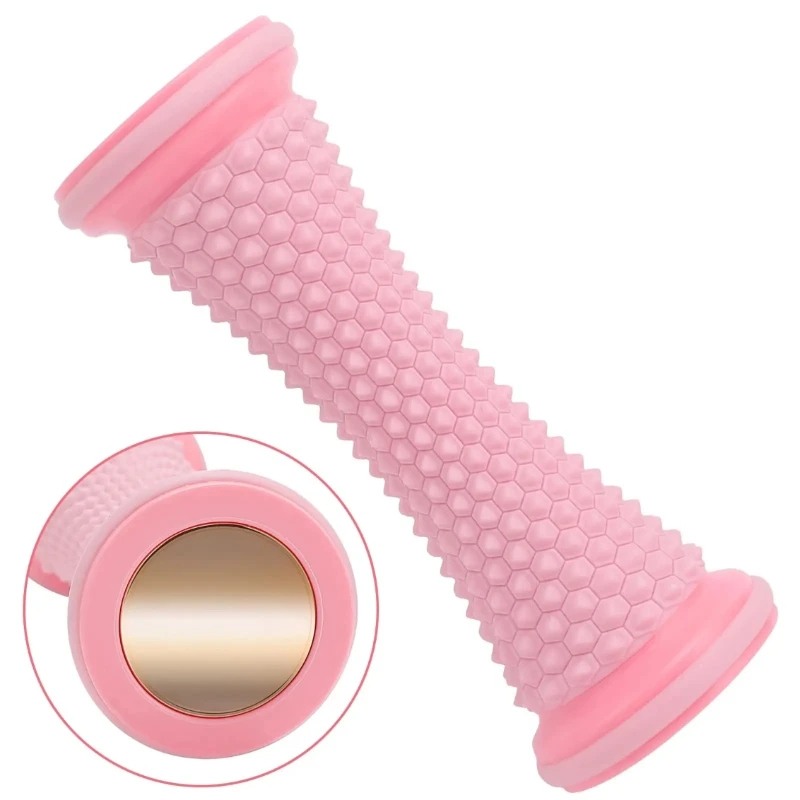
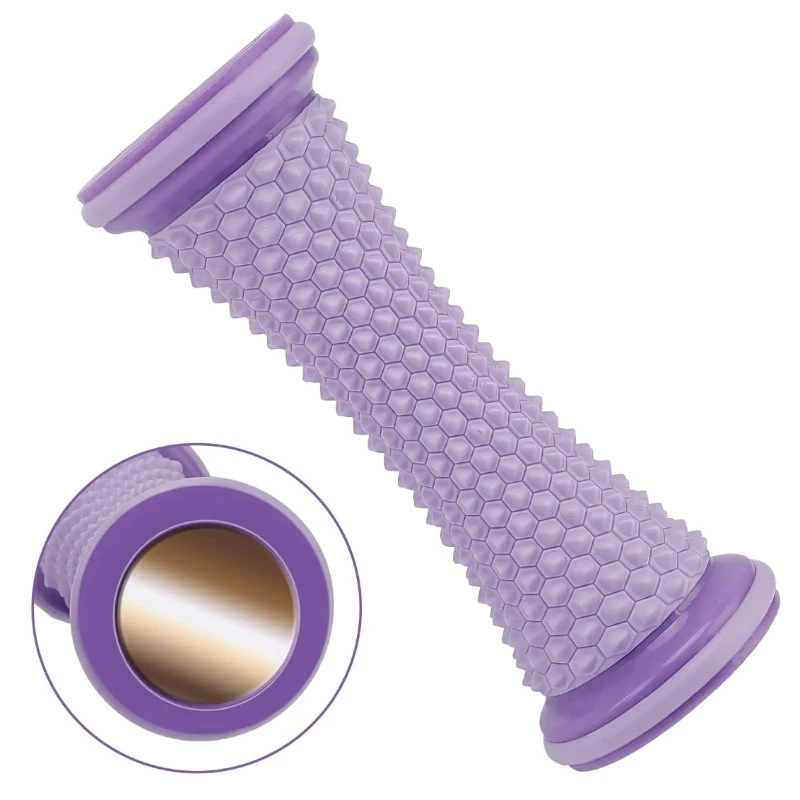
- Ergonomic contour reaches the arch. A flat surface presses the heel and forefoot and misses the arch entirely — which is where the tissue you are trying to affect actually lives. The shaped profile is the point of this design.
- Pressure you control precisely. Seated, you apply light pressure; standing, you apply your bodyweight. No other massage tool gives you a dial that fine.
- Useful far beyond the foot. Runners, people who stand all day on hard floors, and anyone who wears unsupportive shoes accumulate the same tension. This addresses it in the place it starts.
- No batteries, nothing to break. A shaped block of material with no motor is a tool you will still own in ten years.
How to Use
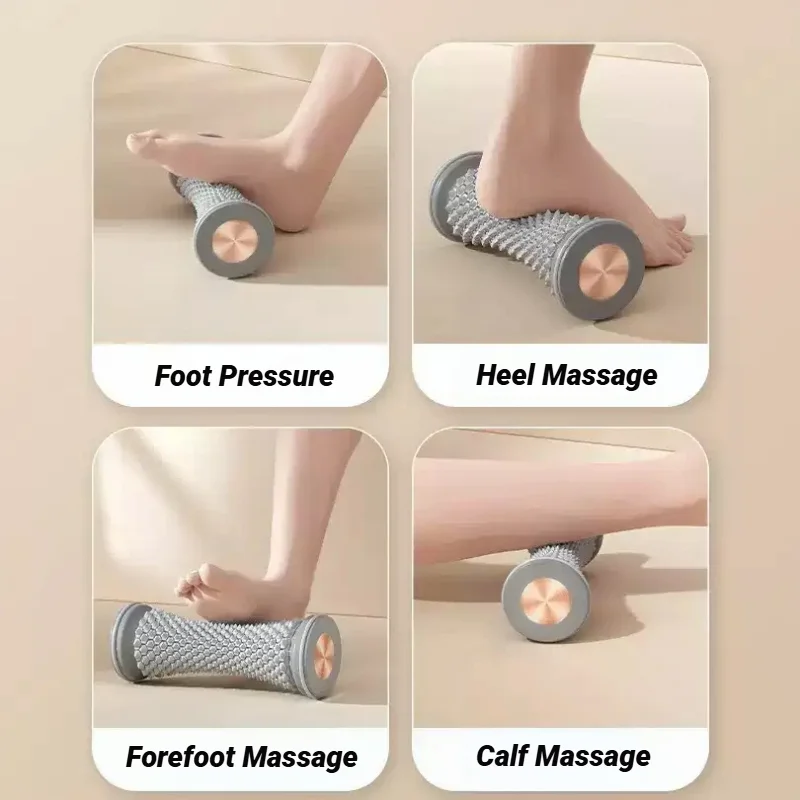
Sit down first — always start seated, so you control the pressure with your leg rather than your bodyweight. Place the roller under the arch and work slowly from heel to the base of the toes, spending around 30 seconds on each tender spot rather than racing back and forth. Two to three minutes per foot is enough; this is not a workout. Once you know your tolerance you can stand and use bodyweight for deeper pressure, but keep a wall or chair within reach. Pressure should register as a strong, tolerable ache — never a sharp pain. Safety: do not use over an acute heel or foot fracture, a suspected plantar fascia rupture, an open wound, or an active infection. If you have diabetes, peripheral neuropathy, or any loss of sensation in your feet, do not use bodyweight pressure and speak to your podiatrist first — you cannot judge safe pressure on a foot you cannot fully feel. Heel pain that persists beyond a few weeks deserves a proper assessment.
Specifications
| Type | Contoured foot roller / acupressure massage board |
|---|---|
| Target tissue | Plantar fascia, foot arch, intrinsic foot muscles |
| Surface | Textured acupressure profile |
| Use position | Seated for light pressure; standing for deep pressure |
| Power | None — manual |
| Session length | 2–3 minutes per foot |
| Best for | Plantar fasciitis, tight arches, runners, people who stand all day |
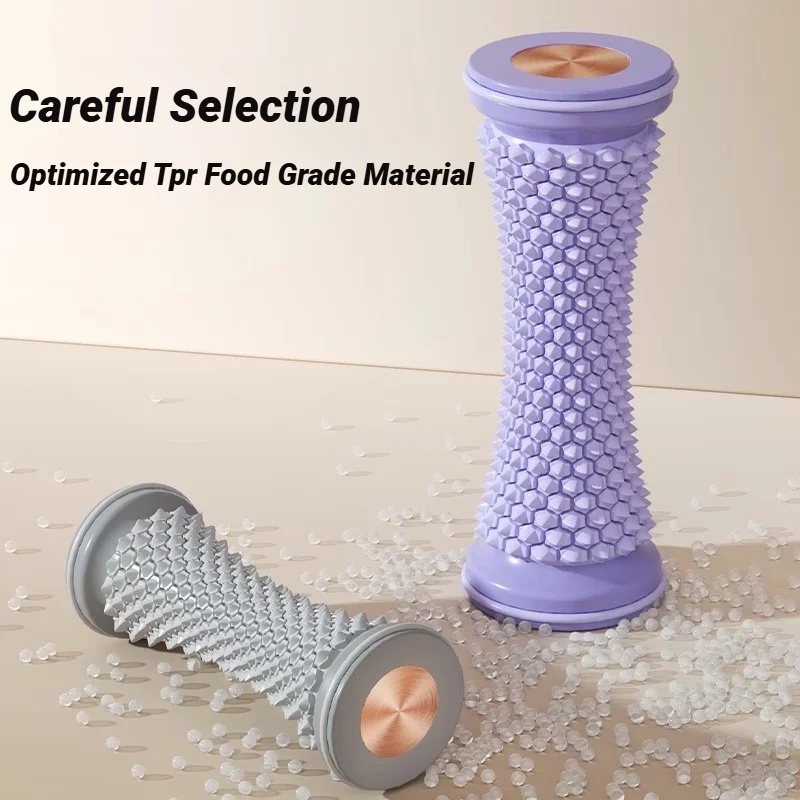
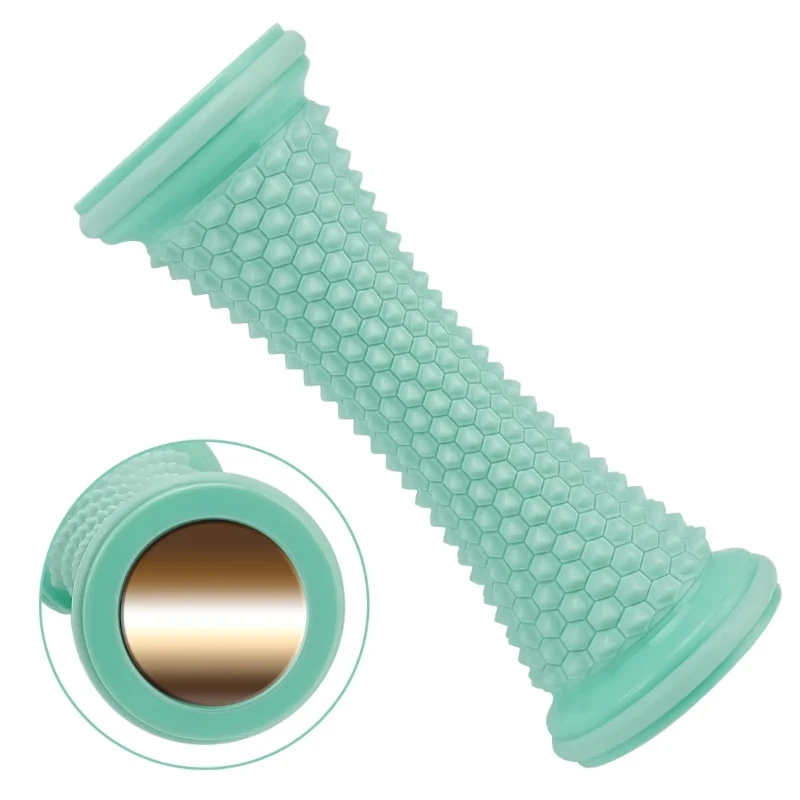
| Material | Variant dependent |
Care & Maintenance
Wipe with a damp cloth and mild soap after use and dry completely — this is a device your bare feet spend time on, and hygiene matters more here than on most gear. Do not soak it or put it in a dishwasher. Store somewhere dry and out of direct sunlight. Inspect the surface occasionally for cracks or split nodules and replace it if the material has begun to break down.
What’s in the Box
1 × contoured foot roller massager.
Reviews
There are no reviews yet.