A Belt Is Something To Brace Against, Not Something That Holds You Up
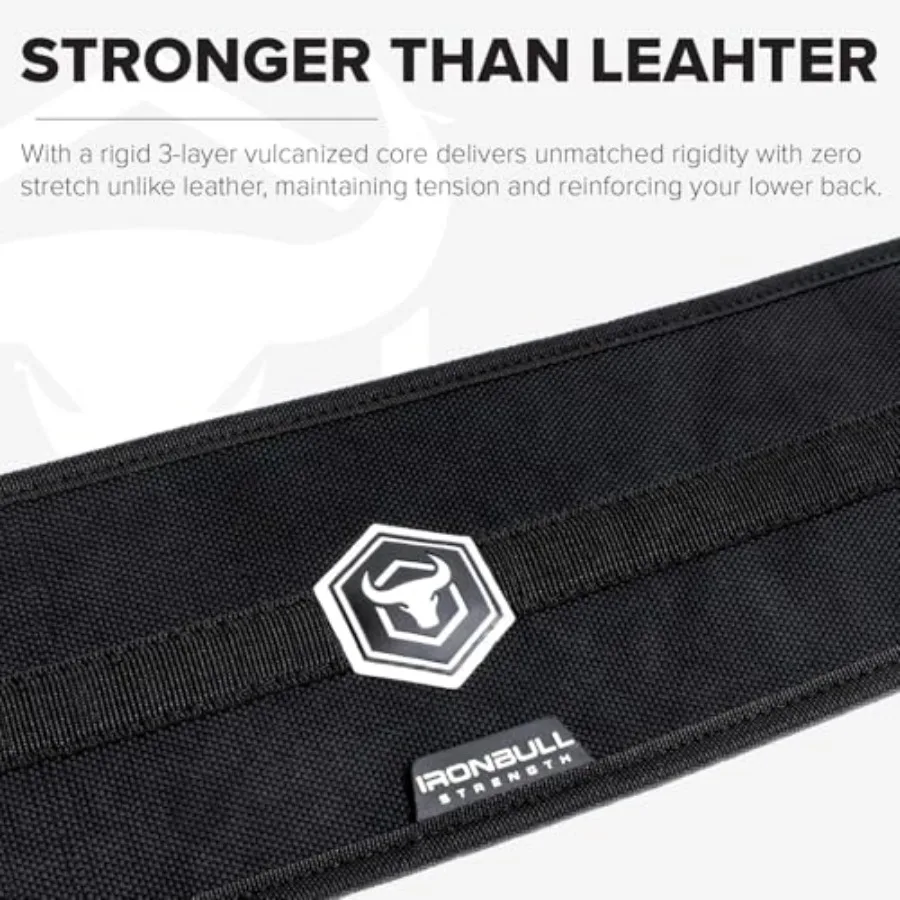
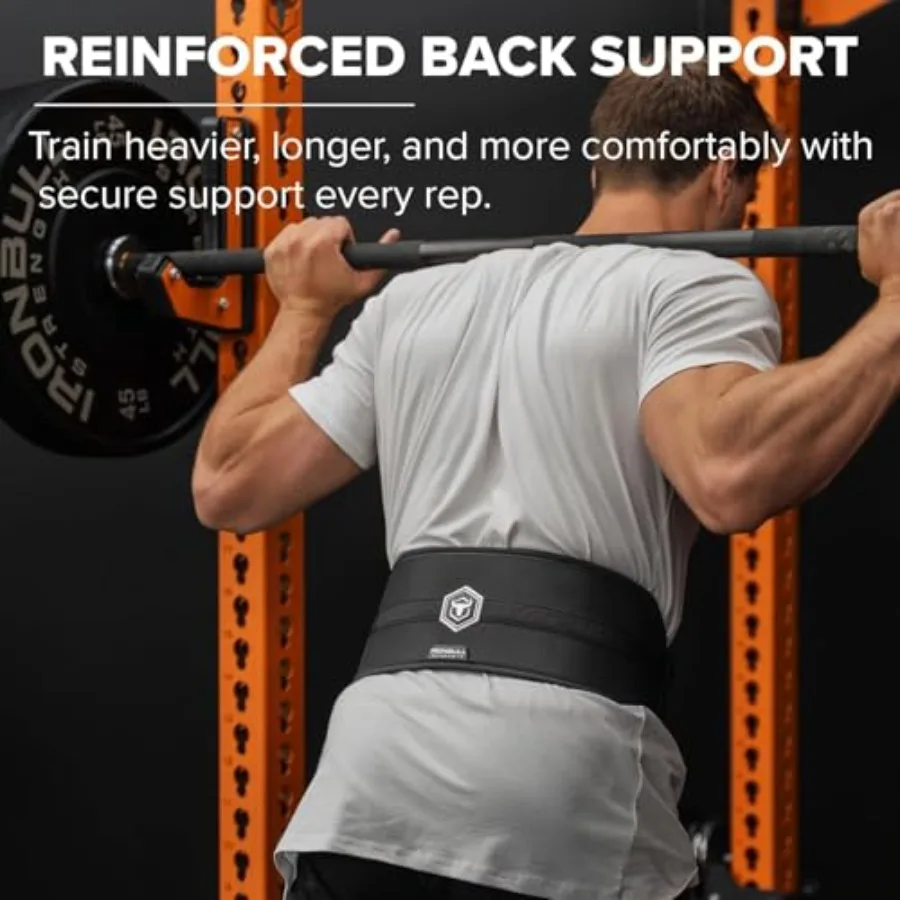
The belt does not support your spine directly. What it does is give your abdominal wall a rigid circumferential surface to press outward into. When you brace against a belt, intra-abdominal pressure rises well above what you can generate unbelted, and that pressurised cylinder in front of your spine measurably increases trunk stiffness – meaning less spinal flexion under a heavy bar. That is the real, measured mechanism, and it is why a belt lets most lifters move more weight with a more neutral spine. It works only if you actively brace into it. Worn loose, or worn passively, it does nothing at all.
Key Benefits
- Higher intra-abdominal pressure. Bracing against a rigid belt generates more trunk pressure than bracing against air, and that pressure is what stiffens the spine under load.
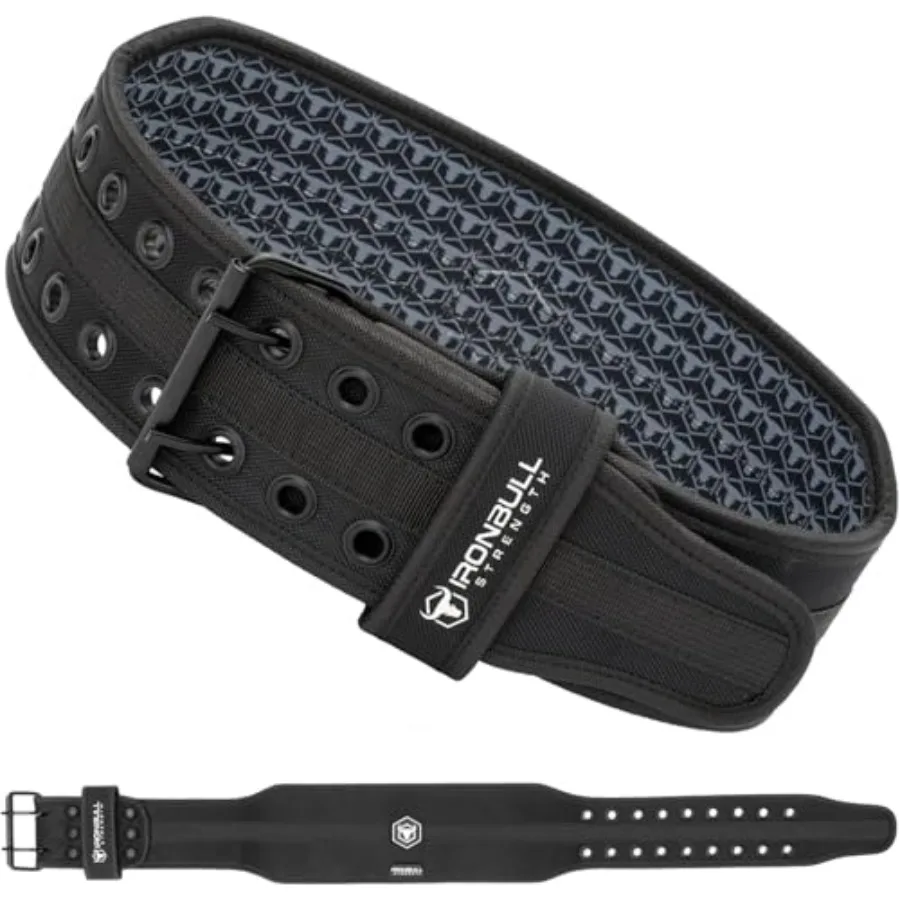
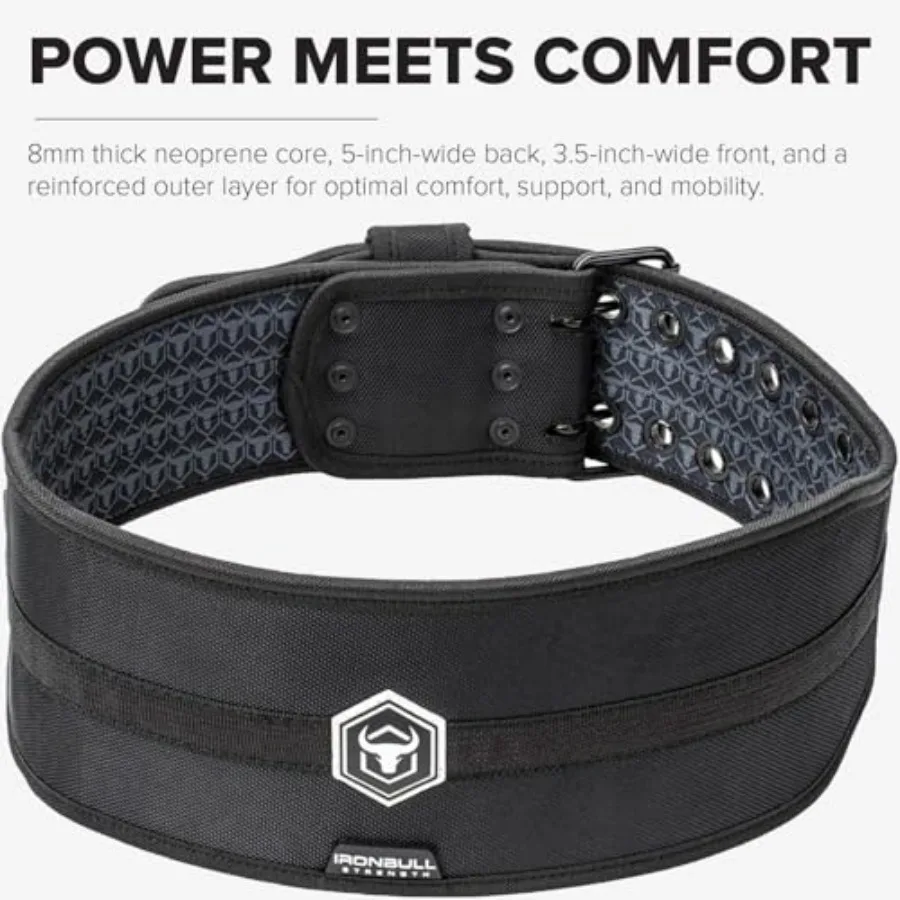
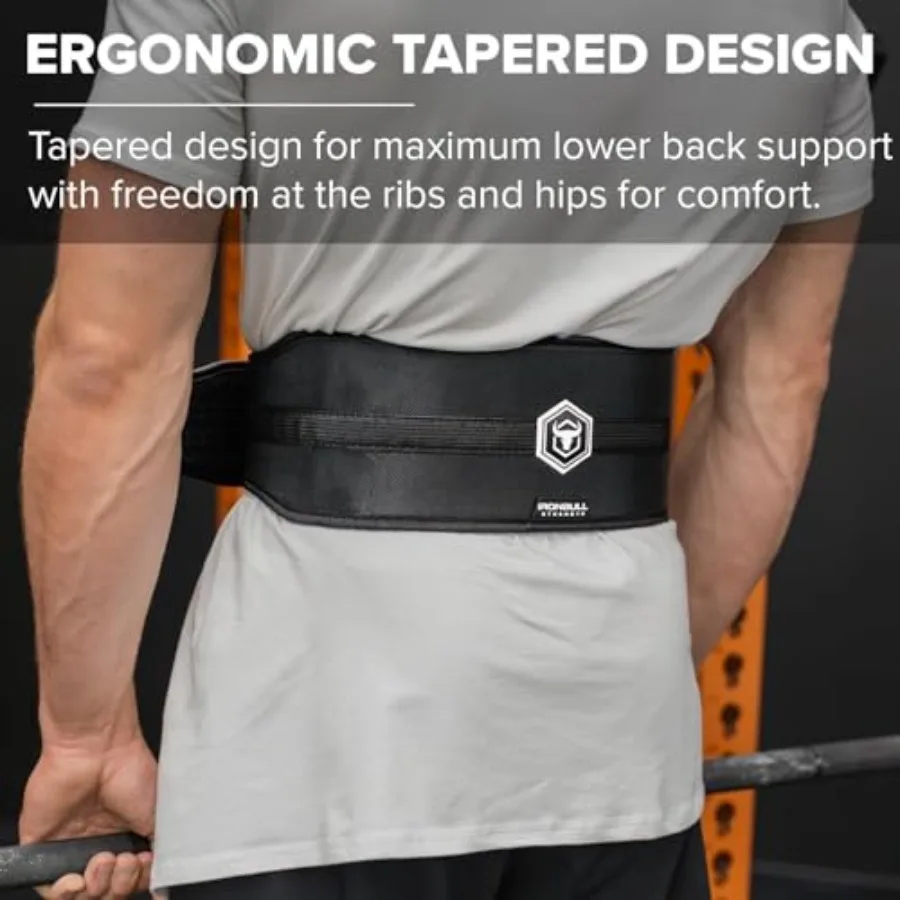
- Tapered design for compound lifts. Narrower at the front so it does not jam into your ribs or hip crease at the bottom of a squat or in the deadlift start position.
- Prong buckle. A mechanical, positive lock. It will not slip mid-set the way some quick-release levers can, and you can set it to a repeatable hole every session.
- Neoprene interior. More comfortable against skin than raw leather, and it does not need a long, painful break-in period.
- A cue as much as a tool. The belt gives you tactile feedback on whether you are actually bracing – you feel your abs meet it, or you feel nothing, and that tells you something.
- The honest limits. A belt does not prevent injury. It does not protect a back that is being asked to lift more than it can handle with poor technique, and no belt has ever rescued a rounded, rushed deadlift. It also does not weaken your core, despite the gym myth – but it is not a substitute for learning to brace without one.
How to Use
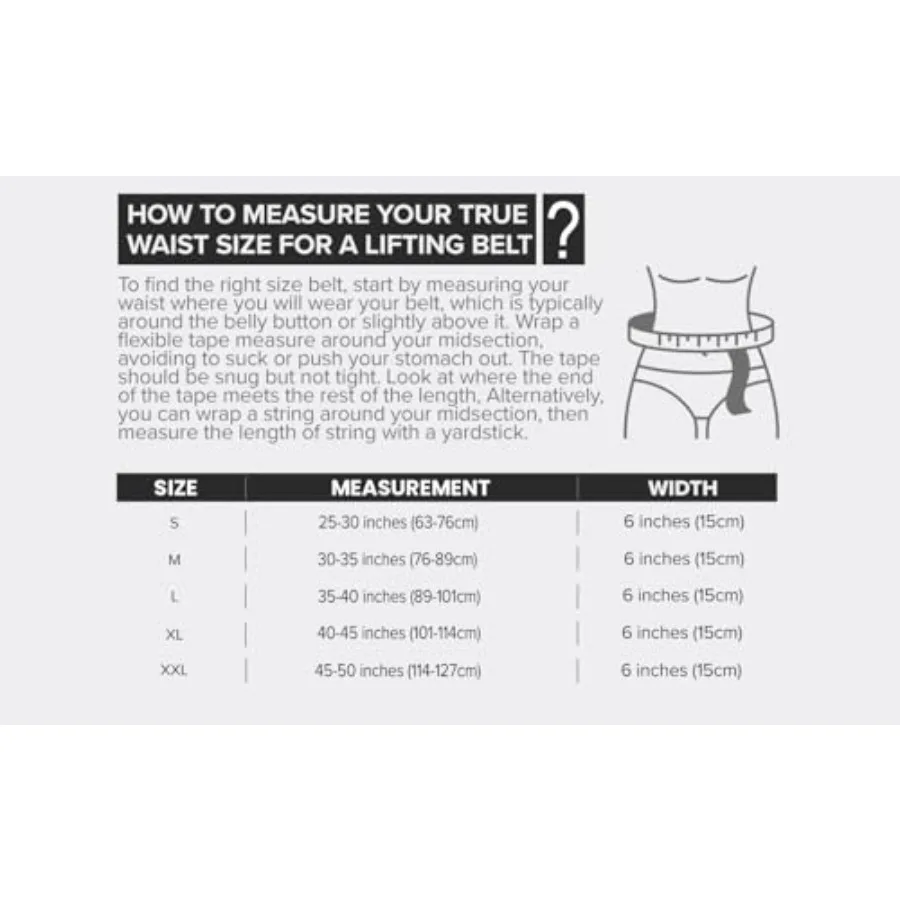
Size from the chart by measuring around your navel, not by your trouser size – they are usually different by several inches. Position the belt across your midsection so it covers the space between your ribs and hips, generally about level with the navel, and set the tightness so you can slide a flat hand between belt and stomach: tight enough to push into, loose enough to take a big breath. A belt cinched to its maximum is counterproductive, because you cannot expand into what has no room. Before each heavy rep, take a deep breath into your belly and push out against the belt all the way around, including the sides and back, then lift and hold that pressure until the rep is finished. Use it for your heavy working sets on squats, deadlifts, presses and rows, not for warm-ups, accessories or your whole session – you want to keep training your unbelted bracing too. Do not wear it walking around the gym between sets. If you have high blood pressure, a hernia, a heart condition, glaucoma, or you are pregnant, talk to your doctor before belted lifting: the pressure spike is real and it is systemic, not just spinal. Stop if you feel dizzy or your vision greys at the top of a rep.
Specifications
| Type | Hybrid weight lifting belt, tapered powerlifting cut |
|---|---|
| Closure | Heavy-duty prong buckle |
| Interior | Neoprene lining |
| Sizes | Small, Medium, Large, XX-Large |
| Sizing method | Measure circumference at the navel, not trouser size |
| Best for | Squats, deadlifts, overhead press, heavy rows |
| Not needed for | Warm-ups, accessory work, light sets |
| Break-in | Minimal – neoprene interior needs no leather break-in |
Care & Maintenance
Keep the belt dry and let it air out after training rather than folding it away damp; sweat trapped against neoprene is what makes a belt smell. Wipe the interior with a damp cloth and mild soap occasionally and air-dry it flat or hanging, away from direct heat and sunlight, which cracks the outer material. Do not machine wash it. Check the prong holes and the stitching around the buckle every so often – elongated holes or fraying stitching around the buckle plate are the first sign of failure, and that is the one part of a belt you do not want giving way under a loaded bar.
What’s in the Box
1 x hybrid weight lifting belt with prong buckle. Size selected at checkout.
Reviews
There are no reviews yet.