

Your Wrists Were Never Meant to Hold You at 90 Degrees
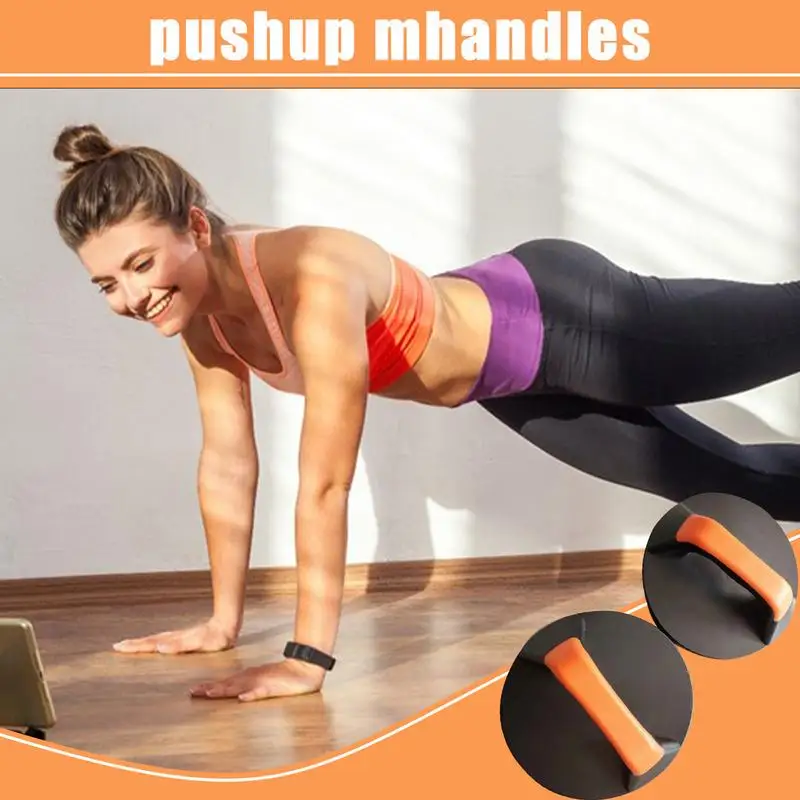
A floor push-up forces the wrist into near-maximal extension — roughly 90 degrees — while loading it with a large share of your bodyweight. For a lot of people that’s the pain, not the chest work. Handles keep the wrist in a neutral, gun-grip position, transmitting load straight through the forearm bones rather than compressing the carpal joint. The rotating element adds a second thing: as you descend, the humerus naturally externally rotates. A fixed handle blocks that; a swivel lets the joint follow its own arc, which most people feel as their shoulders simply stopping their complaining.
Key Benefits
- Neutral wrist position removes the pinch. Load travels down the forearm rather than into a maximally extended wrist joint — the single biggest reason people abandon push-ups.
- Rotation lets the shoulder track its natural arc. The swivel allows the humerus to rotate as you descend instead of the joint fighting a fixed hand position.
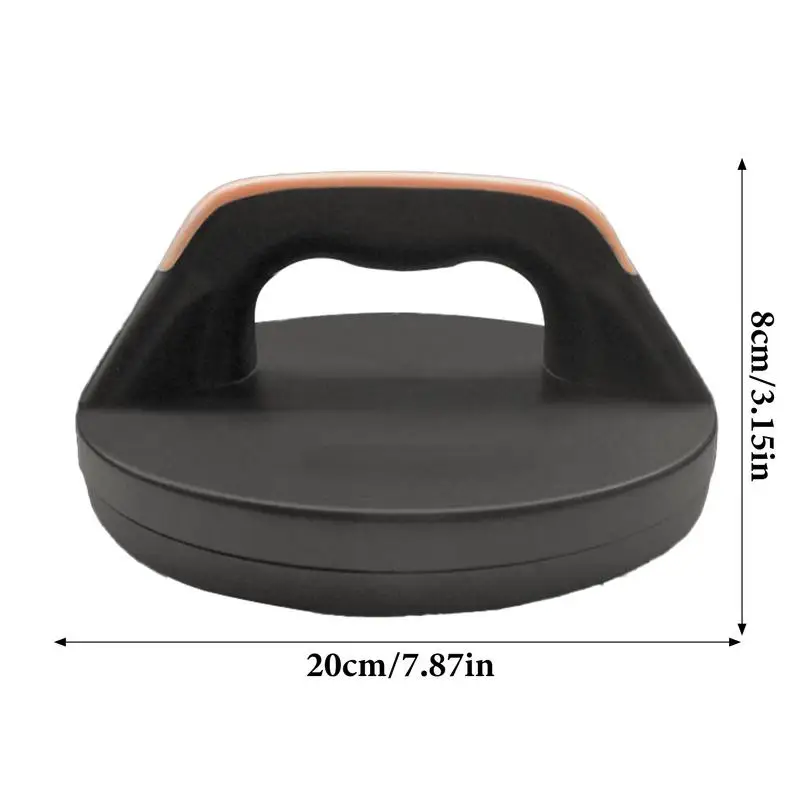
- Greater range of motion means more stimulus. The elevated handle lets your chest drop below hand level, lengthening the pectoral under load — and eccentric range is a primary driver of hypertrophy.
- Recruits more stabilisers. An unstable, rotating base forces the serratus anterior, rotator cuff and core to work to keep you square — you’ll feel this on rep one.
- Grip variations without new equipment. Rotate to narrow, neutral or wide to shift emphasis between triceps and pectorals.
- Honest caveat: the rotation makes push-ups harder to control, not easier. If you’re new to push-ups or have an unstable shoulder, get comfortable on fixed handles first.
How to Use
Place the handles just outside shoulder width on a hard, flat, non-slip surface — a thick carpet or an exercise mat lets the base rock and defeats the point. Set your hands, brace your glutes and abdomen so your body is a straight line from ear to ankle, and lower under control until your chest is level with or just below the handles. Do not let the rotation happen passively — control it. Because the handles rotate, they will slide out from under you if you let your body sag or your hands drift, so start with a small number of slow reps and only add volume once the movement feels quiet and stable. If you have a history of shoulder impingement or dislocation, keep the range conservative and don’t chase depth. Stop if you feel any pinch at the front of the shoulder.
Specifications
| Type | Rotating / swivel push-up handles, sold as a pair |
|---|---|
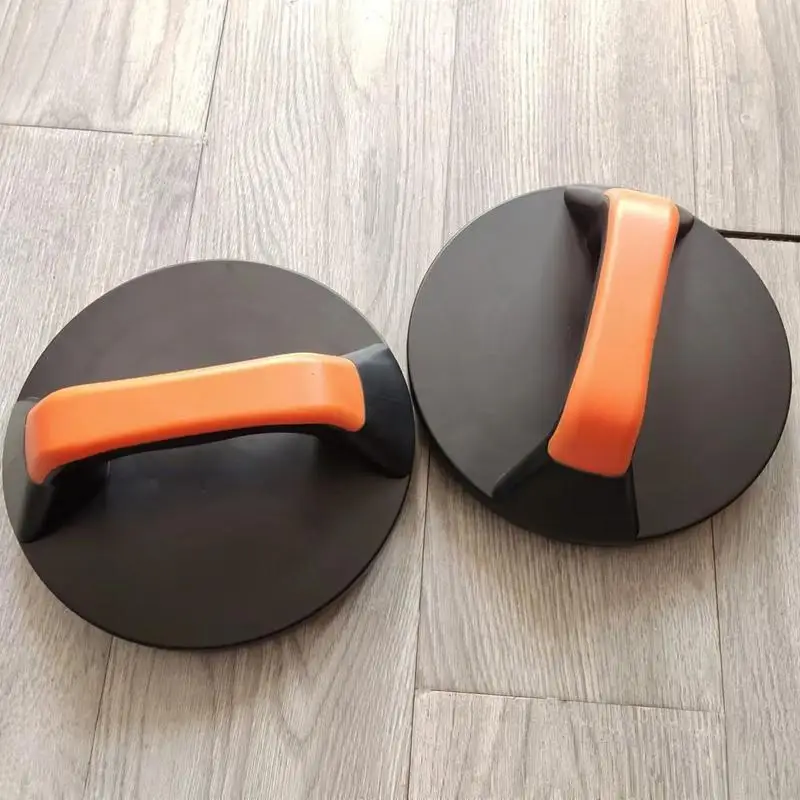
| Grip | Neutral, ergonomic — non-slip covering |
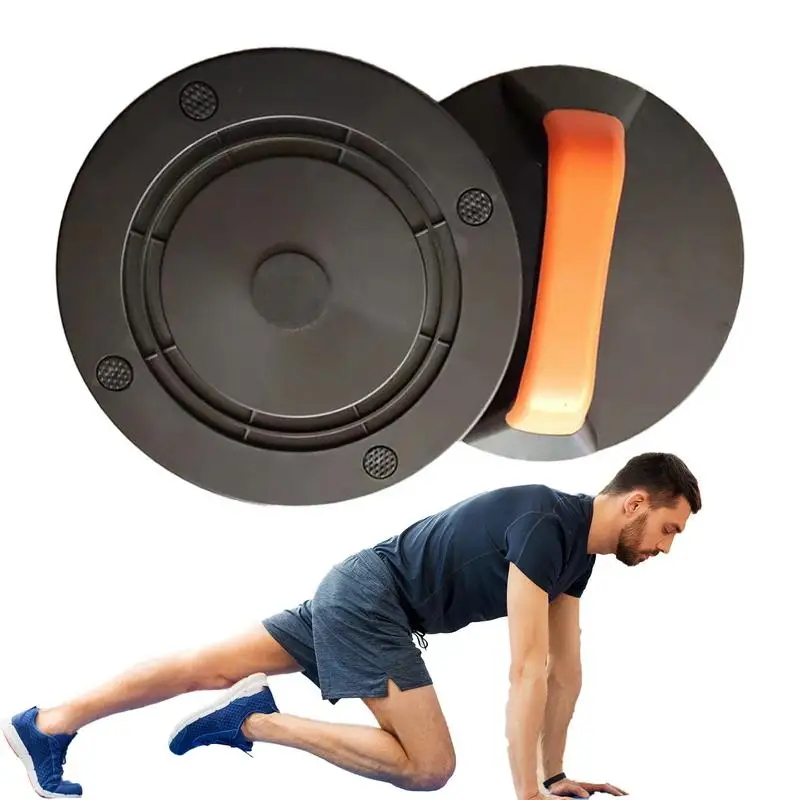
| Base | Rotating disc base |
| Surface required | Hard, flat, non-slip floor |
| Targets | Pectorals, triceps, anterior deltoid, serratus anterior, core |
| Skill level | Intermediate — harder than fixed handles |
| Weight capacity | Variant dependent — check listing |
| Portability | Lightweight, packs flat |
Care & Maintenance
Wipe the grips and base after use; sweat on a rotating base is a genuine slip risk on the next session. Check periodically that the swivel spins freely and quietly — a gritty or seizing rotation means debris in the bearing and should be cleaned out before the next use. Inspect the base for cracks and retire the pair if either handle shows a split.
What’s in the Box
1 pair (2) rotating push-up handles. Instructions where supplied.

Reviews
There are no reviews yet.