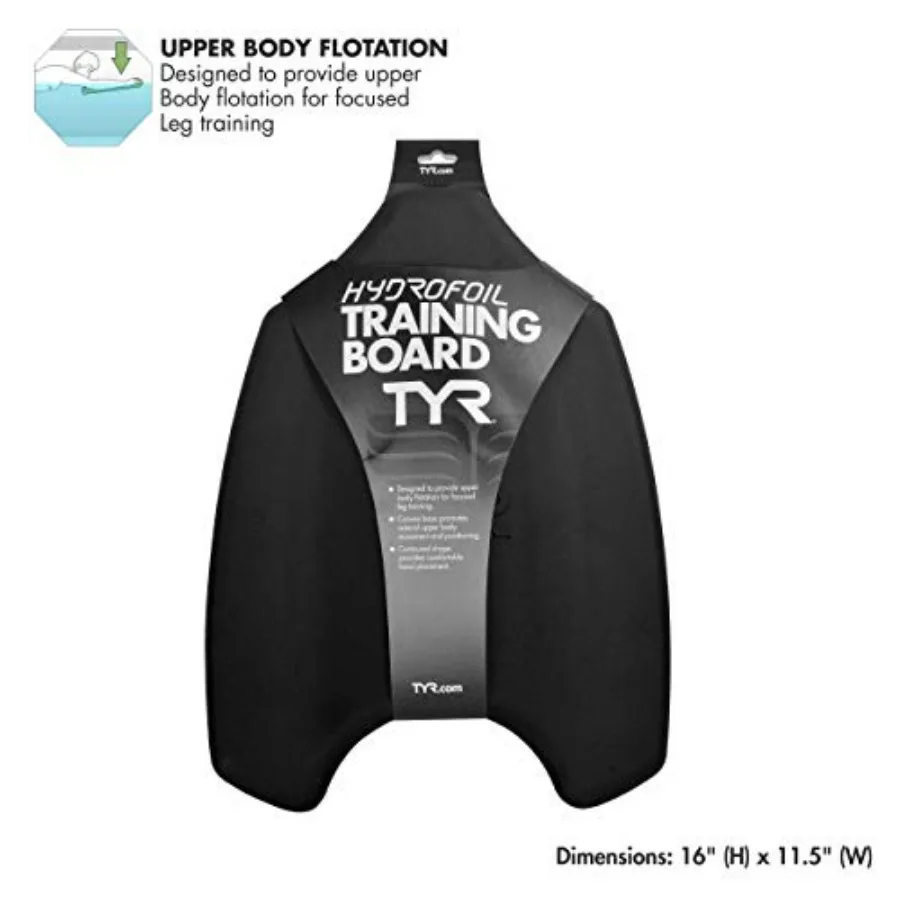
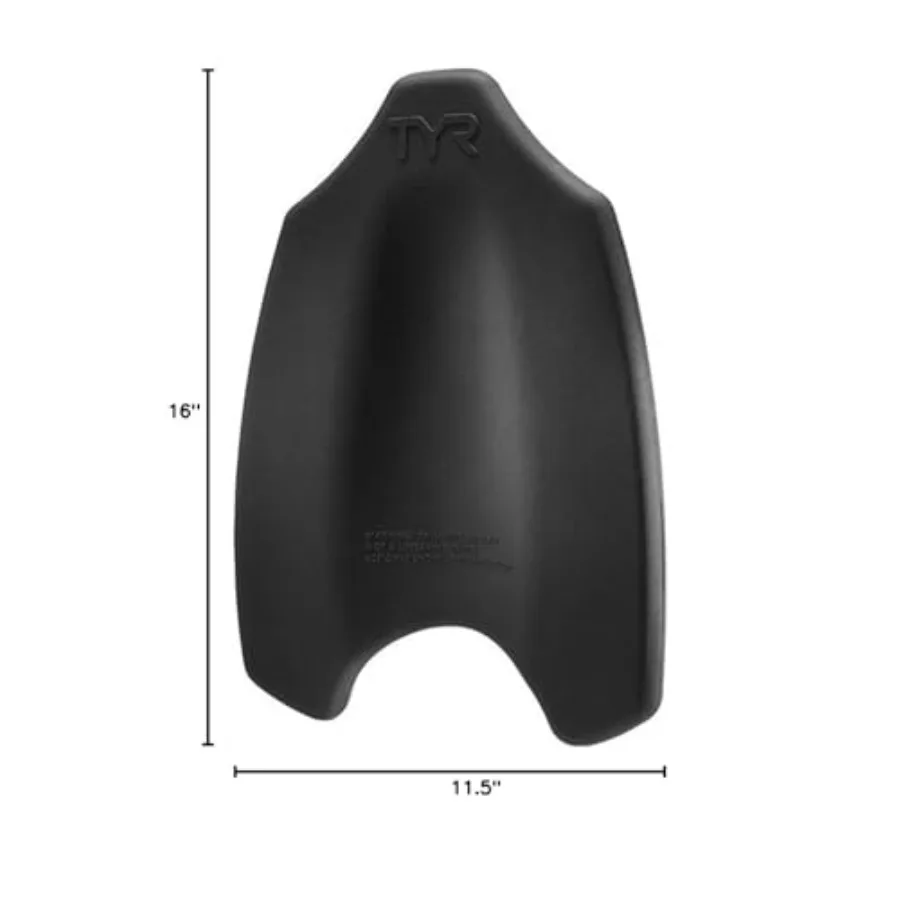
Why a Hydrofoil Board Fixes Body Position That a Flat Kickboard Reinforces
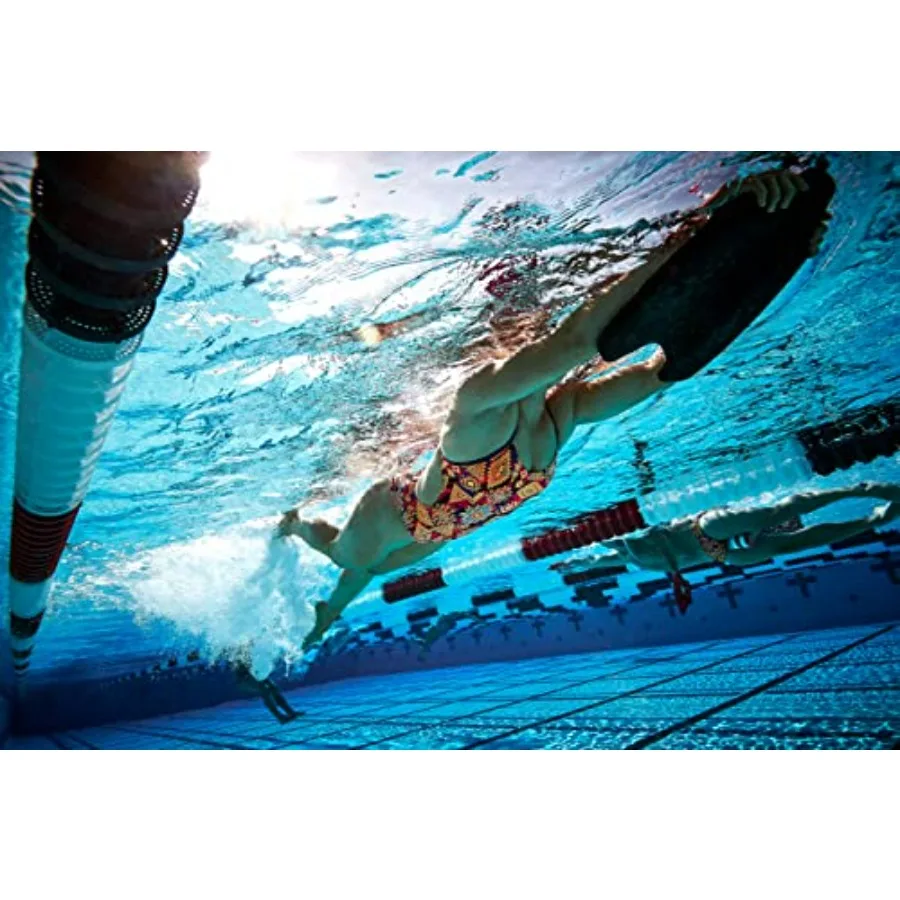
Freestyle speed is governed less by how hard you kick than by how little water you push. A traditional flat kickboard forces the head and chest up, which drops the hips and legs into a braking angle. The contoured hydrofoil profile lets your arms extend forward and your face sit at the surface, so the spine stays long and the hips ride high. You feel the kick propel you rather than fight your own drag — and because the board offers only modest lift, your core must hold the streamline itself, which is precisely the skill that transfers to unassisted swimming.
Key Benefits
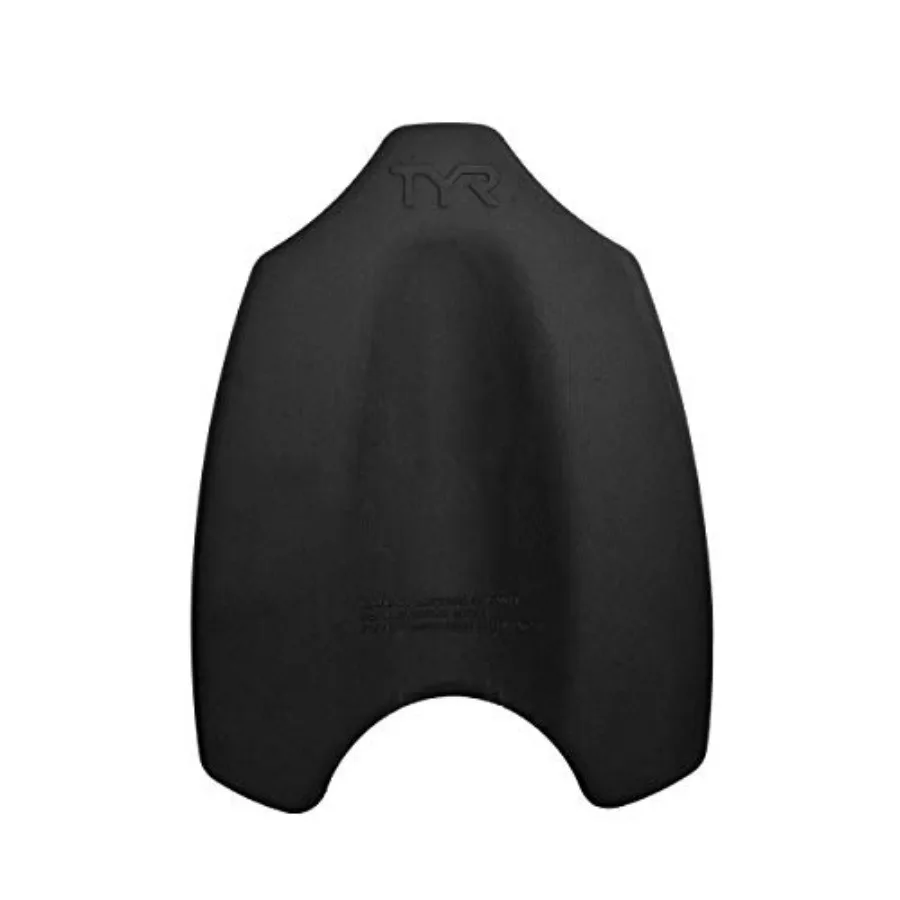
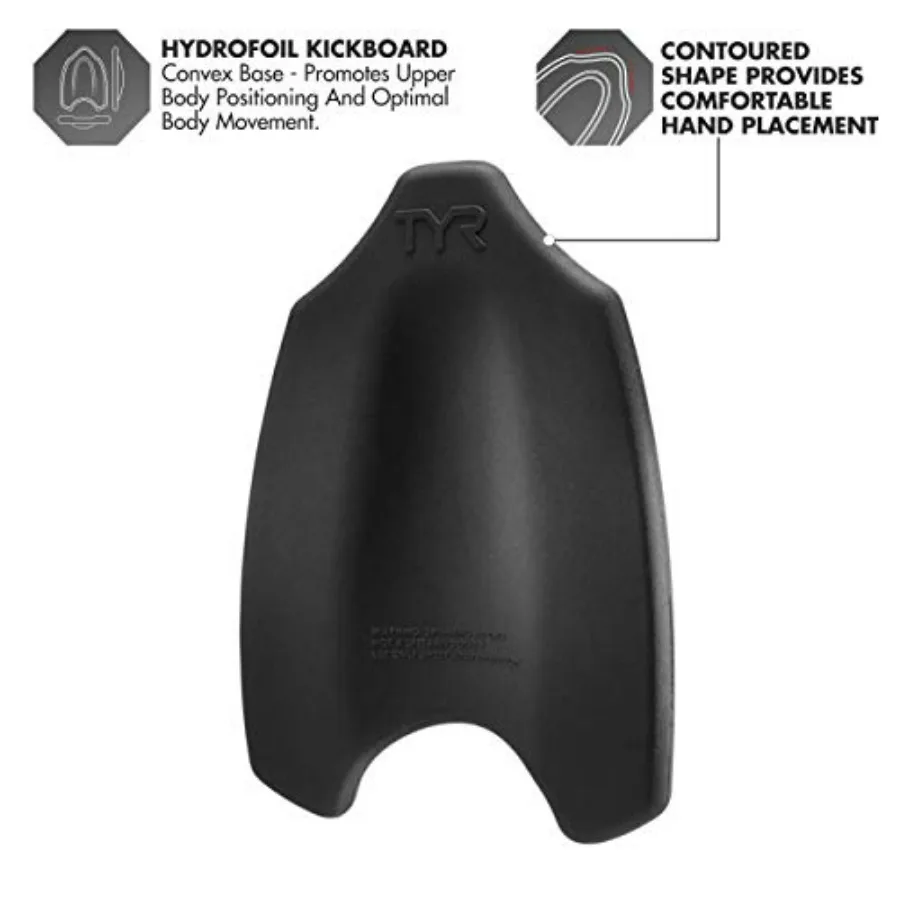
- Holds a race-legal body line — the low, 3D-contoured deck keeps your shoulders and hips in the same horizontal plane instead of hinging you into a V.
- Isolates the kick without wrecking it — you can feel whether propulsion is coming from the hip flexors and glutes or from a knee-heavy bicycle kick.
- Builds core endurance passively — modest buoyancy means your trunk, not the foam, is doing the work of staying level.
- Doubles as a pull and balance tool — hold it under the chest or in one hand for single-arm and rotation drills.
- Kinder to the shoulders — the wide, low grip lets you hold the board without locking the arms into a forced overhead position, a common source of impingement in long kick sets.
- Travel-friendly and pool-durable — closed-cell construction shrugs off chlorine and won’t waterlog like an old foam plank.
How to Use
Extend both arms along the board with your face in the water and breathe by lifting or rolling to the side, not by pressing the board down — pressing down is the habit that sinks your hips. Kick from the hip with a loose ankle and a knee bend of only a few inches; if your heels are breaking the surface with a splash, you are kicking too big. Start with 4 × 50 m at an easy tempo before building volume, and stop the set if your lower back starts to arch or ache, which is a sign your hips have dropped and you are compensating with lumbar extension. Never use a kickboard as a flotation or safety device, do not rely on it in open water, and always train within your depth or with supervision.
Specifications
| Product type | Swim training kickboard |
|---|---|
| Profile | 3D contoured hydrofoil deck |
| Primary use | Freestyle body position, kick isolation, streamline drills |
| Suitable for | Adult and competitive swimmers; strong intermediate and above |
| Colour | Black |
| Water type | Chlorinated pool (chlorine-resistant construction) |
| Grip | Wide low-profile hand recesses |
| Safety rating | Training aid only — not a flotation or life-saving device |
| Board dimensions | Variant dependent |
Care & Maintenance
Rinse in fresh water after every swim to flush out chlorine, which slowly embrittles foam and plastics. Shake off standing water and dry flat in the shade — direct sun and hot car boots are the fastest way to warp or yellow a board. Do not use solvent cleaners. Inspect the deck for cracks or crushed edges before use and retire it if the surface is splitting.
What’s in the Box
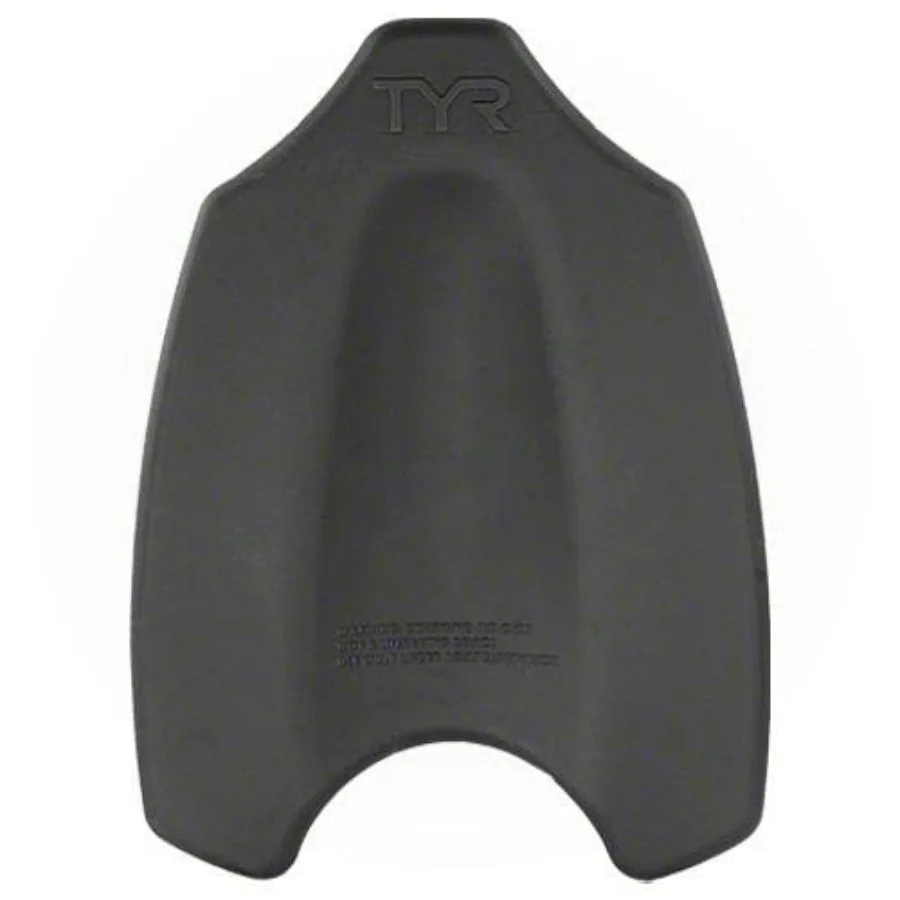
1 × hydrofoil 3D swim kickboard.
Reviews
There are no reviews yet.