


Retroreflection, Biomotion, and the Two Seconds That Matter
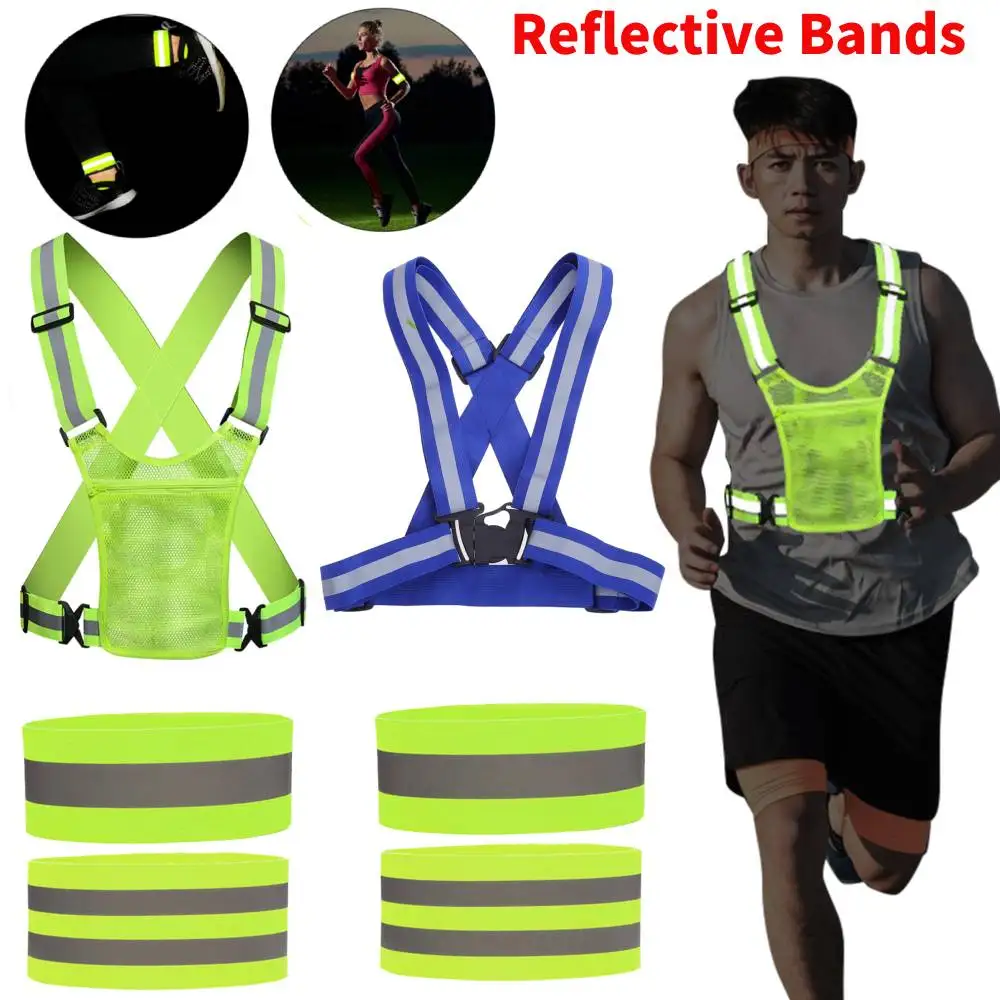
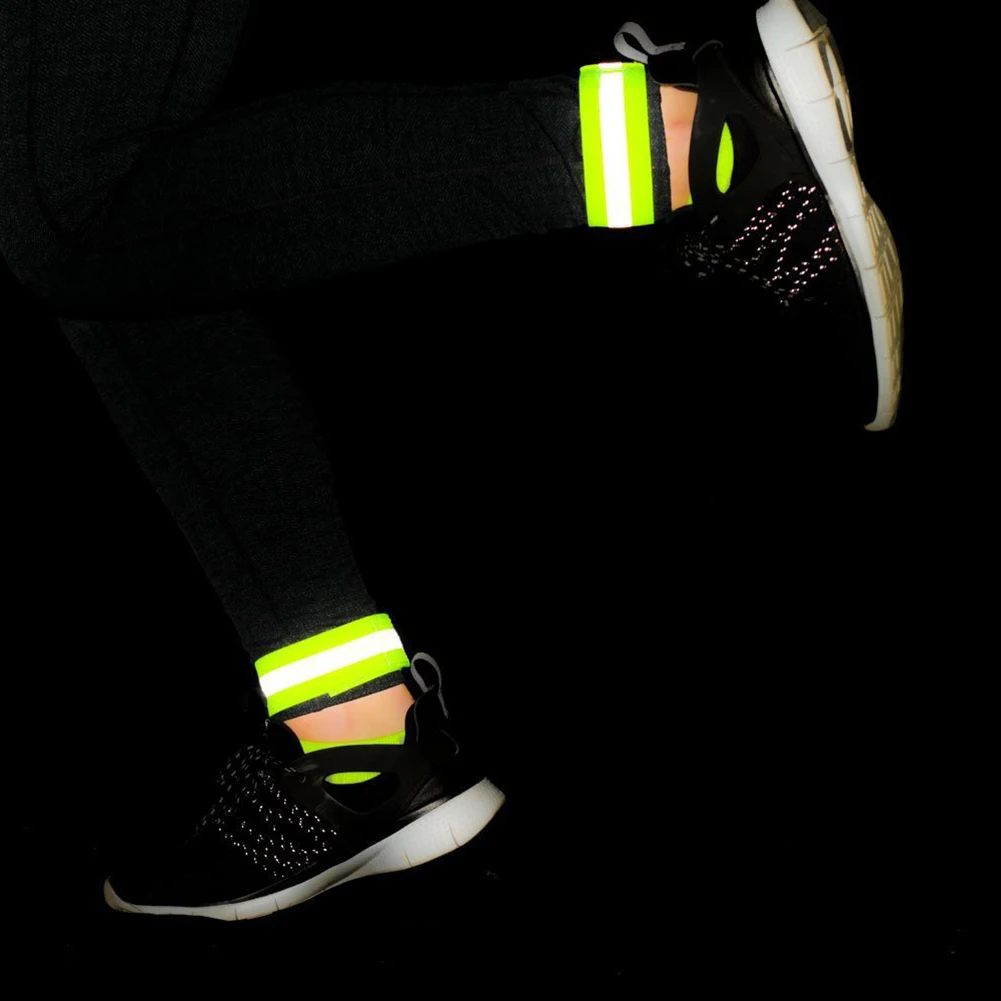
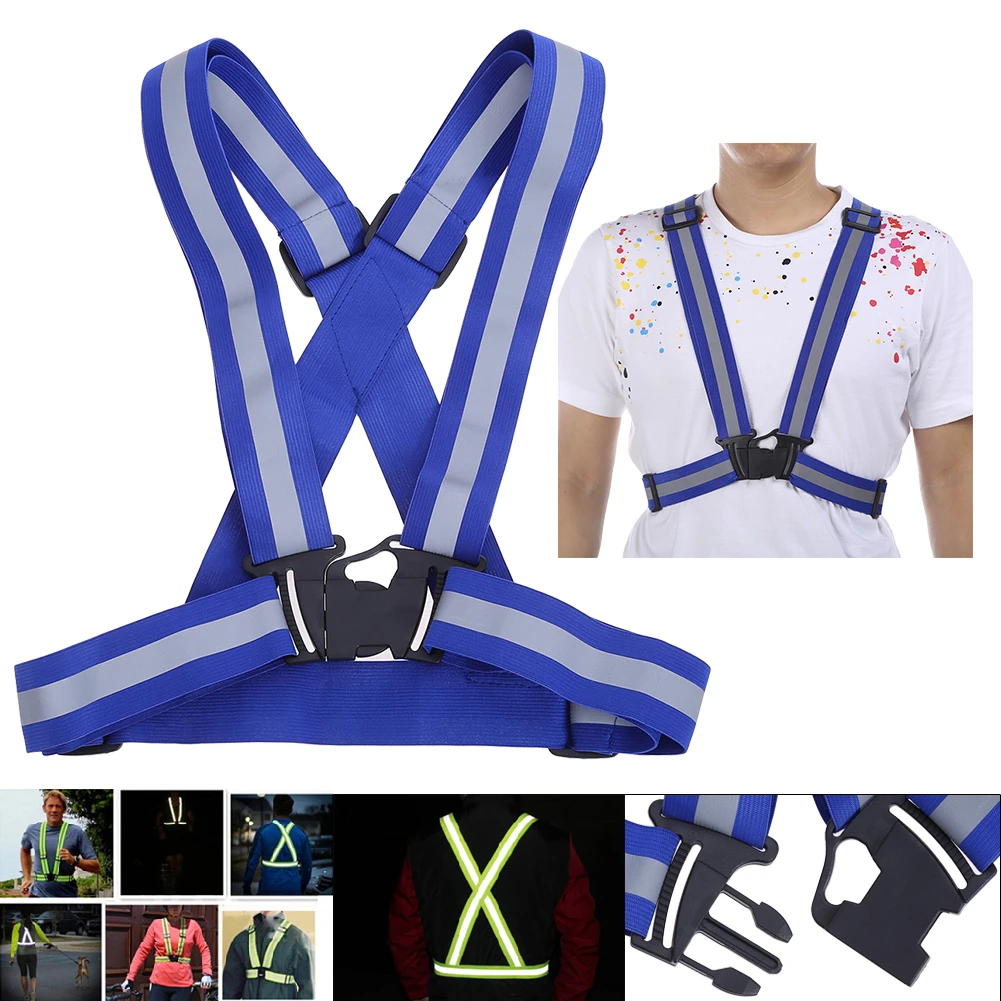
Retroreflective material is not simply shiny. It contains microscopic glass beads or prismatic structures that return light back along the path it arrived on — so a driver’s headlights bounce back to that driver’s eyes rather than scattering into the night. That is why you appear to light up for the person who most needs to see you. The second effect matters just as much: reflectors placed on moving limbs create a recognisable human gait pattern, and drivers identify a person from that motion far sooner and far more reliably than from a static reflective panel on the torso.
Key Benefits
- Retroreflection sends light back to the driver. Ordinary white or light-coloured clothing scatters headlight beams in all directions. Retroreflective material returns it to the source, which is the only direction that helps you.
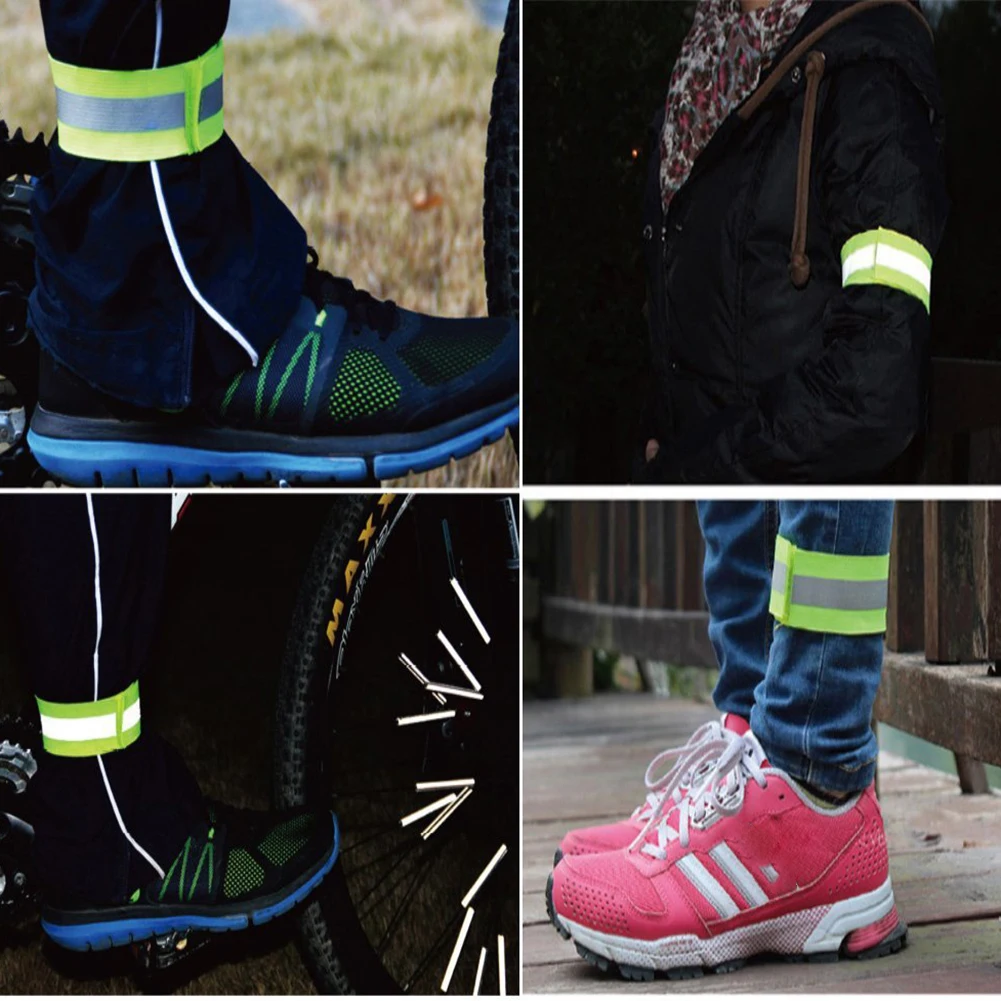
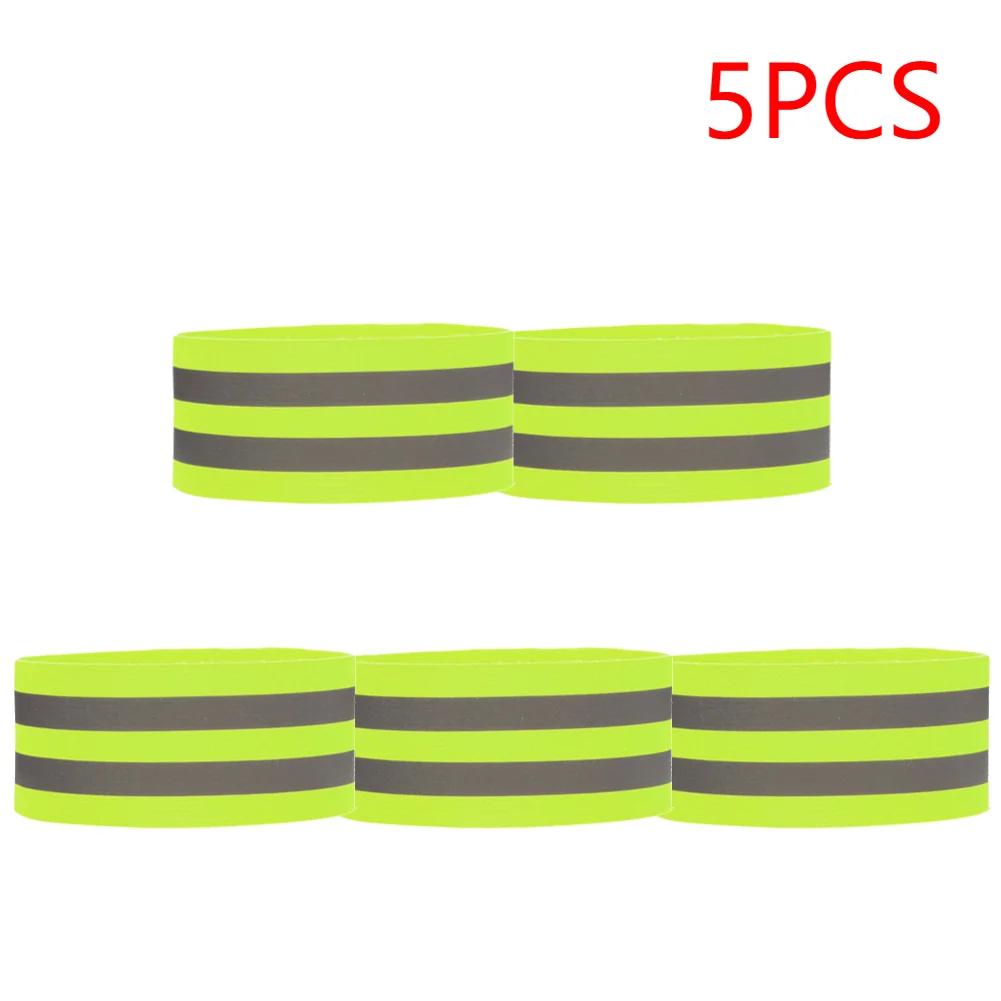
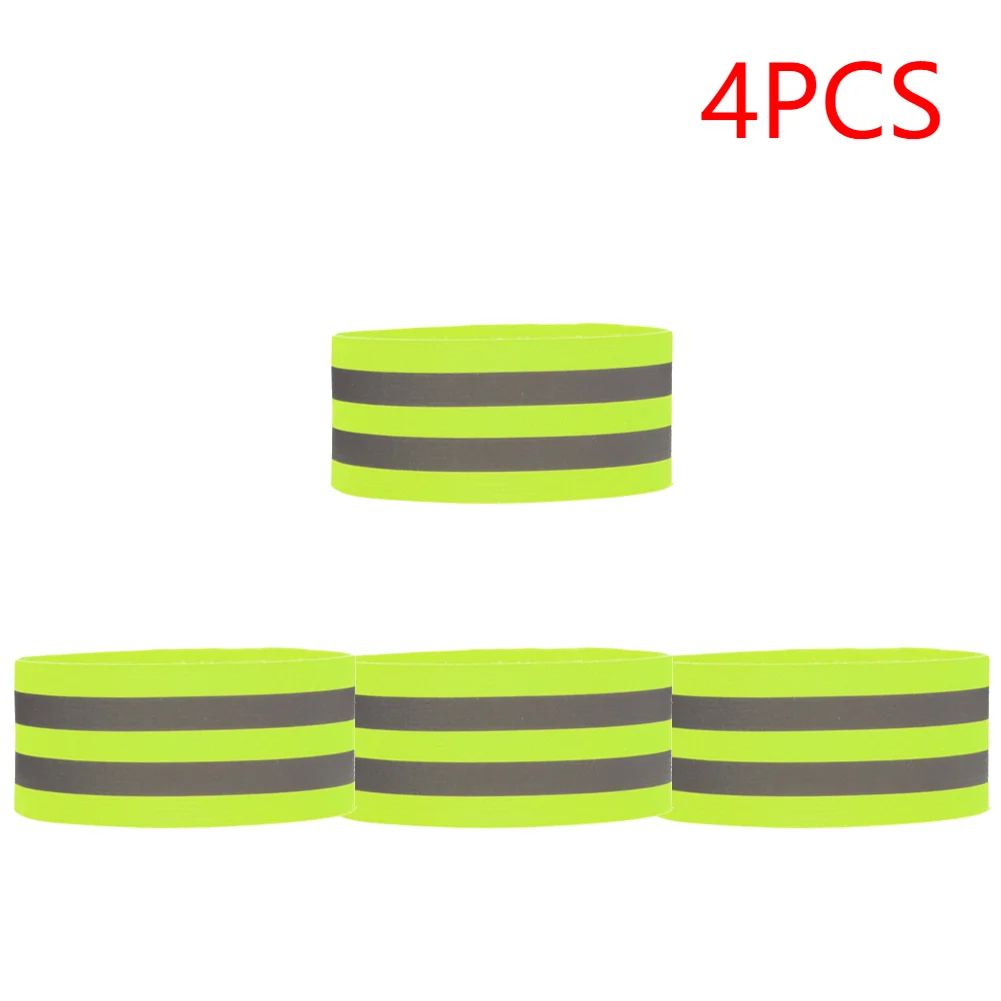
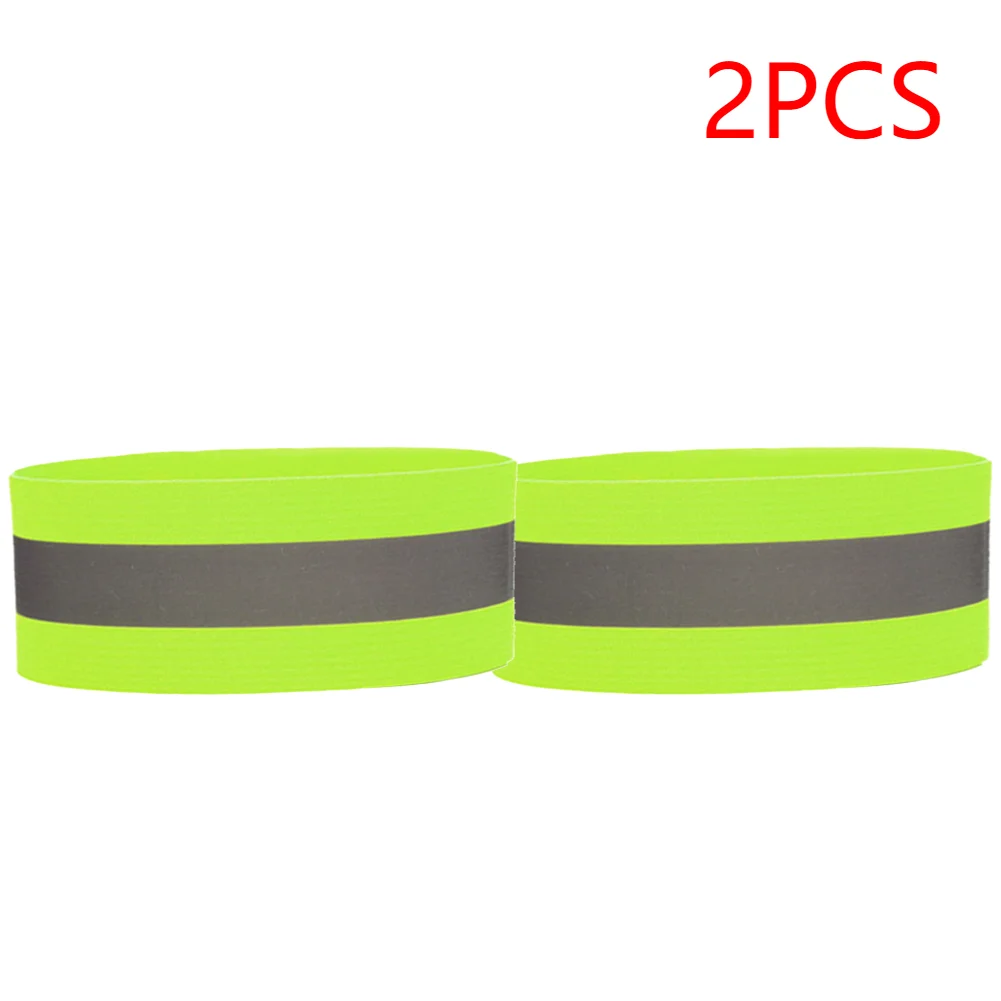
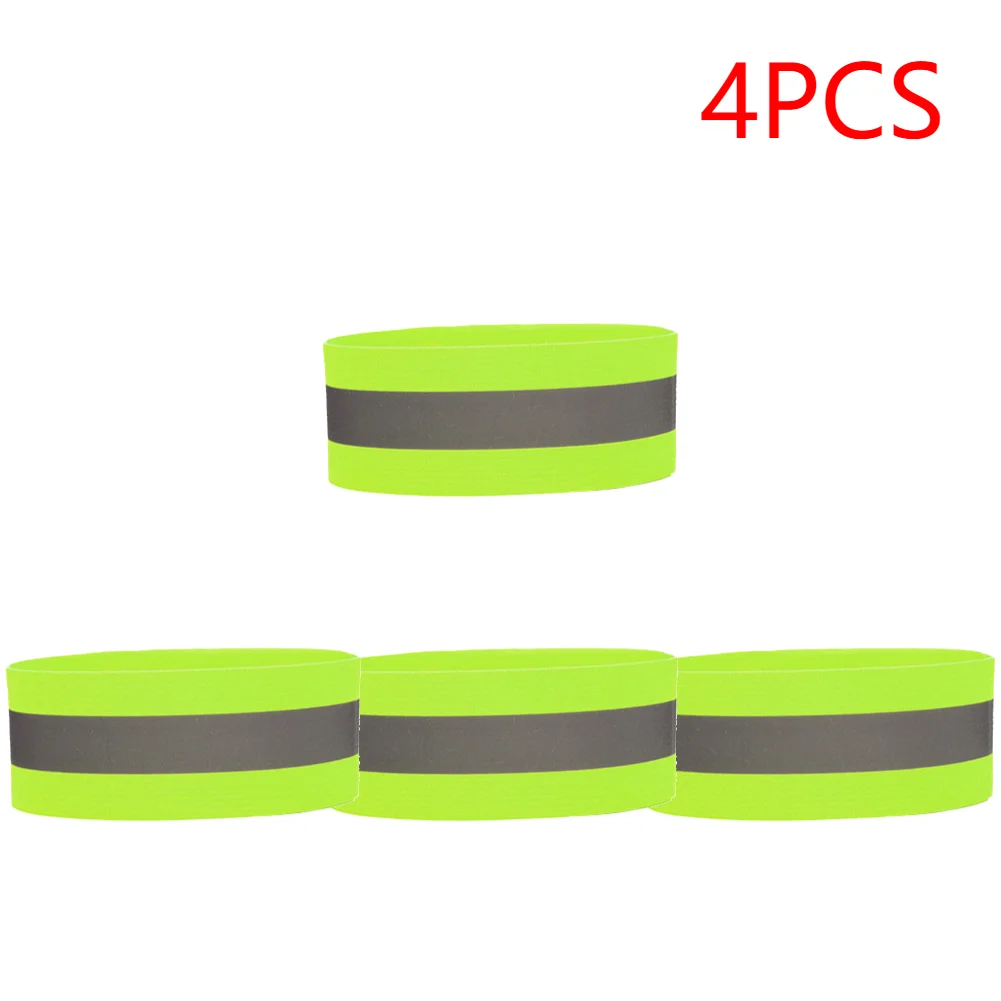
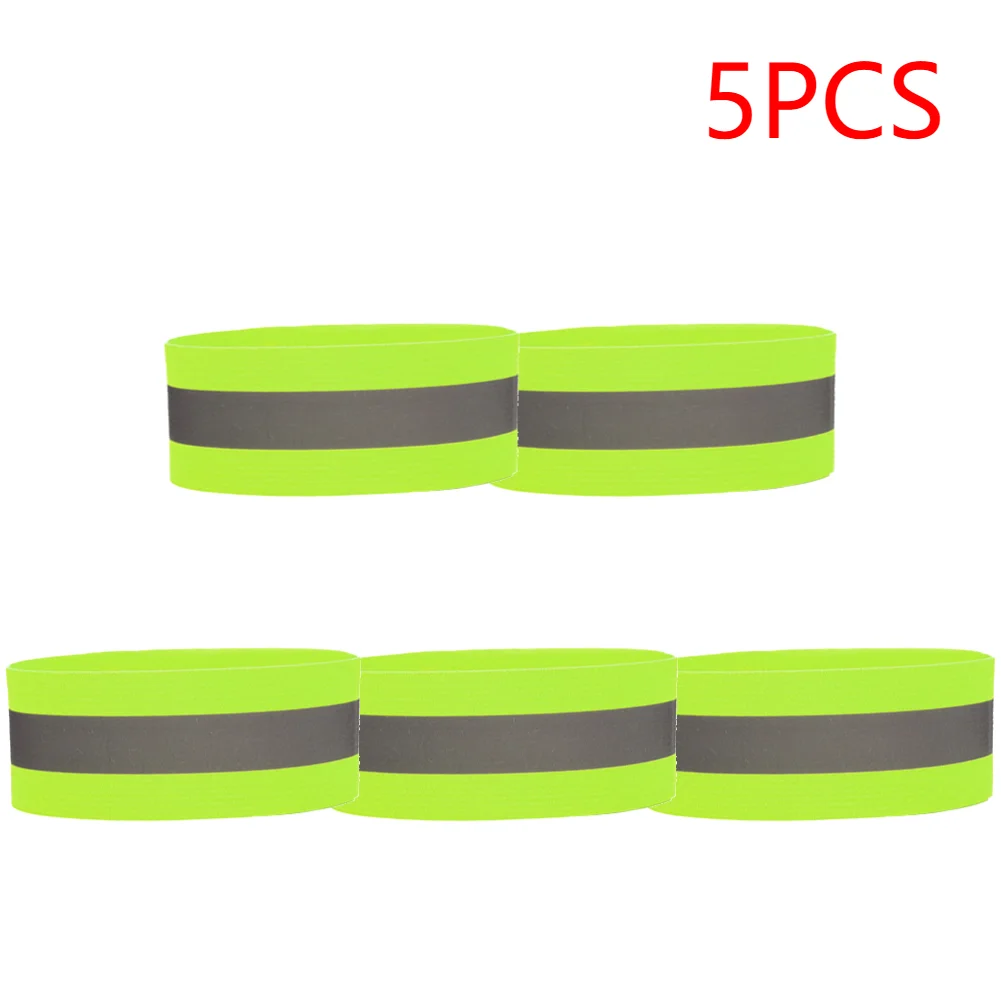
- Limb-mounted bands exploit biomotion. Reflectors on ankles, wrists and knees trace out the arcs of a walking or running human. Drivers recognise that pattern as a person dramatically earlier than they recognise a bright rectangle.
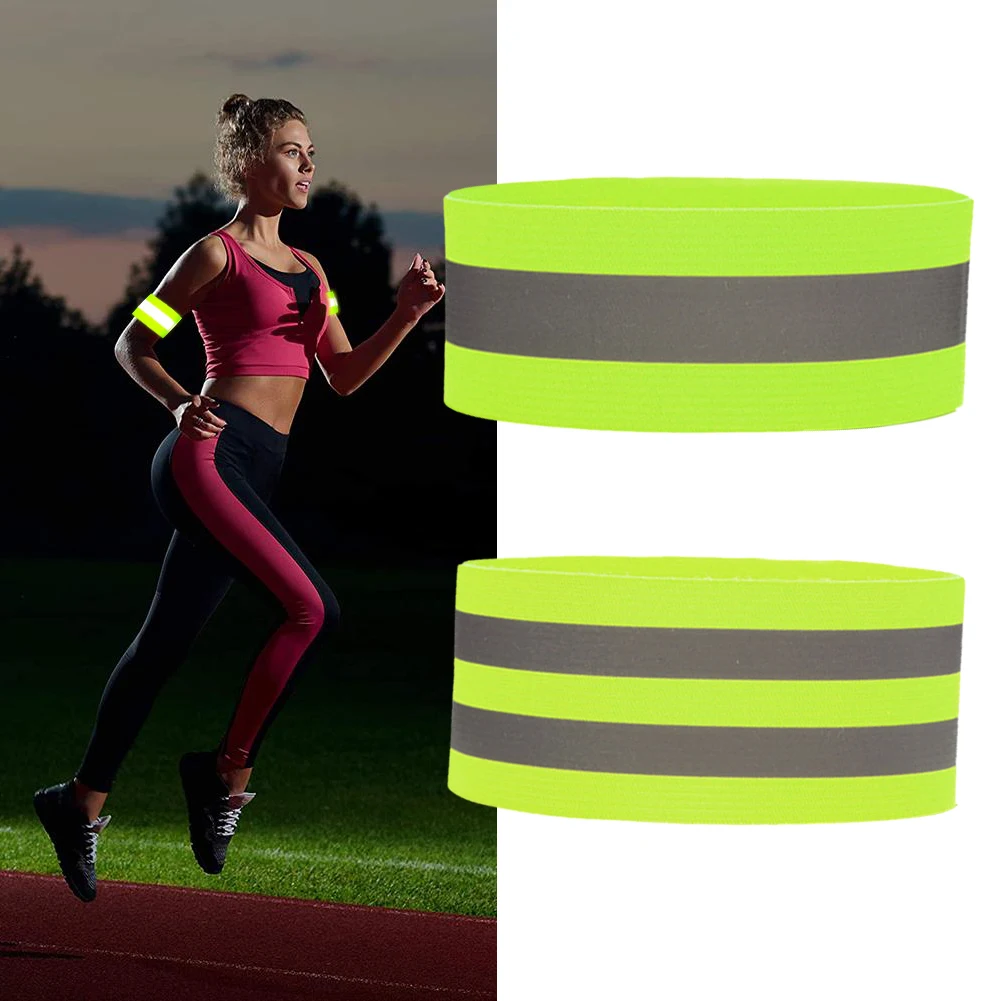
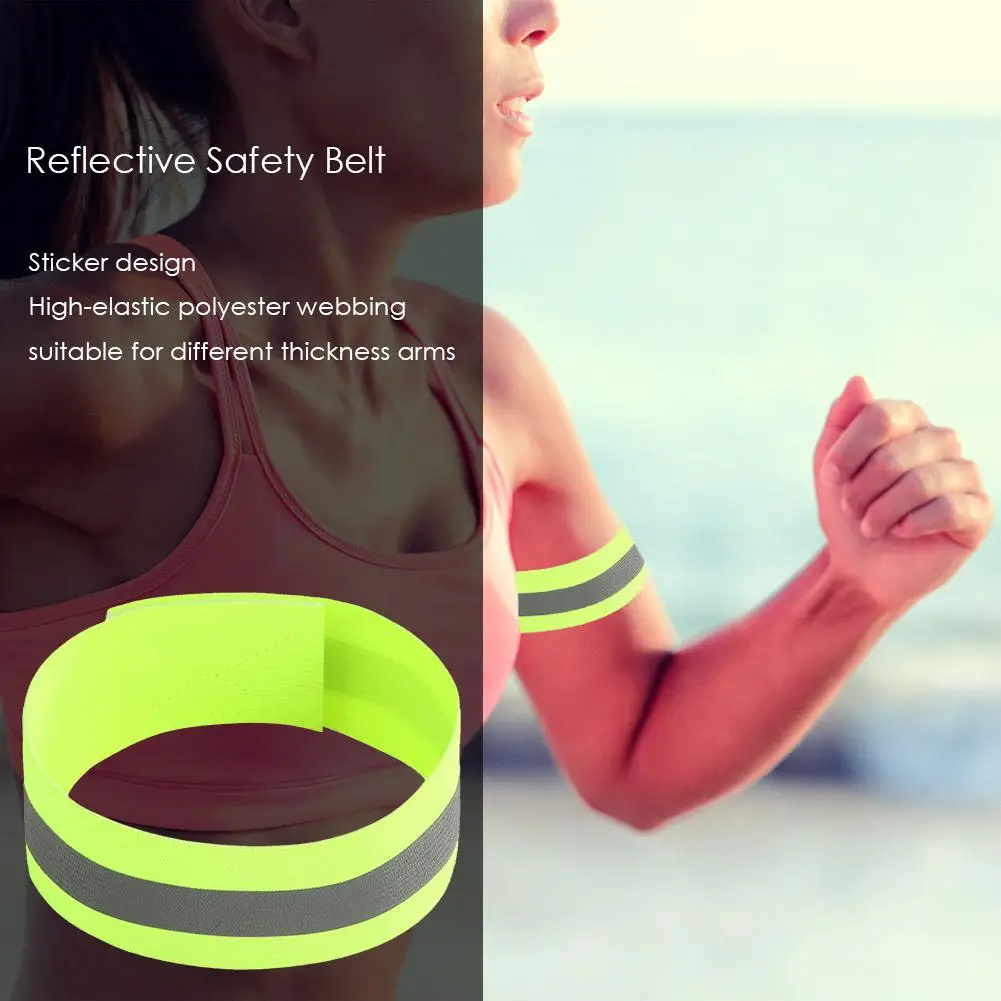
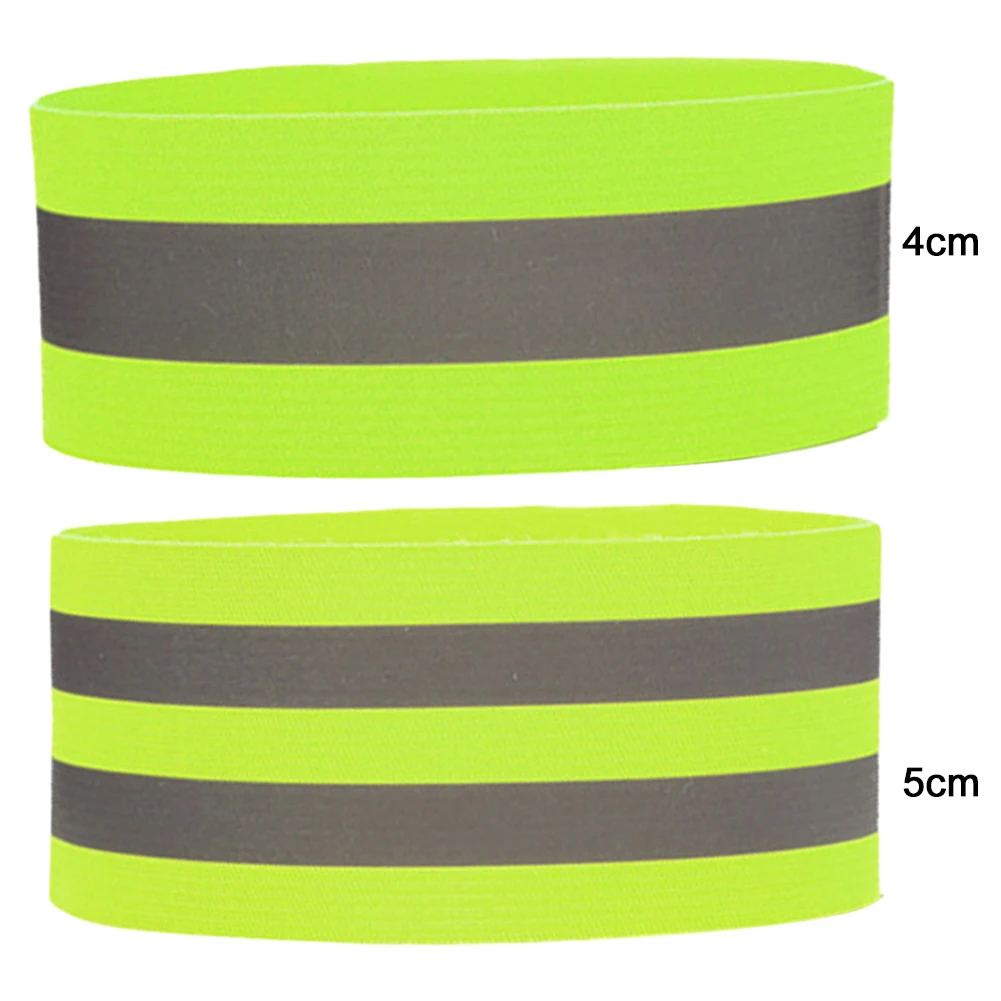
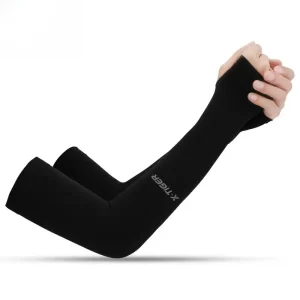
- Elastic straps fit anywhere. Arms, wrists, ankles, calves, a bike frame, a dog lead, a pushchair, a rucksack — anywhere you need to be seen.
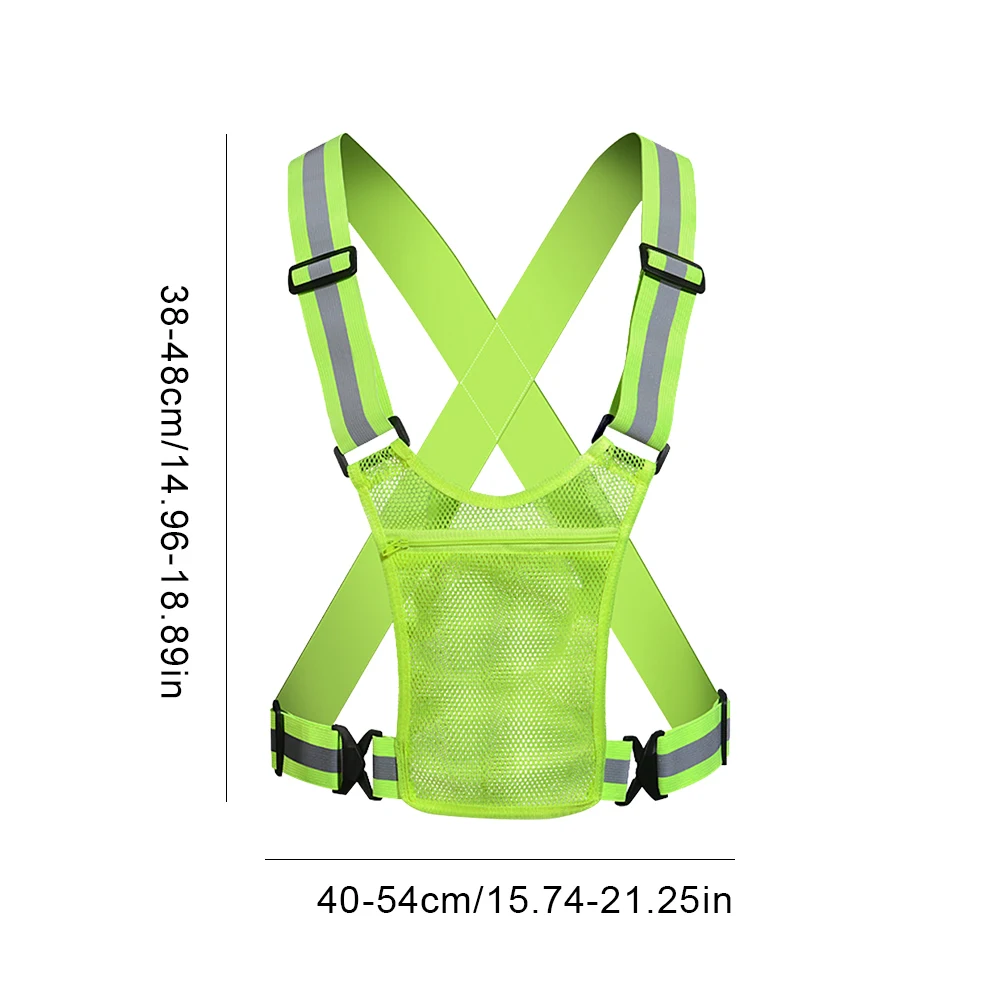
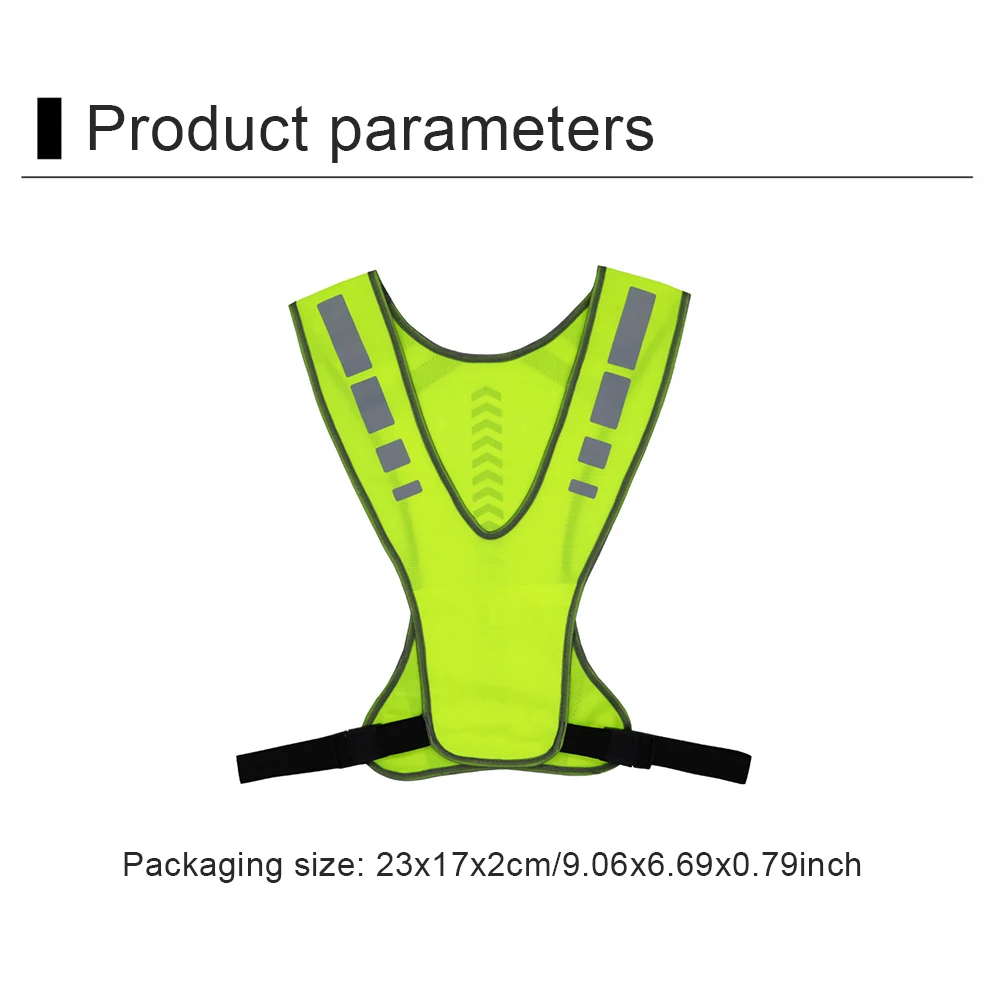
- Vest plus bands together. The vest gives a large, unmissable reflective area; the bands give the movement cue. Used together they do different jobs.
- Lightweight, snap-on and forgettable. Light enough that you will actually put them on, which is the only property that ultimately matters.
- Honest limitation: reflectors do not glow. They are entirely passive and produce no light of their own. Against a cyclist with no lamp, from an angle where no light hits you, or in a driver’s blind spot, they do nothing at all. On unlit roads you also need an active light.
How to Use
Put bands on your ankles and wrists first — those are the highest-value positions because they move. Add the vest over your outer layer, and if you wear a hydration pack or rucksack, put the vest over the top of it rather than underneath, where the straps will cover it. Snap or wrap the elastic bands so they are snug but not tight enough to restrict circulation on a long run. Safety: reflectors are a supplement to visibility, not a substitute for a light source. On unlit roads, carry an active white front light and a red rear light as well. Run facing oncoming traffic where it is safe to do so, and do not assume that being visible means you have been seen — a driver who is looking at their phone will not see you no matter what you are wearing.
Specifications
| Technology | Retroreflective (passive — returns light to its source) |
|---|---|
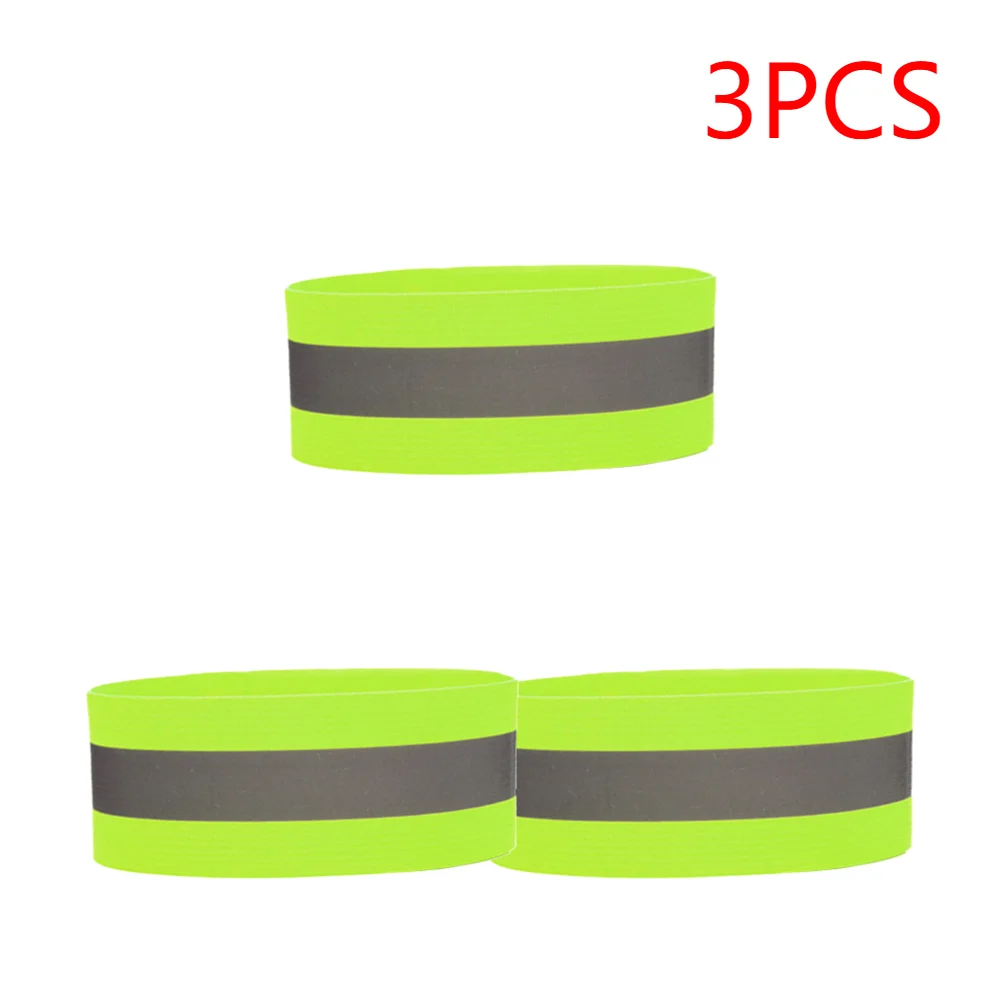
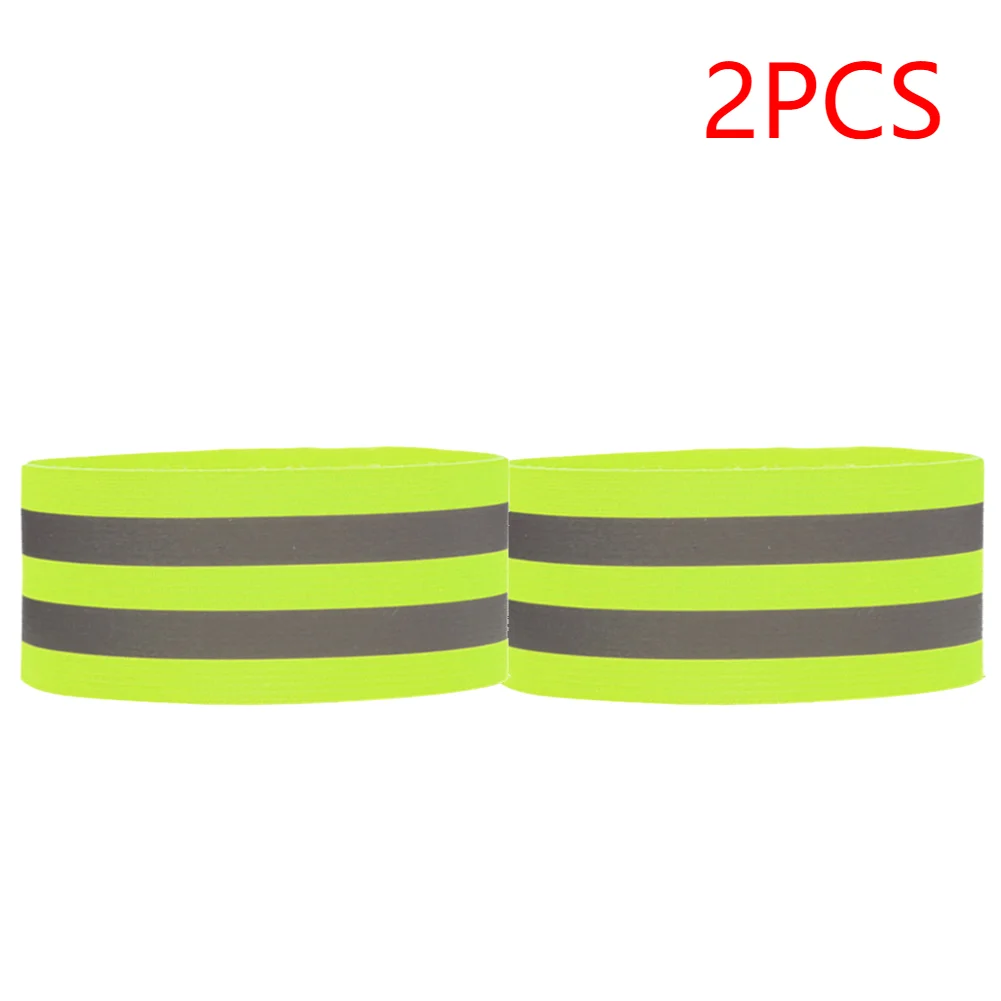
| Set contents | Reflective bands and vest — exact contents variant dependent |
| Band positions | Armband, wristband, ankle and leg straps |
| Fit | Elastic, adjustable, one size |
| Vest | Over-layer high-visibility vest, adjustable |
| Best for | Night running, walking, cycling, dog walking, roadside work |
| Does not | Emit light, glow in the dark, or work without an external light source |
| Weight | Lightweight |
Care & Maintenance
Hand wash in cool water with mild detergent and let the bands air-dry. Do not tumble dry, iron, or bleach reflective material — heat and harsh chemicals degrade the microprism or bead layer, and once that layer is damaged the reflectivity is gone permanently even though the fabric still looks fine. Check the bands under a torch every few months: if a band no longer flares brightly when a light is shone straight at it, replace it, because it has stopped doing its only job.
What’s in the Box
Reflective vest and elastic reflective straps for arms, wrists, ankles and legs. Exact quantity and combination vary by selected variant.

Reviews
There are no reviews yet.