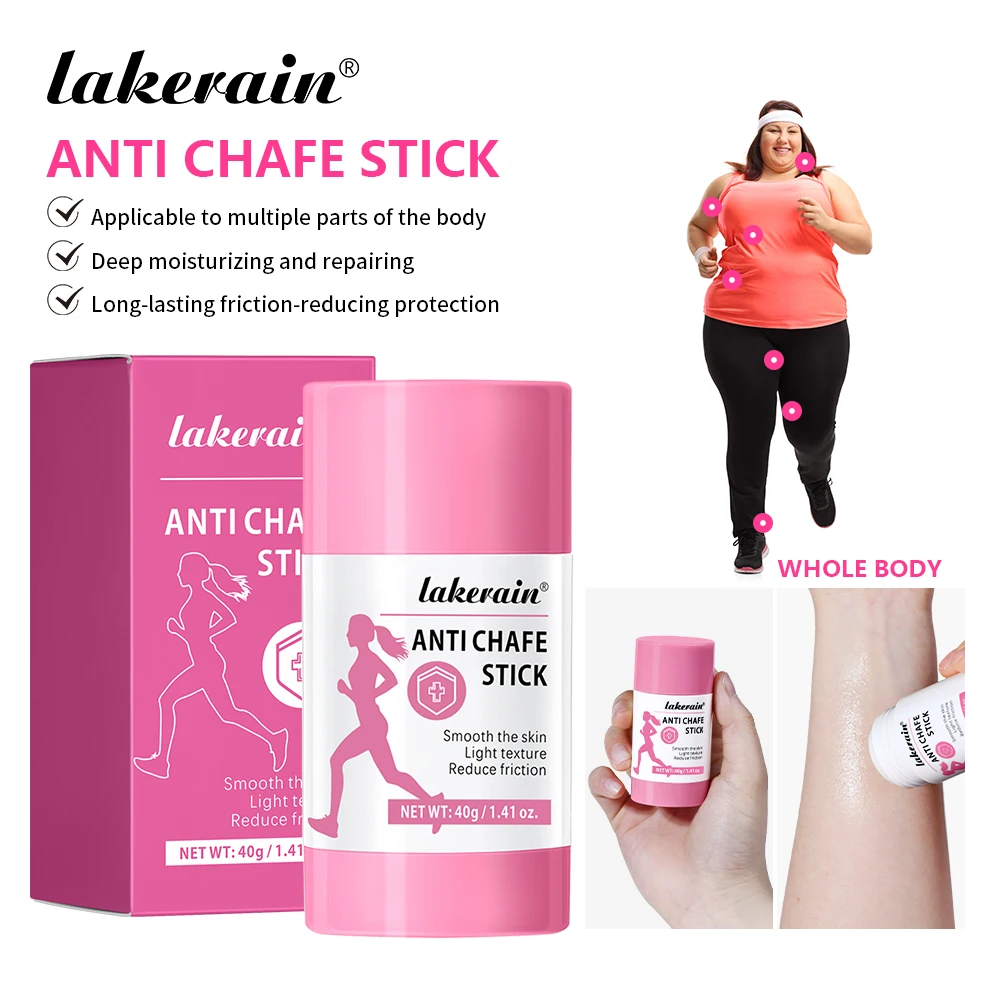
A Barrier, Not a Cure — How Anti-Friction Sticks Actually Work
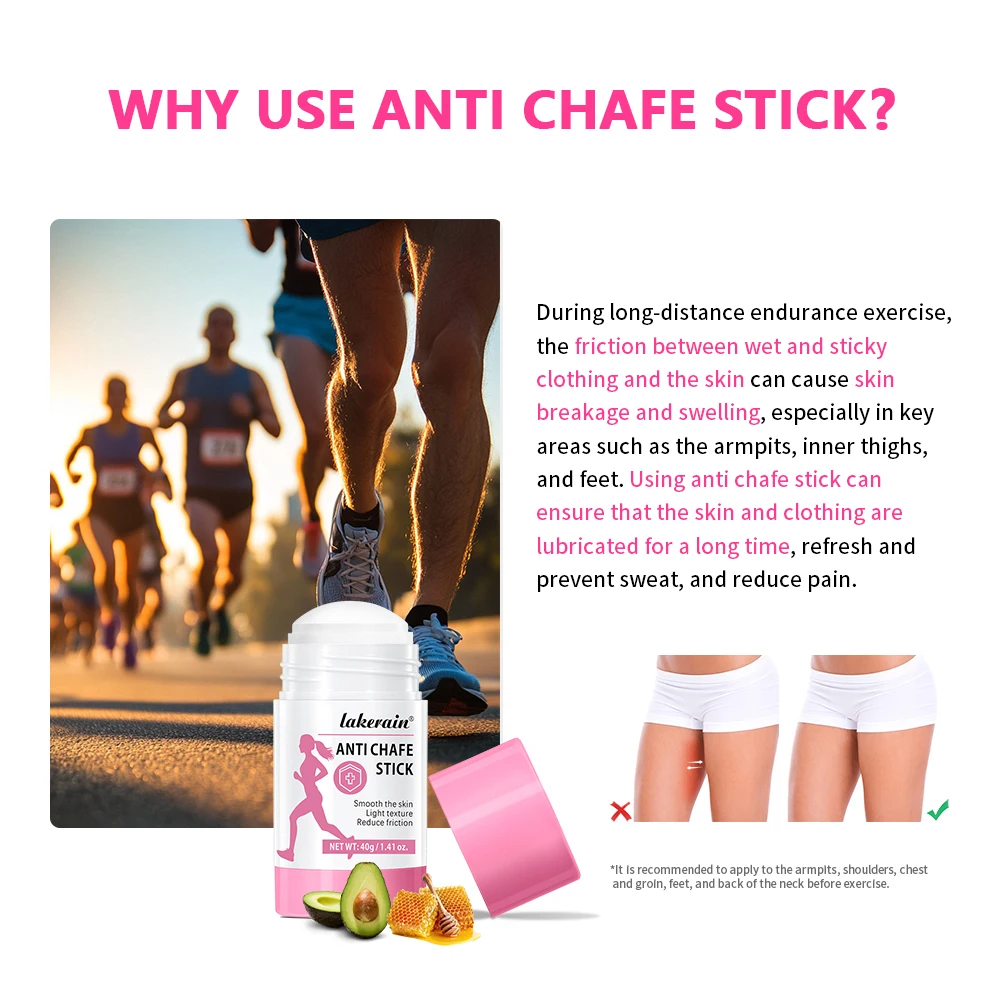
Chafing happens when two surfaces — skin on skin, or skin on a wet seam — rub repeatedly under load. Over thousands of strides the coefficient of friction between those surfaces, raised by sweat and salt, abrades the outer layer of skin until it is raw. An anti-friction stick works on exactly one variable: it lays down a hydrophobic film that lets the surfaces slide over each other instead of gripping and dragging. It does not toughen your skin, and it will not heal skin that is already broken. It prevents the damage from starting, which is why you apply it before the run, not after.
Key Benefits
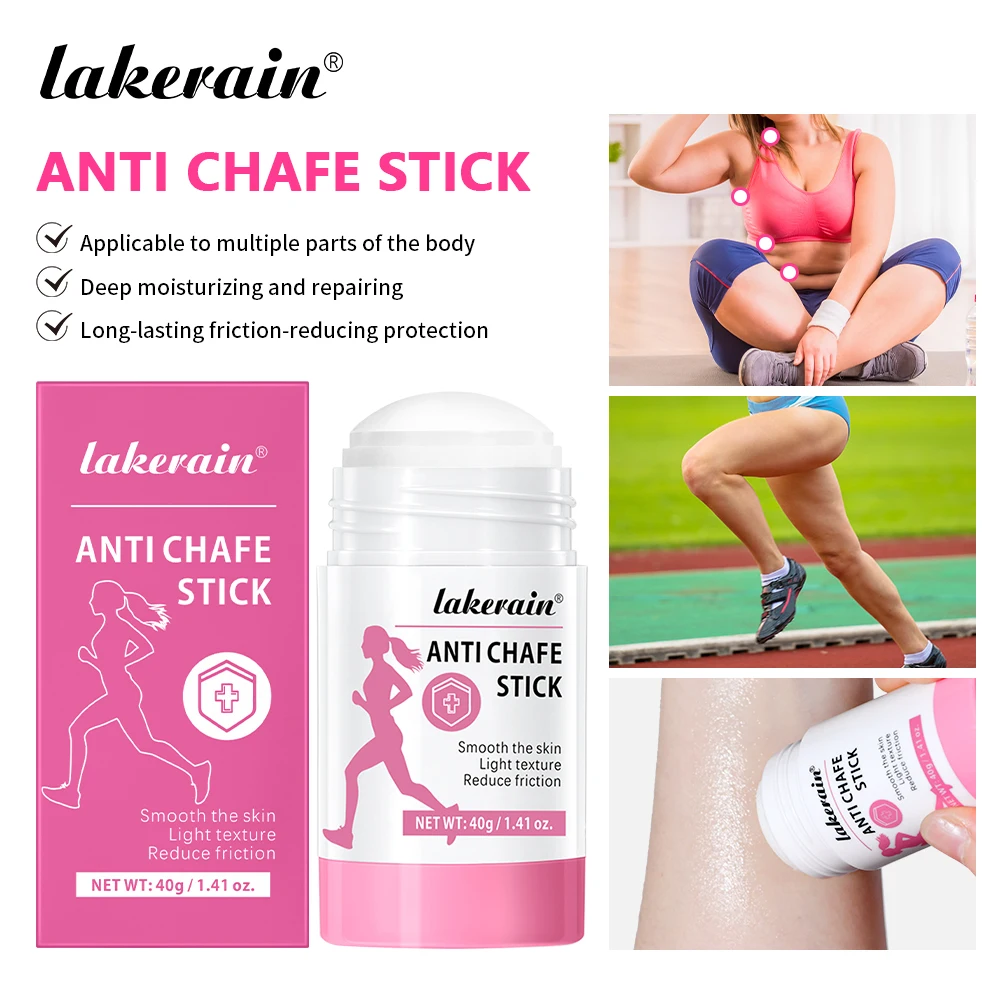
- Targets the places that actually chafe. Inner thighs, underarms, the heel and Achilles line inside a shoe, bra bands, waistbands and — for distance runners — nipples. These are the friction hot spots, and they are all fixable.
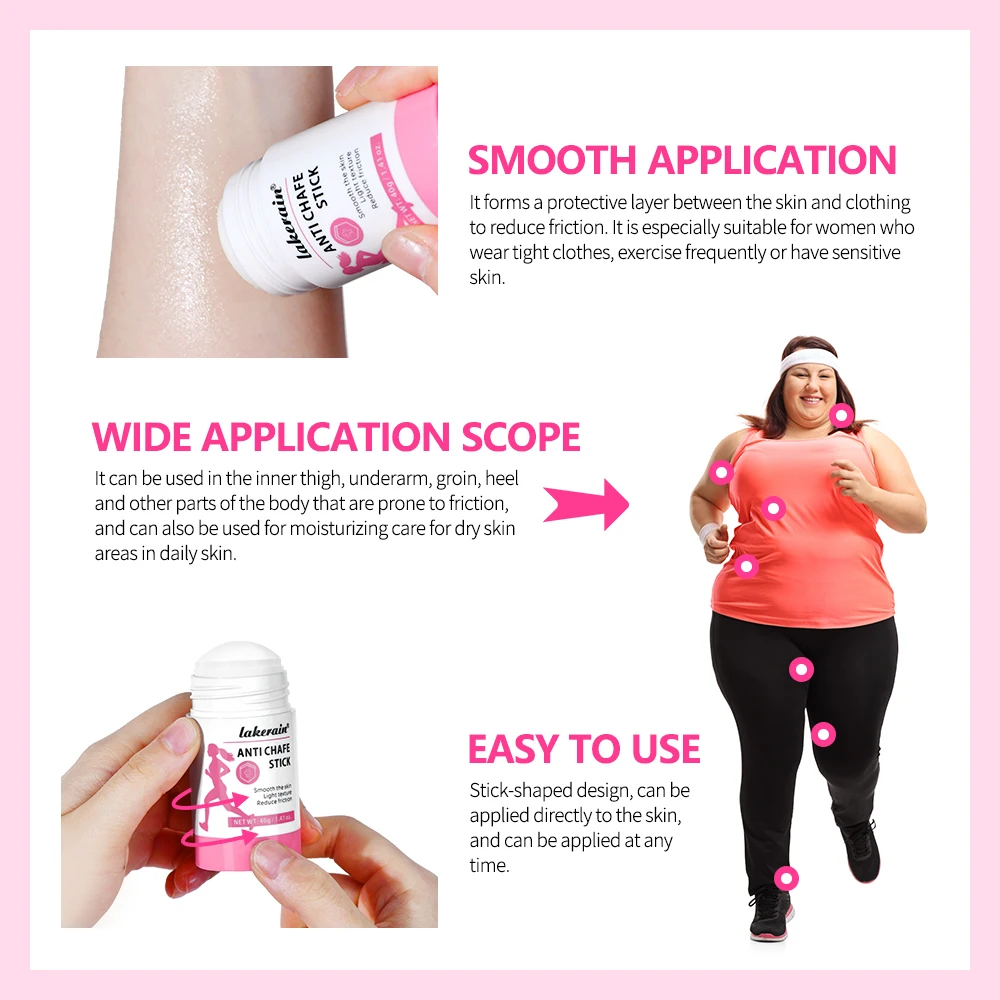
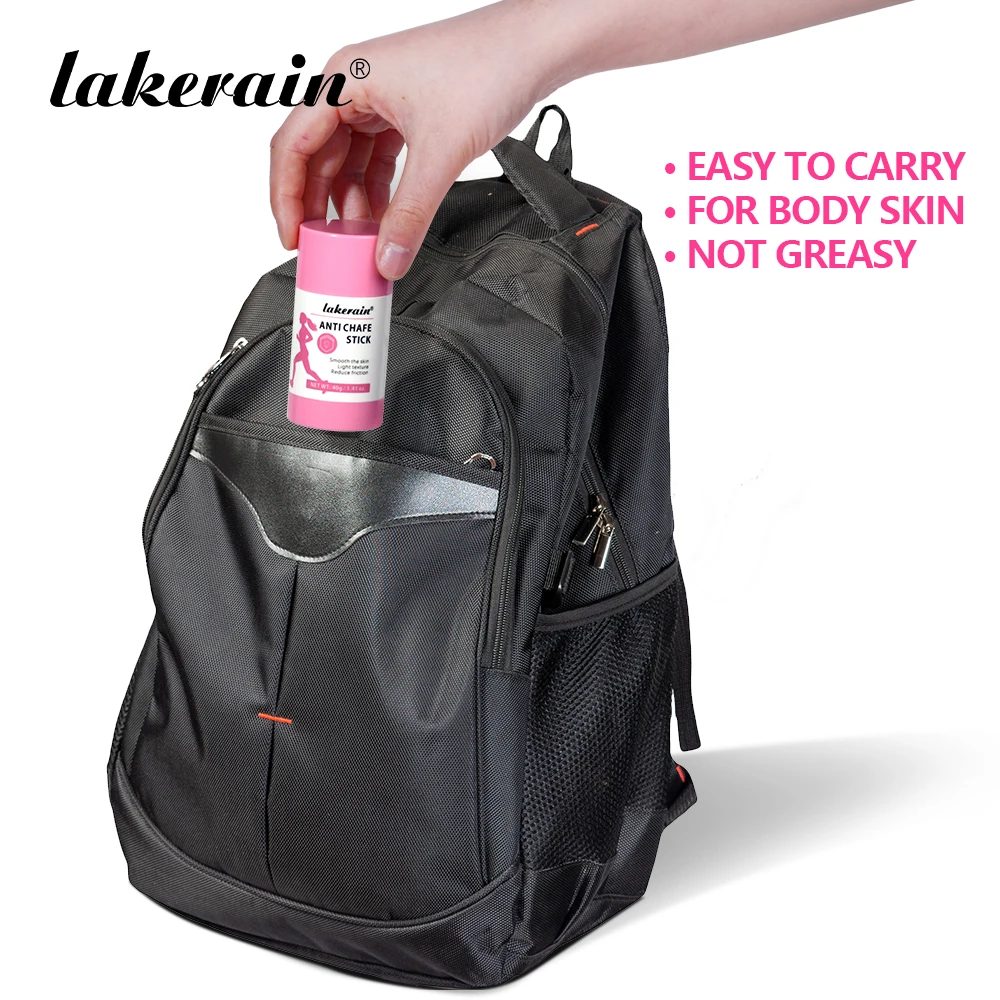
- Solid stick, so it goes on clean. No greasy hands to wipe on your shorts, no bottle to squeeze at the start line. You can reapply mid-run at an aid station in seconds.
- Survives sweat. The point of a hydrophobic film is that water does not immediately wash it off — which is the whole reason a plain moisturiser fails at this job.
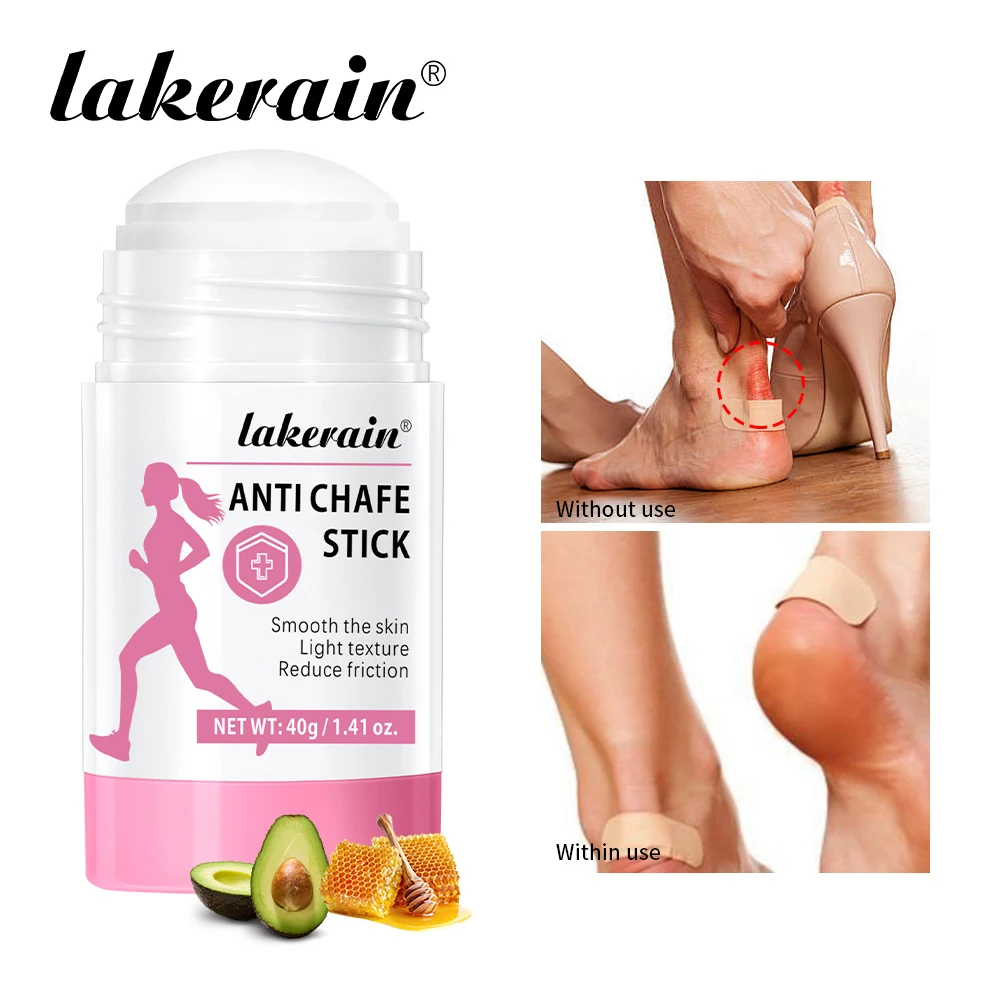
- Cuts heel blisters at the source. Blisters are friction plus shear, not just pressure. Reducing the slide between sock and heel is often more effective than yet another plaster.
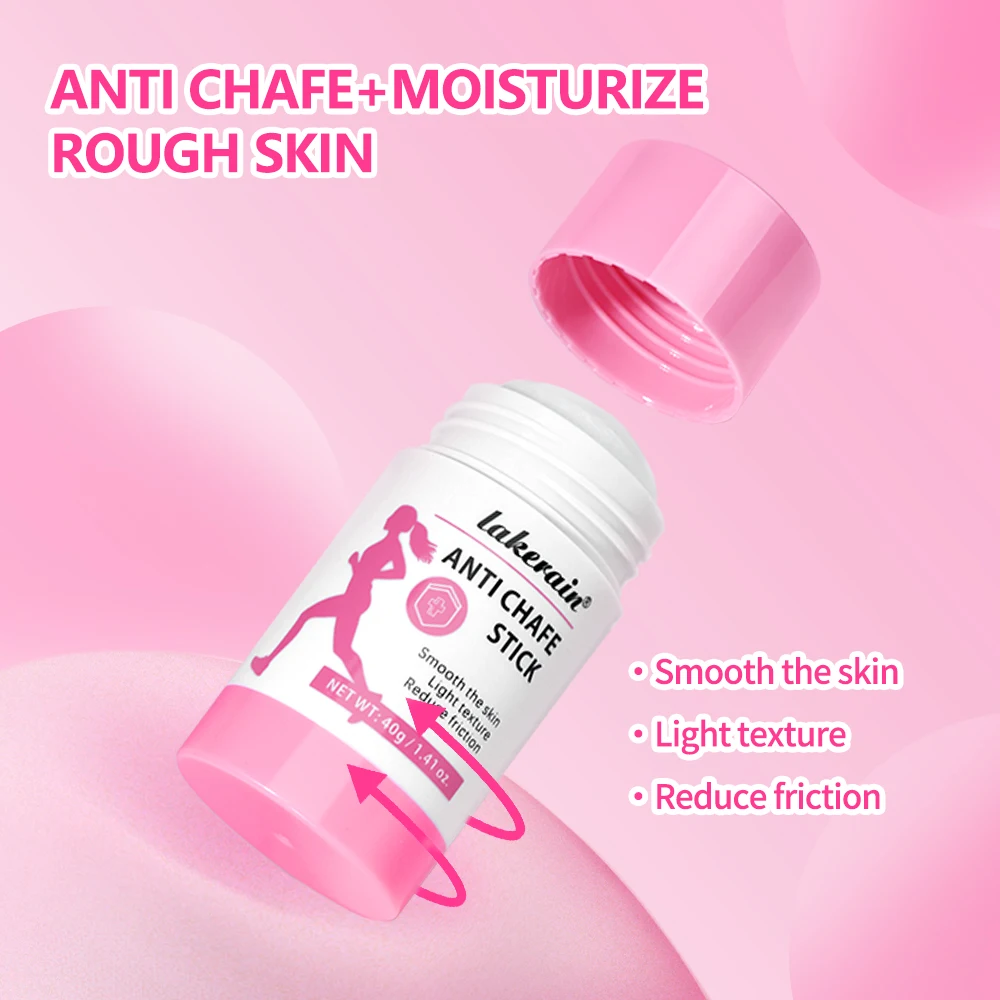
- Nourishing, but let’s be precise. The balm conditions the skin surface, which is pleasant. The reason it works is the friction barrier, not the nourishment — do not buy it as a skincare product, buy it as a lubricant.
- Cheap insurance on race day. Chafing does not usually end a run. It ends the shower afterwards, and it can keep you out of training for days if the skin breaks.
How to Use
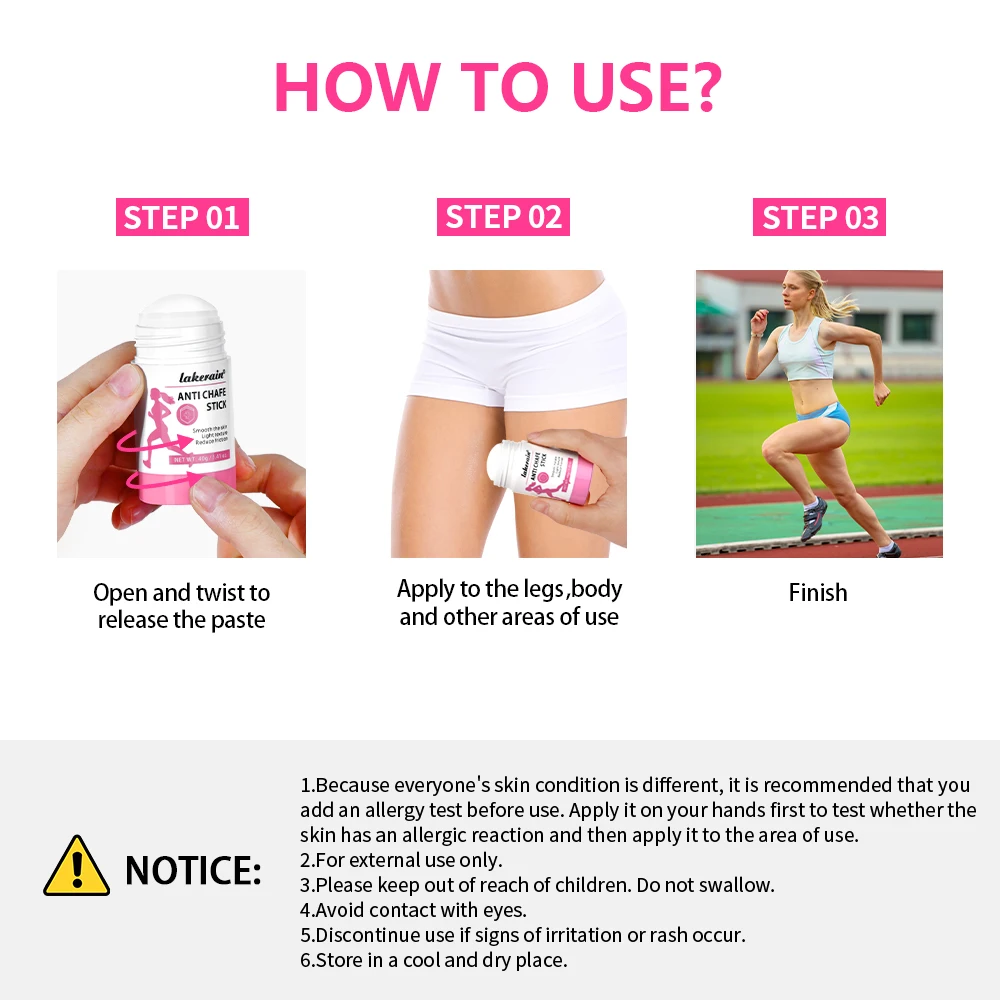
Apply to clean, dry skin before you dress, not after you have started sweating — the film needs a dry surface to key onto. Run the stick in firm strokes over each hot spot and give it a generous coat; a thin smear will not last a marathon. Do not forget the areas you only remember when it is too late: the inner arm where it brushes the ribs, the top of the sports bra band, the sock line, and the seam of the waistband at the back. On runs over about 90 minutes, or in heat and rain, reapply partway through. If you already have raw or broken skin, do not apply the stick over the wound — clean it, cover it, and let it close first, or you will simply trap grit against an open abrasion. Discontinue use if you develop a rash or itching, and do not use it on the face or on damaged skin.
Specifications
| Type | Anti-friction / anti-chafe barrier stick |
|---|---|
| Format | Solid twist-up stick |
| Application areas | Inner thighs, underarms, heels, Achilles, forearms, bra line, waistband |
| Water resistance | Sweat and water resistant film |
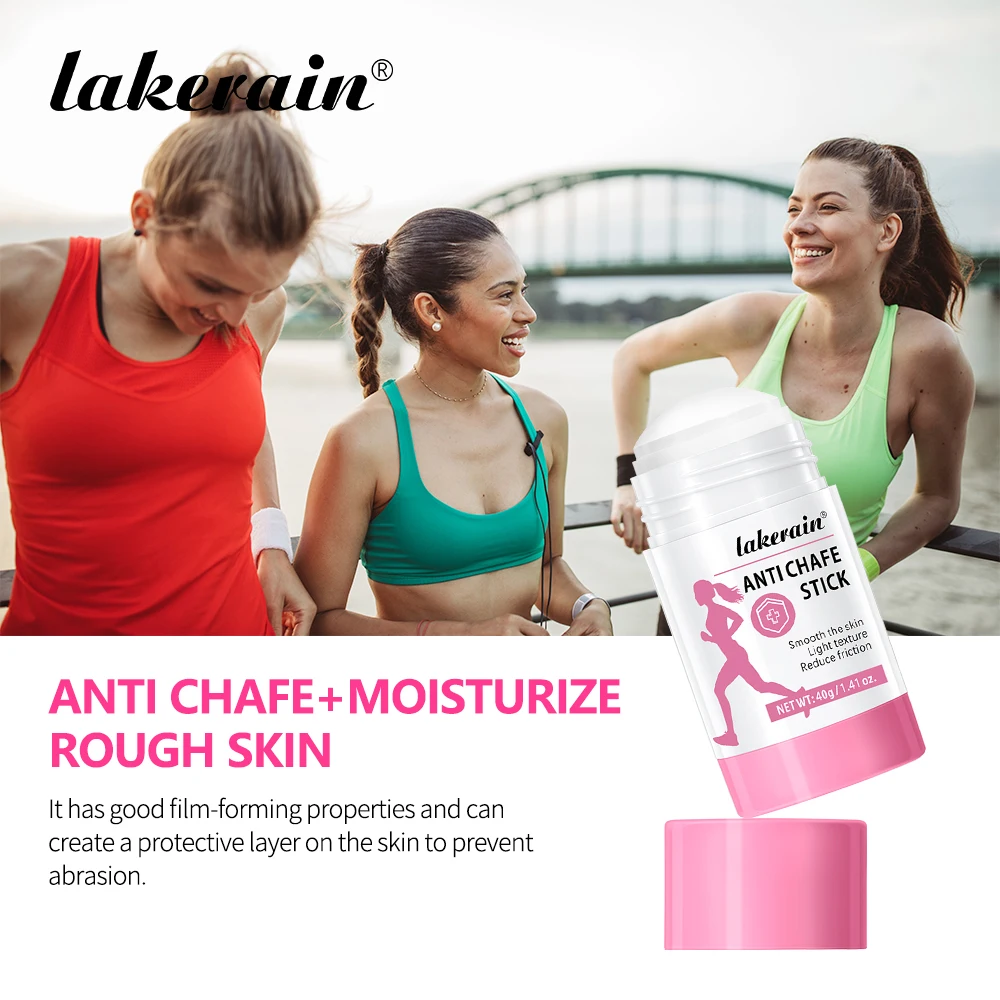
| Use case | Running, cycling, hiking, triathlon, gym, everyday |
| Finish | Non-greasy, dry-touch |
| Brand | Lakerain |
| Size | Variant dependent — see product images |
Care & Maintenance
Cap the stick straight after use so the surface does not dry out or pick up grit. Store below 25°C and out of direct sun — a stick left in a hot car will soften or slump. Do not share it between people if anyone has broken skin. Replace it if the surface becomes discoloured or develops an off smell.
What’s in the Box
1 x anti-friction stick.
Reviews
There are no reviews yet.