The Best Cardio Machine Is the One That’s Already in the Room
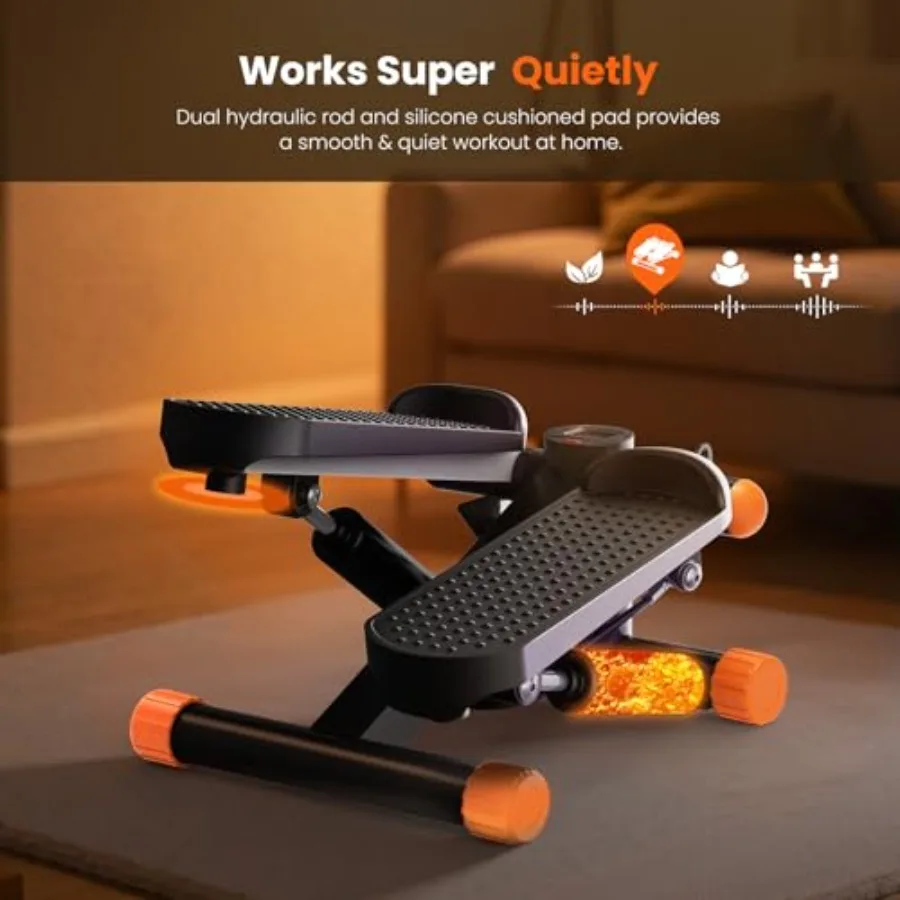
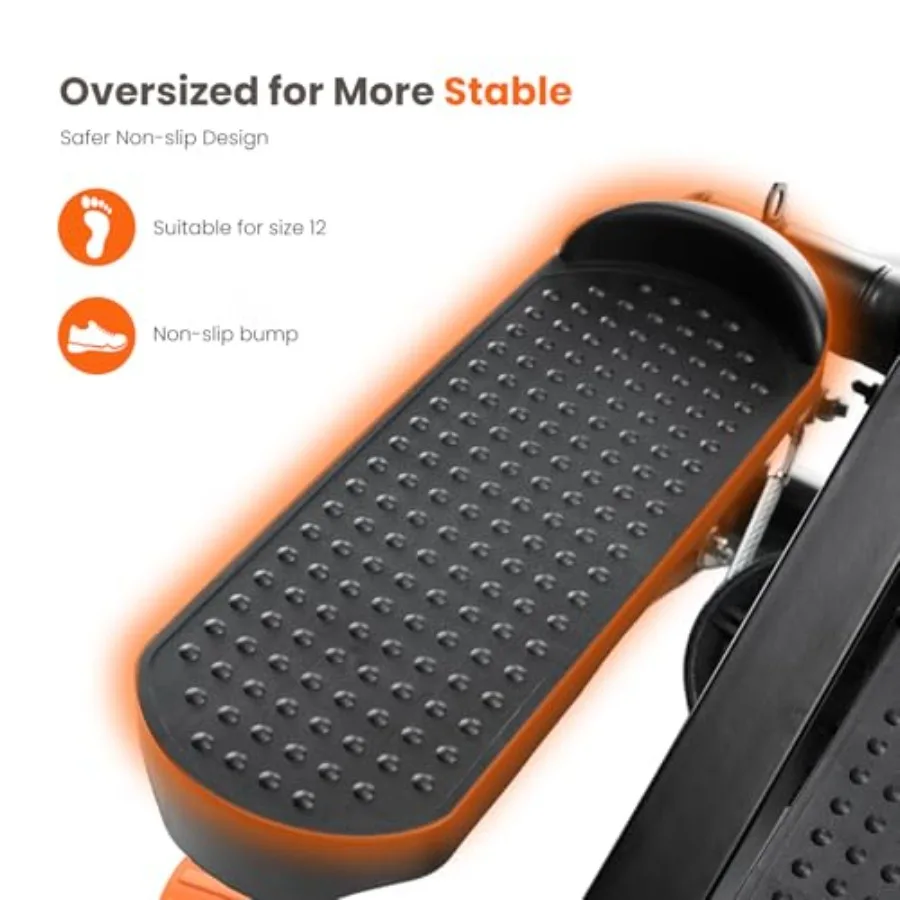
Stepping is a closed-chain movement: your foot stays fixed and your body moves over it, which is exactly how walking and stair climbing load the quadriceps, glutes and calves. The hydraulic or piston resistance in a mini stepper provides continuous load in both directions, so the muscles work concentrically going down and stabilise on the way back up. The reason a machine like this works isn’t that it’s superior exercise — it’s that it lives in your living room. Adherence beats optimisation. Ten minutes a day, five days a week, done, outperforms the perfect gym session you skip.
Key Benefits
- Low-impact loading of the whole lower chain. Quads, glutes, hamstrings and calves work through a stepping range with none of the joint impact of running.
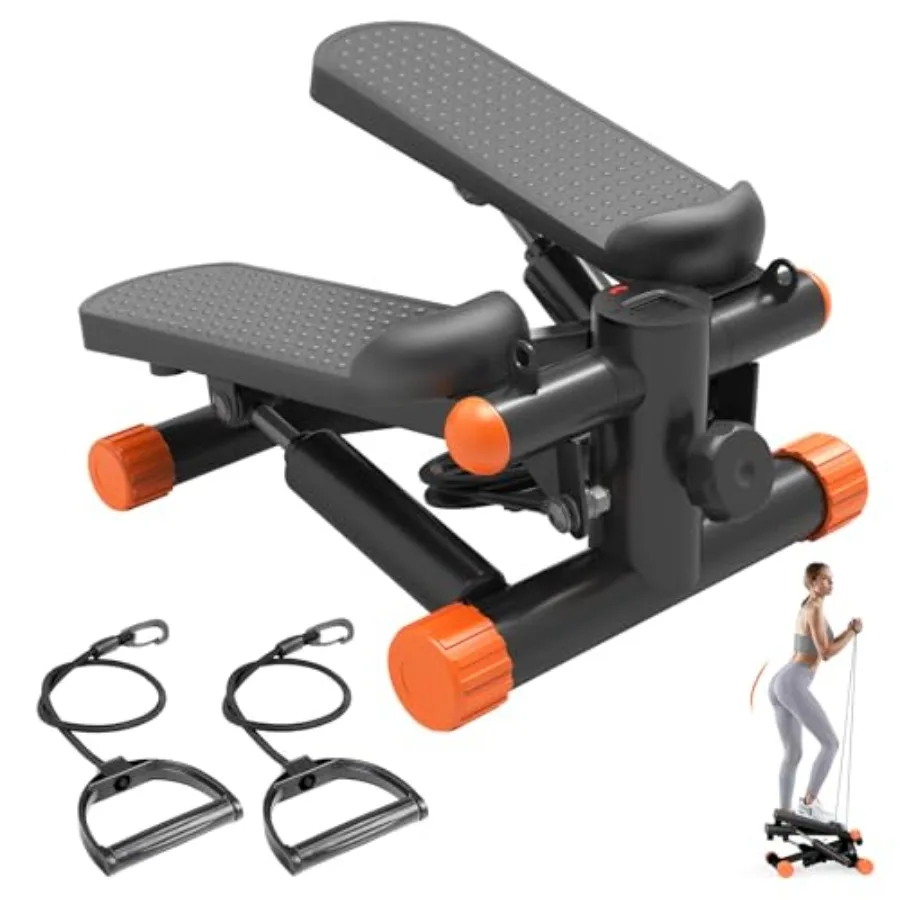
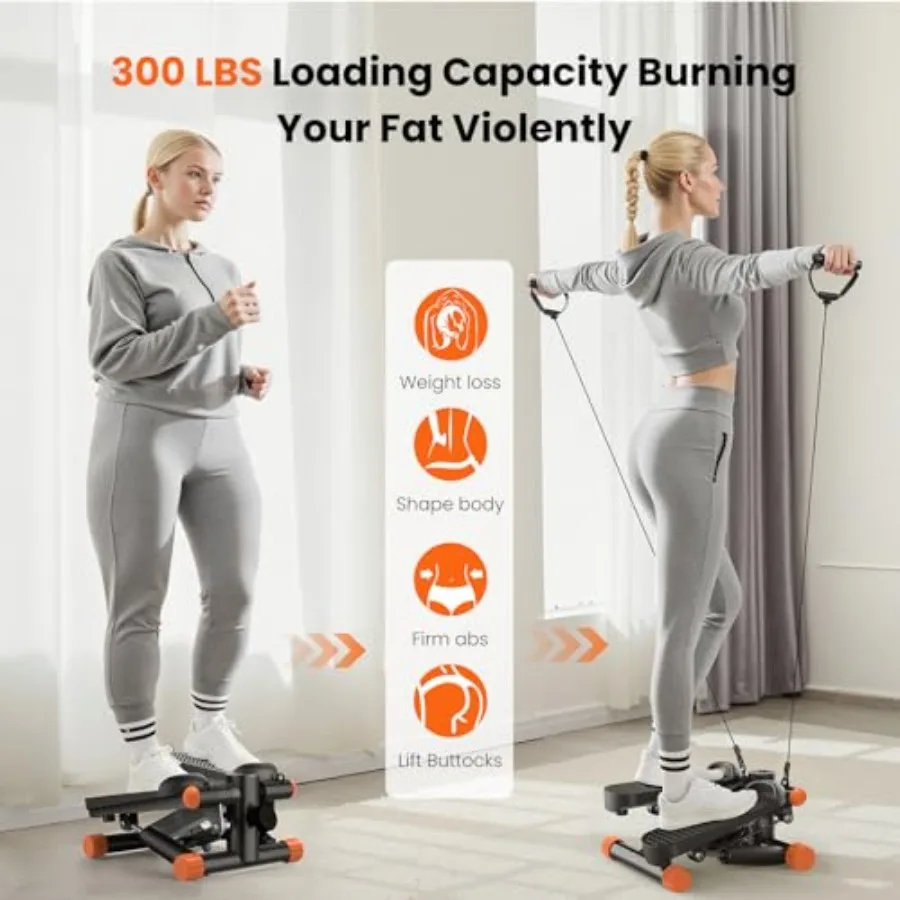
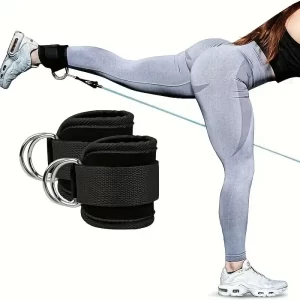
- The bands add an upper-body pull. Attached resistance bands turn a leg-only machine into a full-body circuit, recruiting biceps, shoulders and upper back and pushing your heart rate up further.
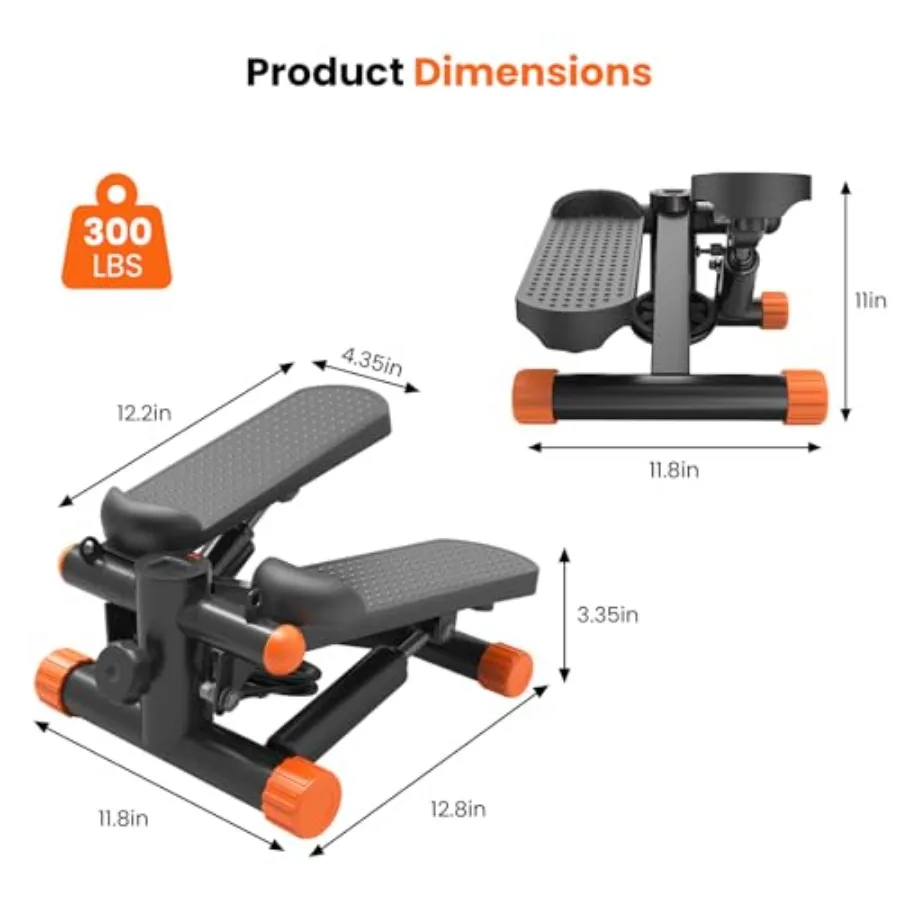
- Genuinely small footprint. It fits under a desk or beside a sofa, and that fact alone is why people use it and don’t use their treadmill.
- Quiet enough for a flat. No pounding, no belt noise — you can use it in an apartment without a conversation with the neighbours.
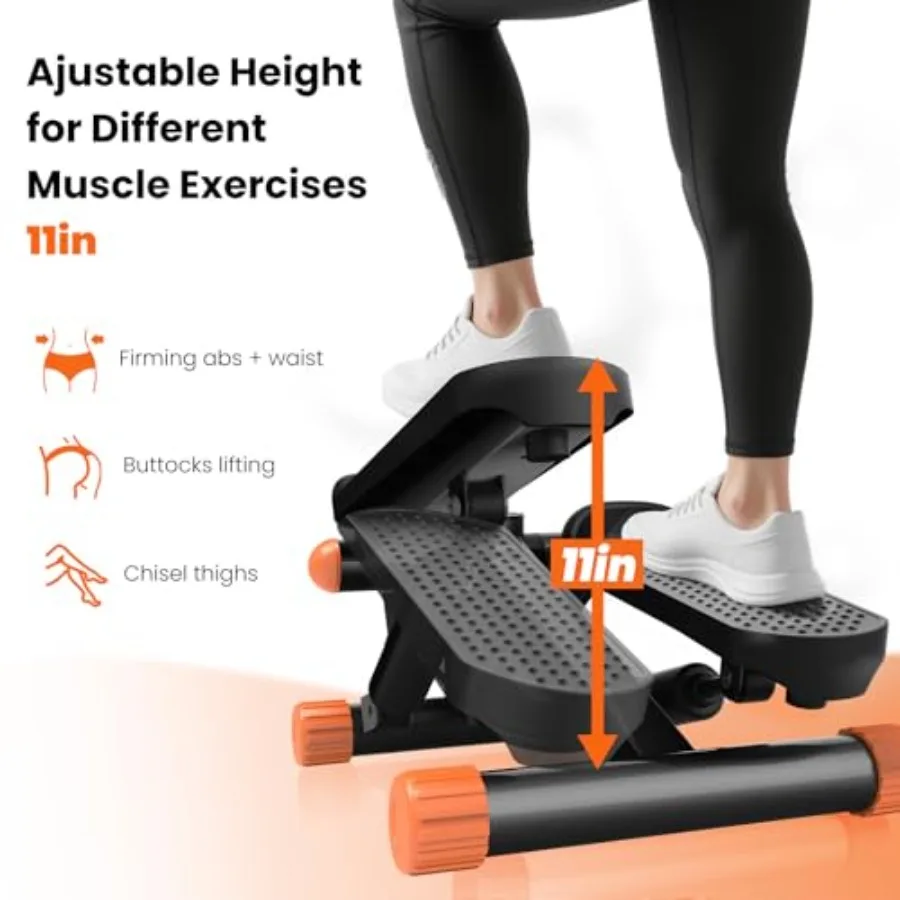
- The twist motion trains frontal-plane hip control. The lateral component recruits the gluteus medius and hip abductors, which are chronically weak in people who sit.
- Honest about slimming: it does not spot-reduce your waist, hips or thighs. Twisting does not burn the fat sitting on top of the muscle you’re twisting — spot reduction has been repeatedly tested and does not happen. What this machine does is raise energy expenditure and build lower-body muscle, and that, alongside a calorie deficit, is what actually changes body composition.
How to Use
Place it on a hard, flat, level surface — not a plush carpet, which lets the frame rock. Hold something stable nearby for your first few sessions until you trust your balance, particularly if you’re stepping and pulling bands at once. Start with a short, controlled range of motion and let the pistons do the resisting rather than dropping onto them. Keep your knees tracking over your toes and don’t let them collapse inward; a mini stepper’s small range makes it easy to grind the knee joint if you’re sloppy. Build from 5–10 minutes to 20–30. Inspect the resistance bands before every session for nicks, cuts or thinning and never stretch a band toward your face — band failure under tension is fast and it goes where it wants. Check the hydraulic cylinders for oil leakage; a leaking piston loses resistance unevenly and should be retired.
Specifications
| Type | Mini stair stepper / twist stepper with resistance bands |
|---|---|
| Motion | Stepping with lateral twist component |
| Resistance | Hydraulic piston — adjustable on most variants |
| Display | LCD monitor (steps, time, calories — treat calorie readings as rough estimates only) |
| Bands | Detachable resistance bands included |
| Impact | Low impact |
| Surface | Hard, flat, level floor |
| Weight capacity | Variant dependent — check listing before use |
Care & Maintenance
Wipe the pedals and frame after use. Tighten the pedal bolts monthly; stepping motion works fasteners loose faster than you’d expect. Store the bands away from sunlight and heat, both of which cook latex. Do not lubricate hydraulic cylinders yourself — if resistance becomes uneven or noisy, stop using the unit.
What’s in the Box
Mini stepper unit, 1 pair resistance bands, LCD display, instruction manual. Contents vary by variant.
Reviews
There are no reviews yet.