Why Coated Dumbbells Beat Bare Iron at Home
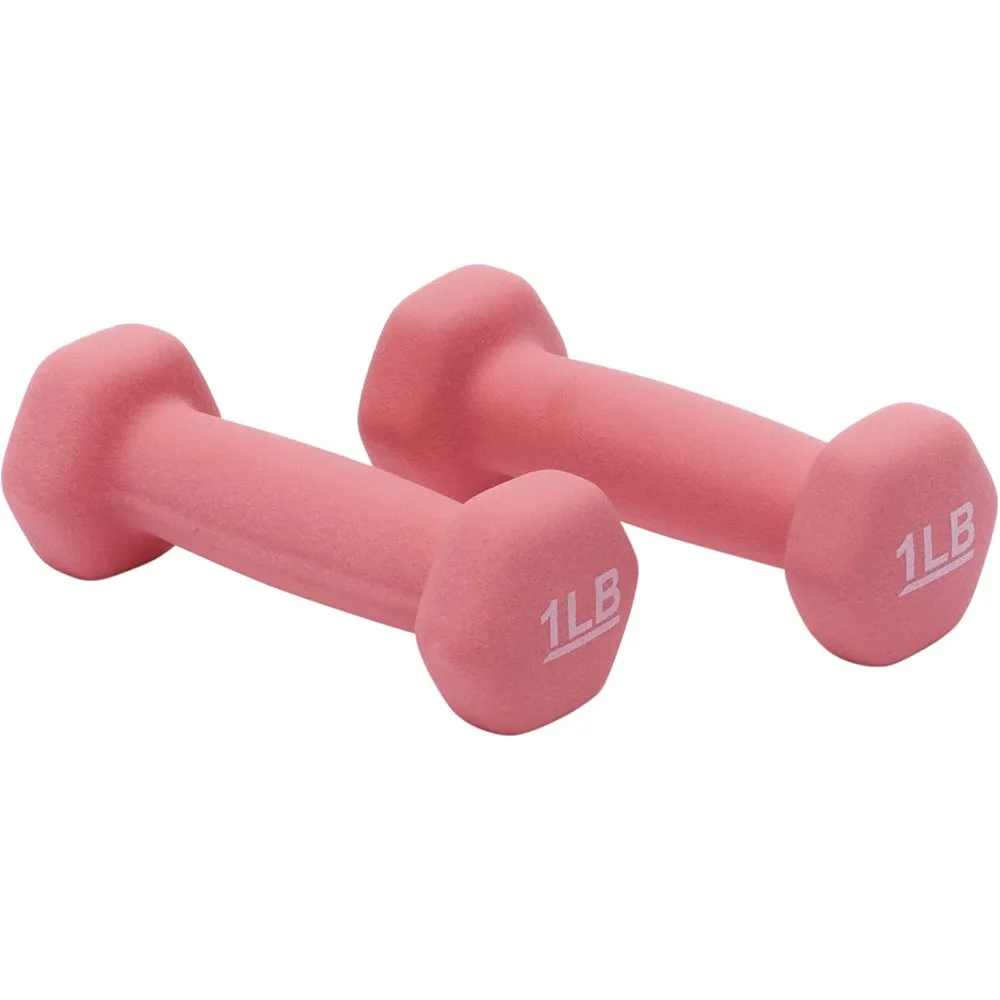
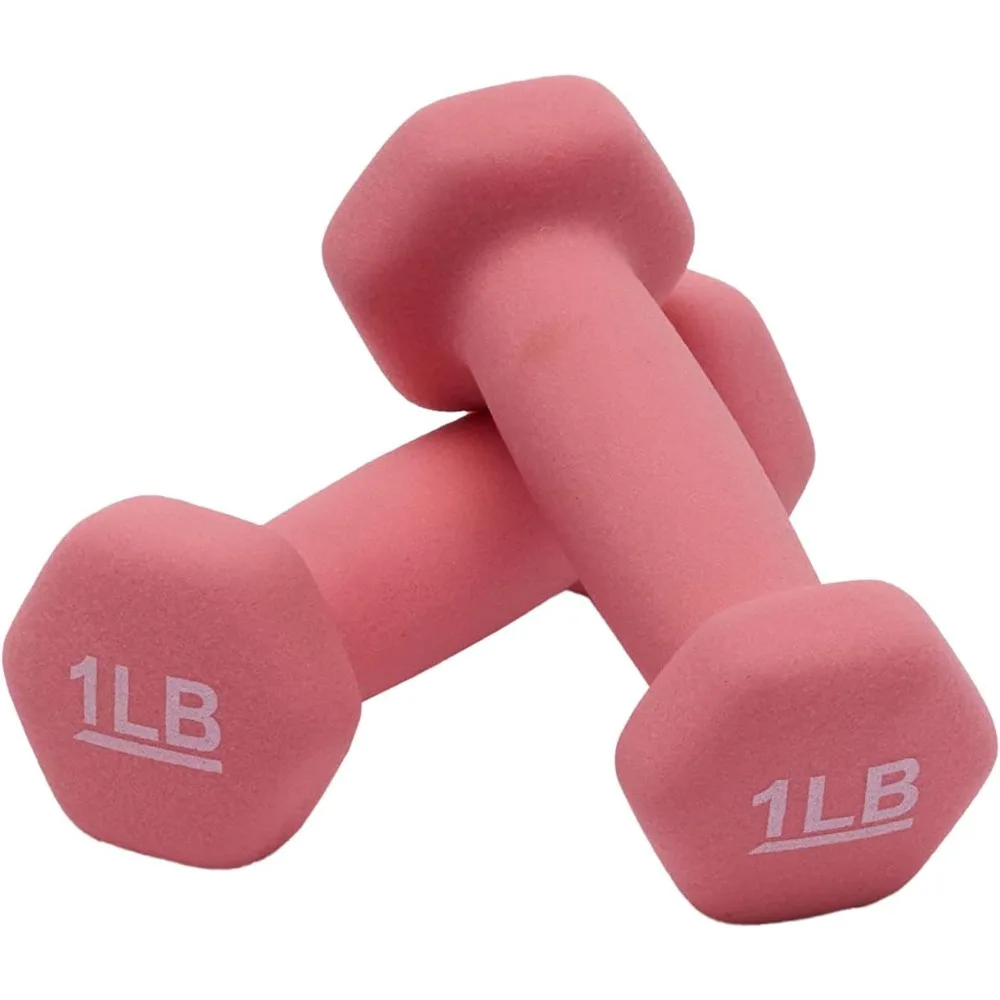
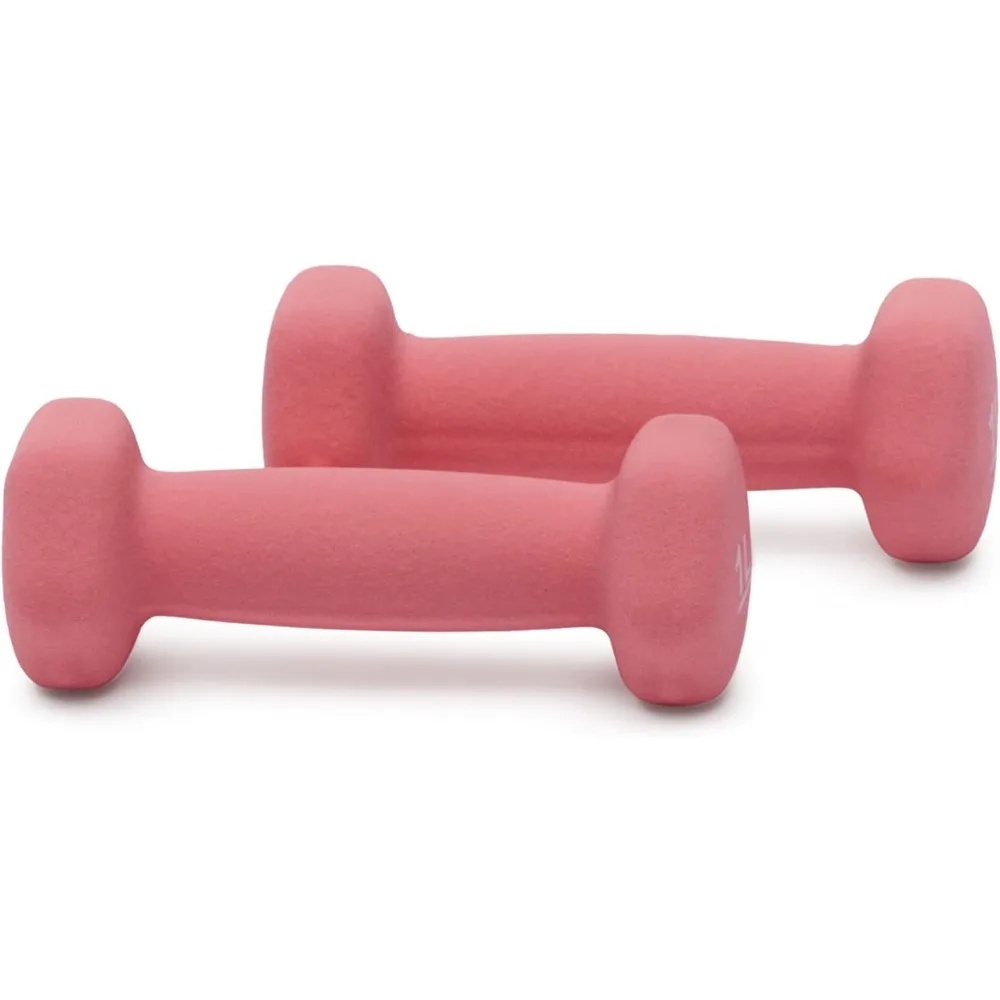
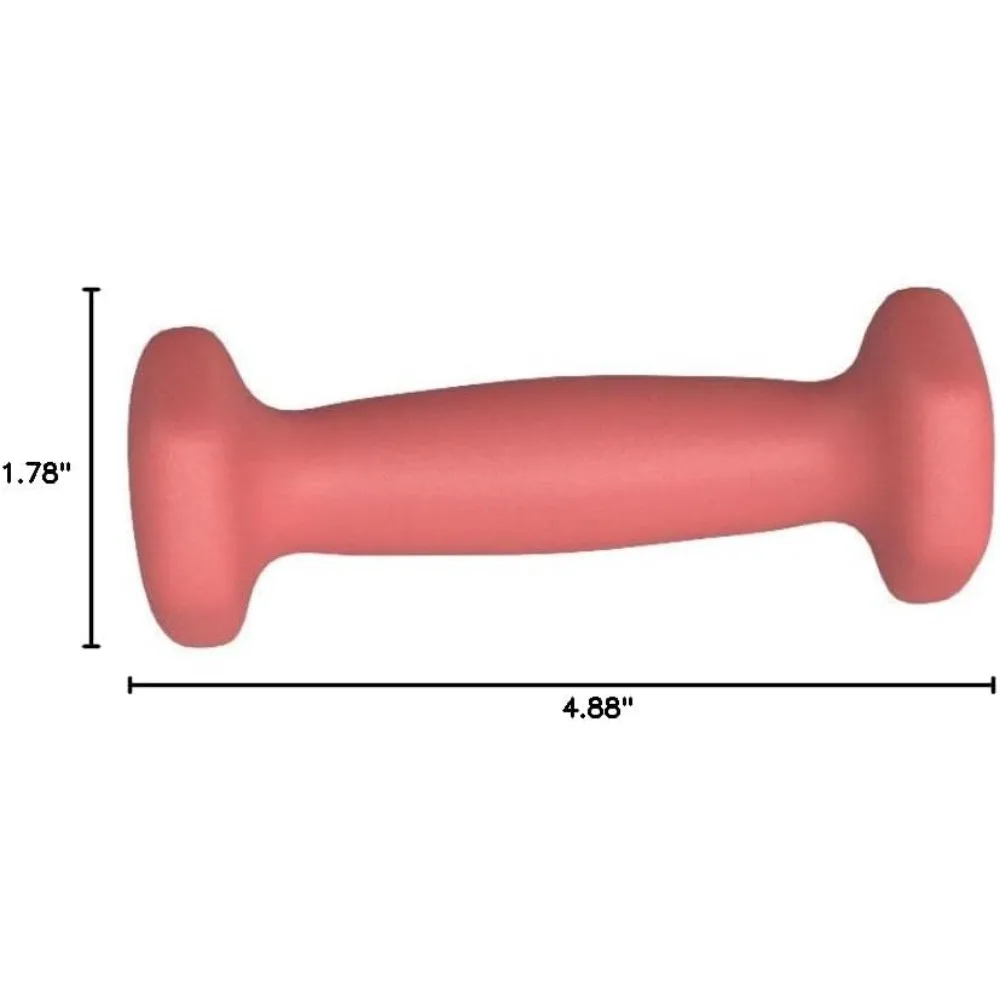
This is a neoprene-coated dumbbell hand weight set at $26.99, for strength training, toning and conditioning. The coating does two things that matter specifically at home. Neoprene grips back when your hands are sweaty, where bare iron gets slippery – and it will not chip a wooden floor or crack a tile when a weight goes down harder than intended. For anyone training in a living room rather than a garage, that is the difference between equipment that stays out and equipment that gets put in a cupboard.
Key Benefits
- Non-slip neoprene. Grips when hands are sweaty, unlike bare iron.
- Floor-friendly. Will not chip wood or crack tile the way an uncoated dumbbell does.
- Comfortable to hold. No knurling digging into the palm during high-rep work.
- Toning and conditioning. Sized for the higher-rep, higher-volume work these are actually used for.
- Quiet. A coated weight set down on a floor does not announce itself to the whole building.
How to Use
- Choose a weight you can control for 10–15 repetitions with good form – for toning and conditioning work, control matters more than load.
- Move through the full range of motion, slowly, particularly on the lowering phase.
- Progress by adding repetitions or slowing the tempo before you jump to a heavier weight.
- Store them on the floor or a rack rather than stacked – neoprene tears if it is dragged across edges.
Specifications
| Type | Neoprene-coated dumbbells / hand weights |
|---|---|
| Coating | Neoprene – non-slip, floor-friendly |
| Training focus | Strength, toning, conditioning |
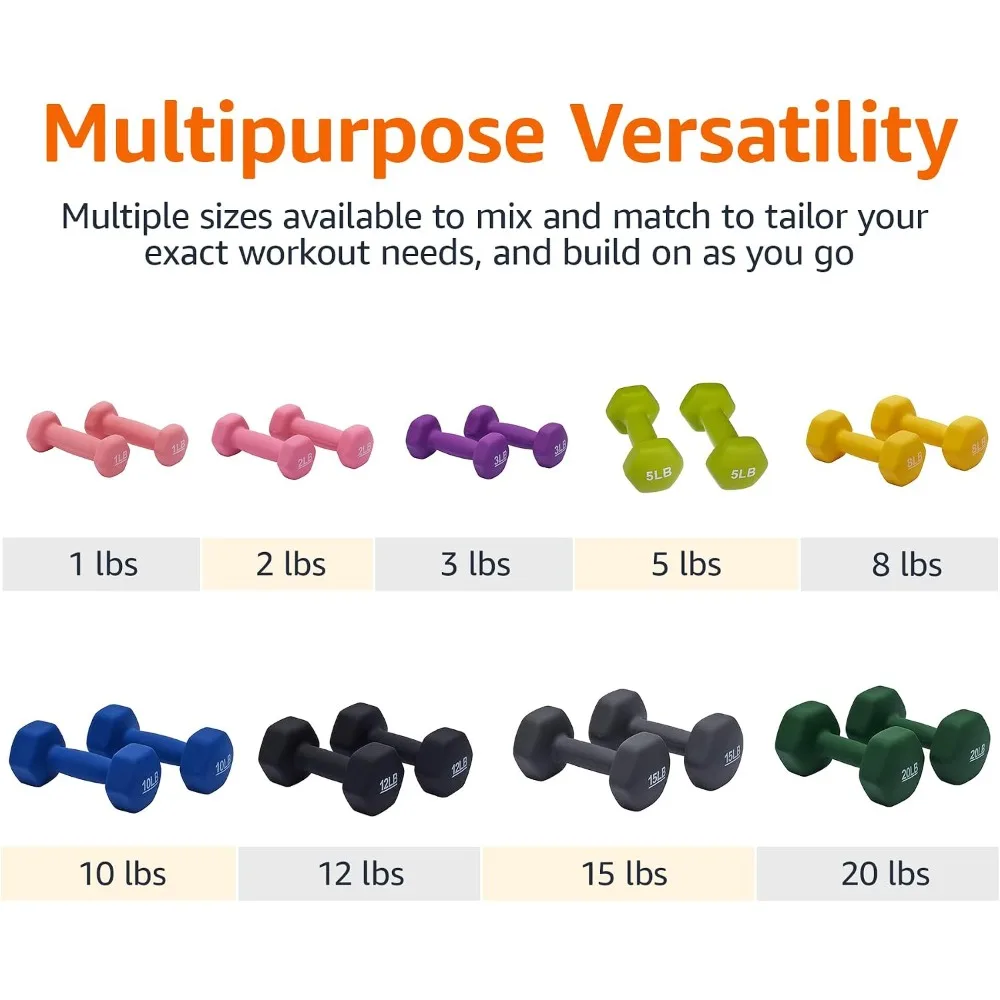
| Weight adjustment | Fixed weight (not adjustable) |
| Best for | Home workouts, toning, conditioning, rehabilitation, higher-rep training |
Care & Maintenance
Wipe down after use – sweat degrades neoprene over time. Do not drag them across rough surfaces, which tears the coating. Store somewhere dry.
What’s in the Box
- 1 x Neoprene dumbbell set
Frequently Asked Questions
Why neoprene rather than plain iron?
Grip and floors. Neoprene holds when your hands are sweaty, whereas bare iron gets slippery, and the coating means a dropped weight will not chip a wooden floor or crack a tile. For home training, both matter more than they do in a gym.
Are they adjustable?
No – these are fixed-weight dumbbells. Fixed weights are simpler and more durable; the trade-off is that you buy the weight you need rather than dialling it in.
What are they best for?
Toning, conditioning and higher-repetition work – the kind of training people actually do at home. For maximum strength you eventually want heavier, adjustable or loadable dumbbells.
How heavy should I go?
Pick a weight you can control for 10 to 15 reps with good form. For this style of training, control and full range of motion produce more than heaving a weight that is too heavy.
Will they damage my floor?
Far less than uncoated iron. Neoprene cushions the impact – though no dumbbell should be dropped deliberately onto a hard floor.
Reviews
There are no reviews yet.